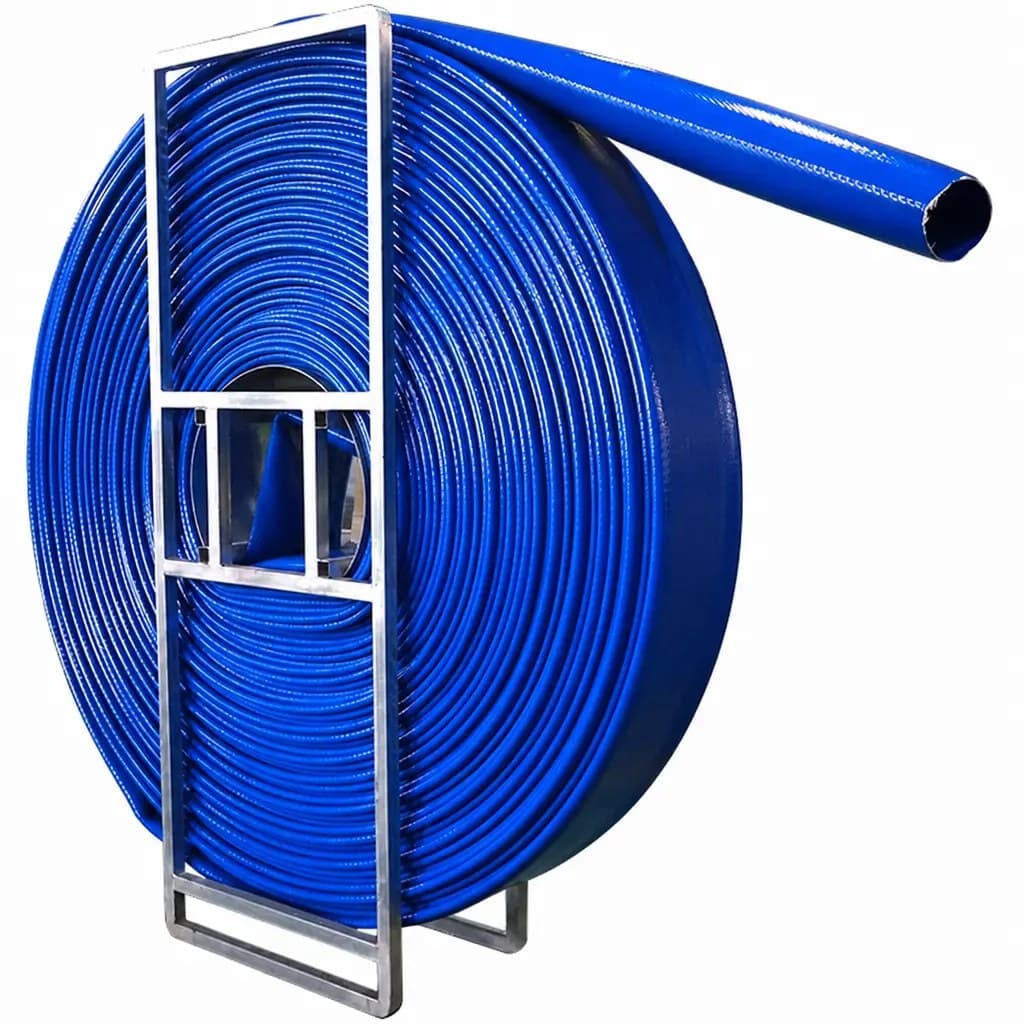
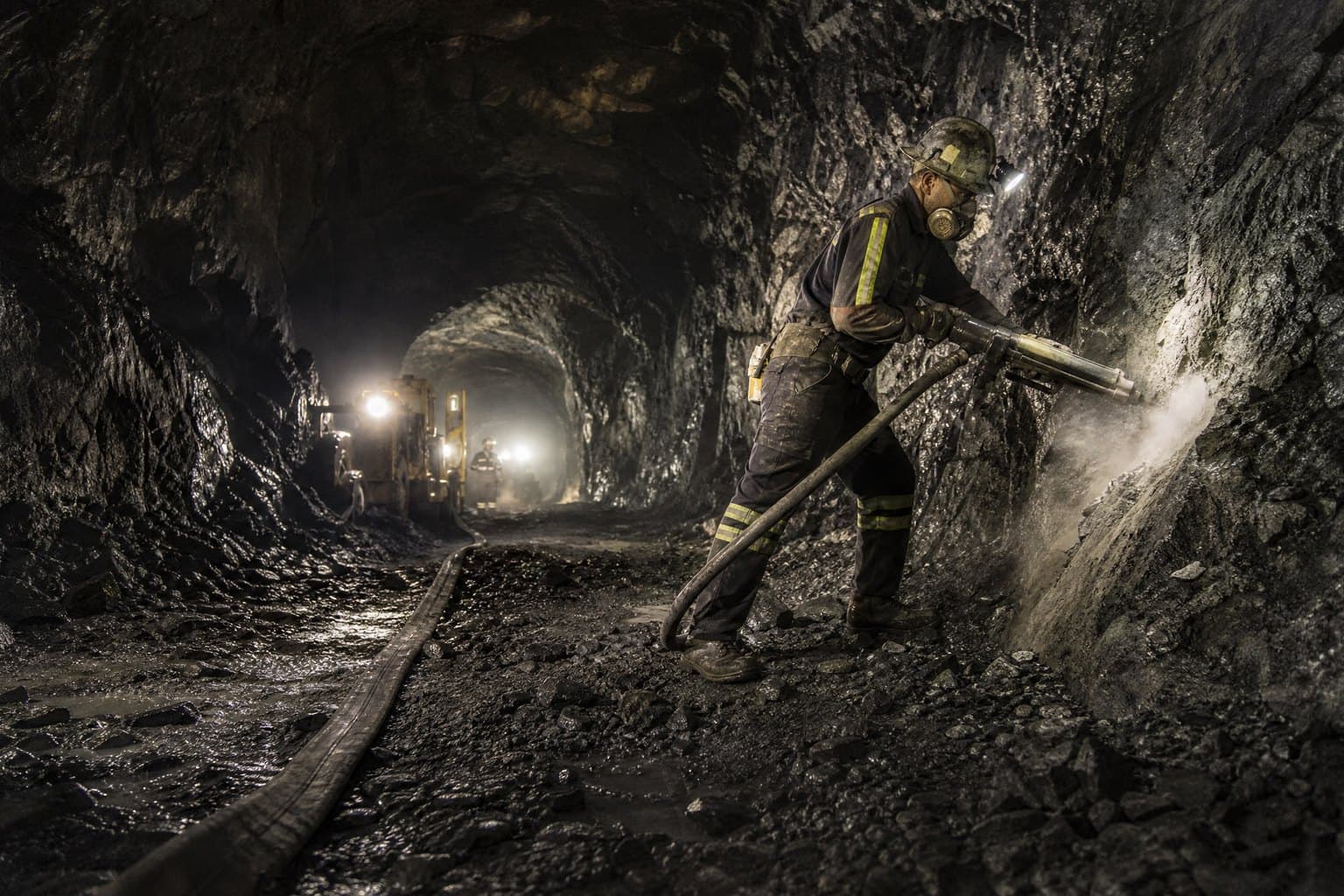
Lay flat hose is usually damaged in one place: a vehicle crossed it, it was dragged over a sharp edge, a fold cracked after a season in the sun, or a coupling was crushed. Because lay flat comes in long lengths, the damage is a small fraction of the hose — and cutting it out and re-coupling turns one damaged 100 m length into two good ones. Our article on why lay flat hose fails covers how to avoid the damage in the first place.
/01Repair or scrap?
| Damage | Usually | How |
|---|---|---|
| Cut or puncture in one placeHighlighted | Repair | Cut out and re-couple |
| Burst or cracked fold at one point | Repair | Cut out and re-couple |
| Damaged or leaking coupling | Repair | Cut back behind the coupling and re-fit |
| Cover worn through along a long stretch | Scrap that stretch or the hose | Inspect the jacket; do not trust the rating |
| Liner separated or blistered | Scrap | — |
| Chemical, fuel or fire exposure; sewage on a potable hose | Scrap | — |
/02Cut out and re-couple.
- Drain and clean the hose and mark the damaged area plus a margin either side.
- Cut square with a sharp knife or hose cutter. An angled or ragged cut will not seal or grip.
- Fit the coupling to each end: push the hose fully onto the shank, close the clamp halves and tighten the bolts evenly, side to side, to the torque given for the size. Match the coupling to the hose bore and wall — a clamp made for one wall thickness will not hold another.
- Join the two lengths with the coupling pair, or keep them as two shorter lengths.
- Test at working pressure, raising it gradually, and check both couplings for leaks and slippage. Re-check clamp bolts after the first pressurisation.
For large-bore hose we supply grooved, Storz, male × female and high-pressure couplings with re-attachable bolted clamps — the clamps come off and go back on, so the same coupling can be re-fitted after a repair. On small fire and lay flat hose, expansion ring couplings are fitted with a hose expander. See our coupling guide.
/03Menders for low-pressure lines.
A hose mender is a short tube with a serrated tail at each end: push one cut end onto each tail, clamp both, and the line is joined. It is the quick field fix for low-pressure water lines — irrigation sub-mains, temporary discharge from small pumps — where the pressure is well within what the clamps can hold. Cut square, push the hose fully onto the serrations, fit the clamps behind the barbs, pressurise slowly and check for leaks. Our hose menders come in 1/2" to 12" in carbon steel, 304 and 316 stainless. Do not use a mender on pressure mains, fuel lines, slurry drag hose or fire hose — re-couple those properly.
/04Fire hose is different.
Fire hose has rules of its own. NFPA 1962 requires hose that fails inspection to be taken out of service and either repaired and service tested, or condemned; repaired or recoupled hose is service tested before it returns to service, and many authorities test repaired lengths individually. State rules built on NFPA 1962 — Ohio’s, for example — allow a defective section to be cut out and the length recoupled, then service tested. Follow your authority’s rules and record every repair. See fire hose cabinet maintenance for test pressures.
Common questions
- How do you fix a hole in lay flat hose?
- Cut out the damaged section square and re-couple the two pieces, or on a low-pressure water line join them with a hose mender and clamps. Test before use.
- Can I patch lay flat hose?
- Cutting out and re-coupling is the reliable repair. Patches are not a substitute on pressure lines.
- Can fire hose be repaired?
- Yes, under NFPA 1962 hose that fails inspection can be repaired and must then be service tested before use, or it is condemned.
- Can I reuse the couplings?
- Couplings with re-attachable bolted clamps can be re-fitted if the shank, clamp and seals are undamaged.
- What pressure can a hose mender take?
- Menders are for low-pressure water lines. For pressure mains, fuel, slurry or fire hose, re-couple with proper couplings.
For hose repair
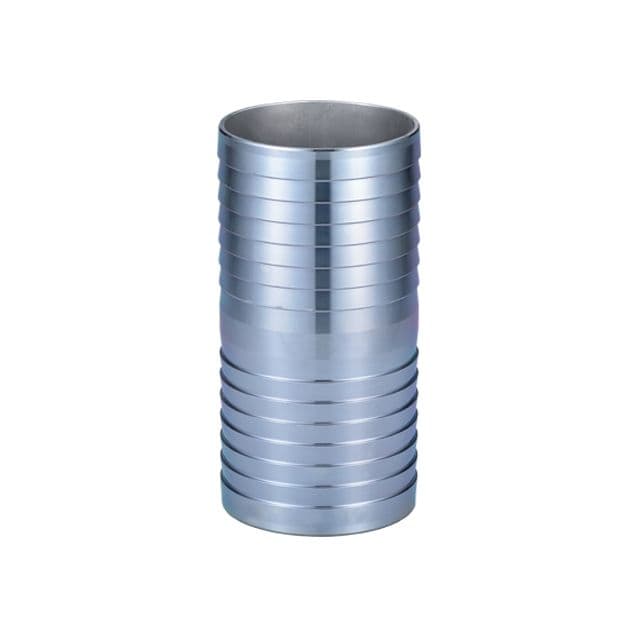 IH-KC-HOSE-MENDERHose MenderSunpool
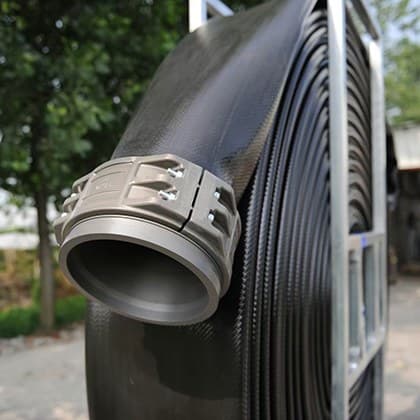 IH-LF-CVGLarge-Bore Lay Flat Hose Coupling, Grooved EndIndus Hydraulics
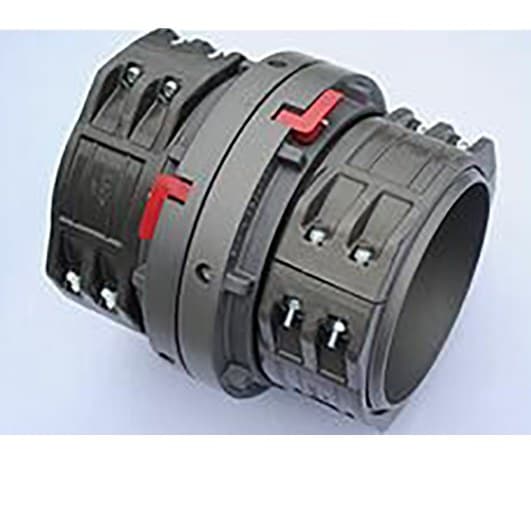 IH-LF-CSTLarge-Bore Storz Lay Flat Hose Coupling, 8" to 12"Indus Hydraulics
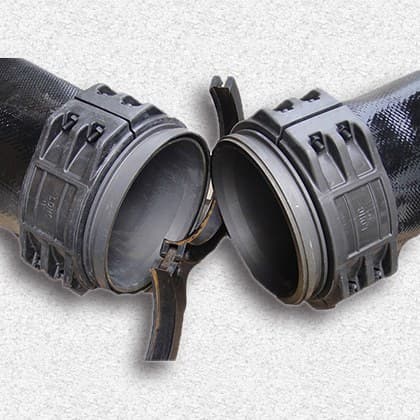 IH-LF-CFMLarge-Bore Male × Female Lay Flat Hose CouplingIndus Hydraulics
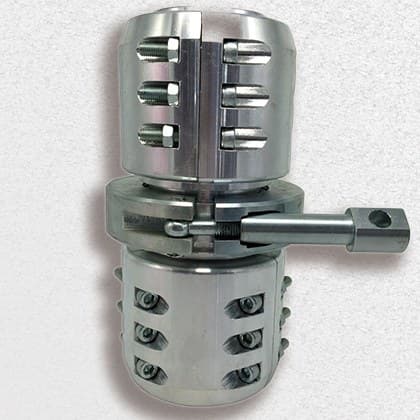 IH-LF-CHPHigh-Pressure Lay Flat Hose Coupling, Male × FemaleIndus Hydraulics
 IH-LF-CERExpansion Ring Fire Hose Coupling, 1" to 2-1/2"Indus Hydraulics