
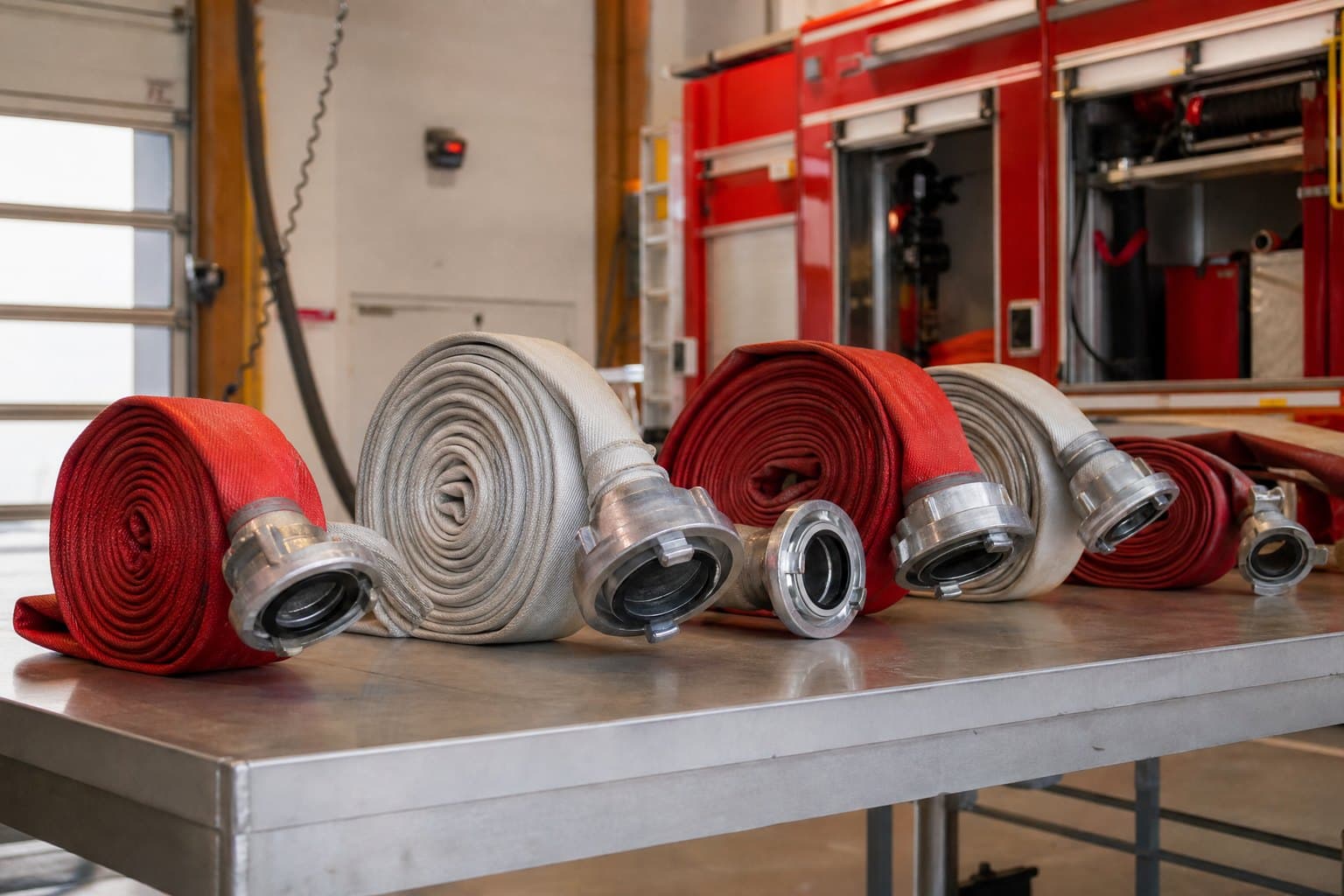
Ask three fire engineers for “standard fire hose” and you may get three different standards. A hose rack in an office corridor, a hose reel in a shopping centre, an attack line on a German appliance and a supply line on an American engine are all fire hose — and each is specified to a different document. Getting the standard right is the first line of any fire hose specification, because it decides construction, size, pressure, test and marking.
/01The map.
| Standard | Covers | Key limits | Used for |
|---|---|---|---|
| EN 14540:2014Highlighted | Non-percolating lay flat hose for fixed systems | 25–52 mm bore, up to 15 bar, −20 to +60 °C | Hose in EN 671-2 wall hose systems |
| EN 671-2:2012 | Hose systems with lay flat hose in buildings | Permanently connected, for occupants | Hose cabinets and racks |
| EN 694:2014 | Semi-rigid hose for fixed systems | 19 and 25 mm up to 12 bar; 33 mm up to 7 bar | Hose reel hose |
| EN 671-1:2012 | Hose reels with semi-rigid hose in buildings | Manual and automatic reels | Hose reels |
| BS 6391:2009 | Non-percolating lay flat delivery hose and assemblies | Up to 15 bar (normally ≤ 10 bar), to −20 °C, Types 1, 2 and 3 | UK fire and rescue and industrial hose, BS 336 couplings |
| DIN 14811:2008 | Lay flat delivery hose for pumps and fire vehicles | Three classes, 14 sizes, to −25 °C | German fire service (C 42, C 52, B, A sizes) |
| NFPA 1961 → NFPA 1960 (2024) | Fire hose by use: attack, occupant-use, forestry, supply | Marked service test pressure; proof test twice that | North American and many international specs |
| NFPA 1962 | Care, use, inspection and service testing of hose | Service test ≥ 300 psi attack/forestry, 200 psi supply | In-service testing |
/02Building hose: EN 671 and its hoses.
In buildings, Europe separates hose reels from hose systems. A hose reel (EN 671-1) carries semi-rigid hose to EN 694 that stays round on the drum and can be used without unrolling fully — the easiest equipment for an untrained occupant. A hose system (EN 671-2) carries lay flat hose to EN 14540, folded or rolled in a cabinet, which delivers more water but must be fully run out before use. Both are permanently connected to the water supply. Our rack and cabinet fire hose is lay flat for this kind of service; tell us the standard and approval your installation requires.
/03Fire service hose: BS 6391 and DIN 14811.
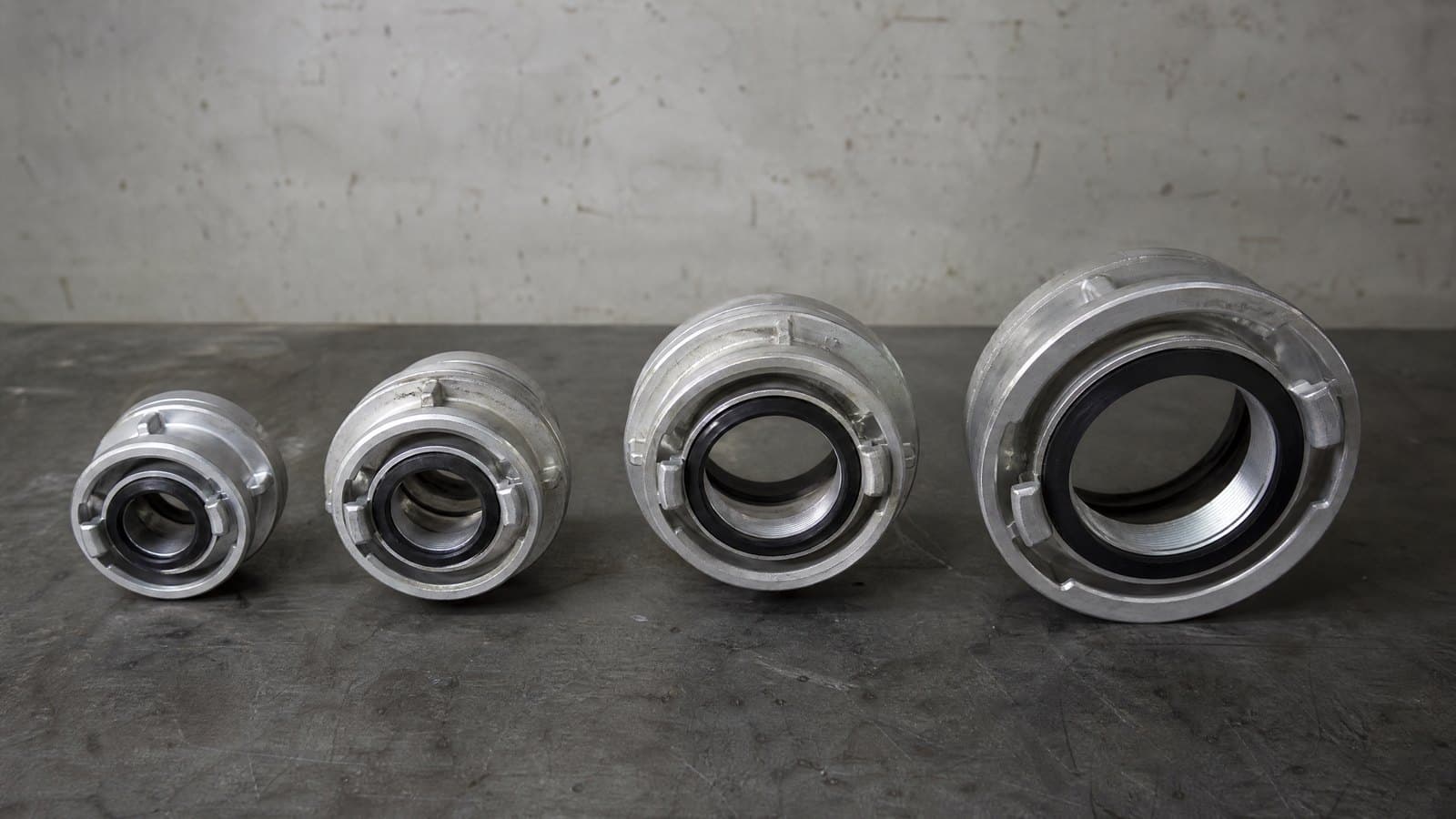
There is no published European standard for fire service delivery hose. A draft (prEN 1924) failed its formal vote at CEN in 2004 and the project was cancelled; Germany revised its national standard and published it as DIN 14811, which divides hose into three classes by construction, covers 14 inside diameters including the familiar C 42, C 52, B and A sizes, and rates hose for use down to −25 °C. German hose is joined with Storz couplings, now standardised in DIN 14333 (PN 16). In the UK, BS 6391 covers non-percolating lay flat delivery hose in Types 1, 2 and 3 for working pressures up to 15 bar — normally no more than 10 bar — with BS 336 instantaneous couplings. Types are commonly described as uncoated (Type 1), externally coated against absorption (Type 2) and with an elastomeric cover (Type 3), the last being the usual choice for fire and rescue services.
/04NFPA: classified by use.
In North America, and in many Gulf specifications, hose is classified by who uses it and how. NFPA 1961 — consolidated in 2024 into NFPA 1960 — covers attack hose for trained firefighters, occupant-use hose on standpipes, forestry hose for wildland fire and large-diameter supply hose. Each hose is marked with its service test pressure, and the factory proof test is twice that figure. NFPA 1962 sets the in-service regime: service tests of at least 300 psi for attack and forestry hose and 200 psi for supply hose, or the marked pressure; never the proof pressure in the field. Our guide to fire hose cabinet maintenance covers the intervals.
/05Specifying against a standard.
- Name the standard and its edition — and the type or class within it.
- Give the bore and length in the standard’s own terms (C 52, 45 mm, 1-3/4").
- Name the couplings — Storz, BS 336 instantaneous, NST or other — and who fits them.
- State the approval or certification required: third-party certification, a civil defence listing, a fire service framework.
- Ask for the marking each standard requires on the hose, and for the test certificates.
Common questions
- Is there a European standard for fire service hose?
- No published EN. The draft prEN 1924 was cancelled in 2004; Germany published DIN 14811 and the UK uses BS 6391.
- What pressure is EN 14540 hose rated for?
- Up to 15 bar maximum working pressure, in bores from 25 to 52 mm, for use from −20 to +60 °C.
- What is the difference between EN 671-1 and EN 671-2?
- EN 671-1 covers hose reels with semi-rigid hose; EN 671-2 covers hose systems with lay flat hose. Both are for occupants in buildings.
- What does a BS 6391 Type 3 hose mean?
- Type 3 is commonly described as a lay flat hose with an elastomeric external cover, the type most used by UK fire and rescue services. Check the standard for the formal definition.
- Has NFPA 1961 been replaced?
- It was consolidated with other hose and equipment standards into NFPA 1960 in 2024.
Fire hose and couplings
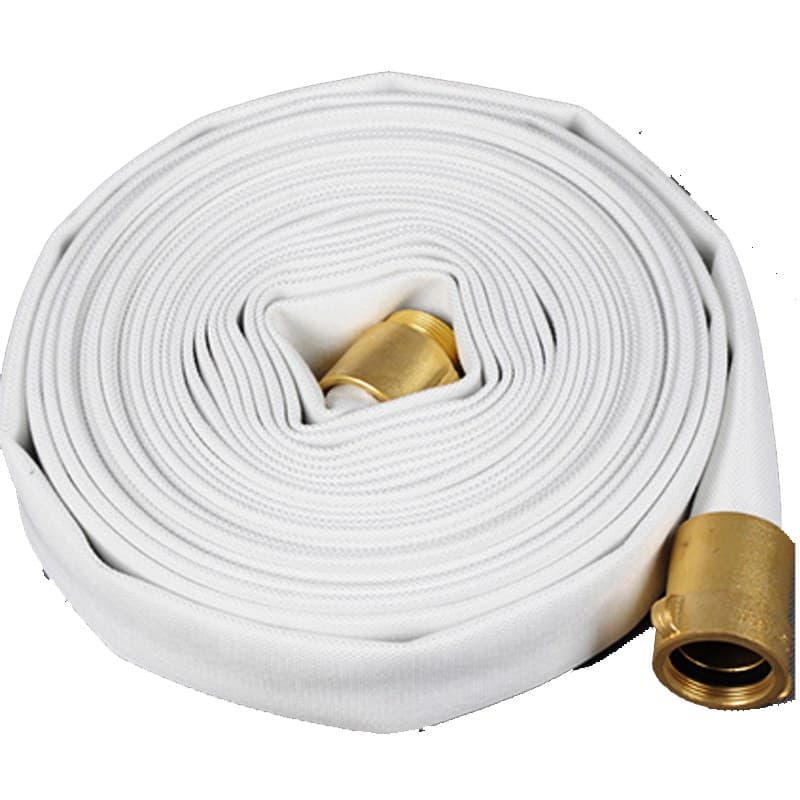 IH-LF-FRURack and Cabinet Fire Hose, Polyurethane LinerIndus Hydraulics
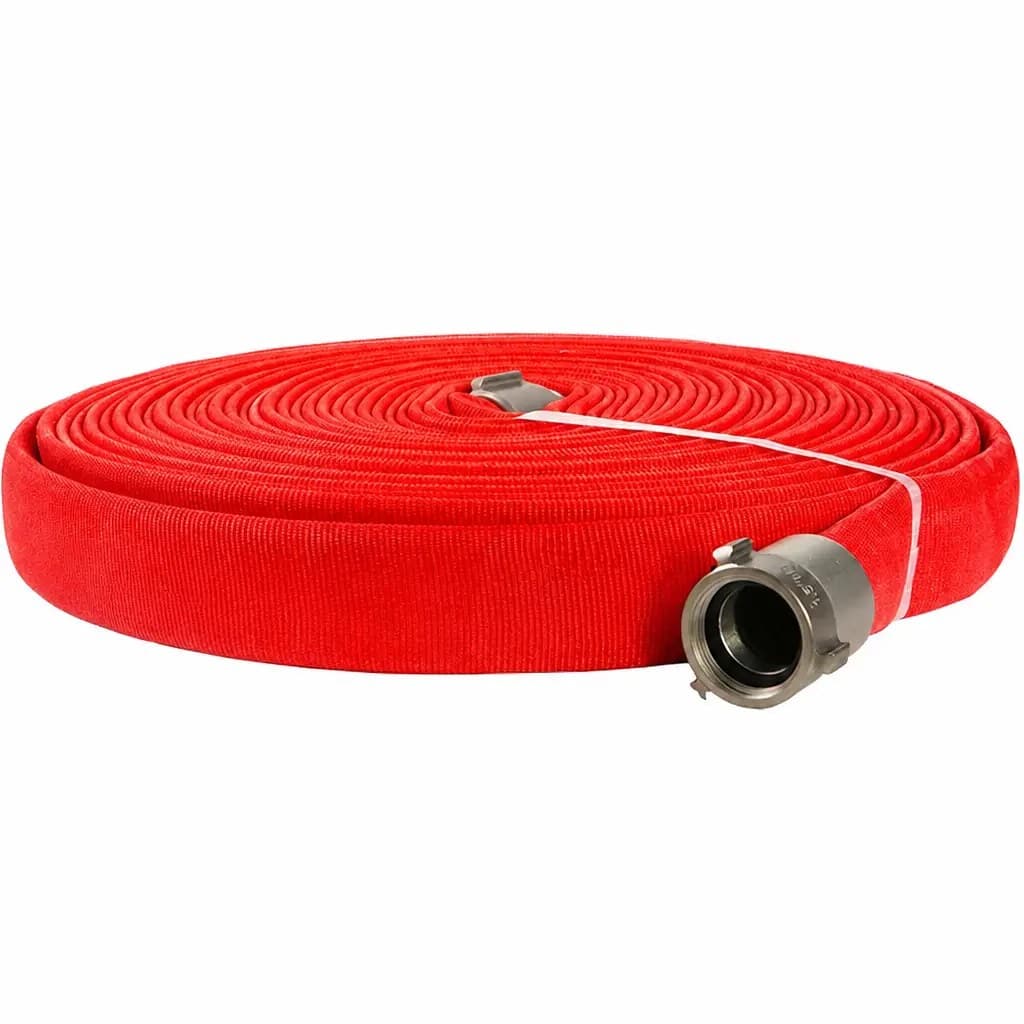 IH-LF-FDEDouble-Jacket Fire Hose, EPDM LinerIndus Hydraulics
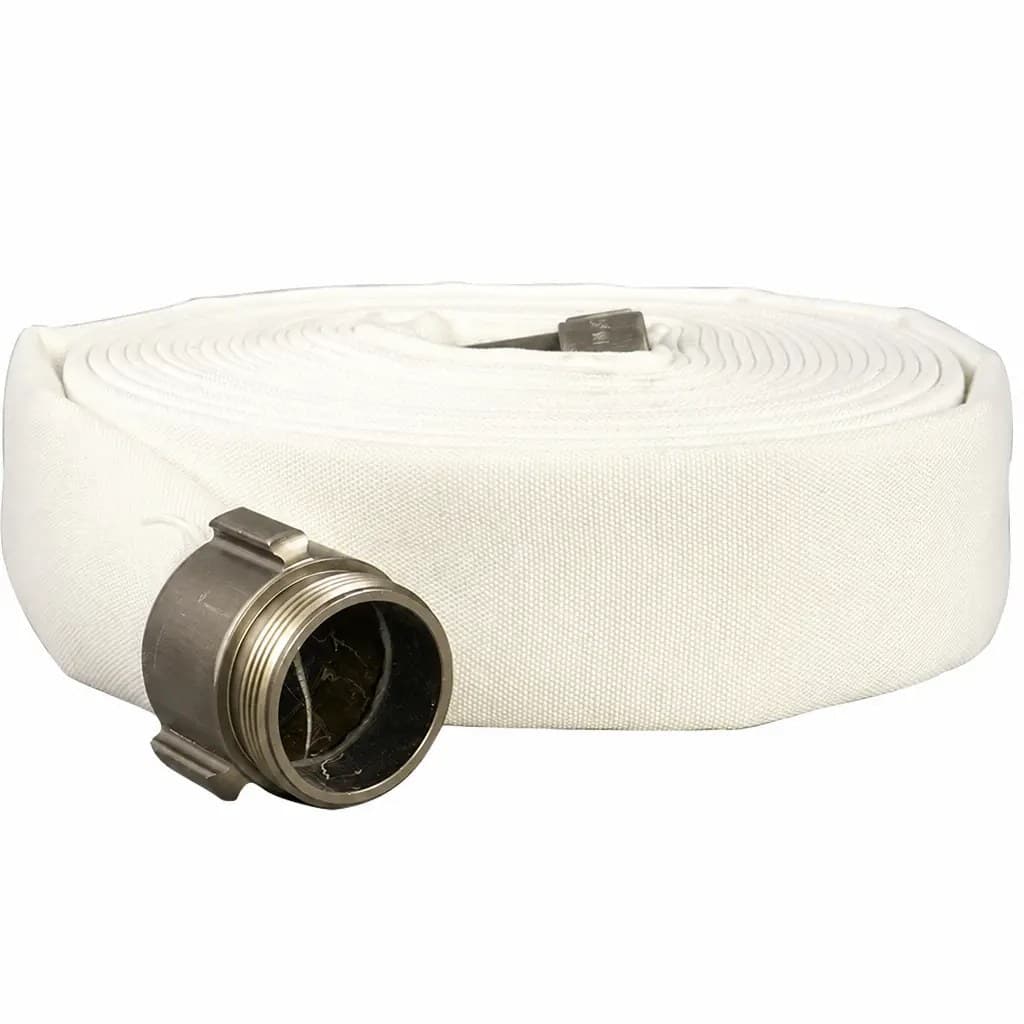 IH-LF-FDNDouble-Jacket Fire Hose, Natural Rubber LinerIndus Hydraulics
 IH-LF-FSUSingle-Jacket Fire Hose, Polyurethane LinerIndus Hydraulics
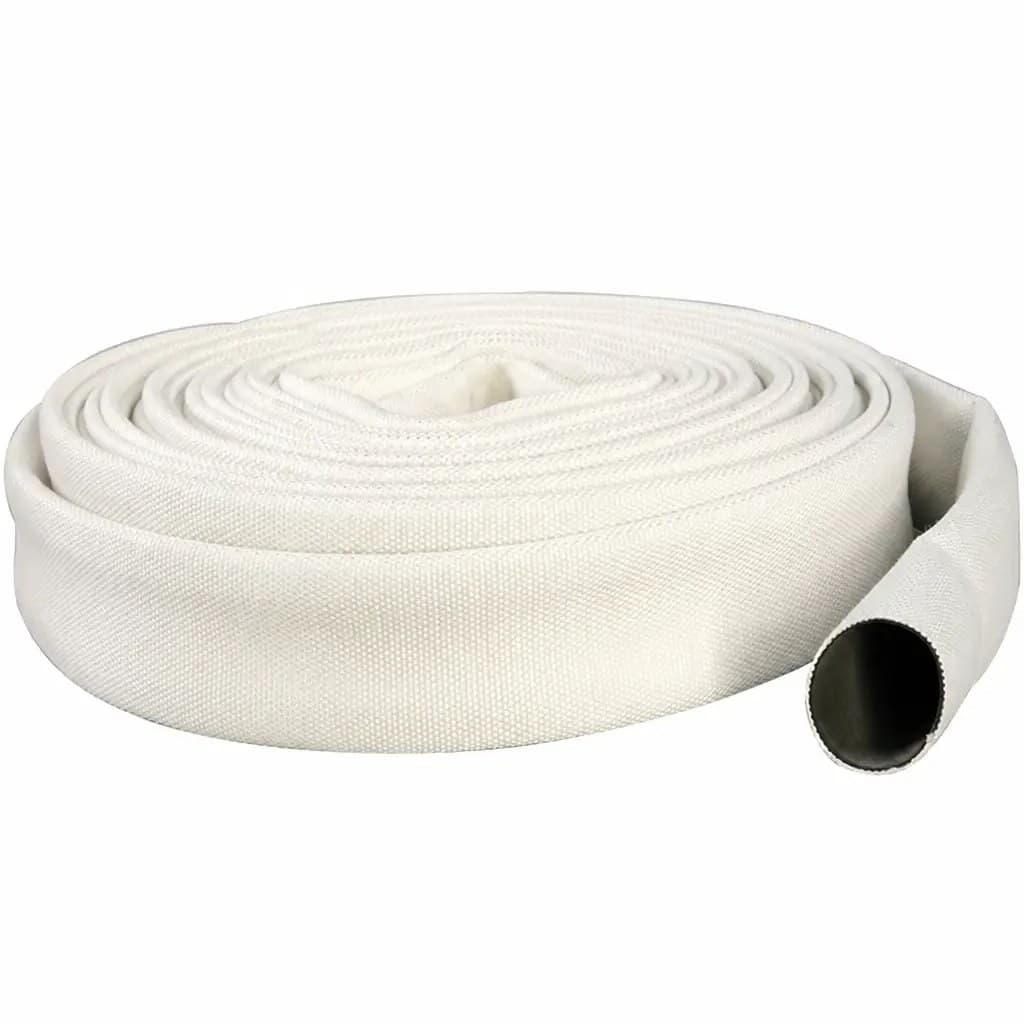 IH-LF-FSNSingle-Jacket Fire Hose, Natural Rubber LinerIndus Hydraulics
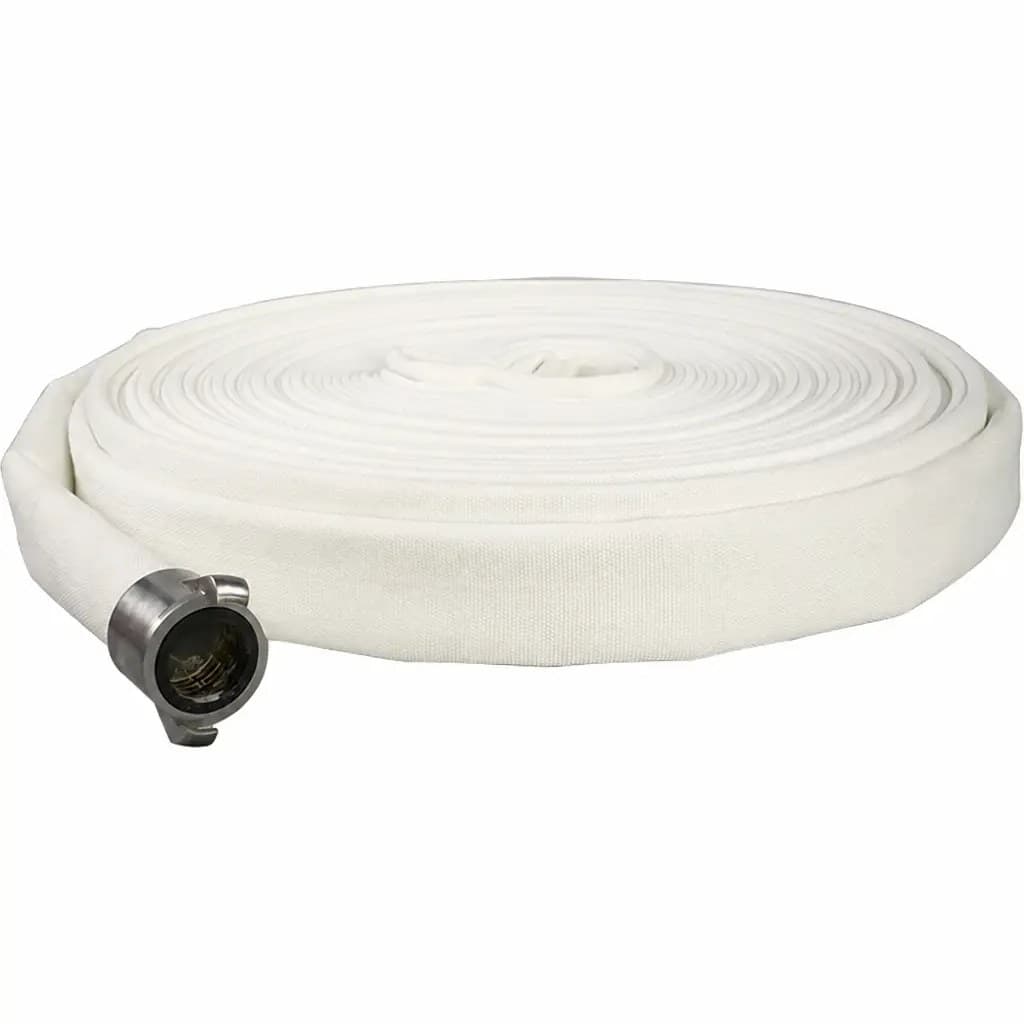 IH-LF-FFEForestry Fire Hose, Single Jacket, EPDM LinerIndus Hydraulics
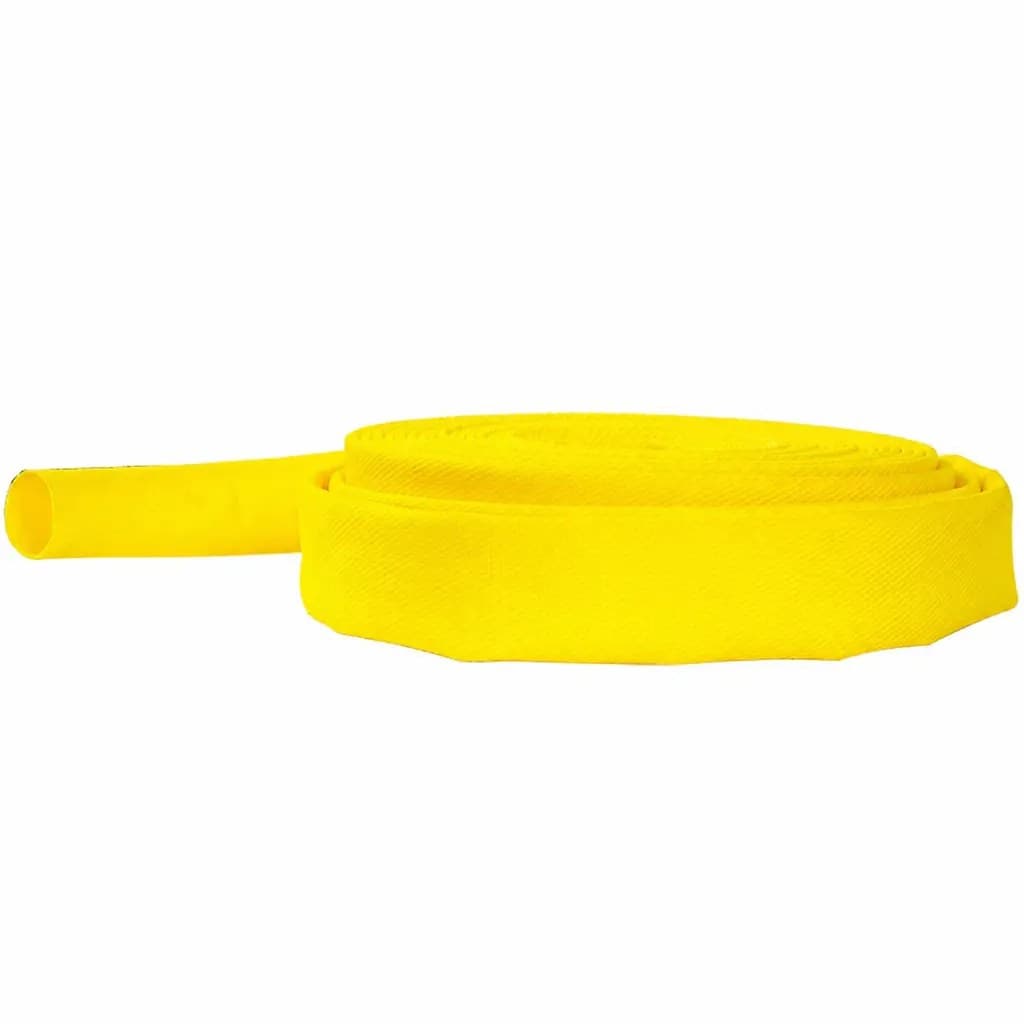 IH-LF-FFNForestry Fire Hose, Rubber Liner, PU-Coated JacketIndus Hydraulics
 IH-LF-CERExpansion Ring Fire Hose Coupling, 1" to 2-1/2"Indus Hydraulics


