
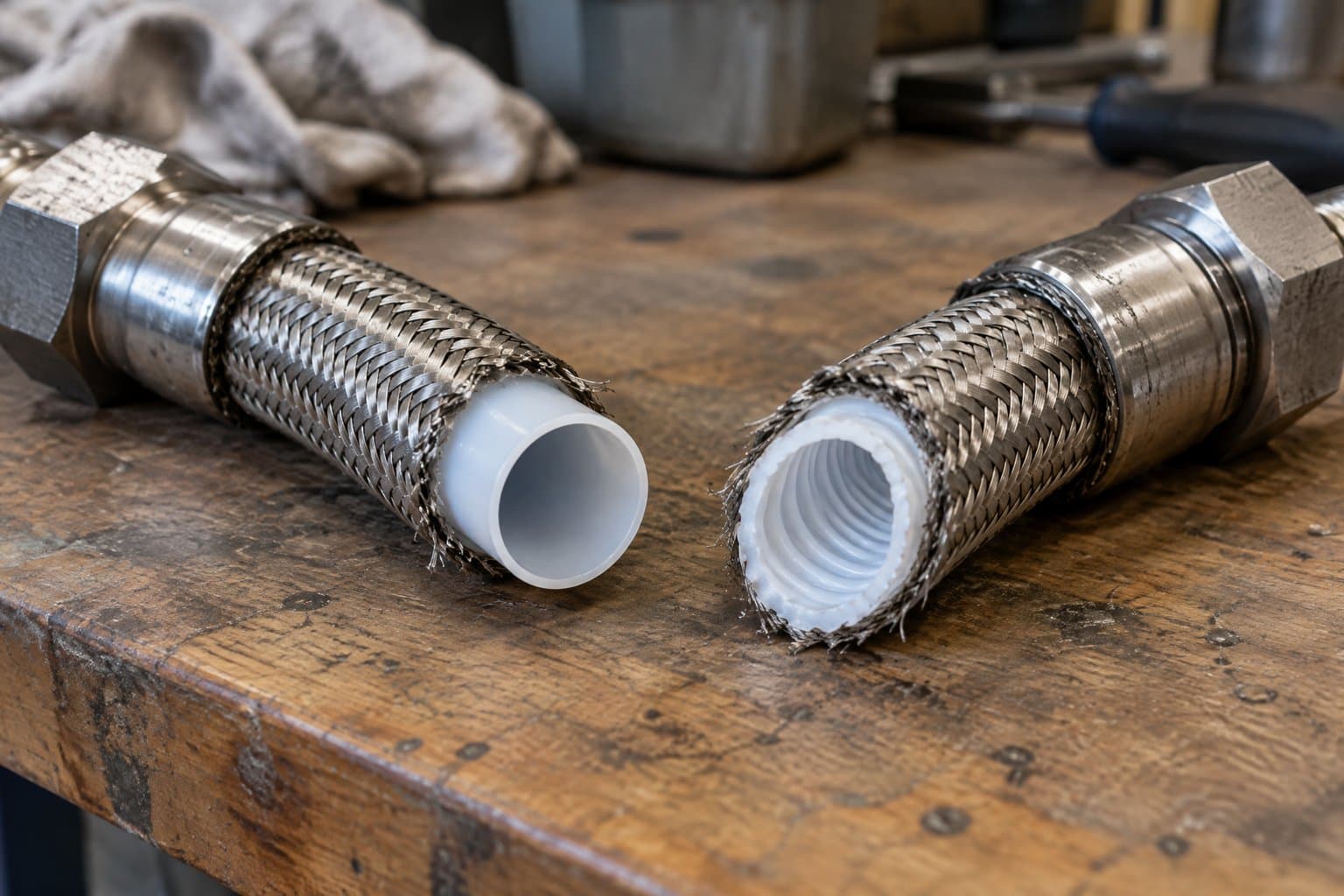
PTFE — polytetrafluoroethylene — is about as close to universally chemically resistant as an engineering material gets. As a hose liner it carries acids, solvents, steam and hot oils that would swell, harden or dissolve rubber, it does not age on the shelf, and nothing sticks to it. The choice is less about whether PTFE will handle the medium than about which construction suits the installation.
/01Smoothbore or convoluted.
A smoothbore PTFE hose has a plain, round PTFE tube under the braid. It carries high pressure, drains completely and cleans easily, which suits process lines, steam and hydraulic duty — but the plain tube kinks if bent too tightly. A convoluted PTFE hose has a tube formed into corrugations, like a metal hose. It bends far more tightly and resists kinking, which suits tight routing and frequent movement, at a lower pressure and with a bore that is harder to clean and drain.
| Hose | Braid | Up to | Sizes | Temperature |
|---|---|---|---|---|
| PTFE smoothboreHighlighted | 304 stainless | 350 bar (smallest size) | DN5 – DN50 | −73 to +260 °C |
| Convoluted PTFE | Polypropylene | 16 bar | DN10 – DN50 | −73 to +260 °C |
| Convoluted PTFE | 304 stainless | 25 bar | DN10 – DN75 | −73 to +260 °C |
| R14 PTFE hydraulic (SAE 100R14) | Stainless, or stainless + aramid | 200 bar at −03 | −03 to −16 | −54 to +204 °C |
/02What the braid adds.
PTFE on its own is not strong; the braid carries the pressure and protects the tube. A 304 stainless braid gives the high ratings and abrasion resistance. A polypropylene braid on the convoluted hose keeps it light and metal-free where the outside atmosphere would attack stainless, at the cost of pressure. The temperature limit on our listings is the same for all three — −73 to +260 °C — but the end fittings, and any gaskets in them, need to match it.
/03Hydraulic PTFE: R14.
For hydraulic circuits there is a PTFE hose built to the SAE 100R14 standard: our R14 has a virgin PTFE tube under a single stainless braid (Type A) or stainless braid plus aramid (Type B), rated from 200 bar at −03 down to 65 bar at −16, and from −54 to +204 °C. It is the answer where a hydraulic line runs near heat, carries a fluid nitrile cannot, or blisters a rubber tube through permeation. For large-bore chemical transfer, the PTFE chemical composite hose takes PTFE to 1"–DN100 at 20 bar.
Frequently asked questions
- What temperature can PTFE hose handle?
- Our industrial PTFE hoses are listed from −73 to +260 °C. The R14 hydraulic PTFE hose is rated −54 to +204 °C.
- Is smoothbore or convoluted PTFE hose better?
- Smoothbore for pressure, drainage and cleaning; convoluted for flexibility and tight bends at lower pressure. Our smoothbore is rated to 350 bar at the smallest size; convoluted to 16 or 25 bar.
- Does PTFE hose need special fittings?
- Yes. Use fittings and ferrules made for PTFE hose; our range includes a specialty crimp ferrule for PTFE / Teflon hose.
- What is SAE 100R14?
- The SAE standard for PTFE hydraulic hose. Our R14 is built to it, from −03 to −16, 200 bar at −03.
PTFE hose
 IH-IH-PTFE-SMOOTHBORE-SSPTFE Smoothbore Hose with Stainless Steel BraidDixon
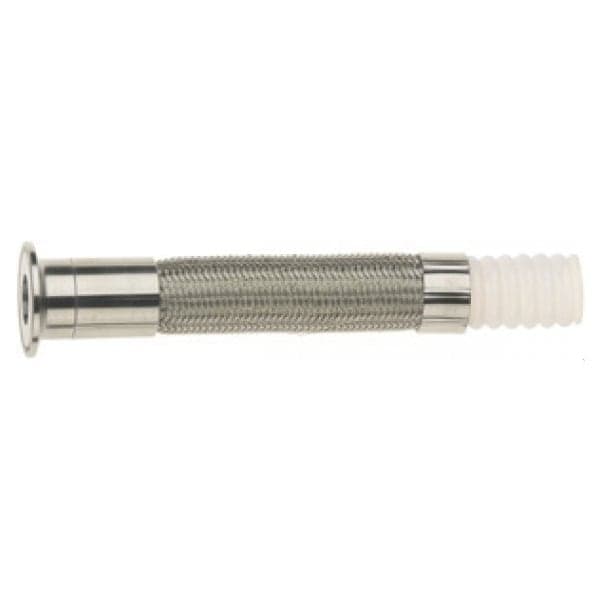 IH-IH-PTFE-CONVOLUTED-SSConvoluted PTFE Hose with Stainless Steel BraidDixon
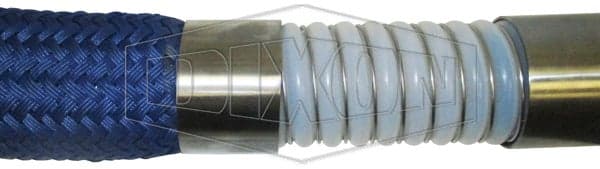 IH-IH-PTFE-CONVOLUTED-POLYMERConvoluted PTFE Hose with Polypropylene BraidDixon
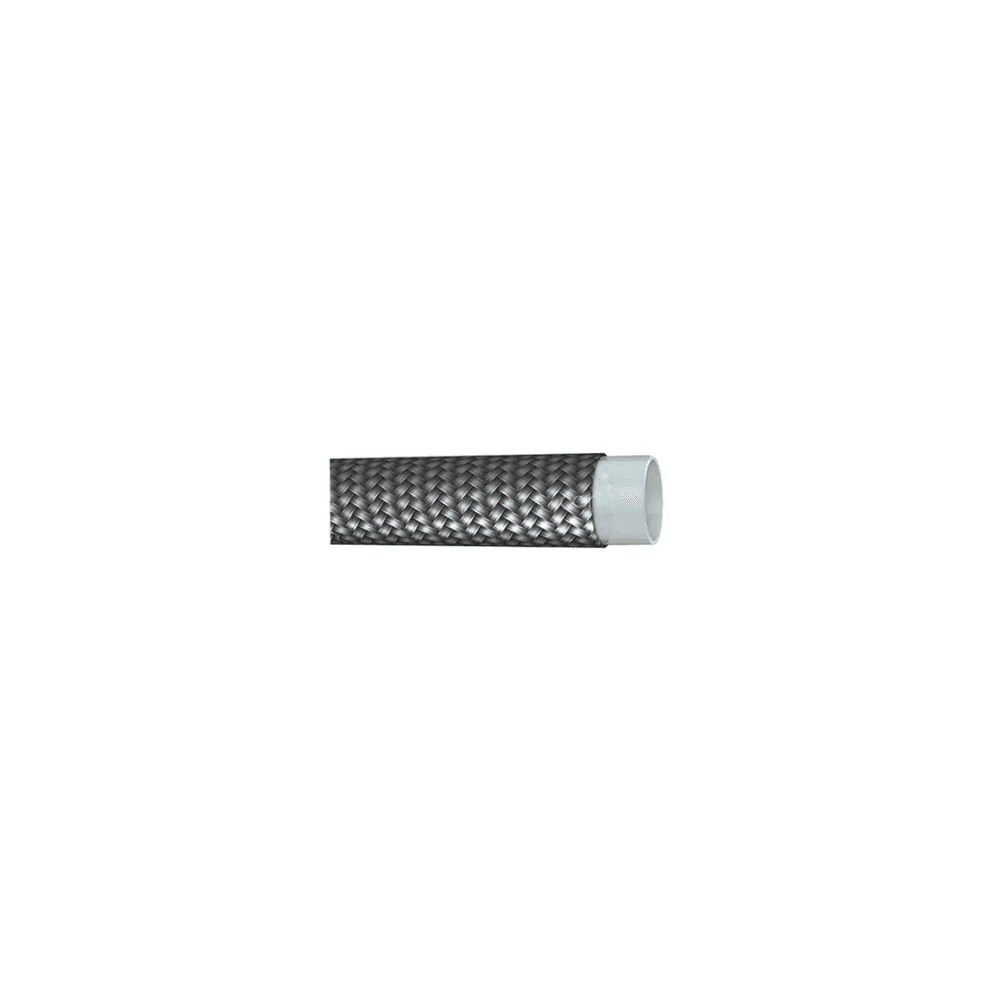 IH-HOSE-R14R14 PTFE Hydraulic HoseParker Hannifin
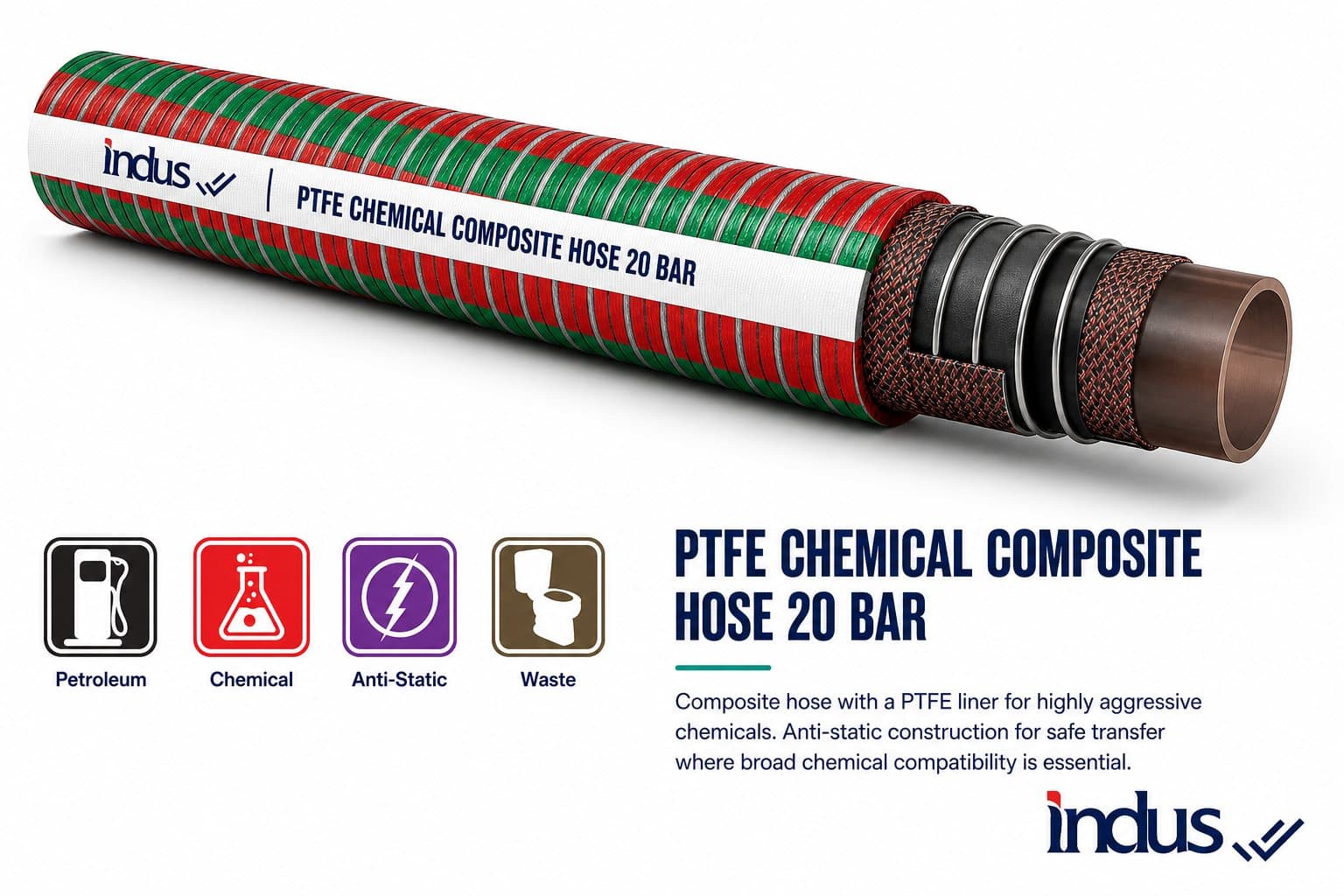 IH-IH-A911SGPTFE Chemical Composite Hose 20 BarIndus Hydraulics
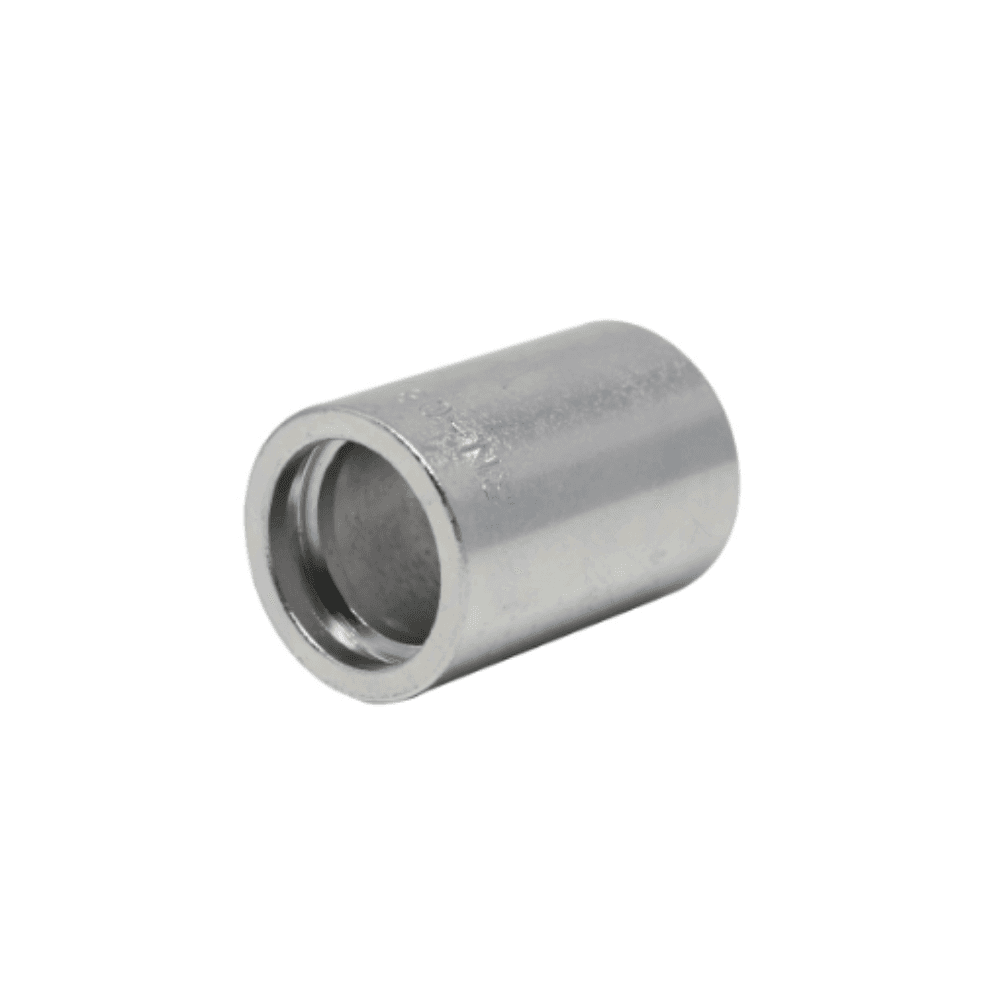 IH-CF-TEFLONSpecialty Crimp Ferrule for PTFE / Teflon HoseIndus Hydraulics


