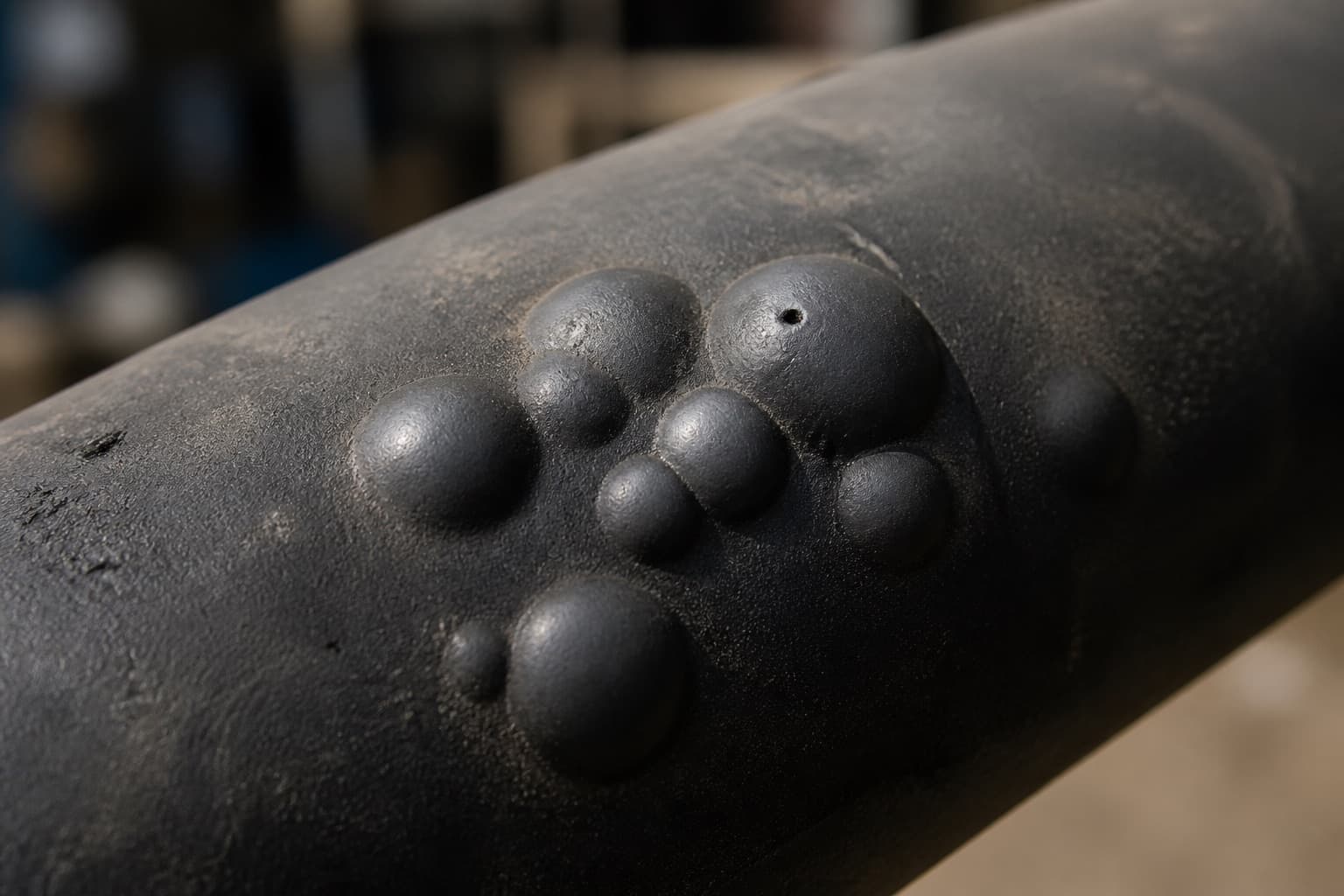
A raised bubble under the cover of an otherwise healthy hose looks exactly like a defect, and it is one of the more common reasons an assembly gets returned. Most of the time it is the hose doing what it was always going to do in that duty — but the exception is a hose that is one thin layer of rubber away from bursting.
/01What is inside the blister.
| What comes out | What it means | Urgency |
|---|---|---|
| Gas, no fluid | Permeation — gas passing through the tube and collecting under the cover | Normal in some duties; review the specification |
| Hydraulic fluidHighlighted | The tube has failed. Only the cover is containing pressure. | Replace immediately |
| Nothing — the cover has simply lifted | Adhesion failure between cover and reinforcement, or external heat damage | Replace; investigate heat source |
/02Permeation, and why it is not a fault.
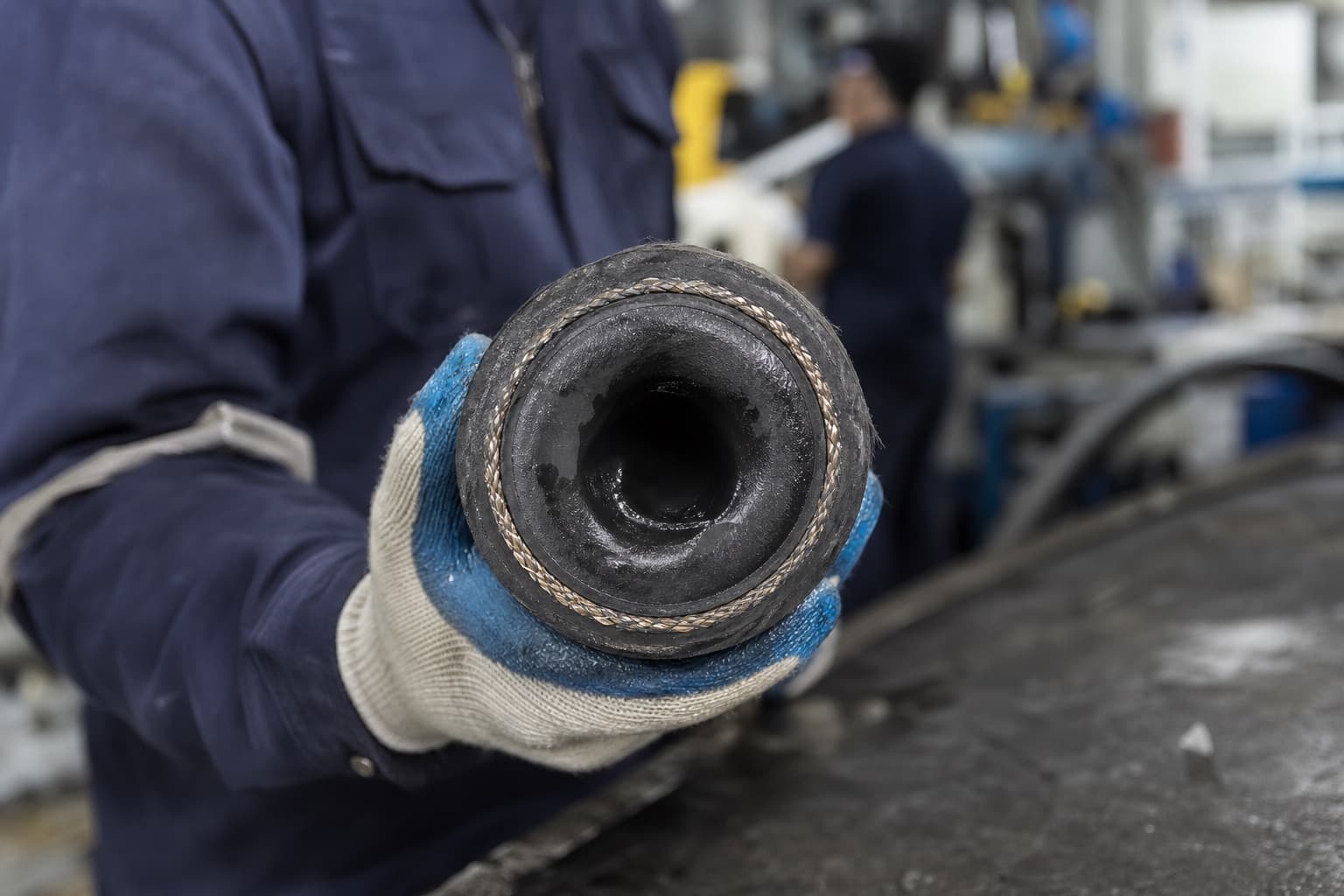
Rubber is not a perfect barrier. Gas dissolved in hydraulic fluid — air, or in some systems something less benign — migrates slowly through the tube wall. In most duties it migrates out through the cover at a similar rate and nothing happens. Where the gas gets in faster than it gets out, it collects, and a blister is the result.
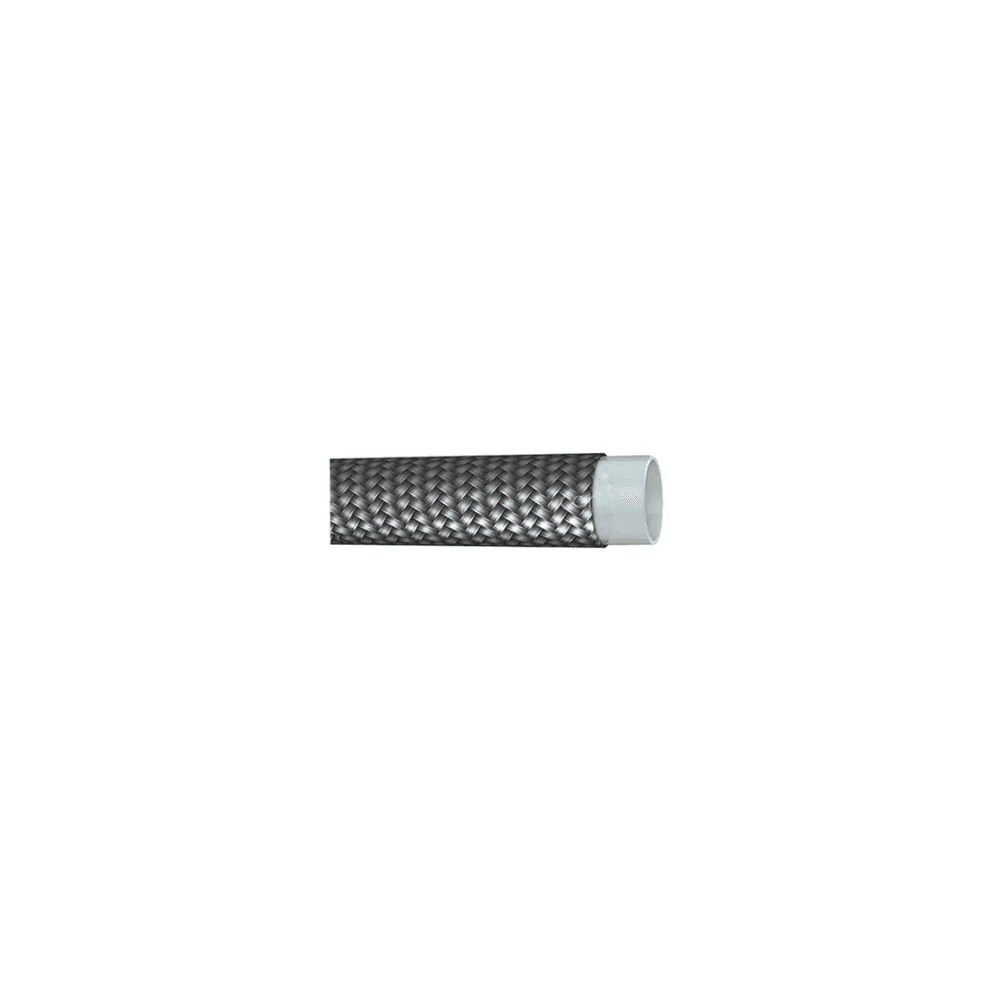
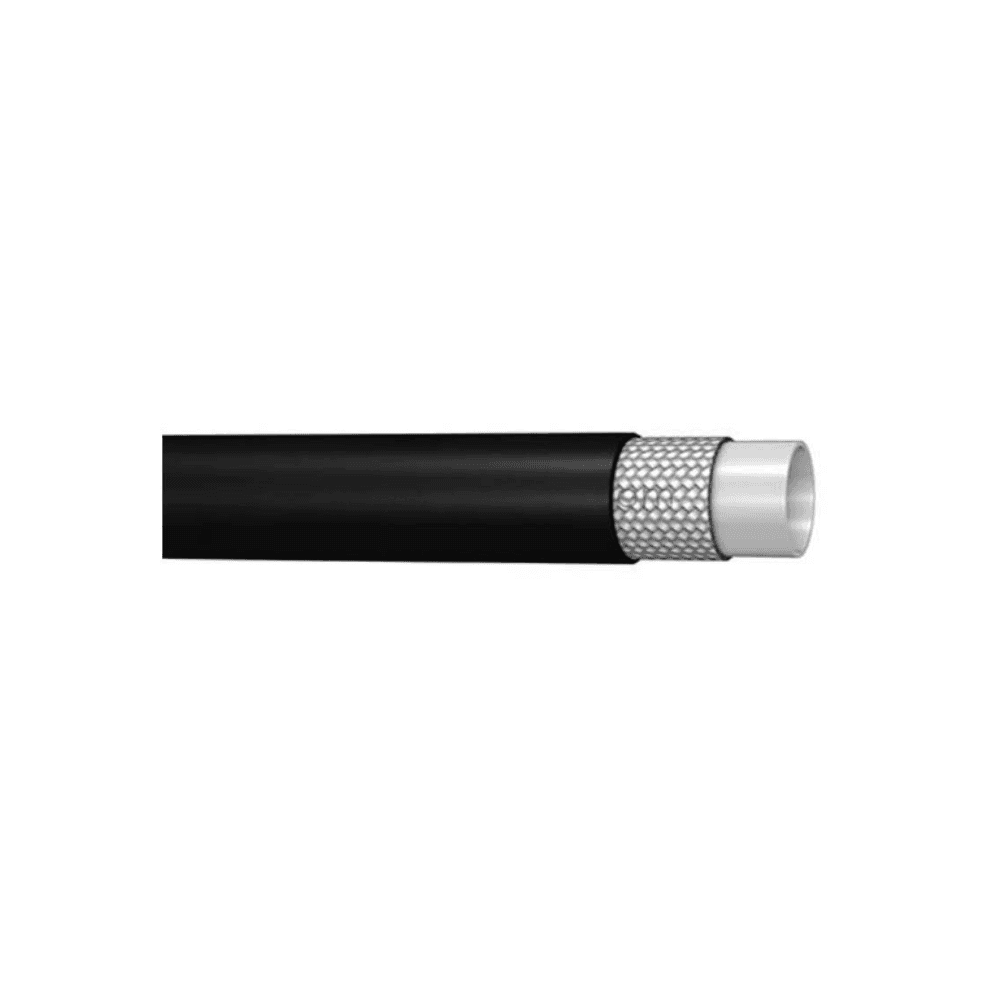
That is a property of the fluid, the pressure and the temperature rather than a defect in a particular length of hose, which is why replacing a blistered hose with an identical one usually produces another blistered hose. The fix, when one is needed, is a different tube compound or a cover designed to vent. Thermoplastic hose such as R7 has a nylon tube rather than a nitrile one, which changes the permeation picture again.
/03What to change.
| Finding | What to change |
|---|---|
| Gas blisters, recurring on every hose in that circuit | Tube compound, or a construction rated for that fluid and duty |
| Gas blisters on one hose only | Check that hose is the specified grade — it may not be |
| Fluid blister | Replace, then find out why the tube failed — usually fluid incompatibility or heat |
| Cover lifted with nothing inside, near a hot component | Routing and heat shielding, not the hose |
Where the fluid is aggressive or the duty is unusual, a PTFE tube changes the problem entirely — it is chemically inert and does not permeate the way a nitrile tube does. It is a more expensive answer and it is the right one where nitrile keeps failing.
When the tube compound is the problem
Common questions
- Can I just cut the blister and carry on?
- Cut it to diagnose it, then act on what you find. If it is gas the hose may continue in service while you review the specification; if it is fluid the hose is finished. Cutting the cover does not repair anything either way — it only tells you which situation you are in.
- Why does it always blister in the same place?
- Usually the hottest part of the run, because permeation rises with temperature. A blister that appears repeatedly at one point is often pointing at a heat source rather than at the hose.
- Does blistering mean the hose was stored badly?
- No. Storage problems show as cracking, hardening or set, not as blisters. A blister forms in service, from something passing through the tube.