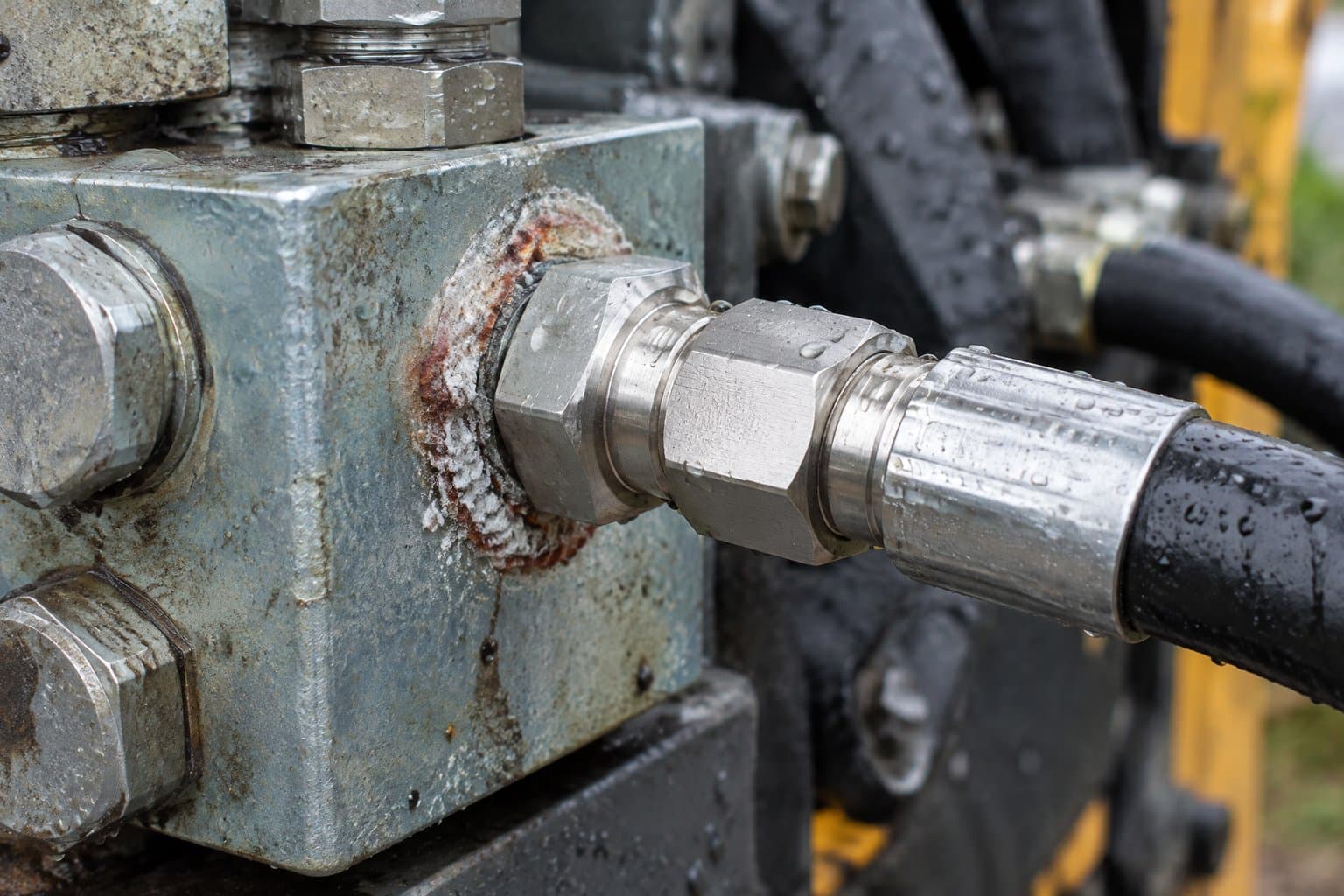
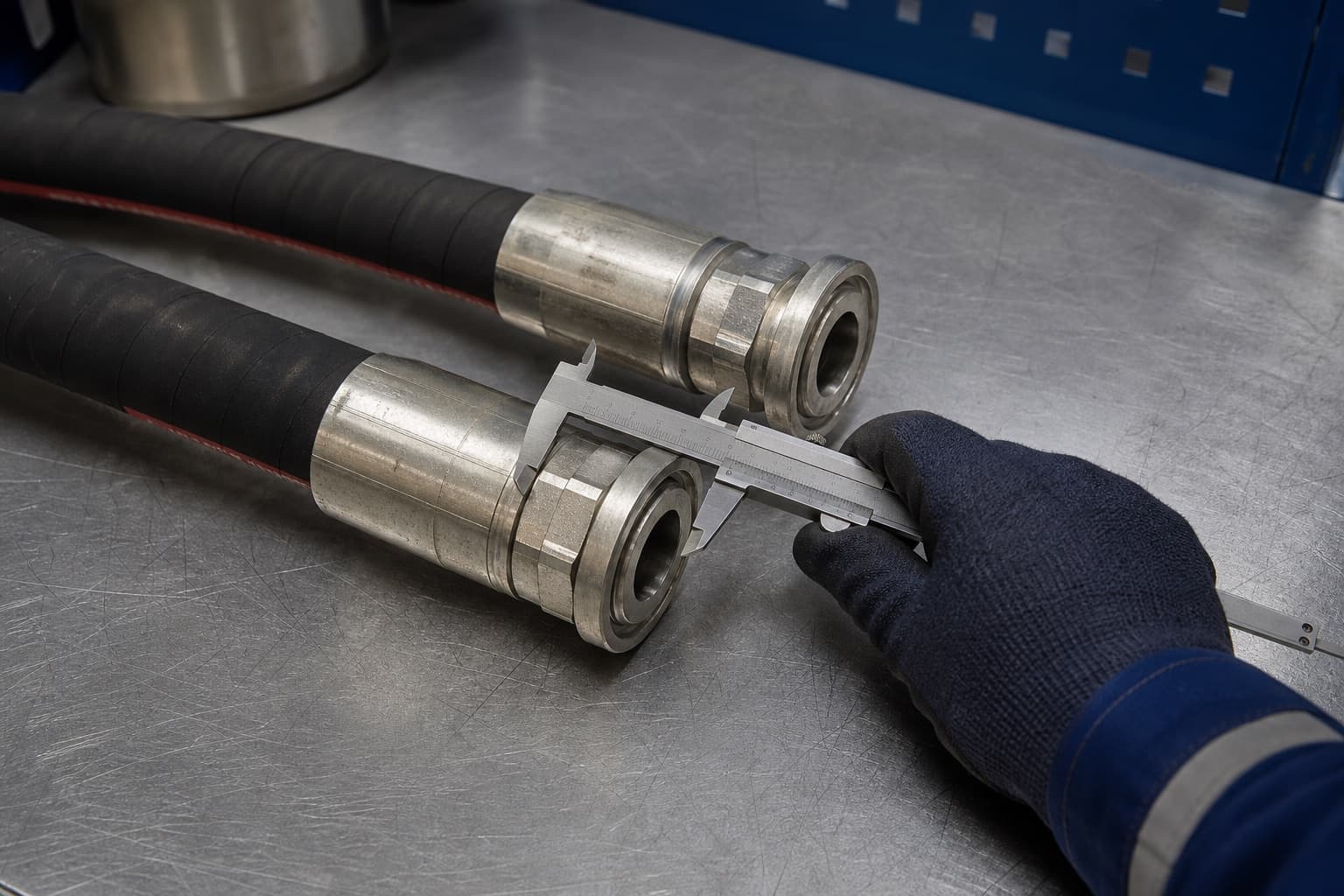
The crimp is the only part of a hose assembly that is manufactured rather than selected, and it is the only part where the tolerance is measured in tenths of a millimetre. It is also the part nobody can inspect once the assembly is on the machine.
/01What a crimp actually is.
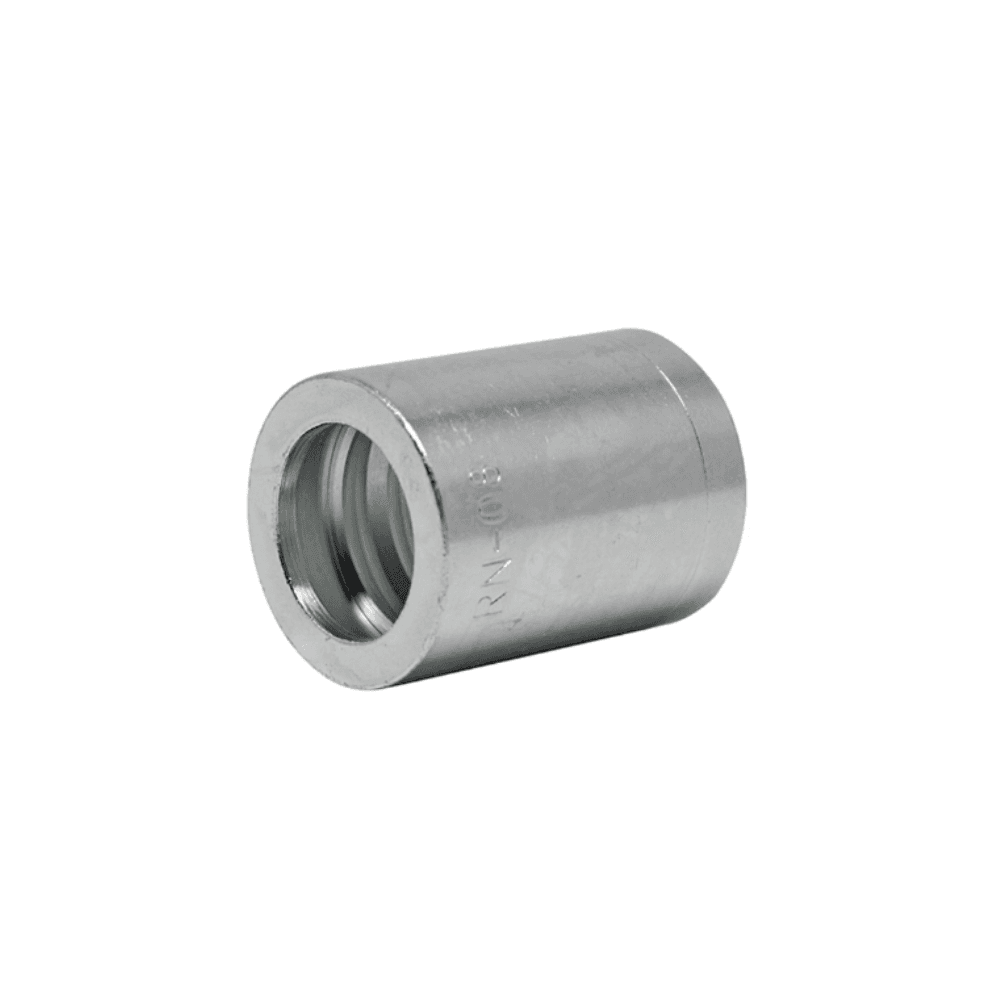
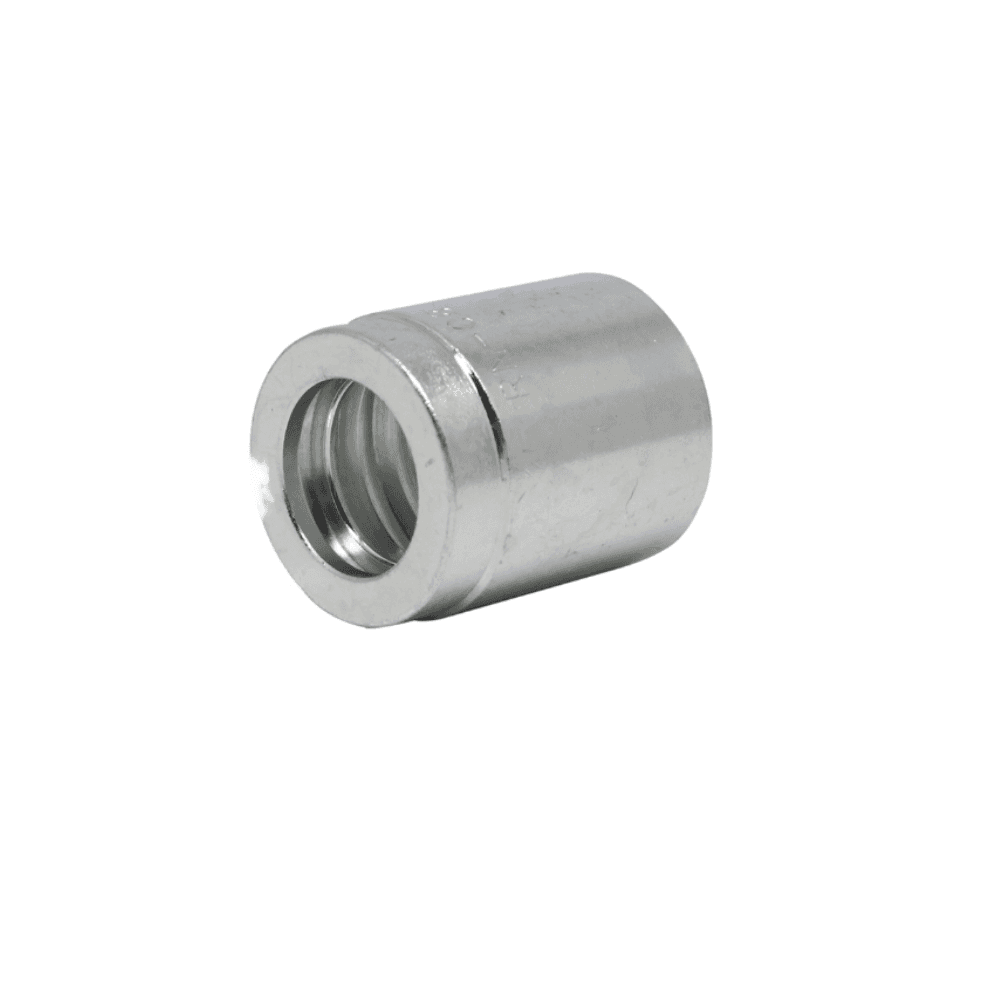
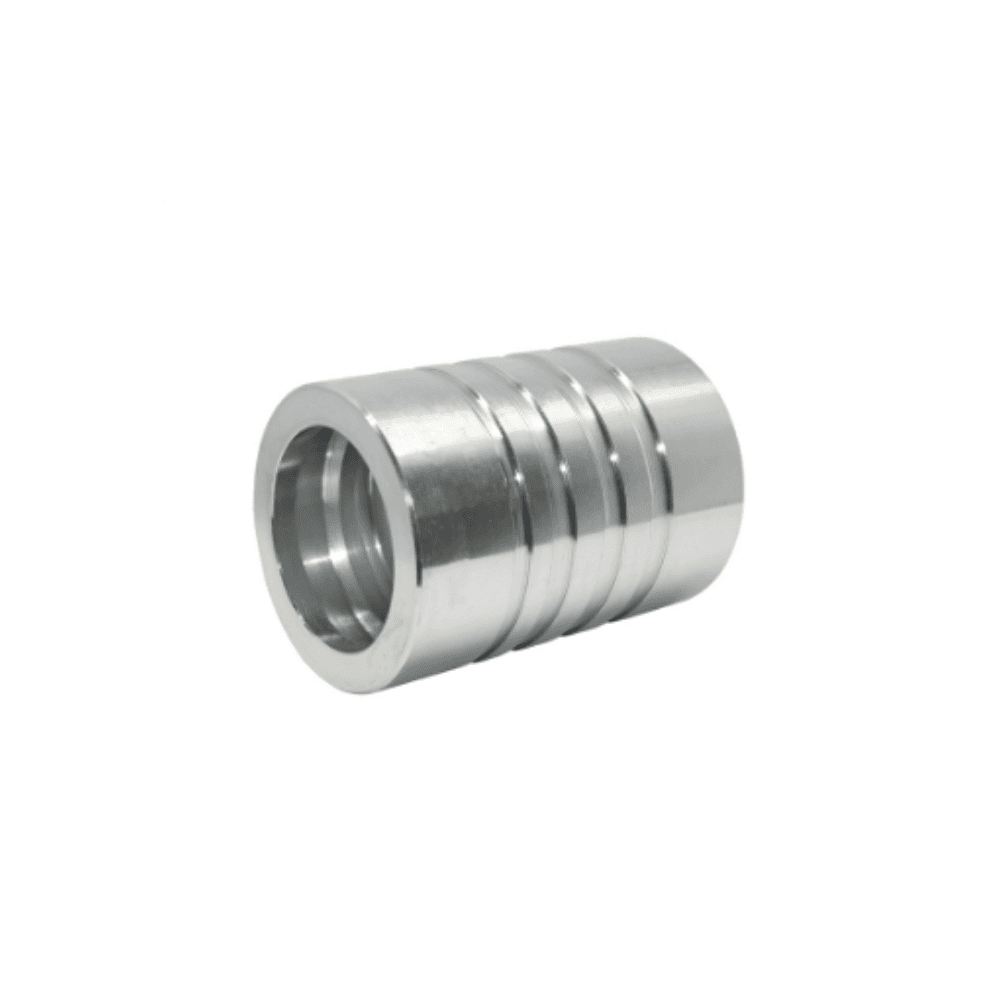
Crimping compresses a steel ferrule onto the hose until the reinforcement is gripped hard enough to hold working pressure and not so hard that the grip damages it. The target is a finished outside diameter, published by the fitting manufacturer for that specific combination of hose construction and ferrule, and reached with a specific die. Our double-skive ferrule for R13 and no-skive ferrule for 1SN and 2SN each have their own crimp diameters for exactly this reason.
Three things therefore have to match: hose, ferrule and die. Change any one and the specified diameter changes with it. This is why a skive fitting on a no-skive hose, or a ferrule that merely fits, produces an assembly whose rating nobody can state.
/02The two directions of error.
| Fault | Evidence | Failure mode |
|---|---|---|
| Under-crimpedHighlighted | Hose pulled out or moved in the ferrule; tube marks show it walked | Blow-off under pressure, often early and total |
| Over-crimpedHighlighted | Wire cut or crushed at the ferrule mouth; sharp failure line at the edge | Burst right at the ferrule edge |
| Wrong ferrule for the construction | Ferrule length or profile does not match the hose reinforcement | Either of the above, unpredictably |
| Not skived where required | Cover trapped under the ferrule instead of removed | Grip on cover rather than on wire; pull-out |
| Insufficient insertion depth | Short witness mark; hose not seated to the fitting shoulder | Pull-out |
/03Why "it held on test" is not proof.
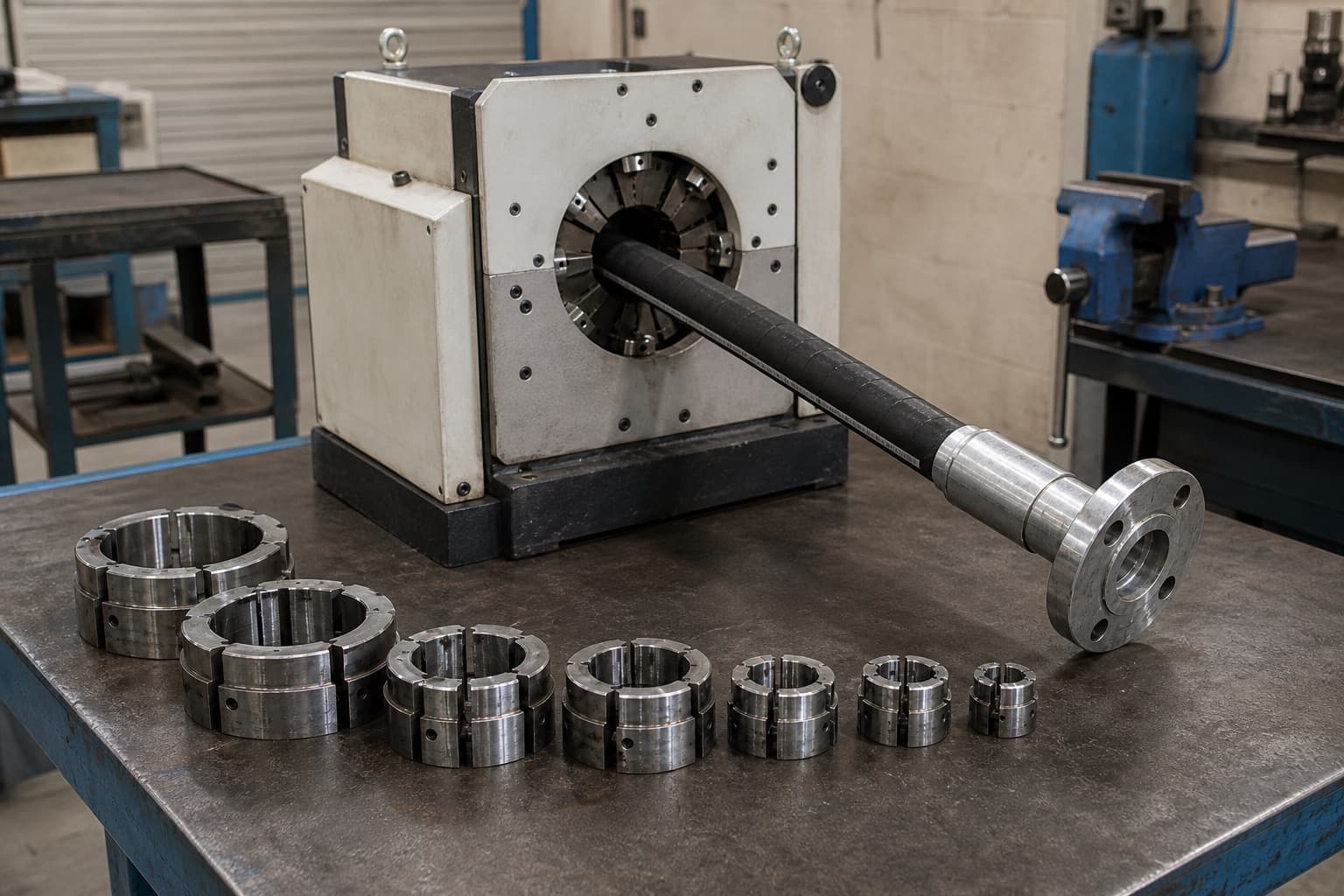
A proof test confirms the assembly holds a pressure now. It does not confirm the crimp is within specification, because a marginal crimp holds a static test comfortably and then fails after a few thousand pressure cycles. The test and the crimp measurement answer different questions, and a workshop that does one and not the other is checking the easier thing.
Common questions
- Can an over-crimped hose be identified before it fails?
- Only by measuring the crimp diameter, which means measuring it at build. Once the assembly is fitted there is no external sign, which is why the measurement has to happen in the workshop rather than being inferred later.
- Is a field crimp less reliable than a workshop crimp?
- Not inherently — the same specification applies and portable machines are capable of meeting it. What changes is the working conditions and whether the verification actually happens with the machine standing in the sun.
- The ferrule fits the hose. Is that enough?
- No. Ferrules are specified per hose construction, not per dash size, and several will physically slide onto the same hose. The crimp diameter published for the combination is what makes it the right ferrule.
- Can I re-crimp an assembly that pulled out?
- No. The ferrule is deformed and the hose end has been damaged by walking out of it. Cut back to sound hose and use a new fitting.