We sell hose assemblies, so treat what follows accordingly — but the honest answer is that plenty of operations should own a crimper, and pretending otherwise would be obvious to anybody who has waited half a day for a hose in the middle of a harvest or a shutdown. What matters is doing the arithmetic on the whole system rather than on the machine price.
/01What it actually costs to be able to build a hose.
| Item | Note |
|---|---|
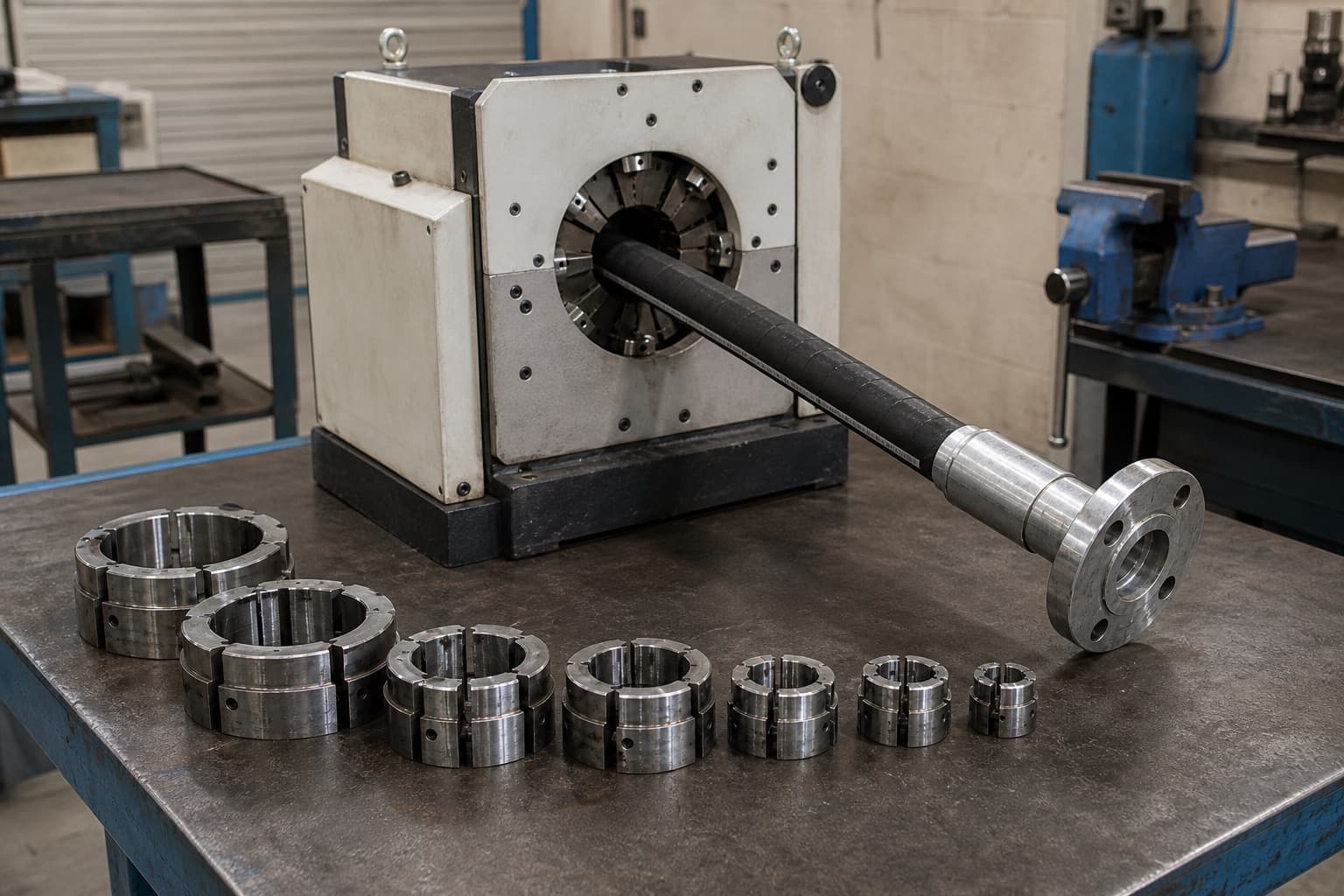
| Crimping machine | The advertised price, and the smallest line item over time |
| Die setsHighlighted | One set per crimp diameter range. This is usually the largest single cost |
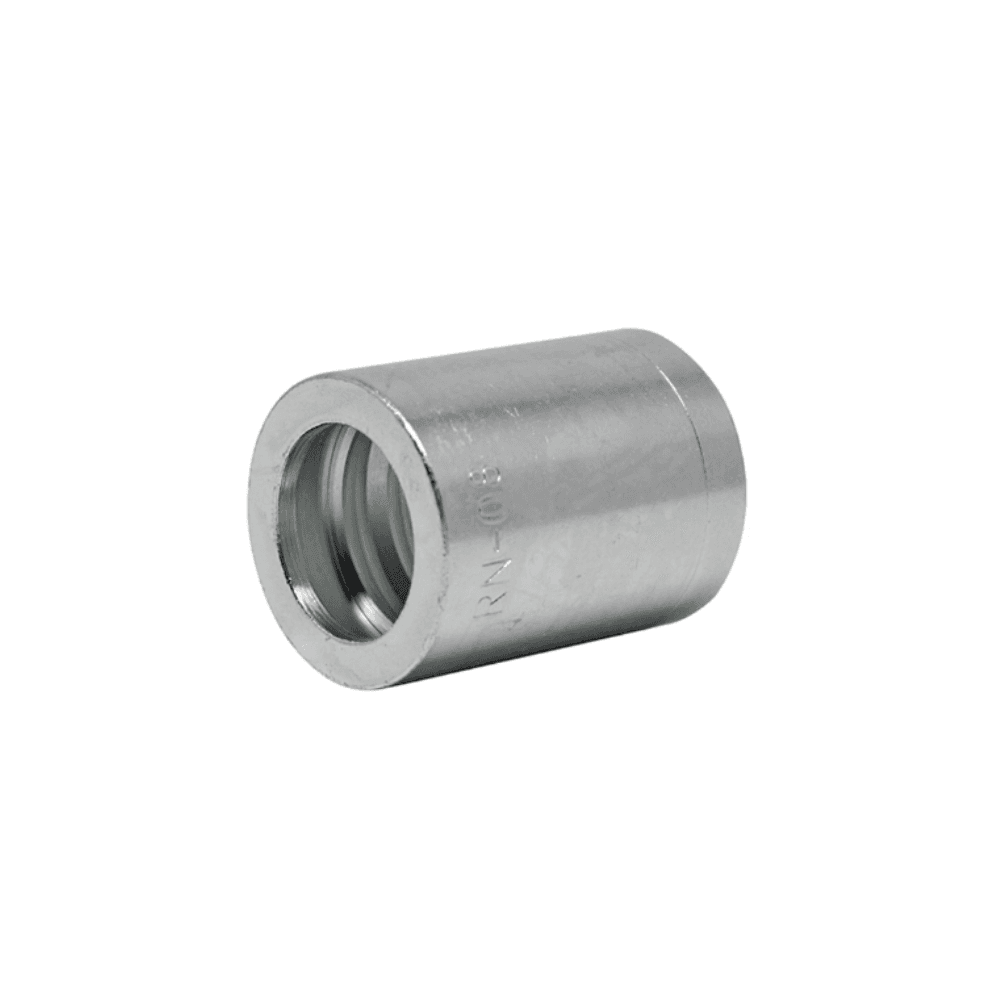
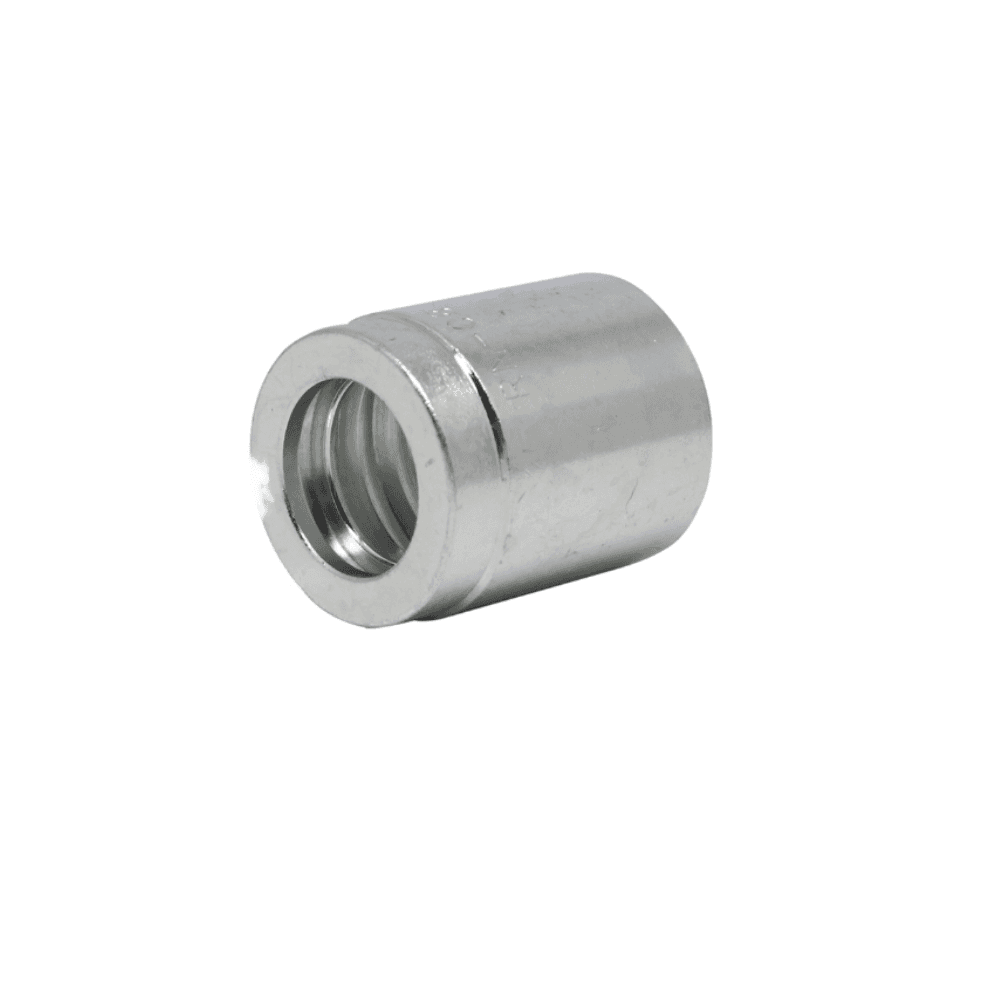
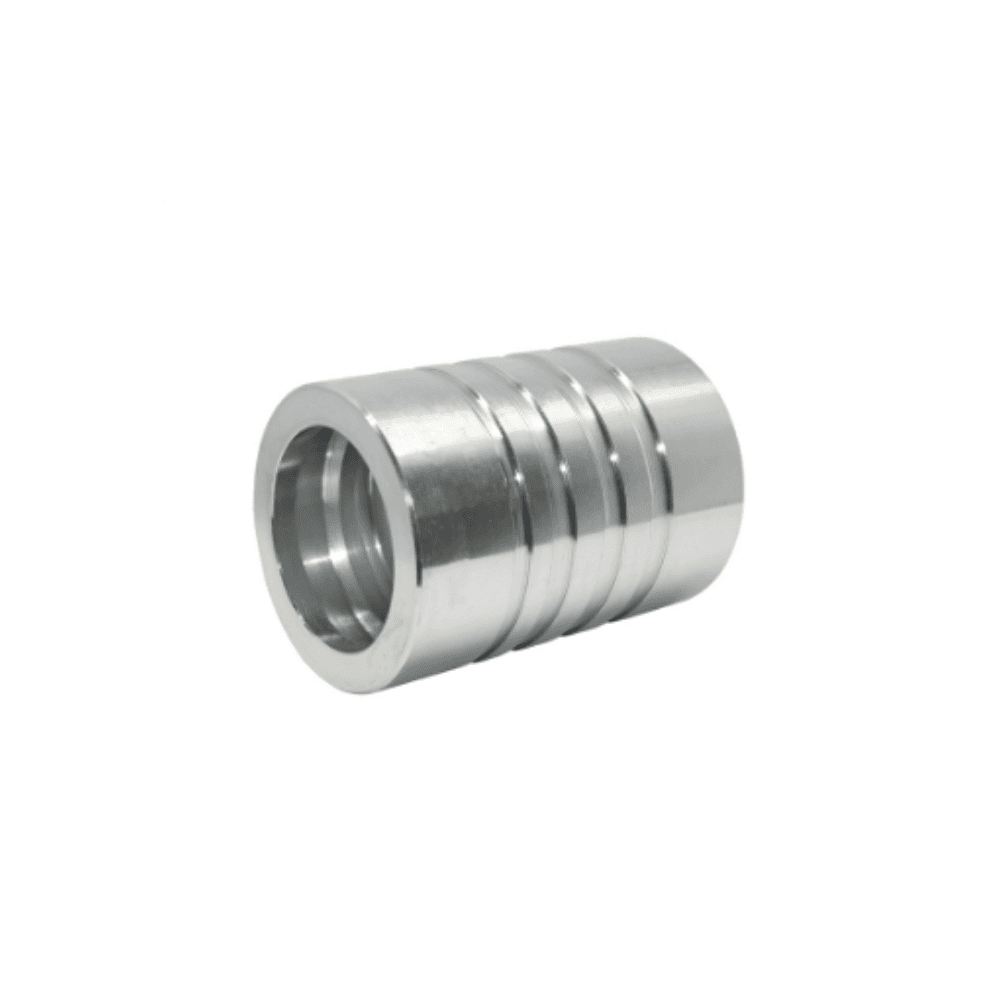
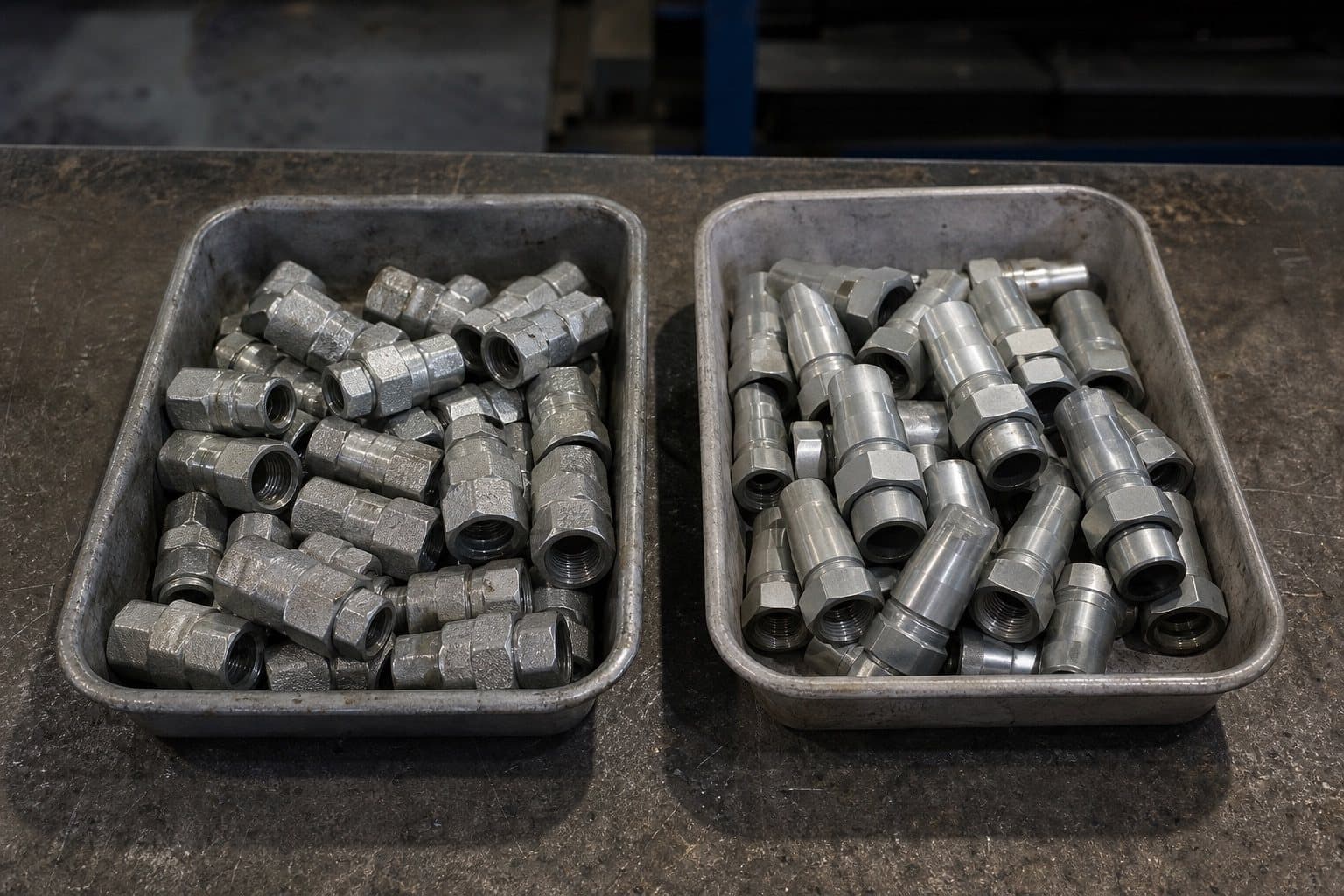
| Ferrules and fittingsHighlighted | Held in every size and thread family you might need at 2 a.m. |
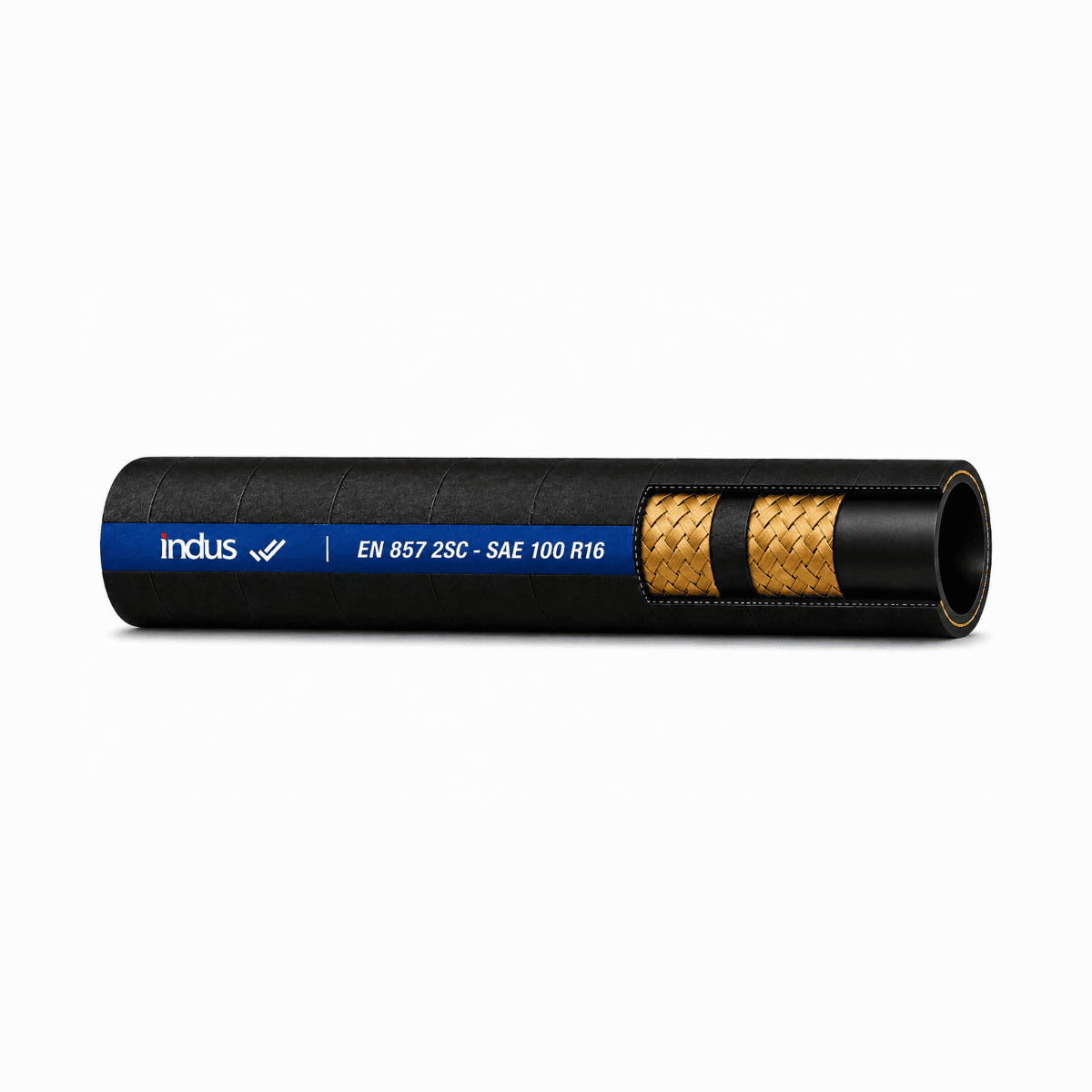
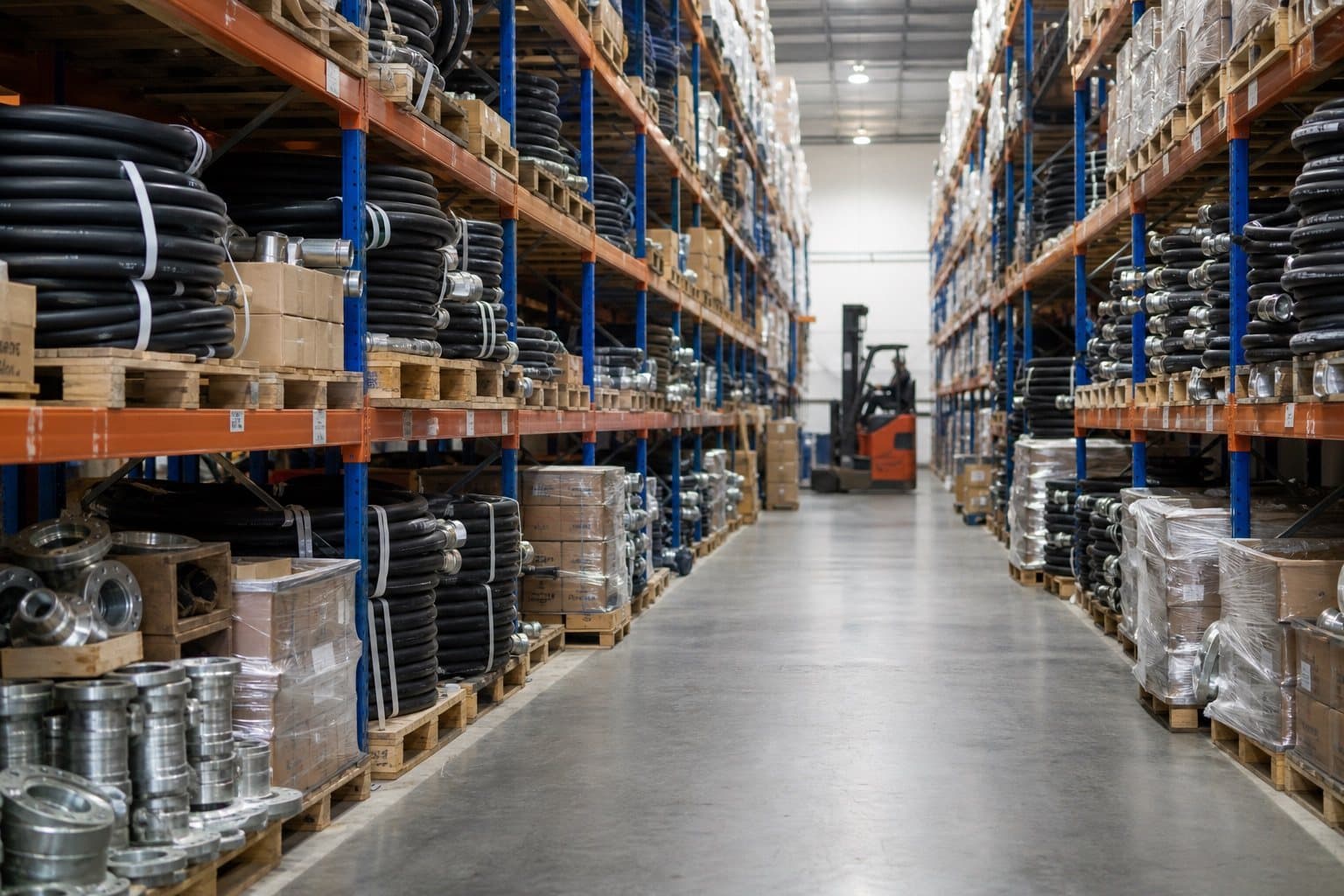
| Hose stock | By grade and bore. Hose has a shelf life, so stock ages |
| Cut-off saw and cleaning kit | A clean square cut and a clean bore are not optional |
| Calibration and maintenanceHighlighted | A crimper that has drifted produces assemblies that look right |
| Training and a written method | The part that is always skipped and always matters |
/02Where it genuinely pays.
The case for owning a crimper
Any two of these together usually settle it.
IfHow far are you from a hose service?
Distance is the strongest single argument.
Remote sites, farms, quarries and vessels lose hours per failure that a workshop in an industrial area does not.
IfWhat does an hour of downtime cost?
If it is a crew standing idle or a production line stopped, the machine pays for itself quickly.
The comparison is against downtime, not against the price of an assembly.
IfHow narrow is the range you need?
A fleet of similar machines needs few sizes. A mixed fleet needs many.
Narrow range is what makes stock affordable, and stock is what makes the crimper useful.
IfDo you have someone who will own the process?
A named person, trained, with the manufacturer crimp charts to hand.
Without this it becomes an occasional-use machine, and occasional use is where inconsistent assemblies come from.
/03What changes when you build them yourself.
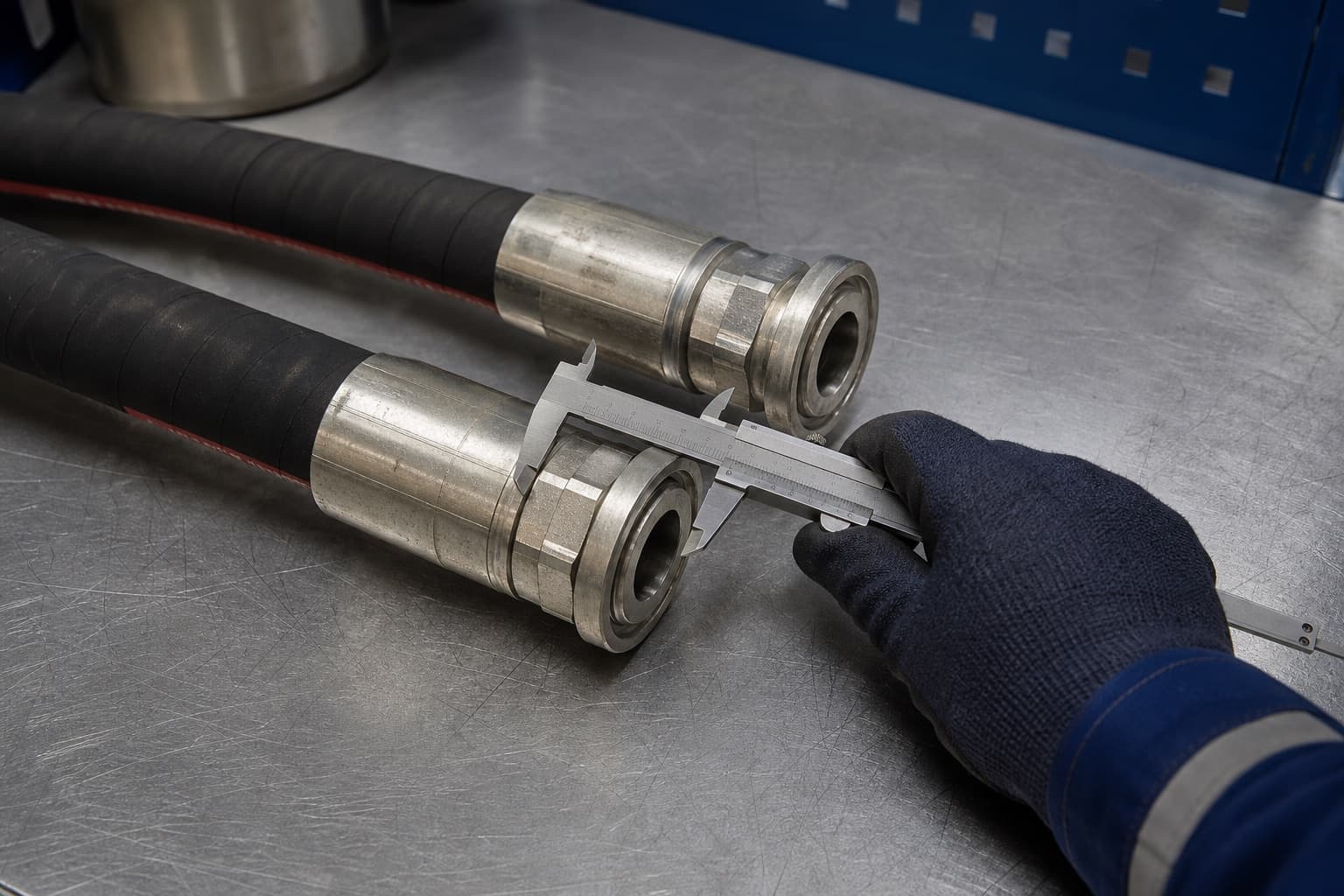
The technical part is straightforward and the responsibility part is the one worth thinking about. Crimp specifications are published by the hose and fitting manufacturer for their own matched combination — a crimp diameter, a die, and often a skive depth. Mixing a ferrule from one source with hose from another leaves you without a published specification to work to, and the assembly cannot then be said to meet anything in particular.
| Consideration | Bought assembly | Built in house |
|---|---|---|
| Time to a hose at 2 a.m.Highlighted | Travel plus build | Minutes, if the stock is there |
| Crimp specification | The supplier works to the published chart | You work to it, and you hold the record |
| Traceability of the finished assembly | Tagged and recorded by the supplier | Yours to create and keep |
| Responsibility if it failsHighlighted | Sits with the supplier | Sits with you |
| Certified and lifting equipmentHighlighted | Straightforward — certificates come with it | Check your inspection regime before assuming it is acceptable |
| Cost per assembly at volume | Higher | Lower, once the fixed costs are absorbed |
/04The middle option most people end up at.
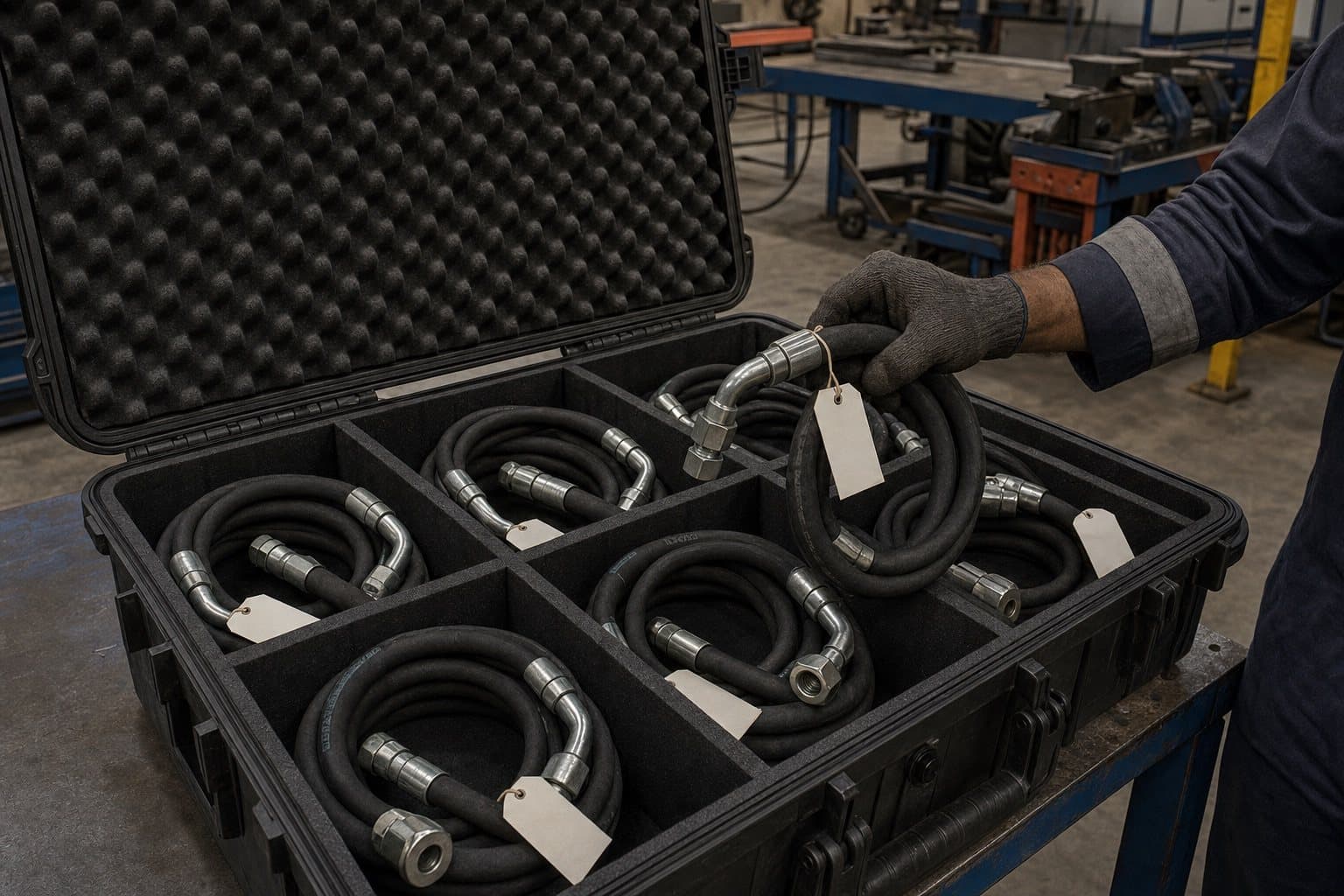
Two arrangements capture most of the benefit without the calibration and record-keeping. Hold a kit of made-up assemblies for the failures you actually get, built and tagged by a supplier, so the common ones are already on the shelf. Or hold bulk hose and fittings and let a supplier build in batches, so you control the stock and somebody else owns the specification.
Common questions
- Can I use any ferrule with any hose?
- No. The crimp specification is published for a matched hose and ferrule combination. Mixing them leaves no published crimp diameter to work to, and the assembly has no stated rating.
- How do I know a crimp is correct?
- Measure the crimp diameter across the flats with a caliper and compare it against the manufacturer chart for that hose and ferrule, on every assembly. Visual inspection does not detect a crimp that is a fraction of a millimetre out.
- Do I need to skive the hose?
- It depends entirely on the fitting. Some are specified skive, some no-skive, and the crimp chart tells you which along with the depth. Guessing produces a joint that leaks or one that pulls out.
- Is a hand or bench crimper good enough?
- For small bores and low pressure grades, often yes. Check the machine is rated for the bore and grade you intend to build, and that dies exist for the ferrules you will actually use.
- Can I still buy hose and fittings from you if I build my own?
- Yes, and many customers do exactly that. We supply hose by the metre, ferrules and fittings, with the crimp data for the combination.