
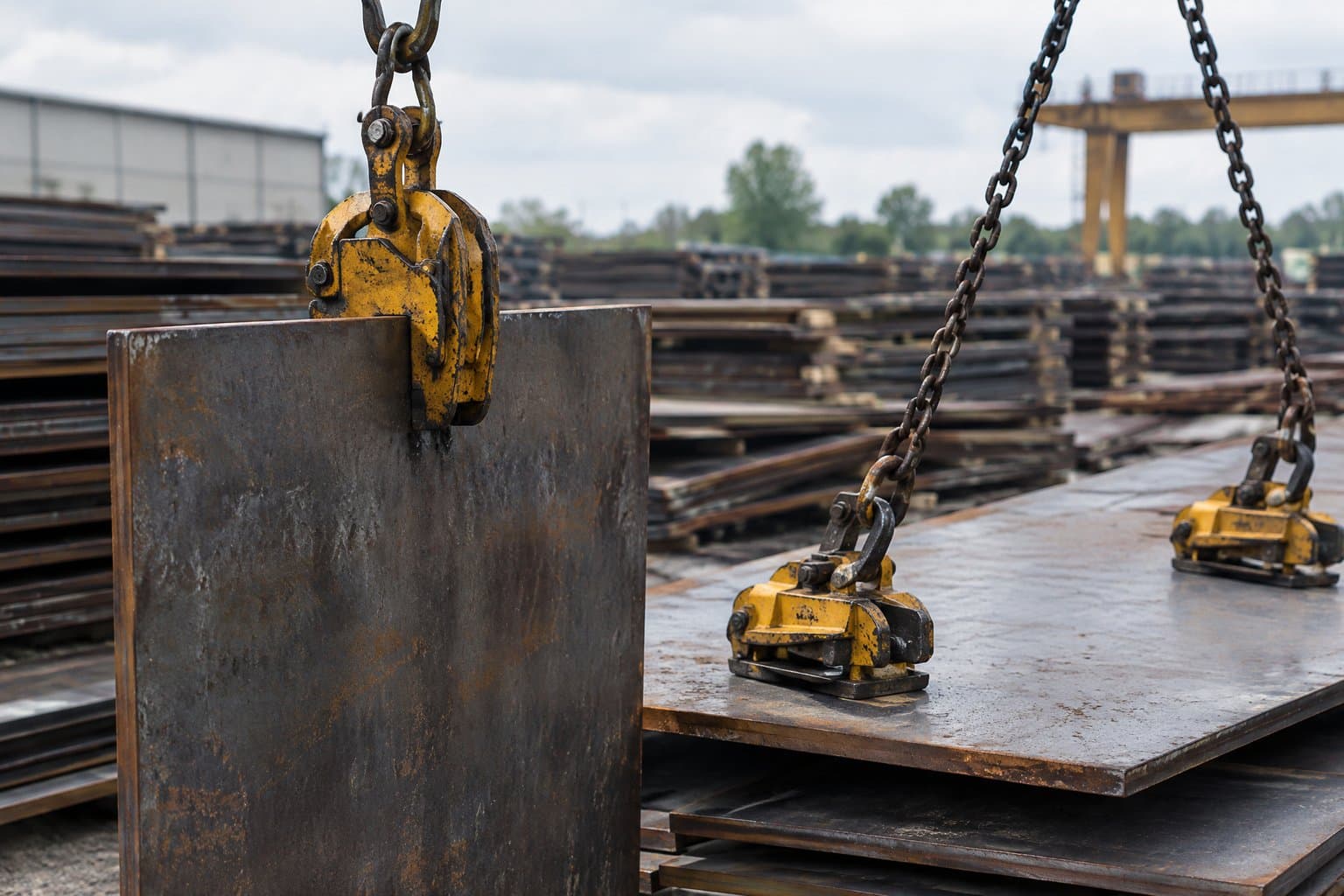
Steel plate has no lifting points, so the lifting point has to be brought to it — a clamp that bites the edge and holds by friction and the grip of hardened teeth. Which clamp depends on which way up the plate travels: edge-up from a rack, flat from a stack, or turned over on the way. Get that wrong and the clamp is loaded in a direction it was never designed to hold.
/01Clamp types on our listings.
| Clamp | Use | WLL range listed |
|---|---|---|
| Vertical, CDHHighlighted | Lift edge-up or turn a plate; locking cam | 1 t to 8 t per pair |
| Horizontal with release, PPD | Lift plates flat, in pairs; replaceable jaw plate | 0.8 t to 30 t per pair |
| Horizontal with roller, PDQ | Lift plates flat, in pairs | 1 t to 12 t per pair |
| Thin sheet, THK / THKS | Thin sheet lifted flat, in pairs | 0.5 t to 10 t per pair |
| Horizontal L, QS, TMS | Plates lifted flat; TMS has a locking device | 0.8–10 t; 1–8 t; 1–10 t (basis not stated) |
| Steel section clamp, LC | Sections lifted horizontally | 1 t to 3 t |
| Beam clamp | Hoist anchor on a beam flange | 1 t to 10 t |
/02Vertical clamps.
A vertical clamp has a fixed jaw and a toothed cam. Once the plate edge is in the mouth, the cam is set against it — on the CDH, a hardened cam in a die-forged alloy body — and the pull of the load rotates the cam harder into the plate, so the grip rises with the load. That is what lets a vertical clamp lift a plate from a rack or turn it from flat to vertical. The locking mechanism holds the cam closed before the lift starts, so the clamp cannot shake loose while the plate is still light. Our CDH jaw openings run from 0–20 mm at 1 t to 0–60 mm at 8 t.
/03Horizontal clamps work in pairs.
Horizontal clamps grip opposite edges of a plate or a bundle and lift it flat, hung from a spreader beam or a two- or four-leg sling. A single horizontal clamp cannot hold a plate on its own, which is why our PPD, PDQ and THK clamps are rated per pair — the WLL is what two clamps lift together, at the sling angle the maker allows. Long plates that sag between two clamps need two pairs on a beam. The PPD has a replaceable jaw plate; the THK and THKS are for thin sheet, from 0.5 t per pair.
| WLL per pair | Jaw opening | Clamp weight |
|---|---|---|
| 0.8 t | 0–25 mm | 2.5 kg |
| 2 t | 0–40 mm | 5 kg |
| 5 t | 0–50 mm | 7.5 kg |
| 10 tHighlighted | 0–120 mm | 33 kg |
| 16 t | 50–150 mm | 50 kg |
| 30 t | 100–270 mm | 108 kg |
/04Beam clamps and section clamps.
A beam clamp is not a load-gripping clamp at all: it fixes to the flange of an I-beam to make a temporary anchor for a chain block or hoist. Ours are listed from 1 t to 10 t; the 1 t to 5 t sizes fit flanges from 75 mm or 80 mm up to 220 mm, and the 10 t fits 90 mm to 320 mm. The beam must be able to carry the load at that point. The LC clamp is a horizontal clamp for steel sections, listed from 1 t (1–13 mm jaw) to 3 t (12–35 mm jaw). Hoists to hang from a beam clamp are compared in chain block, lever hoist and electric hoist.
/05Ordering a clamp.
Give the plate thickness range, the heaviest plate or bundle, whether it travels flat, edge-up or is turned, and how it will be slung. For horizontal clamps, say whether you need a pair or two pairs; for beam clamps, give the flange width and thickness. Our clamps ship with the manufacturer's test certificate. Clamps, like all lifting accessories, are examined periodically — see lifting equipment inspection in the UAE.
For the rest of a steel erection crew’s kit, see steel erection rigging equipment.
Frequently asked questions
- Can one horizontal plate clamp be used on its own?
- No. Horizontal clamps are used in pairs or sets on opposite edges. Our PPD, PDQ and THK clamps are rated per pair.
- What jaw opening do I need?
- One whose range includes your plate thickness. A 2 t PPD pair is listed at 0–40 mm; the 16 t pair starts at 50 mm, so it will not grip thinner plate.
- What is a vertical plate clamp used for?
- Lifting a single plate edge-up, or turning it from flat to vertical. Its cam grips harder as the load increases, and a lock holds it closed before the lift.
- What size beam clamp fits my beam?
- Ours cover flanges from 75 mm to 220 mm at 1 t and 2 t, 80 mm to 220 mm at 3 t and 5 t, and 90 mm to 320 mm at 10 t.
Plate and beam clamps
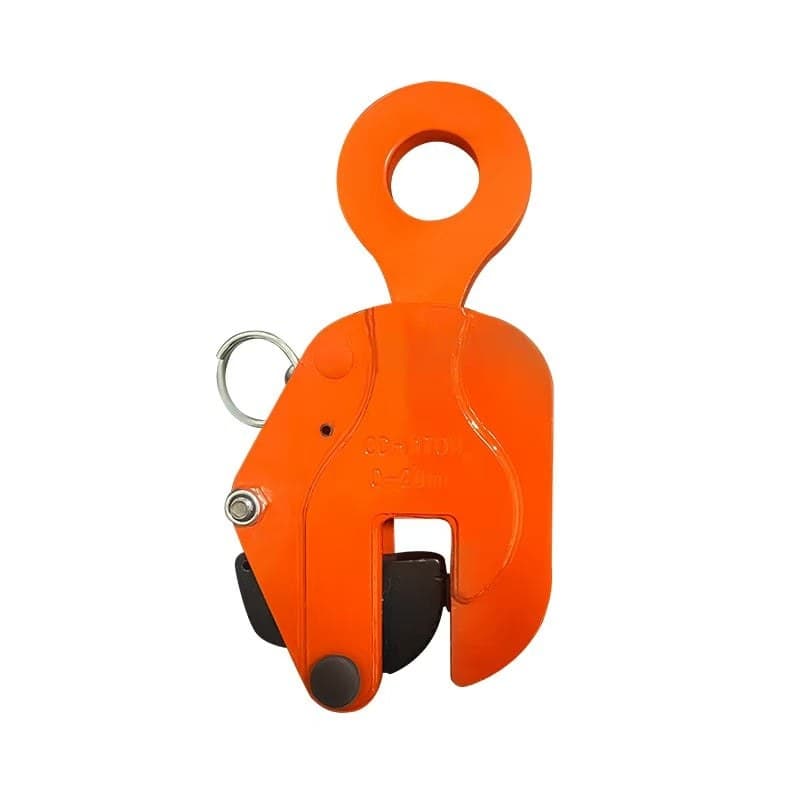 IH-LR-LC-CDHVertical Plate Lifting Clamp — Type CDH
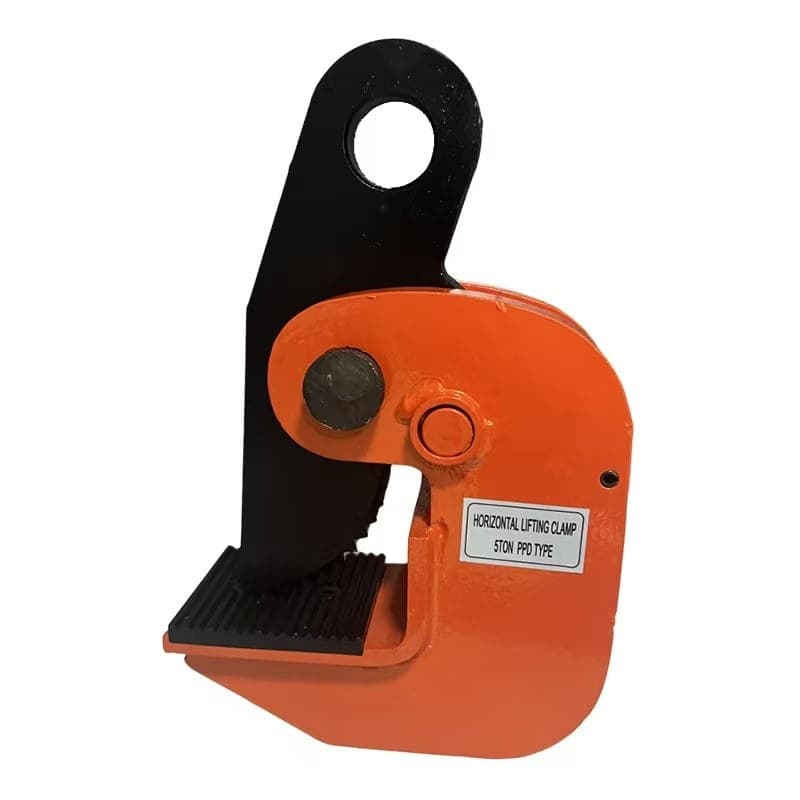 IH-LR-LC-PPDHorizontal Plate Lifting Clamp with Release — Type PPD
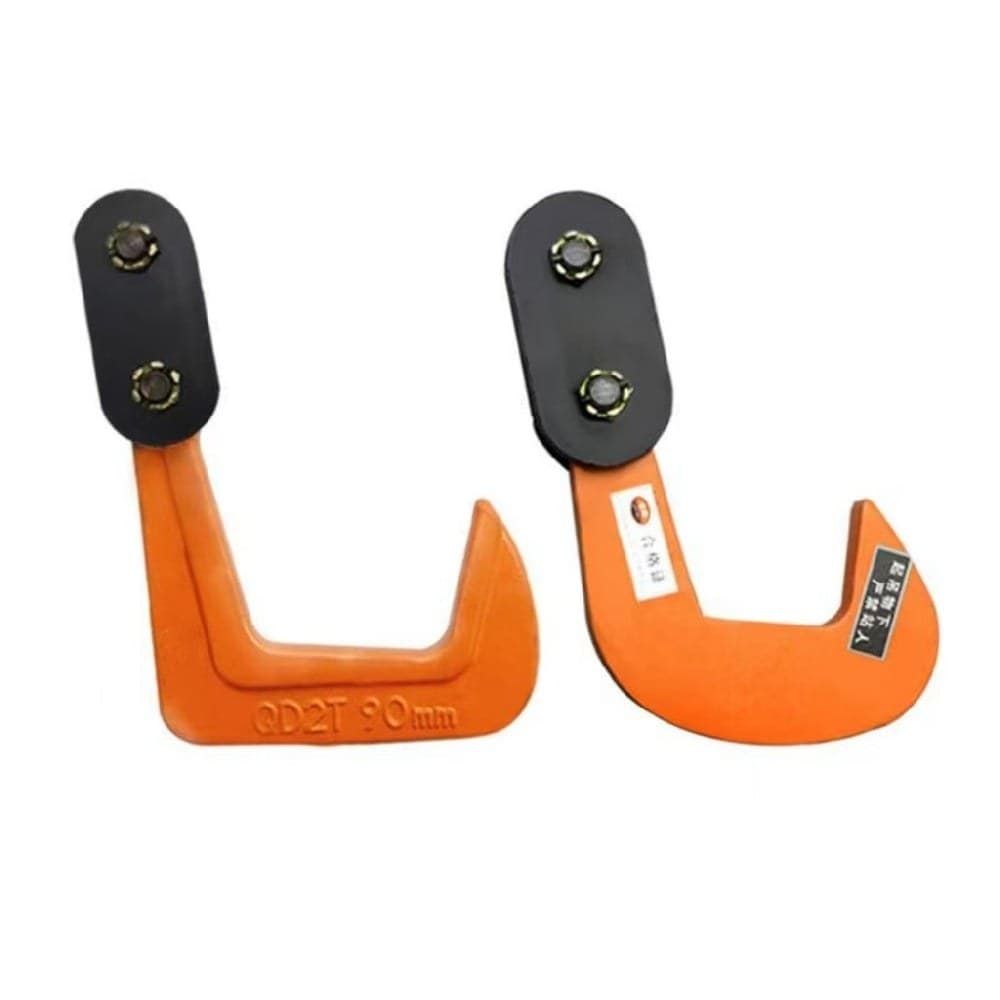 IH-LR-LC-PDQHorizontal Plate Lifting Clamp with Roller — Type PDQ
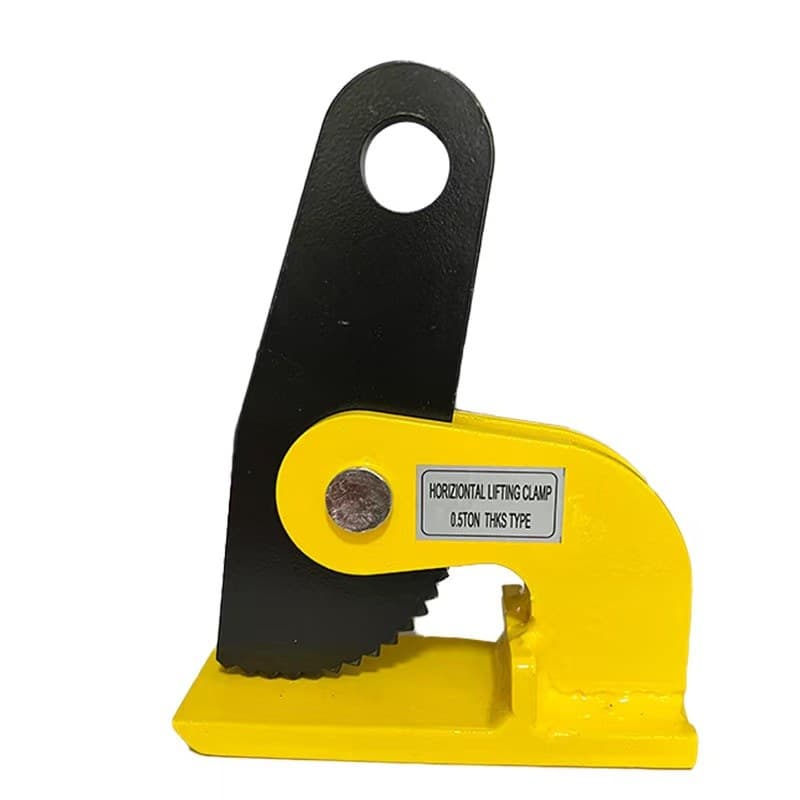 IH-LR-LC-THKHorizontal Plate Lifting Clamp for Thin Sheet — Type THK / THKS
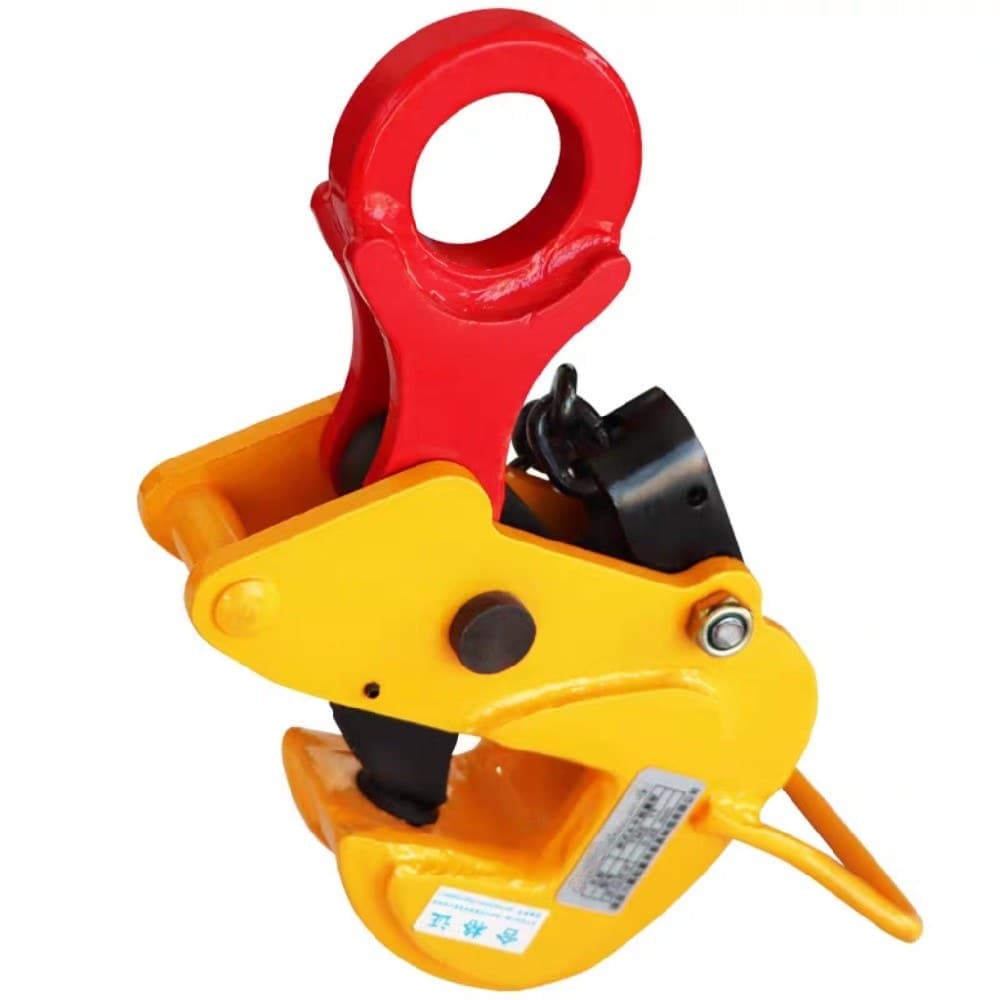 IH-LR-LC-TMSHorizontal Lifting Clamp with Locking Device — Type TMS
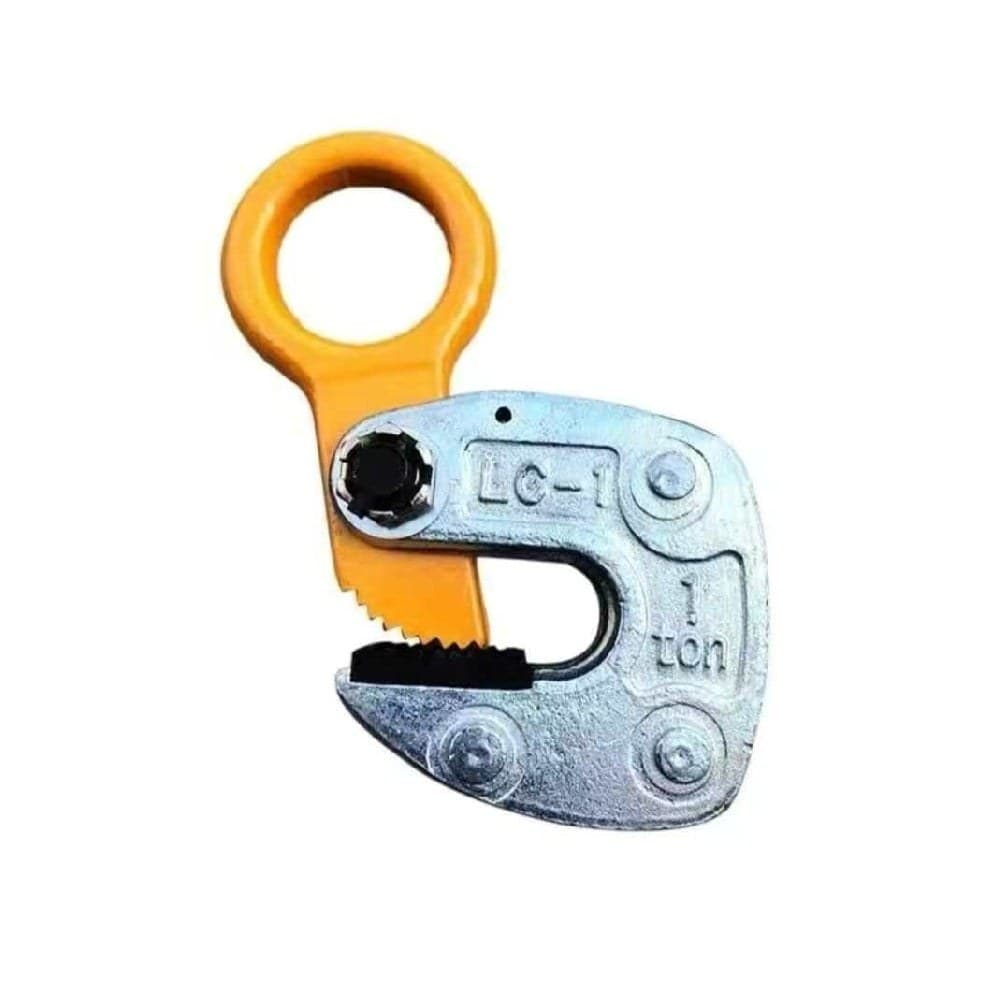 IH-LR-LC-LCHorizontal Lifting Clamp for Steel Sections — Type LC
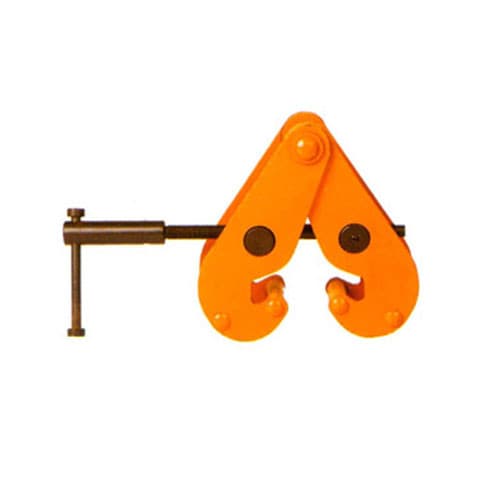 IH-LR-LC-BEAMLifting Beam Clamp
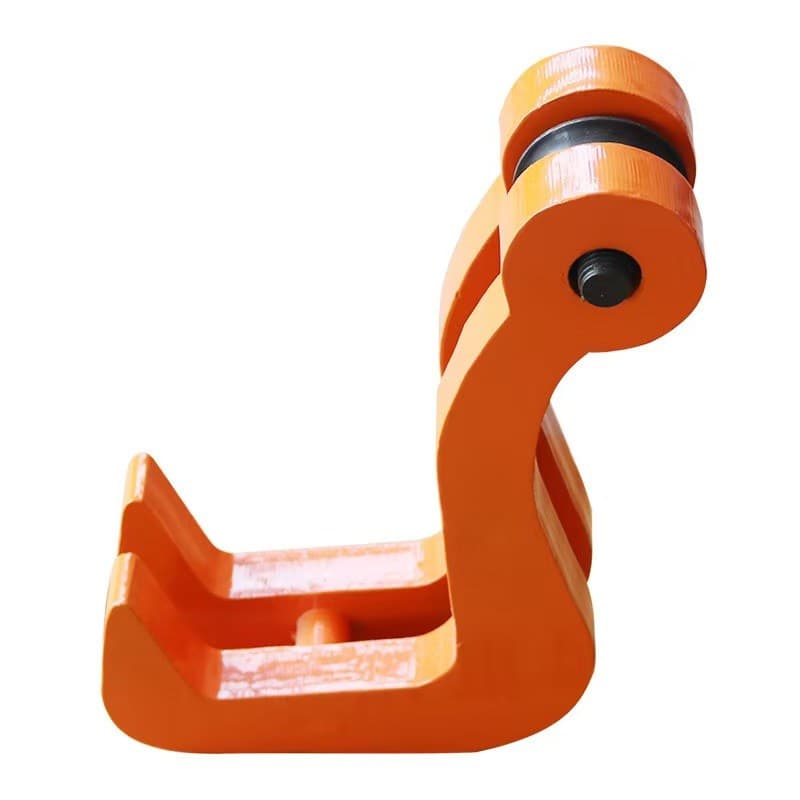 IH-LR-LC-QSDouble Plate Lifting Clamp — Type QS