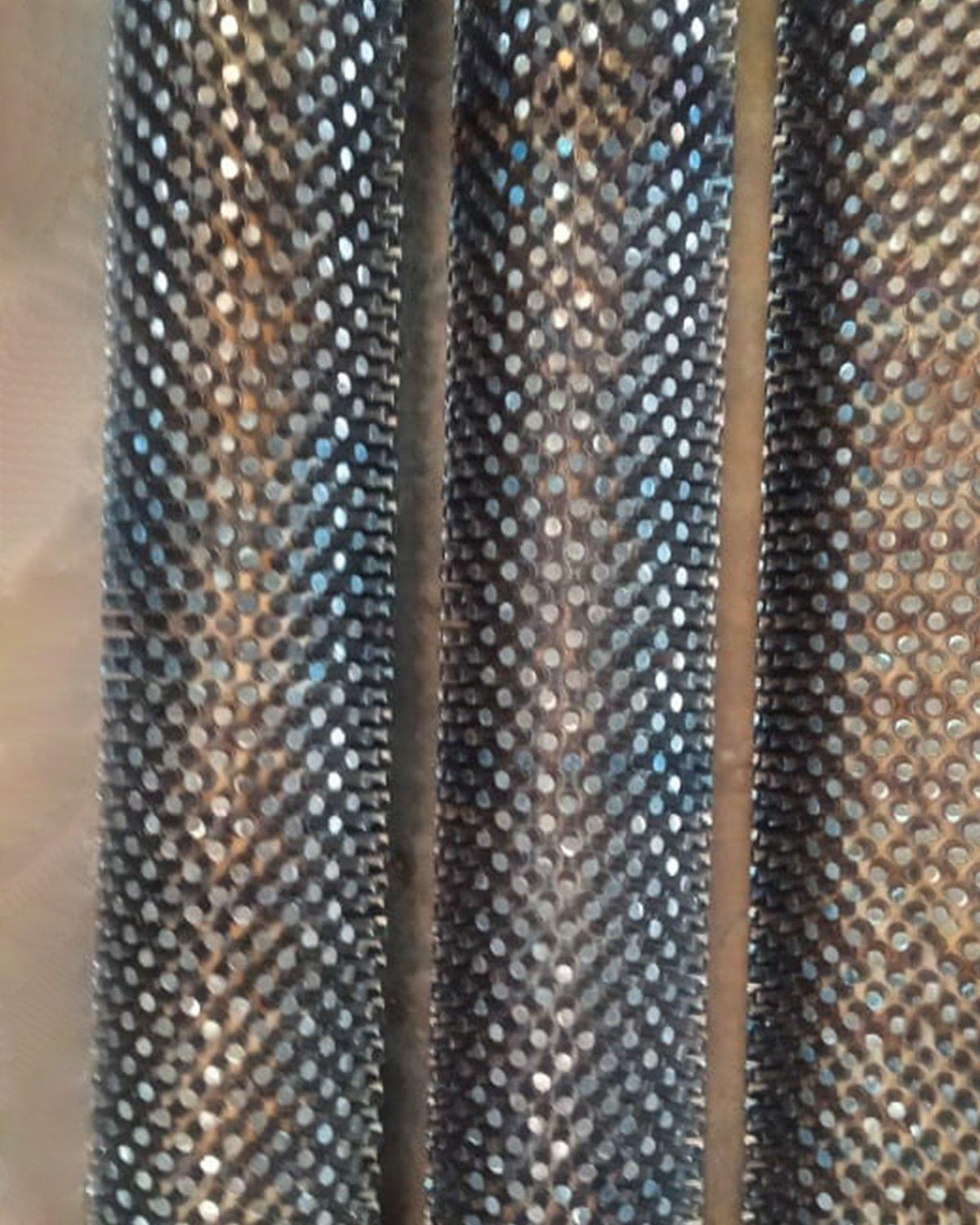
An air cooler pulls a great deal of air through its fins, and in the Gulf that air carries sand, dust, salt and sometimes oily mist from the plant around it. Deposits build up on the air-inlet face and between the fins, airflow falls, and the process outlet temperature climbs — usually in summer, when the margin is already thin.
/01How fins foul.
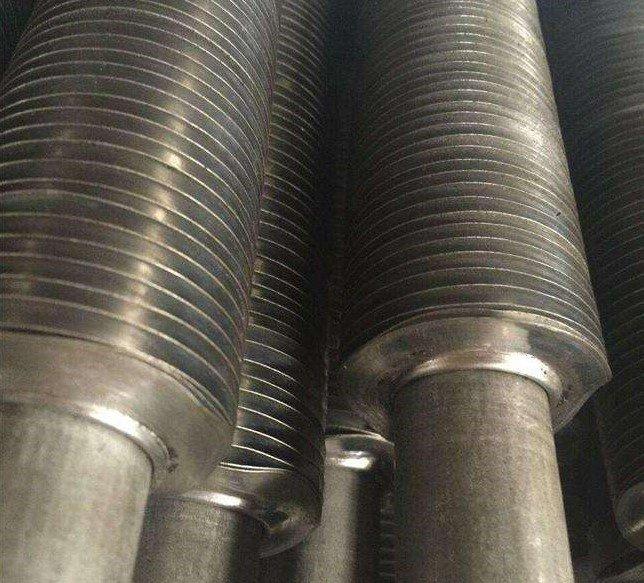
Dust lodges first on the inlet face, then bridges the gaps between fins. Salt and humidity cement it, and oily mist makes it sticky. The finer the fin pitch, the faster the gap closes. On wound L fins, salt also creeps between foot and tube, corroding the contact and loosening the fin — which is why coastal bundles favour extruded or LL fins.
/02Cleaning without damage.
- Stop and lock out the fans.
- Clean from the air-exit side where you can reach it, so deposits leave the way they entered.
- Use low-pressure water or air, with the jet parallel to the fins and the nozzle held back from the face.
- For oily deposits, use a cleaner the fin and tube metals tolerate, then rinse.
- Comb out any bent fins before returning to service.
/03Designing for dusty sites.
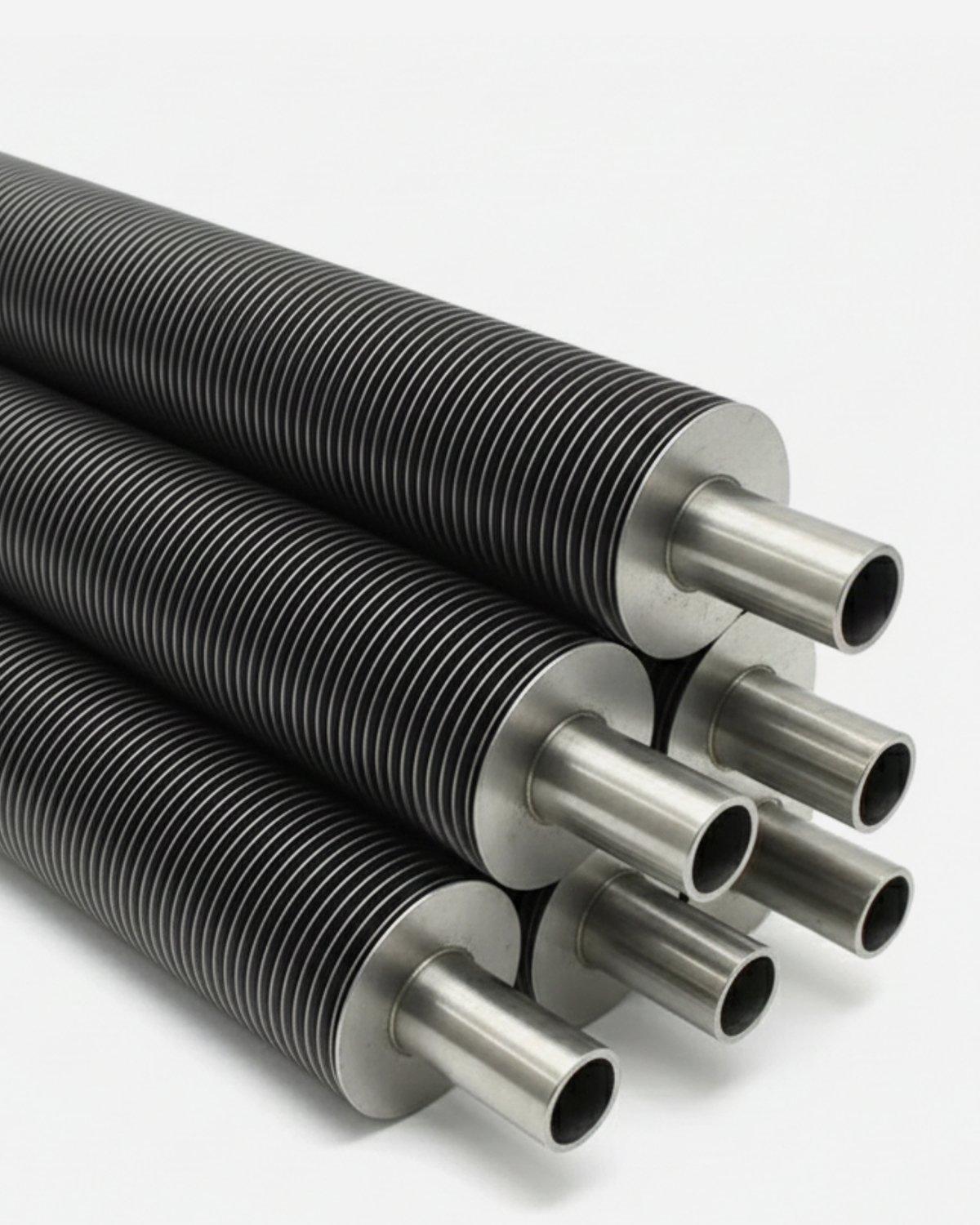
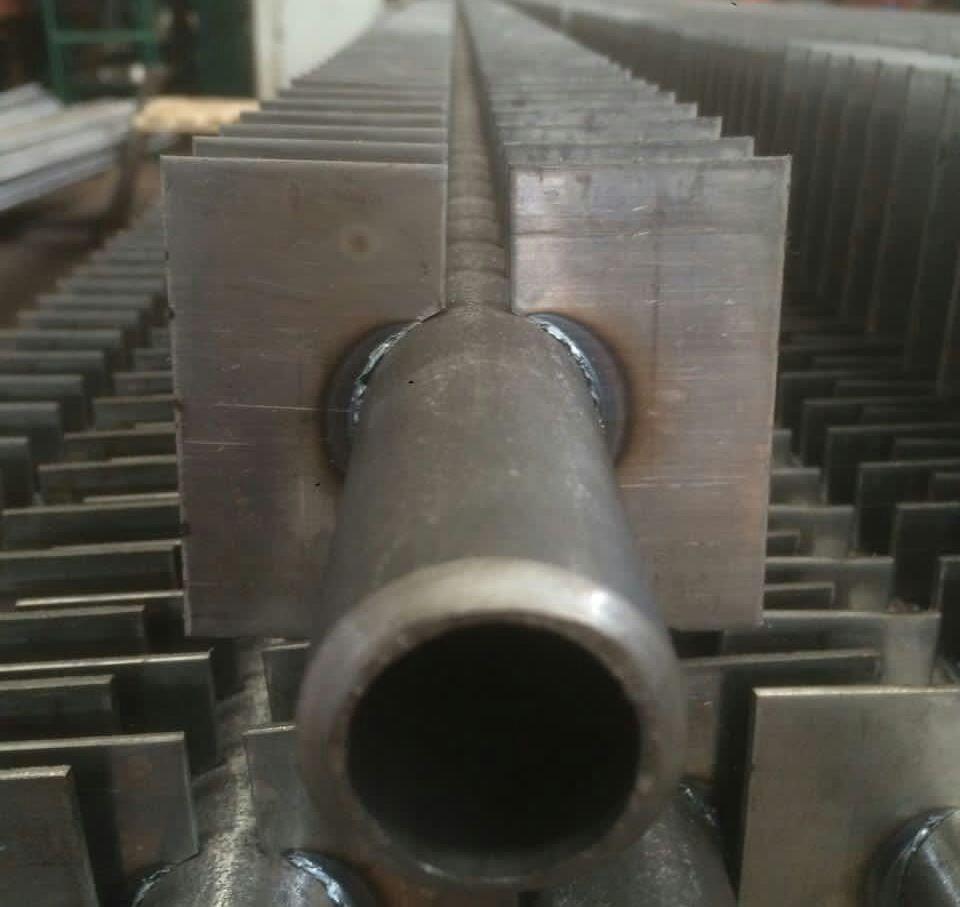
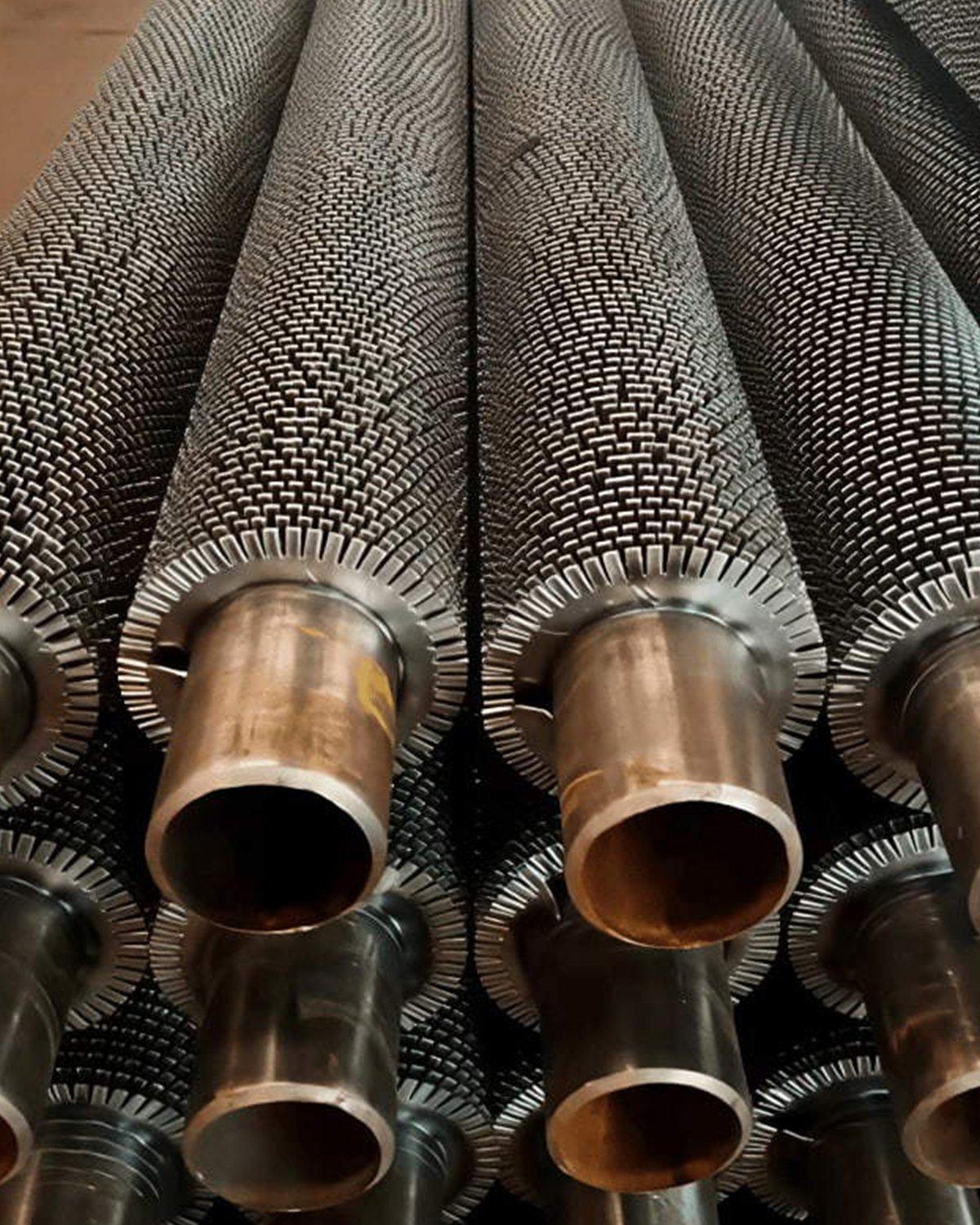
When a bundle is replaced, fouling can be designed against. A lower fin density opens the gaps between fins; our aluminium air-cooler fins run from 4 to 12 fins per inch, and dusty sites sit at the lower end, at the cost of some surface. Full-cover fins keep salt off the tube. For flue gas, choose solid rather than serrated fins where the gas is dirty, H-fins whose straight gas lanes resist fouling, or studded tubes for fuel-oil firing.
Common questions
- Can I pressure-wash air-cooler fins?
- Only at low pressure and with the jet in line with the fins. High pressure flattens aluminium fins.
- Which side should be cleaned first?
- The air-exit side, pushing deposits back towards the inlet face.
- Does fin density affect fouling?
- Yes. Fewer fins per inch leave wider gaps that take longer to bridge.
- Which fins resist fouling in flue gas?
- Solid spiral fins, H-fins with straight gas lanes, and studs for fuel-oil firing.
- When should coolers be cleaned?
- Before the hot season, and after sandstorms, so they start the summer clean.