
Parker 580N Series High Pressure Thermoplastic Hydraulic Hoses
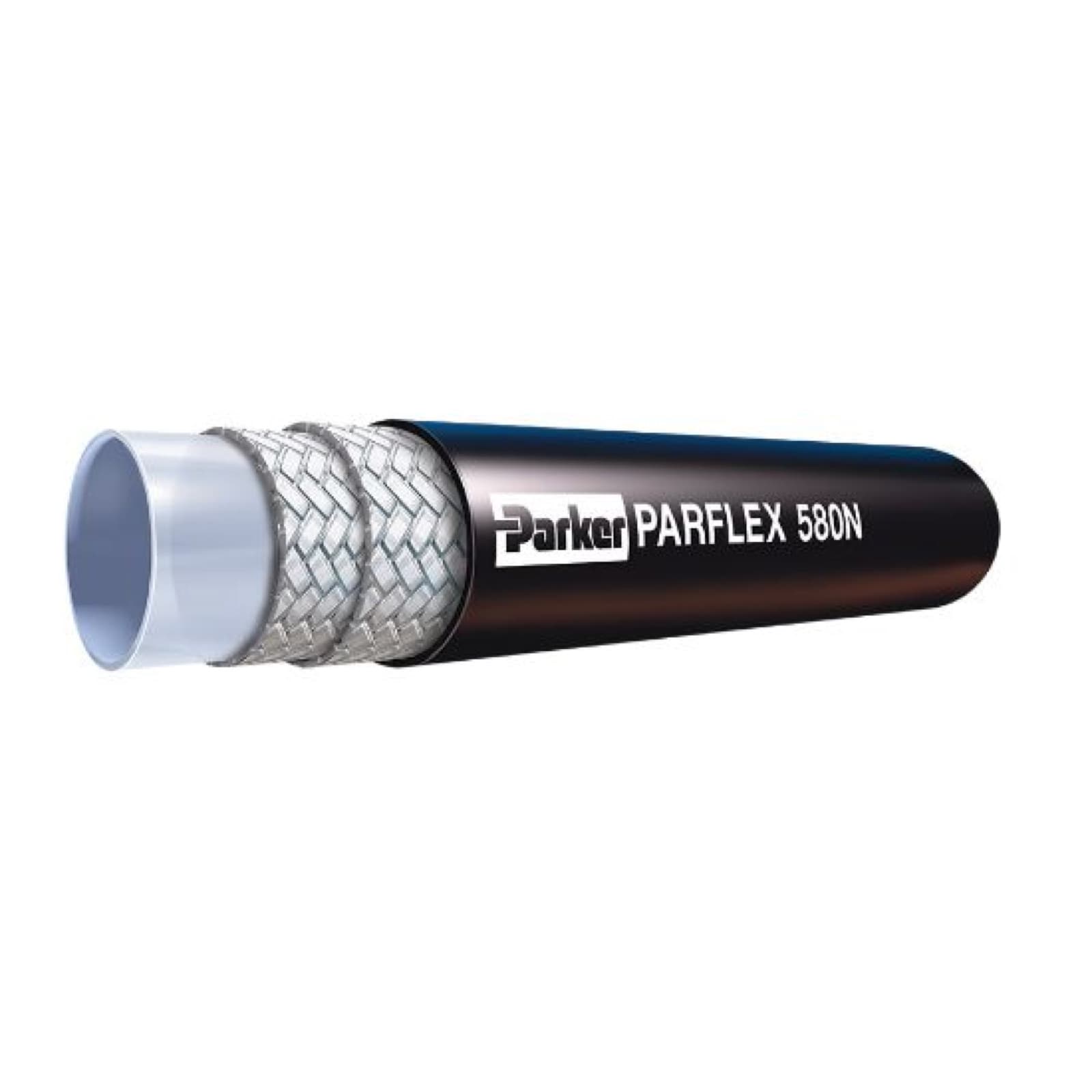
Parker 580N Series High Pressure Thermoplastic Hydraulic Hoses: 3 part numbers.
Product description
Parker 580N Series High Pressure Thermoplastic Hydraulic Hoses: 3 part numbers.
Specification
- Type: Hydraulic Hose
- Material: Thermoplastic
- Pressure stated by the maker: 2,000 to 3,500 psi (138 to 241 bar), by size
- Part numbers: 3
Sizes and part numbers
The Sizes & Part Numbers tab lists every Parker part number in this range with its ratings. Ratings vary by size — check the row for the part you order.
Choosing the hose
Select hose on working pressure, bore, temperature and fluid. The working pressure in the size table is the maximum for continuous duty; burst pressure is a test figure, not a working limit. End fittings must be from the series the hose maker approves for that hose.
How to order
Quote the Parker part number. Price and lead time are confirmed with the quotation.
Specifications
| Parameter | Value |
|---|---|
| Division | Parflex |
| Group | Fluid Connector |
| Inch - Metric | Inch |
Shipping & lead time
Sizes & part numbers
3 sizes- Parker Hannifin part no.580N-16
- Description
- Hydraulic Hose, High Pressure, Thermoplastic
- Working pressure (bar)
- 138
- Parker Hannifin part no.580N-12
- Description
- Hydraulic Hose, High Pressure, Thermoplastic
- Working pressure (bar)
- 155
- Parker Hannifin part no.580N-8
- Description
- Hydraulic Hose, High Pressure, Thermoplastic
- Working pressure (bar)
- 241
Description — What this part number is, as the manufacturer lists it. Ask us for the dimension drawing if you need it stamped.
Working pressure is the manufacturer’s published rating for the fitting itself. An assembly is limited by its lowest-rated component, so check it against the hose, the tube and the port you are mating to.
What is the Parker 580N Series thermoplastic hose and what is it used for?▾
How do I read the part numbers of the Parker 580N Series, such as 580N-16?▾
Which sizes does the Parker 580N Series come in?▾
How do I choose the size of Parker 580N hose for my pressure?▾
What is the working pressure of Parker 580N Series hose?▾
What is Parker 580N Series hose made from?▾
Which standard does Parker 580N Series hose follow?▾
Which fittings go on Parker 580N Series hose?▾
How do I route and install Parker 580N Series hose?▾
How does the Parker 580N Series compare with the Parker 520N Series?▾
Where does the Parker 580N Series ship from, and what are the export details?▾
Do you stock Parker 580N Series hose for export from Dubai?▾
Shipped worldwide from our Dubai warehouse. Transit, routes and documentation for 136 destinations
From the blog
Written about this range
Specification & standards
Hydraulic hose: the complete guide to constructions, standards, sizes and pressure
Braid, spiral, compact, thermoplastic and PTFE; SAE 100R against EN 853, 856 and 857; dash sizes and pressure by bore. The hydraulic hose guide, with every figure from the grades we stock.
8 min read
Assembly, crimping & certification
Thermoplastic hose fittings: R7, R8 and R18 hose, non-conductive hose and the 56 Series crimp ends
An orange thermoplastic hose on a bucket truck is not orange for show: Parker’s 518D is made and marked non-conductive to SAE J517 for work near power lines — and Parker warns never to assume any hose is non-conductive unless it is branded so. Thermoplastic R7, R8 and R18 hose, what each is for and rated at, the Parker 56 Series crimp fittings and THY series ends that go on them, and how to assemble them.
6 min read
Failure analysis
Swollen or hardened tube: reading fluid incompatibility off the failure
Cut a failed hose open and the tube tells you whether the fluid was wrong. Swollen and soft is one problem, shrunken and brittle is the opposite one, and both mean the hose and the fluid were never suited.
3 min read
Engineers viewing this also looked at
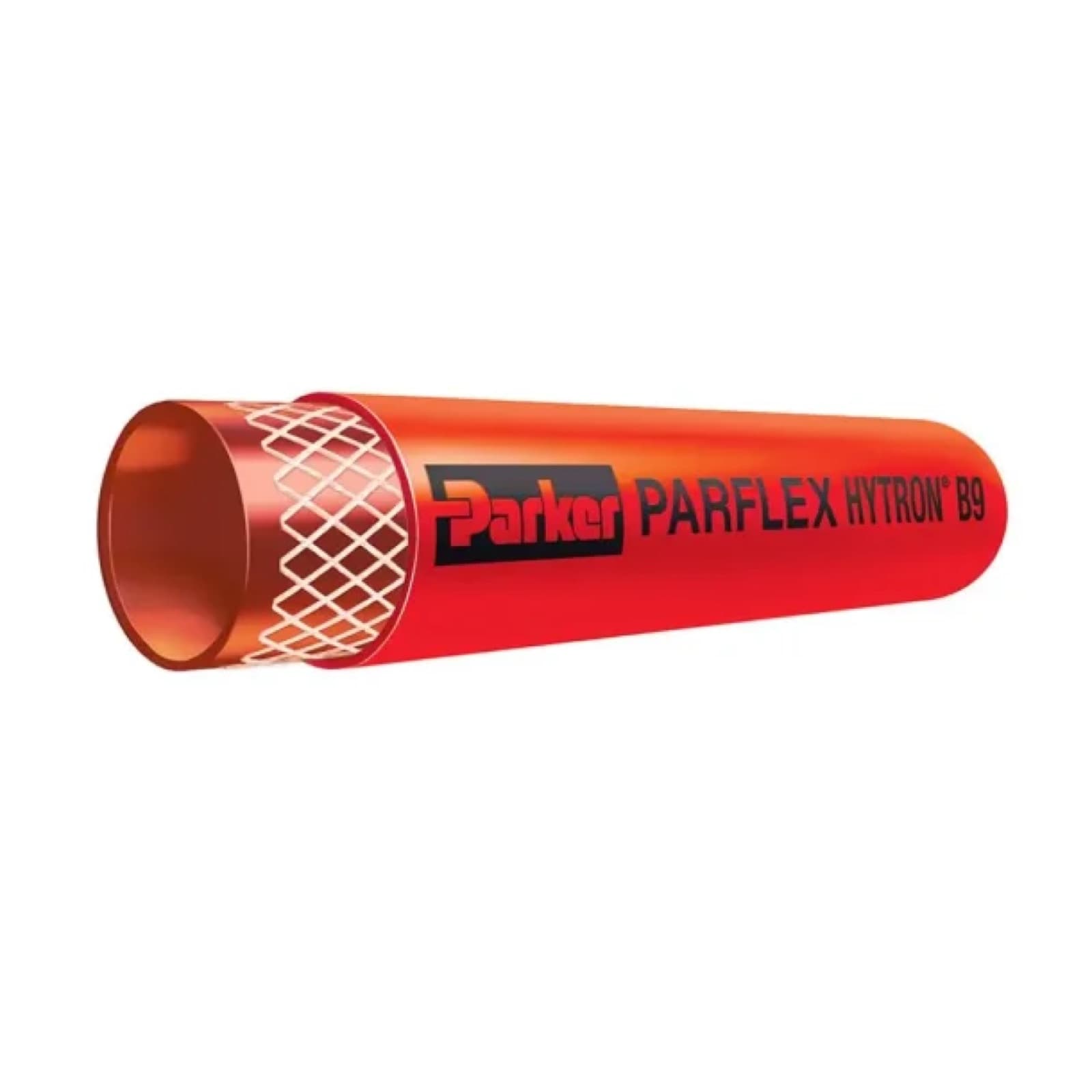
Parker B9 Series Low Pressure Thermoplastic Fuel Transfer Hoses
Parker Hannifin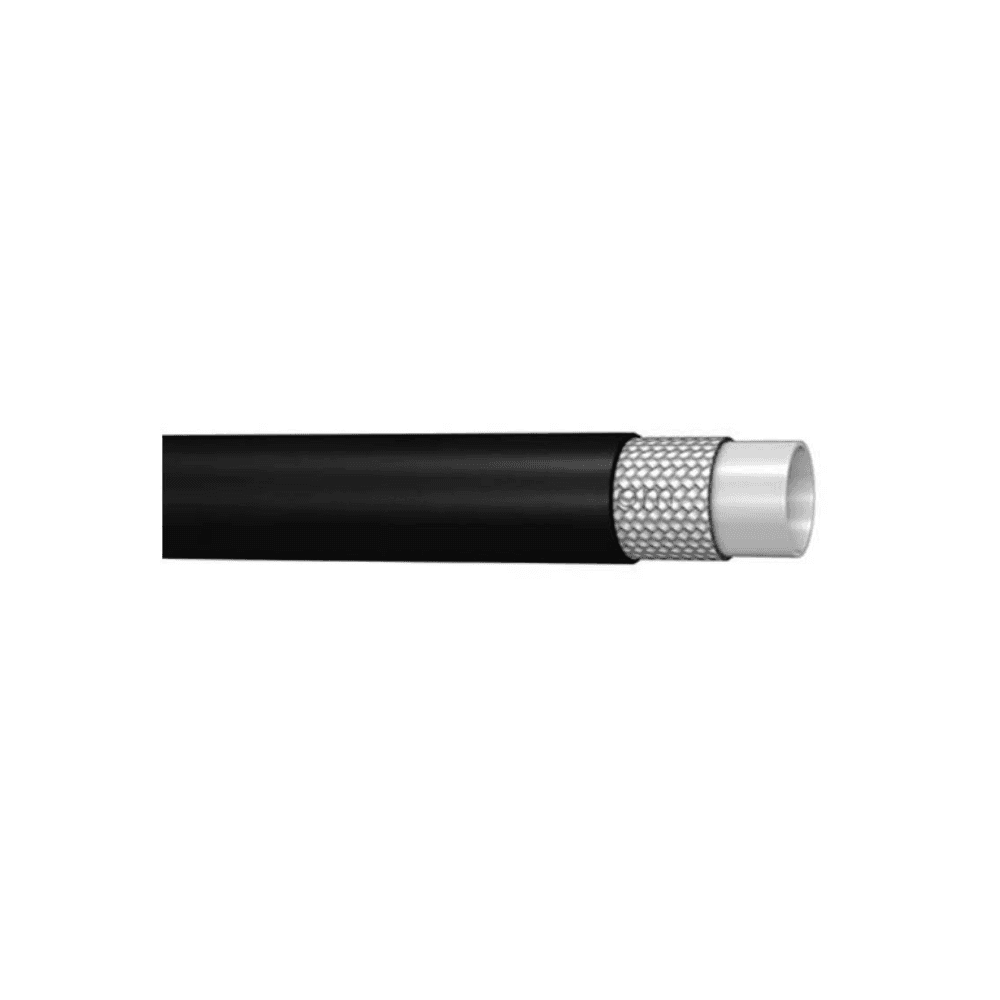
R7 Thermoplastic Hydraulic Hose
Parker Hannifin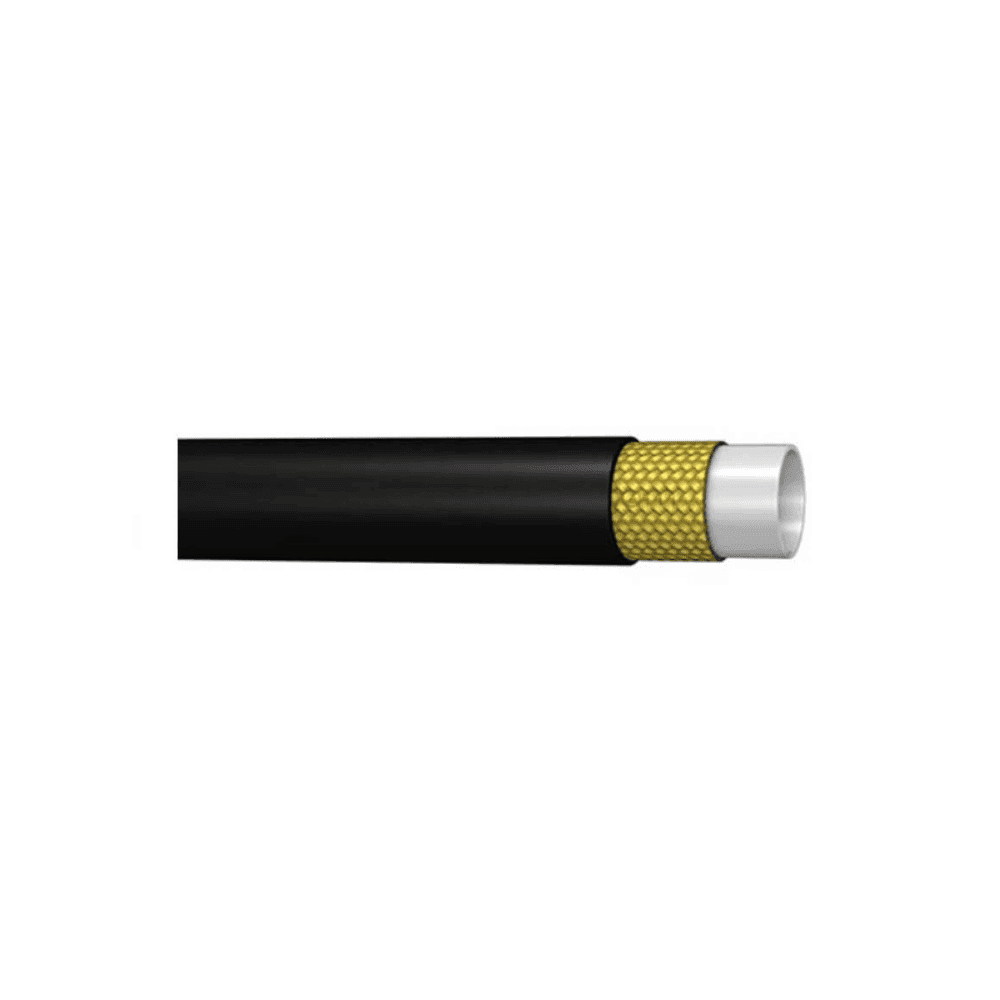
R8 Thermoplastic Hydraulic Hose
Parker Hannifin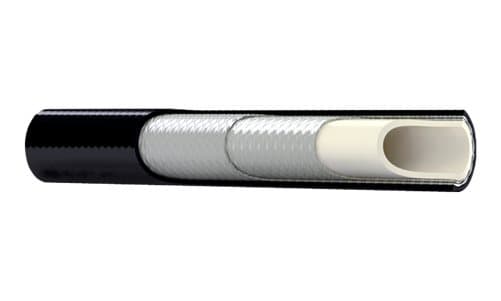
SAE 100R18 Thermoplastic Hydraulic Hose, Low-Friction Black Cover
Indus Hydraulics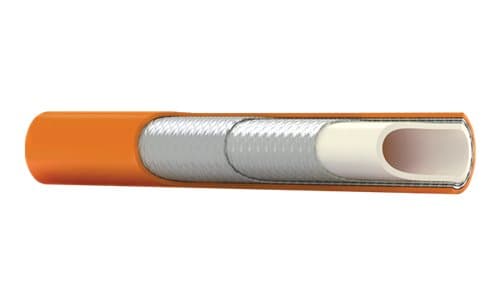
SAE 100R18 Non-Conductive Thermoplastic Hydraulic Hose, Orange
Indus Hydraulics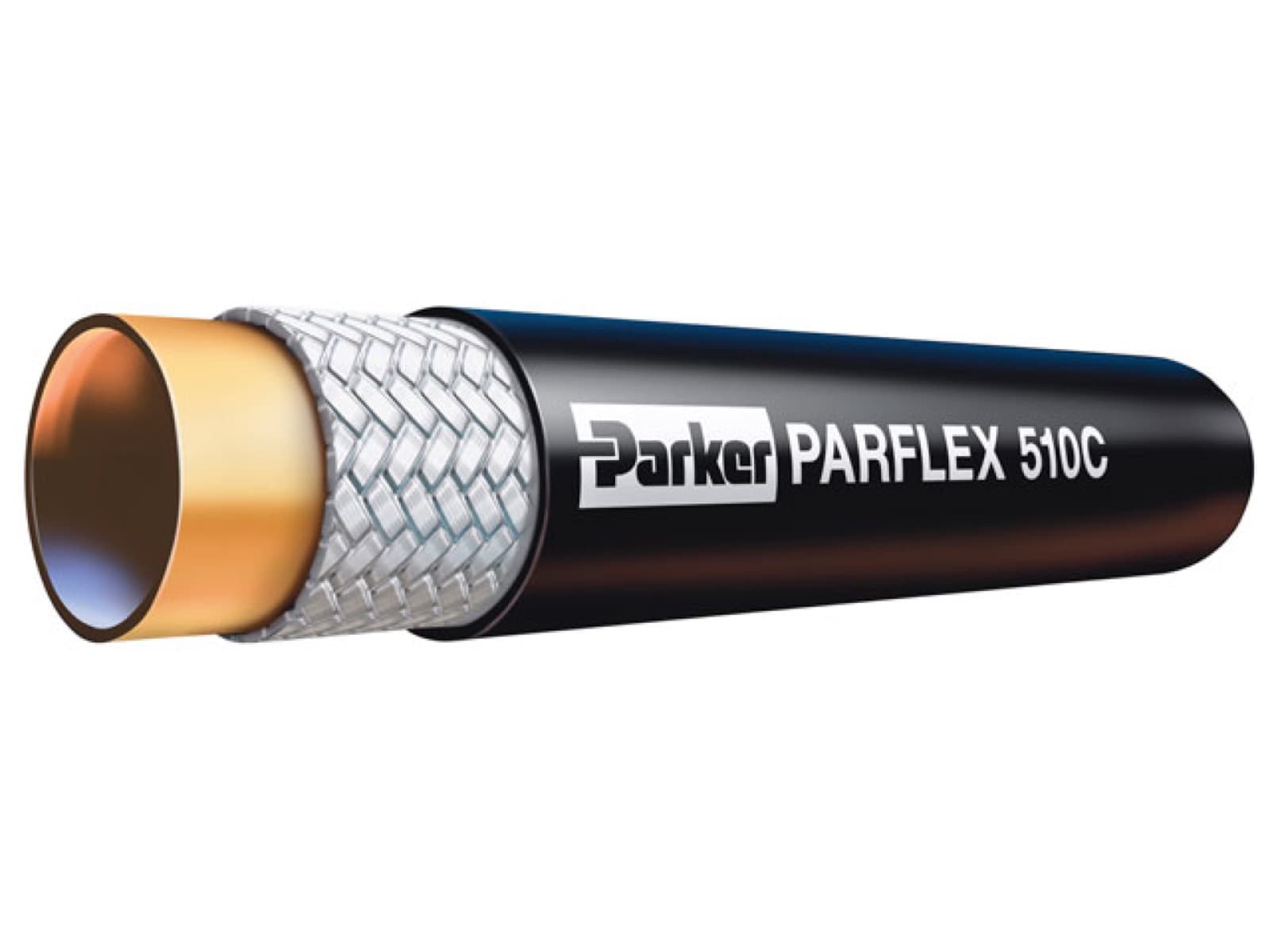
Parker 510C Series Medium Pressure Thermoplastic Hydraulic Hoses
Parker Hannifin
Parker 518C Series Medium Pressure Thermoplastic Non-conductive Hydraulic Hoses
Parker Hannifin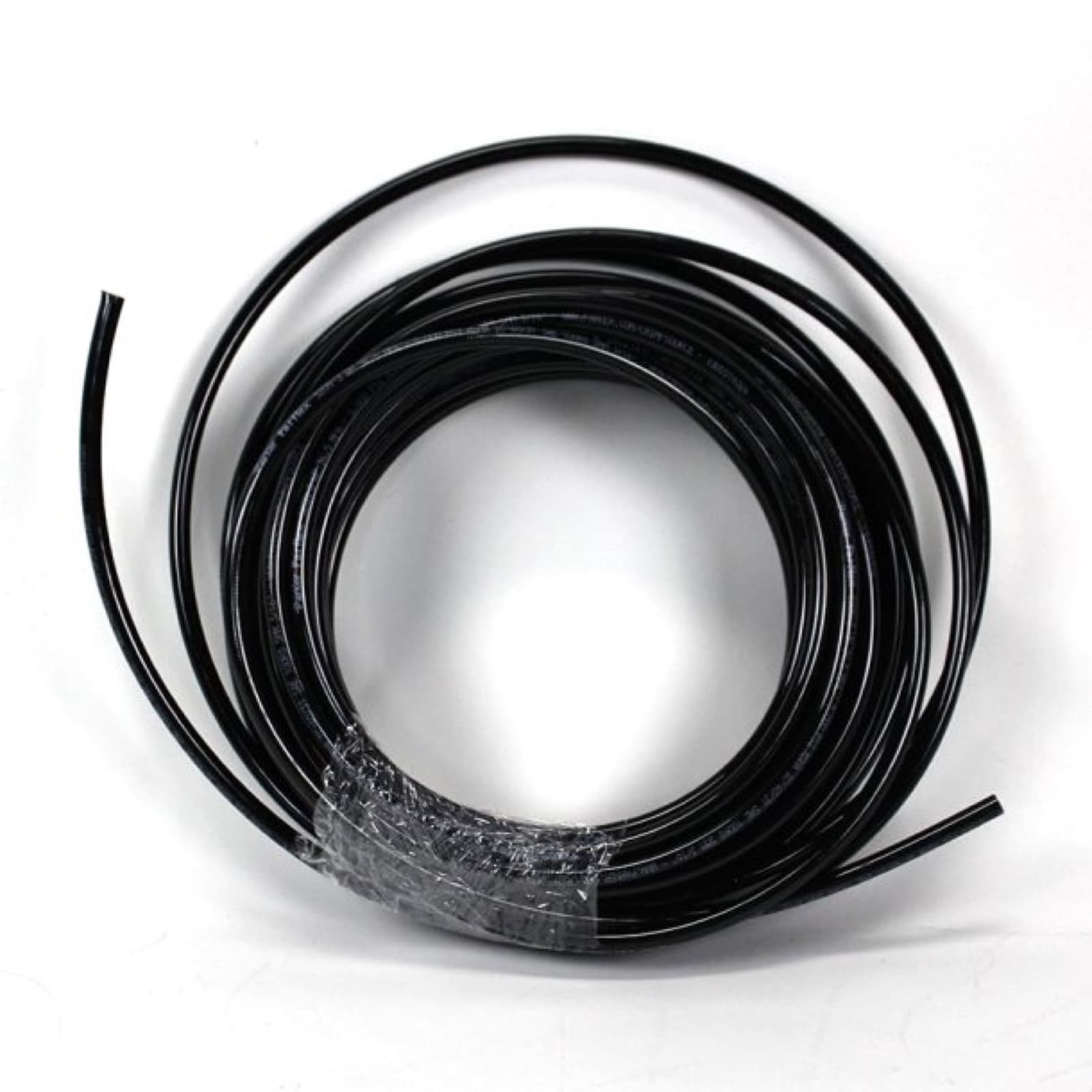
Parker 520N Series High Pressure Thermoplastic Hydraulic Hoses
Parker Hannifin