- 01What do 3/2, 5/2 and 5/3 mean on a solenoid valve?
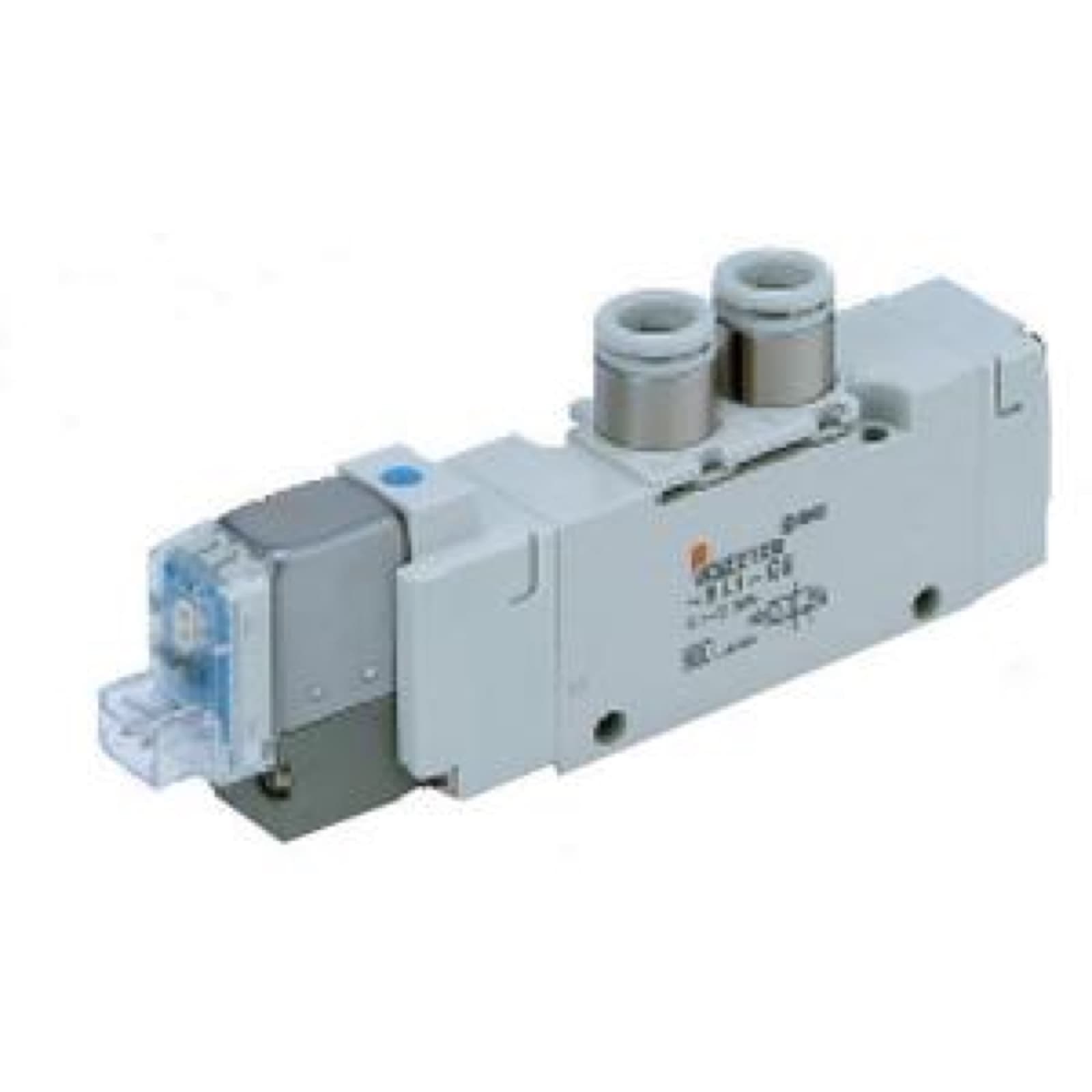
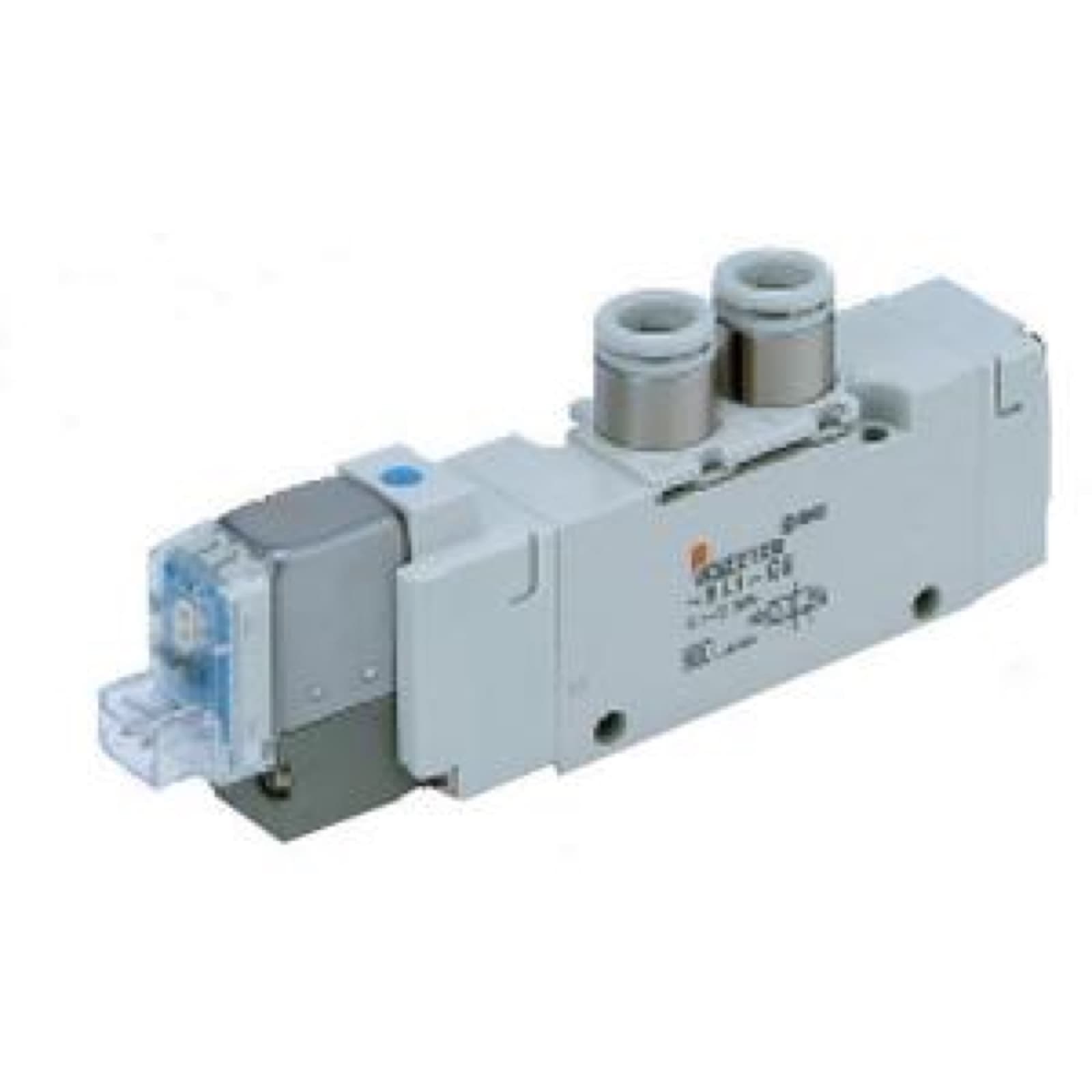
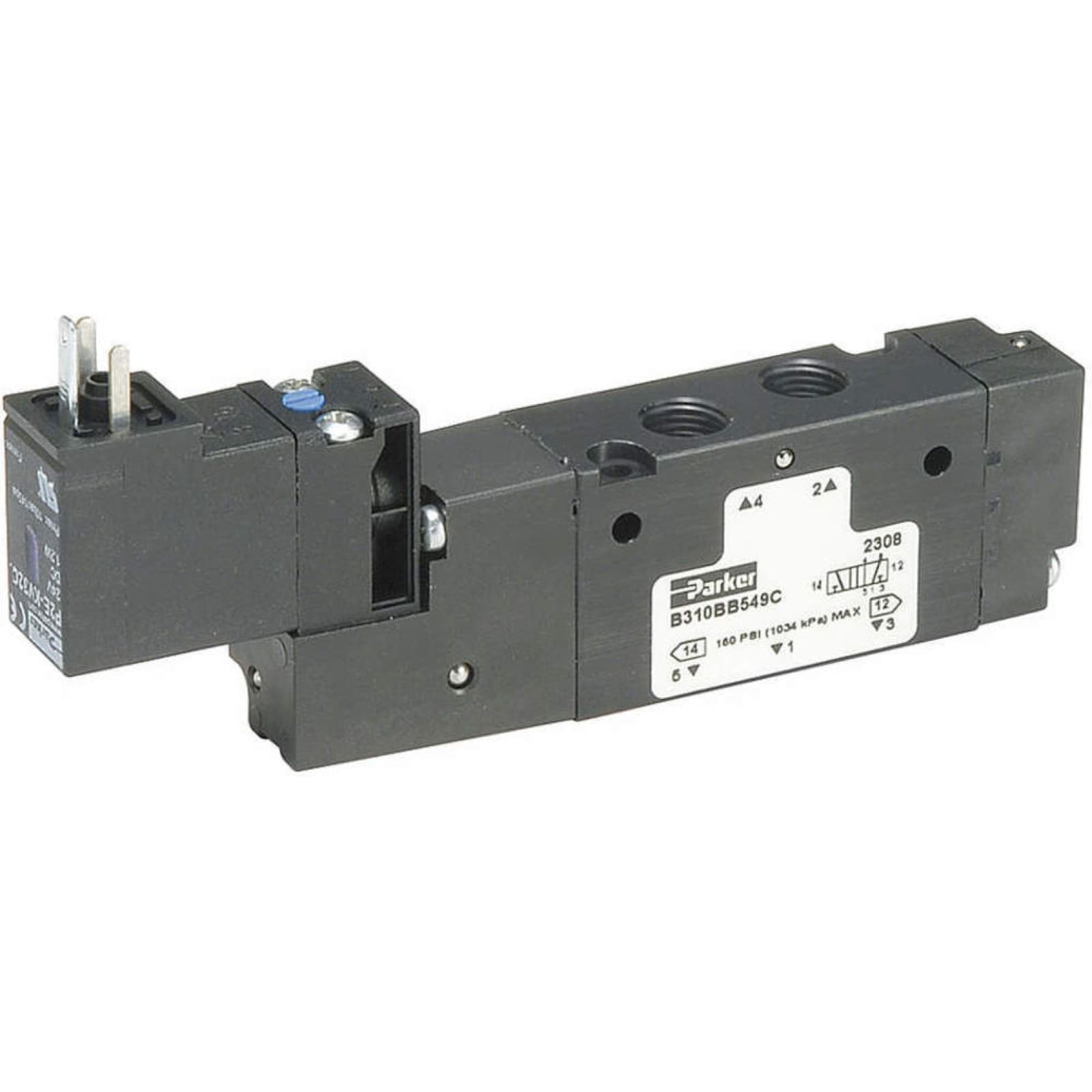
- The first number is the number of working ports, the second the number of switching positions. A 3/2 valve has a supply, an outlet and an exhaust and two positions, so it pressurises or vents one line. A 5/2 valve has a supply, two outlets and two exhausts and two positions, which drives a double-acting cylinder out and back. A 5/3 valve adds a centre position; in American catalogues the same valves are often called 3-way and 4-way, so a 4-way, 2-position valve with five ports is a 5/2.
- 02What is the difference between a normally closed and a normally open valve?
- It describes the outlet when the valve is not energised. A normally closed 3/2 valve blocks the supply and vents the outlet at rest, and pressurises the outlet when switched. A normally open valve feeds the outlet at rest and vents it when switched. Choose the one that leaves the machine in a safe state if power fails.
- 03Should I use a single or double solenoid valve?
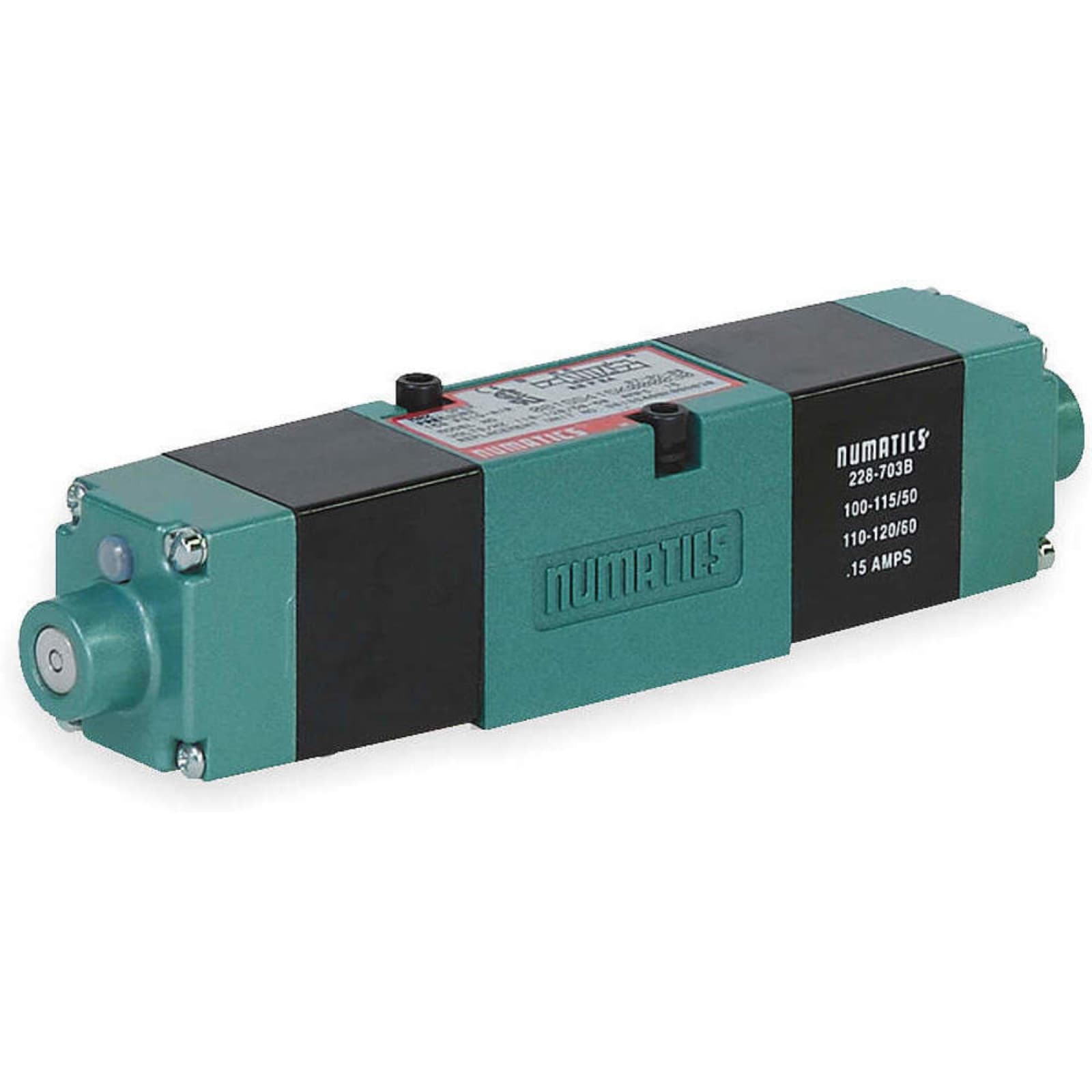
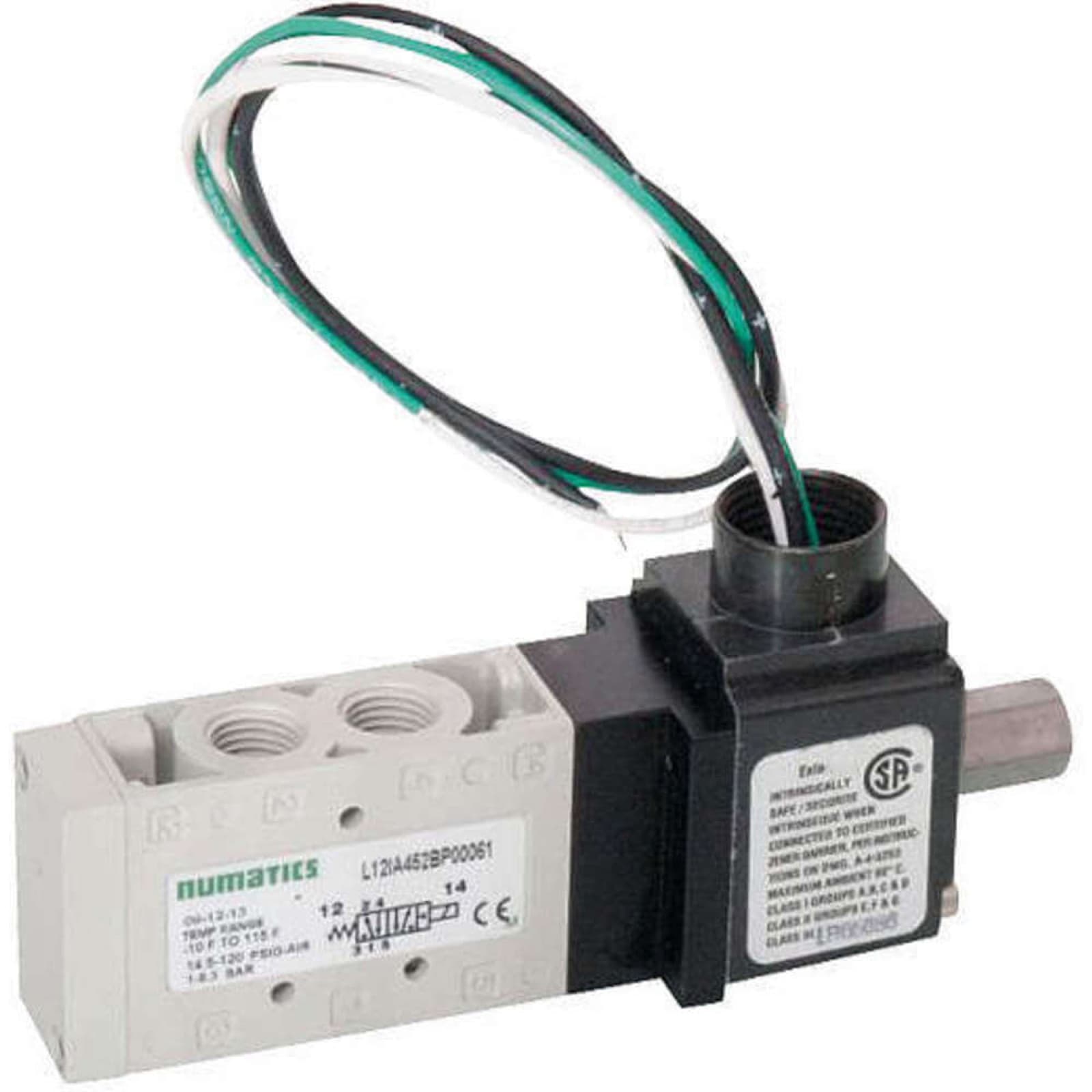
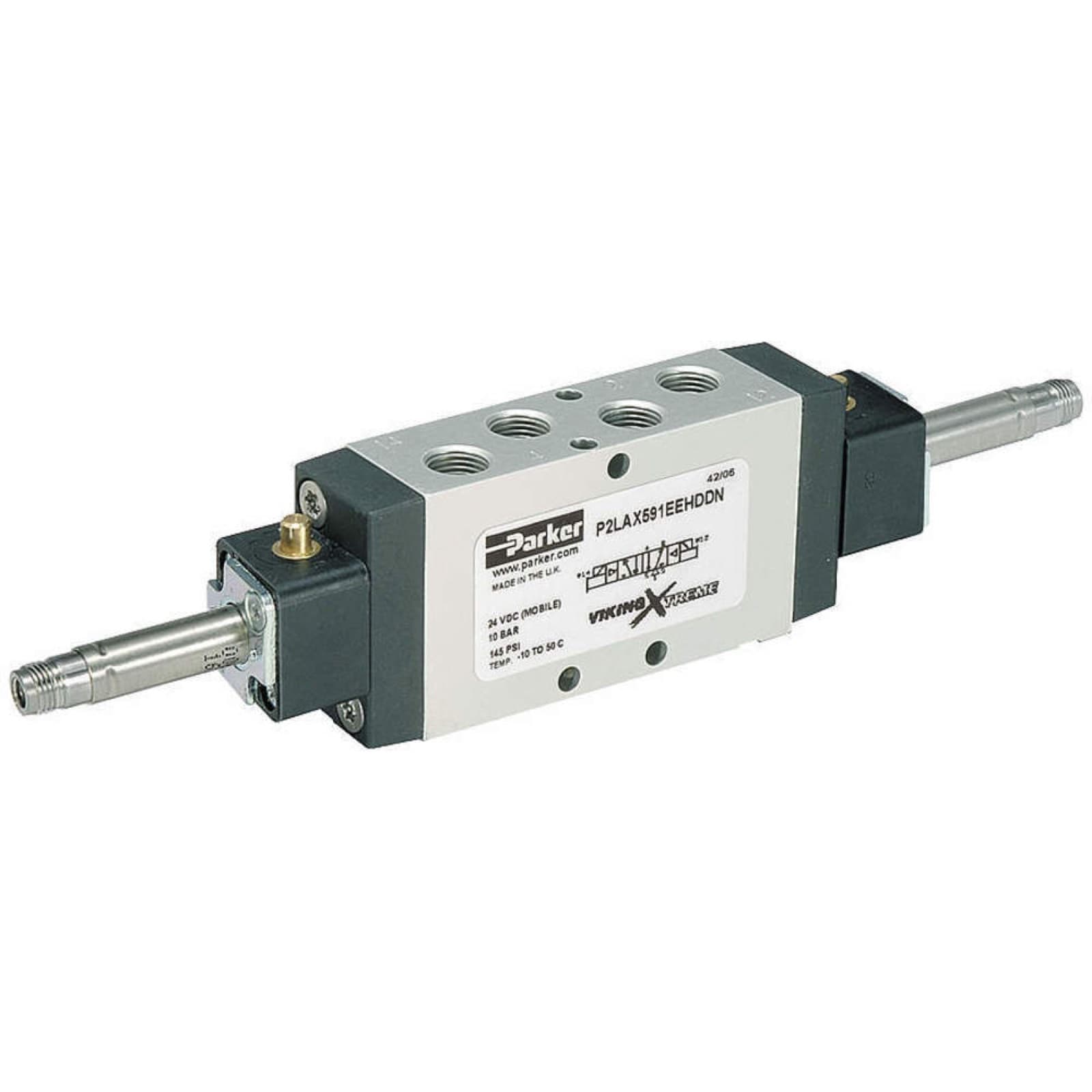
- A single-solenoid valve has a spring or air return, so it goes back to its normal position whenever the coil is de-energised, including on a power failure. A double-solenoid valve has a coil at each end and stays in its last position until the other coil is pulsed, which gives it a memory. Use a single solenoid where the machine must return to a known position on power loss, and a double solenoid where a cylinder must not move when power drops.
- 04Why mount solenoid valves on a manifold?
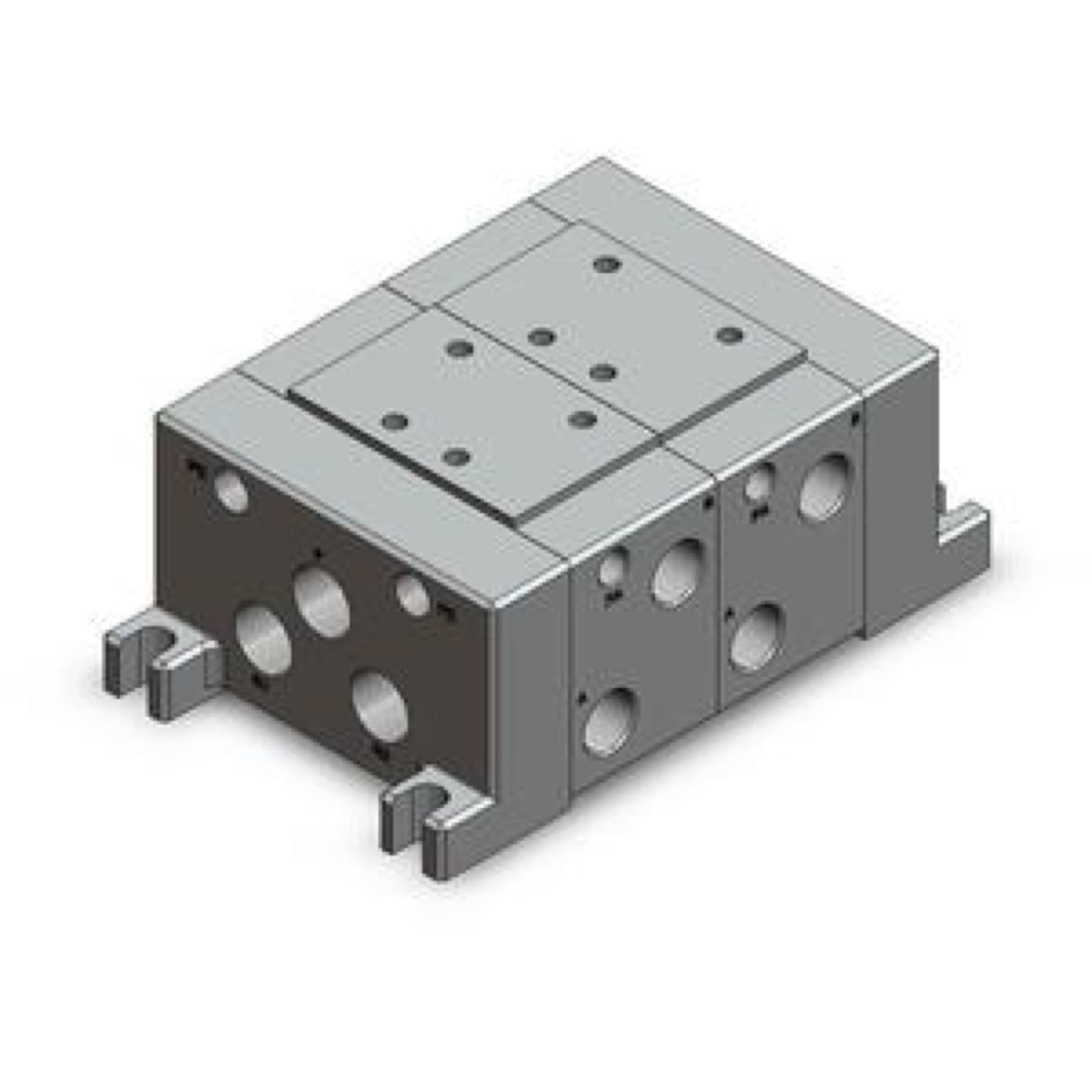
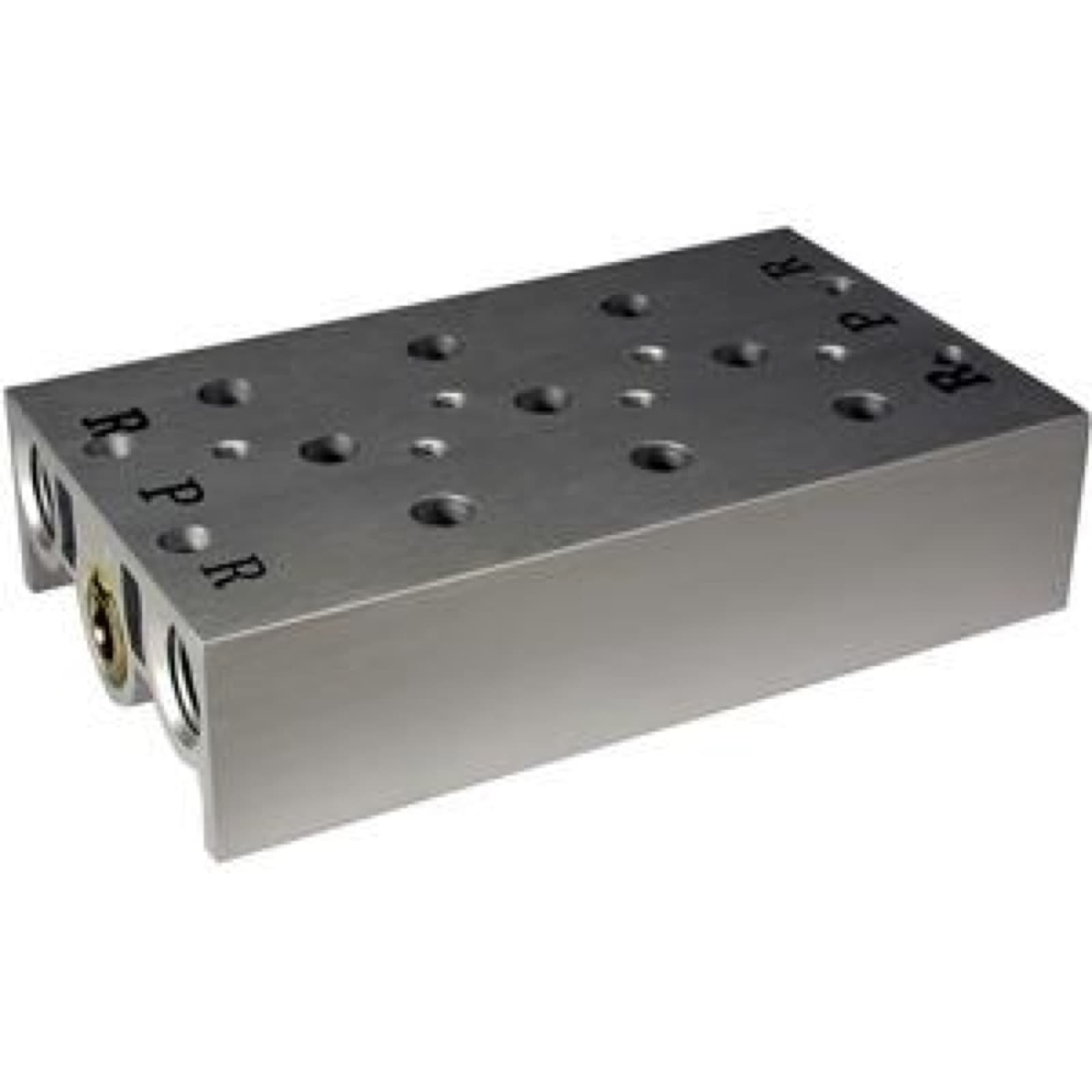
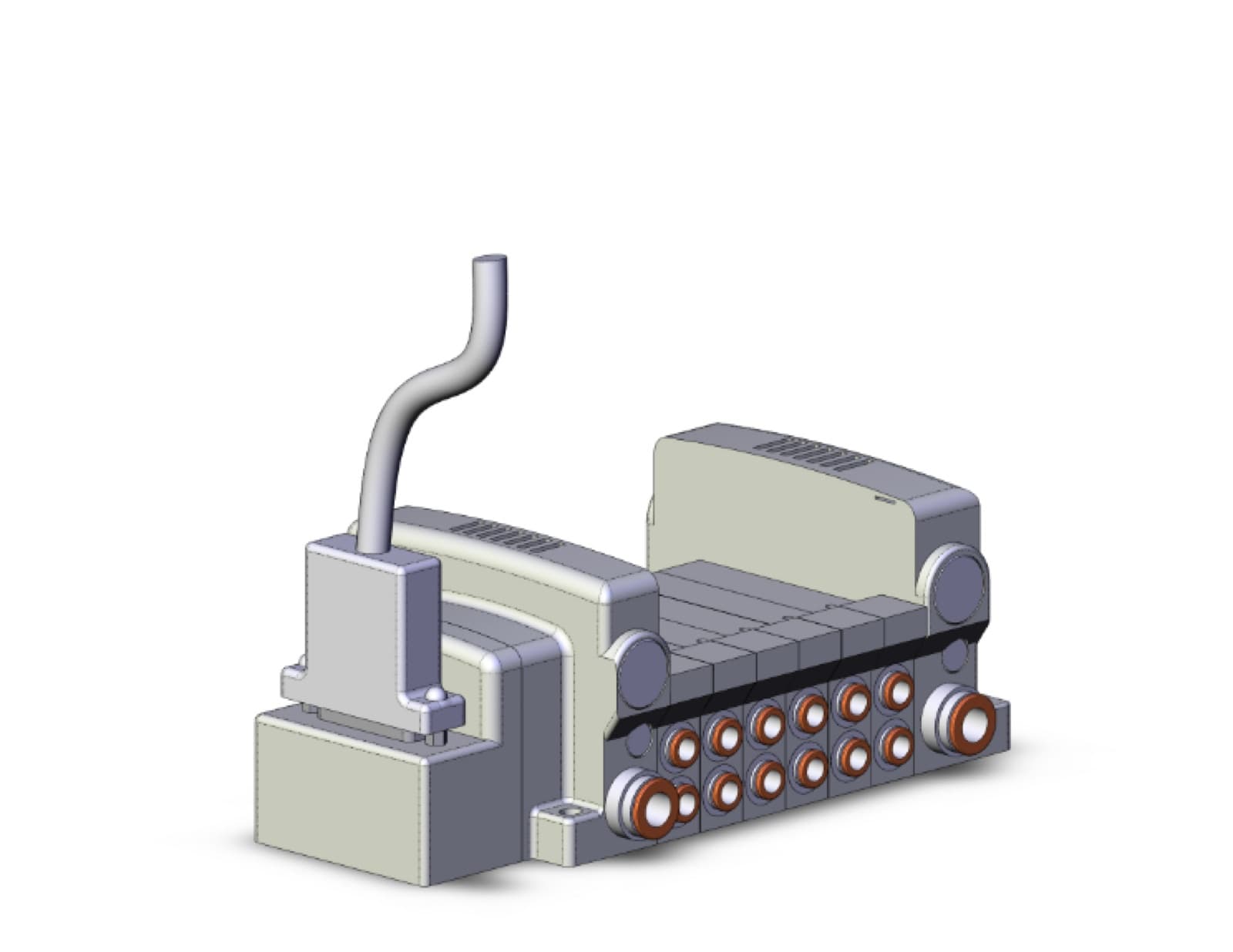
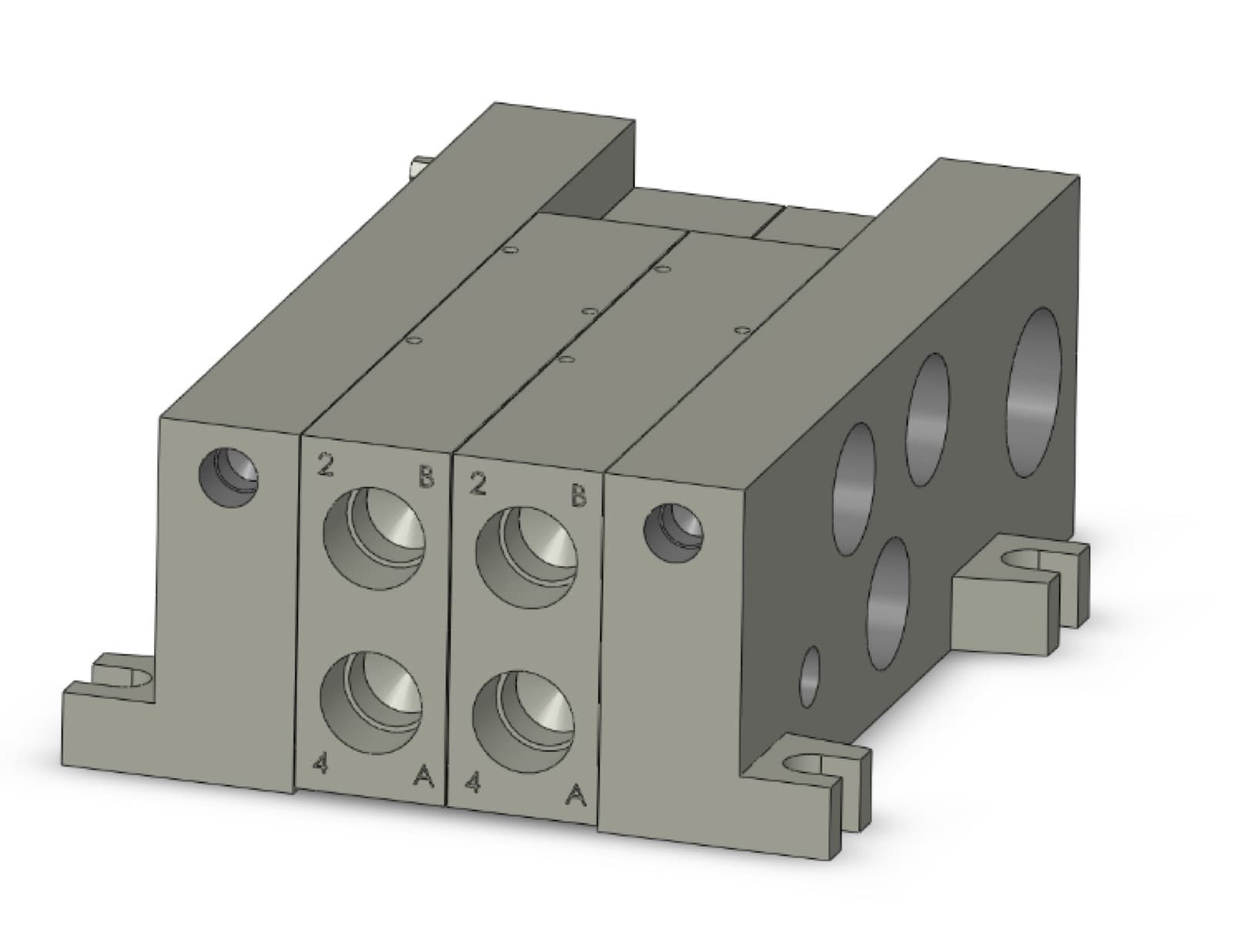
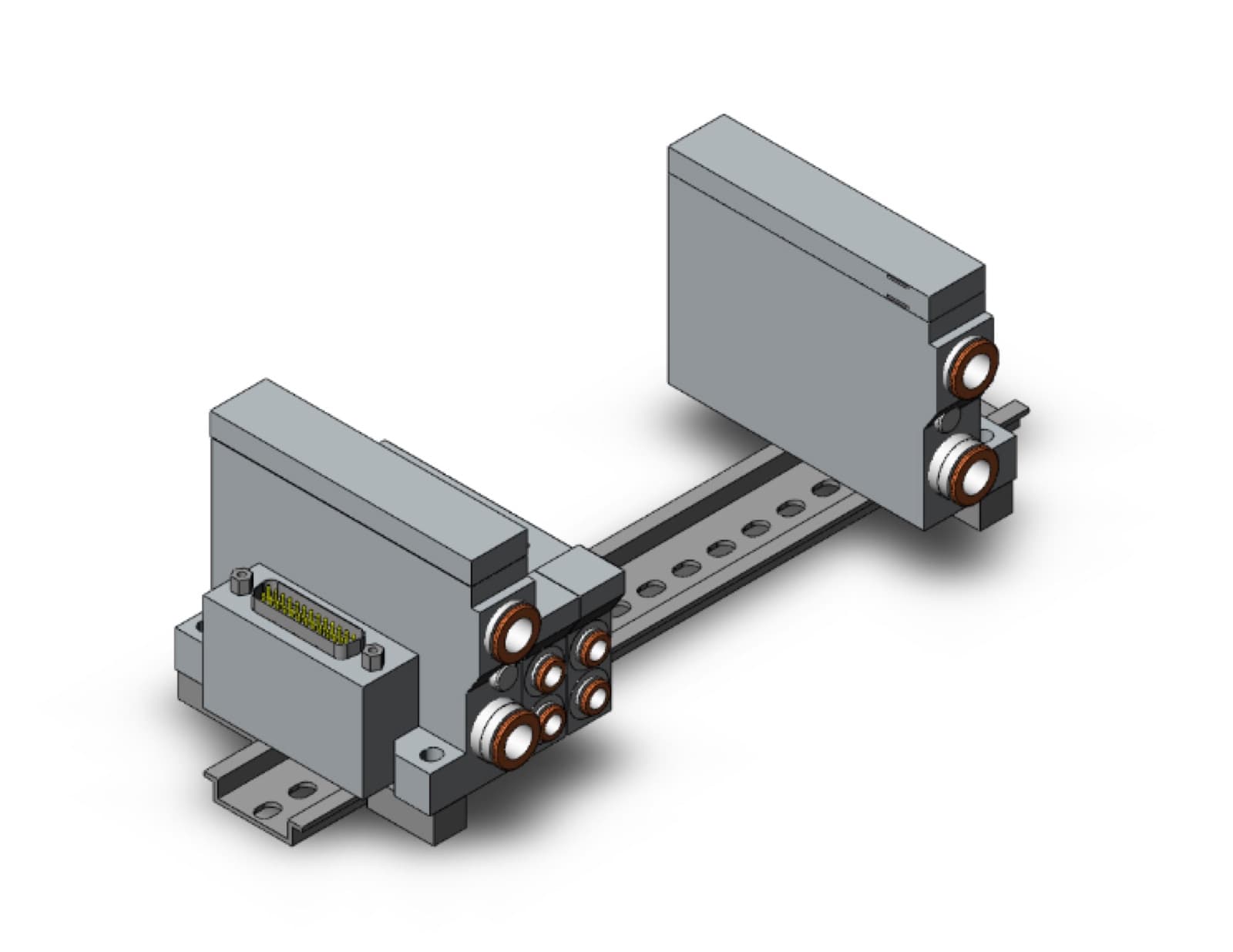
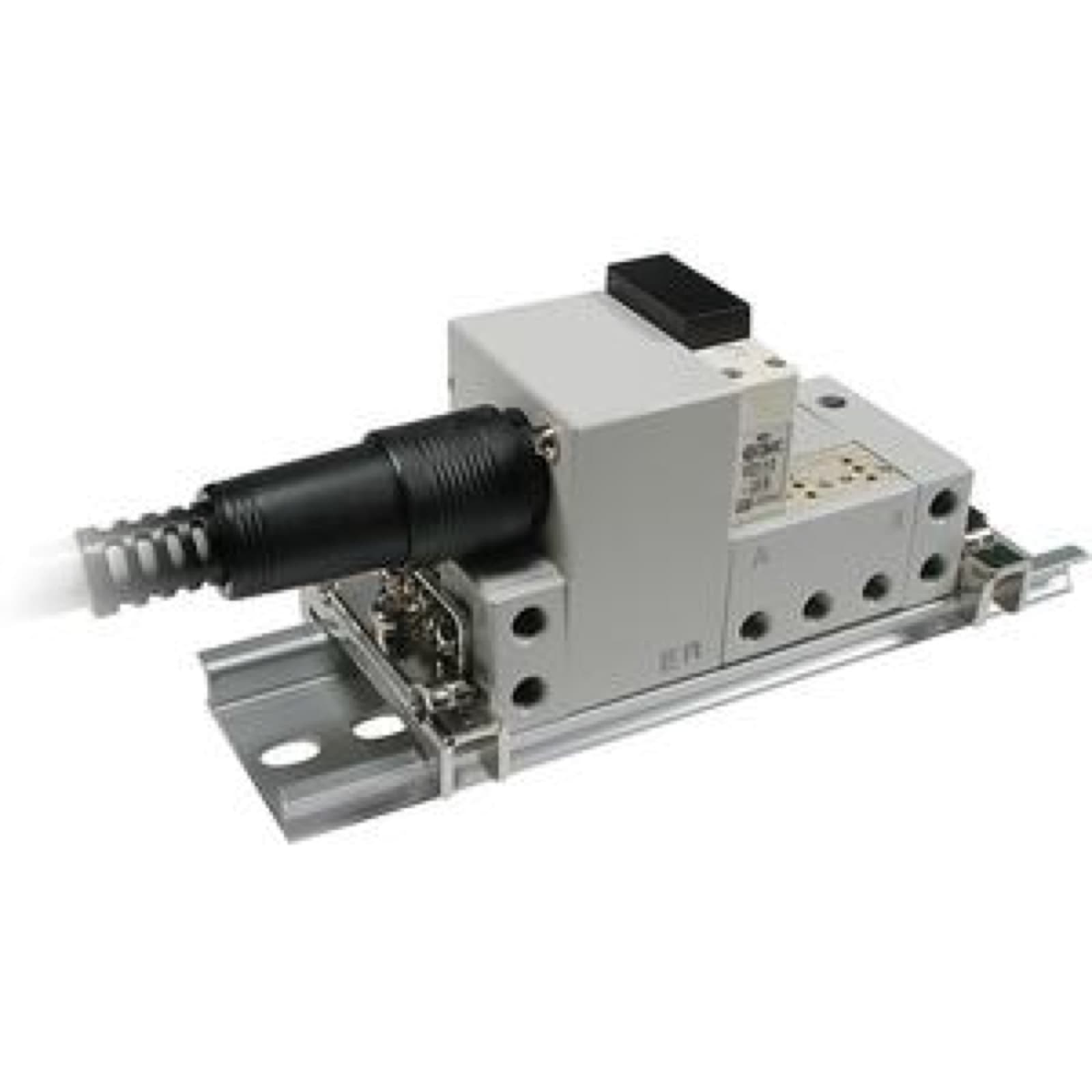
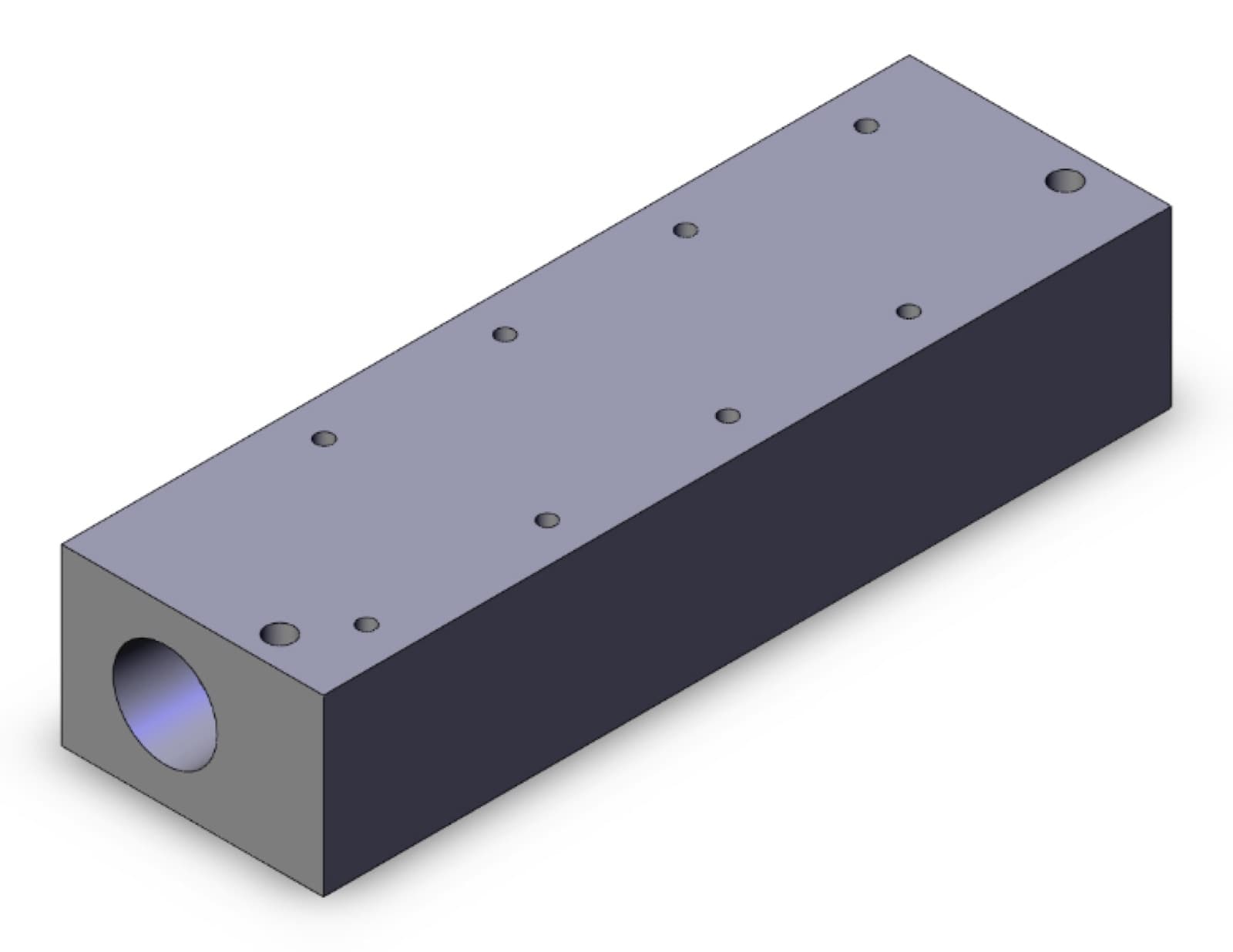
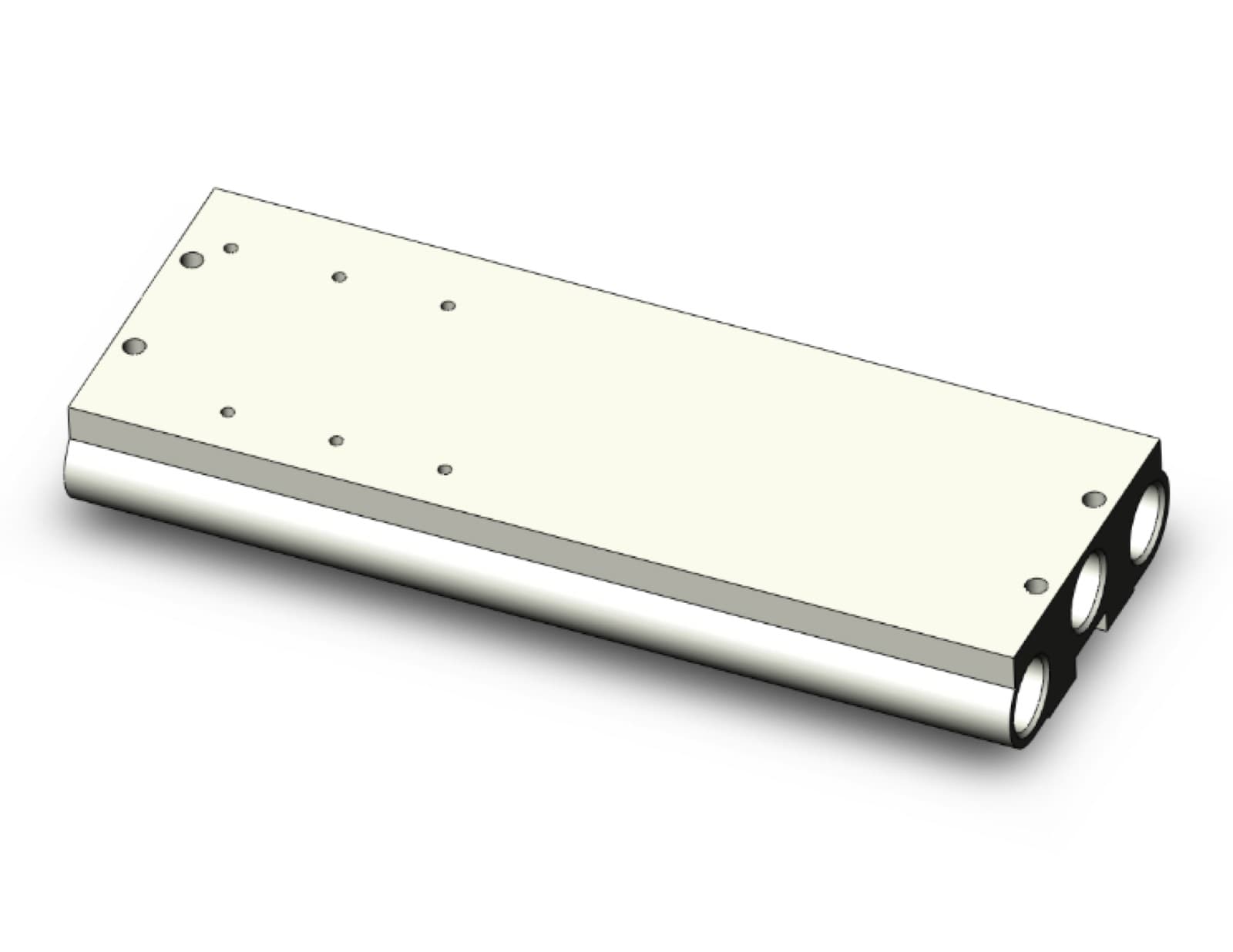
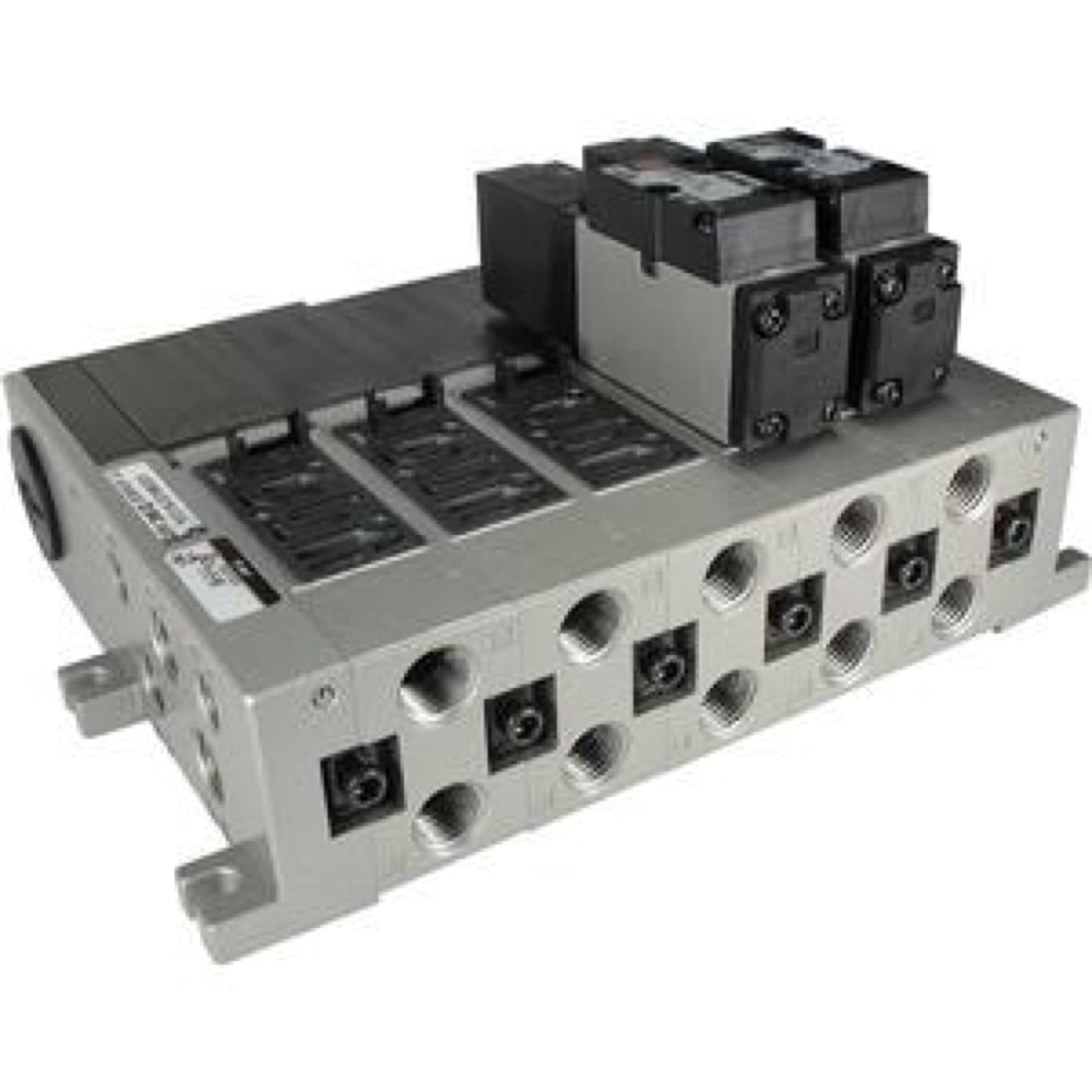
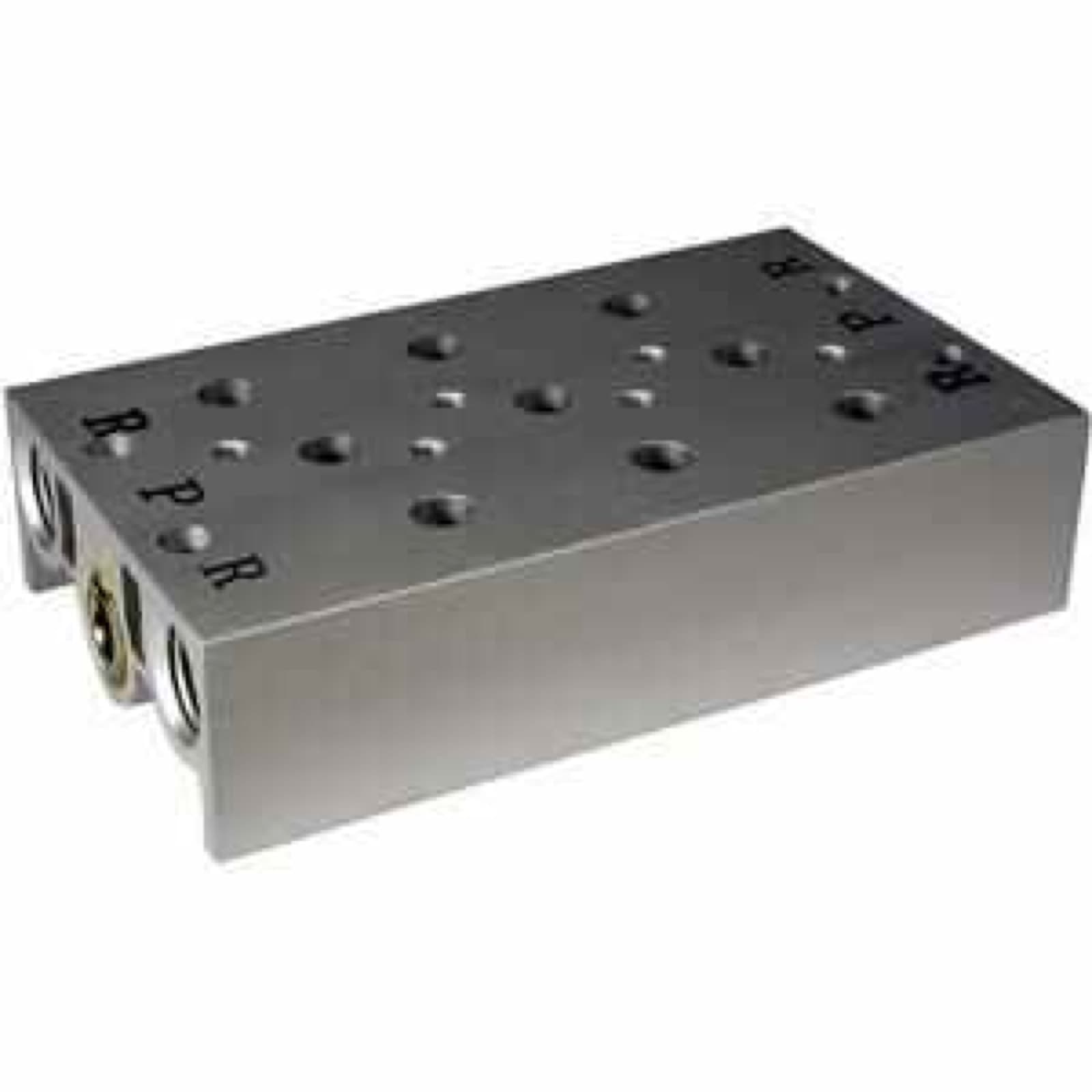
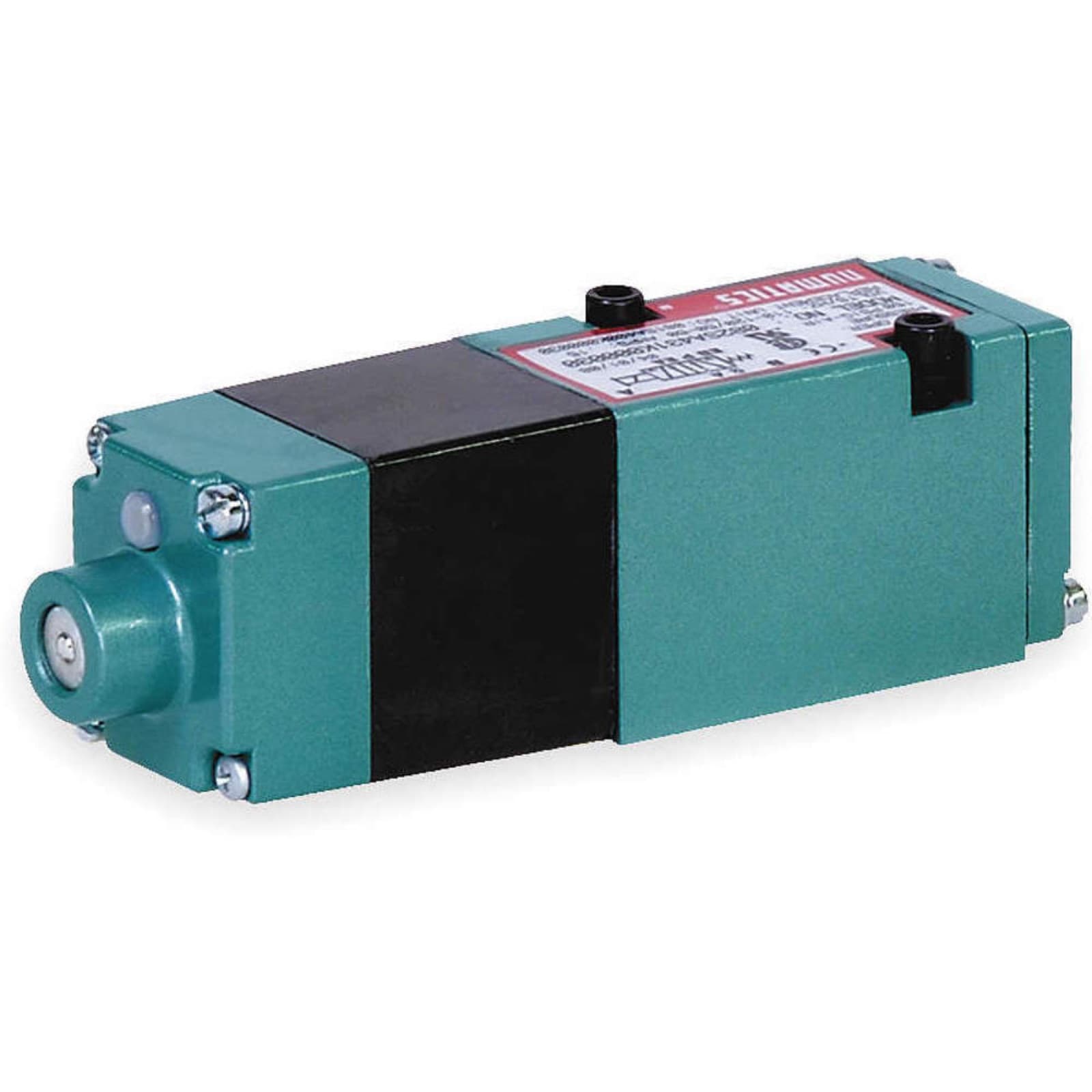
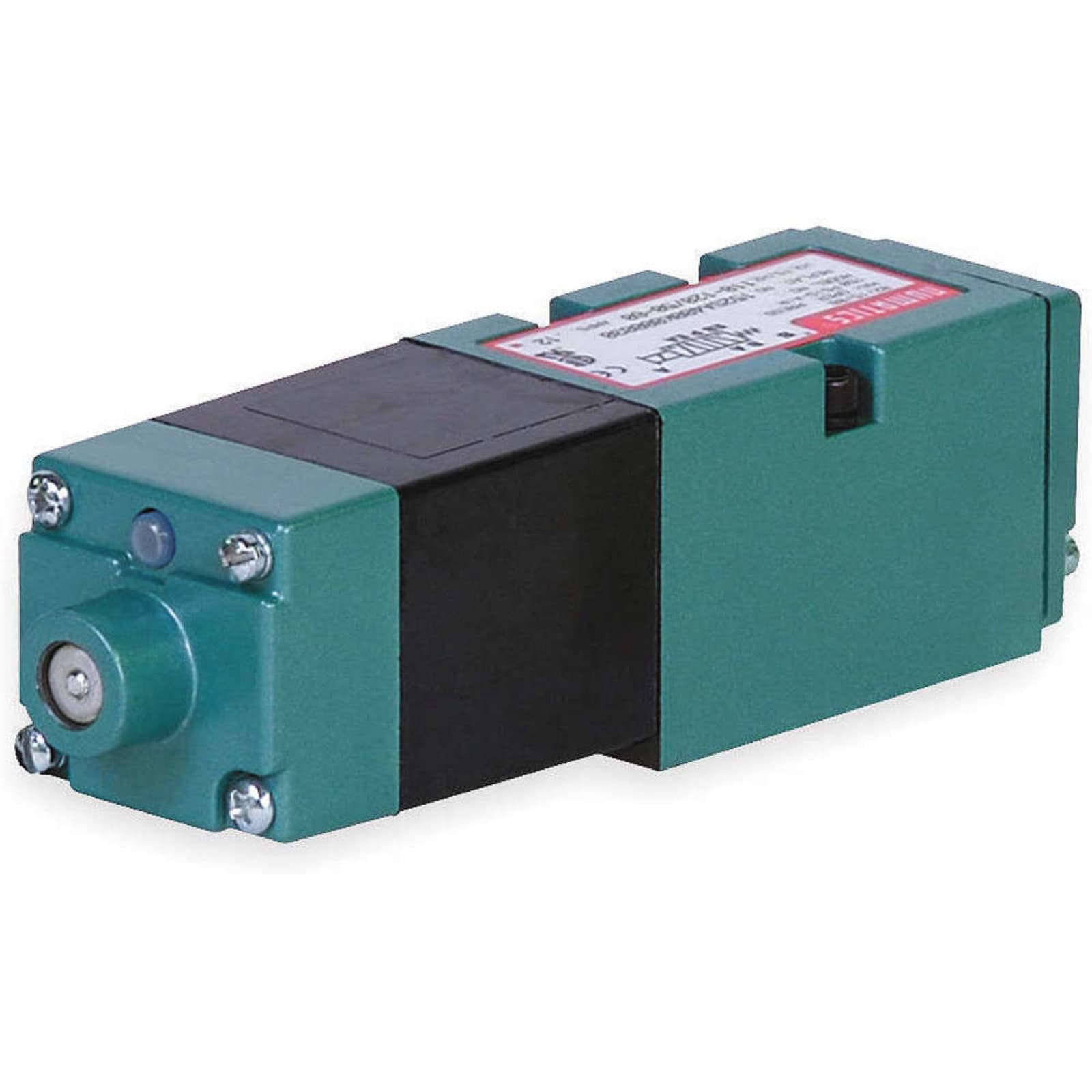
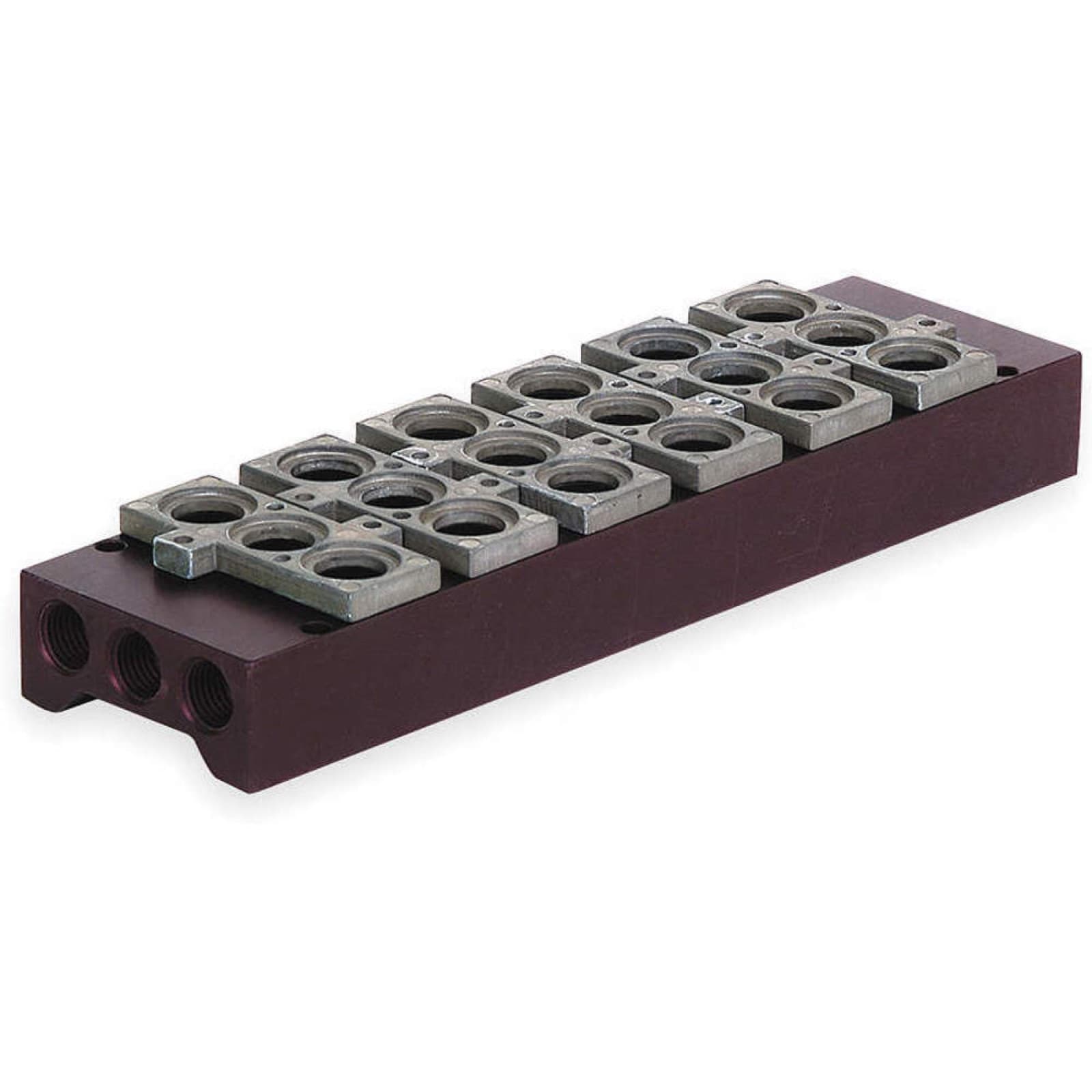
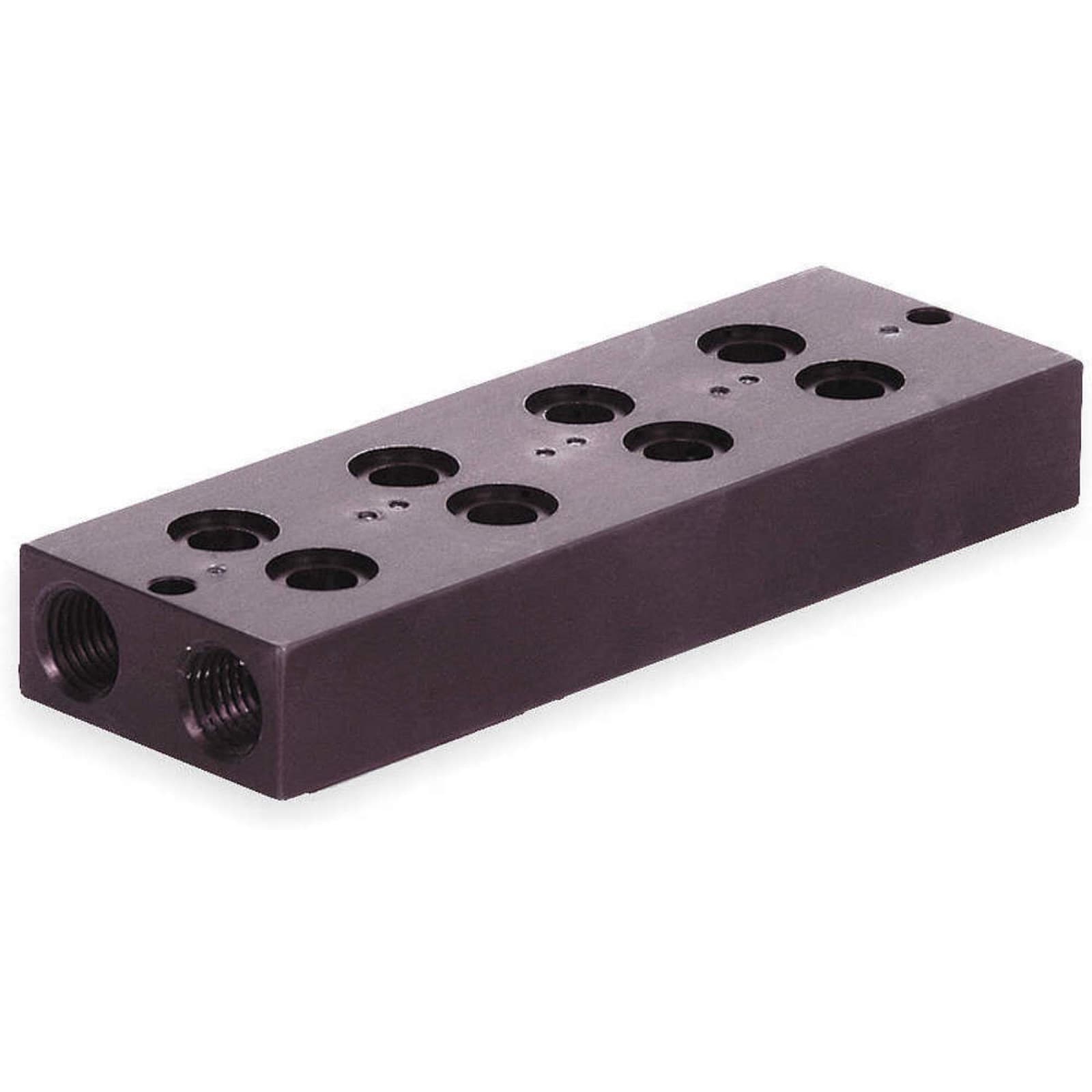
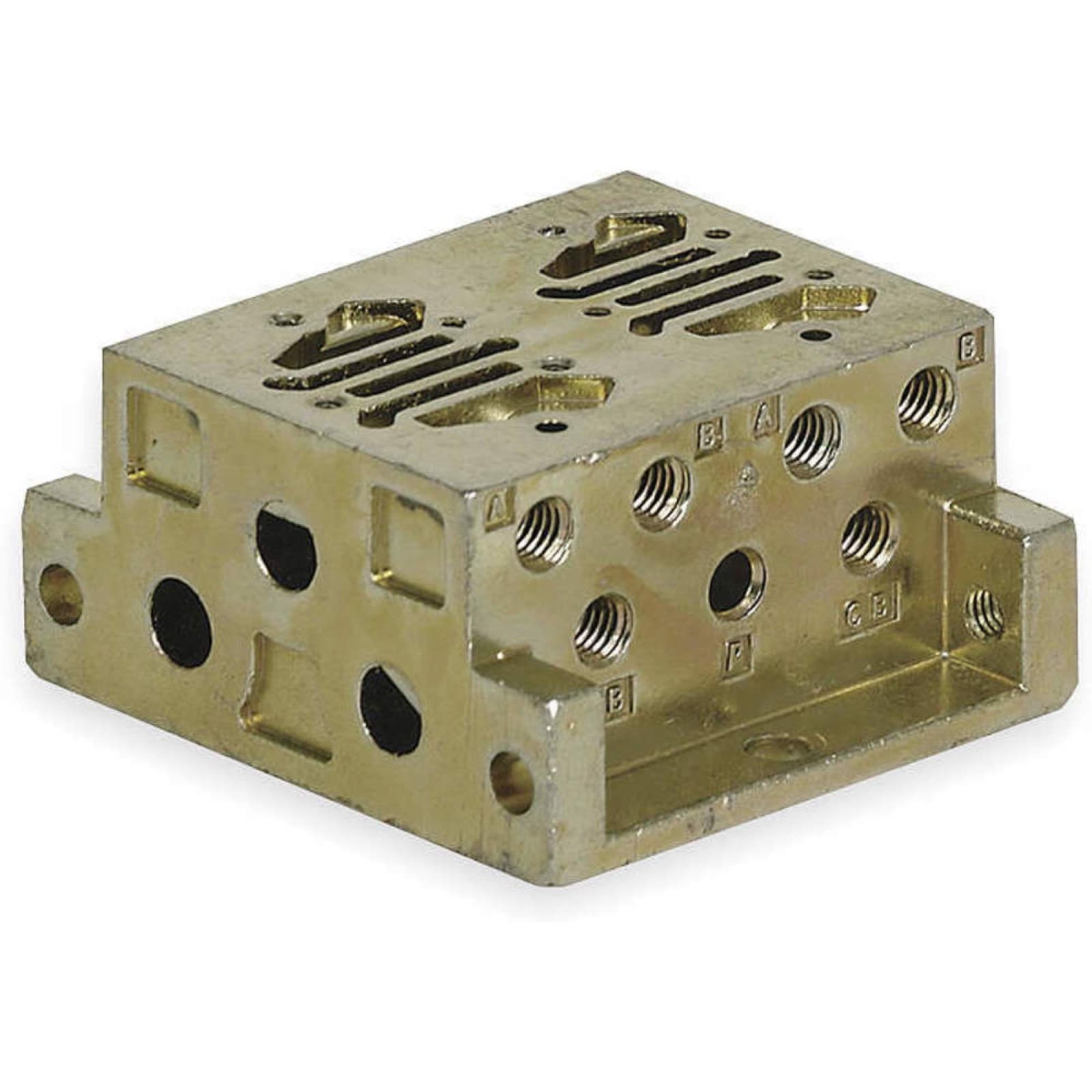
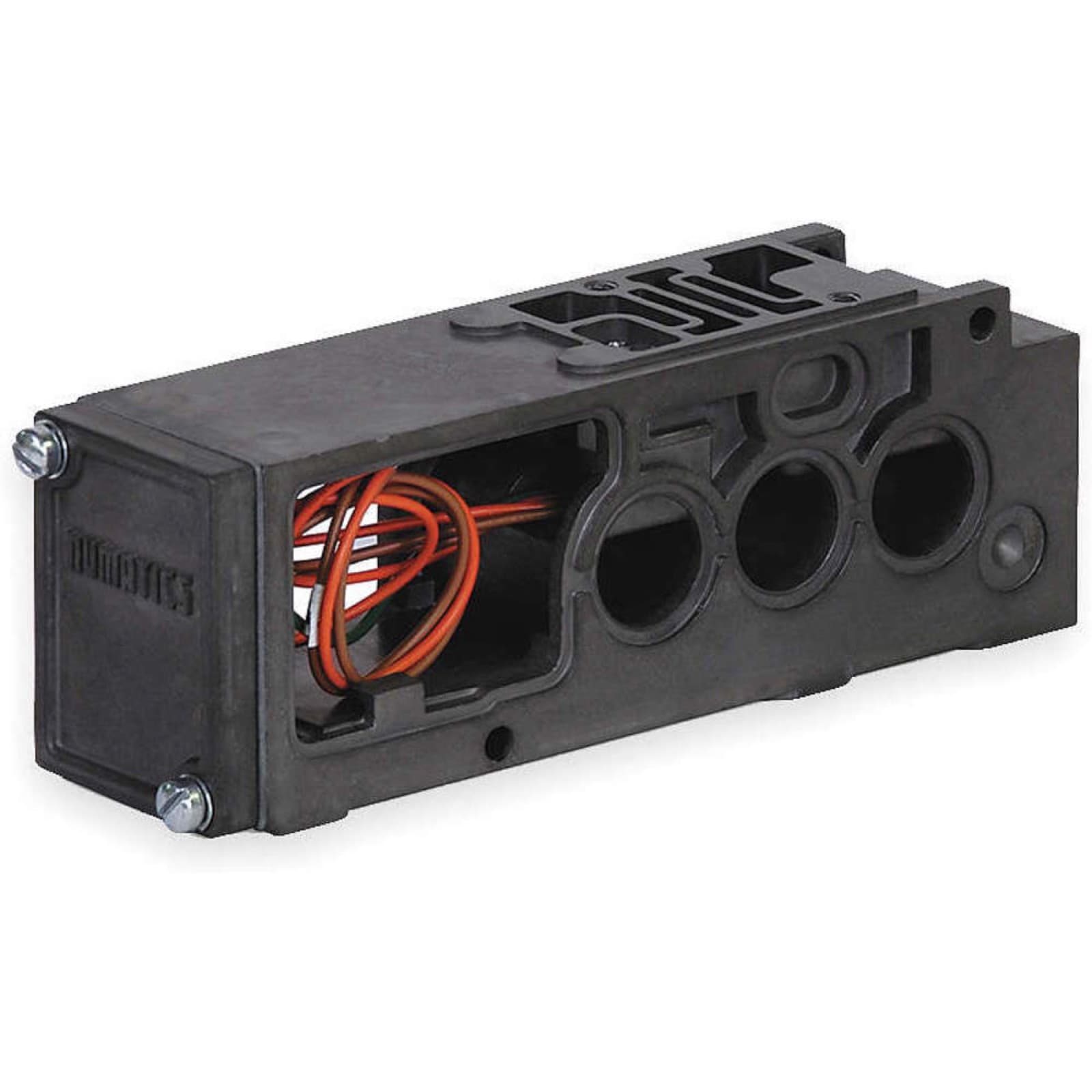
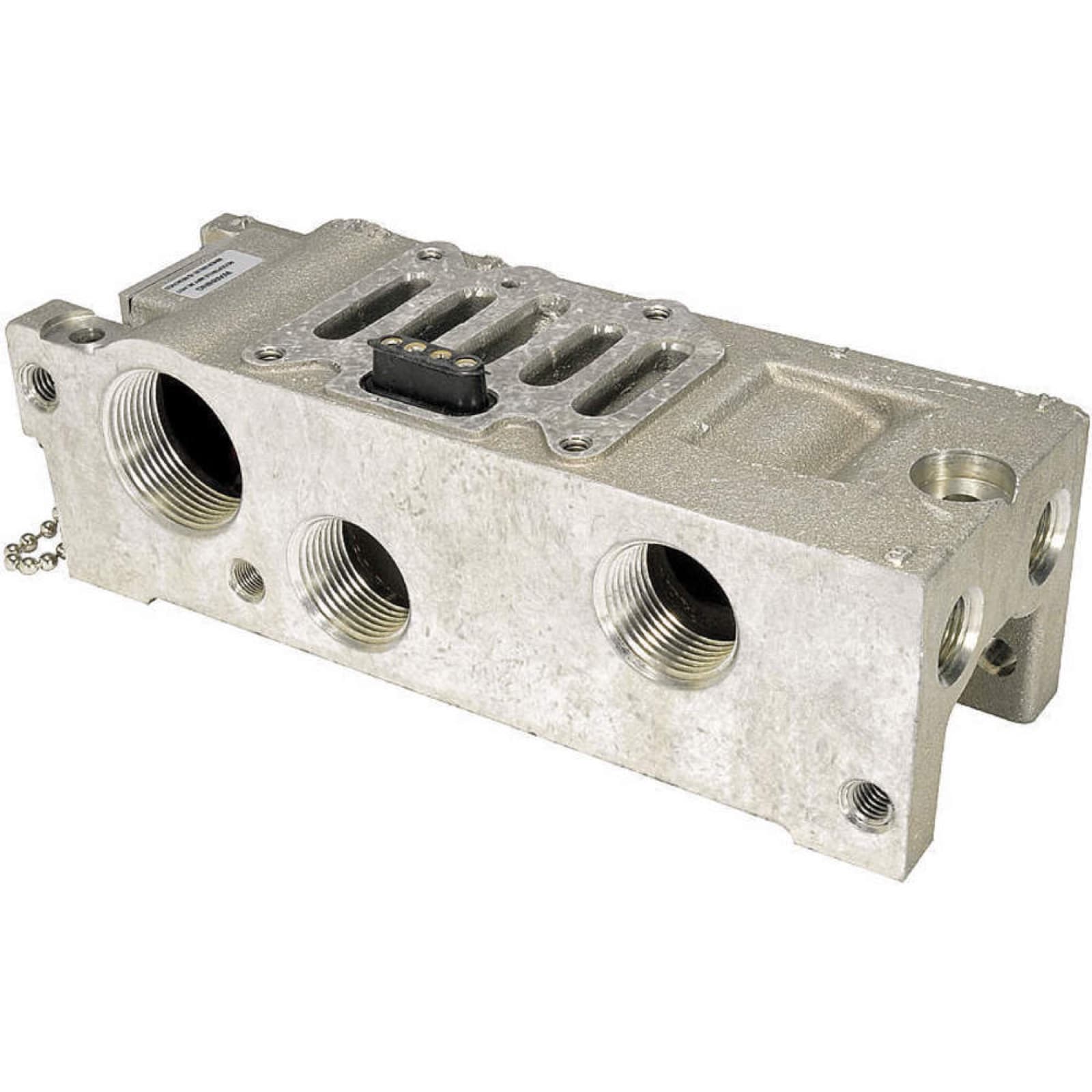
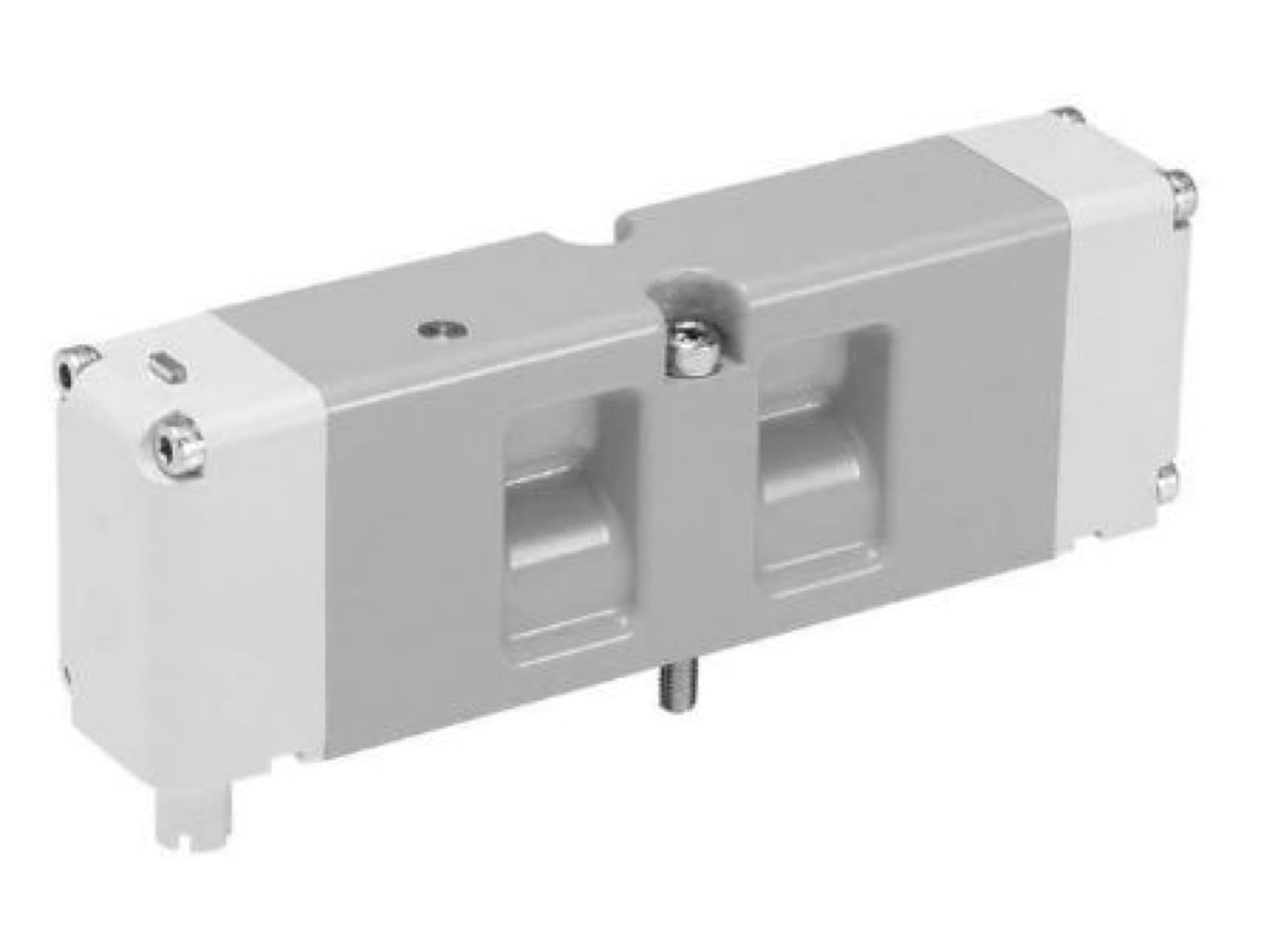
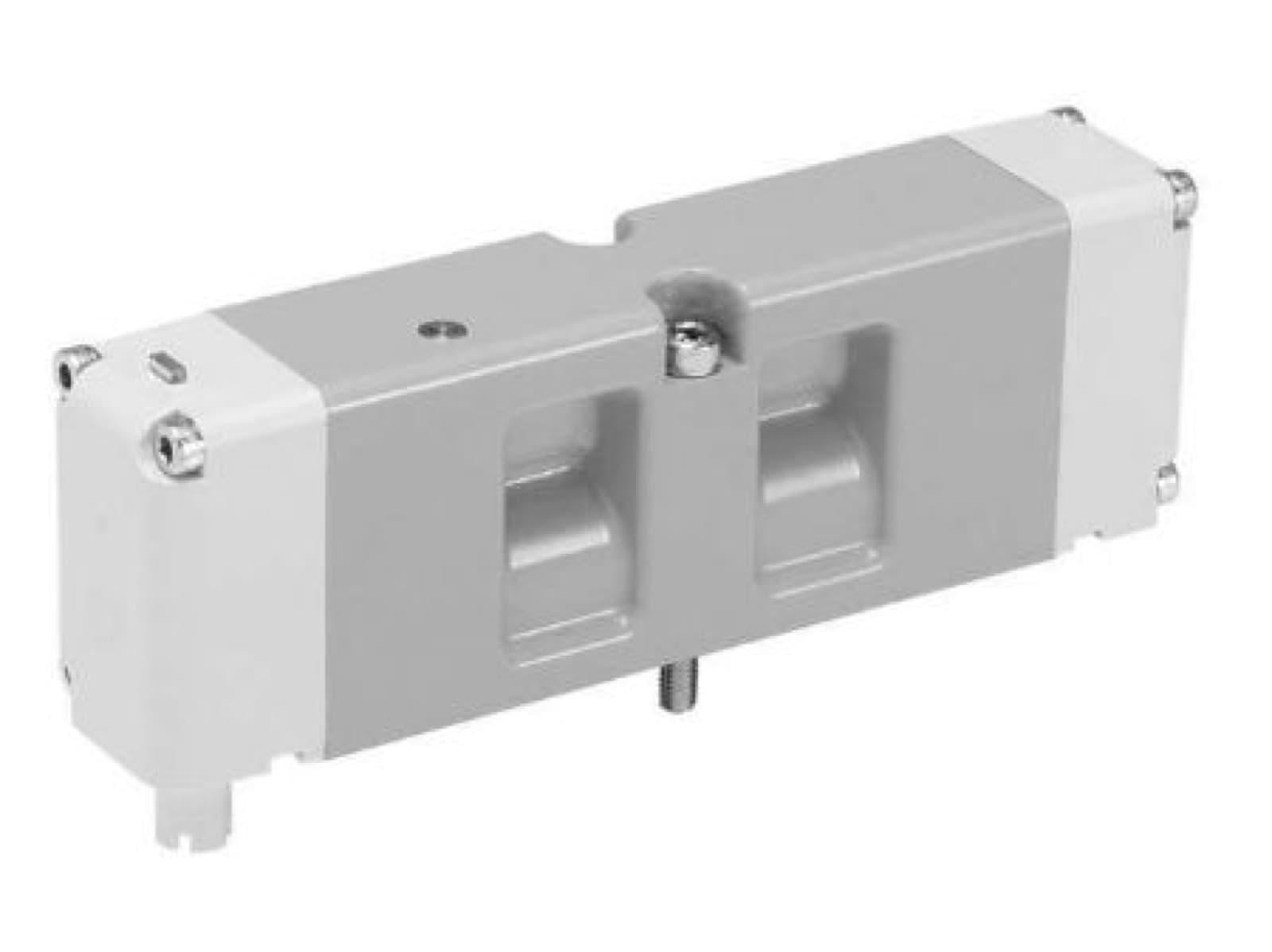
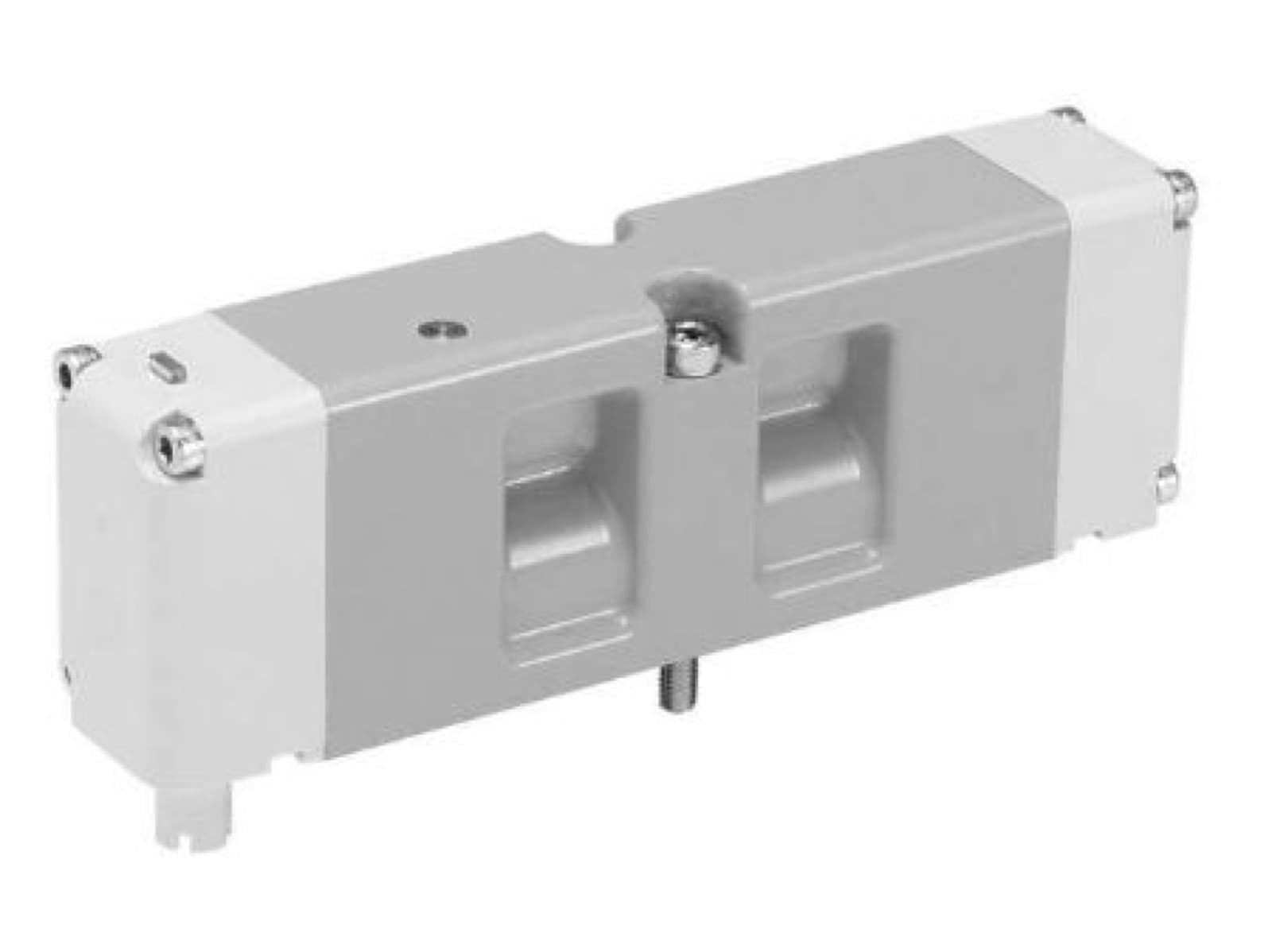
- A manifold feeds several valves from one supply and collects their exhausts, so there are fewer fittings, fewer leak points and a compact, tidy valve bank; many also bring the coils to a single electrical connection. This shelf carries SMC manifolds (SS5V, SS5Y, VV5Q, VV5QC and others), Numatics manifold blocks in 3, 4 and 6 stations, and ARO Alpha, MaxAir and Sierra manifolds. Order the manifold and the valves as matching series from the same maker.
- 05Can I replace a solenoid valve with another make?
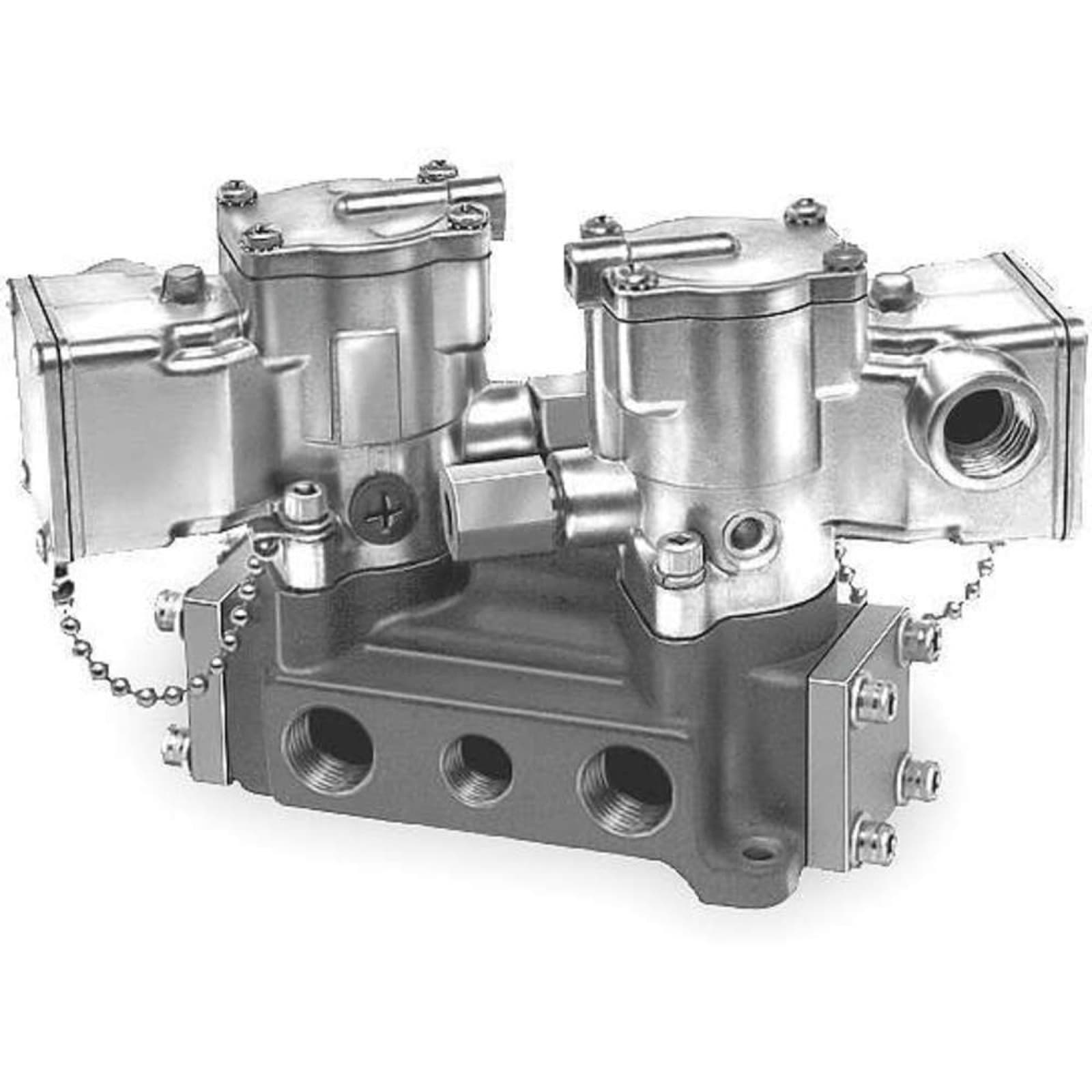
- Yes, where the interface is standard: an ISO 5599 or ISO 15407 valve can be replaced by another make's valve of the same size and function on the same sub-base. For a body-ported valve, match the function, port thread, flow, coil voltage and connector. Manifold valves are usually specific to their maker's manifold, so replace those like for like by part number.
- 06Which coil voltage should I order?
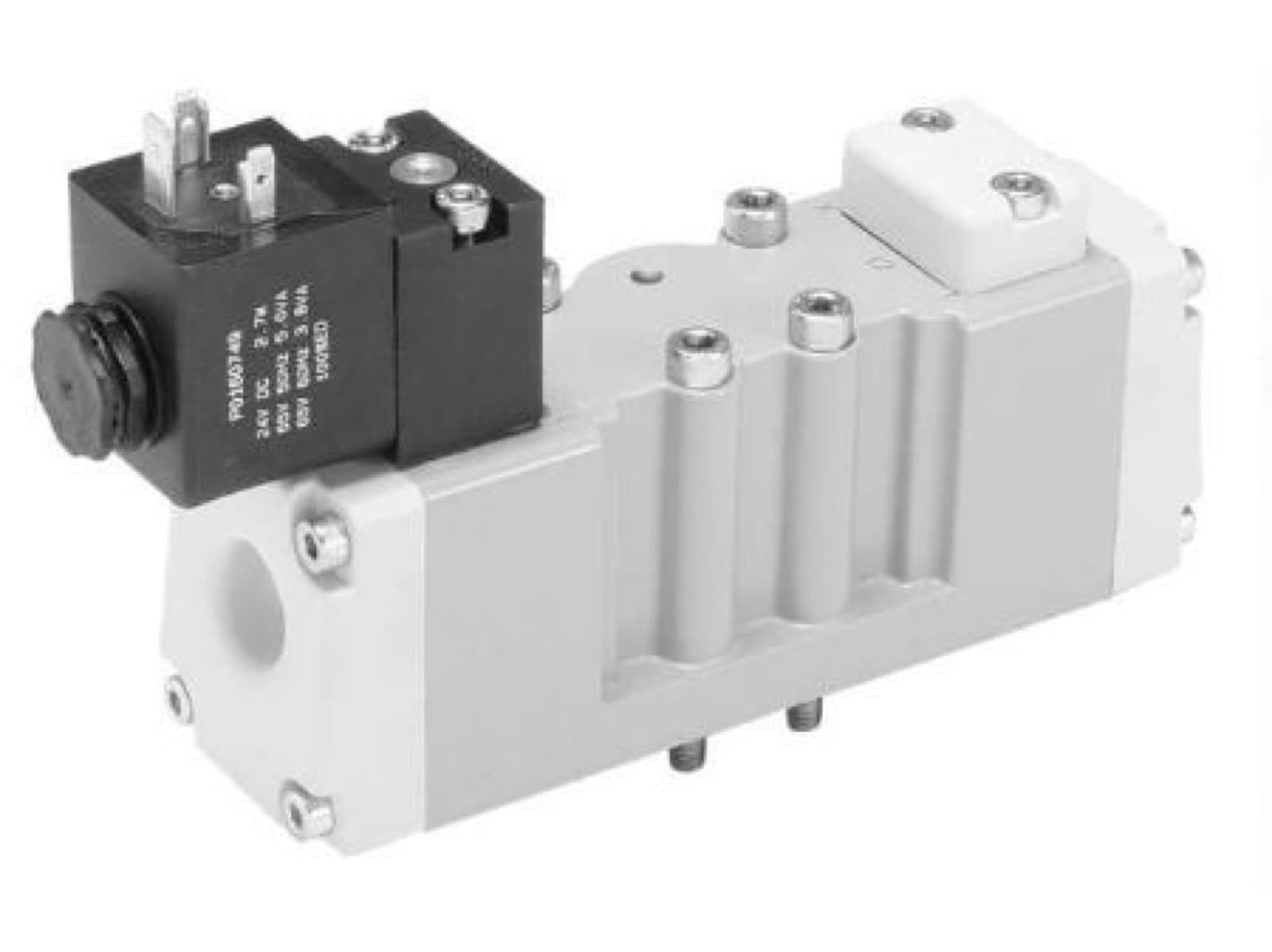
- The voltage your control panel switches. 24 V DC is the usual PLC output; AC coils are made for mains voltages such as 110/120 V and 220/230 V. Also check the electrical connection (DIN plug, plug-in connector, flying leads or manifold multi-connector) and whether you need an indicator light or surge suppression. The coil voltage forms part of the maker's part number, so quote the full number.