Skip to content

Manual, Mechanical & Pilot Air Valves

46 SKUs13 brands

Showing 1–46 of 46 SKUs

Questions we get asked

About this range

01What is the difference between a manual and a mechanical air valve?
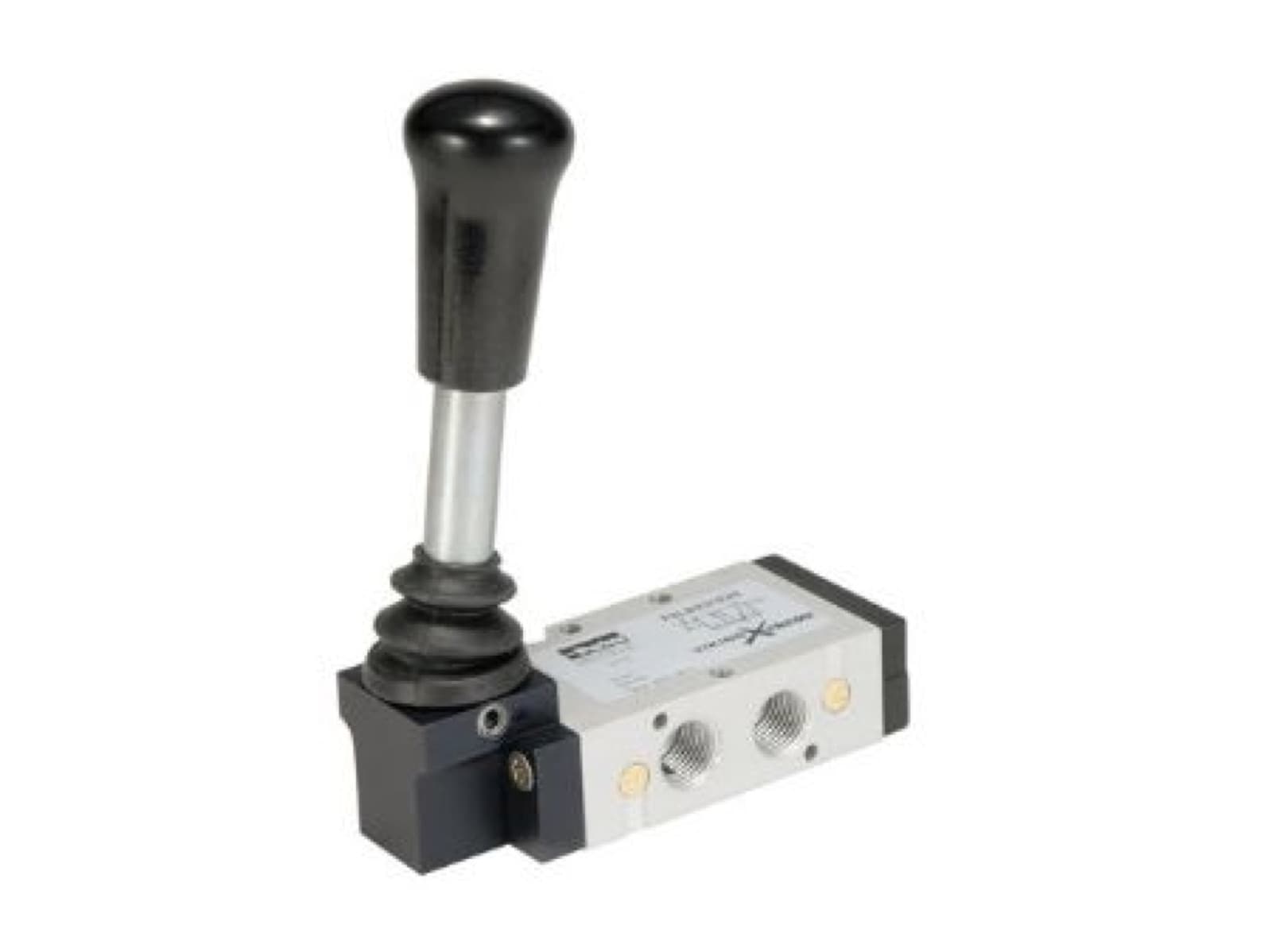
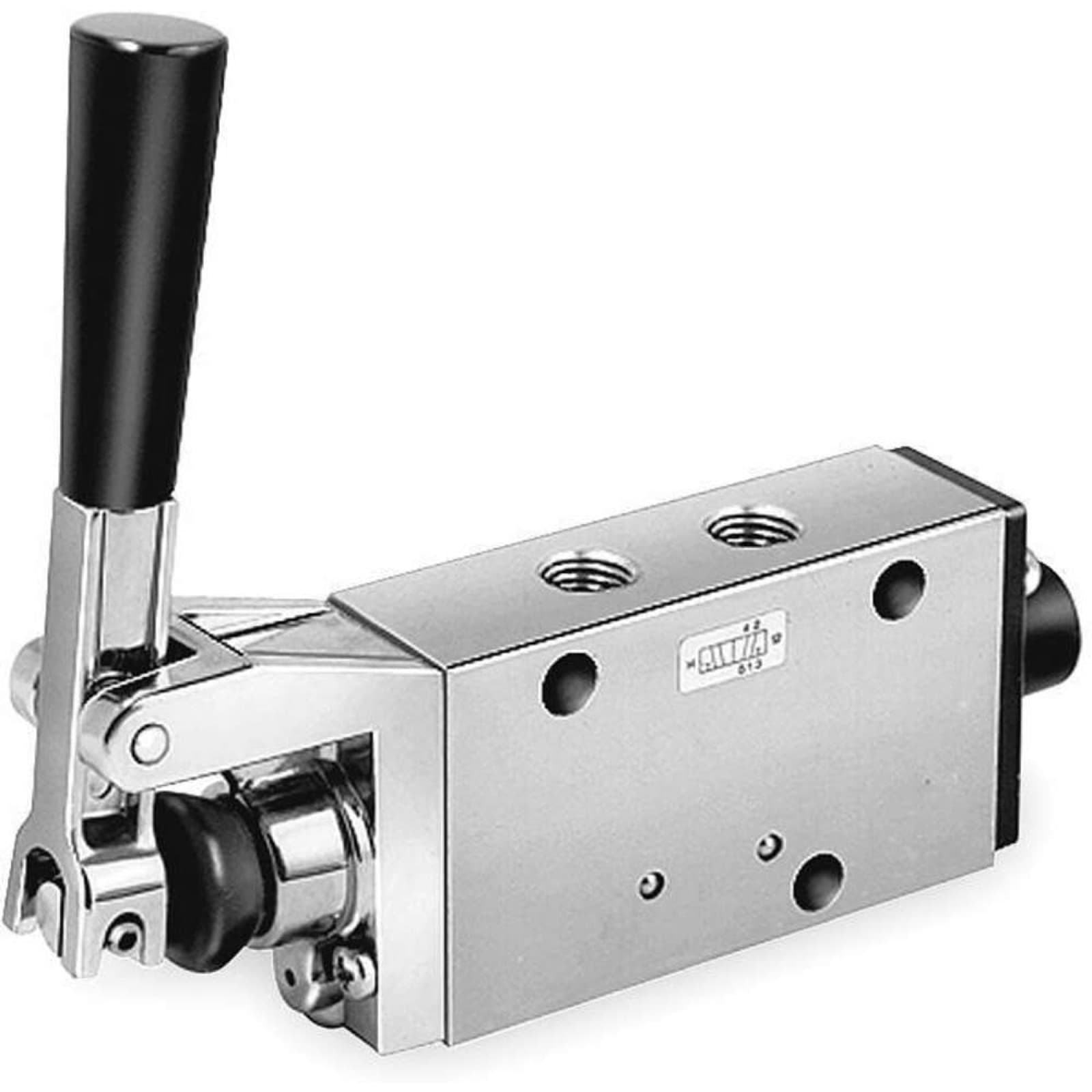
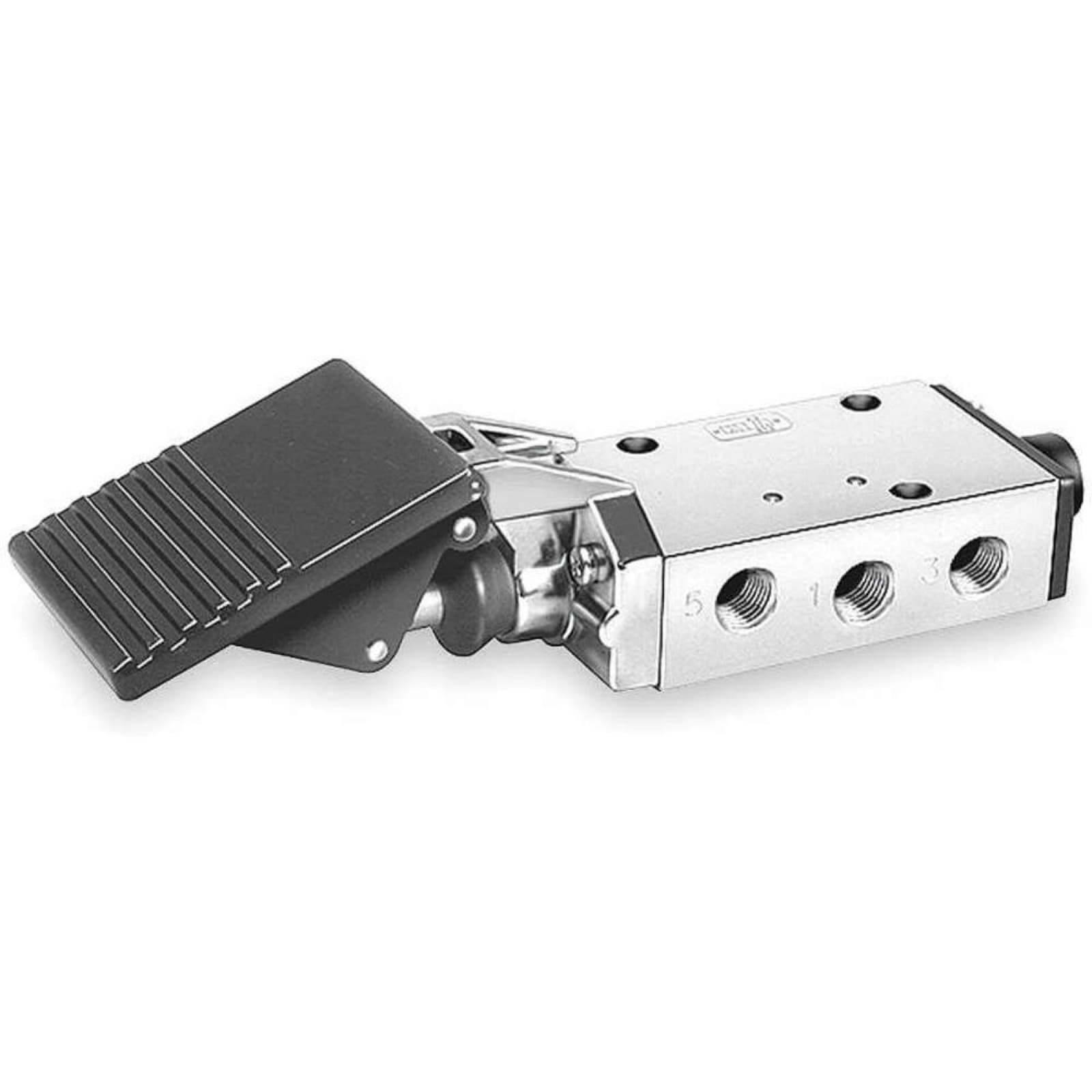
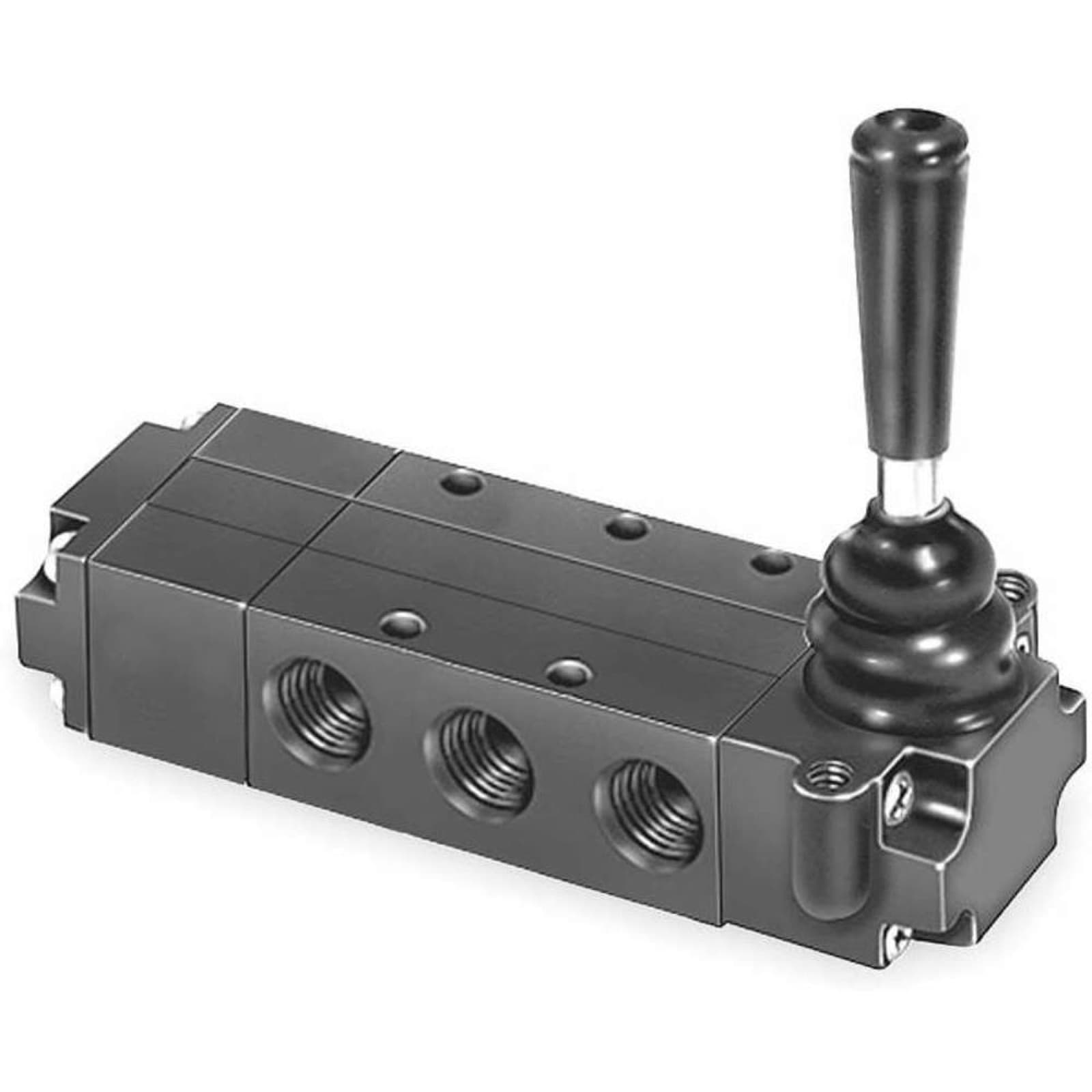
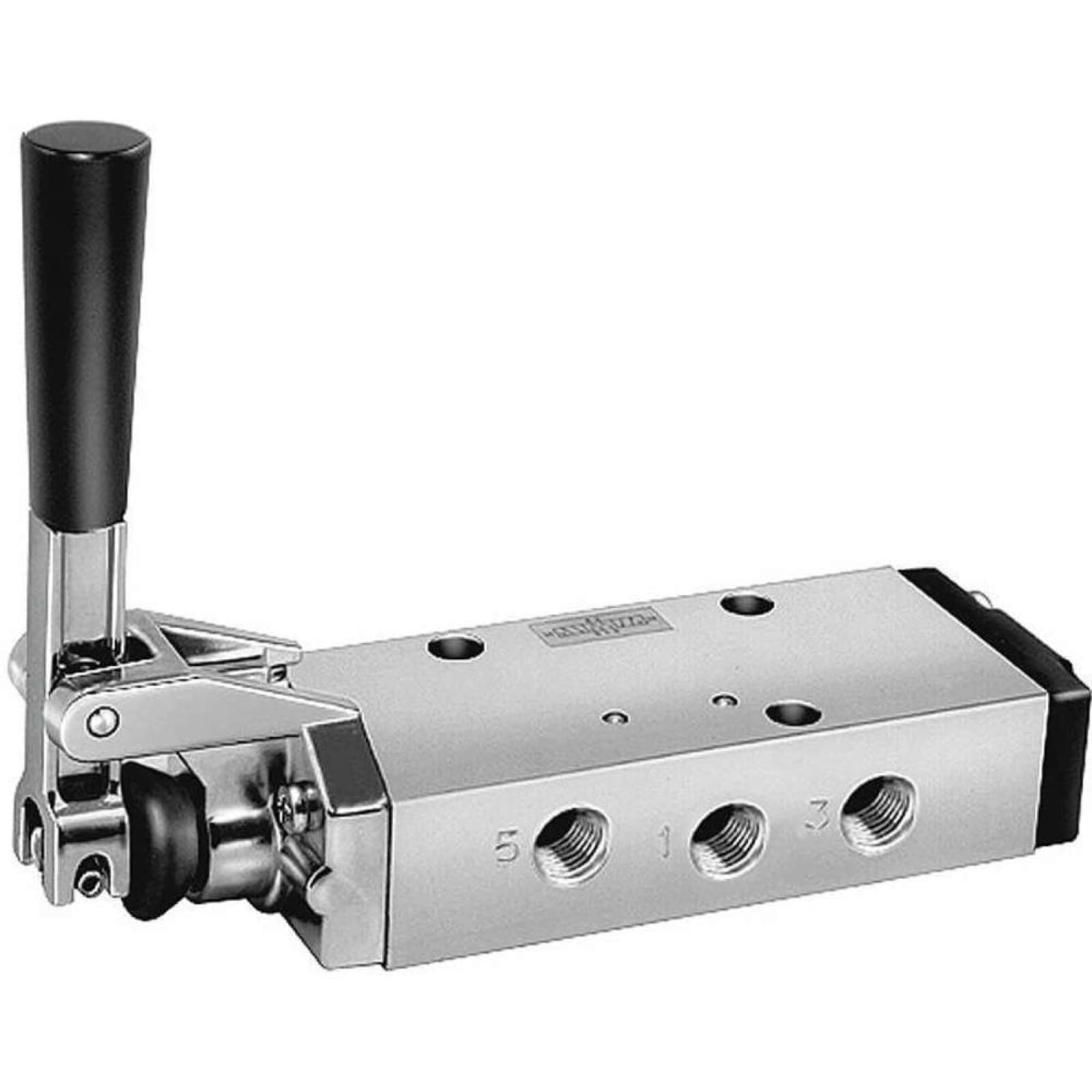
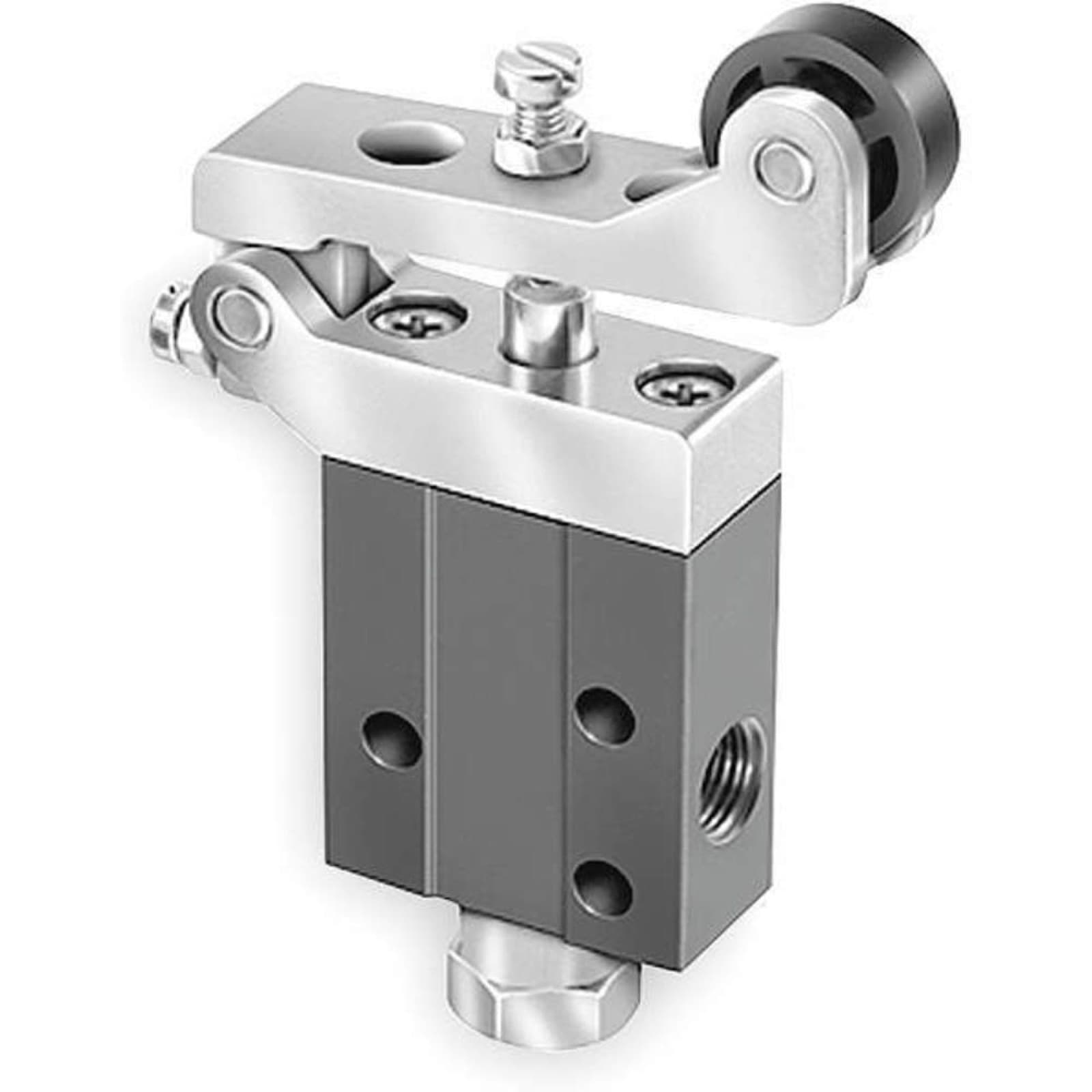
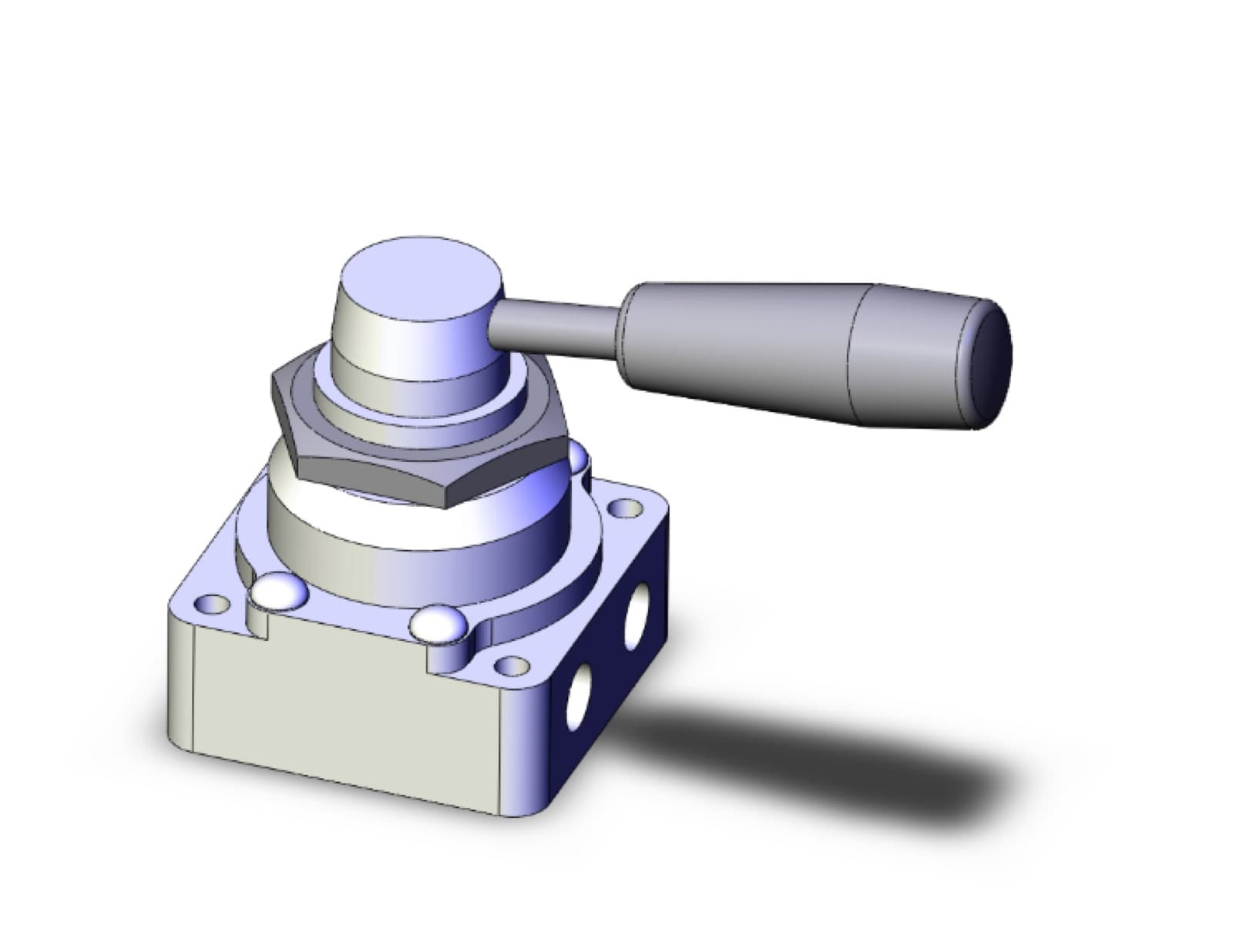
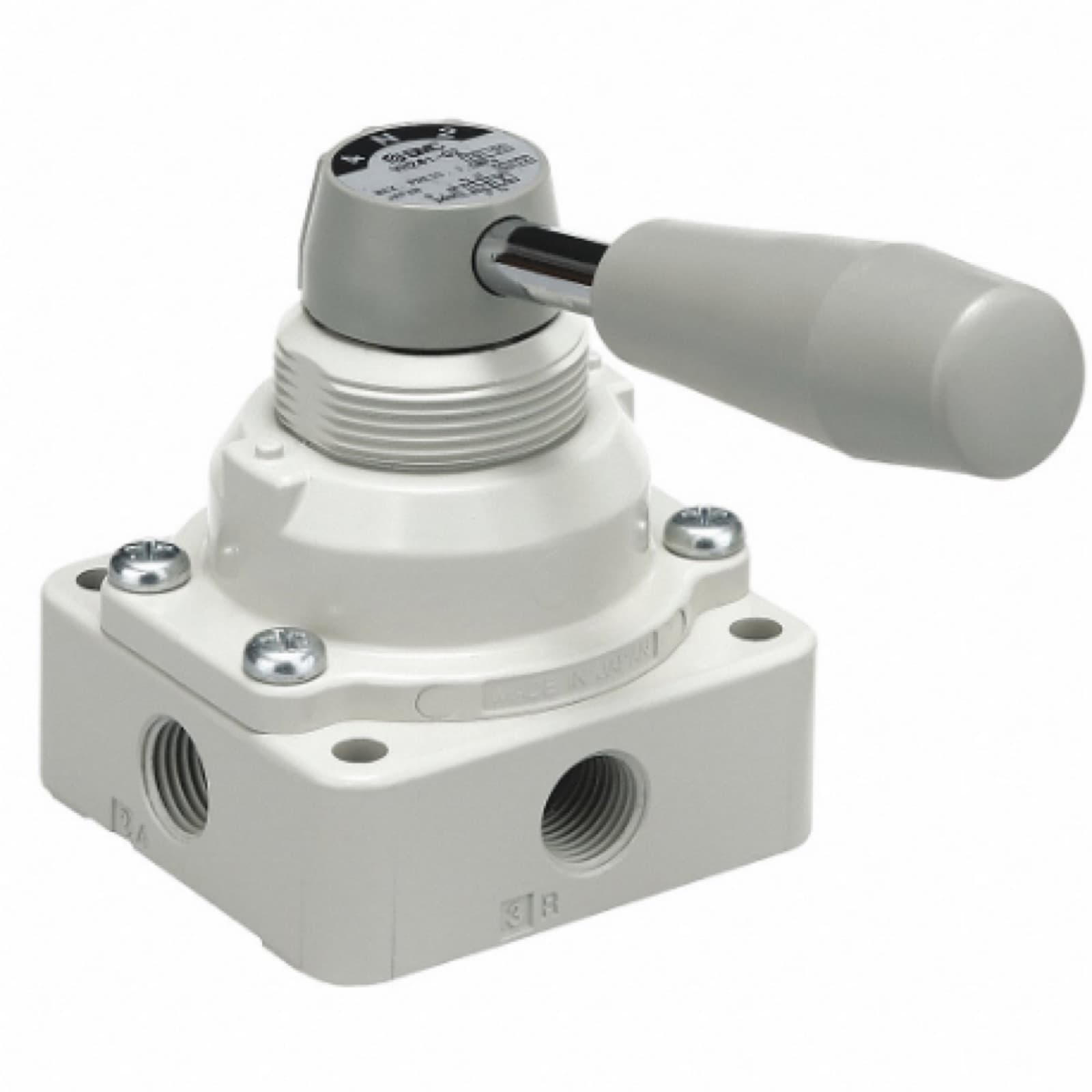
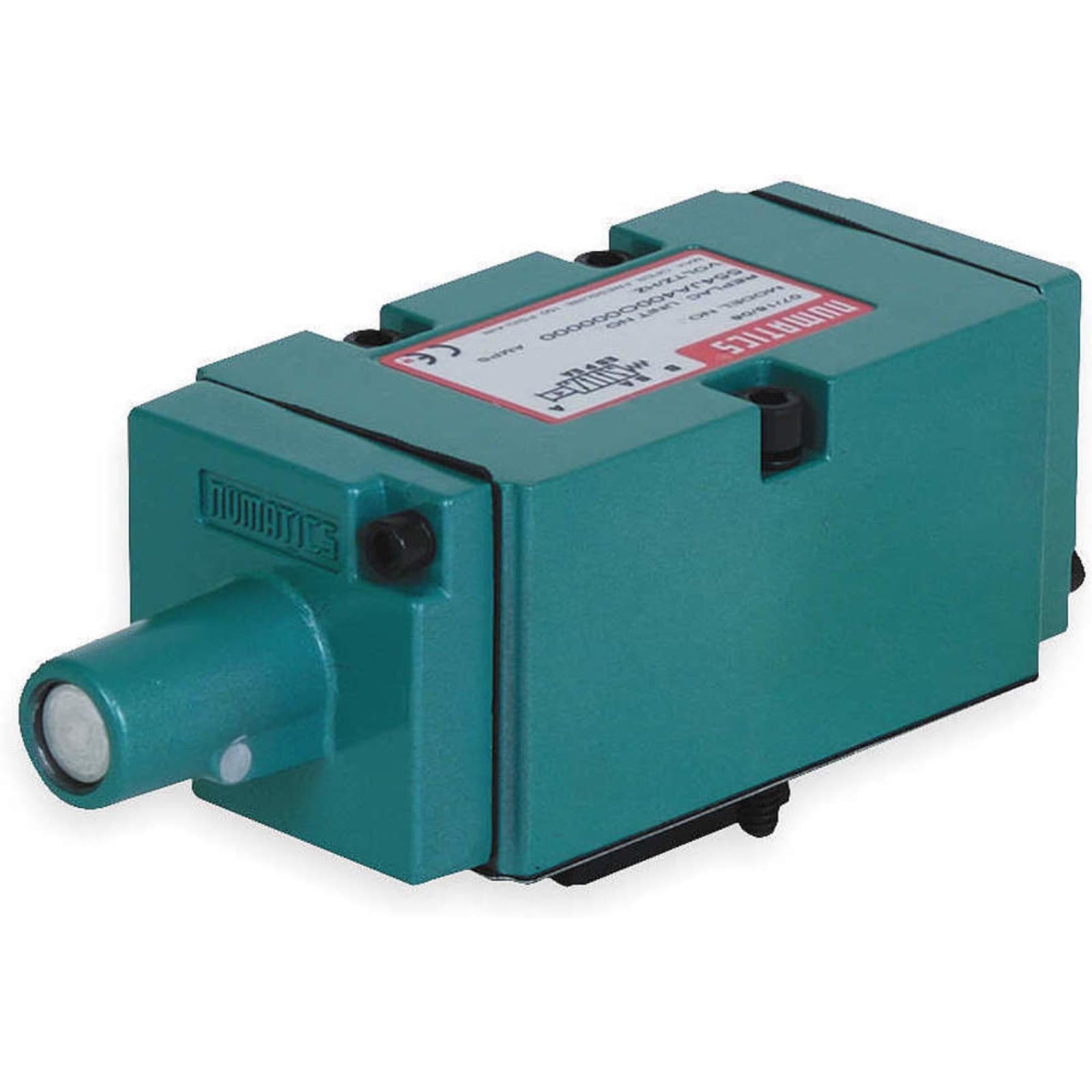
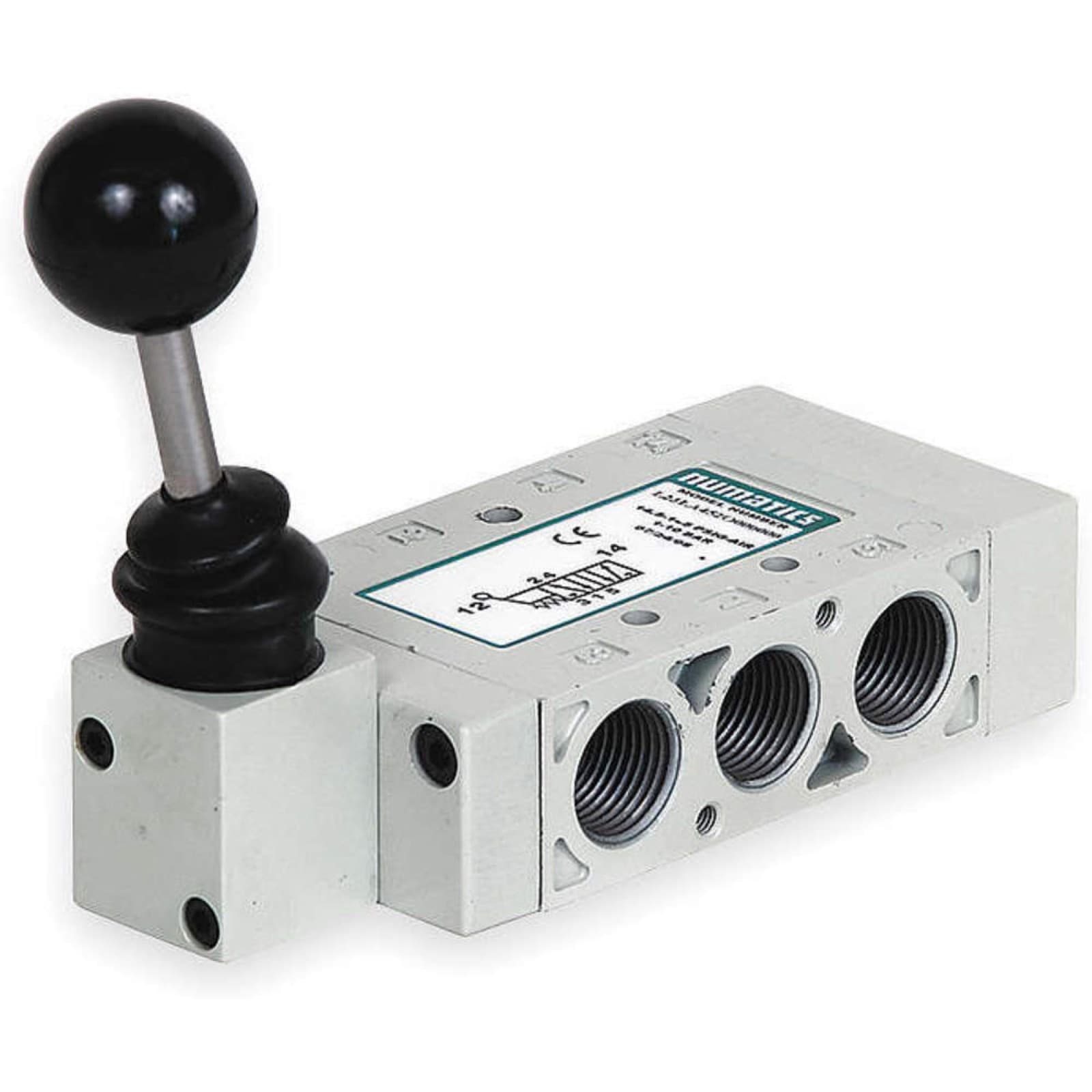
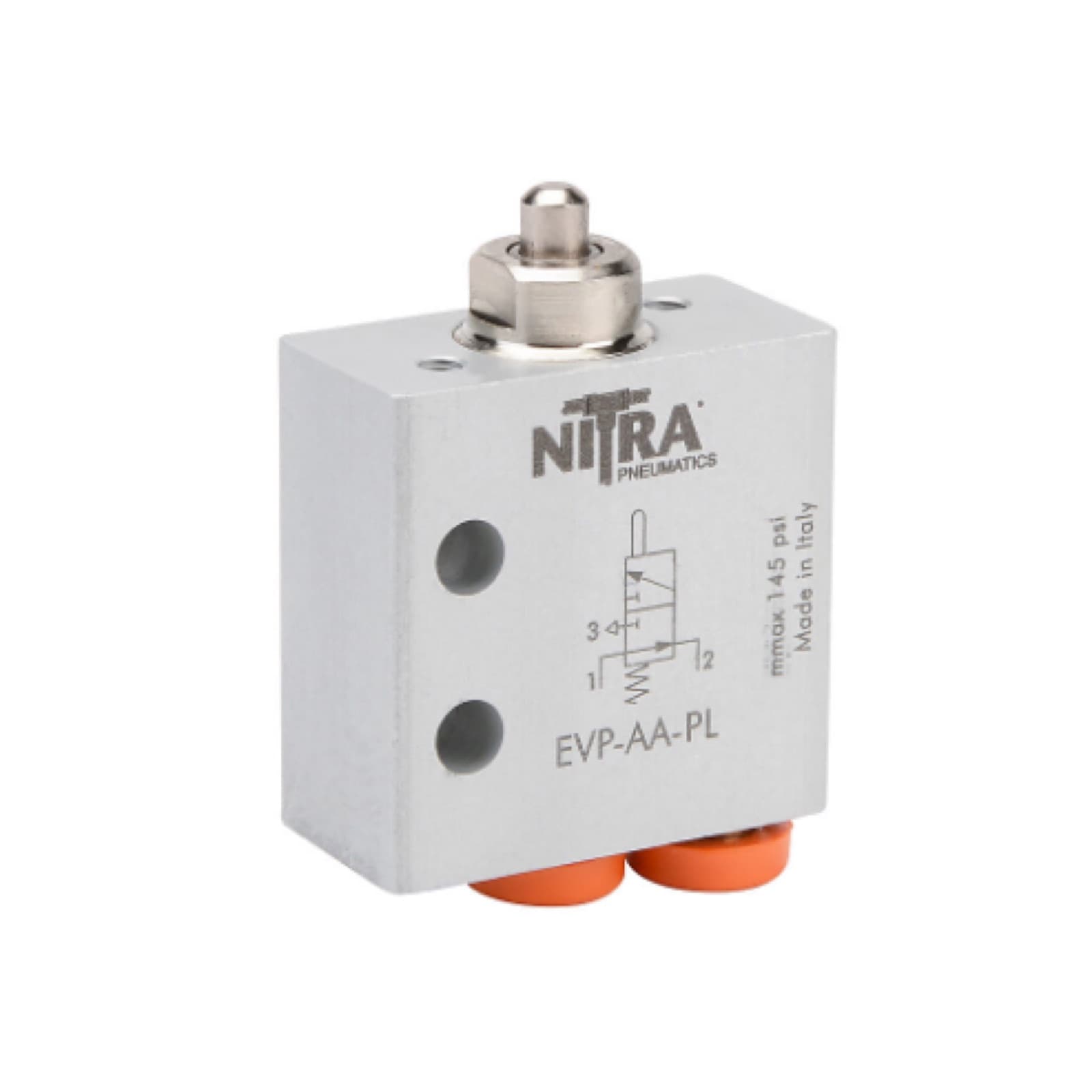
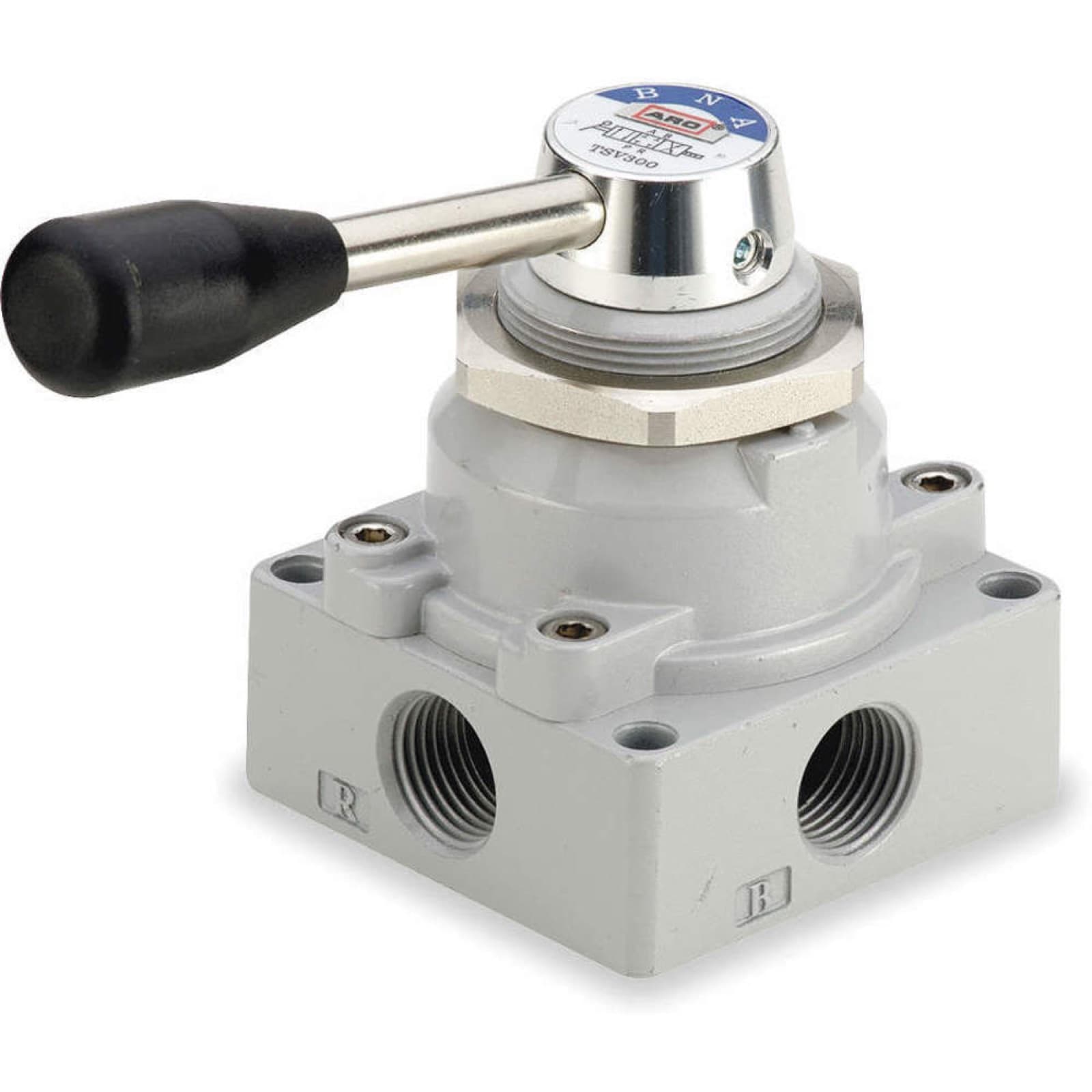
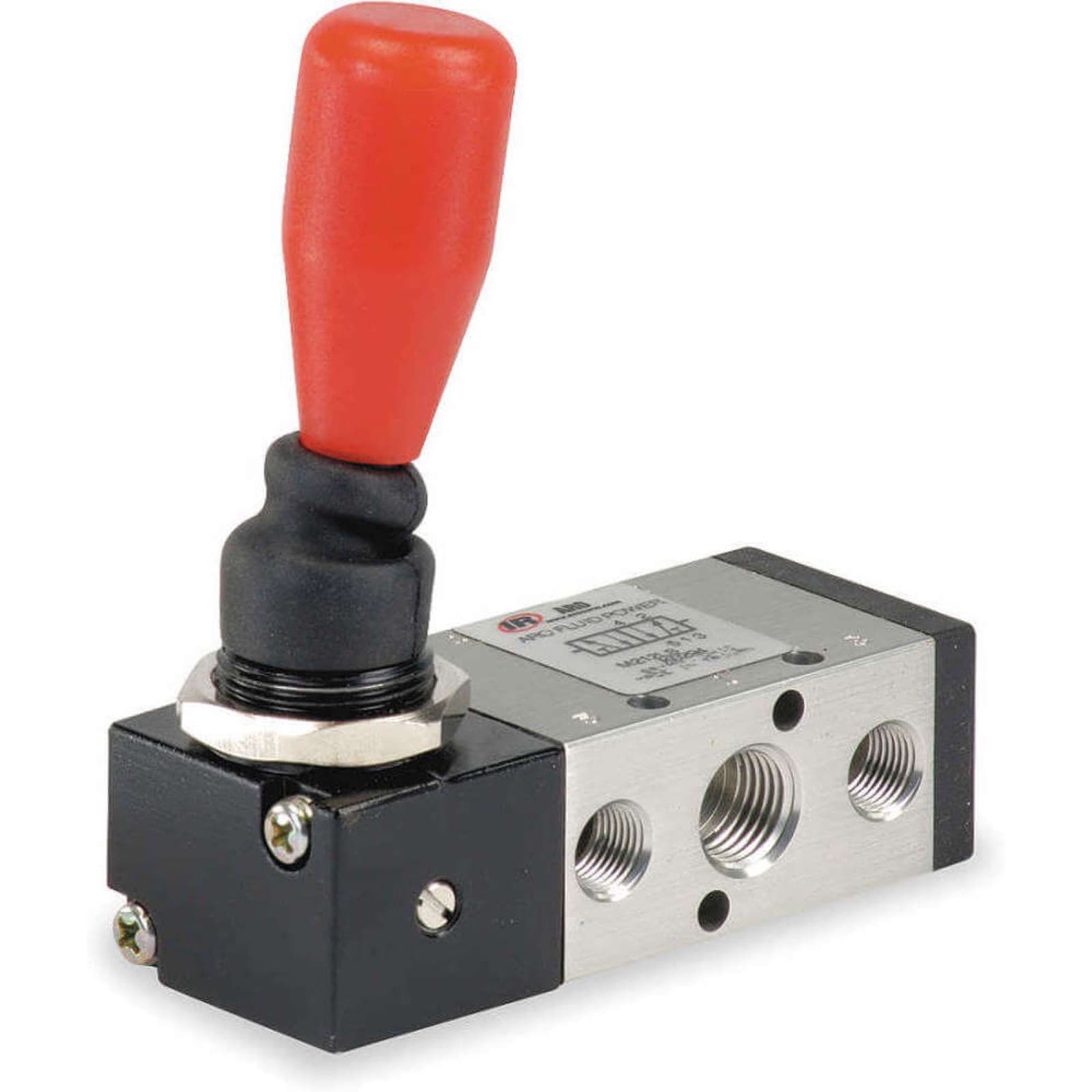
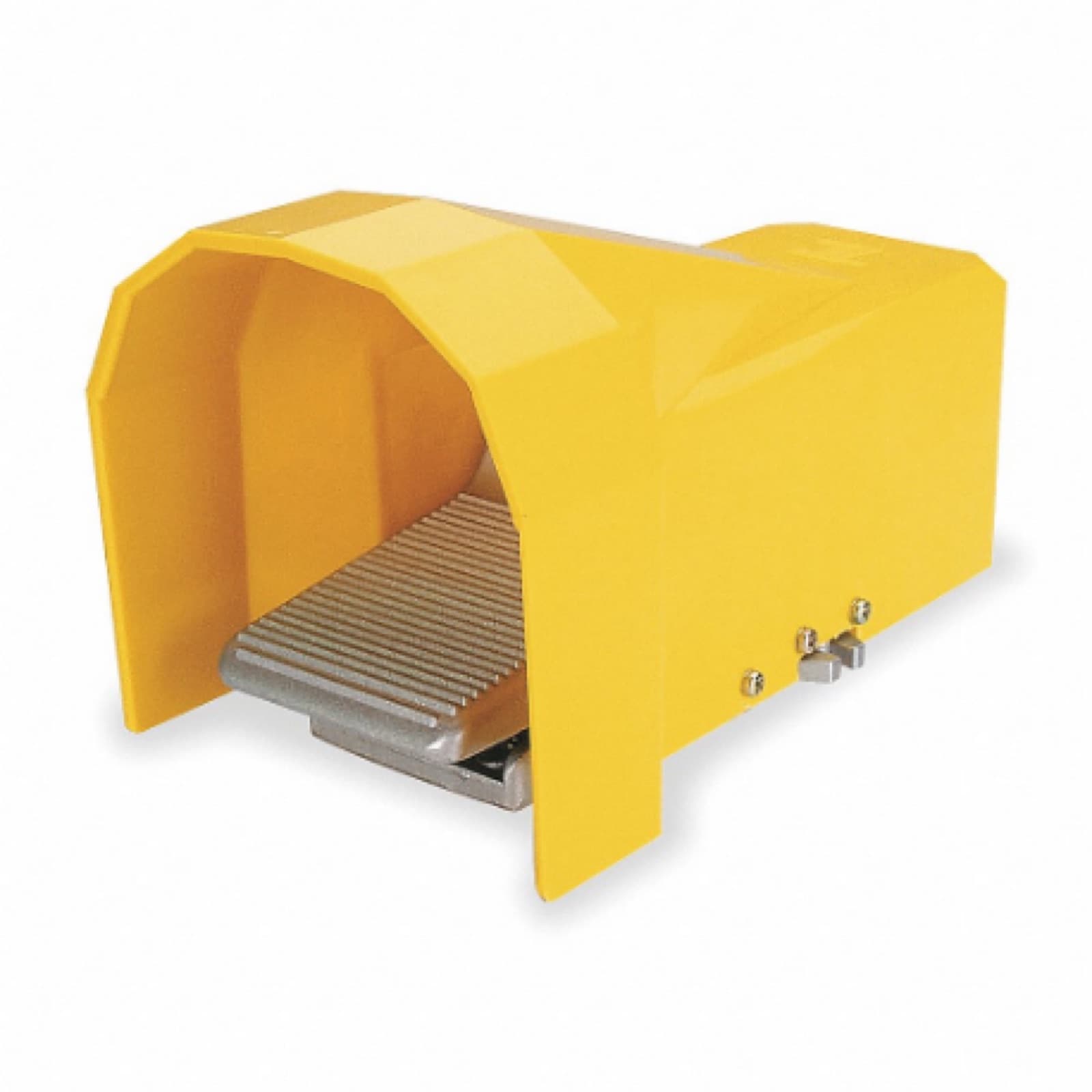
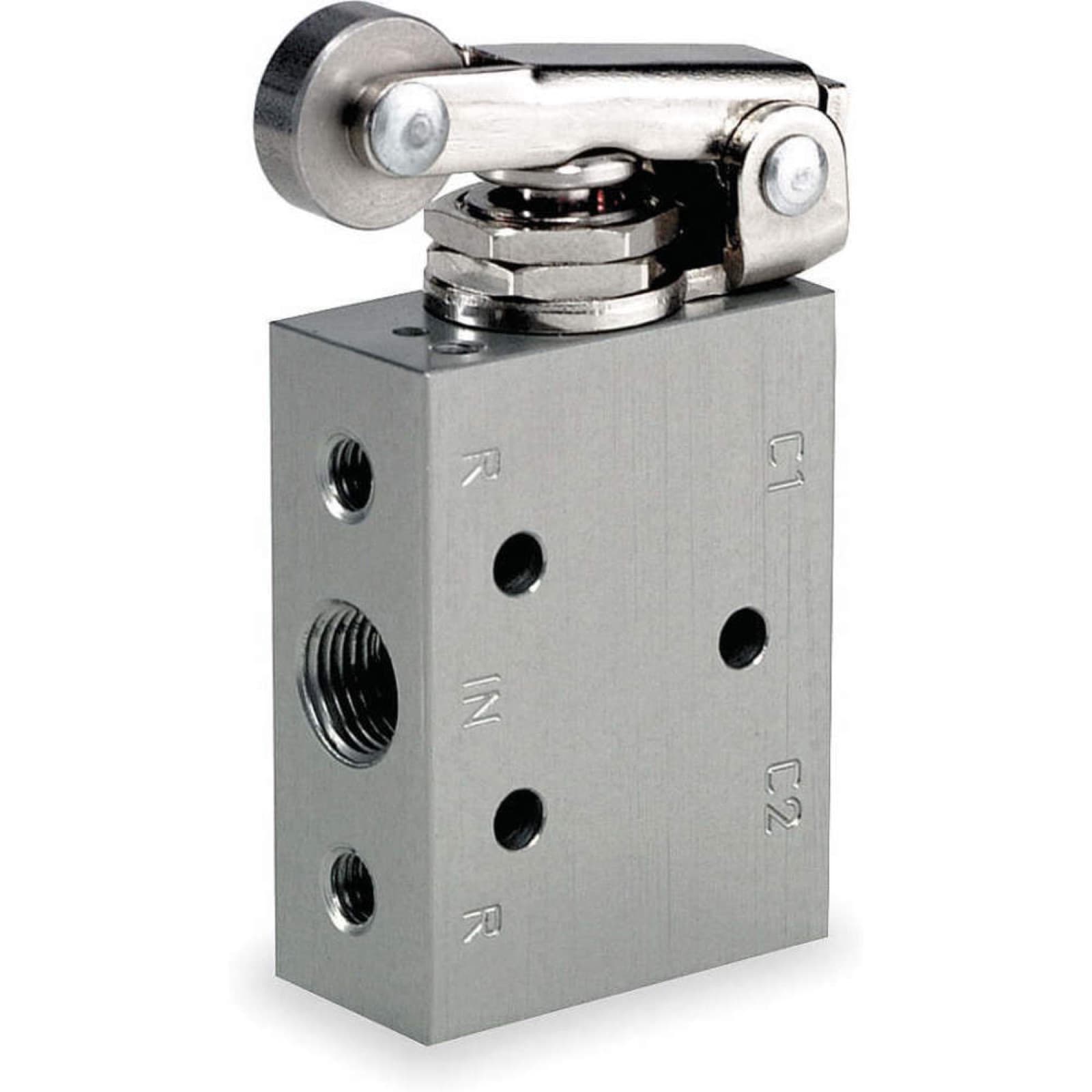
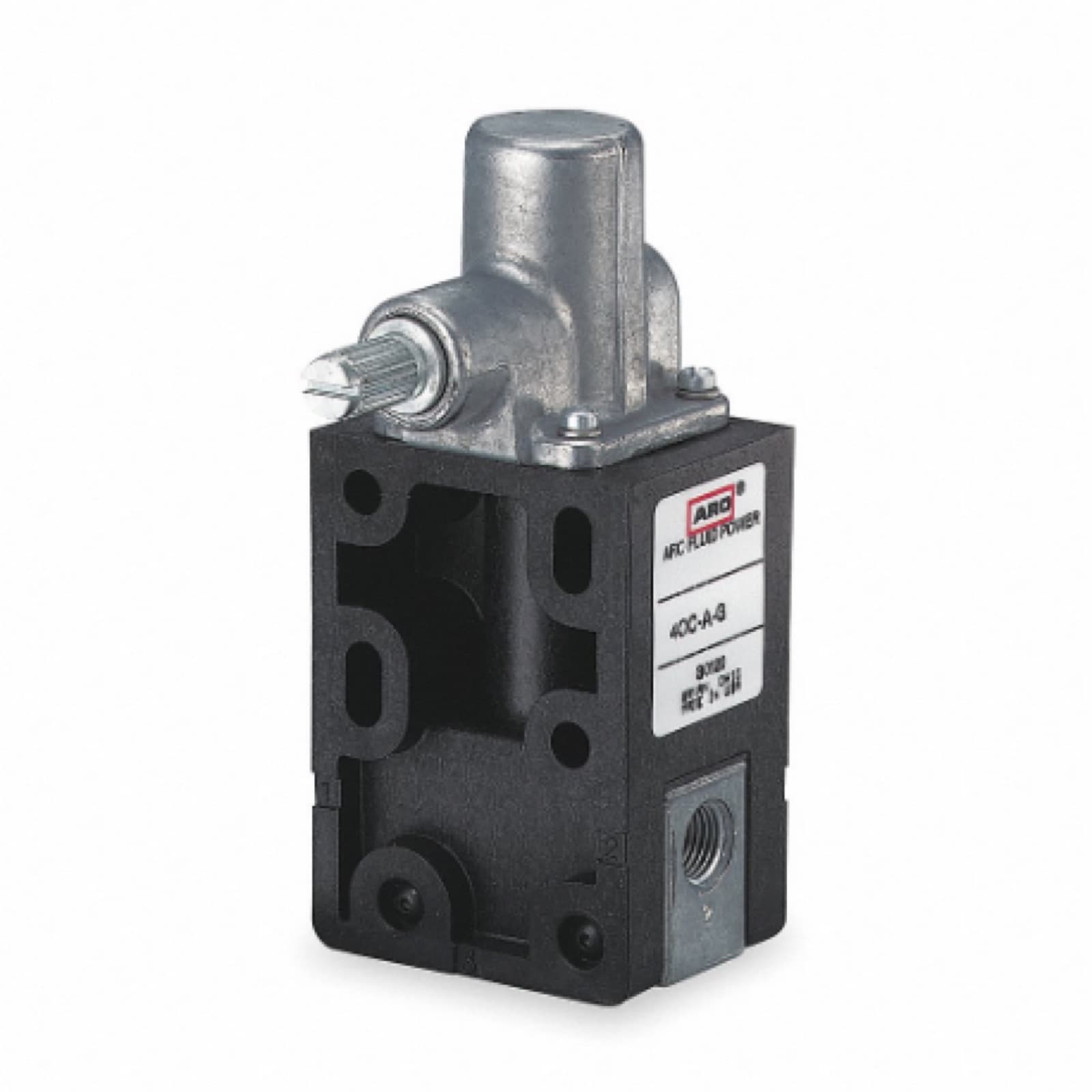
Who or what operates it. A manual valve is worked by a person, through a lever, push button, knob or foot pedal; SMC VH hand valves and ARO MaxAir foot-pedal and rotary-lever valves are examples. A mechanical valve is worked by the machine, through a roller, plunger or cam that a moving part strikes; limit valves such as the ARO 400 Series signal that a cylinder has reached the end of its stroke.
02What does an air-pilot valve do?
It is switched by an air signal instead of a solenoid. Air-pilot valves let one small valve, sensor or push button control a larger valve some distance away, and they let a machine run without electrics at the valve. The pilot port numbers in the data sheet (12 and 14 on a five-port valve) show which signal moves the valve to which position.
03What is a shuttle valve?
A shuttle valve has two inlets and one outlet; a free shuttle inside lets air through from whichever inlet is pressurised and blocks the other. It works as an OR function in air logic, so that, for example, either of two push buttons can operate the same cylinder.
04What is a blocking valve used for?
A blocking valve is fitted at a cylinder and closes its ports when its pilot air is lost, so the cylinder holds its position instead of drifting or dropping. It holds with trapped air, which is compressible and can leak away over time, so it is not a substitute for a mechanical lock or a lockout procedure where people are at risk.
05What is a self-closing valve?
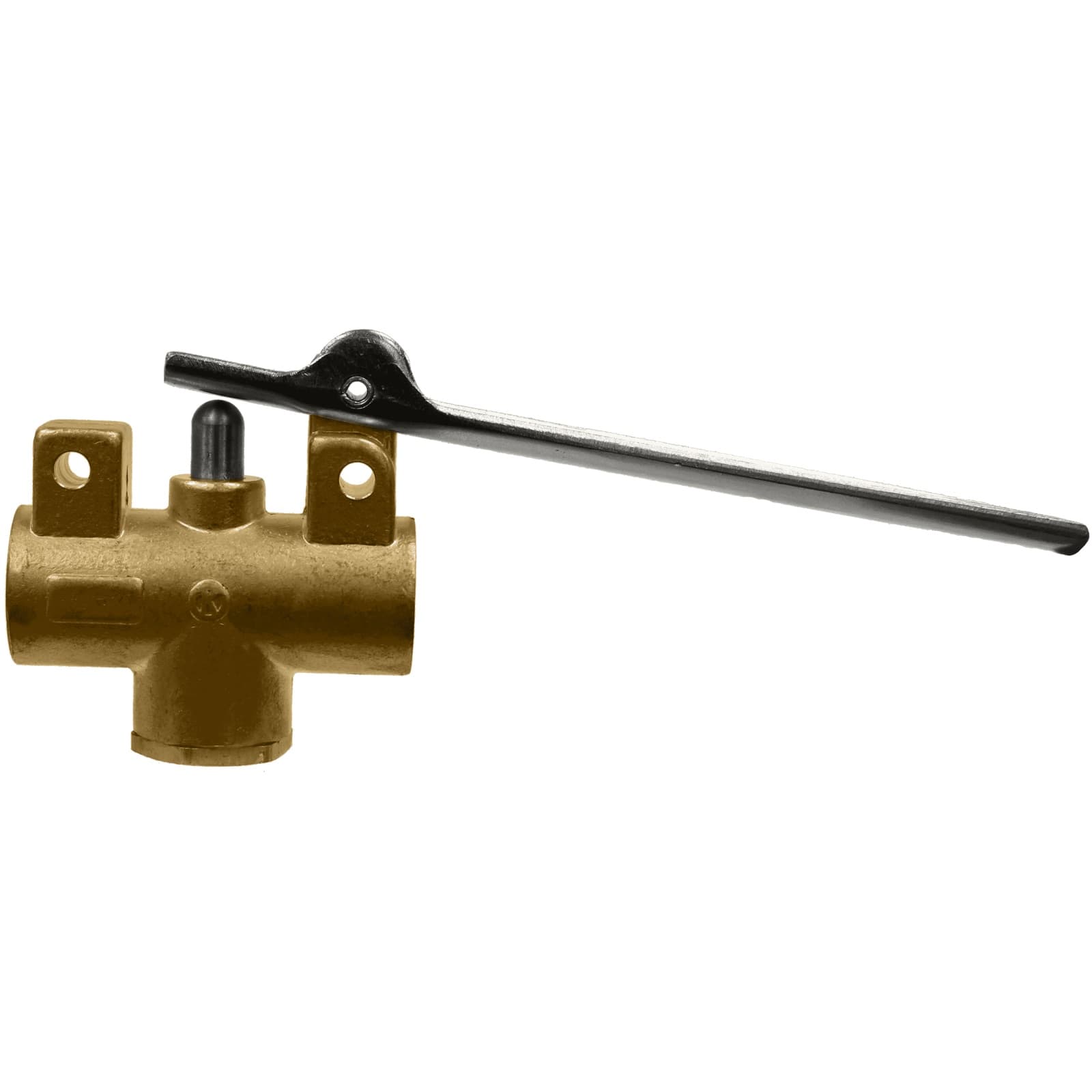
A valve whose spring shuts it as soon as the handle is released, so it cannot be left open. Typical uses are drains, sampling points and blow-off lines where an unattended open valve would waste air or fluid. The Kingston 305 Series self-closing valves on this shelf are of this type.
06Can a hand valve be used for lockout?
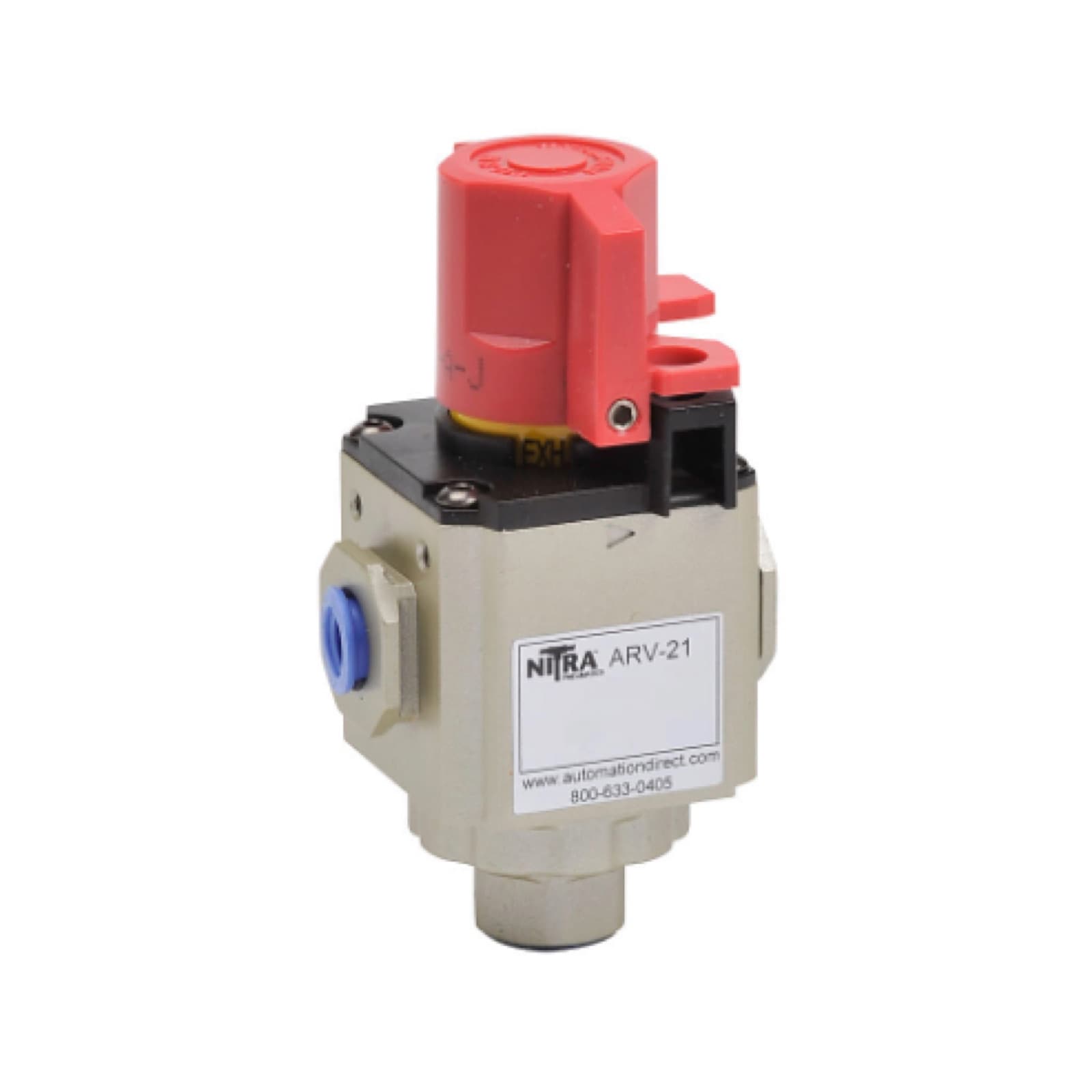
Only if it is a true energy-isolating device: it must shut off the supply, vent the air trapped downstream and accept a padlock in the off position. A general hand valve that blocks the supply but leaves pressure in the machine is not enough. Lockout valves made for the job are on the Air Safety, Relief and Lockout Valves shelf.