
Nitra Pneumatic Manual Valves
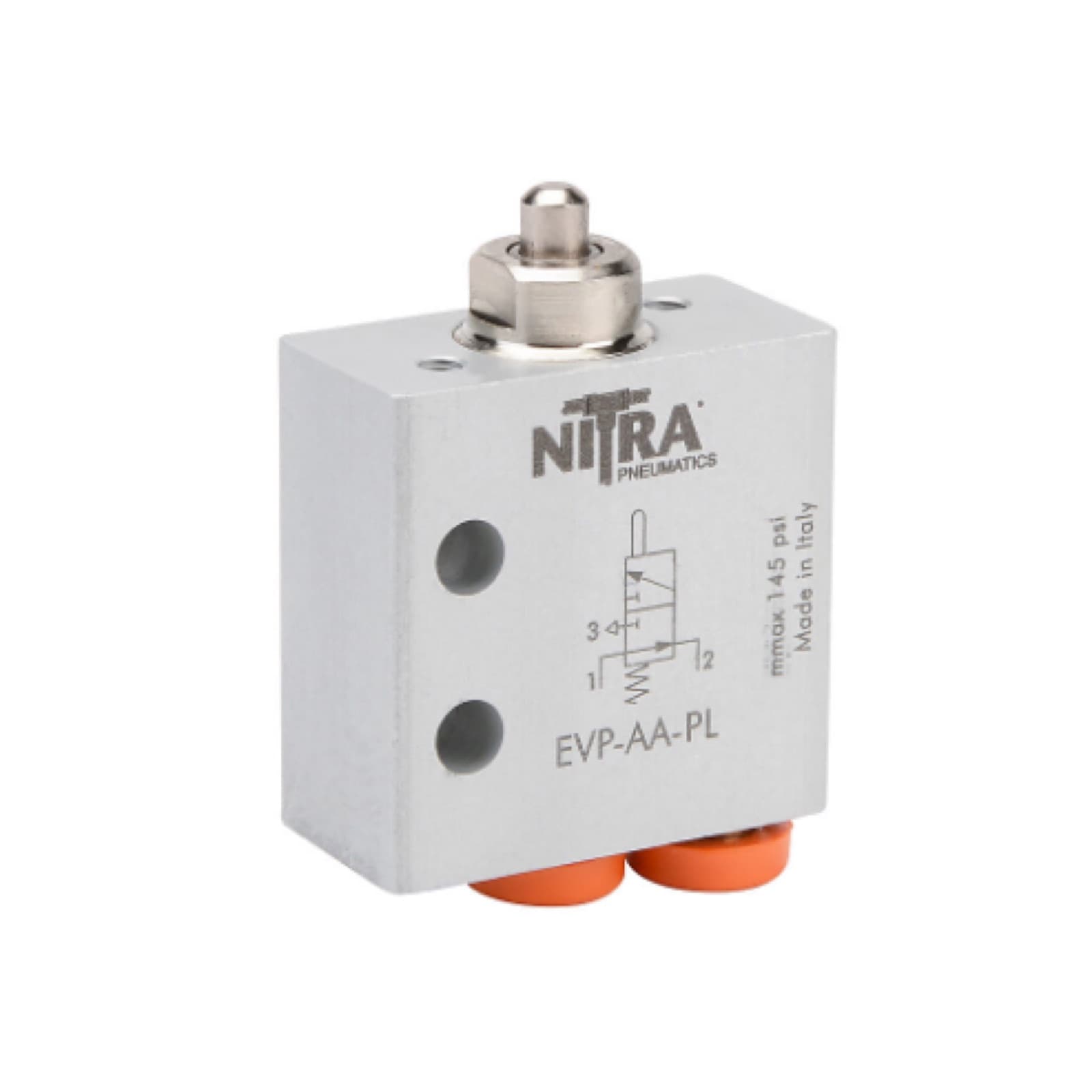
Nitra Pneumatic Manual Valves: 4 part numbers.
Product description
Nitra Pneumatic Manual Valves: 4 part numbers.
Specification
- Type: Valve
- Pressure stated by the maker: 145 psi (10 bar)
- Part numbers: 4
Sizes and part numbers
The Sizes & Part Numbers tab lists every Nitra part number in this range with its ratings. Ratings vary by size — check the row for the part you order.
Matching the valve
Check the valve function (2/2, 3/2, 5/2 or 5/3), port size, actuation and, for solenoid valves, the coil voltage and connector against the circuit. Quote the maker part number and we will confirm the coil and manifold options before supply.
How to order
Quote the Nitra part number. Price and lead time are confirmed with the quotation.
Specifications
| Parameter | Value |
|---|---|
| For Use With | Pneumatic Push Button Operators |
| Form Factor | Standard |
| Stackable | No |
| Valve Configuration | N.O. |
Shipping & lead time
Sizes & part numbers
4 sizes- Nitra part no.EVP-AA-PL
- Description
- Manual Valve, 2-Port, 2-Position, N.O., Metal Plunger, Spring Return, Axial Ports
- Max pressure (psi)
- 145
- Action
- Metal Plunger
- Nitra part no.EVP-AS-PL
- Description
- Manual Valve, 2-Port, 2-Position, N.O., Metal Plunger, Spring Return, Side Ports
- Max pressure (psi)
- 145
- Action
- Metal Plunger
- Nitra part no.EVP-CA-PL
- Description
- Manual Valve, 2-Port, 2-Position, N.C., Metal Plunger, Spring Return, Axial Ports
- Max pressure (psi)
- 145
- Action
- Metal Plunger
- Nitra part no.EVP-CS-PL
- Description
- Manual Valve, 2-Port, 2-Position, N.C., Metal Plunger, Spring Return, Side Ports
- Max pressure (psi)
- 145
- Action
- Metal Plunger
Description — What this part number is, as the manufacturer lists it. Max pressure — Maximum (intermittent) pressure, as the manufacturer publishes it. A circuit is limited by its lowest-rated component. Action — Single- or double-acting, as published. Ask us for the dimension drawing if you need it stamped.
Pressure, flow, speed, torque and load figures are the manufacturer’s published ratings for that part number. A circuit is limited by its lowest-rated component, so check them against the hose, fittings and valves it connects to.
What is the Nitra EVP pneumatic manual valve used for?▾
What do Nitra EVP pneumatic manual valve part numbers such as EVP-AA-PL mean?▾
What sizes does the Nitra EVP pneumatic manual valve come in?▾
How do I choose the right Nitra EVP pneumatic manual valve?▾
What pressure and temperature rating does the Nitra EVP pneumatic manual valve have?▾
What is the Nitra EVP pneumatic manual valve made of?▾
Does the Nitra EVP pneumatic manual valve come with certificates?▾
What connects to the Nitra EVP pneumatic manual valve?▾
How do you install the Nitra EVP pneumatic manual valve?▾
How does the Nitra EVP pneumatic manual valve differ from its sibling listings?▾
Where is the Nitra EVP pneumatic manual valve made and which HS code applies?▾
Do you stock the Nitra EVP pneumatic manual valve in Dubai?▾
Shipped worldwide from our Dubai warehouse. Transit, routes and documentation for 136 destinations
From the blog
Written about this range
Pneumatics & compressed air
Manual and air-pilot valves: hand-lever, foot-pedal, push-button, roller and pilot valves explained
How hand-lever, foot-pedal, push-button, cam and roller, and air-piloted valves work, detented vs spring-return action, how they build pneumatic logic without electricity — and why a two-hand control is a safety function under ISO 13851, not a pair of buttons.
11 min read
Pneumatics & compressed air
Solenoid valve functions explained: 3/2, 5/2 and 5/3 valves, centre conditions and port numbers
What “5/2” and “5/3 closed centre” actually mean, how to read the ISO symbol in words, normally closed vs normally open 3/2 valves, single vs double solenoid 5/2 valves, the three 5/3 centre conditions and when each one is right, direct-acting vs pilot-operated valves and the pilot pressure they need, and the port numbers 1, 2, 3, 4, 5, 12 and 14.
13 min read
Pneumatics & compressed air
Cylinder speed control: meter-out flow controls, quick exhaust valves and pilot-operated checks
Why pneumatic cylinders are normally speed-controlled meter-out, when meter-in is right, how flow controls with a bypass check work in banjo, in-line and exhaust-port forms, how a quick-exhaust valve speeds a cylinder up, and what a pilot-operated check valve can and cannot do to hold a cylinder in position on compressible air.
11 min read
Engineers viewing this also looked at
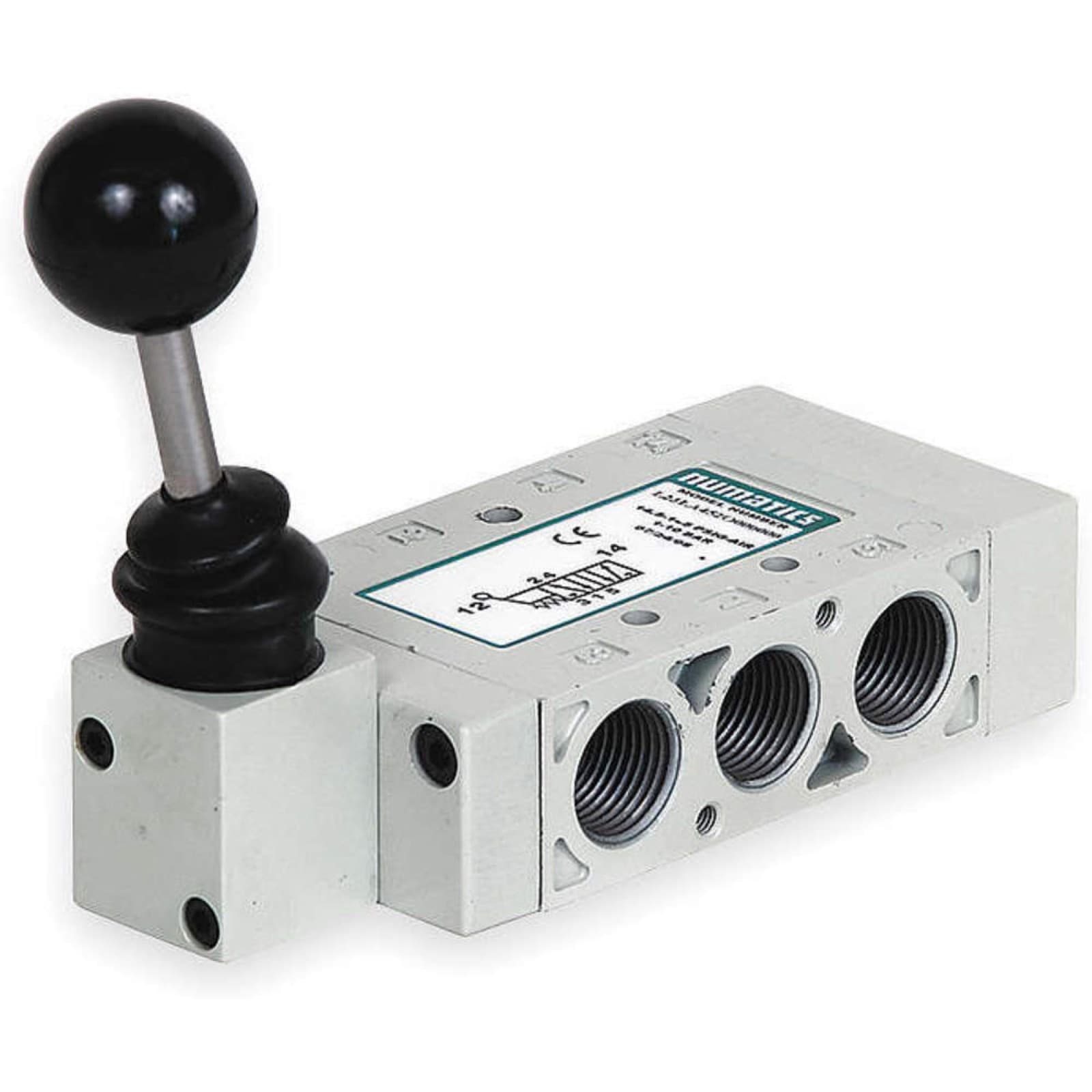
Numatics 4-Way, 3 Position Lever Manual Air Control Valve
Numatics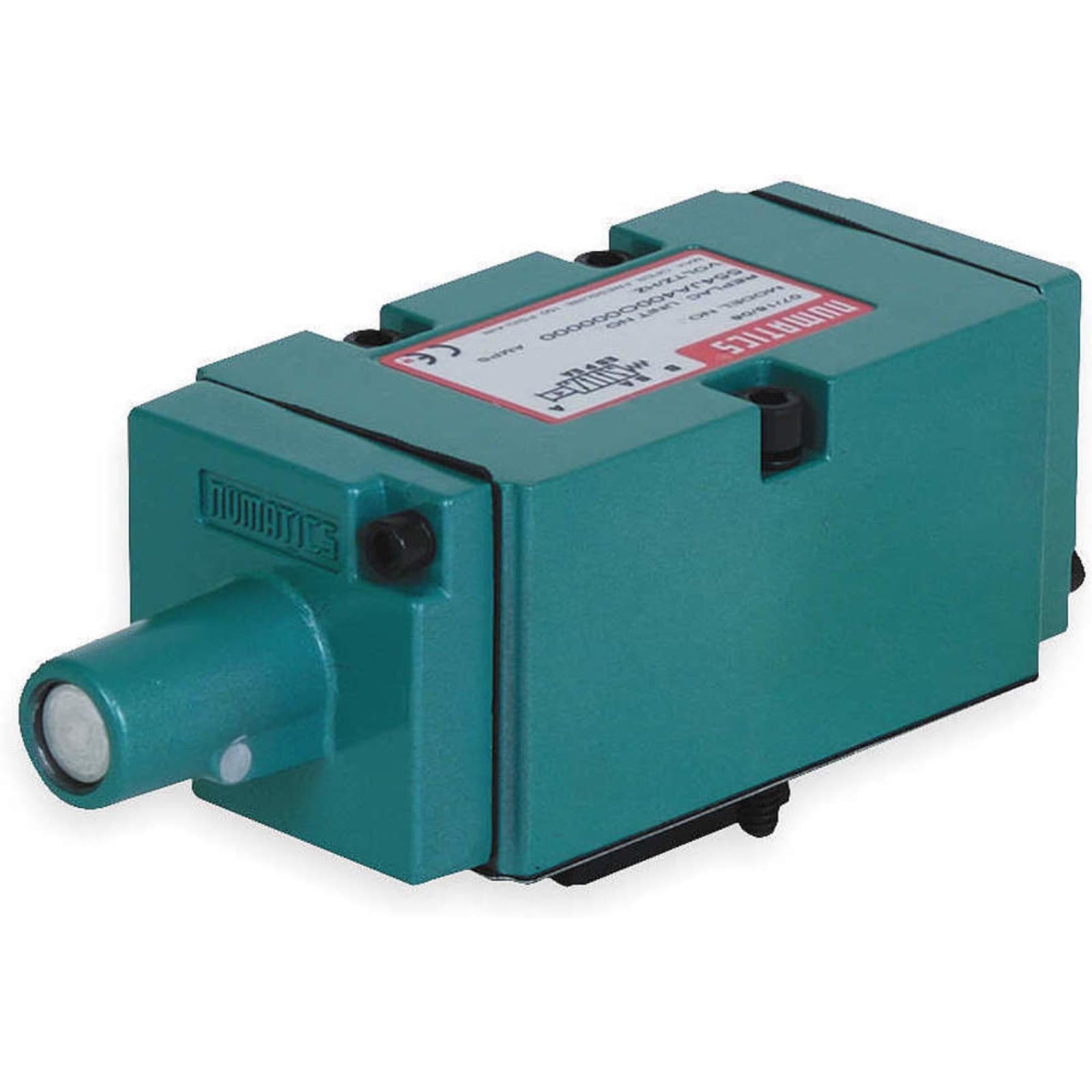
Numatics Valve Air Pilot, 4 Way
Numatics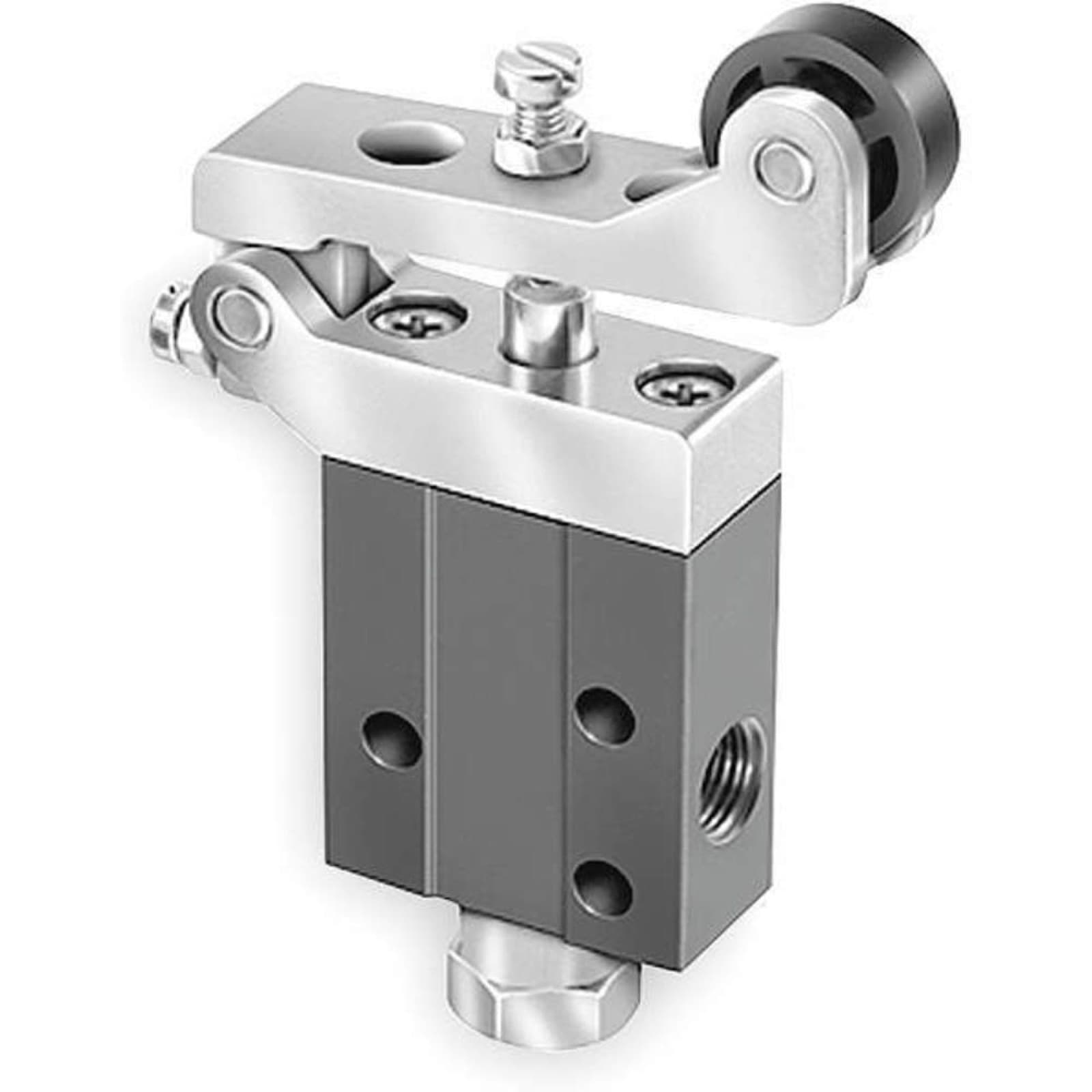
Parker 3-Way, 2 Position Manual Air Control Valve
Parker Hannifin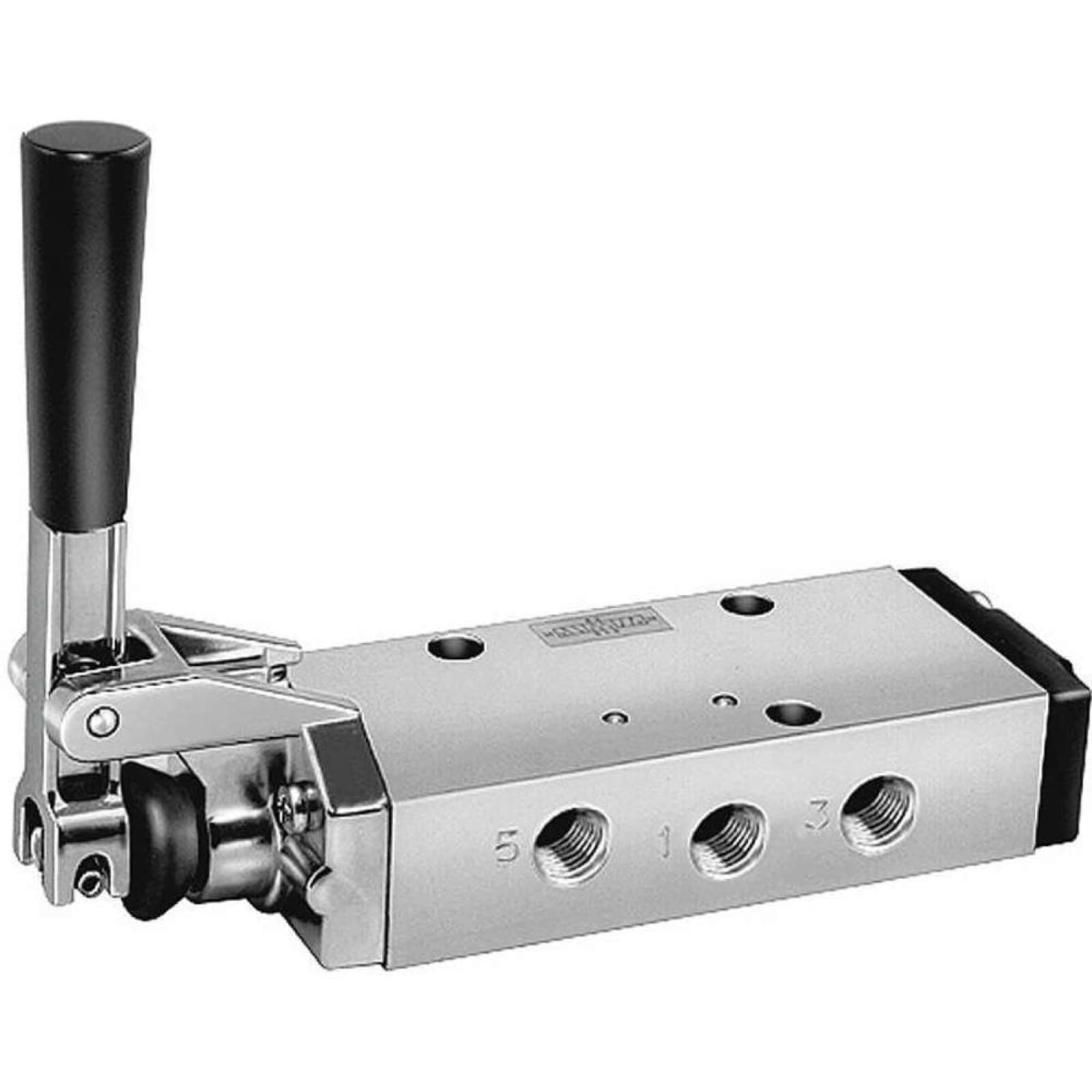
Parker 4-Way, 2 Position Manual Air Control Valve
Parker Hannifin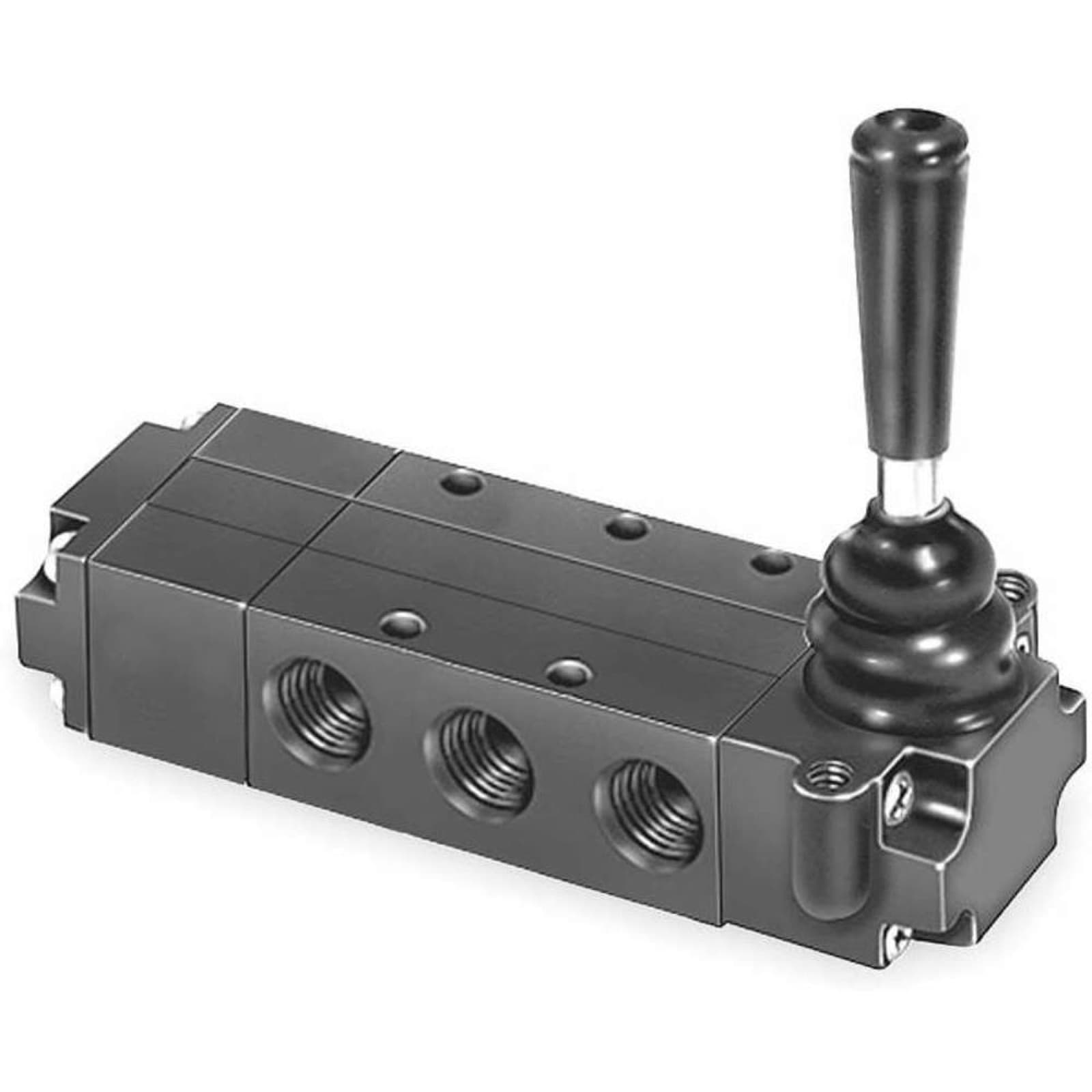
Parker 4-Way, 3 Position Manual Air Control Valve
Parker Hannifin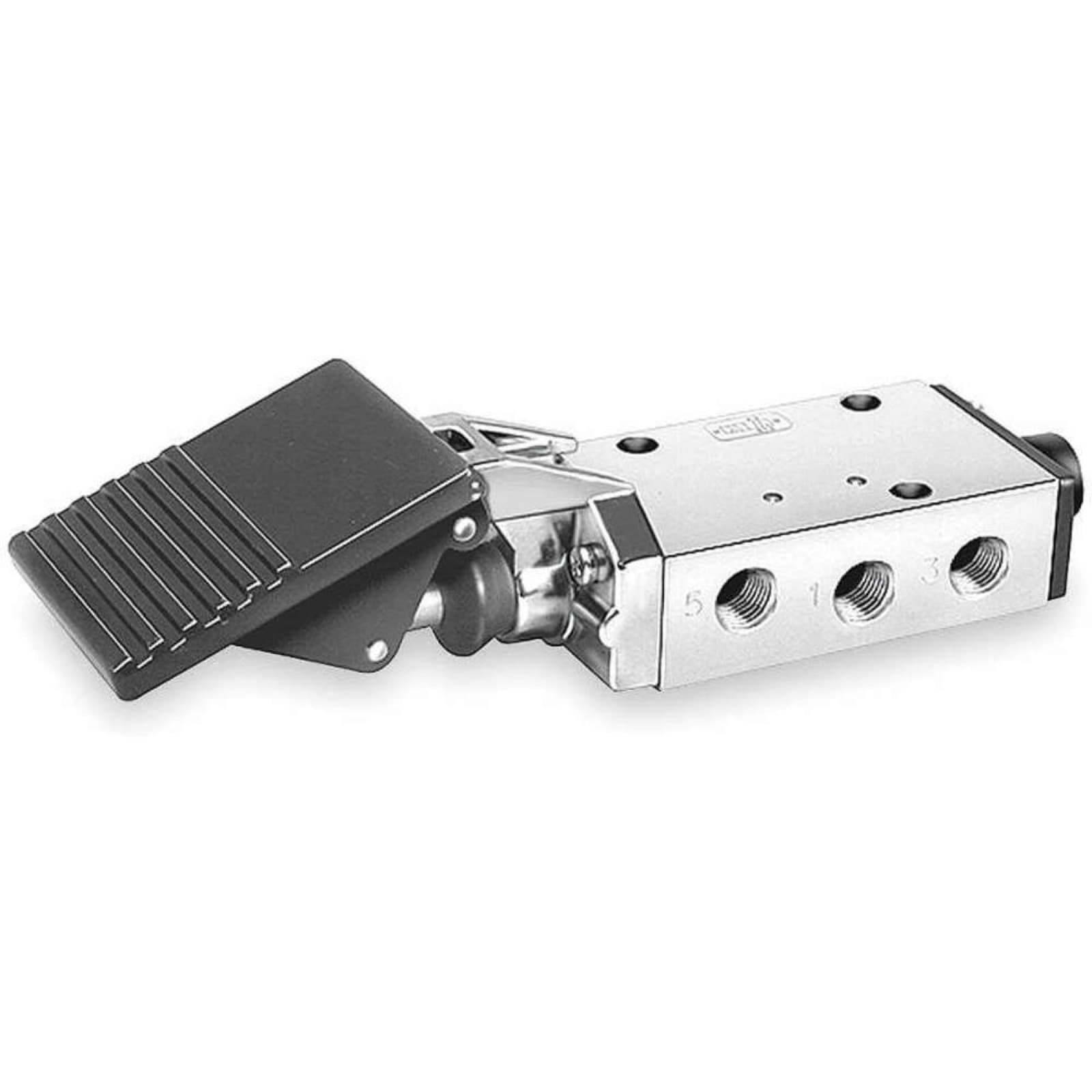
Parker 42 Series Manual/Mechanical Valves, 4-Way 2-Position
Parker Hannifin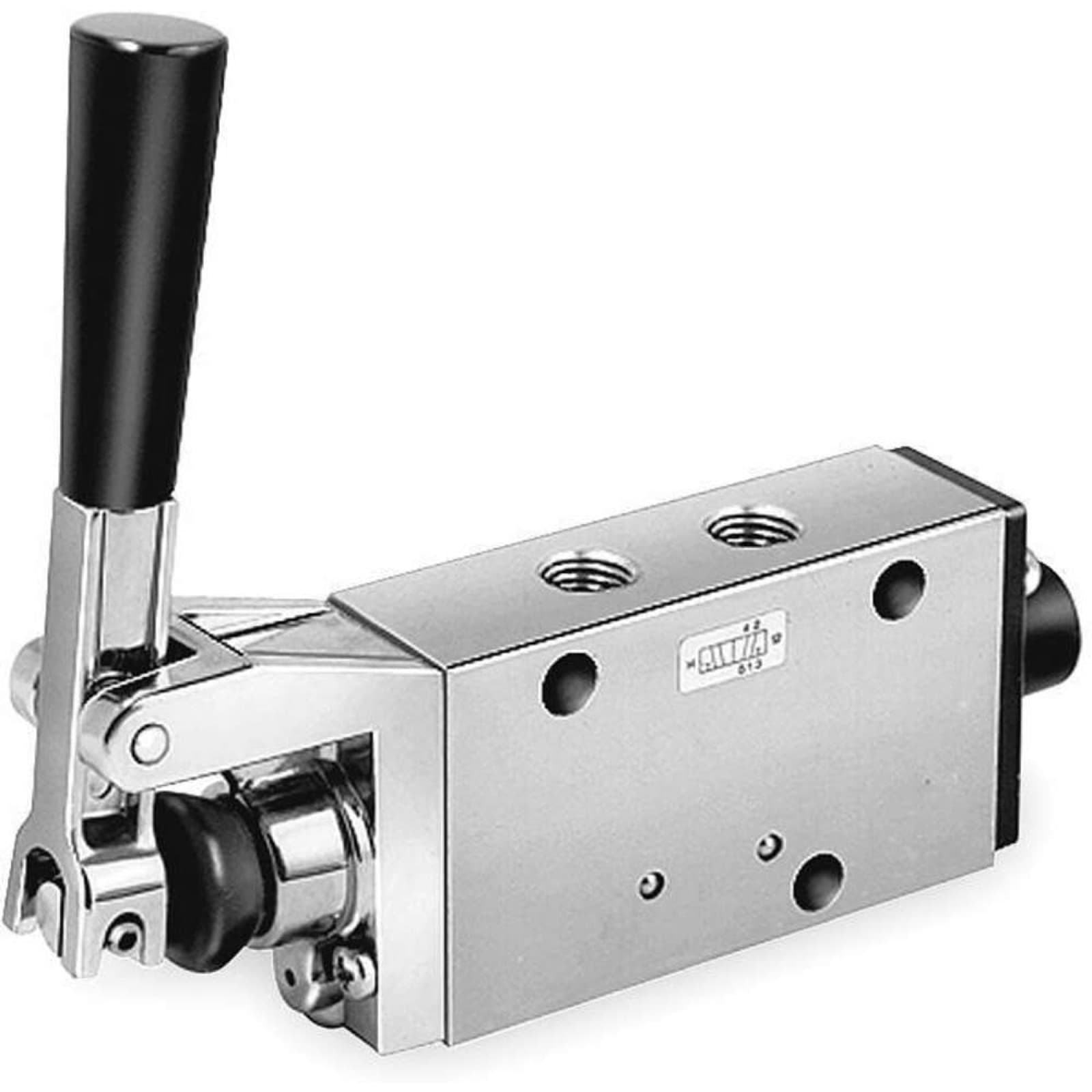
Parker 42 Series Manual/Mechanical Valves, 4-Way 3-Position
Parker Hannifin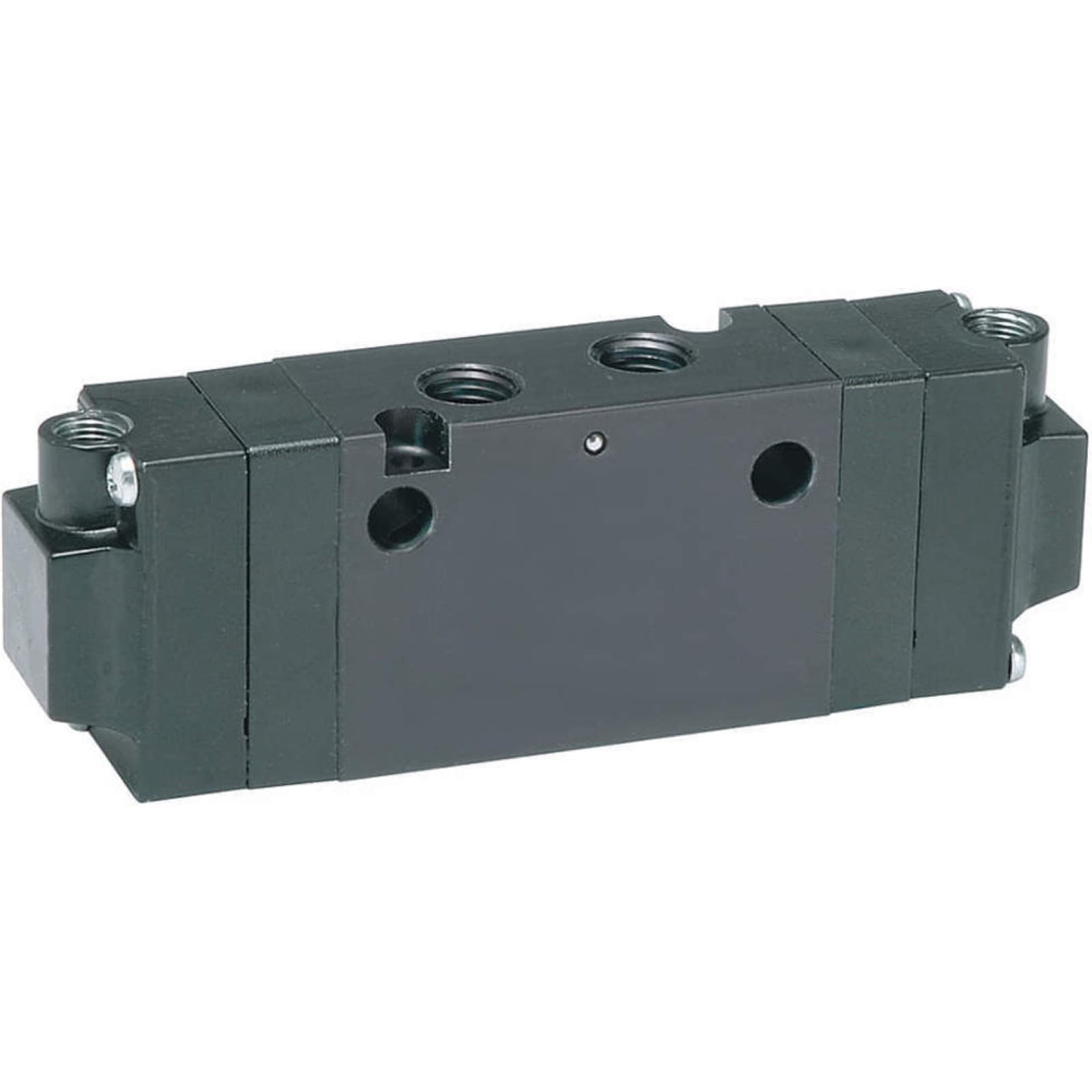
Parker Air Pilot Valves
Parker Hannifin