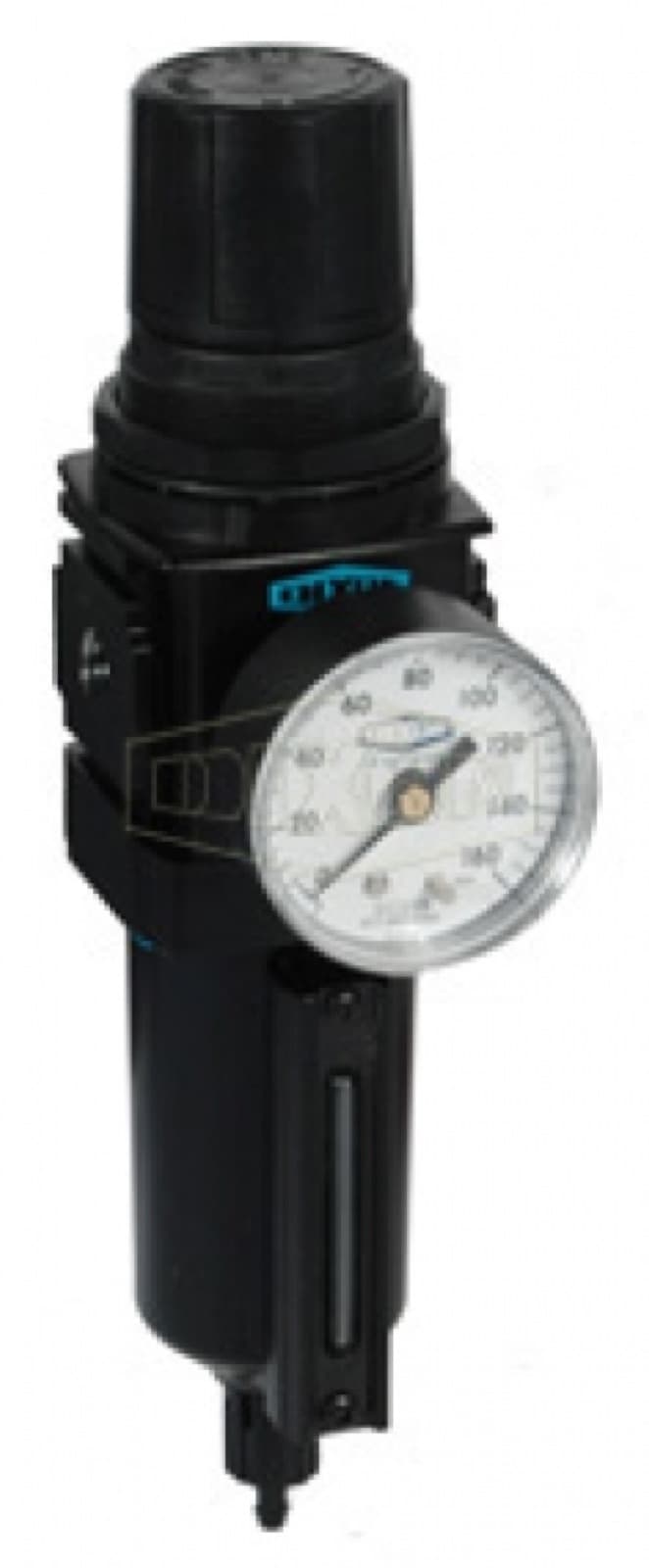
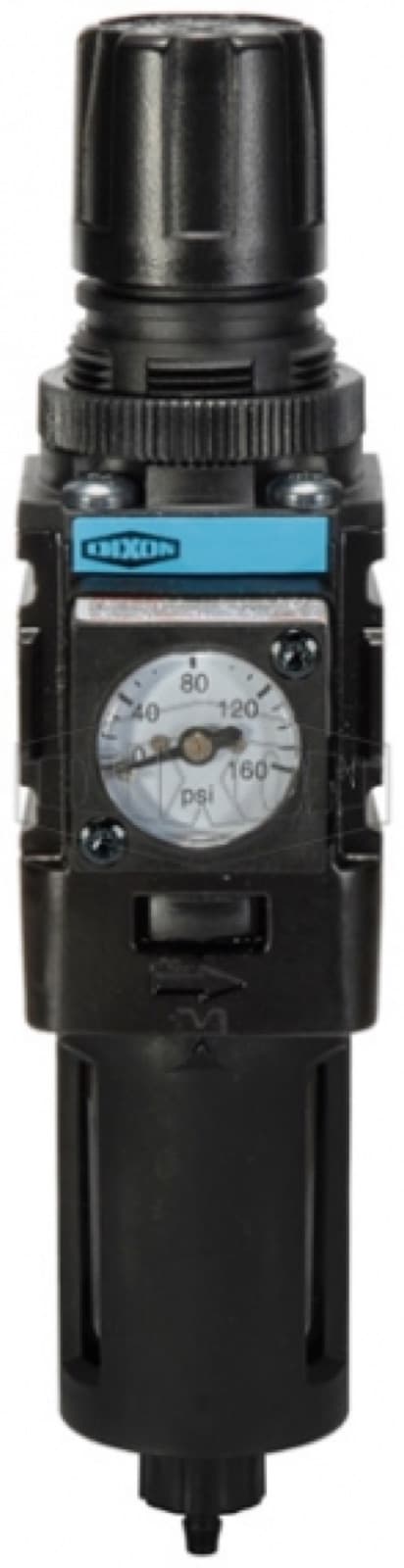
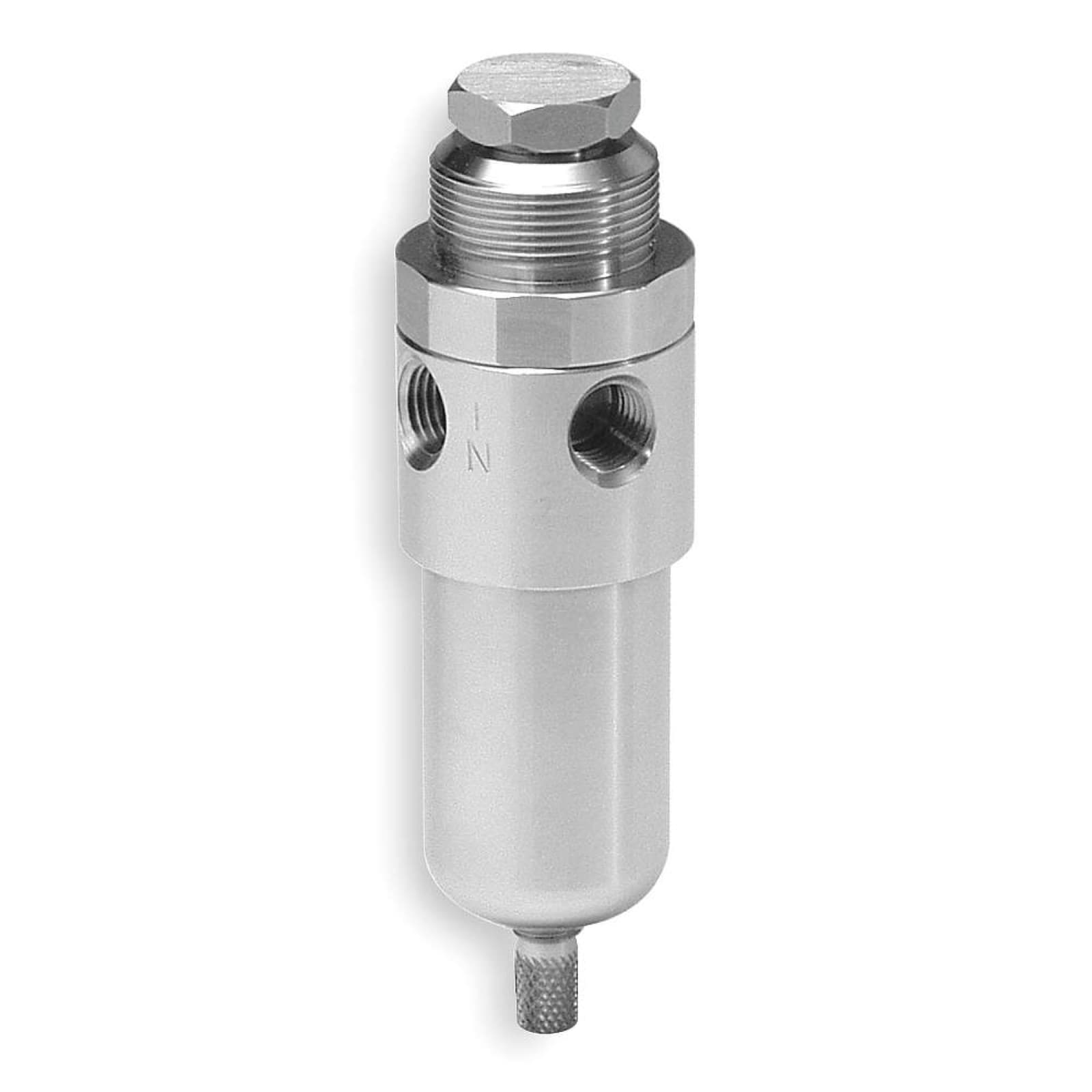
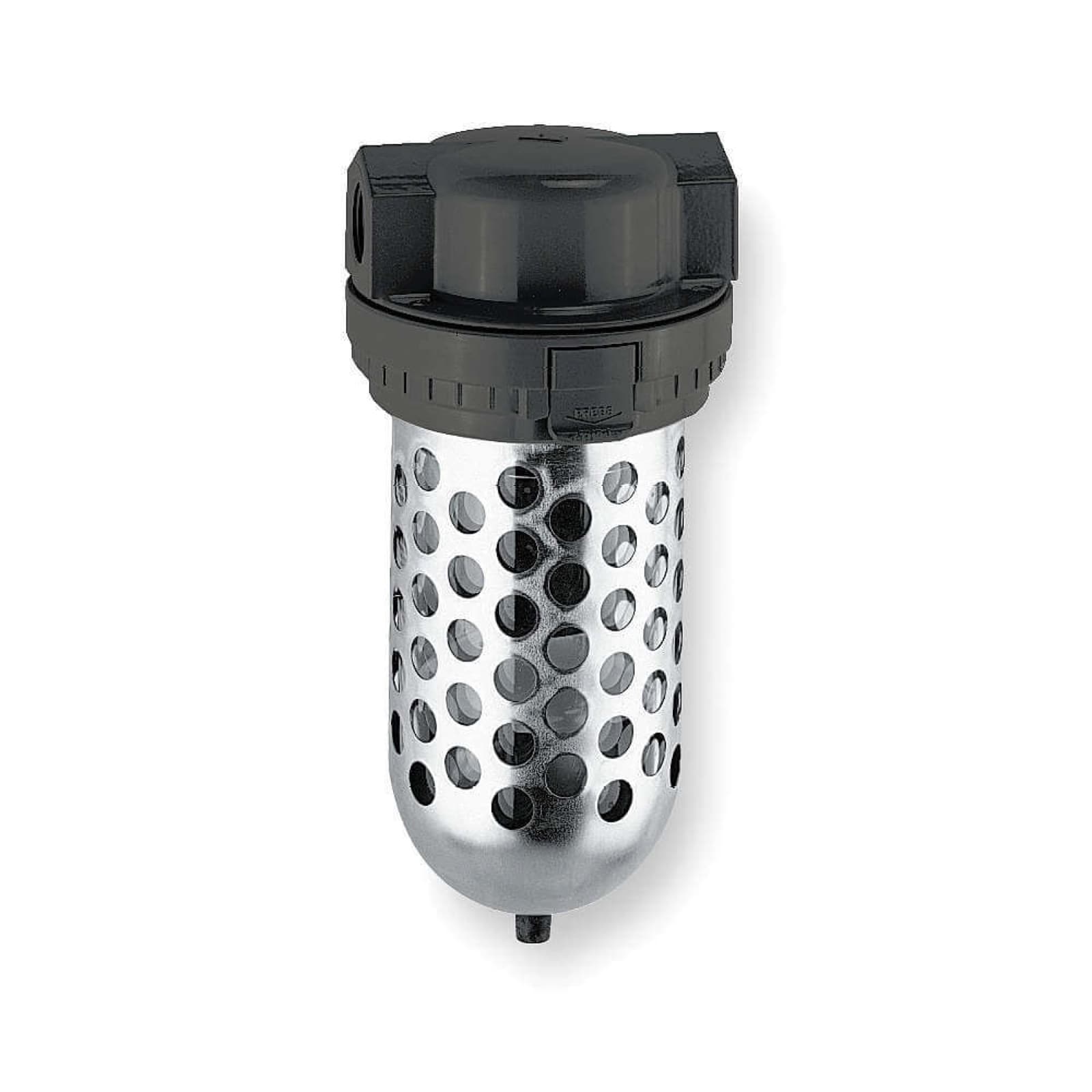
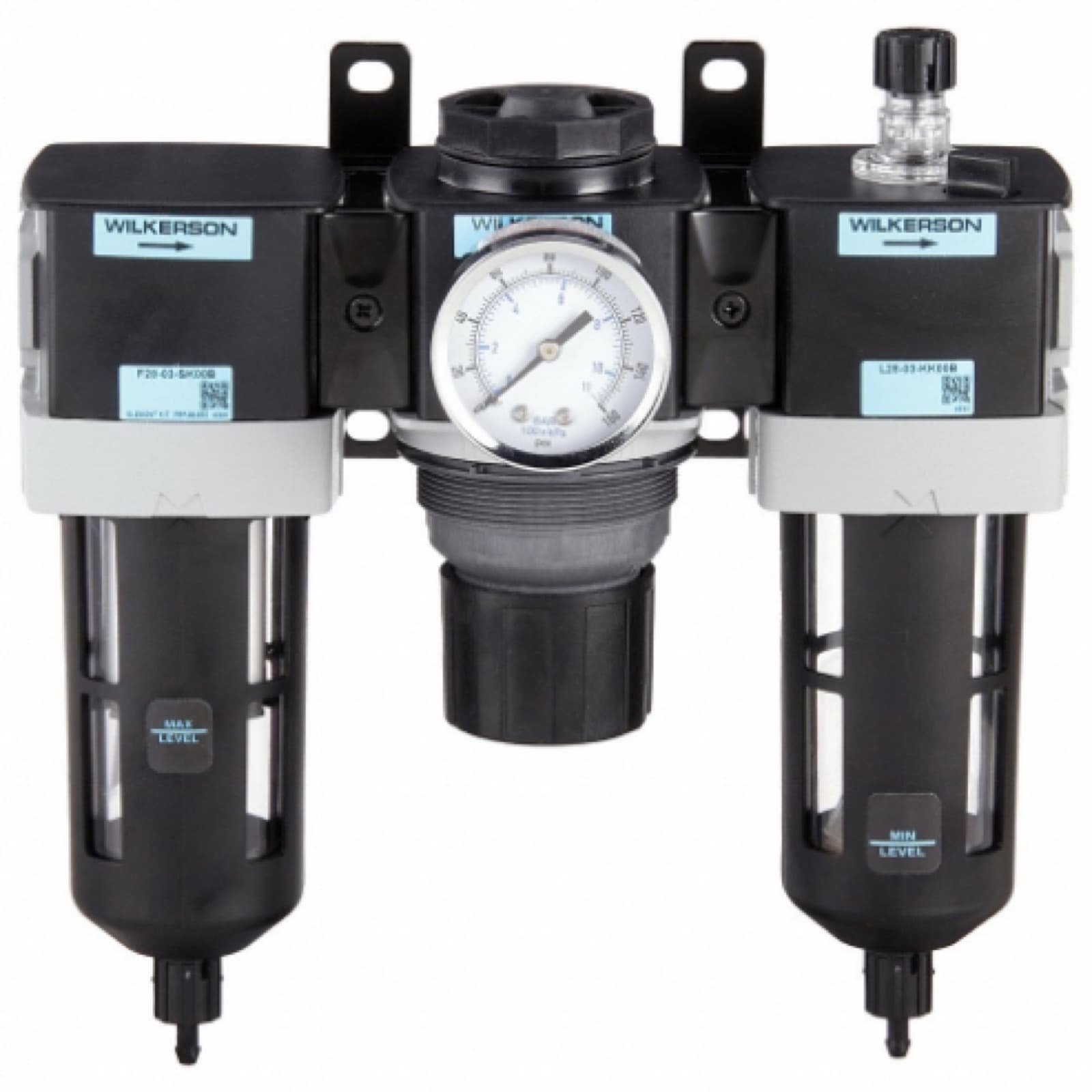
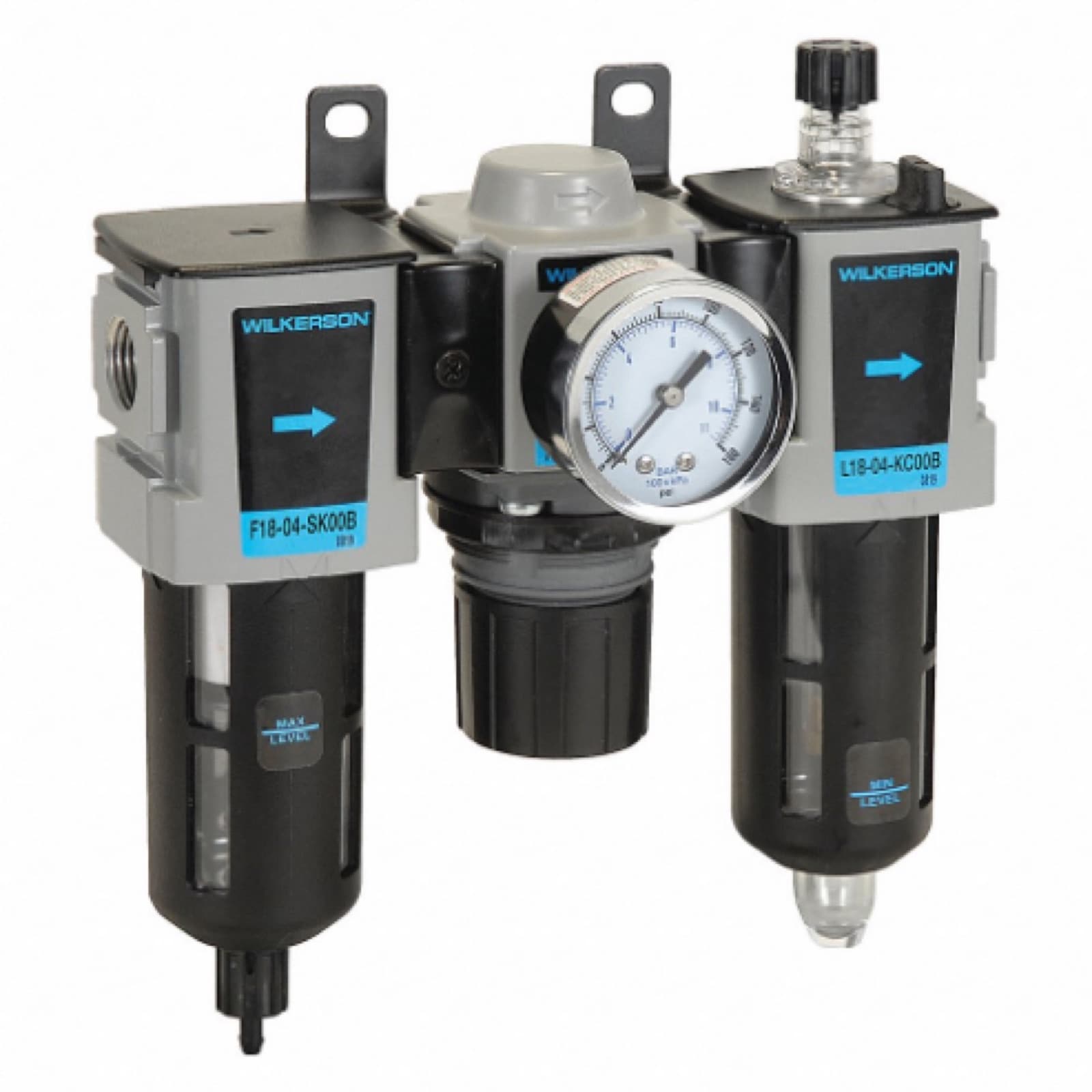
- 01In what order do a filter, regulator and lubricator go?
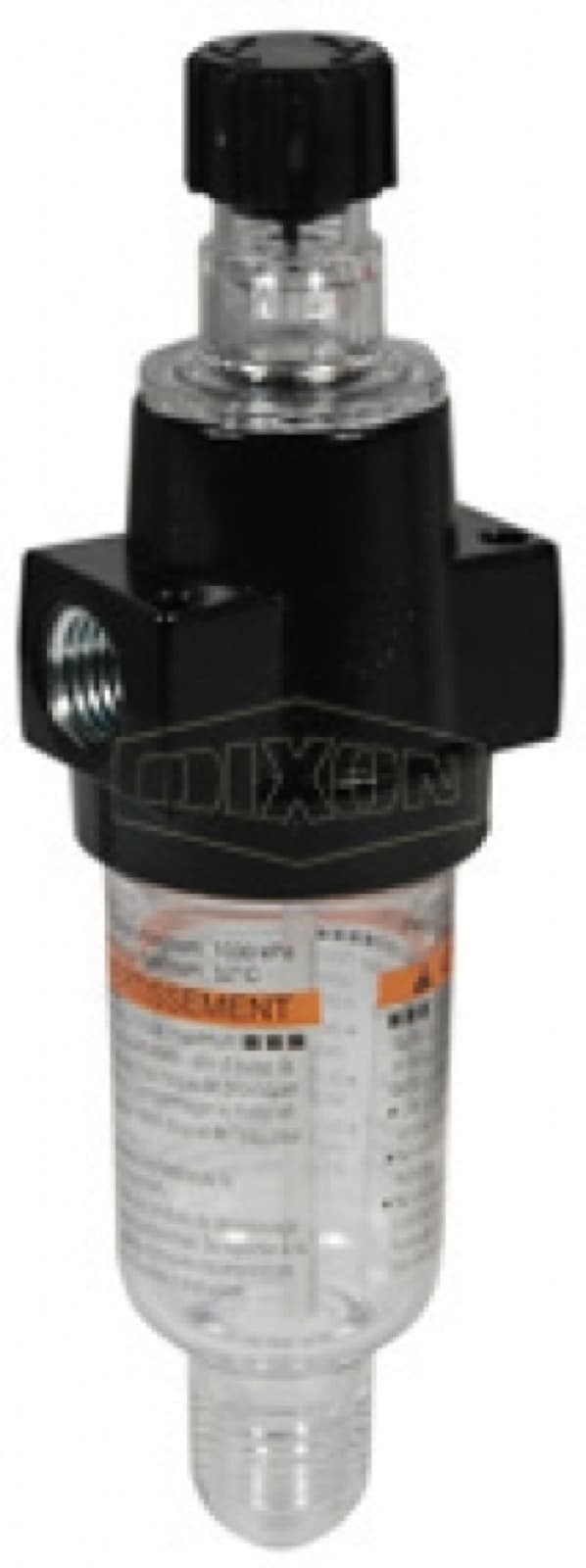
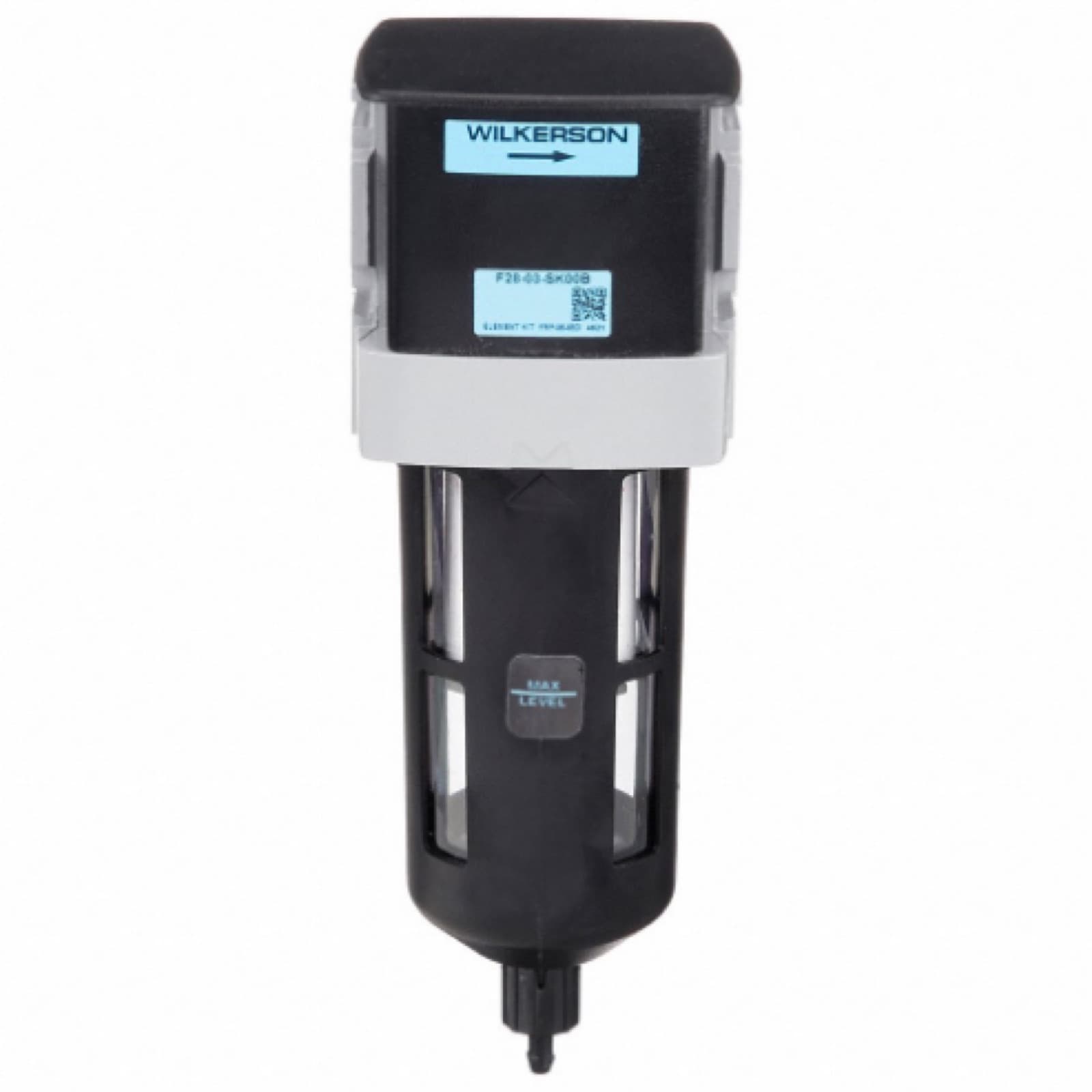
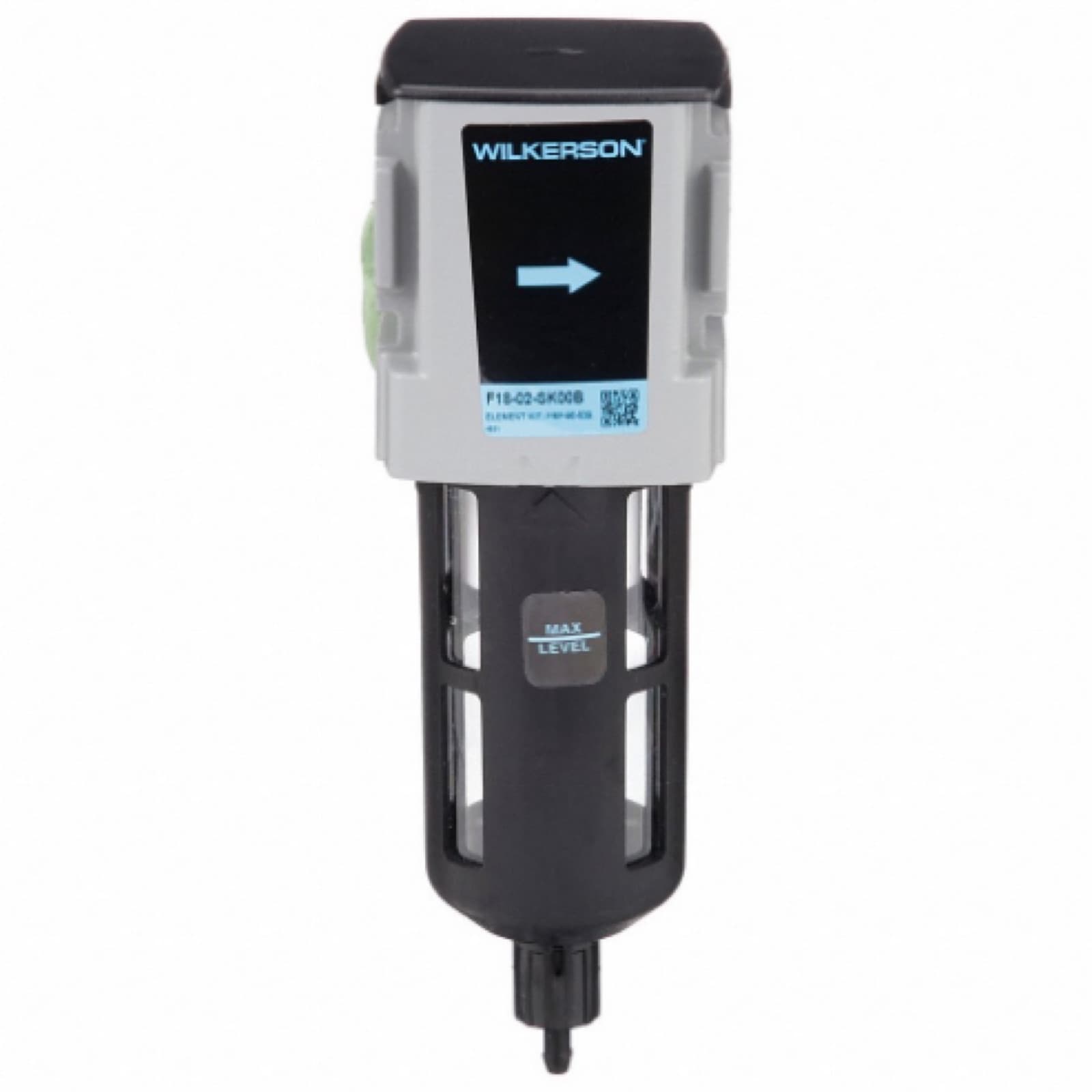
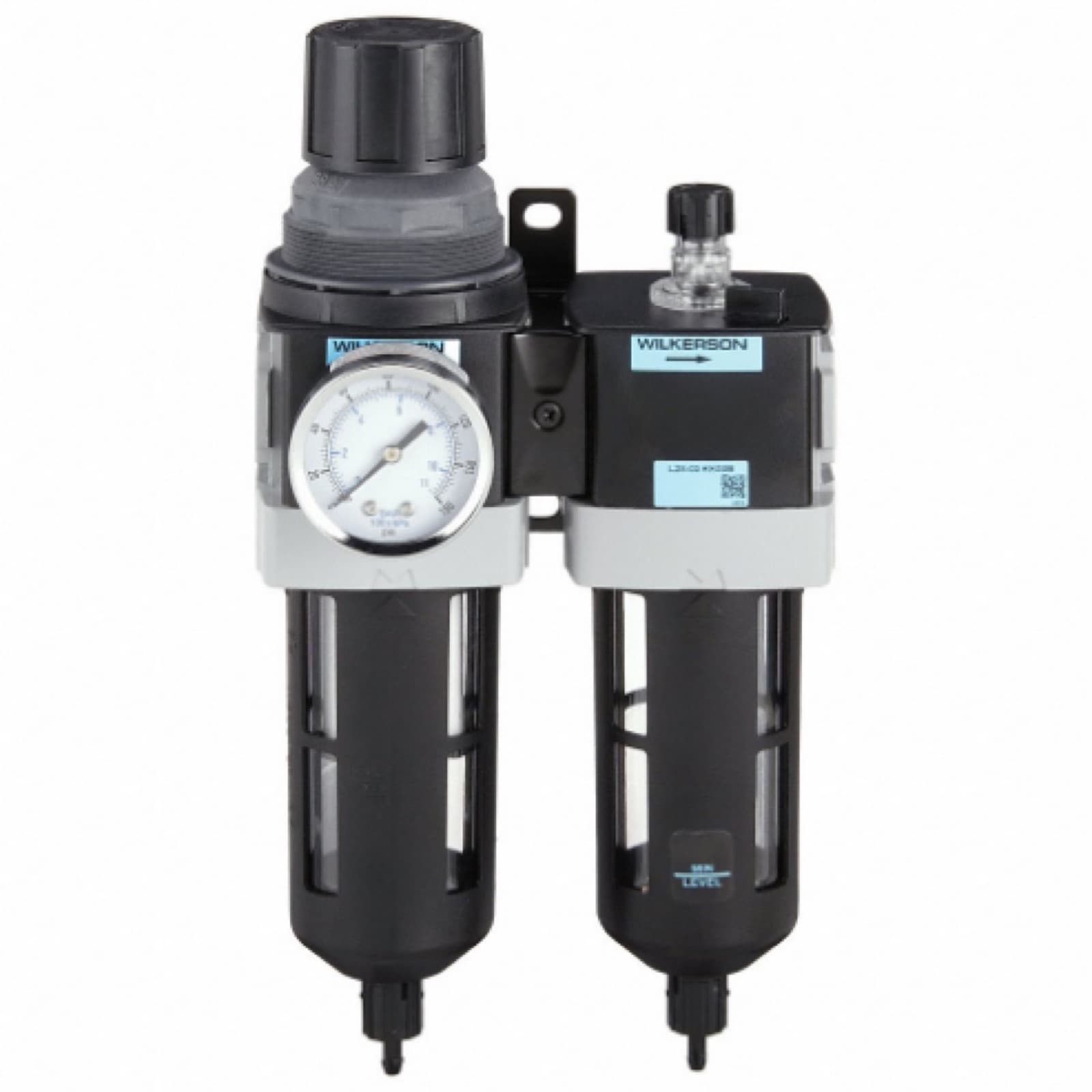
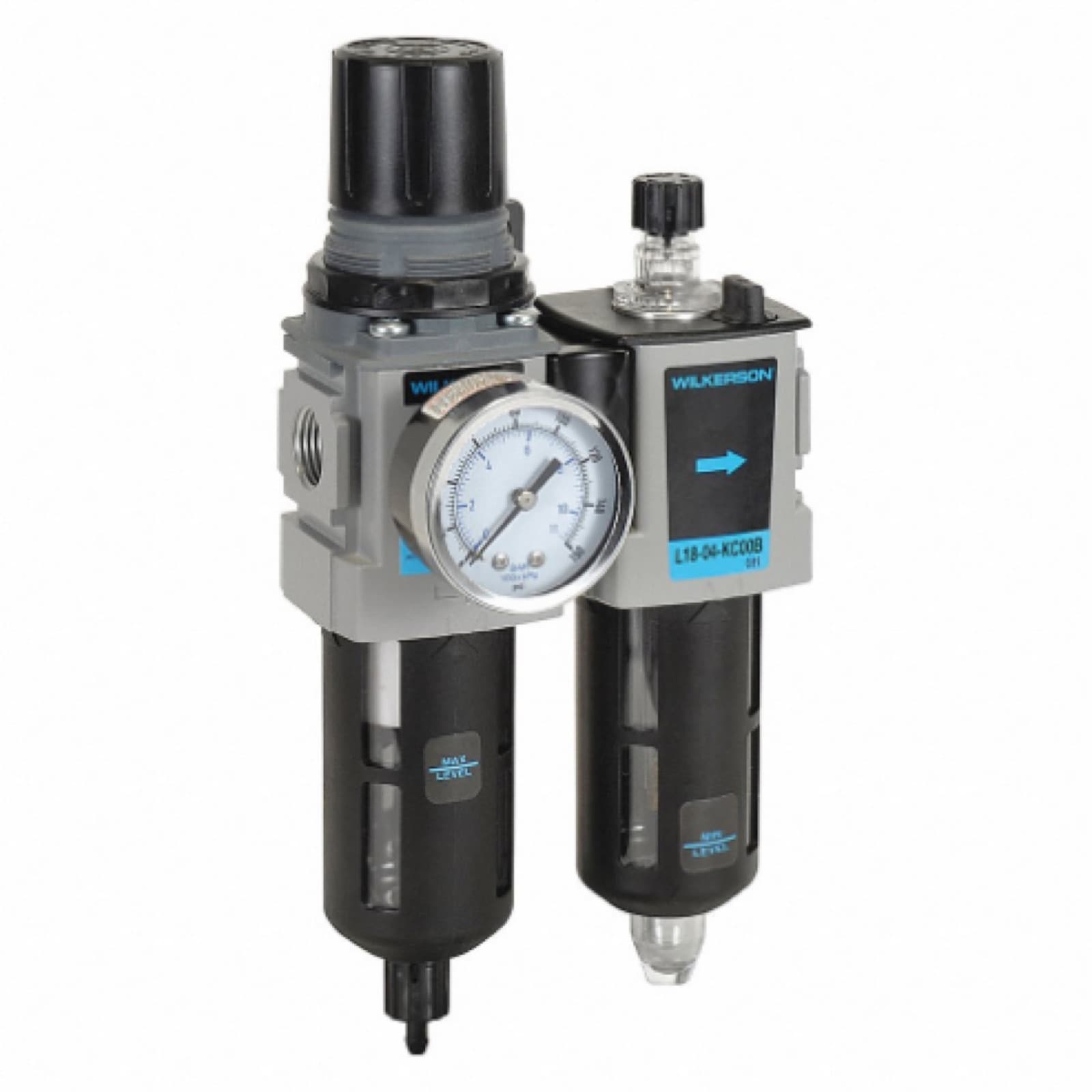
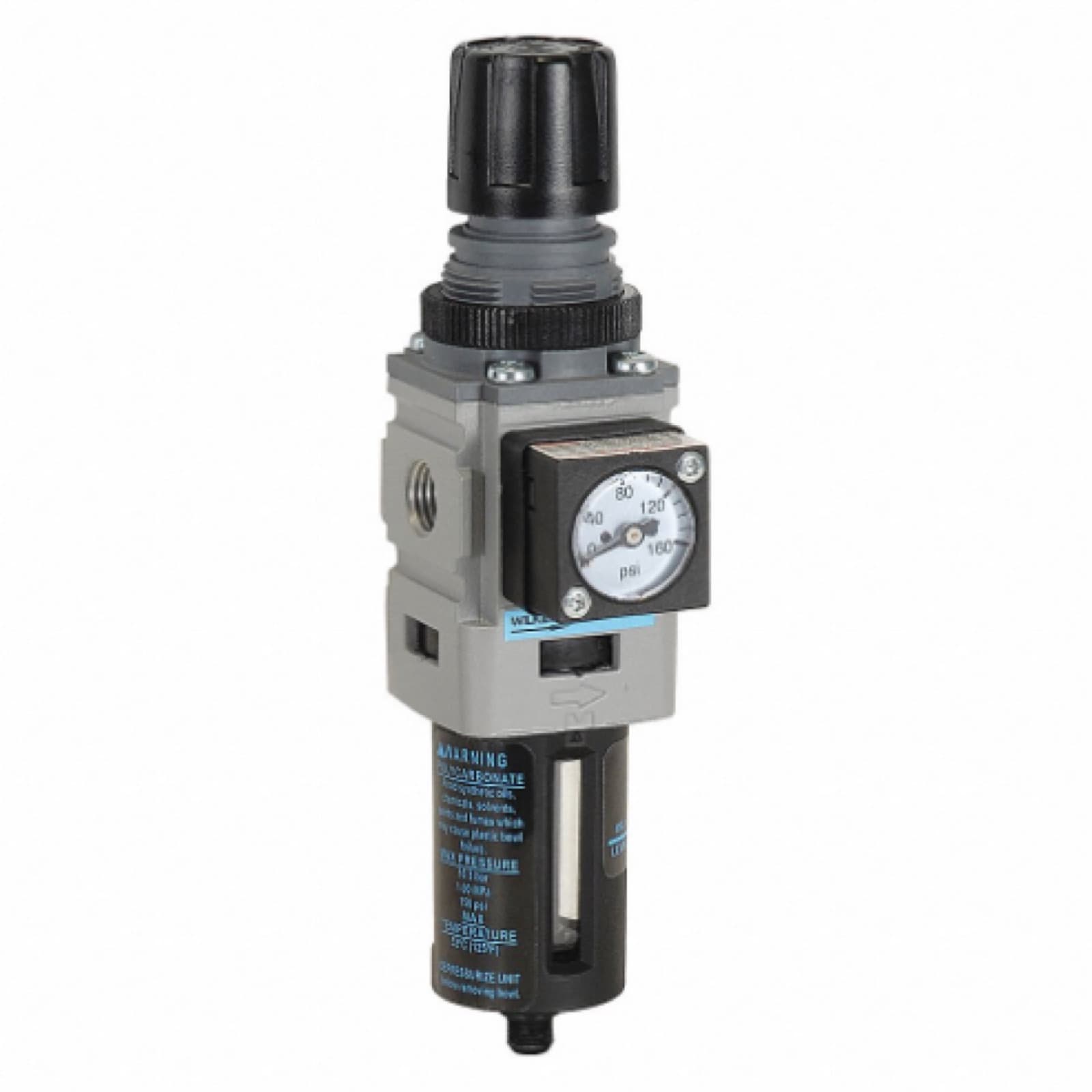
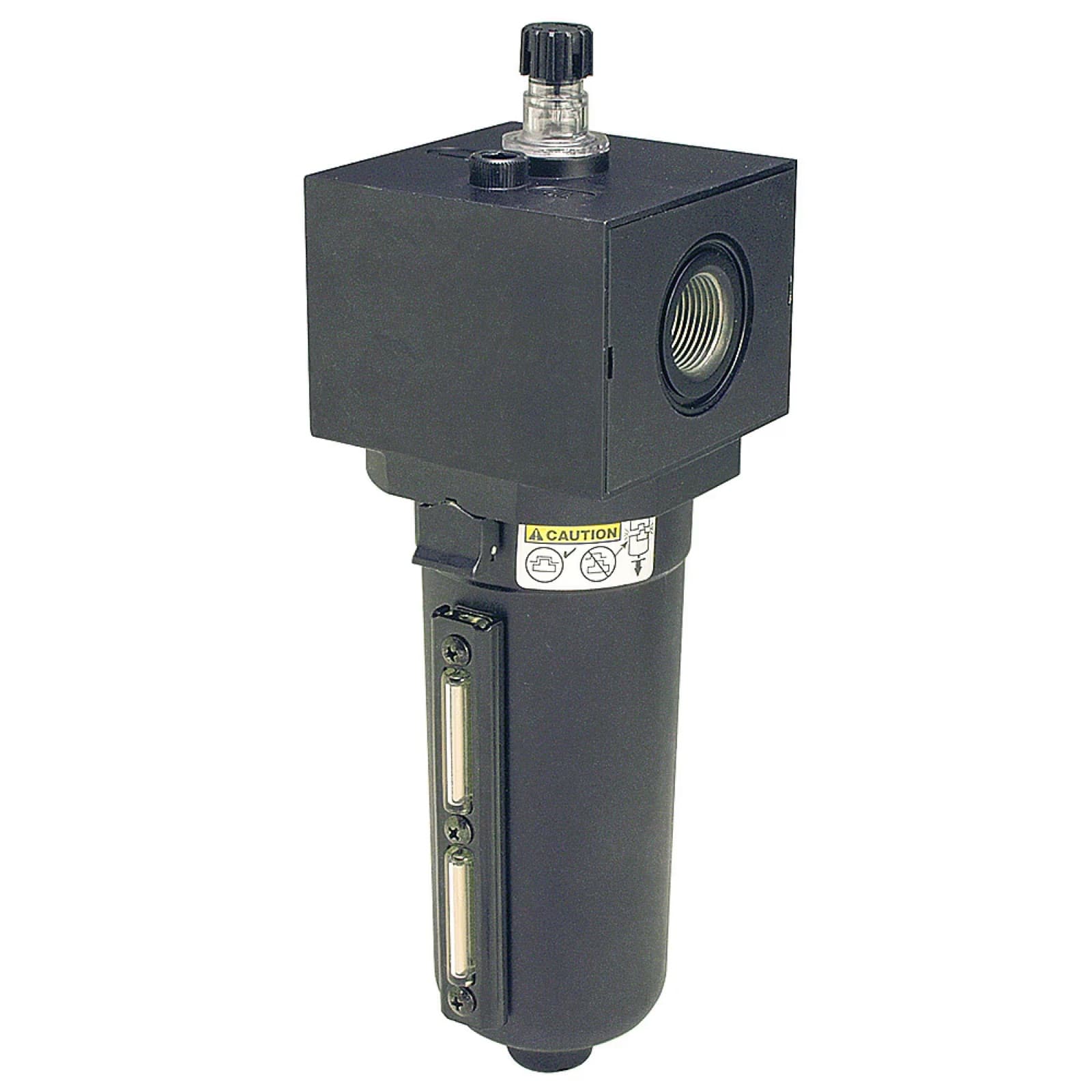
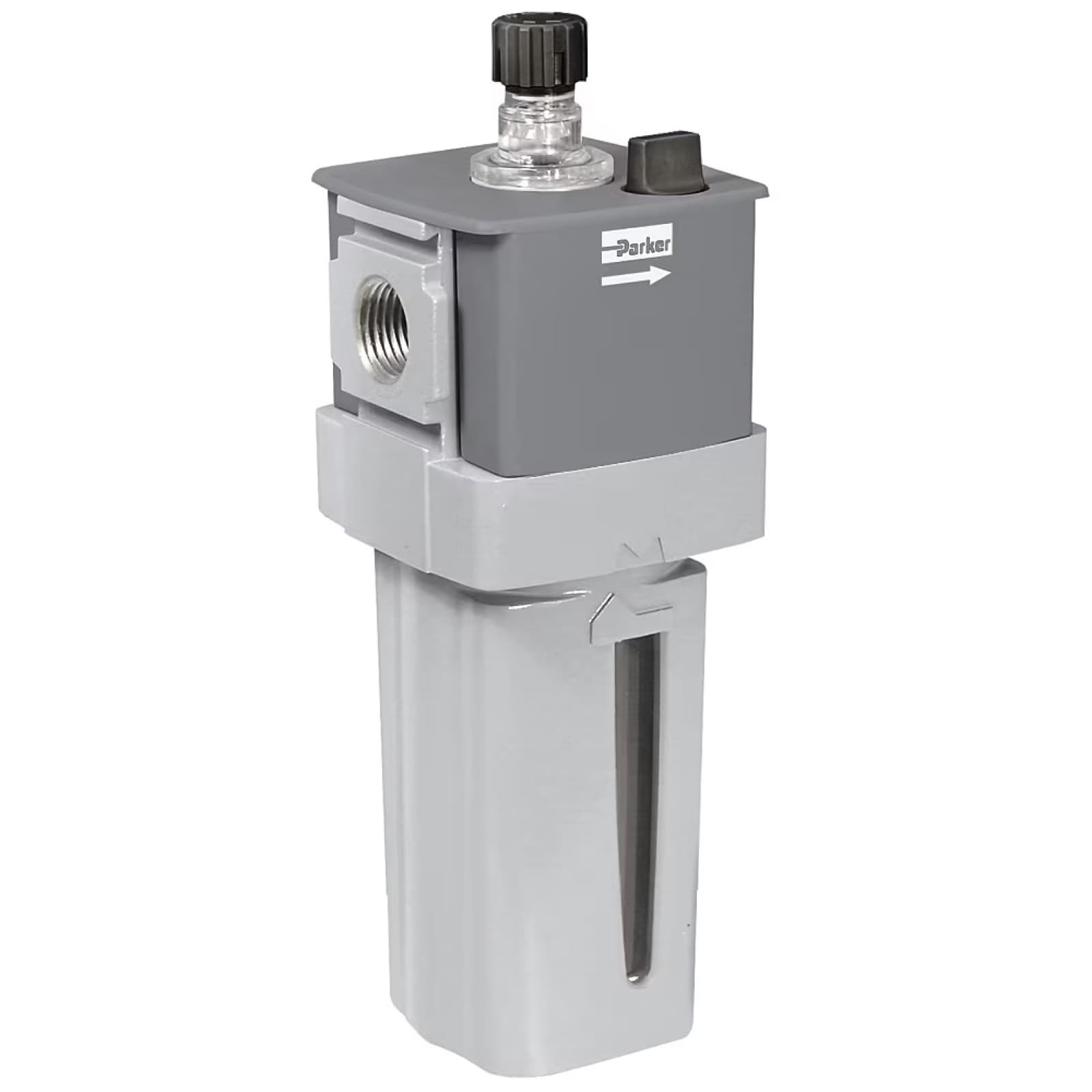
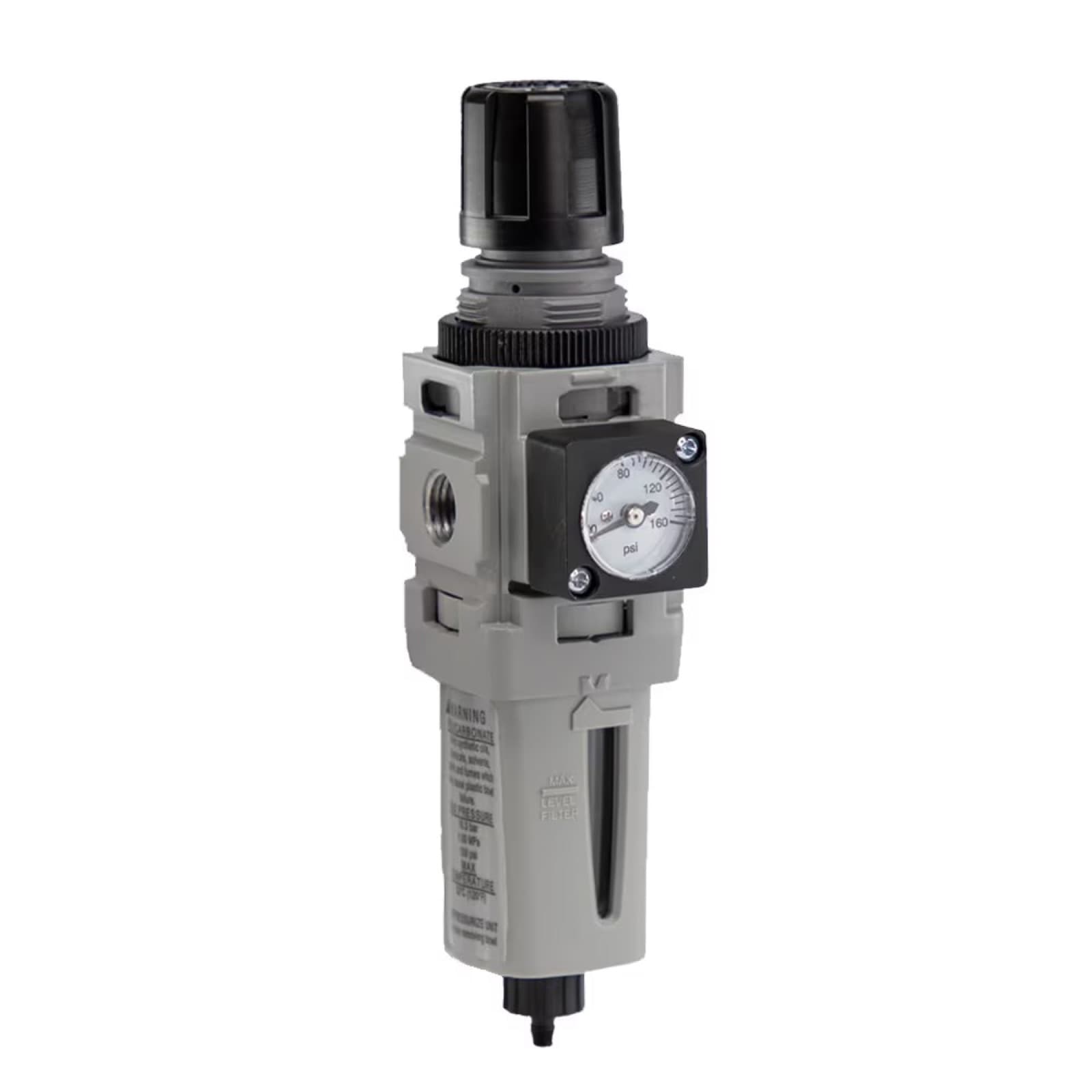
- Filter, then regulator, then lubricator, in the direction of flow. The filter protects the regulator from dirt and water; the lubricator goes last, so that its oil is not removed by the filter and is delivered at the regulated pressure. Mount the set close to the equipment it serves, with the bowls vertical and room below them to drain and change elements.
- 02What is the difference between a particulate and a coalescing filter?
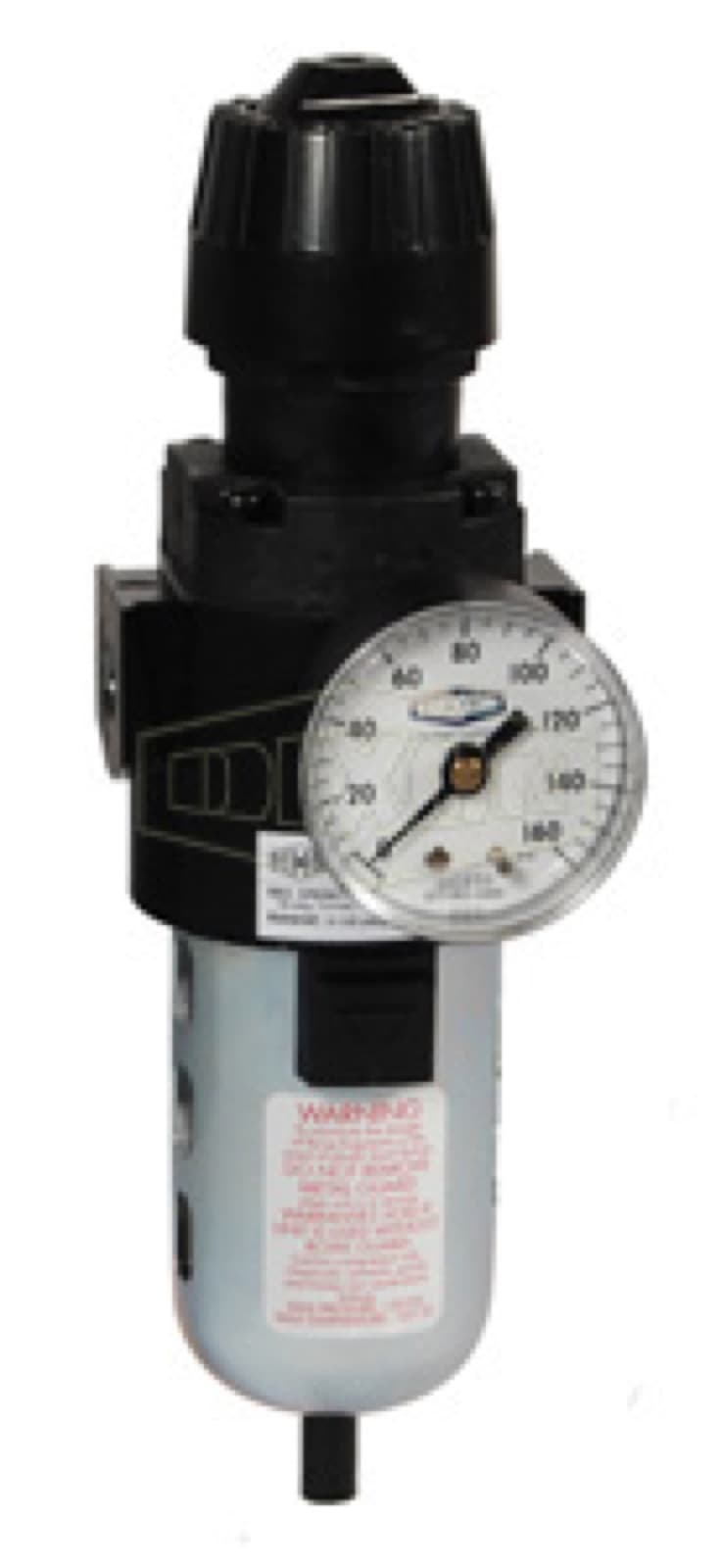
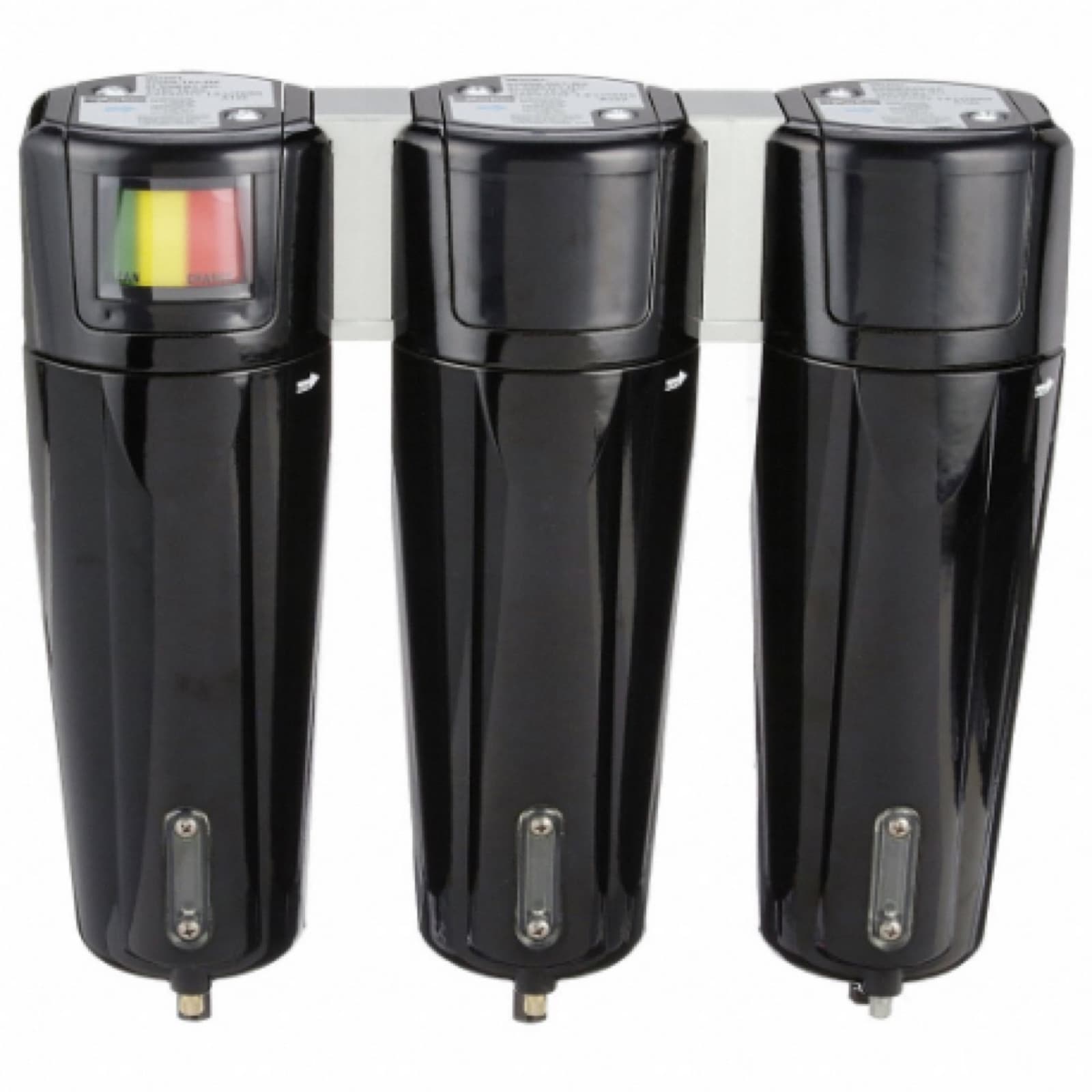
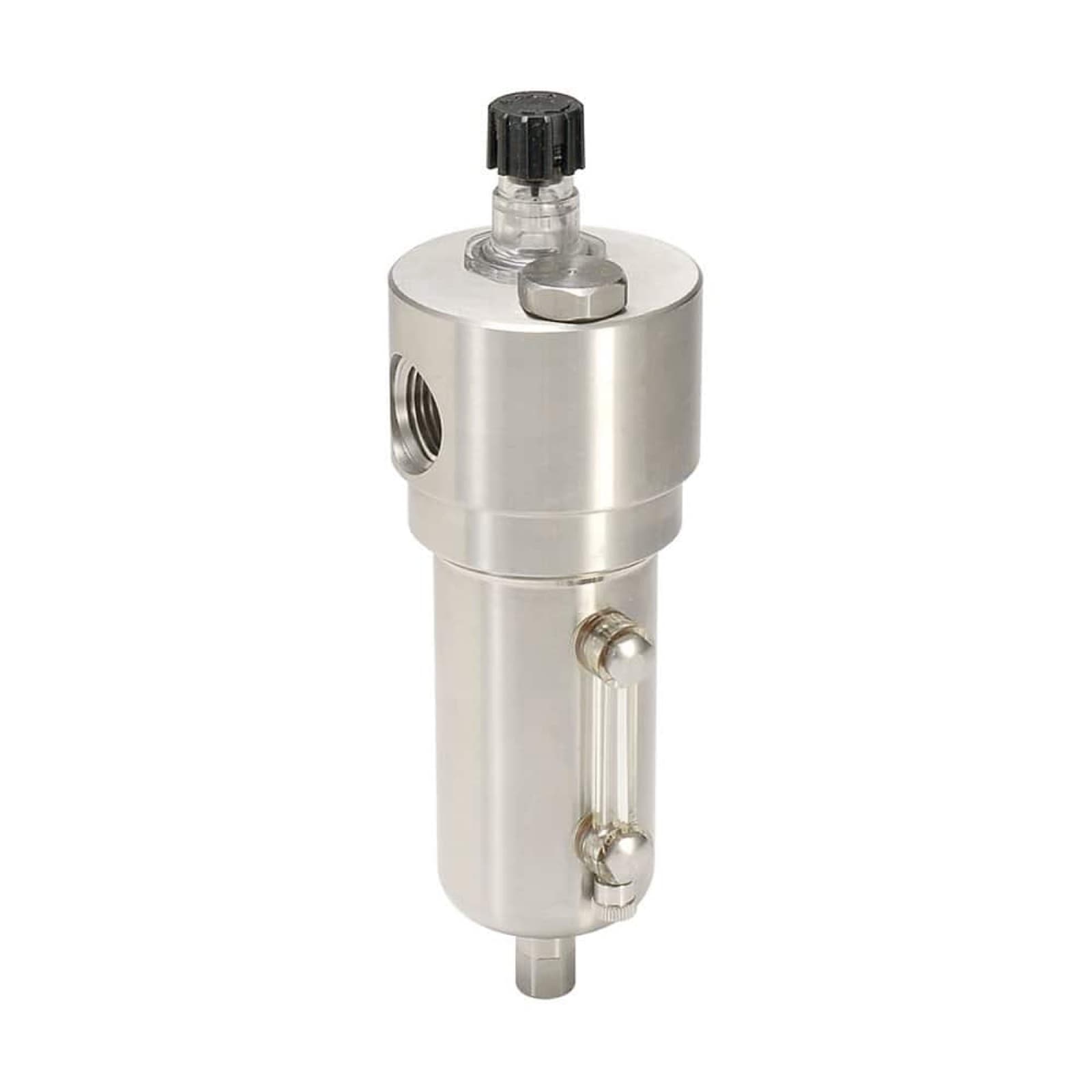
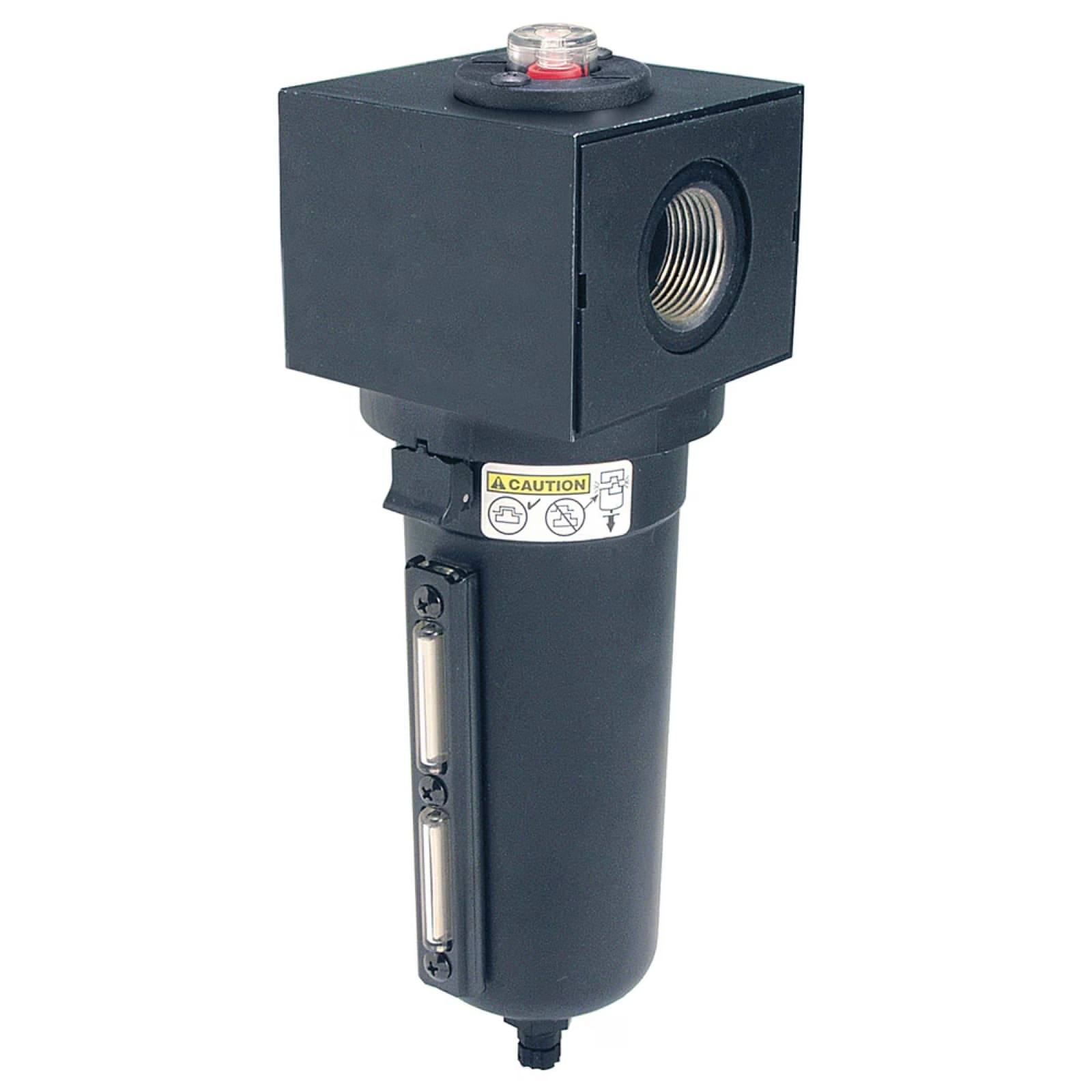
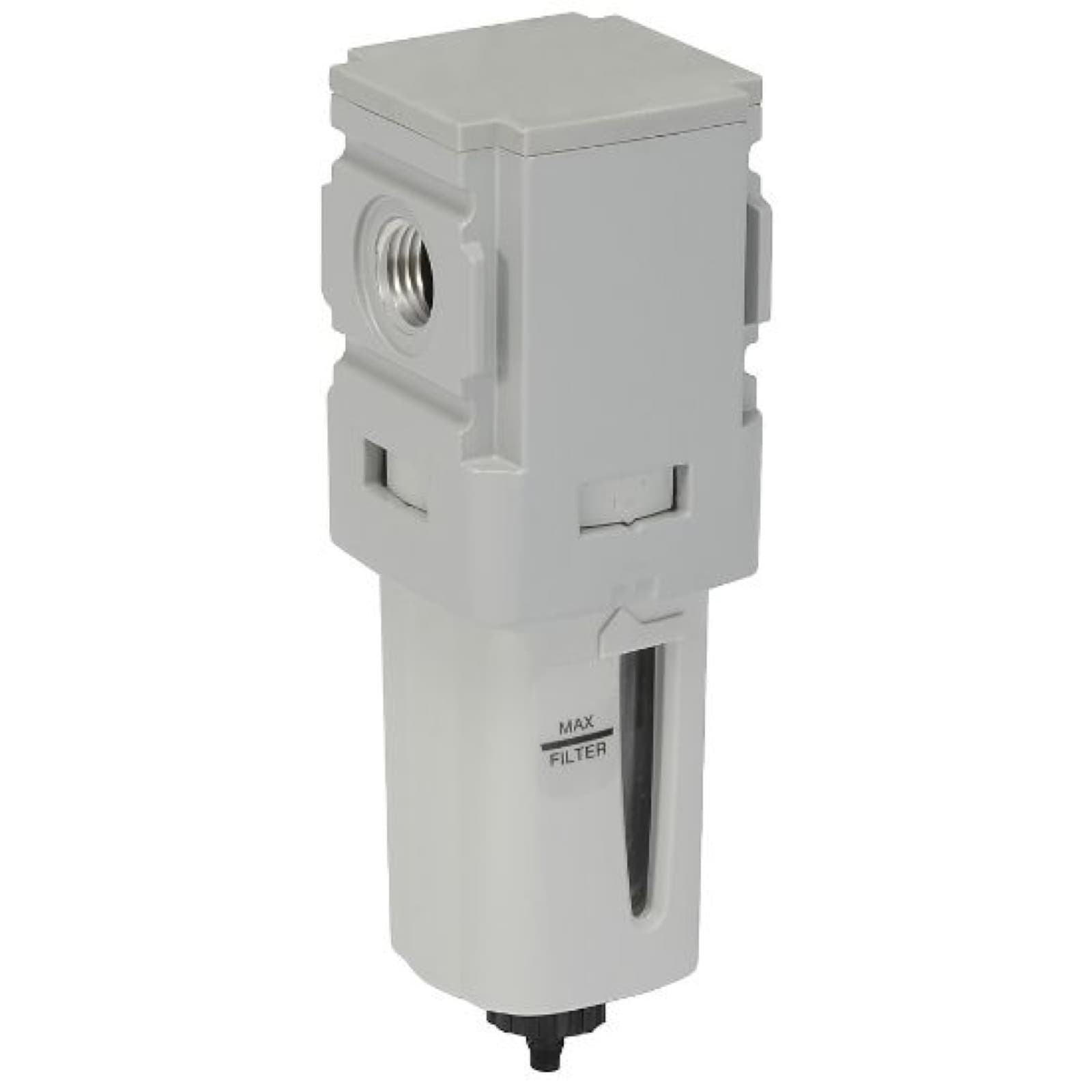
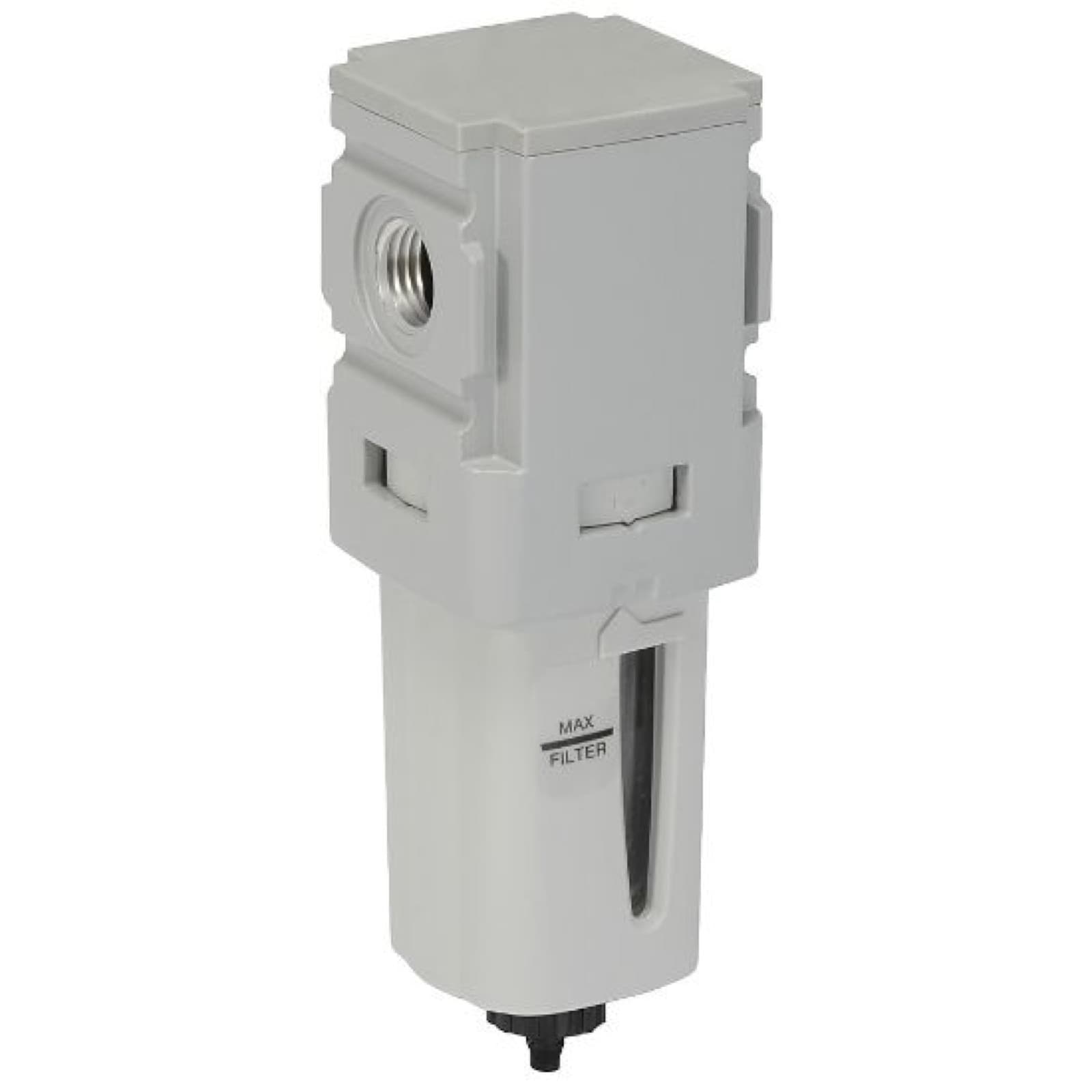
- A particulate filter strips out solid dirt and liquid water by separation and a filter element. A coalescing filter uses a fine element that gathers oil aerosol and fine water droplets into larger drops that drain away; it is used where oil-free air is needed and is protected by a particulate filter upstream, or its element blocks quickly. Neither removes water vapour or oil vapour; vapour needs a dryer or an activated carbon stage.
- 03Do I need a lubricator?
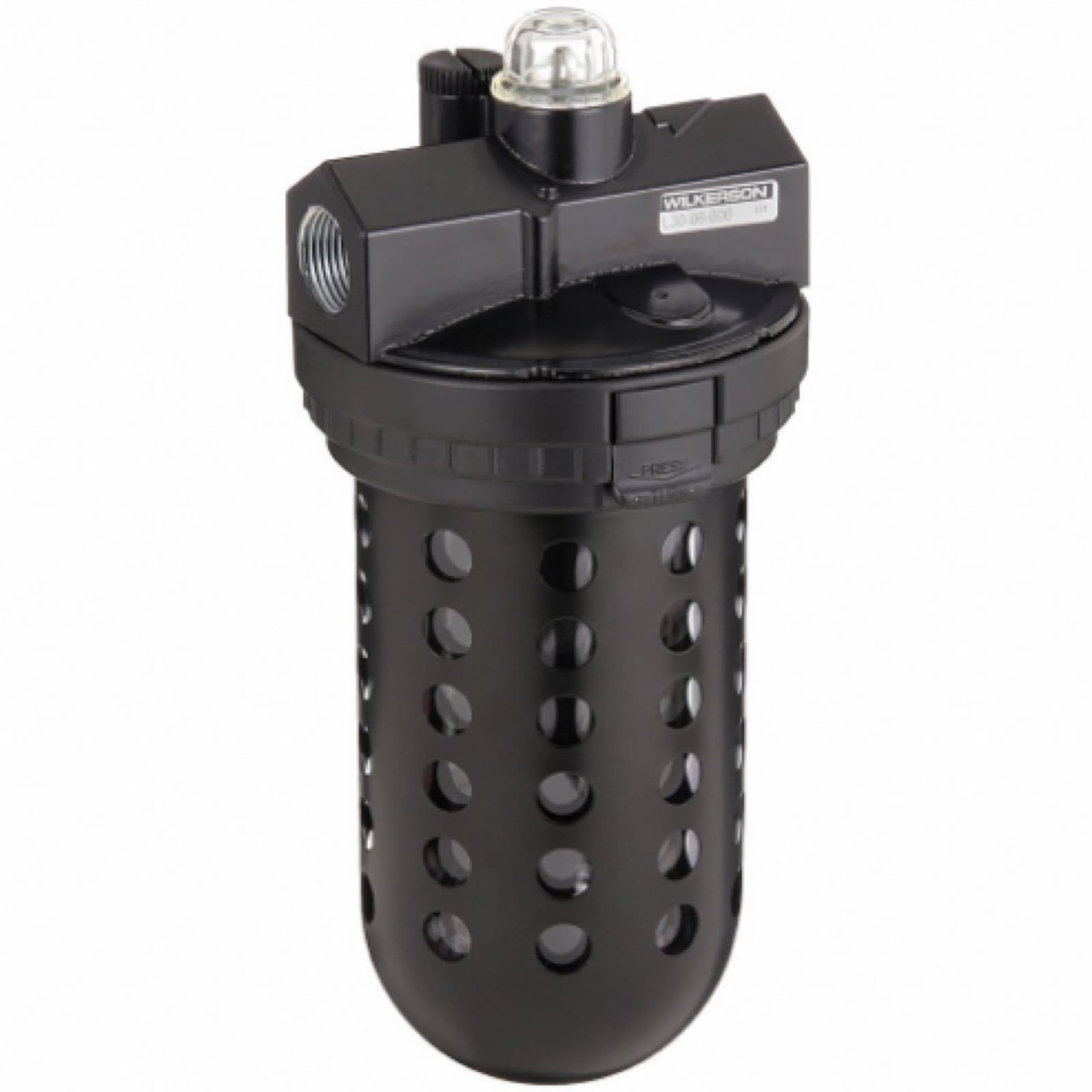
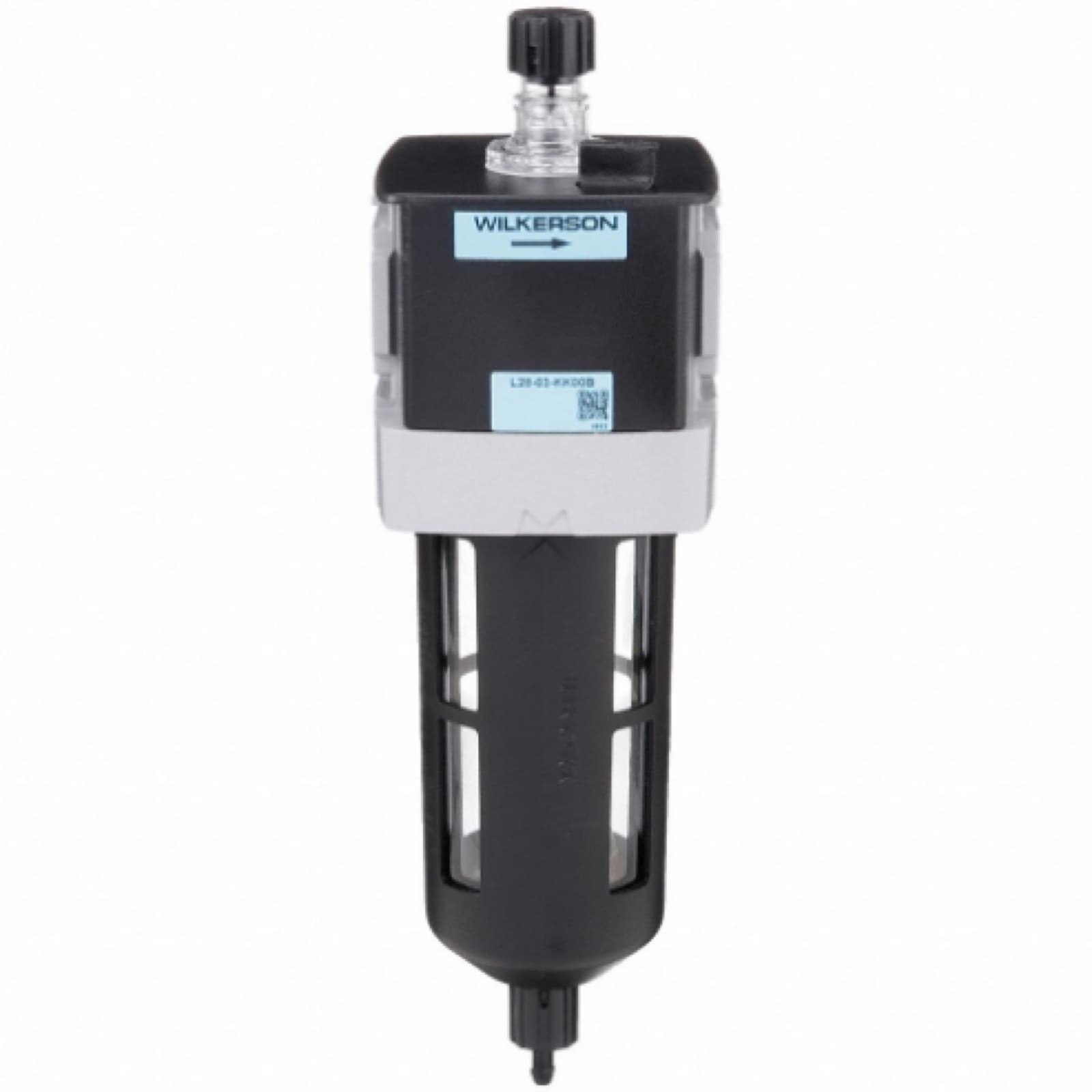
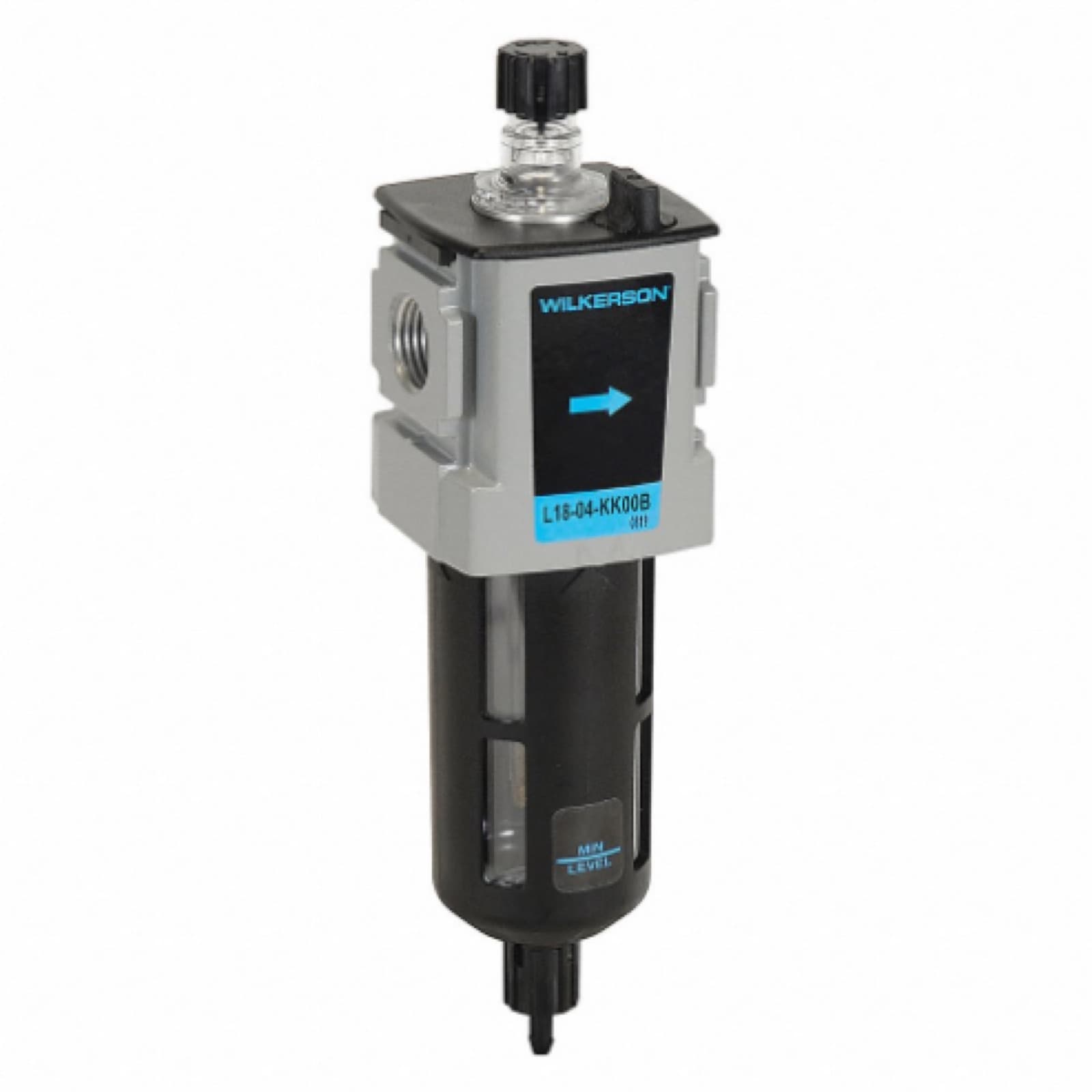
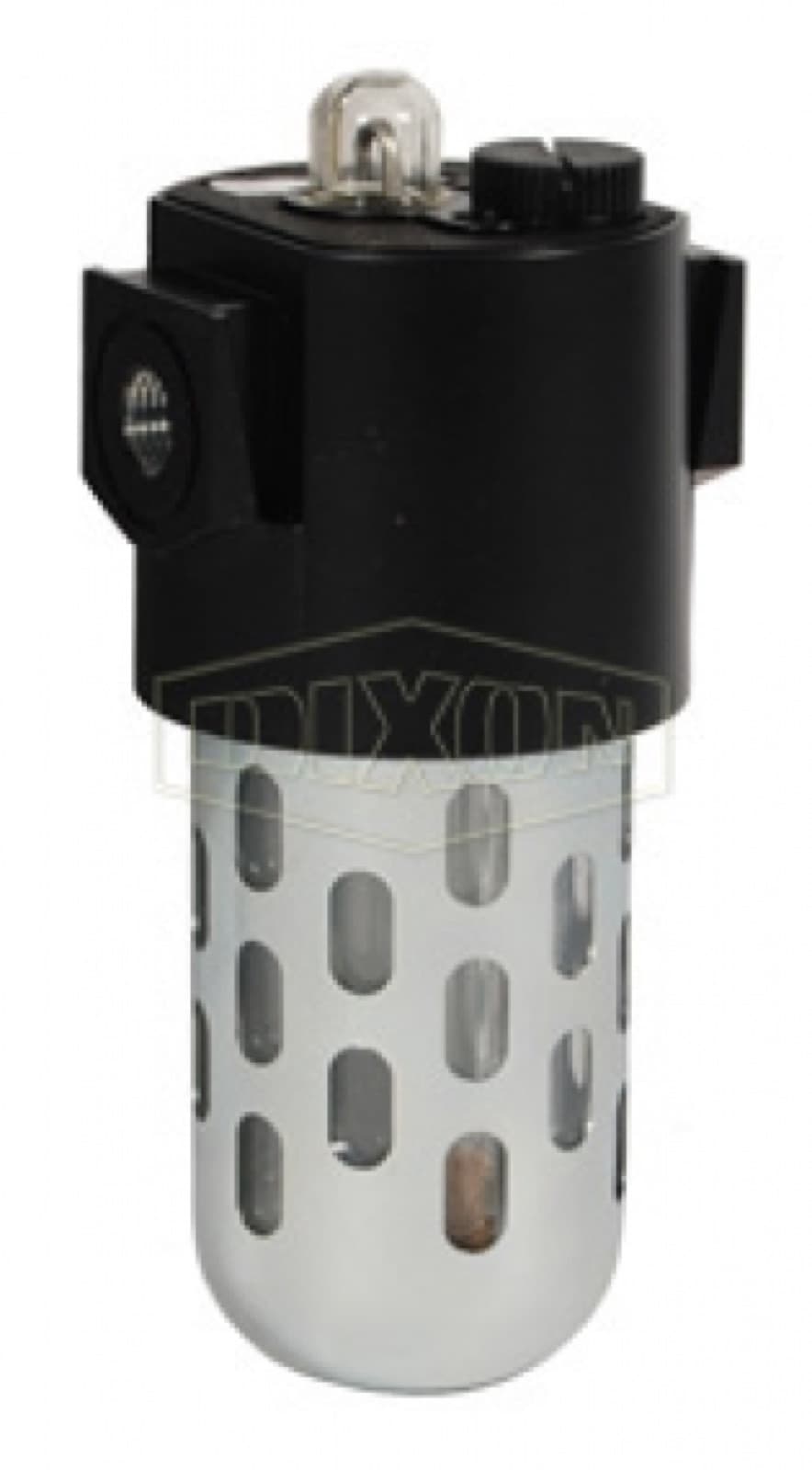
- Only if the equipment asks for oiled air. Most air tools and vane air motors need lubrication. Many modern valves and cylinders are greased for life and are meant to run on dry air; if you start lubricating one, the oil can wash out its factory grease and you then have to keep lubricating it. Follow the maker's instruction for each machine.
- 04Why is there still water in my air line after the filter?
- Because a filter removes liquid water, not vapour. In hot, humid conditions the air carries a lot of vapour; if it is still warm when it reaches the filter, the vapour passes through and condenses further downstream as the air cools. A dryer after the receiver and working drains on every low point, receiver and filter bowl are the fix. Automatic drains, including the SMC, Ingersoll Rand and Dynaquip ones on this shelf, save emptying bowls by hand.
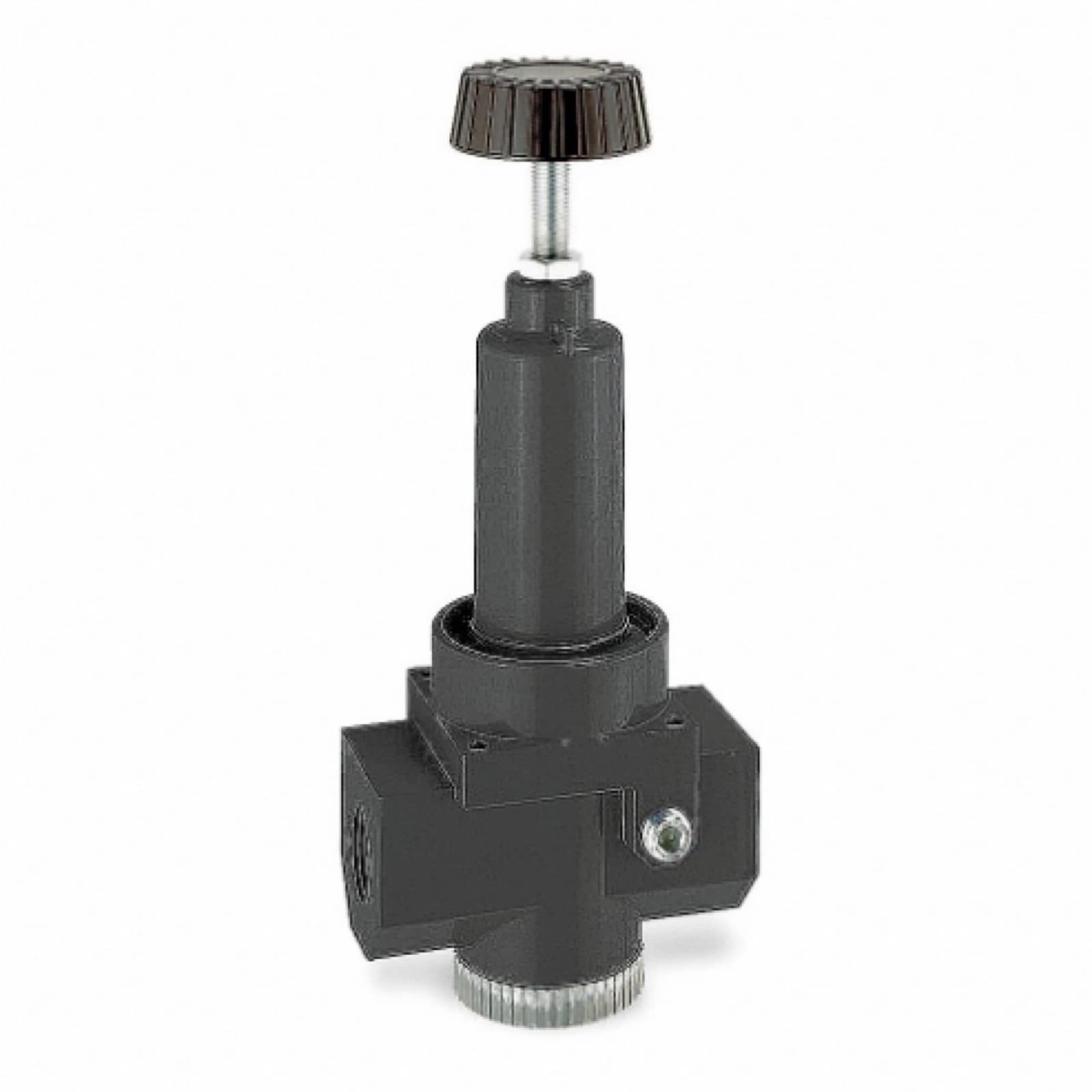
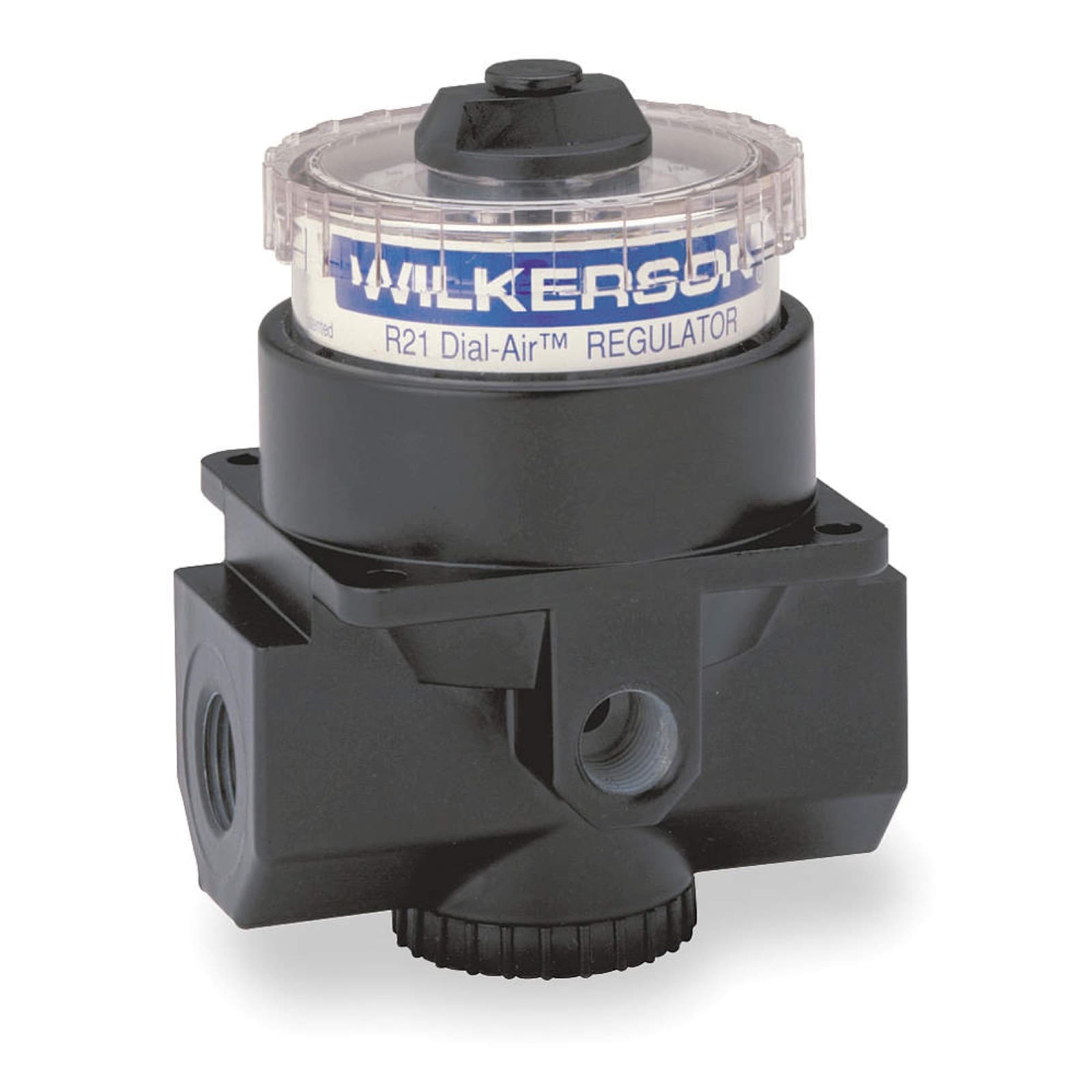
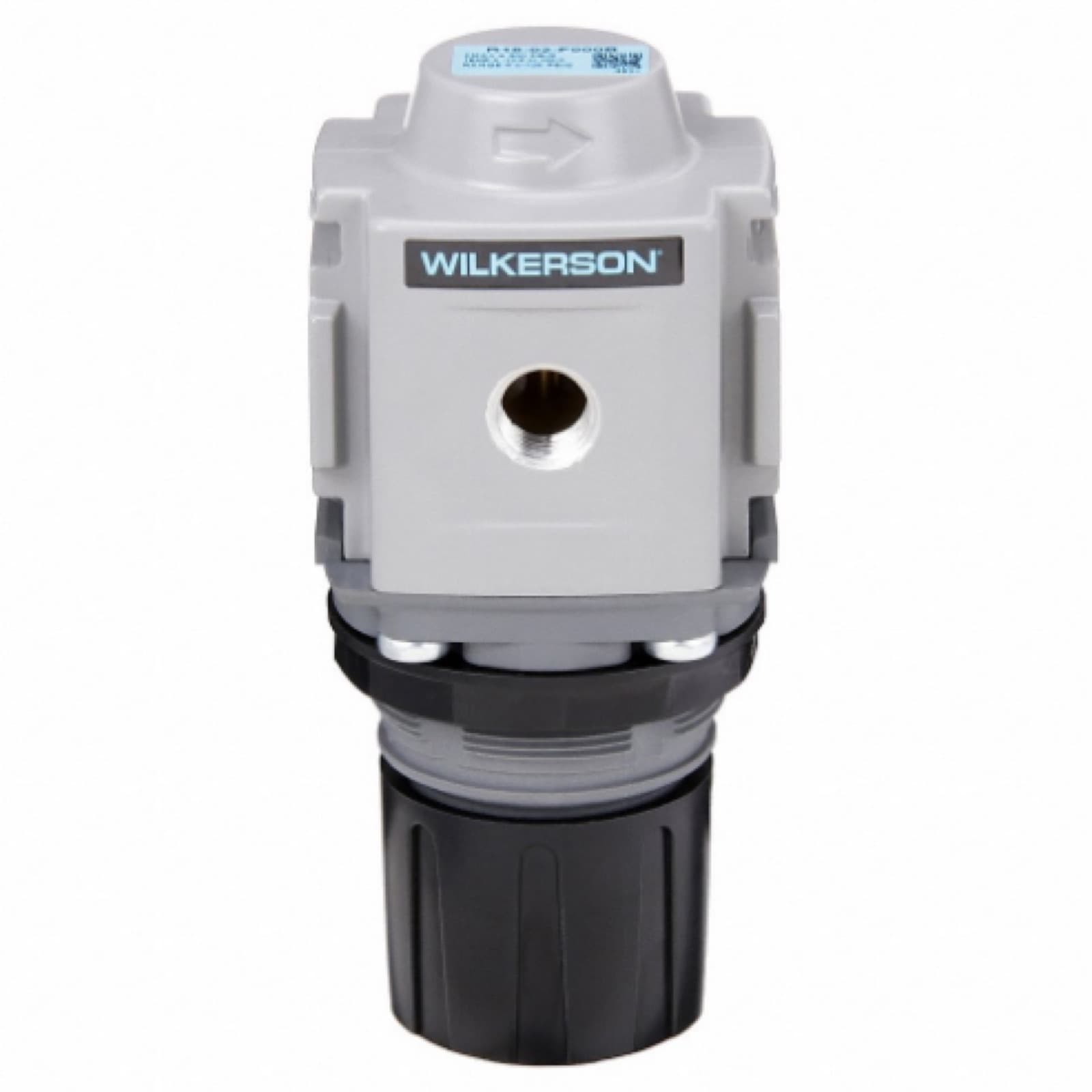
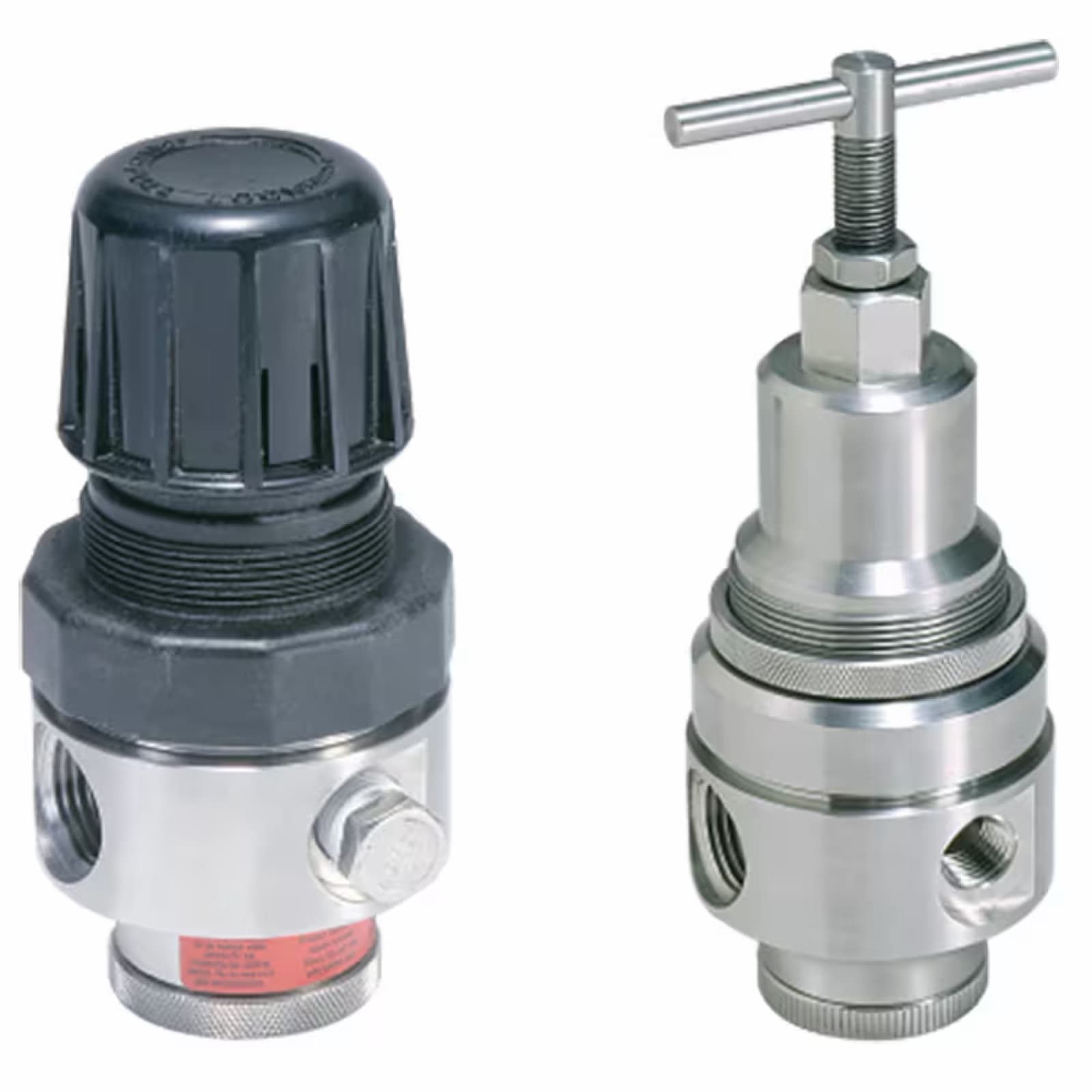
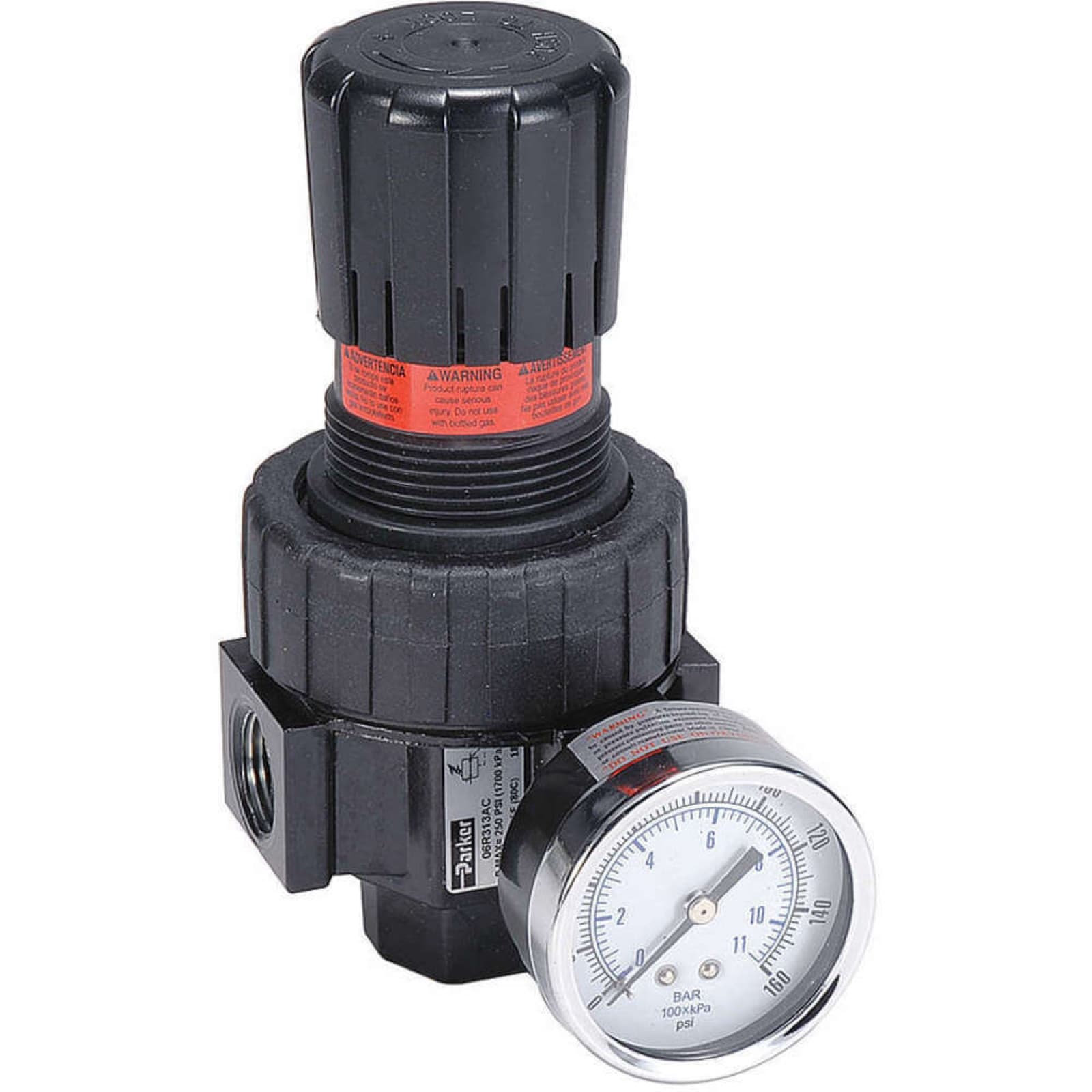
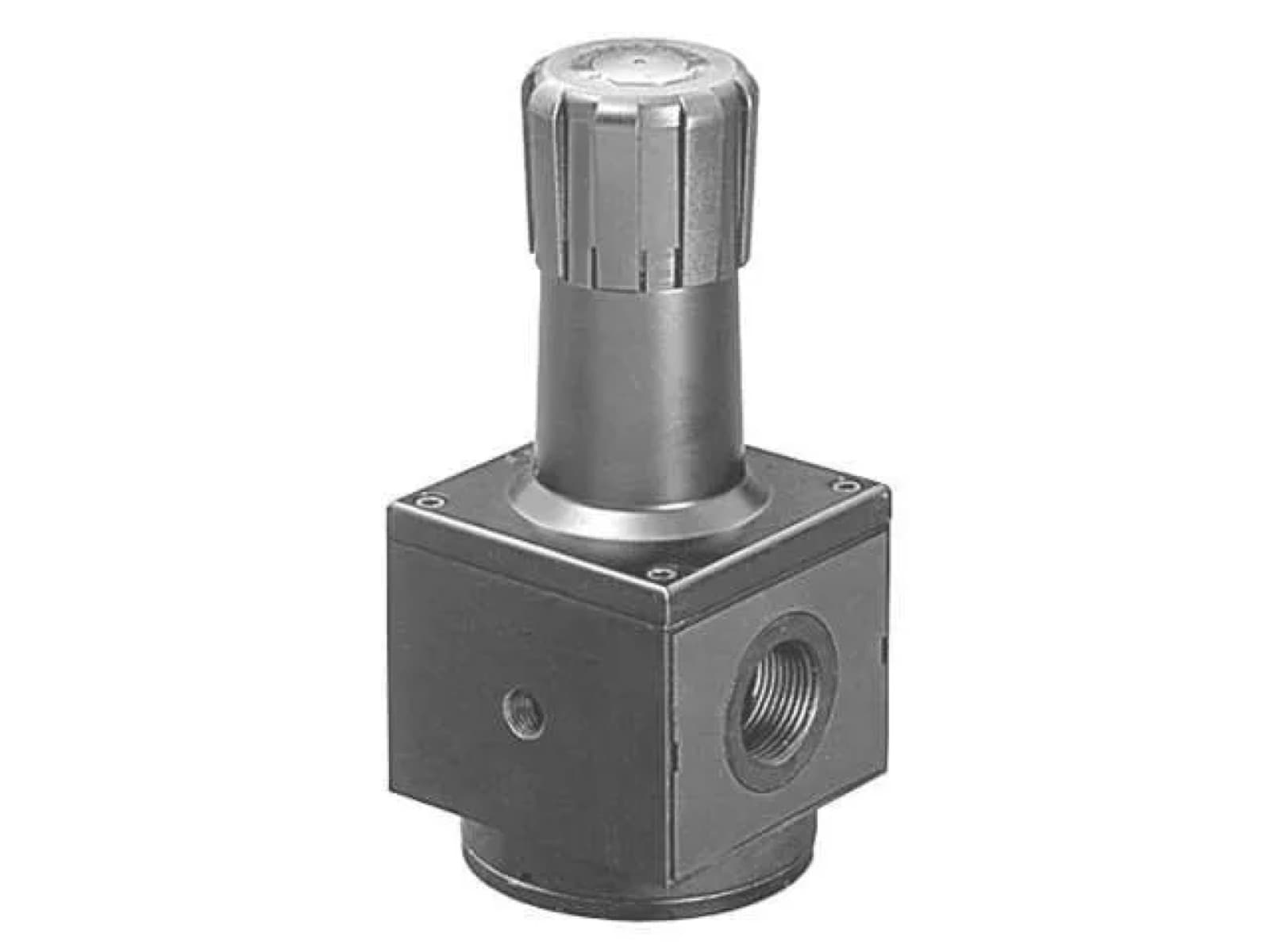
- 05What is a relieving regulator?
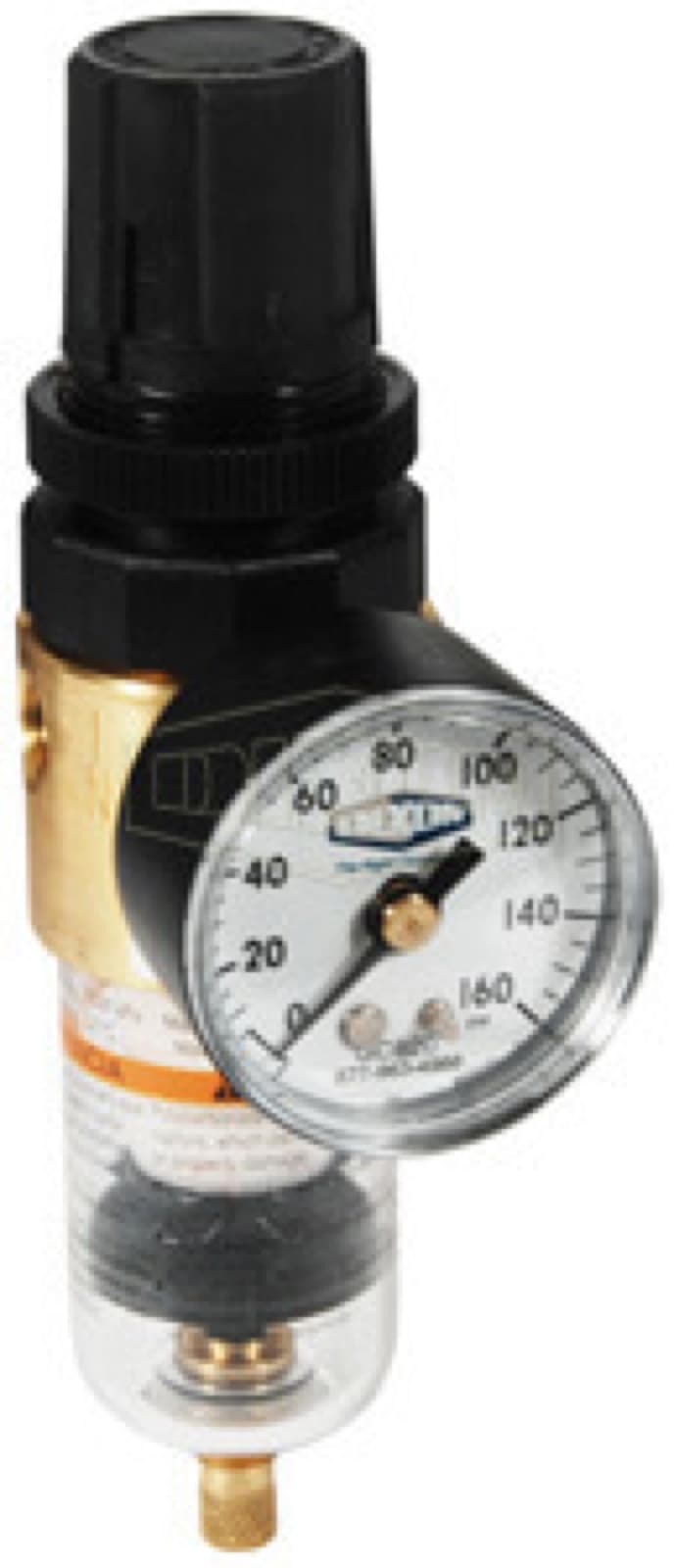
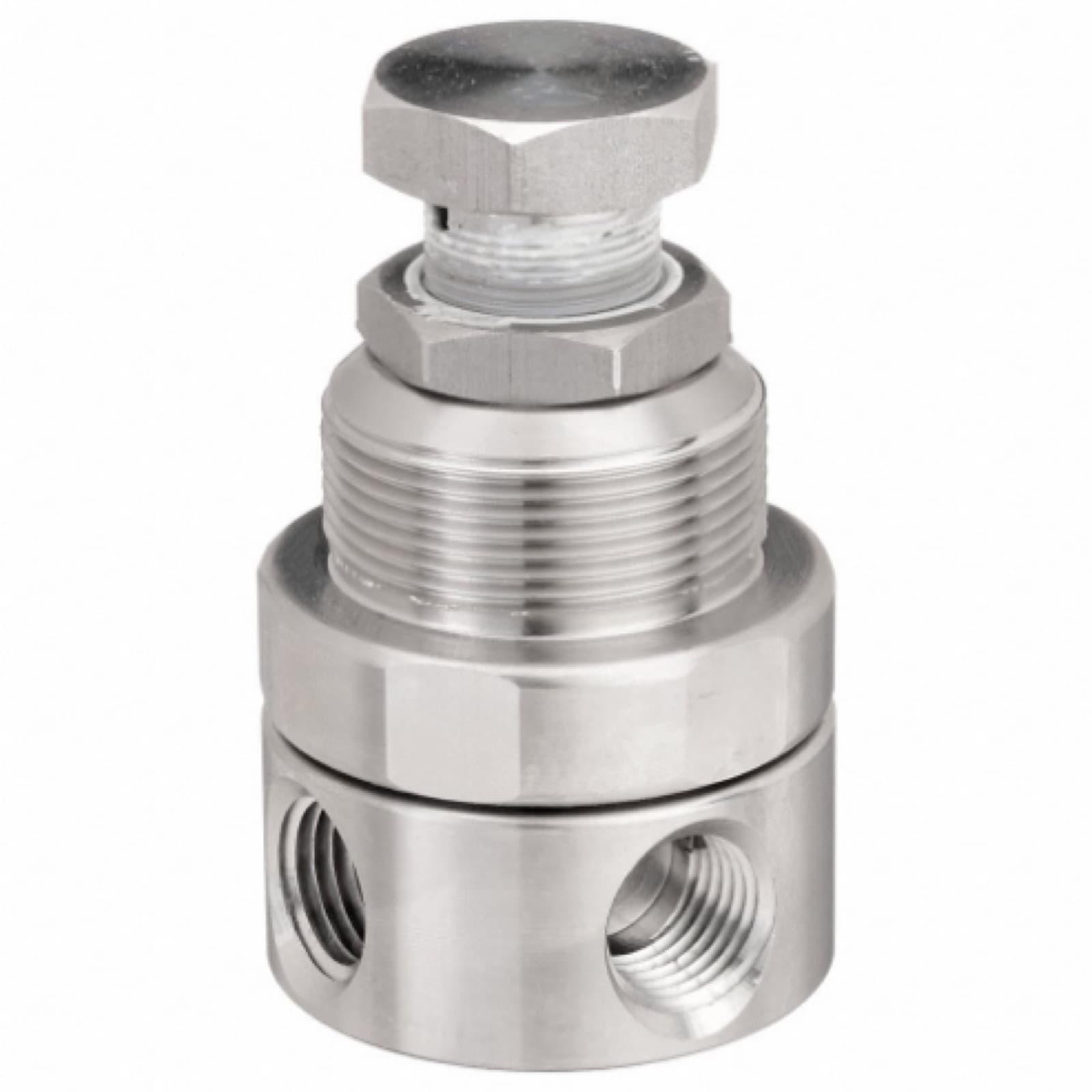
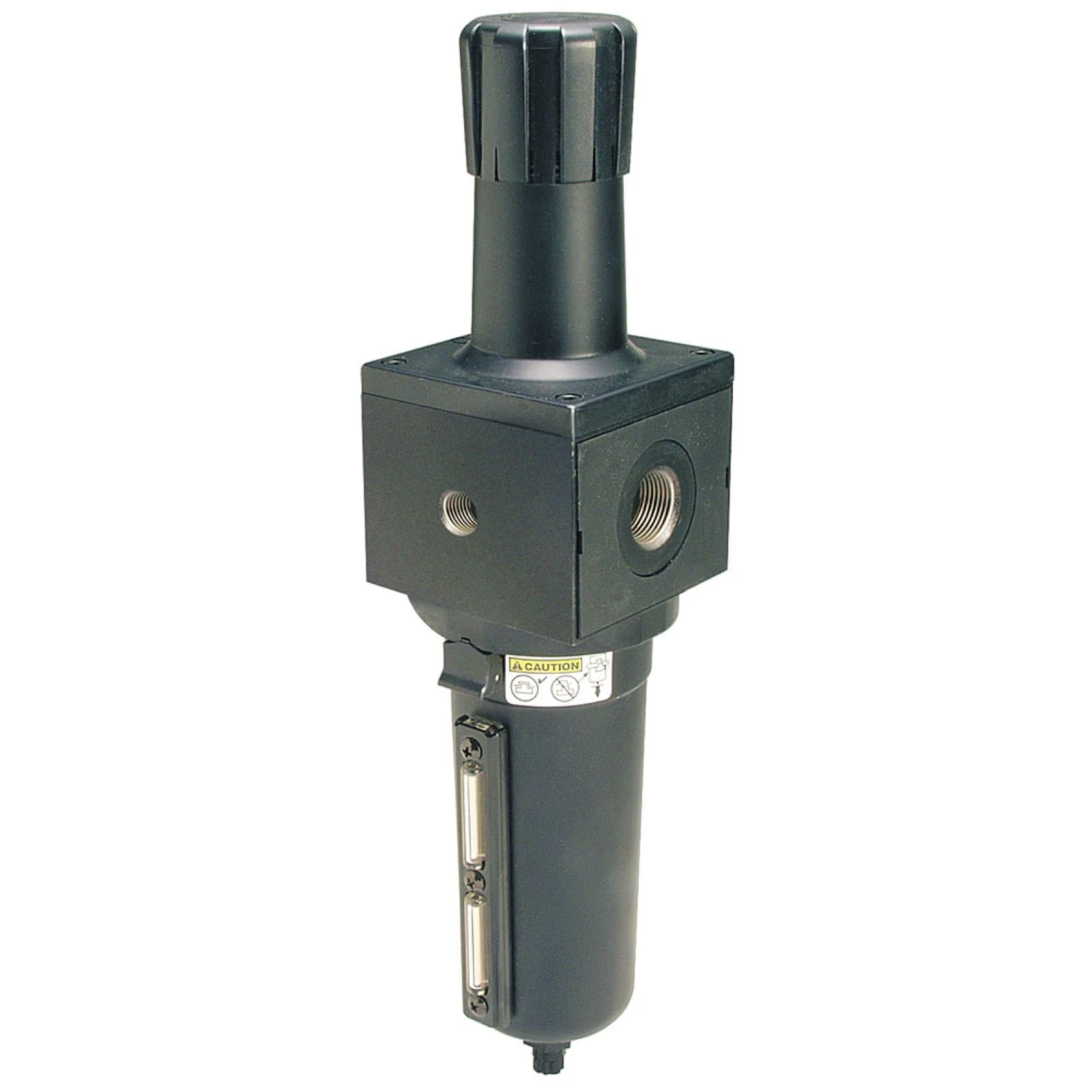
- A regulator that vents excess downstream pressure through its bonnet. When you turn the set point down, a relieving regulator lowers the downstream pressure straight away; a non-relieving one holds the higher pressure until the air is used. Relieving is the usual choice; non-relieving suits gases or places where venting is not wanted.
- 06When should I change a filter element?
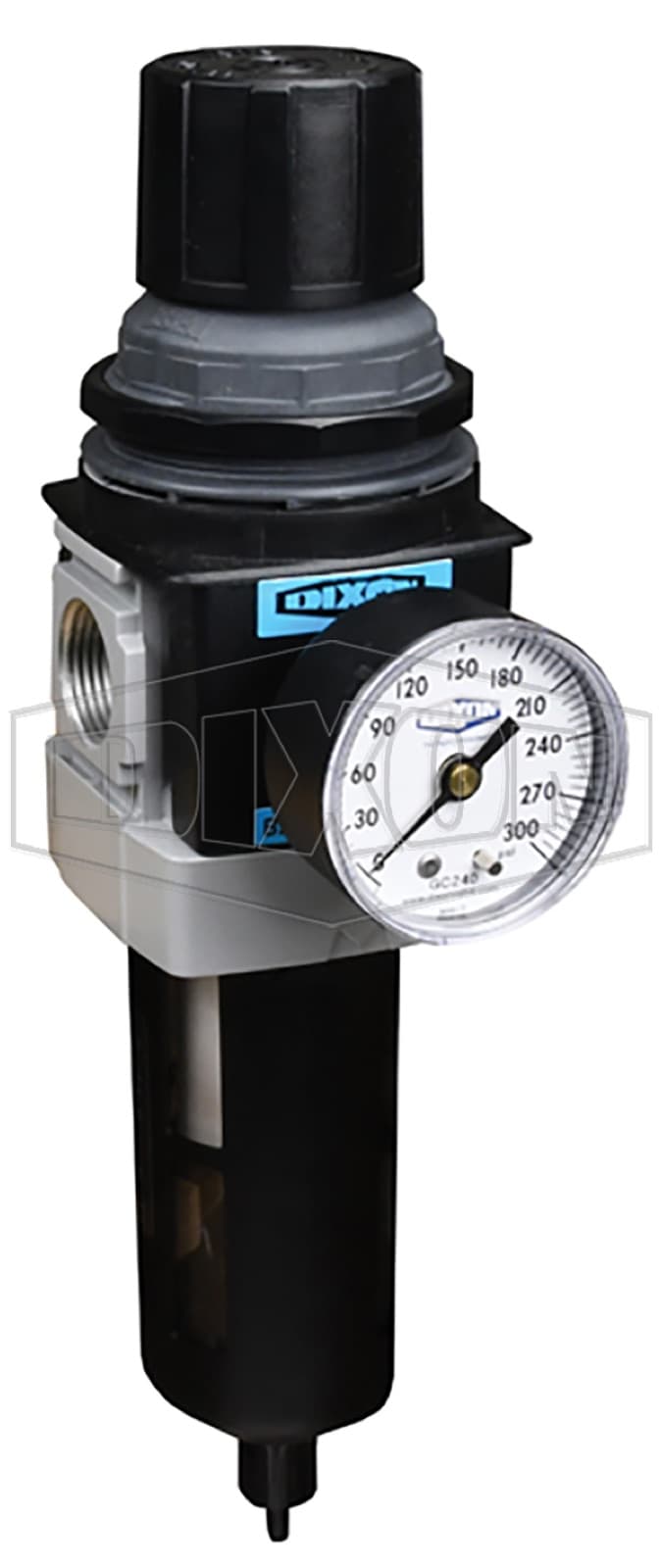
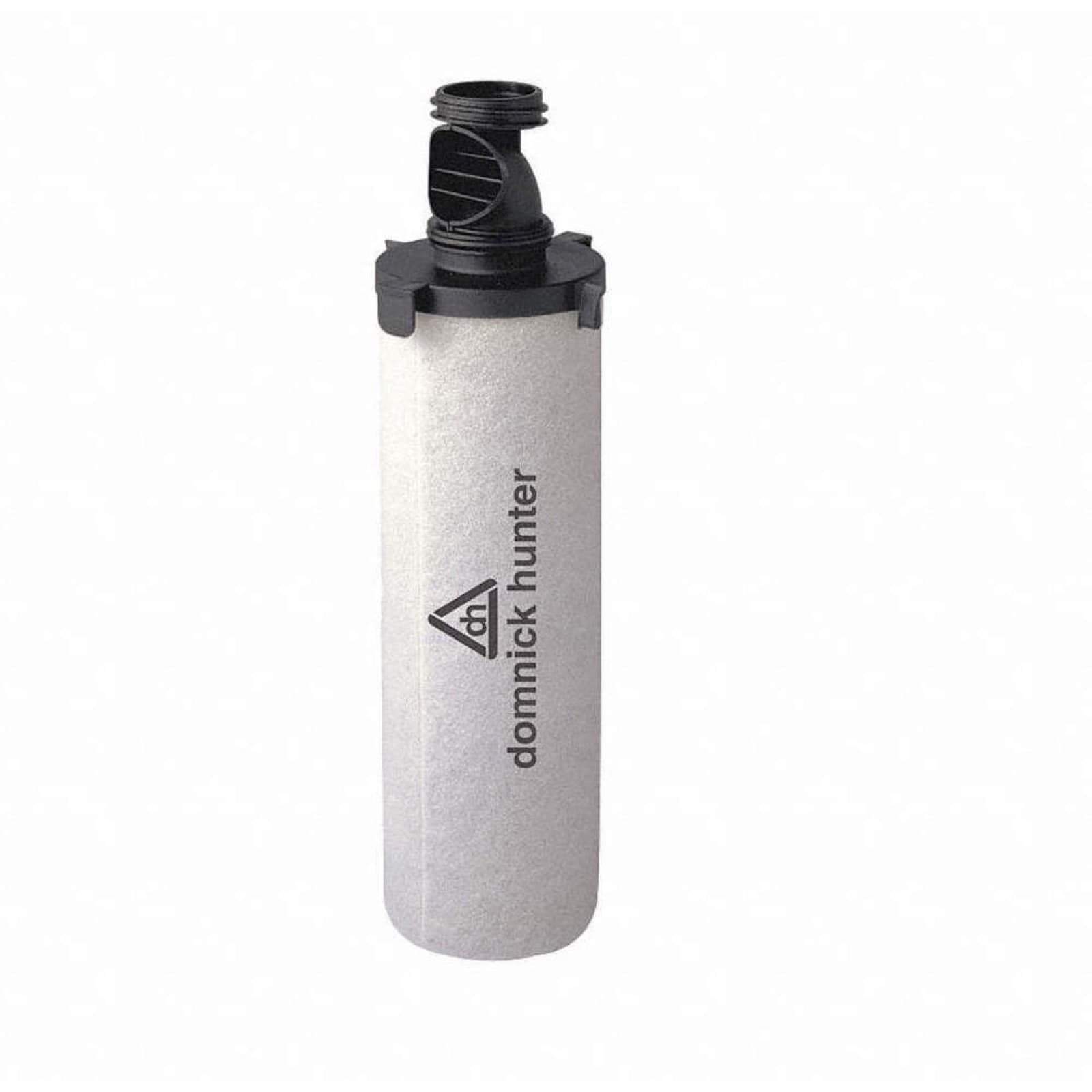
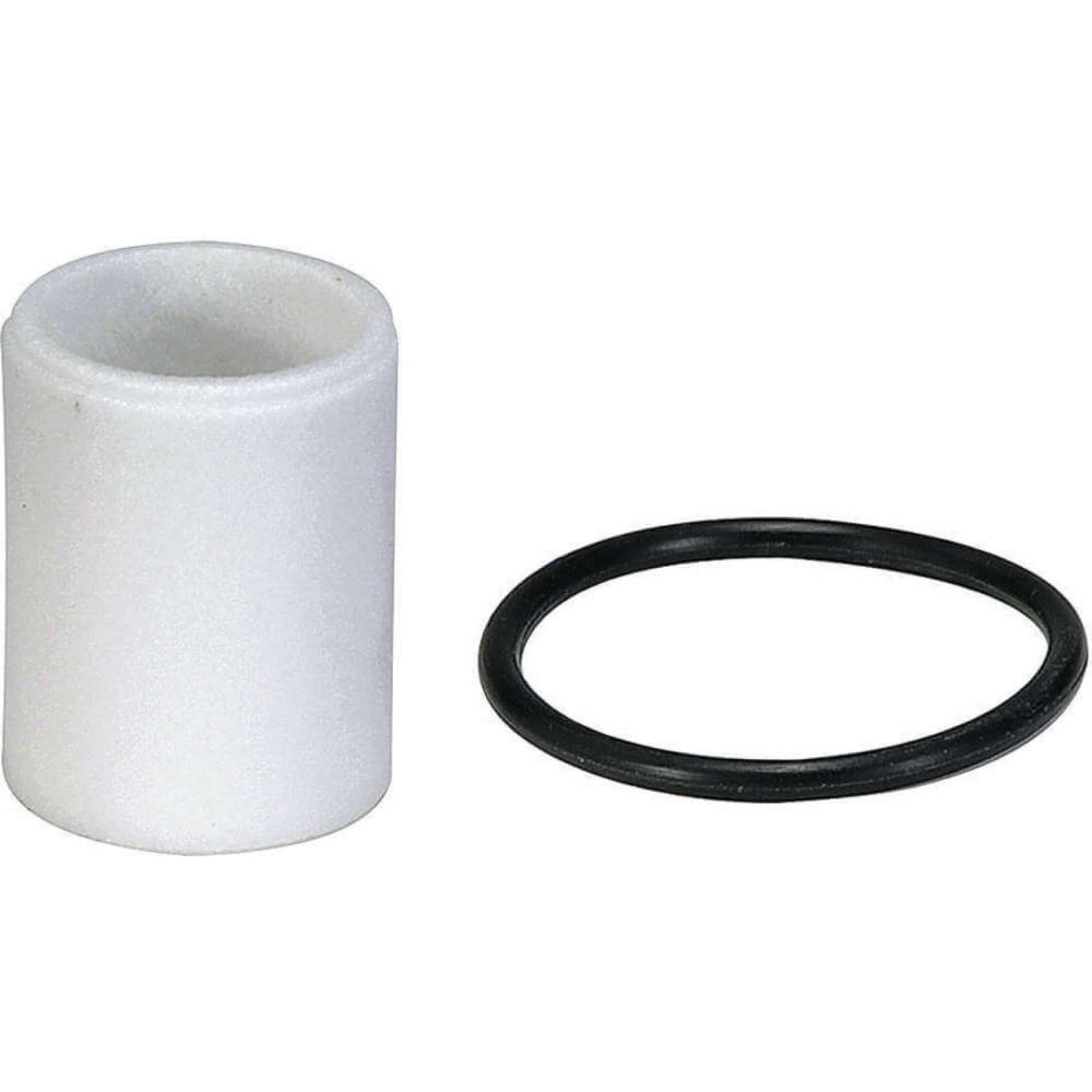
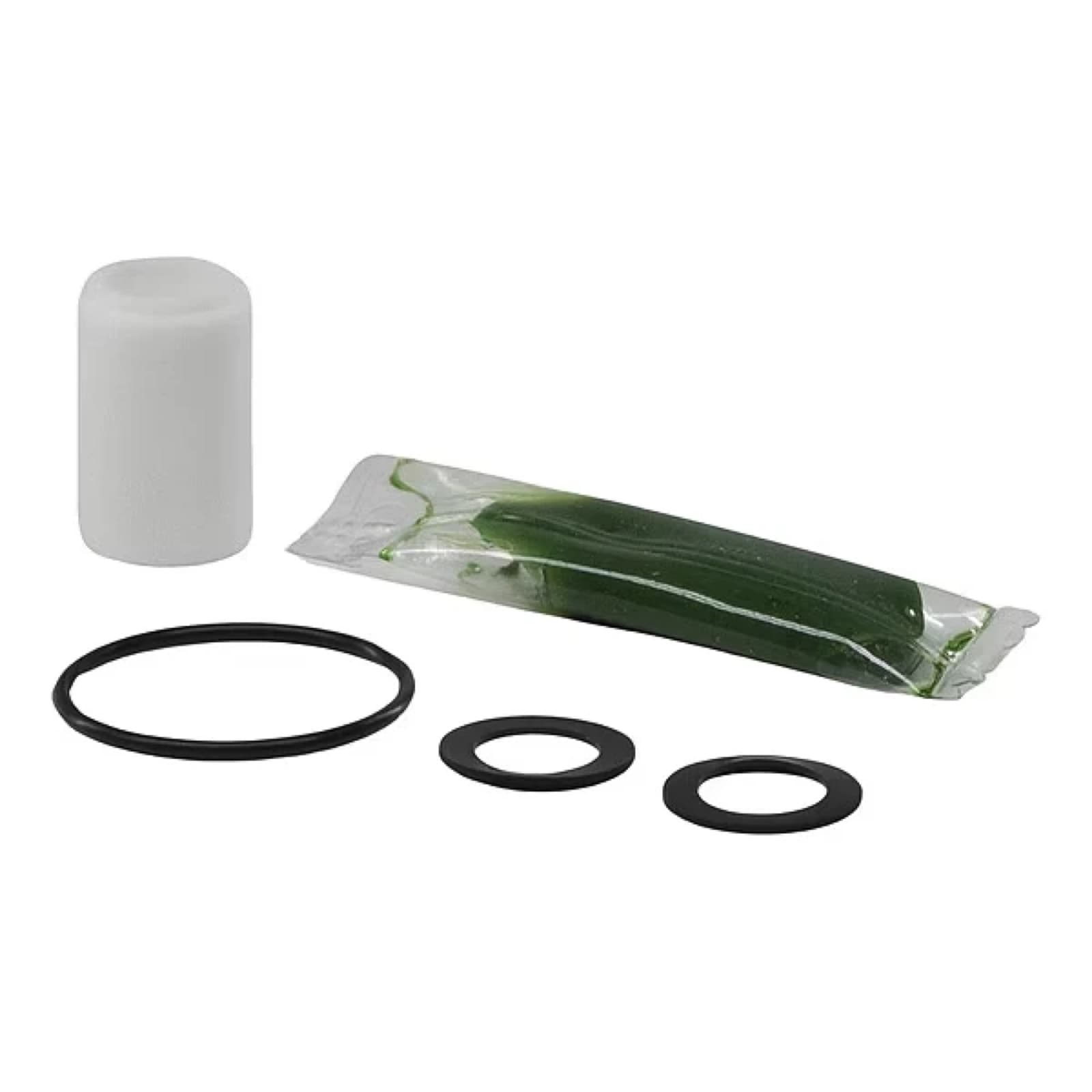
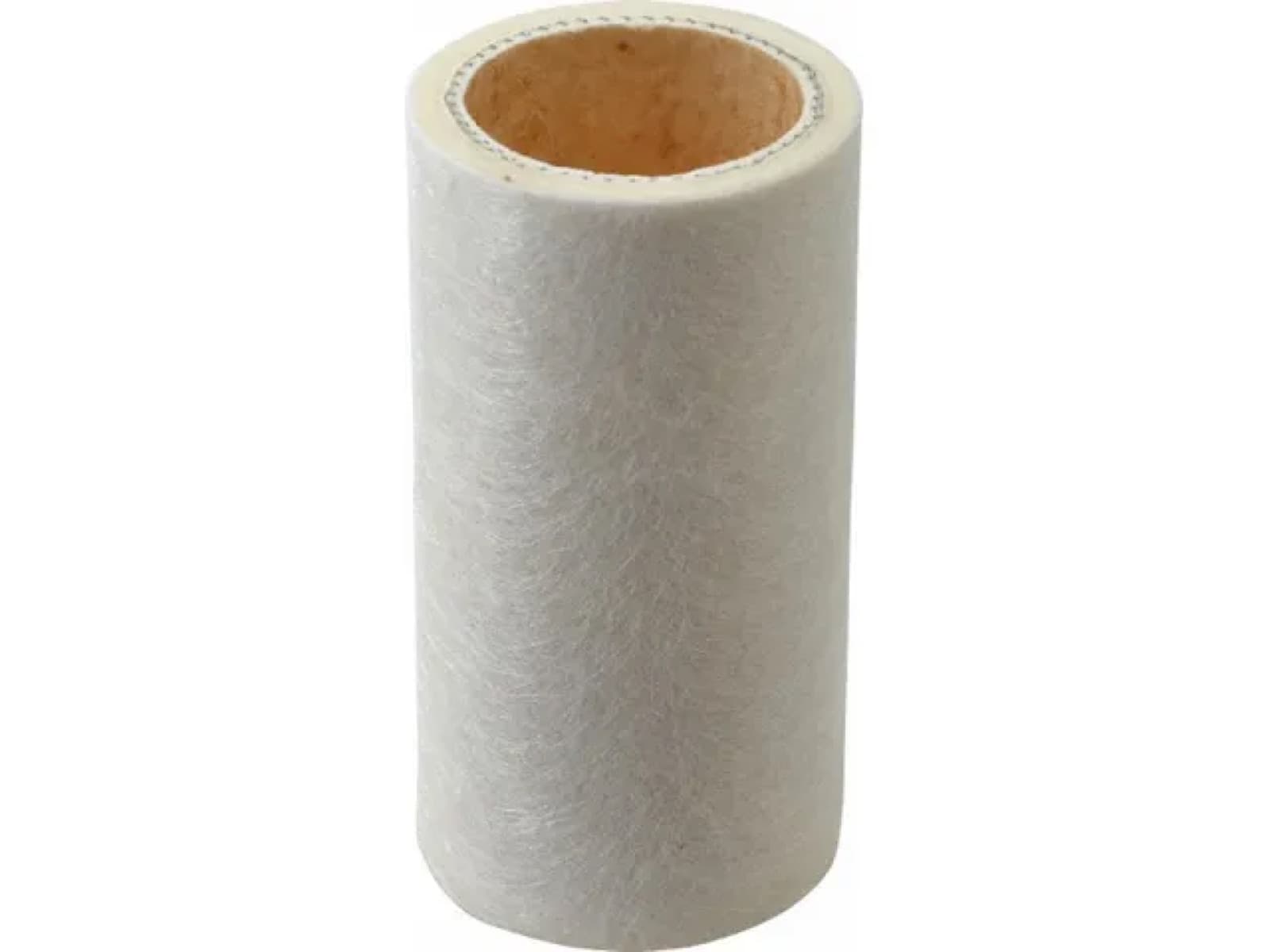
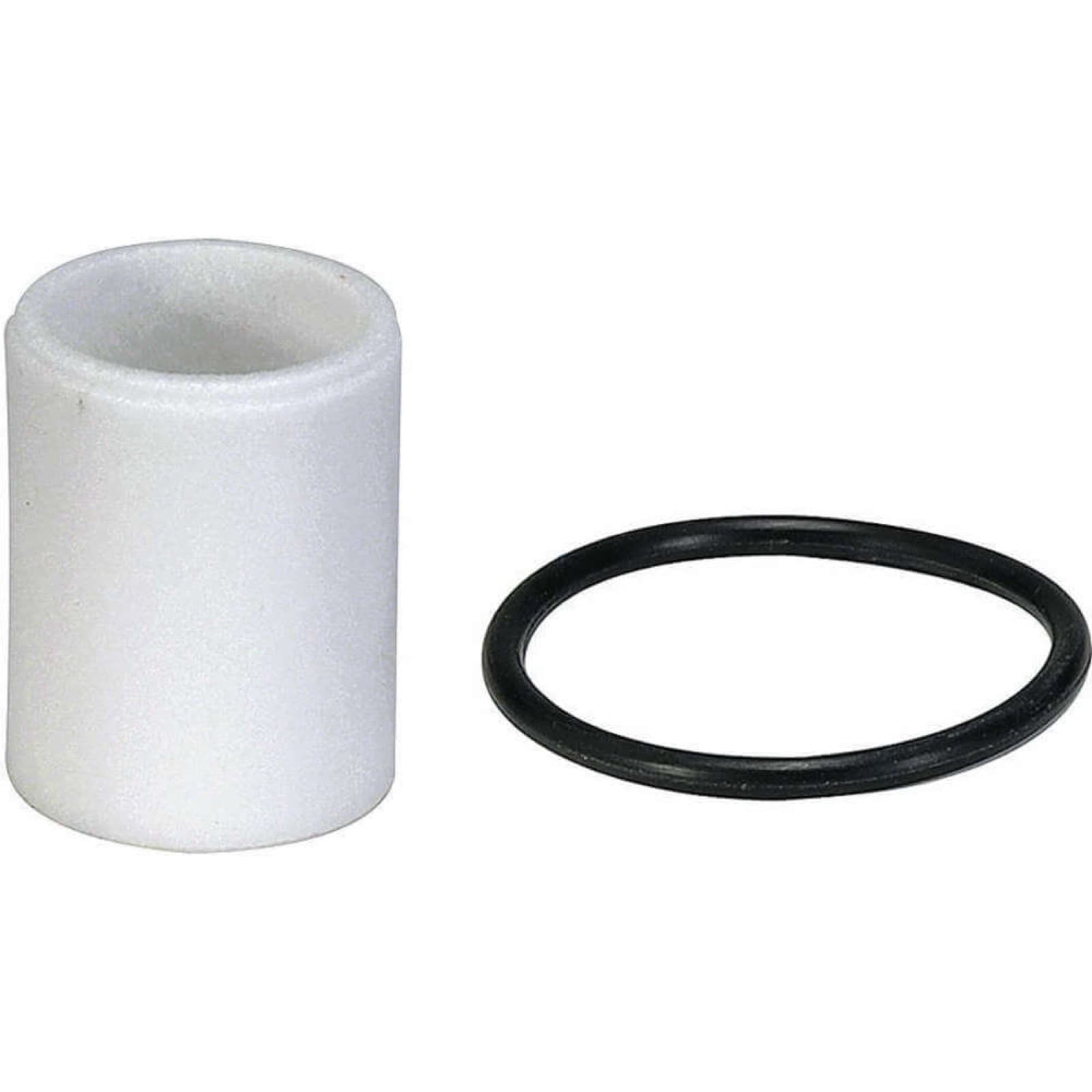
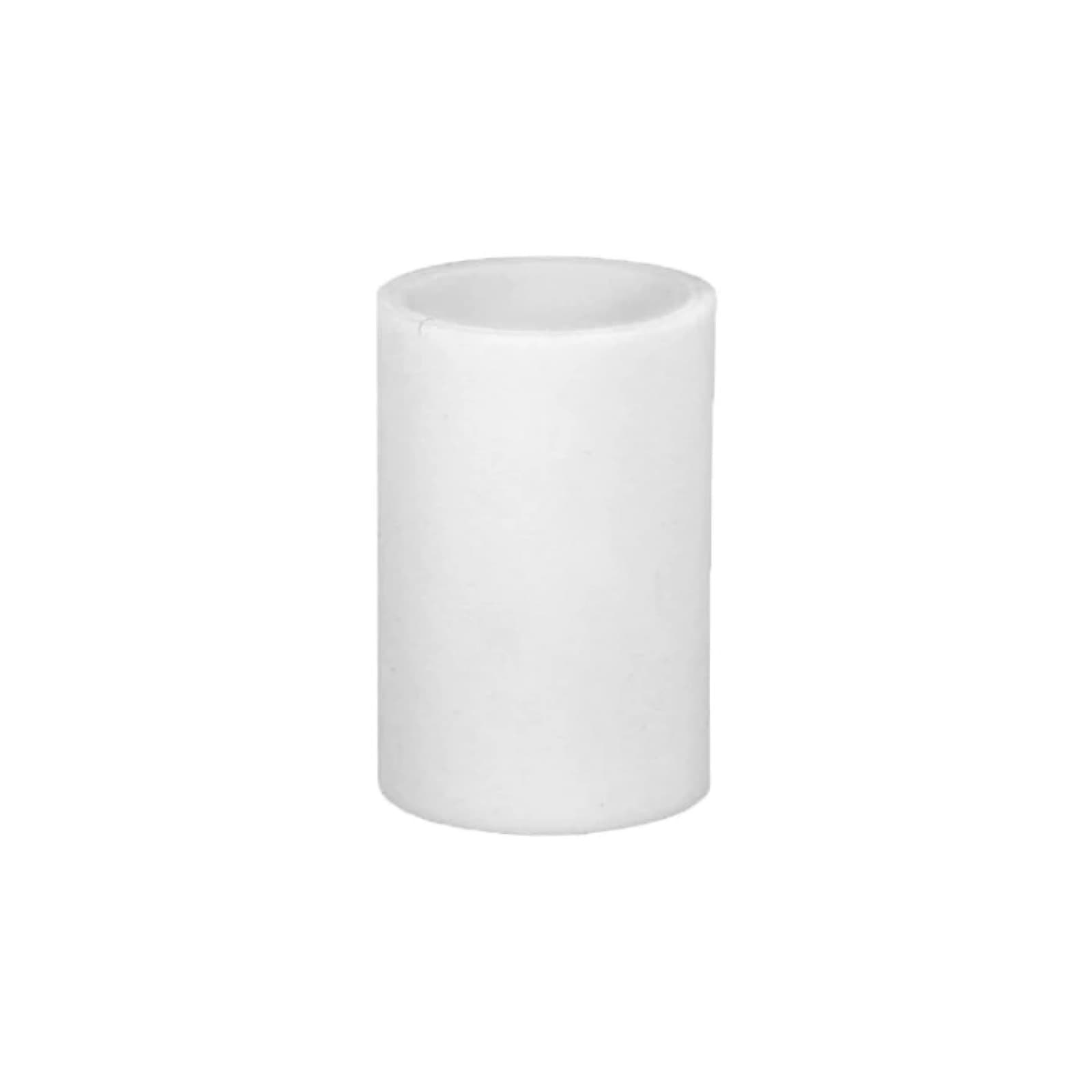
- When the pressure drop across the filter reaches the limit the maker gives, or at the maker's service interval, whichever comes first. A blocked element starves the equipment downstream and wastes energy. Many filters have a differential pressure indicator that shows when. This shelf carries replacement elements for Parker, ARO, Dixon, Ingersoll Rand, Gast and Numatics filters, among others; quote the element part number or the filter model.