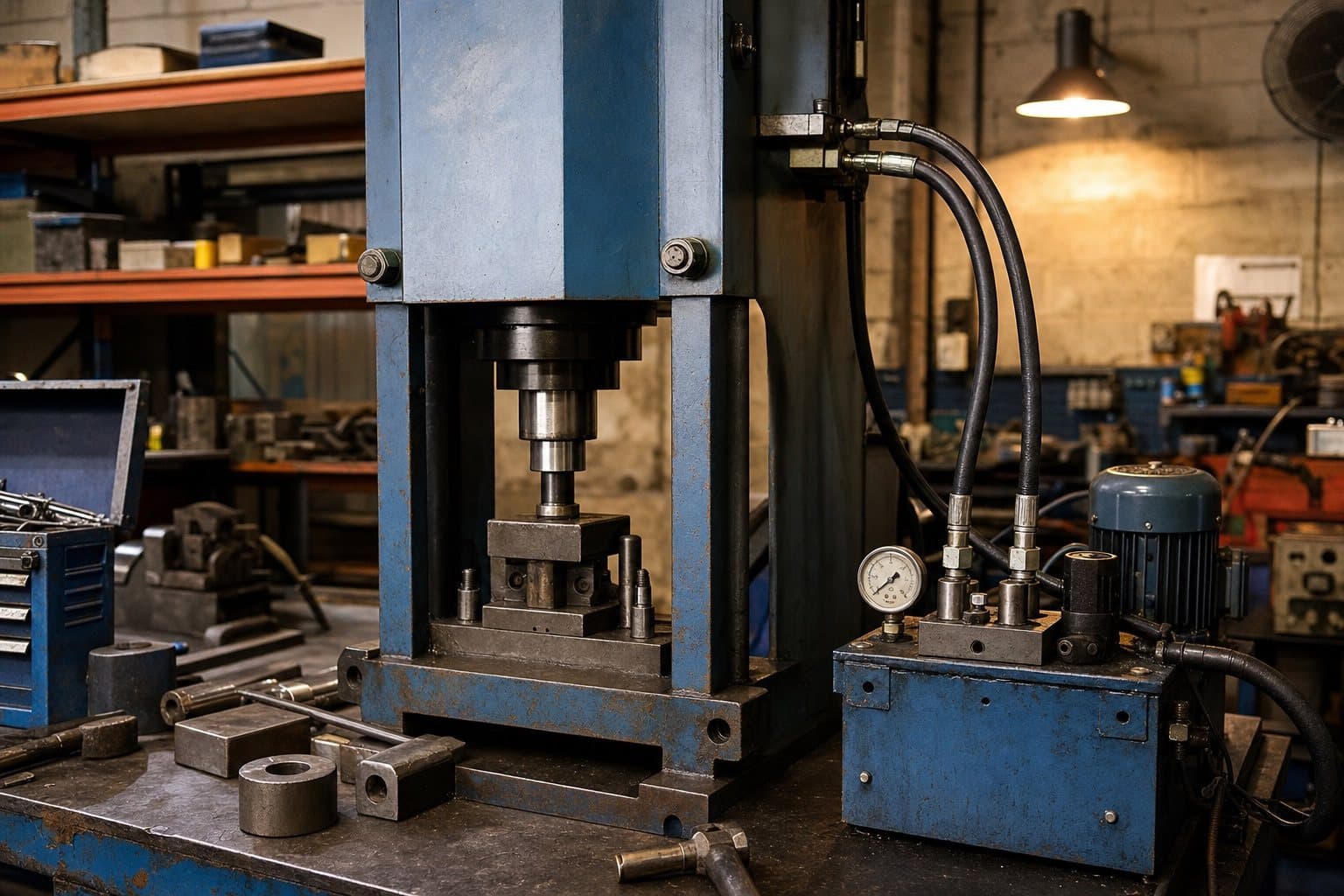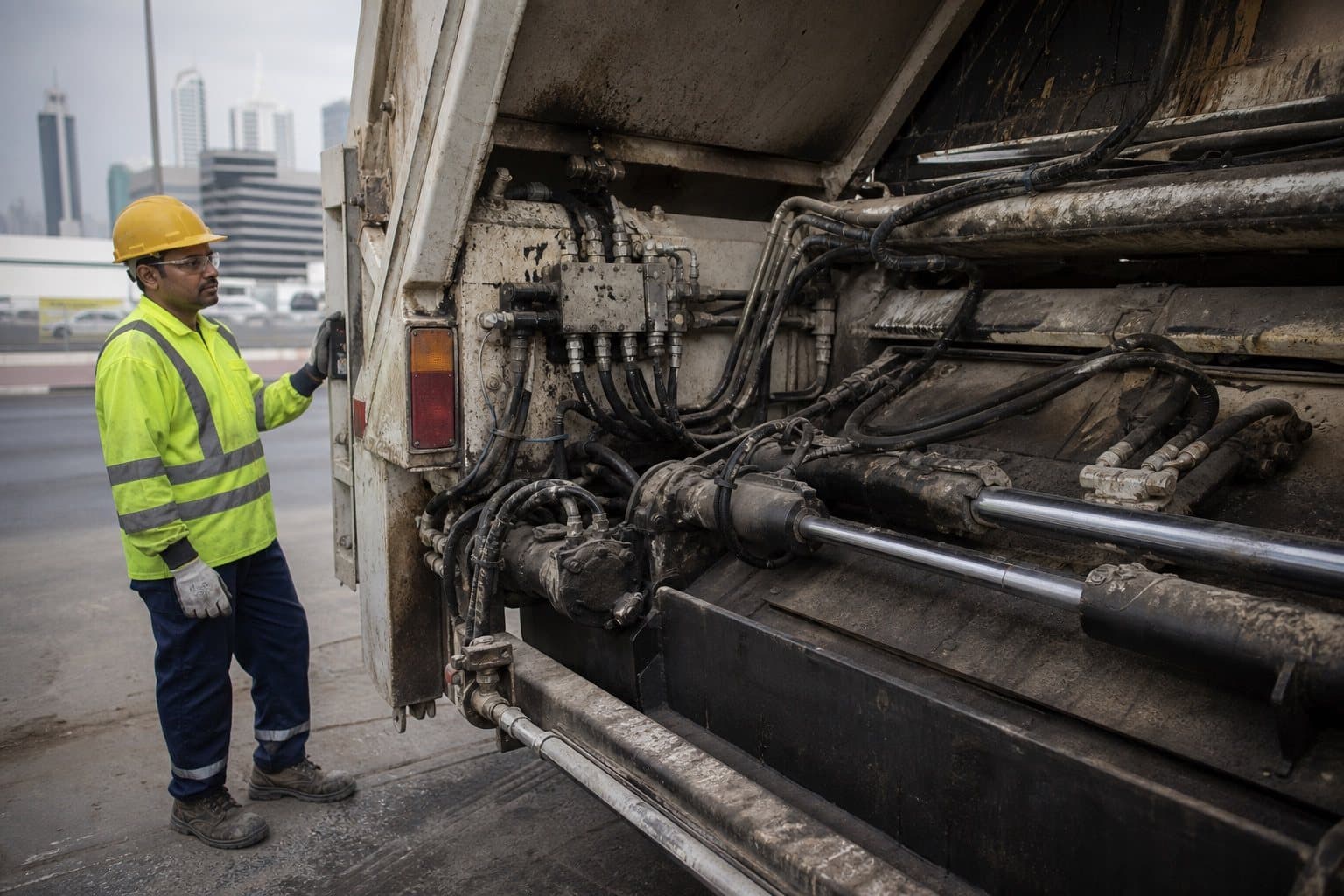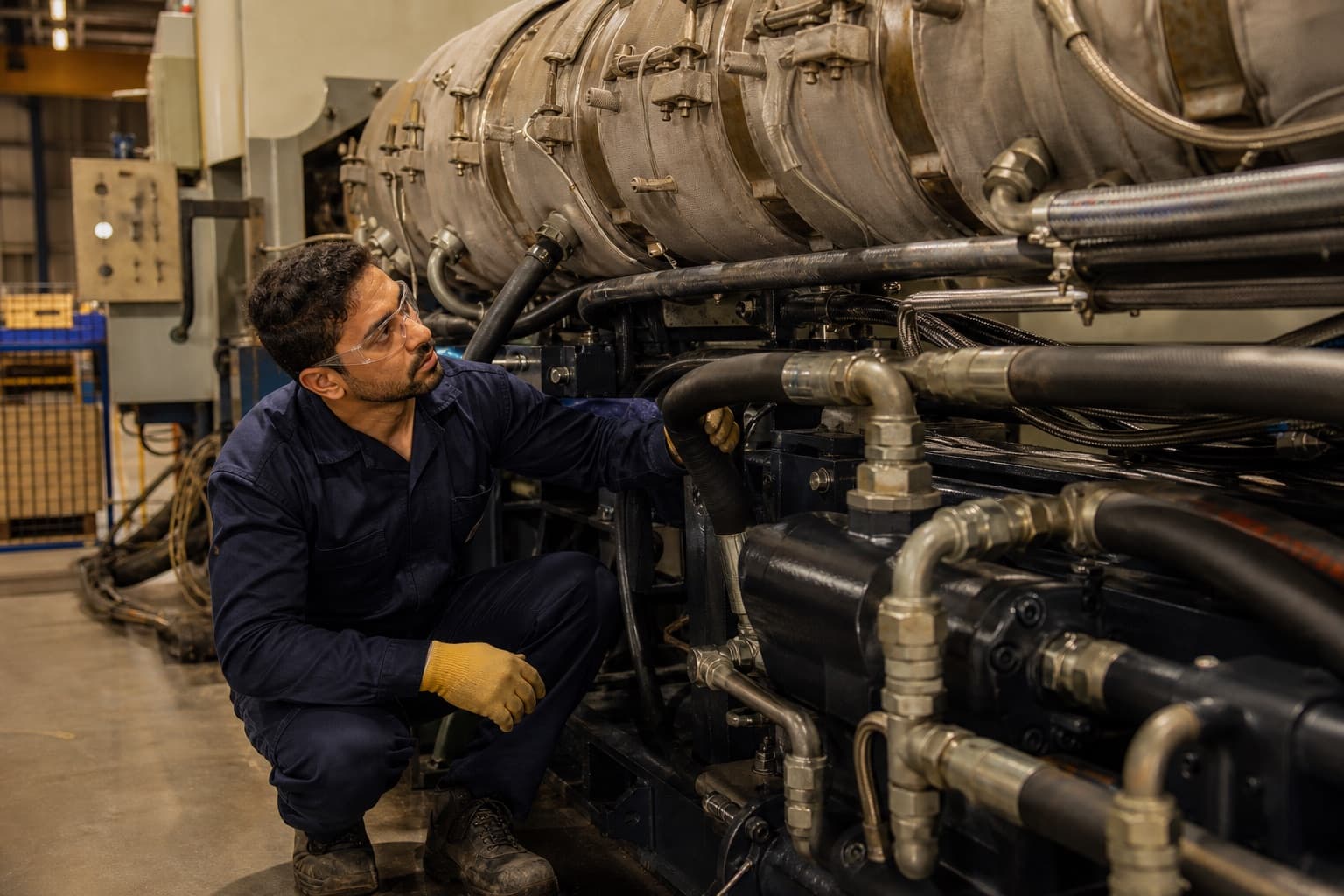
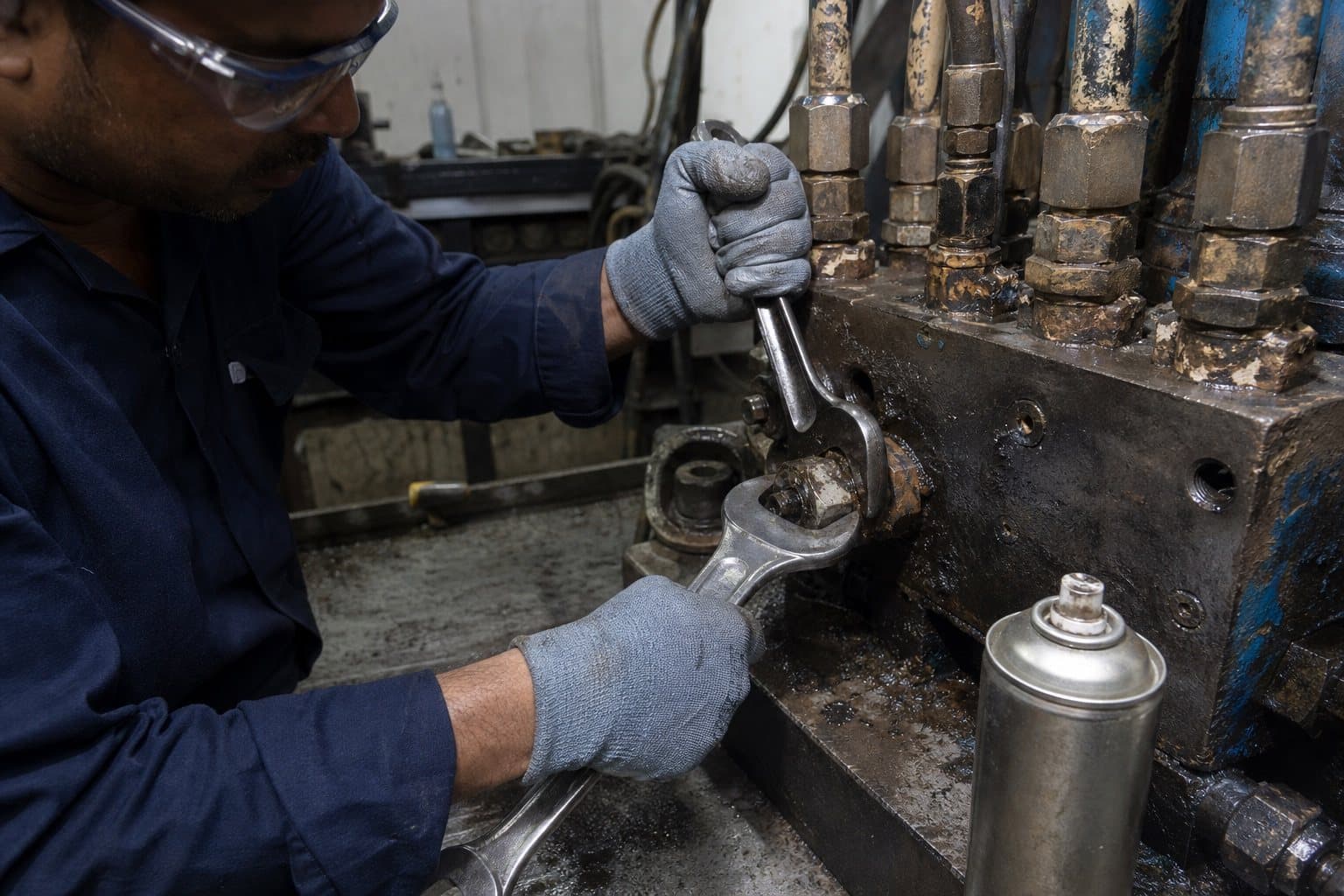
Every workshop has the same photograph somewhere: a rounded union nut, a bright scar across a manifold face, and a machine that went from a one-hour hose change to a three-day parts wait. It is rarely a strength problem. It is an order-of-operations problem.
/01Before a wrench touches anything.
| Step | Why |
|---|---|
| Clean the joint before startingHighlighted | Grit under a wrench rounds a hex, and grit in an open port is the next failure |
| Photograph the routing and orientation | The replacement has to go back the same way, elbows and all |
| Have caps and plugs ready | An open port collects dust from the moment it is open |
| Have a drain tray under it | Both for the environment and so you can see whether you are making progress |
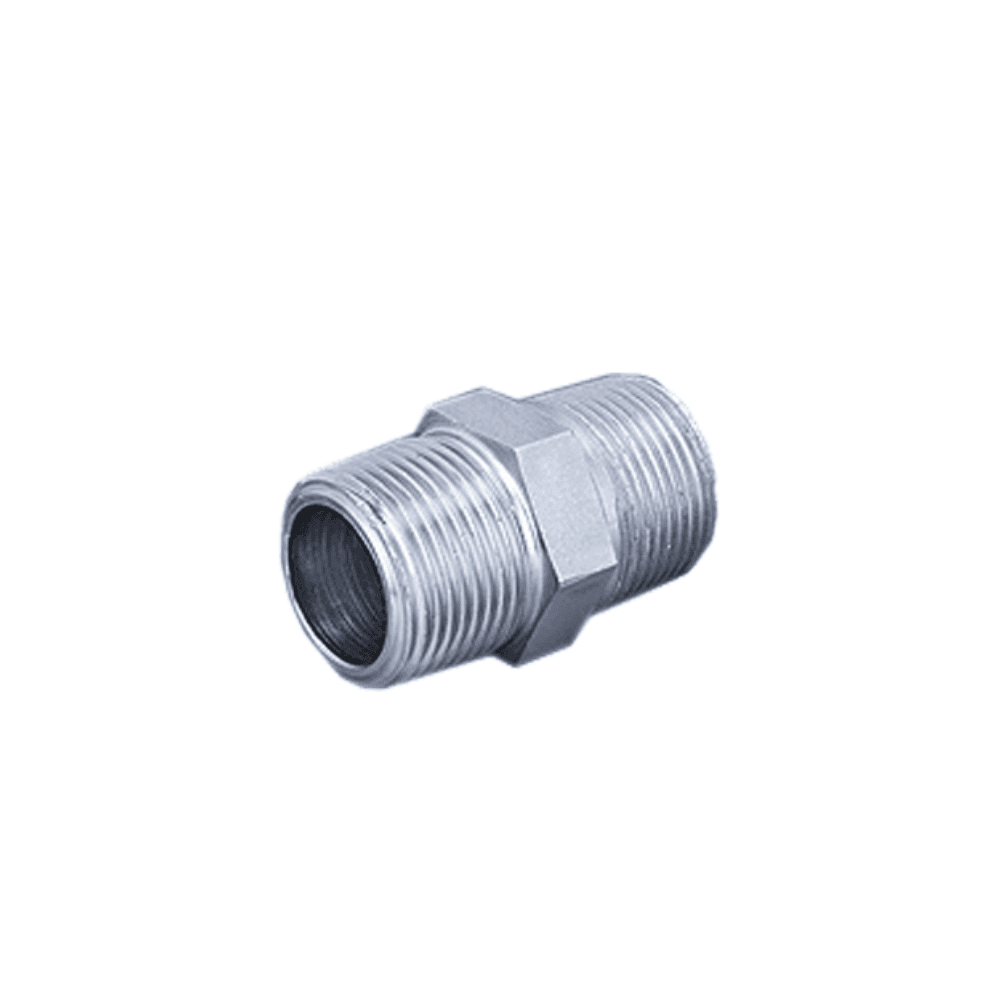
| Identify the port adapter as well as the hose endHighlighted | You may be about to remove both, whether or not you intended to |
/02Cut the hose off.
This feels destructive and is the single biggest improvement to the odds. A whole assembly gives leverage in the wrong direction, springs back, and fills the space you need for a second wrench. Cut the hose a hand’s width from the fitting and work on the stub. You now have a short, rigid handle, clear access, and no oil arriving from the rest of the line. Plan to replace what you cut: a new hose end and, if the port fitting fought you, a new adapter as well.
/03Penetrant, patience, heat.
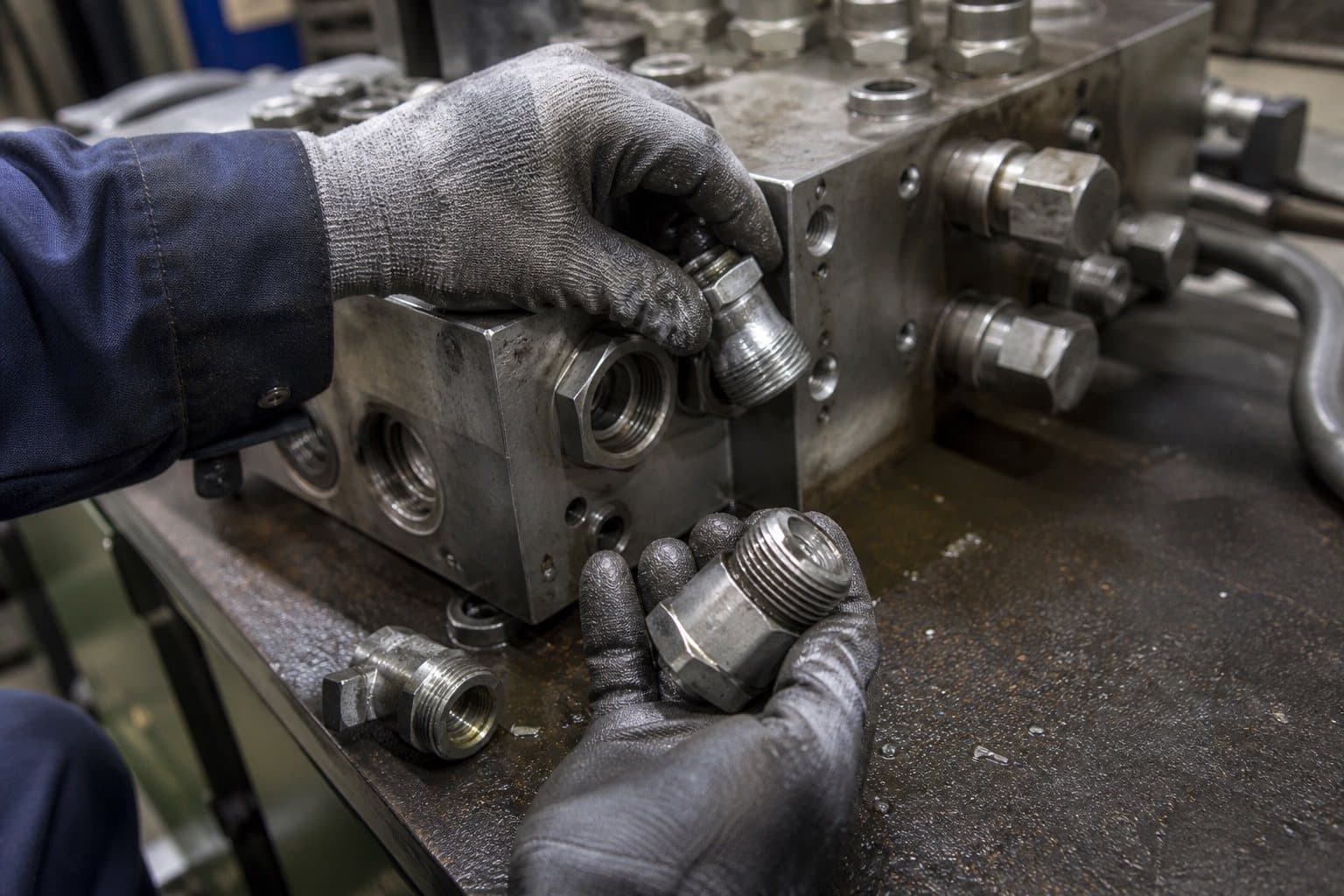
Escalating in the right order
Each step is more likely to cause damage than the one before it, which is the order to try them in.
IfPenetrating oil and time
Apply, tap the hex sharply, wait, apply again.
The tapping matters more than the waiting. Vibration draws penetrant along the thread; standing still does very little.
IfA better tool
Six-point socket or a flare nut wrench, not an adjustable spanner.
Most seized fittings are not actually seized. They are being turned by a tool that is deforming the hex instead of loading it.
IfShock rather than steady force
Short sharp loads, alternating tighten and loosen if there is any movement at all.
A quarter flat of tightening often breaks a corrosion bond that will not yield to loosening force alone.
IfHeat
Localised heat on the female component only, never on a hose or a seal you are keeping.
Confirm the port is drained and no residual oil is present, keep a fire watch, and stay away from painted surfaces, wiring and anything elastomeric. Do not heat aluminium castings — the expansion works against you and the material yields.
IfStill solid, and the hex is deforming
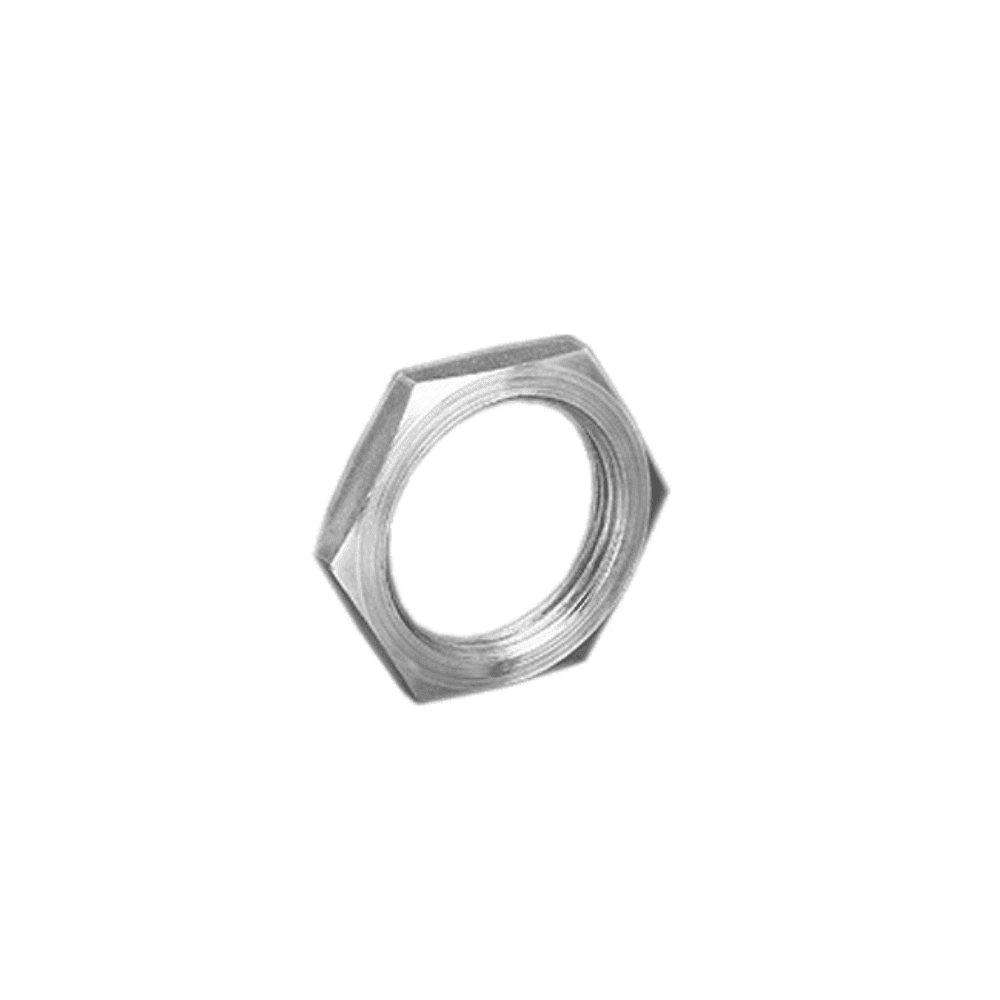
Stop. Split the nut with a nut splitter, or remove the adapter and the fitting together.
Removing the adapter and dealing with the pair on a bench is almost always cheaper than continuing on the machine.
/04Knowing when to stop.
| What you see | What it means | Do this instead |
|---|---|---|
| Hex corners going bright and roundingHighlighted | The tool is deforming the nut | Nut splitter, or grip flats with a pipe wrench as a last resort |
| The adapter turning instead of the nut | Your backup wrench slipped or was never fitted | Reset, hold the adapter properly |
| A creaking noise from the manifoldHighlighted | The port is taking the load | Stop immediately — this precedes a crack |
| Movement, then nothing | Thread damage binding it | Work it back and forth with penetrant, do not force through |
| Nothing after heat and shock | It is going to come out as an assembly | Remove adapter and fitting together |
Common questions
- Is it safe to heat a hydraulic fitting?
- Only with the circuit drained at that point, a fire watch present, and heat applied to the female component away from hose, seals, paint and wiring. Never heat a fitting with oil still in it, and avoid heating aluminium or cast housings.
- Should I use an impact gun on a union nut?
- No. Impact rounds the hex and drives shock into the port threads. Use hand tools with a backup wrench; if hand tools will not move it, the answer is a nut splitter, not more impact.
- The adapter came out with the hose. Is that a problem?
- Not usually — it is often the easier outcome. Separate them on the bench, inspect the port threads, and fit a new adapter with the correct sealing method for that port type.
- Can I reuse a fitting that took a lot of force to remove?
- Inspect the seat and threads carefully before deciding. Anything with a marked cone, a stretched thread or a deformed hex is scrap — it is a small part standing in front of a large repair.
- What if the port thread is damaged when it finally comes out?
- Stop and assess before fitting anything. A damaged pressure port is not a place for an improvised repair; what is recoverable depends on the port type and where the seal actually happens.