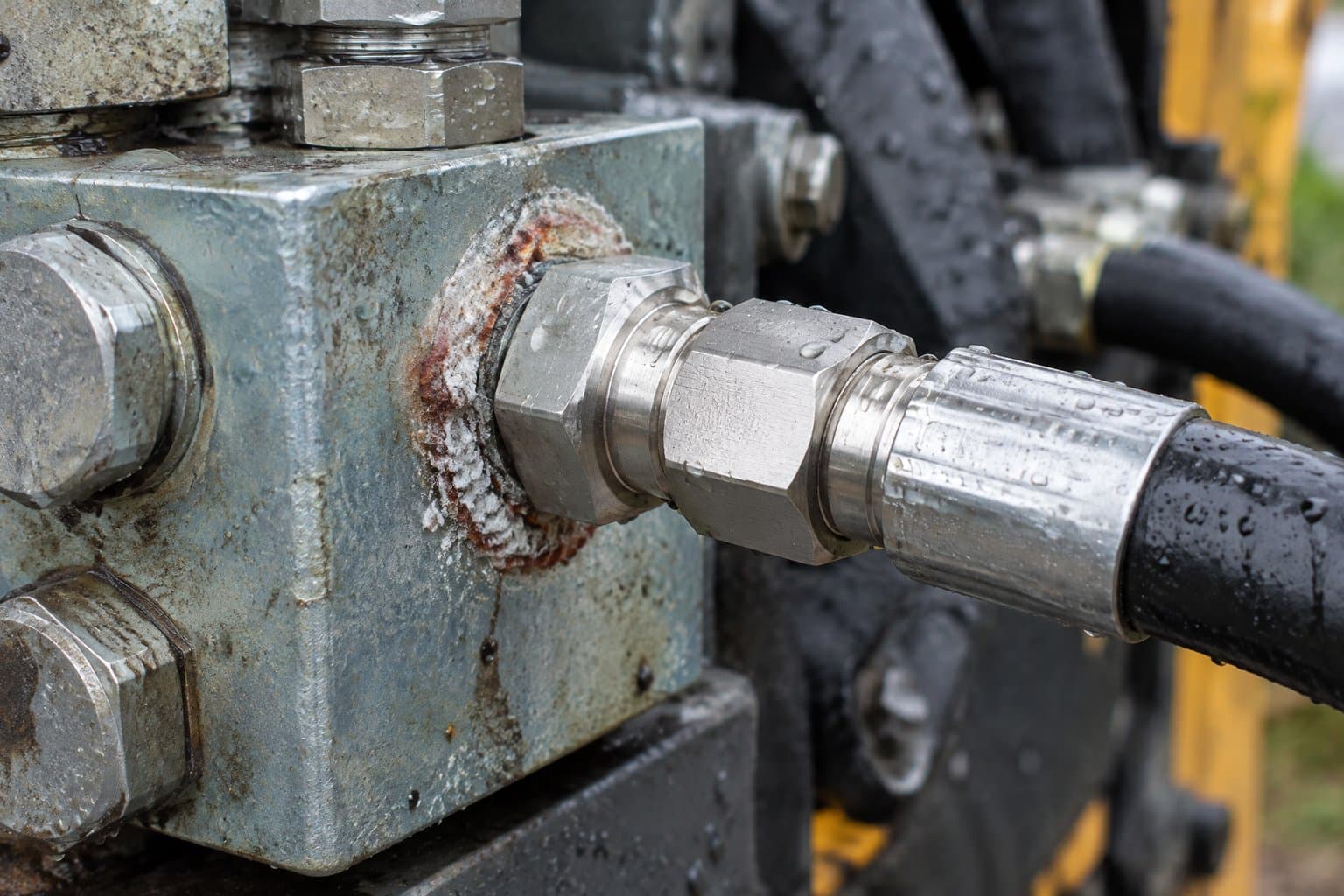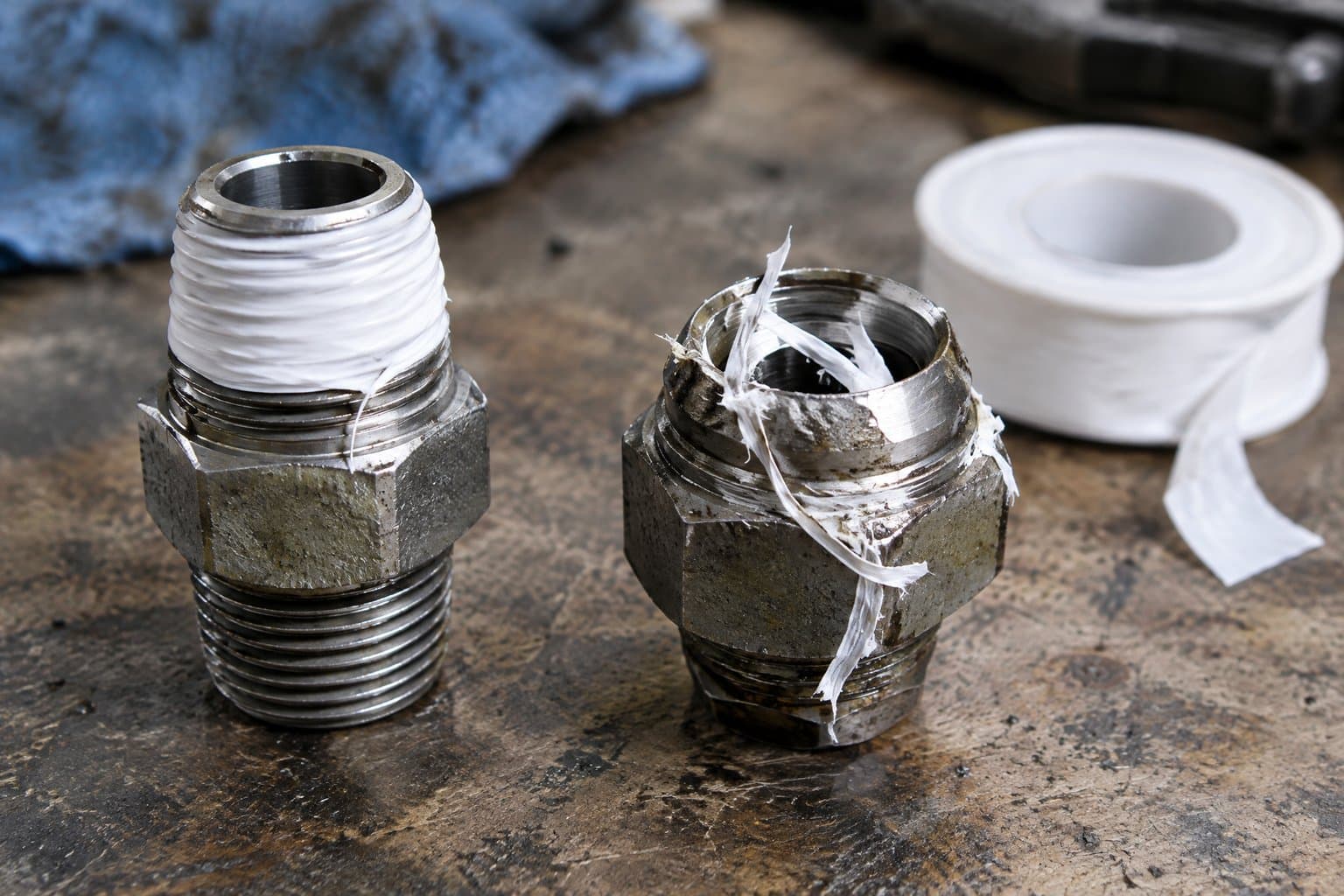
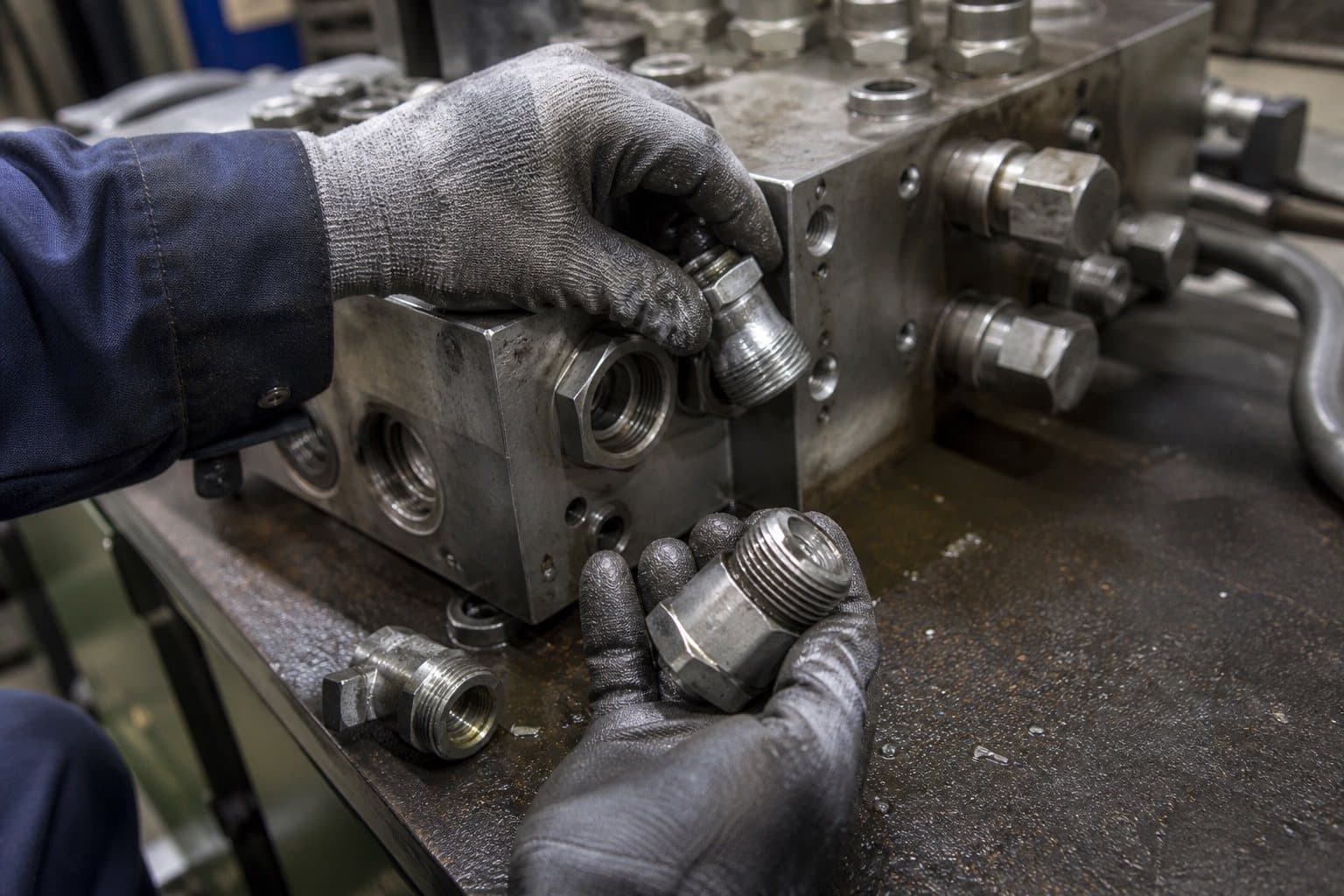
It happens in the first second of an assembly, usually with a fitting held at a slight angle in an awkward space, and it is discovered several turns later when something that should have been getting easier gets harder. What follows next is where the cost is decided, because the instinct — keep turning, it will straighten out — converts a marginal thread into a scrapped manifold.
/01Stop at the first sign.
| Symptom | Reading |
|---|---|
| Resistance from the first turnHighlighted | Cross-threaded, or the wrong thread entirely |
| Free, then suddenly tight well before seatingHighlighted | Cross-threaded, or debris in the port |
| Gets easier if you back it off and it will not restart | Thread damage already done |
| Turns freely all the way with no seating resistance | Stripped, or a badly mismatched pair |
| Smooth, gradual increase in resistance at the end | Normal |
/02Which kind of port is it?
This is the question that determines everything else. A port that seals on the thread has no margin for thread damage. A port that seals on a face has some. The same visible damage can be a scrapped casting in one case and a straightforward repair in the other. Tapered NPT and BSPT ports seal on the thread; BSPP, metric and SAE O-ring boss ports seal on a face or a seal.
| Port type | Where it seals | Outlook after thread damage |
|---|---|---|
| NPT / BSPT taperedHighlighted | On the thread flanks | Poor — the damaged surface is the sealing surface |
| O-ring boss (SAE J1926, ISO 6149)Highlighted | O-ring against the machined spotface | Better — thread supplies load only, spotface is what must be intact |
| BSPP with bonded seal | Bonded washer under the fitting head | Better, provided the face and the first threads are sound |
| SAE split flange port | O-ring against the port face; bolts in tapped holes | Often best — a damaged bolt hole is not the sealing path |
/03The options, and what each one costs you.
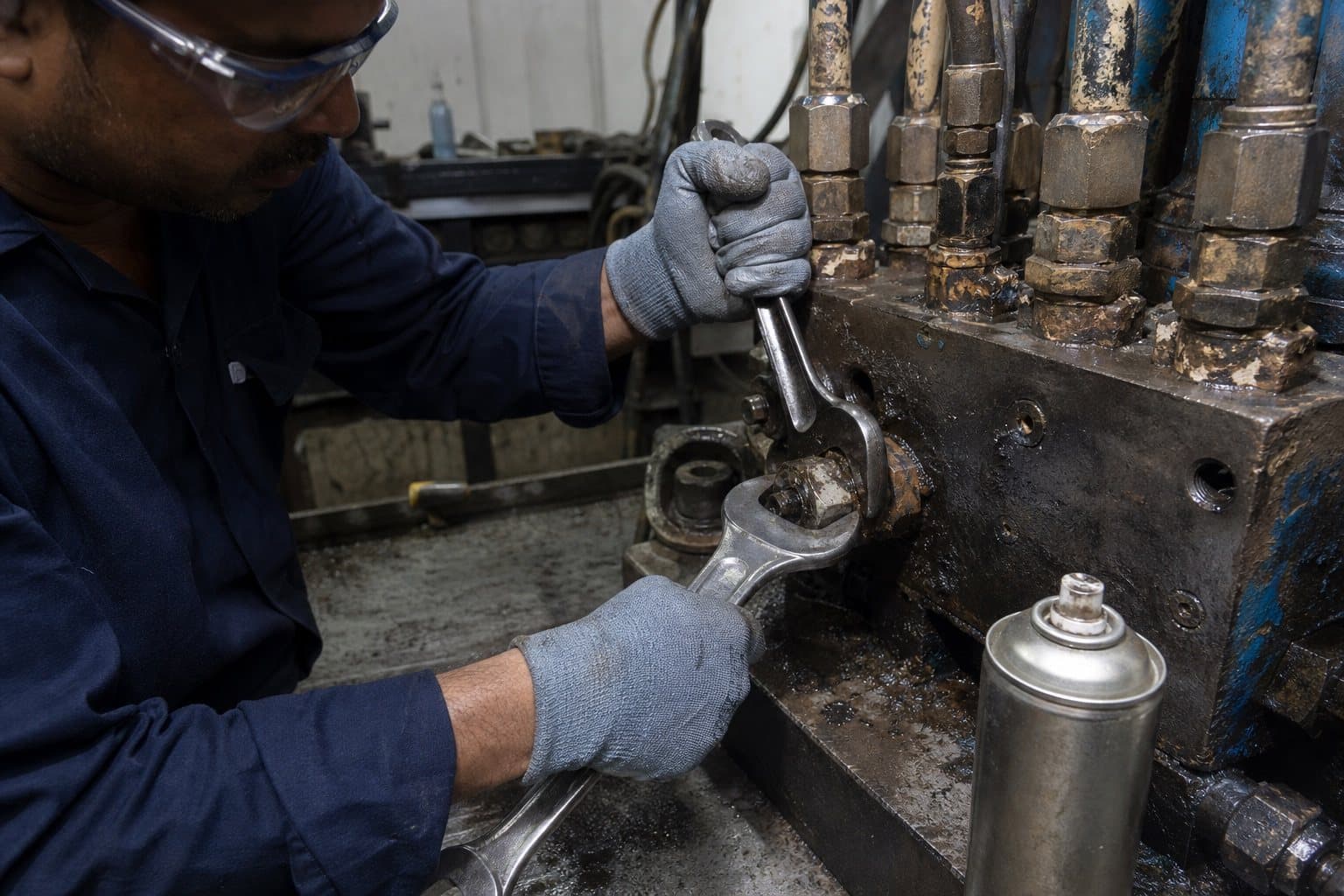
Working through the repair choice
In increasing order of intervention. Stop at the first one that genuinely applies.
IfOne or two damaged leading threads, face-sealing port, spotface intact
Chase the thread carefully and re-make with a new fitting and new seal.
Use a proper thread chaser rather than a cutting tap: a tap removes material and can convert a recoverable thread into an oversize one.
IfDamage through the engagement length, but the component is removable
Take it to a machine shop and have the port assessed properly.
On a bench, with the component clean and the damage visible, the decision is far better informed than it is on the machine.
IfSomeone has suggested a thread insert
Check with the component manufacturer before fitting one.
A wire insert restores a thread but changes the load path and the effective seating geometry, and in a pressure port that is a design change rather than a repair. It may be acceptable; it is not your call to make unaided.
IfTapered port, damage into the sealing length
Assume the port is finished. Plan a component repair or replacement.
A tapered port that is holding after a repair is often holding on sealant alone, and it lets go later under thermal cycling.
IfCast aluminium housing, thread pulled out
Replacement is usually the honest answer.
Aluminium is where over-tightening does the most damage and where improvised repairs are least reliable.
/04Before you re-assemble.
| Check | Why |
|---|---|
| Confirm the fitting is the right thread for the portHighlighted | A large share of cross-threading is a mismatched pair, not clumsiness |
| Clean every chip and particle out of the portHighlighted | Swarf from the damage is now loose in the circuit |
| Inspect the spotface on a face-sealing port | That surface, not the thread, is what has to be perfect |
| Fit a new fitting, not the one that was cross-threaded | Its thread is damaged too, and it will spread the damage |
| Make up to the correct figure | Over-tightening after a repair finishes what the cross-thread started |
Common questions
- Can I just run a tap through it?
- A cutting tap removes material and can turn a recoverable thread into an oversize one. A thread chaser, used carefully and squarely, is the tool for cleaning up a damaged thread — and only where the sealing surface is not the thread.
- Is a wire thread insert acceptable in a hydraulic port?
- Sometimes, and it is the component manufacturer who says so. It changes the load path and the seating geometry, which in a pressure application is a design question rather than a workshop one.
- It seals now. Is it fixed?
- Not necessarily. Marginal repairs on tapered ports commonly hold cold and start weeping after heat cycling. Re-inspect after the machine has been through a full working day.
- How do I avoid cross-threading in a blind, awkward position?
- Start the fitting by hand, turning backwards until the thread start drops in, then forwards. If you cannot get a hand to it, that is a sign to remove whatever is in the way rather than to start it with a wrench.
- The fitting went in fine but the threads look different. Should I worry?
- Yes. Two families can engage partially and feel acceptable while making contact on only part of the flank. Confirm the thread family before pressurising rather than after.