
Category
Hydraulic Adapters
Hydraulic adapters are fittings that join one connection type to another — a different thread form, size, seat or direction — so that a hose, tube or component can meet a port it was not made for. This shelf carries Indus Hydraulics carbon-steel and stainless adapters from Dubai in BSP, metric, JIS, NPT, JIC 37°, ORFS, SAE O-ring boss, DIN 2353 bite-type and SAE flange forms: straight connectors, 45° and 90° elbows, adjustable stud ends, run and branch tees, crosses, bulkheads, swivels, plugs and caps.
Name both ends before anything else
An adapter is defined by the two connections it joins, and each end has a thread form, a size and a way of sealing — a 60° cone, a 37° flare, a 24° cone, an O-ring face, a bonded seal or a taper thread. Identify both ends of the gap first; the shape (straight, elbow, tee, bulkhead) follows from the space available.
Every adapter adds a joint, and every joint is a leak path. Where an assembly can carry the correct end directly, that is the better repair. Adapters earn their place where two thread families meet on one machine.
One standard per connection
Bite-type tube connections are ISO 8434-1 (formerly DIN 2353), 37° flare connections SAE J514 / ISO 8434-2 and O-ring face seal SAE J1453 / ISO 8434-3. Ports follow their own standards: BSP to ISO 228-1 and ISO 1179, metric to ISO 6149 and DIN 3852-1, SAE straight-thread O-ring ports to SAE J1926 / ISO 11926, and four-bolt flanges to SAE J518 / ISO 6162.
Size range
Every size above is a part number you can quote from. Open any listing for its full table.
Delivery
Hydraulic Adapters across the Gulf
Ex-stock from Dubai, delivered within 3 working days in the UAE.
Hose and fittings are the bulk of what leaves this warehouse, and they travel well: a crated batch of assemblies with its crimp records, or a box of adapters on an airway bill. Buyers outside the UAE usually order to a measured list rather than to a part number, because a hose is defined by its ends, its length and its route rather than by a code. Send those and we will quote against them.
Beyond the Gulf
- North Africa
- Egypt, Tunisia, Mauritania
- East Africa
- Kenya, Mozambique, Tanzania
- West & Central Africa
- Nigeria, Guinea, Ivory Coast
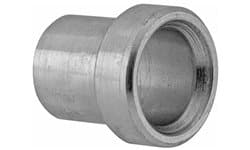
Steel JIC 37° Sleeve for Metric Tube
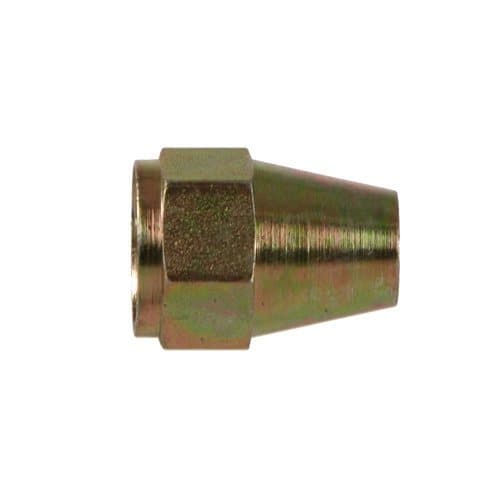
Steel JIC 37° Long Flare Nut
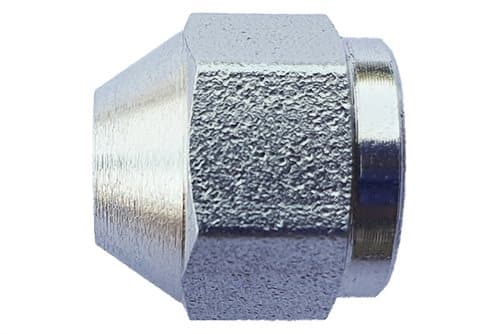
Steel JIC 37° Short Flare Nut
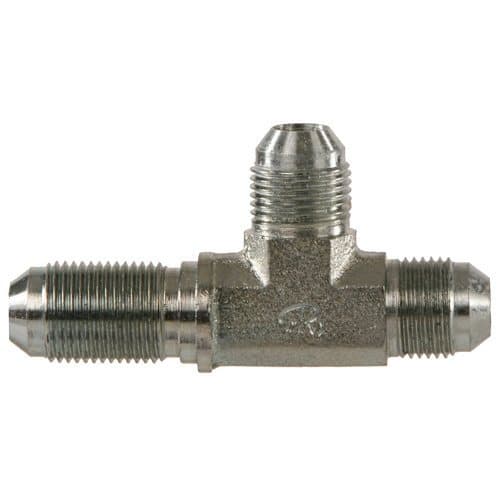
Steel JIC 37° Male Bulkhead Run Tee
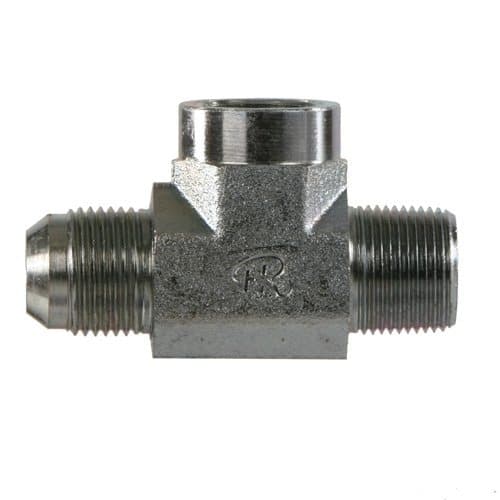
Steel JIC 37° Male × NPTF Male × NPTF Female Service Tee
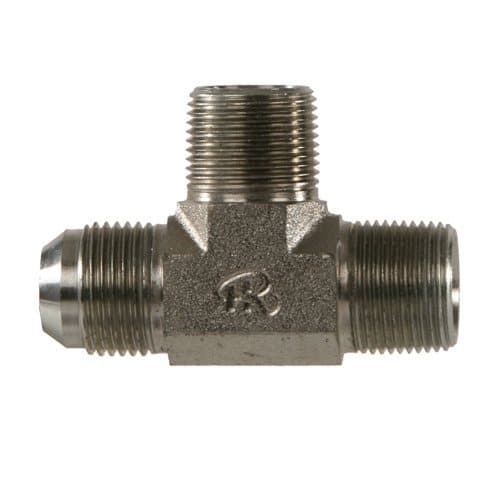
Steel JIC 37° Male × NPTF Male Service Tee
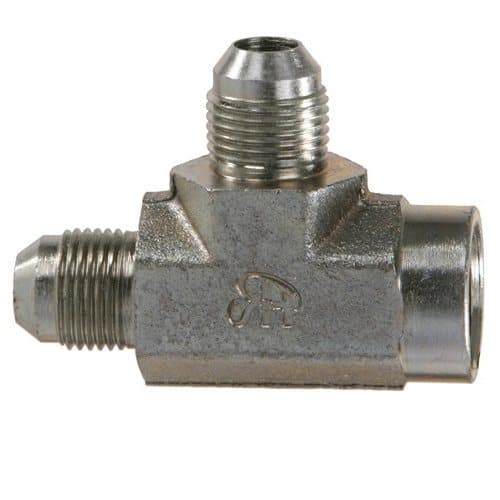
Steel JIC 37° Male × NPTF Female Run Tee
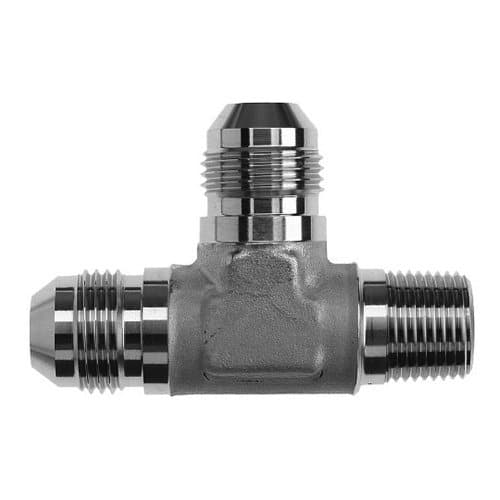
Steel JIC 37° Male × NPTF Male Run Tee
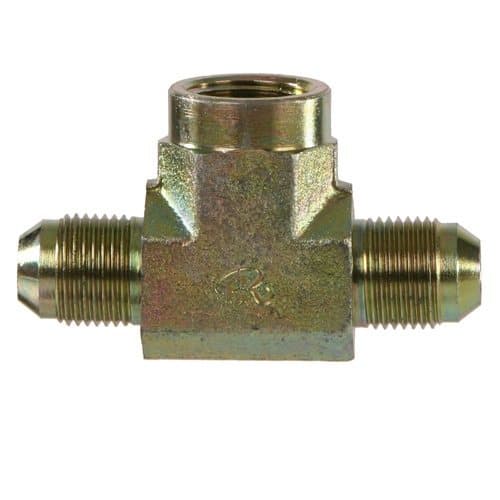
Steel JIC 37° Male × NPTF Female Branch Tee
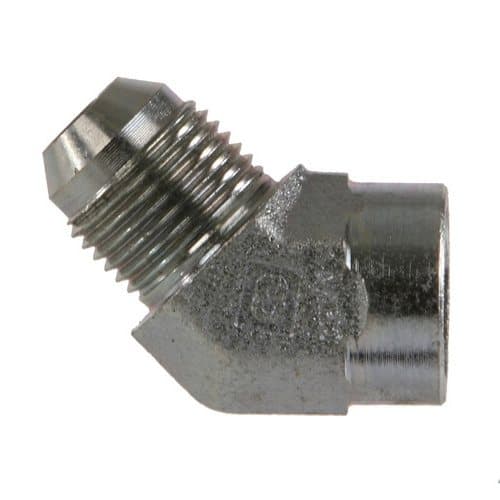
Steel JIC 37° Male × NPTF Female 45° Elbow
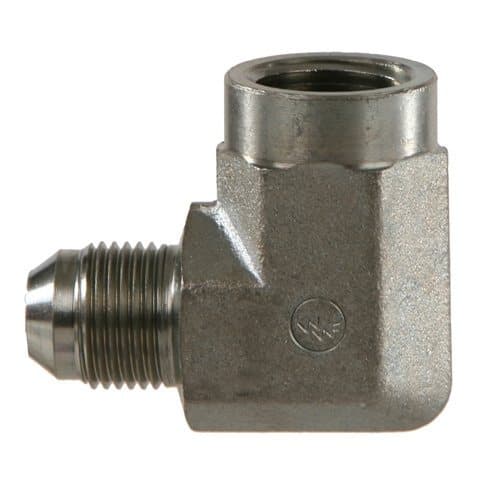
Steel JIC 37° Male × NPTF Female 90° Elbow
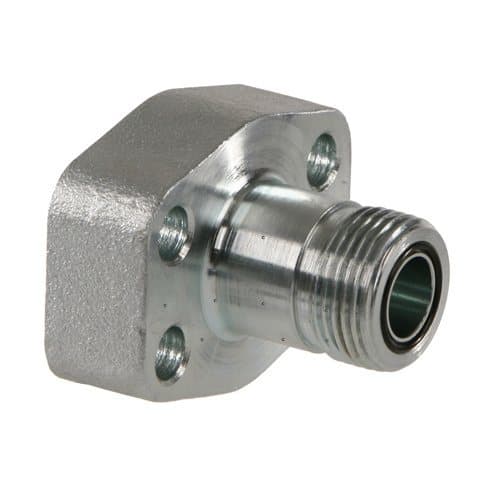
Steel ORFS Male × SAE Code 62 Flange Pad Adapter
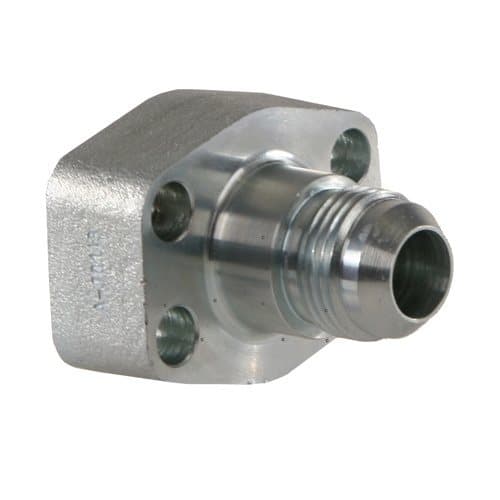
Steel JIC 37° Male × SAE Code 62 Flange Pad Adapter
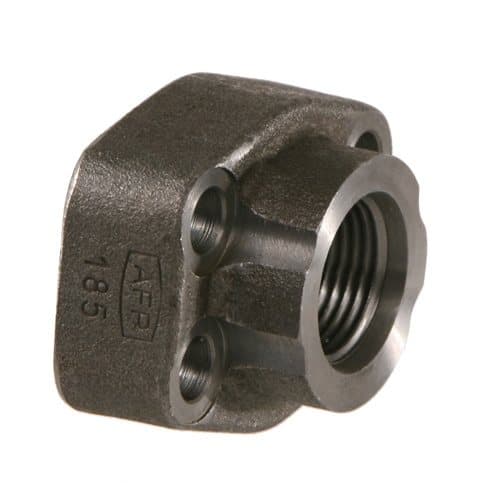
Steel ORB Female × SAE Code 62 Flange Pad Adapter
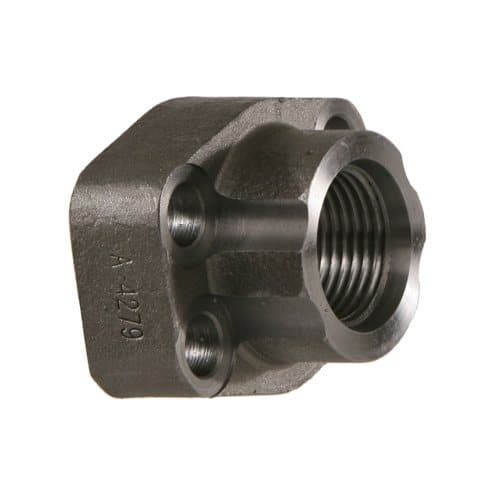
Steel ORB Female × SAE Code 61 Flange Pad Adapter
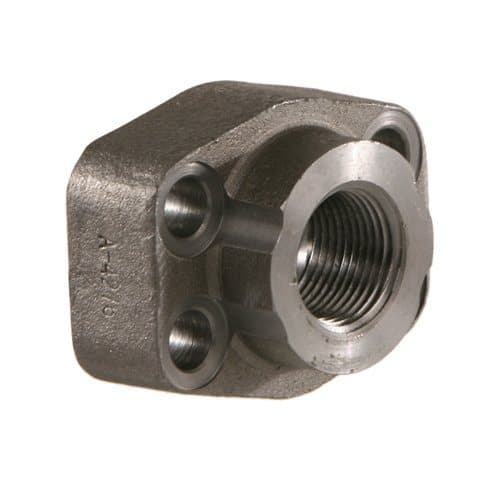
Steel NPTF Female × SAE Code 62 Flange Pad Adapter
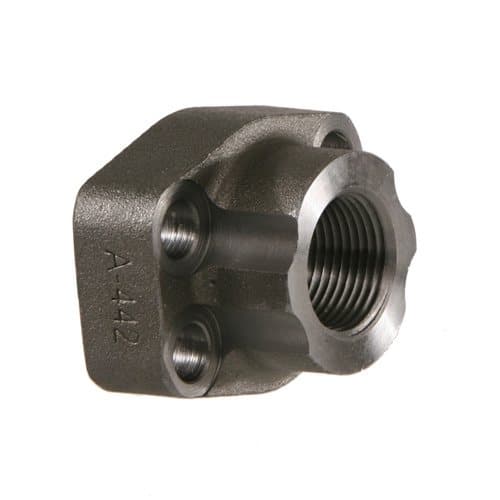
Steel NPTF Female × SAE Code 61 Flange Pad Adapter
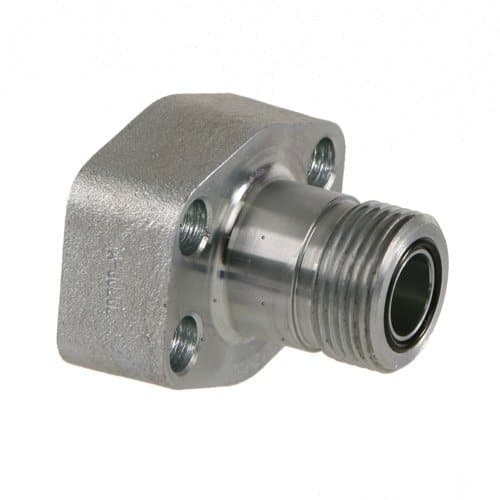
Steel ORFS Male × SAE Code 61 Flange Pad Adapter
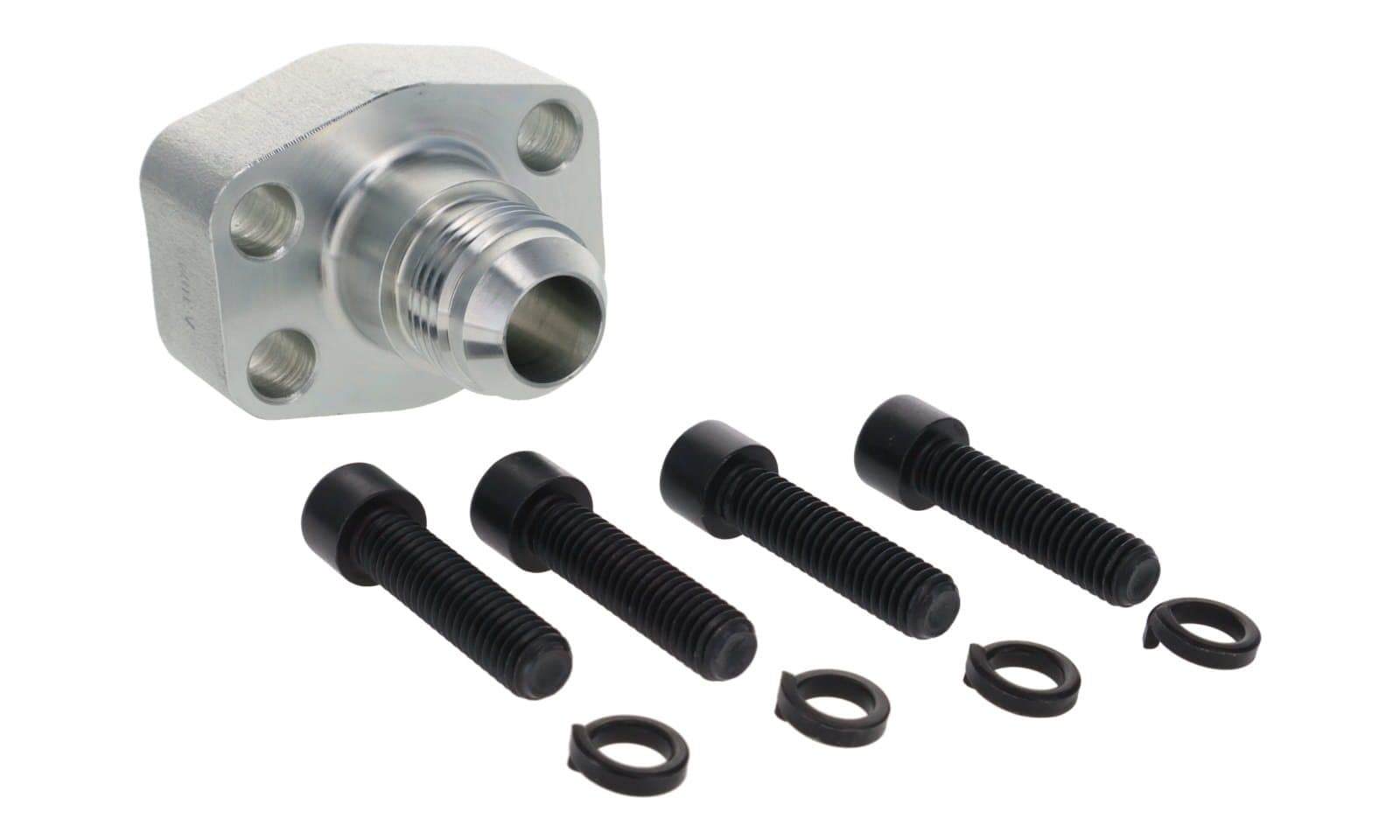
Steel JIC 37° Male × SAE Code 61 Flange Pad Adapter

Steel DIN 2353 Female Swivel × Metric Male Adapter, Light Series

Steel DIN 2353 Female Swivel × NPT Male Adapter, Heavy Series

Steel DIN 2353 Female Swivel × NPT Male Adapter, Light Series

Steel DIN 2353 Female Swivel × BSPP Male Adapter, Heavy Series

Steel DIN 2353 Female Swivel × BSPP Male Adapter, Light Series

Steel DIN 2353 Soft-Seal Tube Cap, Heavy Series
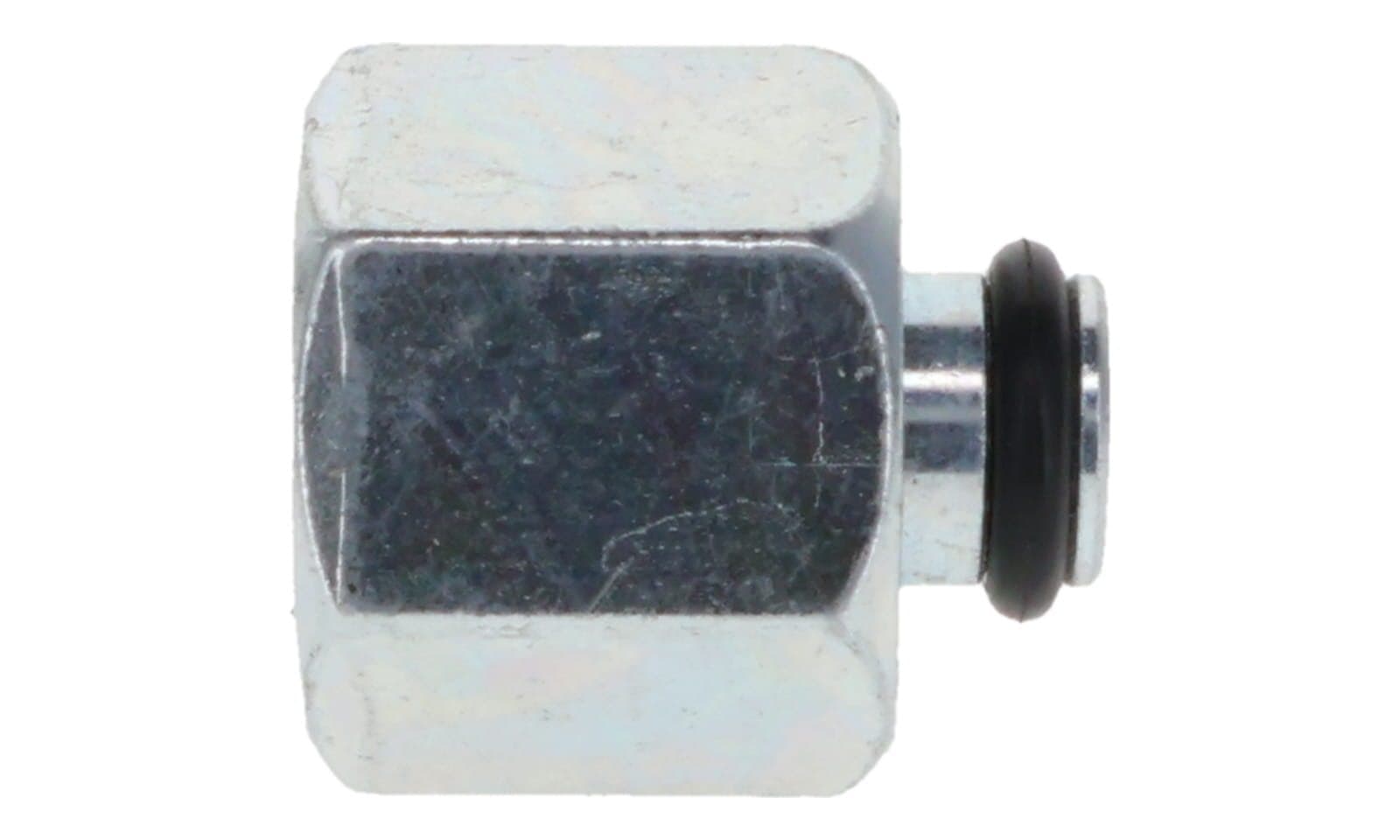
Steel DIN 2353 Soft-Seal Tube Cap, Light Series

Steel Metric Dual-Purpose Male (Port or 24° Tube) × NPTF Female Adapter, S Series
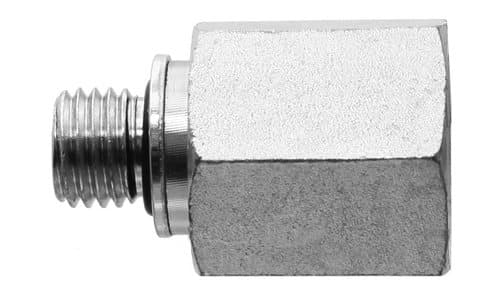
Steel Metric Dual-Purpose Male (Port or 24° Tube) × NPTF Female Adapter, L Series
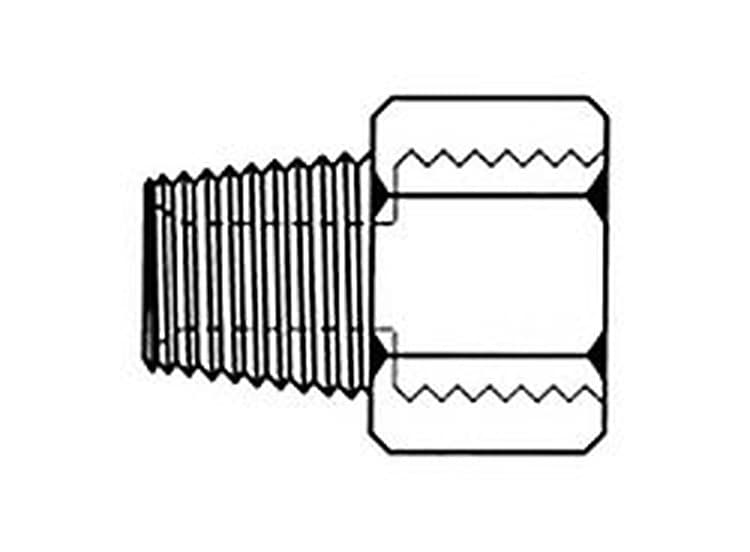
Steel NPTF Male × Metric Female Adapter
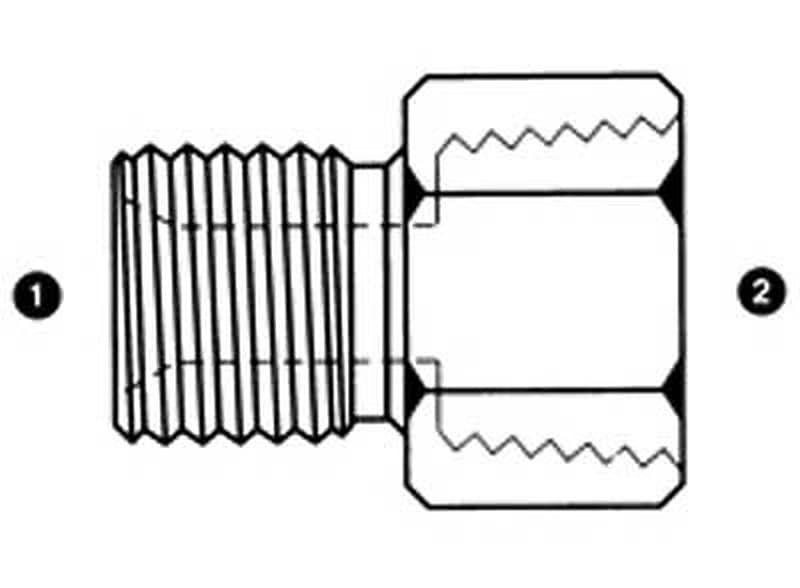
Steel Metric Male × NPTF Female Adapter

Steel JIC 37° Male × Metric Adjustable Branch Tee
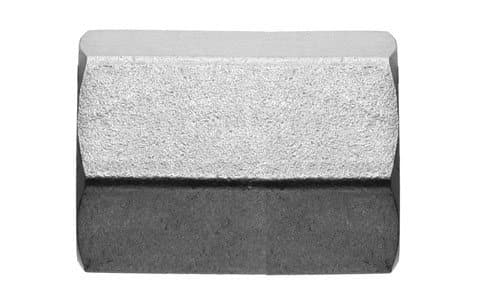
Steel Metric Female × Metric Female Adapter
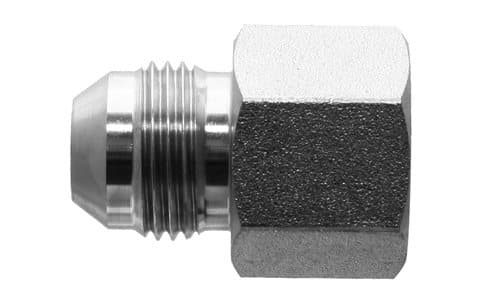
Steel JIC 37° Male × Metric ORFS Female Adapter

Steel JIC 37° Male × Metric 24° Female Swivel Adapter
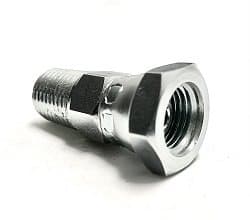
Steel BSPP Male × Metric 24° Female Swivel Adapter
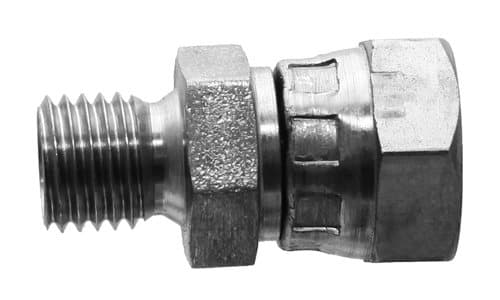
Steel Metric Male × BSPP Female Swivel Adapter

Steel 30° Sealing Seat, BSPP Male to JIS 30° Converter

Steel JIC 37° Male × JIS 30° Male Adapter

Steel JIS 30° Male × JIS 30° Female Swivel 90° Elbow

Steel JIS 30° Male × JIS 30° Female Swivel Run Tee
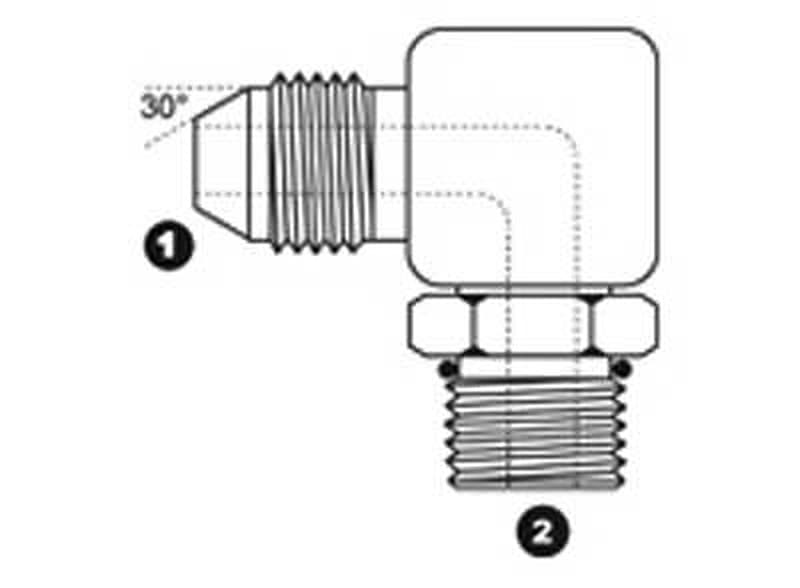
Steel JIS 30° Male × ORB Adjustable 90° Elbow
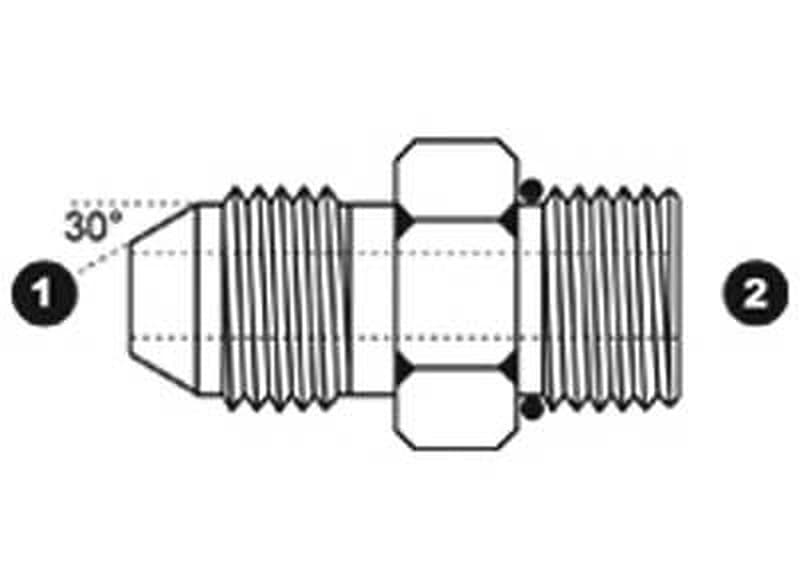
Steel JIS 30° Male × ORB Male Adapter
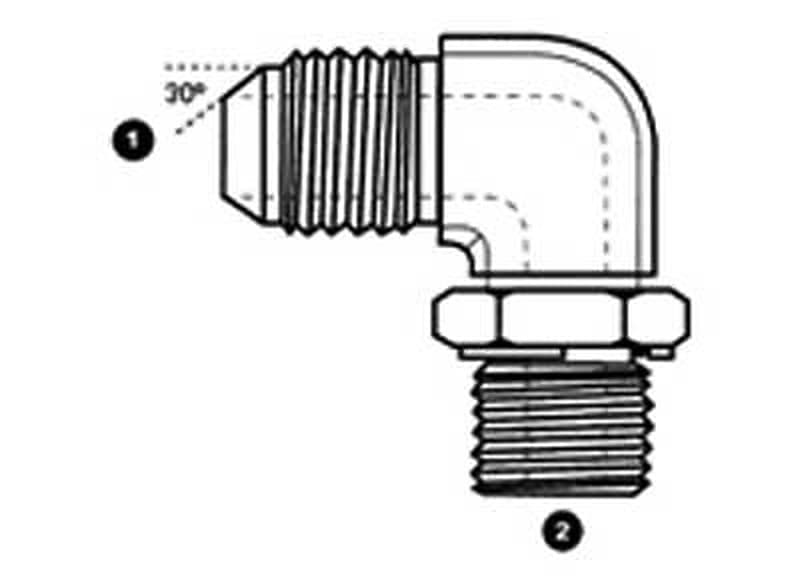
Steel JIS 30° Male × BSPP Adjustable 90° Elbow

Steel JIC 37° Female × JIS 30° Female Adapter
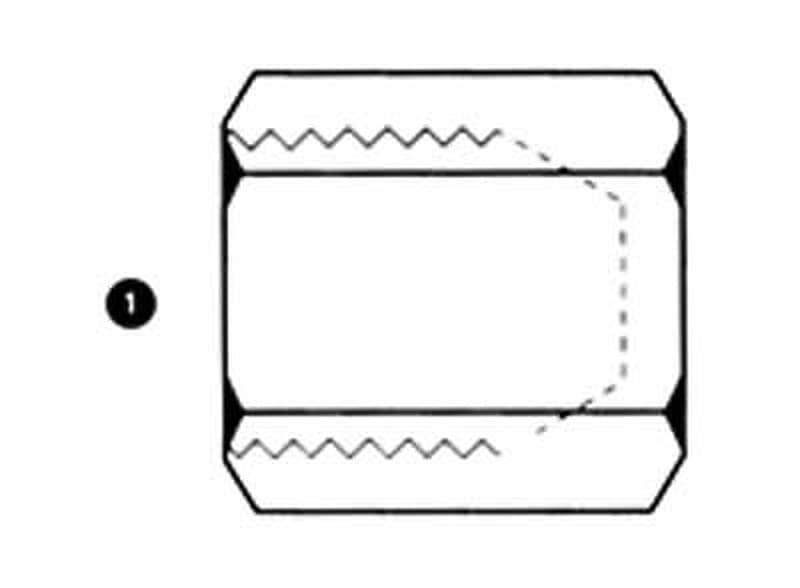
Steel JIS 30° Female Cap
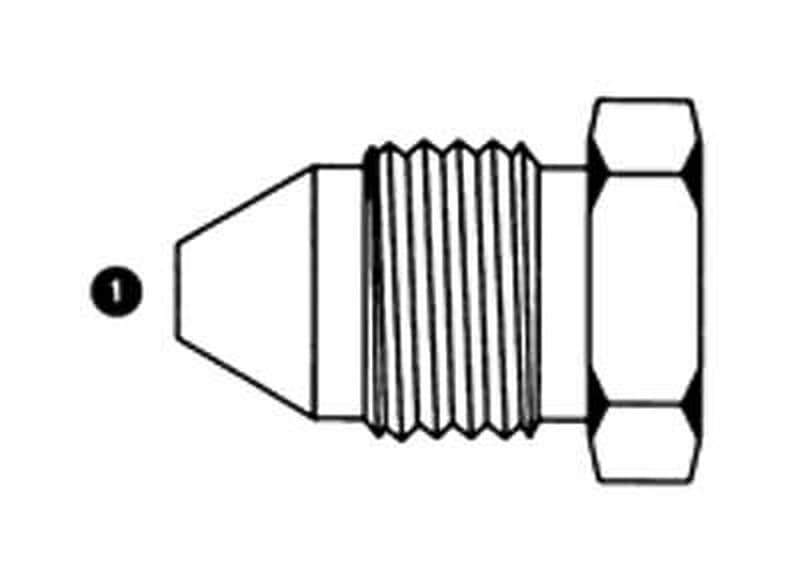
Steel JIS 30° Hex Head Plug

Steel JIC 37° Male × JIS 30° Female Adapter

Steel ORFS Male × JIS 30° Male Adapter
Questions we get asked
About this range
- 01How do I tell BSP, JIC, ORFS and metric apart?
- By the seat and the thread together. JIC seals on a 37° flare with a UN/UNF thread; ORFS seals on an O-ring in a flat face, also on a UN thread; BSP hydraulic ends usually seal on a 60° cone with a Whitworth-form thread; metric 24° cone ends seal on the cone. Measure the thread diameter and pitch, look at the seat, and send a photo if in doubt.
- 02Is an adapter rated as high as the hose?
- Not automatically. Each adapter has its own working pressure by size and form, and a tapered thread end in particular can be rated well below the hose. A circuit is limited by its lowest-rated component.
- 03Do you stock adapters for Japanese machines?
- Yes — JIS gas and JIS metric 60° cone adapters for Japanese-built machines, and metric adapters made to Komatsu’s specification.
- 04How do I read a title like “Adjustable Branch Tee m ORFS X m BSP X m ORFS”?
- Each end is named in turn, with m for a male end and f for a female end. In a tee, the ends are usually listed run, branch, run, so that title is an adjustable tee with ORFS male ends on the run and a BSP male on the branch. “Adjustable” means the stud end carries a locknut and O-ring, so the body can be turned to any direction before it is locked. Check the drawing on the listing to confirm which end is which before ordering, especially on run tees, where the odd end sits on the run rather than the branch.
- 05How do I fit an adjustable stud-end elbow or tee?
- Wind the locknut back fully, screw the stud in by hand until the backup washer meets the port face, back it out by no more than one turn to point it where you need, then hold the body and tighten the locknut. Lubricate the O-ring with system fluid first, and check it has not been cut on the thread. Turning the body back the other way after the washer is seated, or tightening the locknut without holding the body, are the usual causes of a leak at the port.
- 06Can I reuse an adapter when a line is remade?
- Often, if its sealing surfaces are undamaged, but the seals are renewed. O-rings, bonded seals and ED seals are replaced every time the joint is opened. Flare and cone seats can be remade if they show no nicks, radial scratches or distortion. Taper threads (NPT, BSPT) seal by deforming, so each remake goes a little deeper and a heavily reused taper end should be replaced. A bite-type ring stays on its own tube end. Discard any adapter with a cracked body, a stripped or galled thread or a coined seat.
From the blog
Written about this range
Failure analysis
Cross-threaded or stripped port: repair it, insert it, or replace the block
What is recoverable depends on something most people never think about: whether that port seals on the thread or somewhere else. Get that question right and the decision makes itself.
5 min read
Buying fittings & adapters
Air or sea for a fittings order
Fittings are small, dense and cheap to fly relative to what they unlock. That makes the mode question different from the one you answer for hose or plant.
3 min read
Buying fittings & adapters
Cross-referencing a fitting part number when the brand is gone
A part number describes a fitting in one manufacturer’s language. Translating it means decoding what it says about geometry — and geometry is the only thing that has to match.
3 min read