
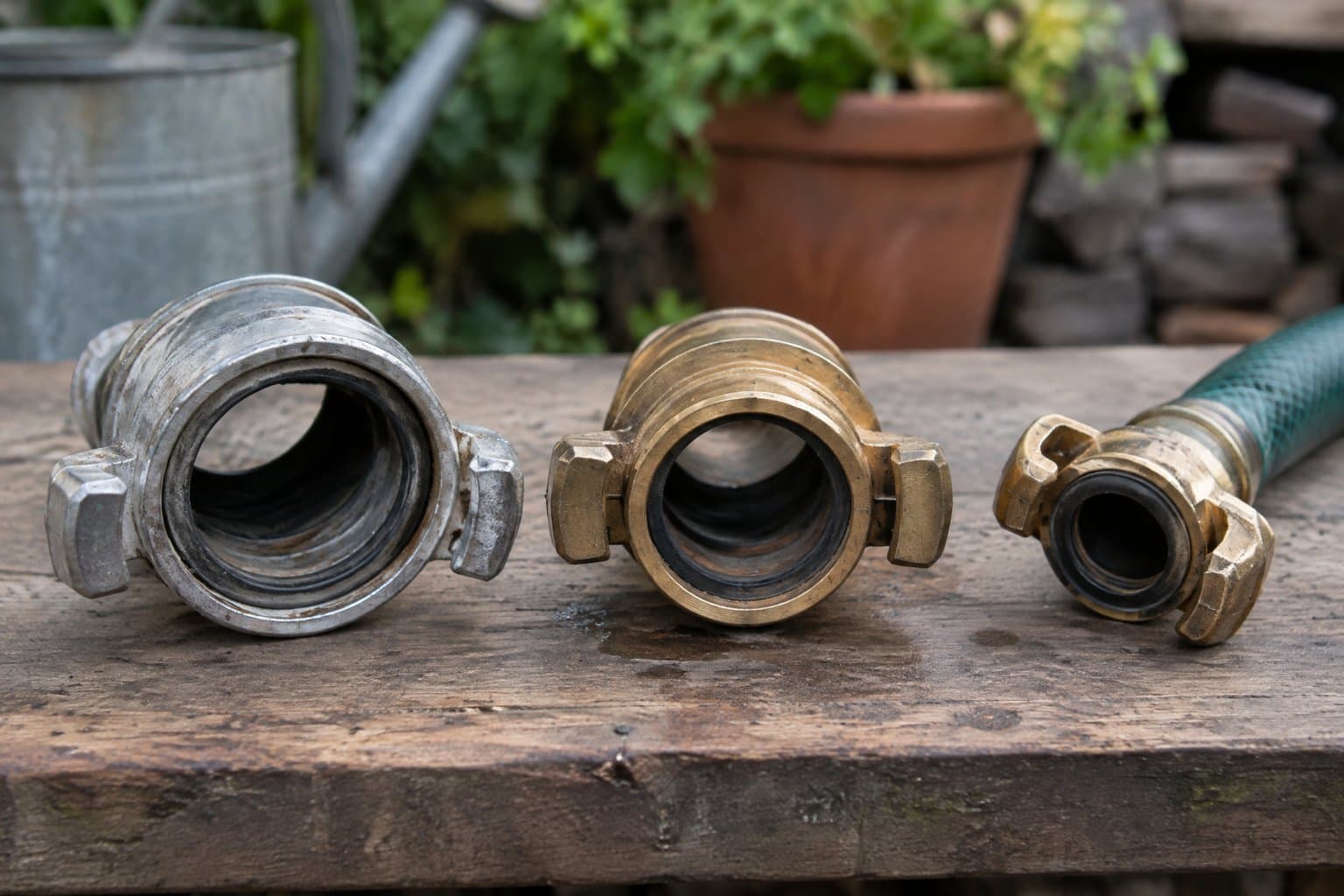
Most of the world's fire and water hose is joined by a symmetrical coupling, and most countries chose their own. Storz in Germany, Guillemin in France, Barcelona in Spain, the GOST head across Russia and the CIS. Each one solves the same problem — two identical halves, no wrong end — and each solves it in a way that fits nothing else. That matters to anyone shipping equipment between markets, which from Dubai is most of our customers.
/01GOST: the Russian pattern.
GOST couplings follow the Russian state standard pattern for fire and water hose heads, and they are what a buyer in Russia, Kazakhstan or the wider CIS will expect on a pump, a tanker or a hydrant line. Our range lists the coupling itself (2", 2-1/2", 3" and 6"), adapters to a male or female thread, and caps (2" to 3"), all cast aluminium with an NBR gasket. A piece of plant leaving Dubai for that region is worth fitting with GOST heads before it leaves rather than adapting on arrival.
/02Barcelona: the Spanish pattern.
Barcelona is the symmetrical coupling of Spanish fire and water service, and it travels with Spanish specifications into Latin America and parts of North Africa. Our listing is the Barcelona coupling with a female thread, in aluminium from 3/4" to 4" with an NBR gasket — the part that puts a Barcelona face on a pump, a hydrant or a tank outlet.
/03Geka: the small claw coupling.
Geka is a brass claw coupling for small hose — water, washdown and general service up to 1". Two heads hook together by their claws and lock with a twist. Our range lists a hose-shank coupling, male and female thread couplings and a cap, all brass with NBR gaskets, from 1/4" to 1". It is the coupling to reach for where a small hose is connected and disconnected all day and a threaded union would wear out.
/04Bridging patterns.
| Pattern | Region | Our sizes and material |
|---|---|---|
| GOST | Russia and the CIS | 2" – 3" (couplings to 6"), cast aluminium |
| Barcelona | Spain and Spanish specifications | 3/4" – 4", aluminium, female thread |
| Geka | General small hose | 1/4" – 1", brass |
| StorzHighlighted | Germany and much of Europe | 1" – 6", aluminium, brass, stainless |
| Guillemin | France and francophone markets | 3/4" – 4", aluminium, stainless |
The practical way to cross from one pattern to another is through a thread: a pattern adapter with a male or female thread on one side, screwed to an adapter of the other pattern with the matching thread. Our GOST adapters carry male and female threads for exactly that. Keep the bridge to one joint — a stack of three adapters on a fire line is three places to leak and a lever on the outlet.
Frequently asked questions
- Does a GOST coupling fit a Storz coupling?
- No. Both are symmetrical, but the faces are different patterns. Join them through a threaded adapter of each pattern.
- Is a Barcelona coupling male or female?
- The head is symmetrical. Our listing is a Barcelona coupling with a female thread on the back, which is what fits it to a pump or hydrant outlet.
- What size range do Geka couplings cover?
- Our Geka parts run from 1/4" to 1", in brass with NBR gaskets: hose shank, male thread, female thread and cap.
- What pressure are these couplings rated for?
- Our listings for these three patterns do not state a working pressure. Ask for the rating of the specific part, and rate the assembly at its weakest component.
GOST, Barcelona and Geka parts
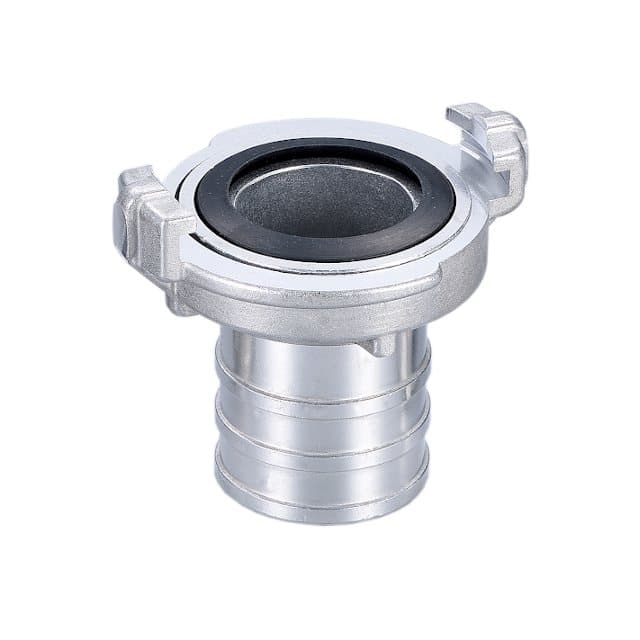 IH-GST-COUPLINGRussian GOST CouplingSunpool
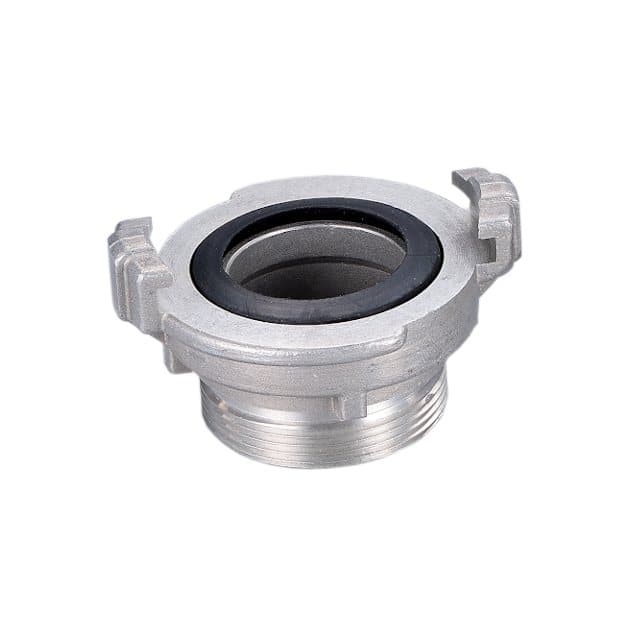 IH-GST-ADAPTER-MALEGOST Adapter × Male ThreadSunpool
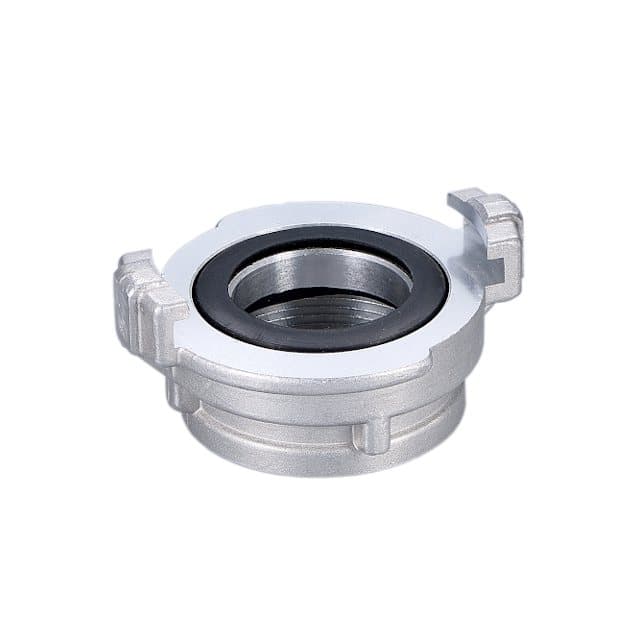 IH-GST-ADAPTER-FEMALEGOST Adapter × Female ThreadSunpool
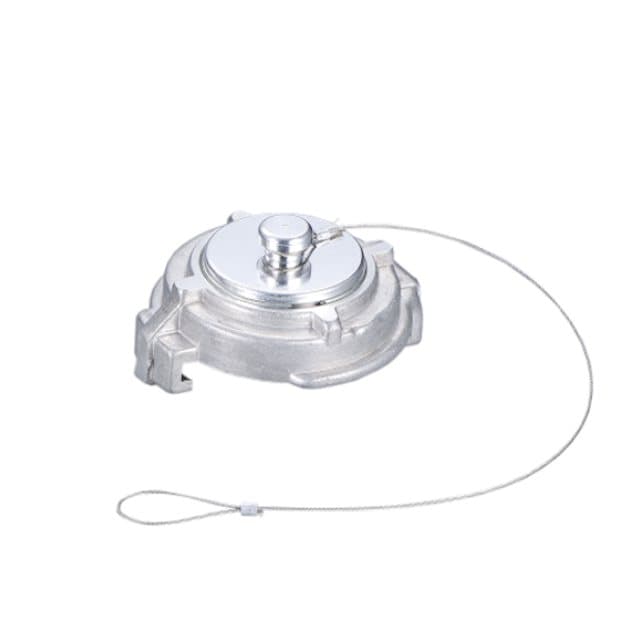 IH-GST-CAPRussian GOST CapSunpool
 IH-BGK-BARCELONA-FEMALEBarcelona Coupling — Female ThreadSunpool
 IH-BGK-GEKA-SHANKGeka Coupling — Hose ShankSunpool
 IH-BGK-GEKA-MALEGeka Coupling with Male ThreadSunpool
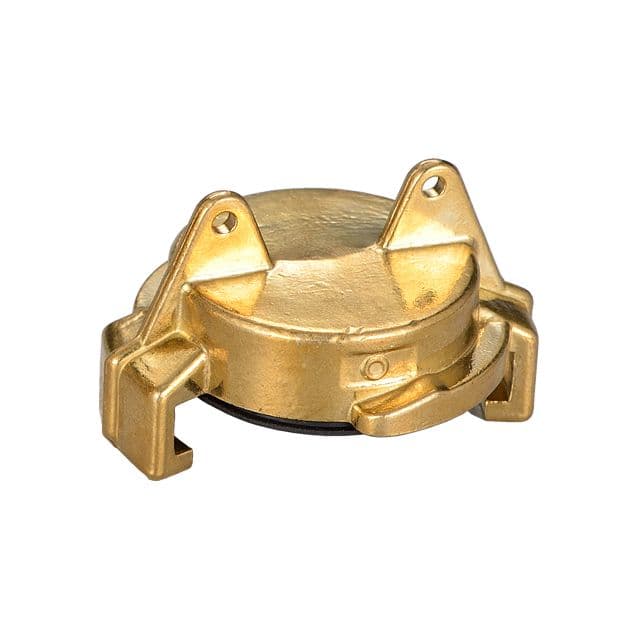 IH-BGK-GEKA-CAPGeka CapSunpool


