Ball valve ratings are written in at least five different systems, and a single size on our industrial shelf can carry several at once — CWP 4,000 psi, 1,000 WOG, PN63. They are not interchangeable, and every one of them is tied to a temperature whether or not the marking says so. Knowing which system a number belongs to is the difference between a valve that holds and one that weeps at the stem.
/01Five rating systems.
| Marking | What it means | Example on our listings |
|---|---|---|
| CWPHighlighted | Cold working pressure, psi, at ambient temperature | 1/2" and 3/4" industrial valves, CWP 3,000 psi |
| WOG | Water, oil, gas — an older cold, non-shock rating | 2-1/2" and 3" industrial valves, 1,000 WOG |
| PN | Nominal pressure in bar | 3/4" hydraulic valve, PN400 (5,800 psi) |
| ASME class | Pressure–temperature class for flanged valves | 2" Class 150 RF, 285 psi; 4" Class 600 RF, 1,480 psi |
| Union figure / API 6A | Oilfield ratings by end connection | 2" and 3" 1502 at 15,000 psi; 3-1/8" API 6A 5M flanged |
/02Every rating has a temperature.
Metal loses strength as it heats, and polymer seats soften well before the body does. A cold rating — CWP, WOG or the ambient figure of an ASME class — is the most the valve will hold near room temperature; the allowable pressure falls as temperature rises, and the seat may set a lower limit than the body. One of our industrial listings shows the pattern plainly: a 1/2" valve at CWP 3,000 psi and, for another make of the same size, 2,200 psig at 100 °F. When the line is hot, ask for the rating at the operating temperature, not the headline figure.
/03Floating against trunnion.
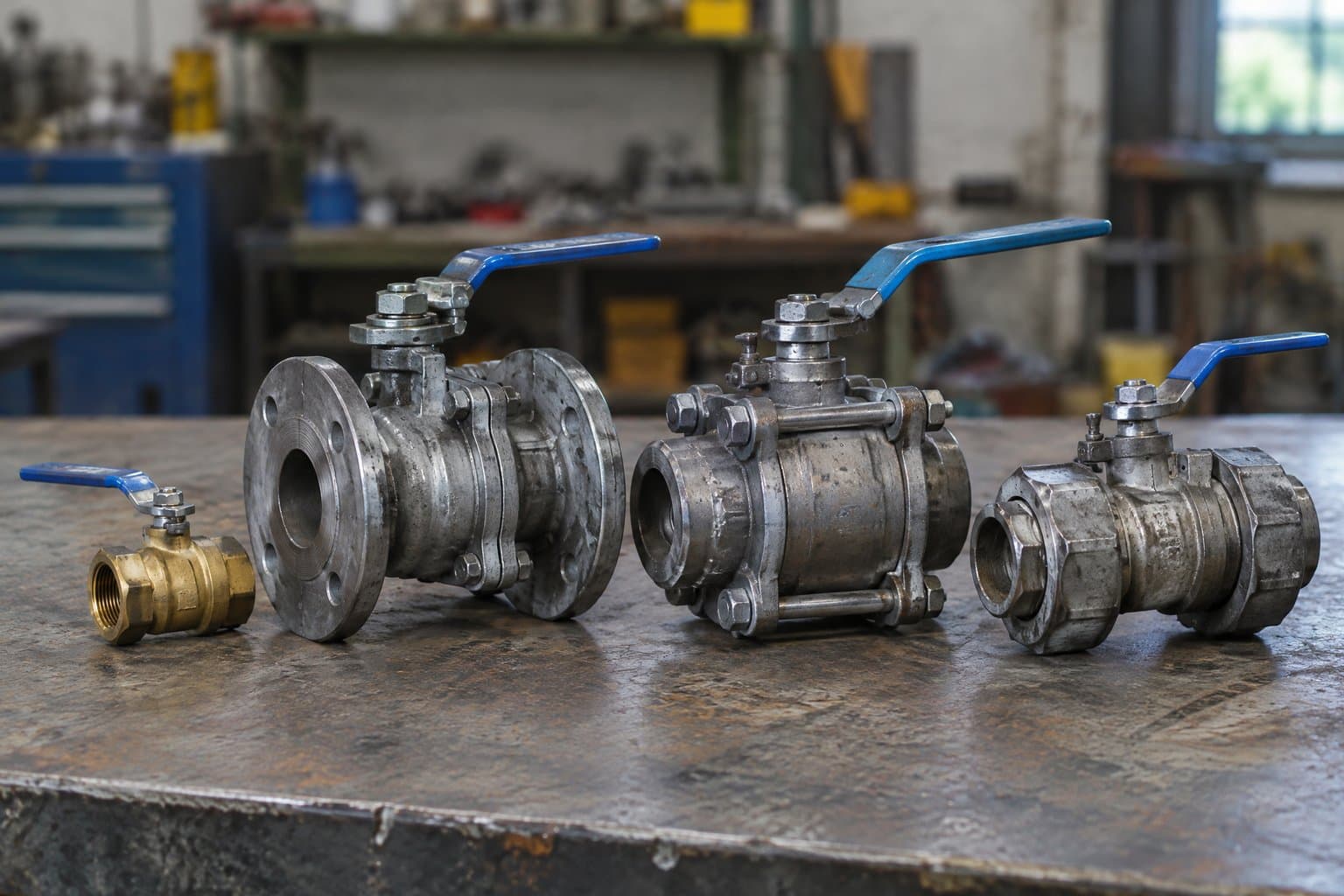
In a floating ball valve the ball is held between two seats and line pressure pushes it onto the downstream seat to seal; the force on the seat rises with size and pressure, and so does the operating torque. A trunnion-mounted ball is supported top and bottom on trunnions, and spring-loaded seats press onto it, which keeps torque manageable on larger, higher-pressure valves. Our oilfield listings use floating balls on 2" valves with 206, 602 and 1502 union ends, ASME Class 150 flanges and Schedule 160 butt-weld ends, and trunnion balls on 2", 3" and 4" 1502 valves, a 3-1/8" API 6A 5M flanged valve and a 4" ASME Class 600 valve to API 6D.
/04High-pressure hydraulic ball valves.
Hydraulic ball valves isolate circuits at system pressure, and they are rated in PN or psi for oil service: on our listings PN315 (4,570 psi), PN350 (5,075 psi) and PN400 (5,800 psi), with 6,000 psi and 10,000 psi versions at some sizes. Ends are BSP parallel threads up to 1-1/2" and SAE flanges at 1-1/2" and 2" — the 2" valve is a 3,000 psi SAE split-flange design in ST52-3 steel. Match the end to the port and the rating to the circuit, and see SAE J518 Code 61 and Code 62 flanges for the flange side.
/05Ordering a ball valve.
If the job is throttling rather than isolation, a globe valve is the usual choice — ours are ASME raised-face valves from Class 150 to Class 1500. For a ball valve, give the size and end connection, the pressure and the temperature together, the fluid, and for oilfield valves the service (standard or sour) and the standard required — our listings cite API 608 for the 2" Class 150 valve, API 6D for the Class 600 trunnion and butt-weld valves, and API 6A for the 3-1/8" 5M flanged valve. Union-ended valves are rated by figure; see hammer union figure numbers.
Frequently asked questions
- What does 1000 WOG mean?
- 1,000 psi for water, oil or gas at ambient temperature, non-shock. It is not a rating at elevated temperature.
- How many psi is PN400?
- About 5,800 psi. PN is the nominal pressure in bar, and 1 bar is about 14.5 psi.
- What is the difference between a floating and a trunnion ball valve?
- A floating ball is pushed by line pressure onto its downstream seat. A trunnion ball is held on trunnions with spring-loaded seats, which keeps torque lower in large, high-pressure valves.
- What pressure is a Class 600 ball valve?
- 1,480 psi at ambient for a carbon steel body, falling as temperature rises. Our 4" Class 600 trunnion valve is listed at 1,480 psi.
Oilfield ball valves
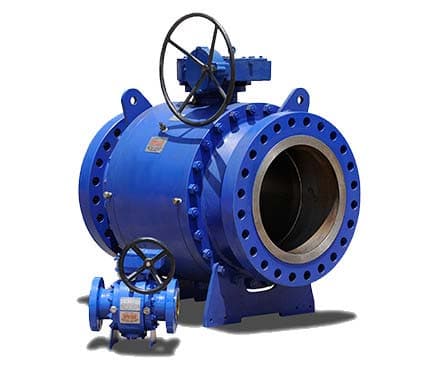 IH-OFV-BALL-2-1502FM-15K-STD-WOMTrunnion Ball Valve, 2 in × 1502 F×M, 15,000 psi, Standard ServiceWorldwide Oilfield Machine
- IH-OFV-BALL-3-1502FM-15K-STD-ANSONTrunnion Ball Valve, 3 in × 1502 F×M, 15,000 psi, Standard ServiceAnson
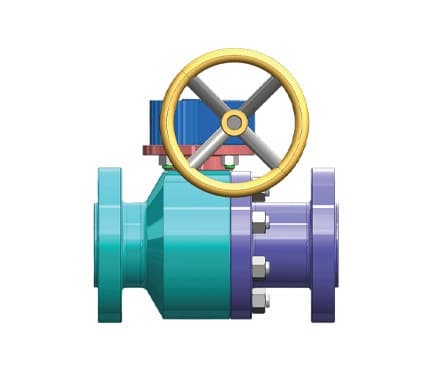 IH-OFV-BALL-2-1502FM-10K-SOUR-WOMFloating Ball Valve, 2 in × 1502 F×M, 10,000 psi, Sour ServiceWorldwide Oilfield Machine
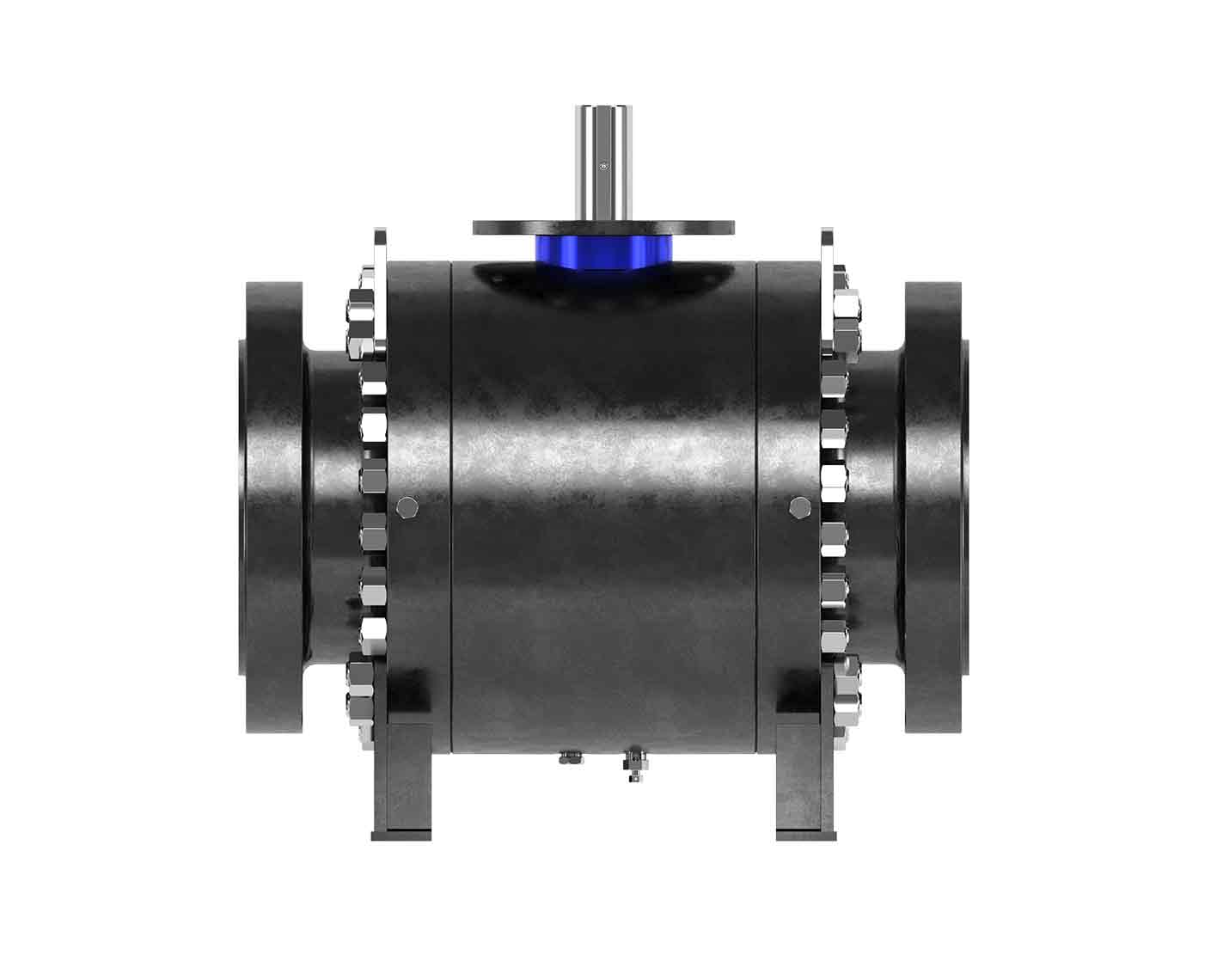 IH-OFV-BALL-4-600RF-1480-SOUR-CAMERONTrunnion Ball Valve, 4 in × 600# RF, 1,480 psi, Sour ServiceCameron
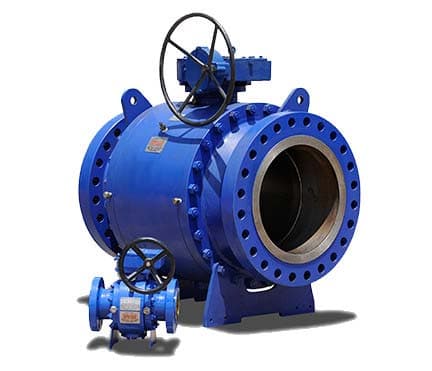 IH-OFV-BALL-3-5M-FLG-5K-SOUR-WOMTrunnion Ball Valve, 3-1/8 in × 5M Flanged, 5,000 psi, Sour ServiceWorldwide Oilfield Machine
- IH-OFV-BALL-2-150RF-285-STD-INDUSFloating Ball Valve, 2 in × 150# RF, 285 psi, Standard ServiceIndus Hydraulics
Hydraulic and industrial ball valves
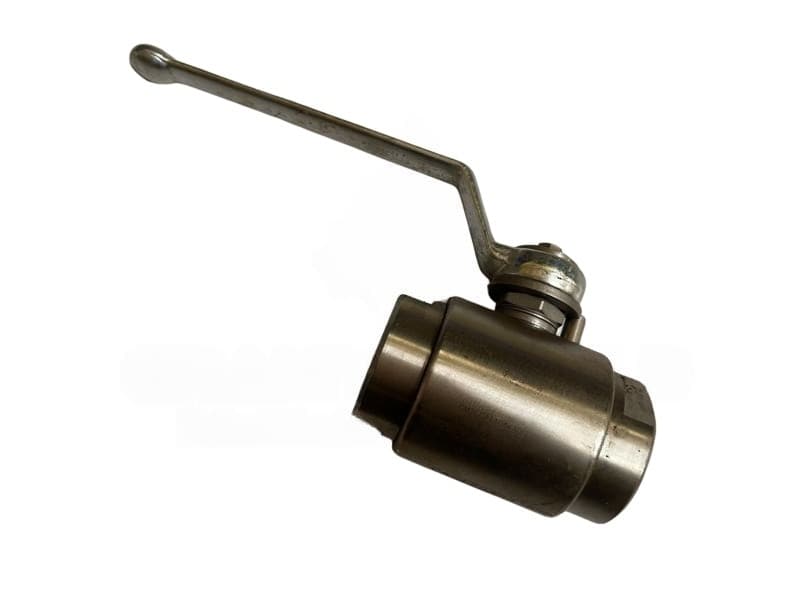 IH-HBV-34High-Pressure Hydraulic Ball Valve, 3/4″ (DN20)
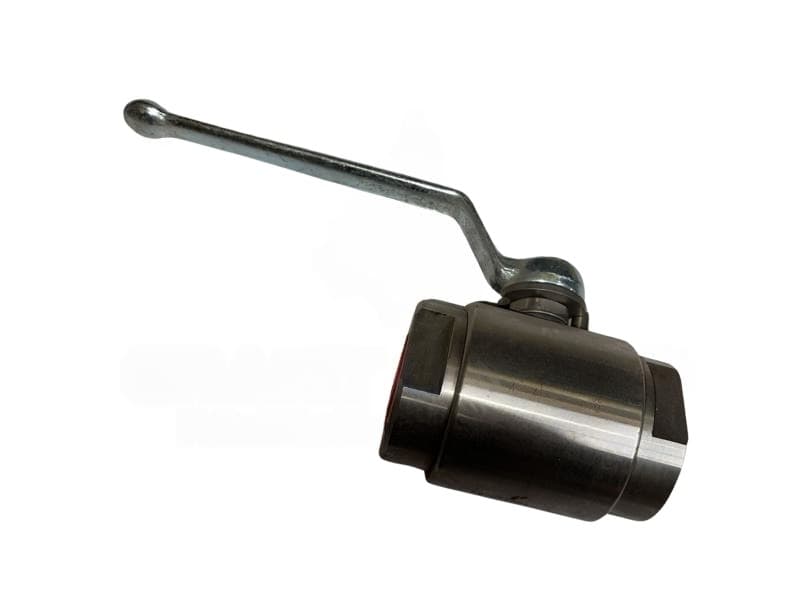 IH-HBV-1High-Pressure Hydraulic Ball Valve, 1″ (DN25)
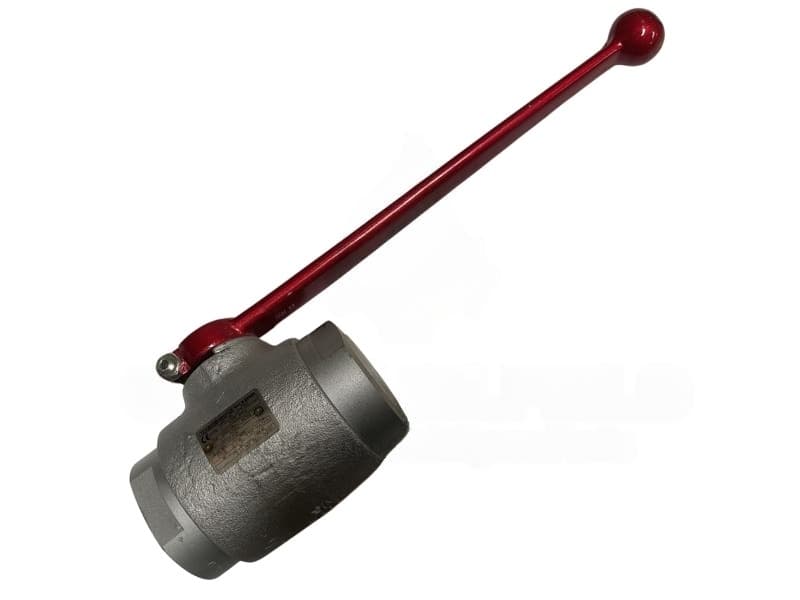 IH-HBV-112High-Pressure Hydraulic Ball Valve, 1-1/2″ (DN40)
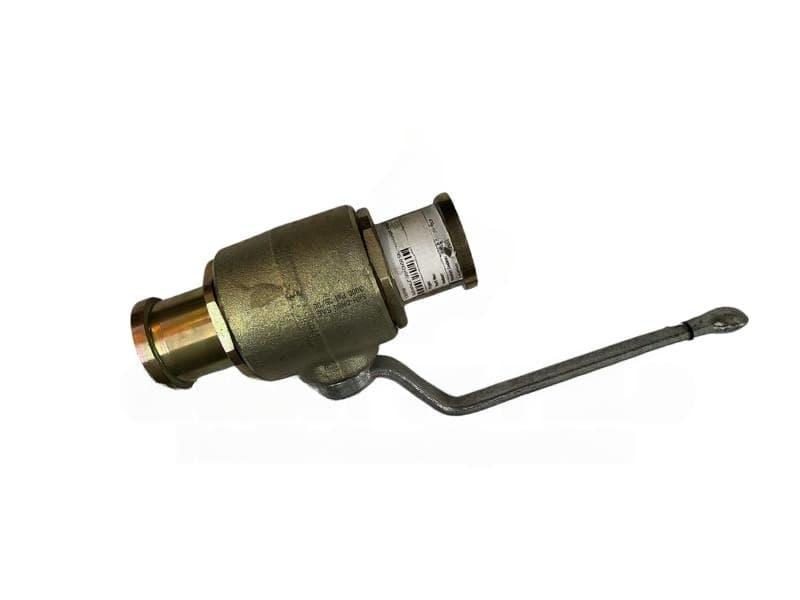 IH-HBV-2High-Pressure Hydraulic Ball Valve, 2″ (DN50)
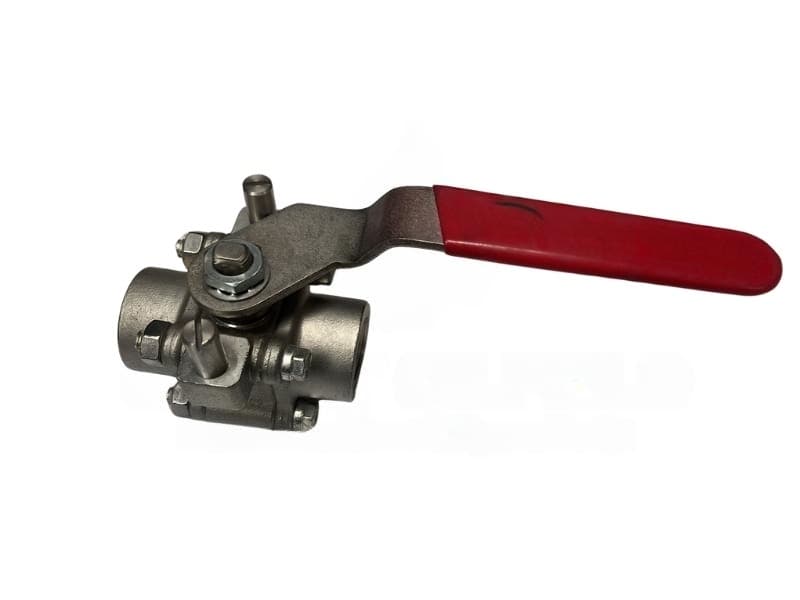 IH-IBV-12Industrial Ball Valve, 1/2″ (DN15)
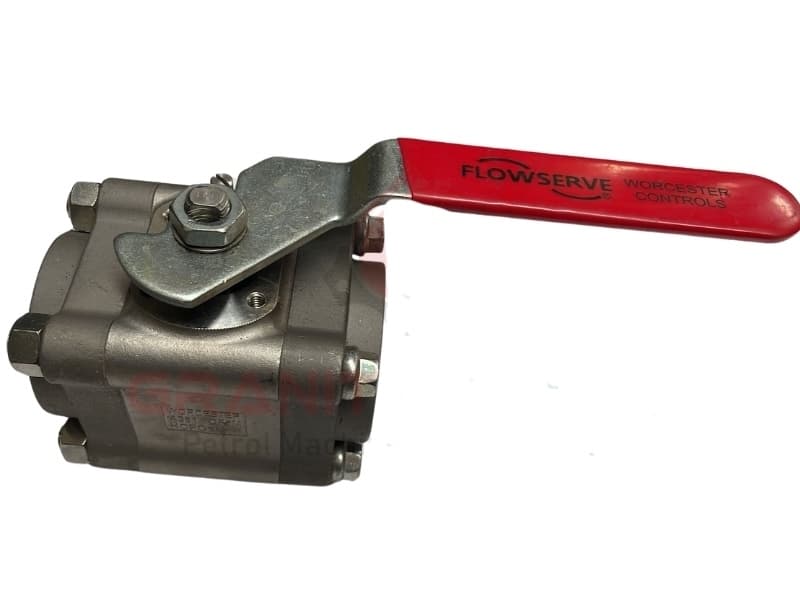 IH-IBV-2Industrial Ball Valve, 2″ (DN50)