
Parker 782TC Series High Pressure Rubber Tough Cover Hydraulic Hoses
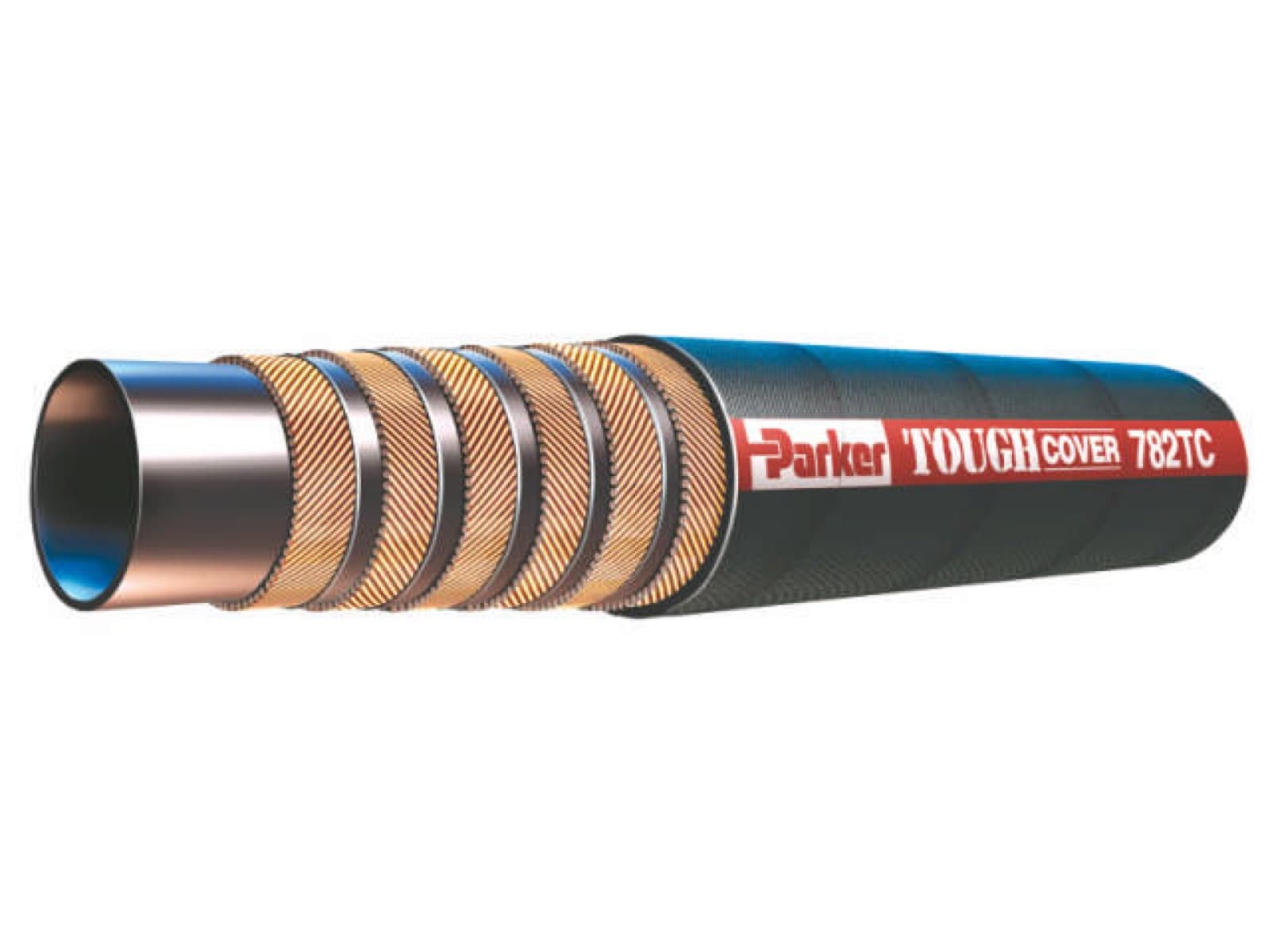
Parker 782TC Series High Pressure Rubber Tough Cover Hydraulic Hoses: 4 part numbers.
Product description
Parker 782TC Series High Pressure Rubber Tough Cover Hydraulic Hoses: 4 part numbers.
Specification
- Type: Hydraulic Hose
- Material: Rubber
- Pressure stated by the maker: 5,000 psi (345 bar)
- Part numbers: 4
Sizes and part numbers
The Sizes & Part Numbers tab lists every Parker part number in this range with its ratings. Ratings vary by size — check the row for the part you order.
Choosing the hose
Select hose on working pressure, bore, temperature and fluid. The working pressure in the size table is the maximum for continuous duty; burst pressure is a test figure, not a working limit. End fittings must be from the series the hose maker approves for that hose.
How to order
Quote the Parker part number. Price and lead time are confirmed with the quotation.
Specifications
| Parameter | Value |
|---|---|
| Division | Hose Products |
| Group | Fluid Connector |
| Inch - Metric | Inch |
Shipping & lead time
Sizes & part numbers
4 sizes- Parker Hannifin part no.782TC-12
- Description
- Hydraulic Hose, High Pressure, Rubber Tough Cover
- Working pressure (bar)
- 345
- Parker Hannifin part no.782TC-16
- Description
- Hydraulic Hose, High Pressure, Rubber Tough Cover
- Working pressure (bar)
- 345
- Parker Hannifin part no.782TC-20
- Description
- Hydraulic Hose, High Pressure, Rubber Tough Cover
- Working pressure (bar)
- 345
- Parker Hannifin part no.782TC-24
- Description
- Hydraulic Hose, High Pressure, Rubber Tough Cover
- Working pressure (bar)
- 345
Description — What this part number is, as the manufacturer lists it. Ask us for the dimension drawing if you need it stamped.
Working pressure is the manufacturer’s published rating for the fitting itself. An assembly is limited by its lowest-rated component, so check it against the hose, the tube and the port you are mating to.
What is the Parker 782TC Series High Pressure Rubber Tough Cover Hydraulic Hoses used for?▾
Which sizes does the Parker 782TC Series High Pressure Rubber Tough Cover Hydraulic Hoses come in?▾
What does part number 782TC-20 of the Parker 782TC Series High Pressure Rubber Tough Cover Hydraulic Hoses cover?▾
What is the working pressure of the Parker 782TC Series High Pressure Rubber Tough Cover Hydraulic Hoses?▾
What temperatures and fluids suit the Parker 782TC Series High Pressure Rubber Tough Cover Hydraulic Hoses?▾
Which standard does the Parker 782TC Series High Pressure Rubber Tough Cover Hydraulic Hoses meet?▾
Which fittings and ferrules do I use on the Parker 782TC Series High Pressure Rubber Tough Cover Hydraulic Hoses?▾
How should I route the Parker 782TC Series High Pressure Rubber Tough Cover Hydraulic Hoses and what is the minimum bend radius?▾
How do I match the size of the Parker 782TC Series High Pressure Rubber Tough Cover Hydraulic Hoses to my old hose?▾
Parker 782TC Series or Parker 791TC Series: which should I choose?▾
Where does the Parker 782TC Series High Pressure Rubber Tough Cover Hydraulic Hoses come from and how is it shipped?▾
Do you stock the Parker 782TC Series High Pressure Rubber Tough Cover Hydraulic Hoses in Dubai?▾
Shipped worldwide from our Dubai warehouse. Transit, routes and documentation for 136 destinations
From the blog
Written about this range
Machine down
Detaching a hose on a modern machine: guards, clips and the ones that fight back
On a machine built in the last fifteen years, getting to the hose takes longer than changing it. Most of that time is spent undoing things nobody photographed.
5 min read
Procurement & export
Bulk hose by the metre, or finished assemblies?
Buying hose on a reel and crimping your own looks cheaper and sometimes is. The decision turns on whether you can state a crimp diameter and prove you hit it.
3 min read
Failure analysis
Cover blistering and pinholes: usually permeation, not a defect
A bubble under the cover looks like a manufacturing fault and normally is not. It is gas that got through the tube and could not get out through the cover — which tells you something specific about the fluid and the duty.
4 min read
Engineers viewing this also looked at
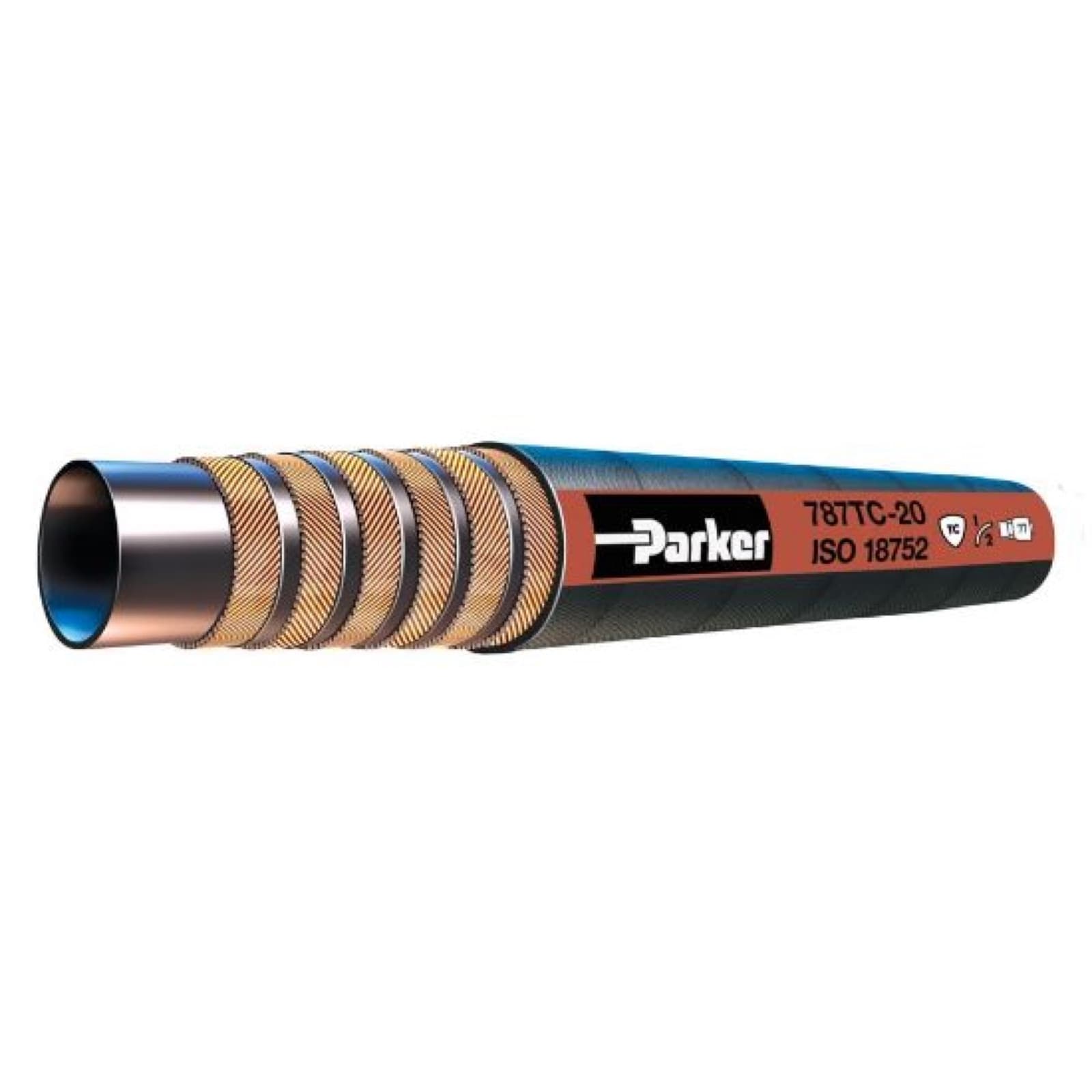
Parker 787TC Series Tough Cover Hydraulic Hoses, 5000 Psi
Parker Hannifin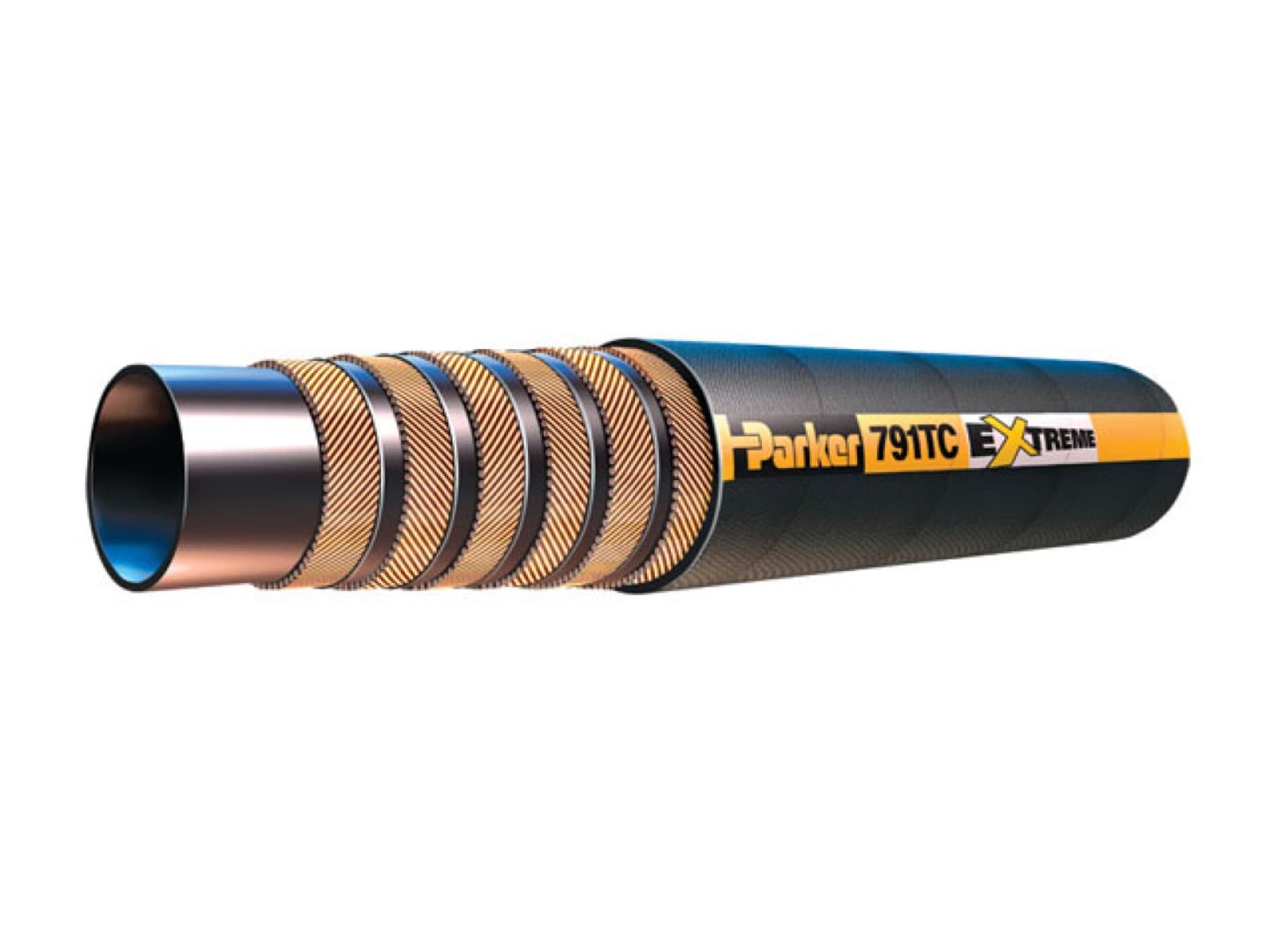
Parker 791TC Series High Pressure Rubber Tough Cover Hydraulic Hoses
Parker Hannifin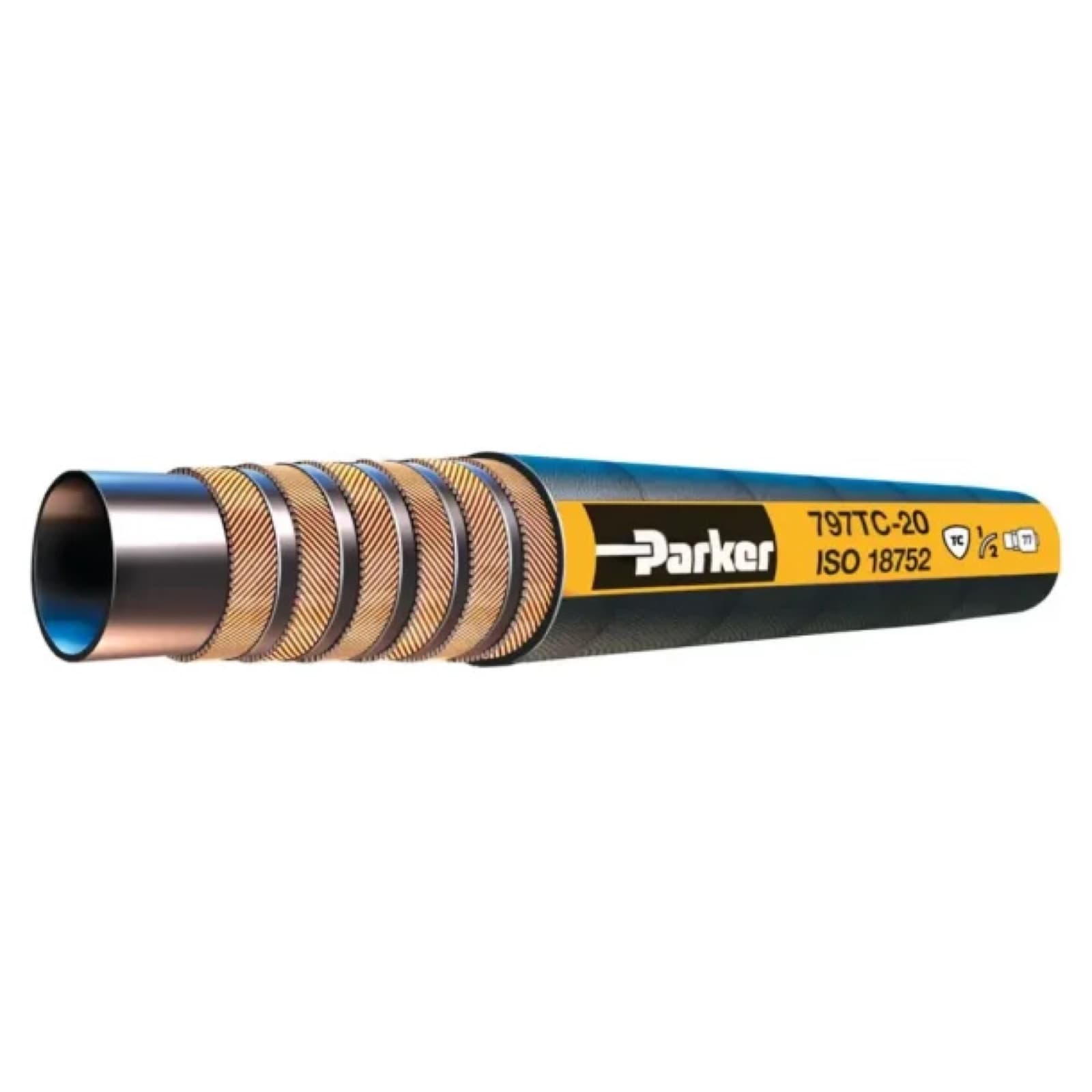
Parker 797TC Series Tough Cover Hydraulic Hoses, 6000 Psi
Parker Hannifin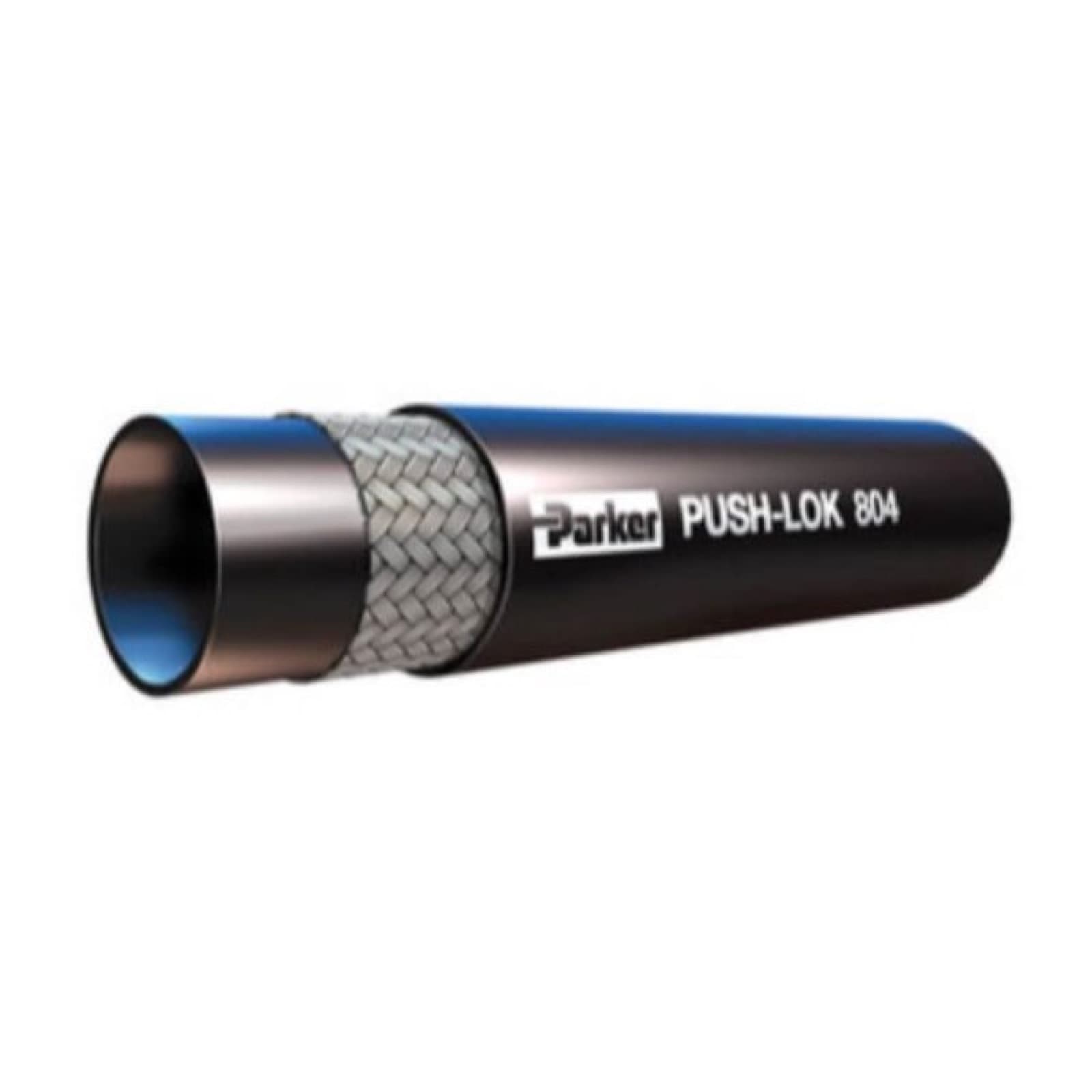
Parker 804 Series Hydraulic Bulk Hoses
Parker Hannifin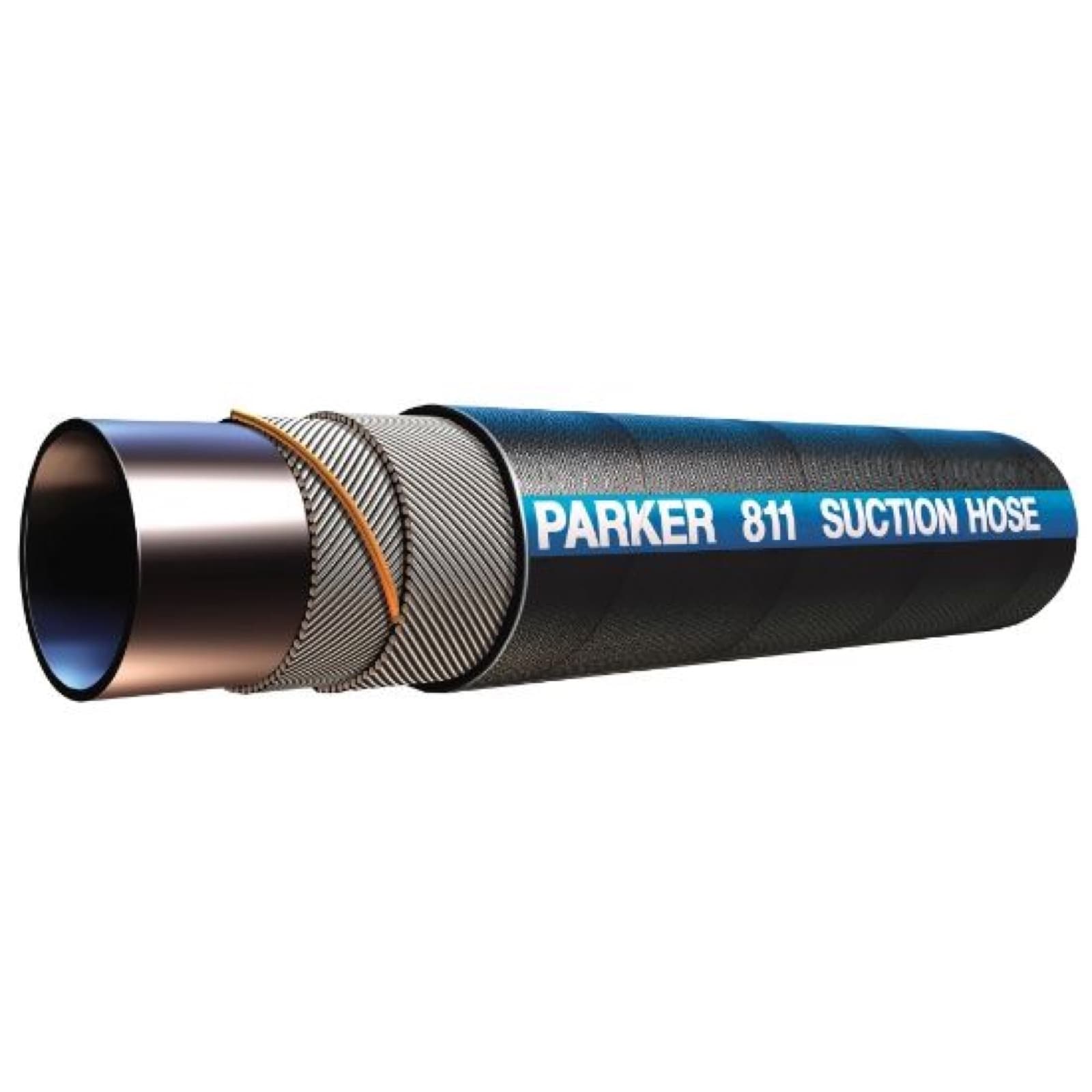
Parker 811 Series Low Pressure Rubber Hoses
Parker Hannifin
Parker 811HT Series Low Pressure Rubber Hoses
Parker Hannifin
Parker 881 Series Low Pressure Rubber Hydraulic Suction And Return Hoses
Parker Hannifin
Parker Bulk Hydraulic Hoses
Parker Hannifin