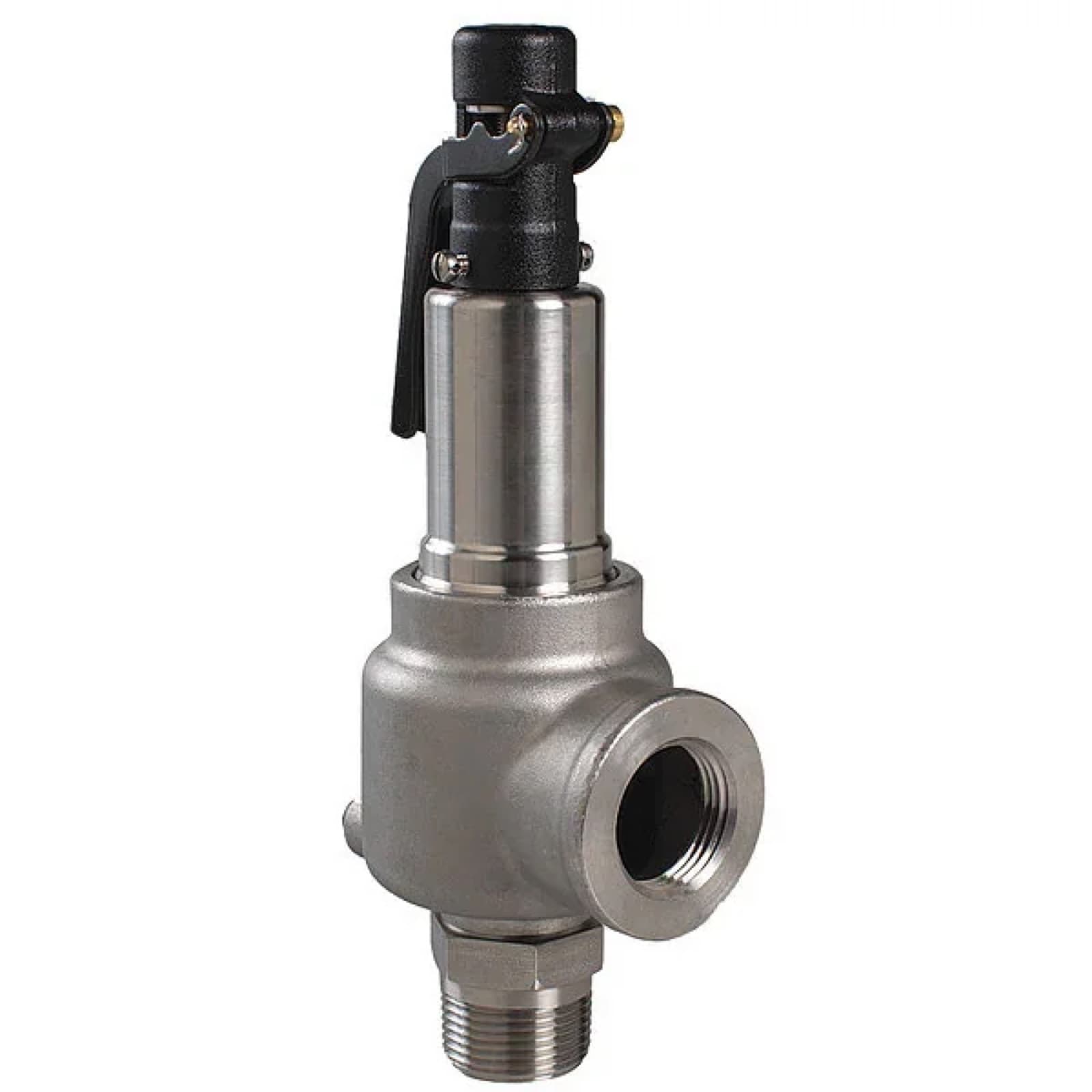
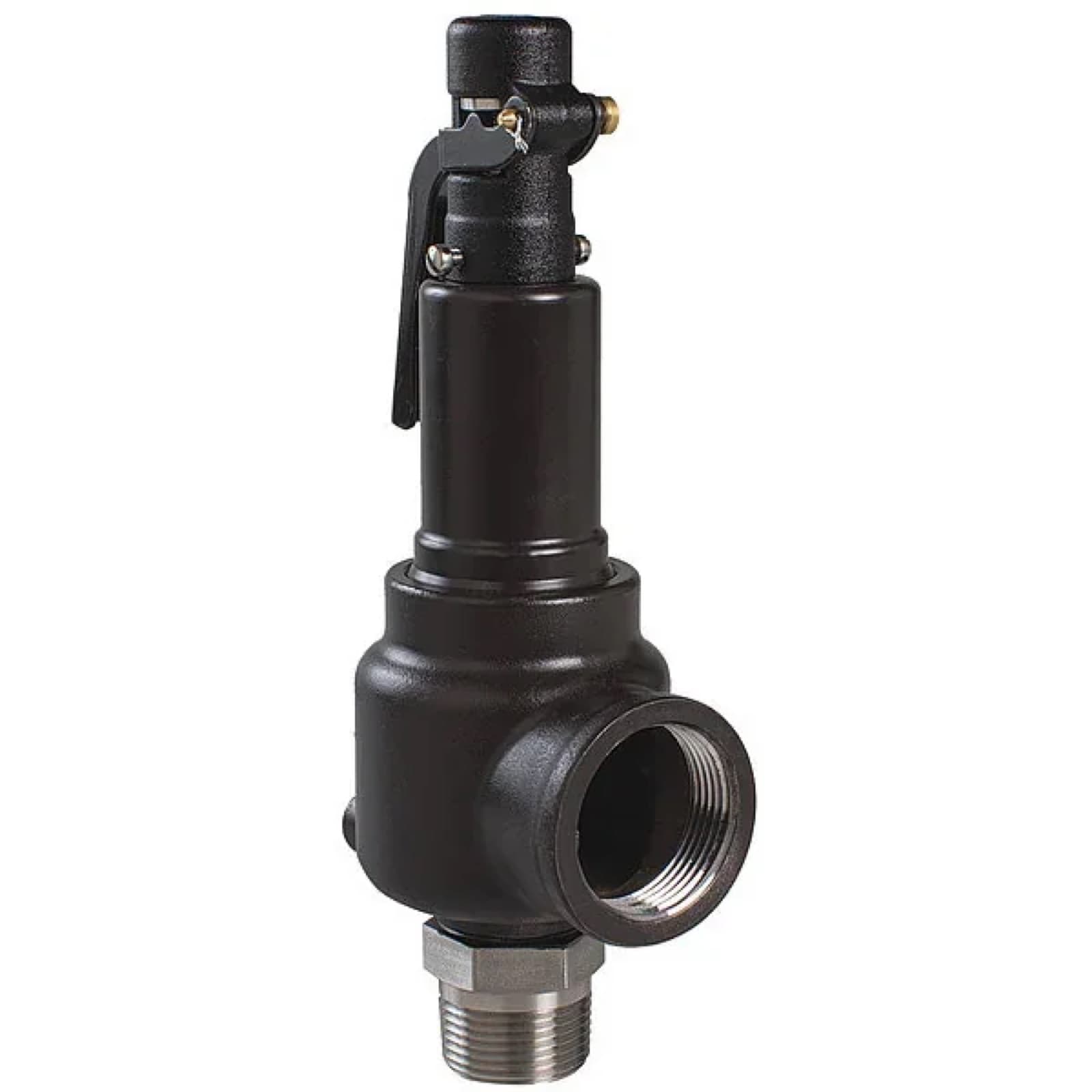
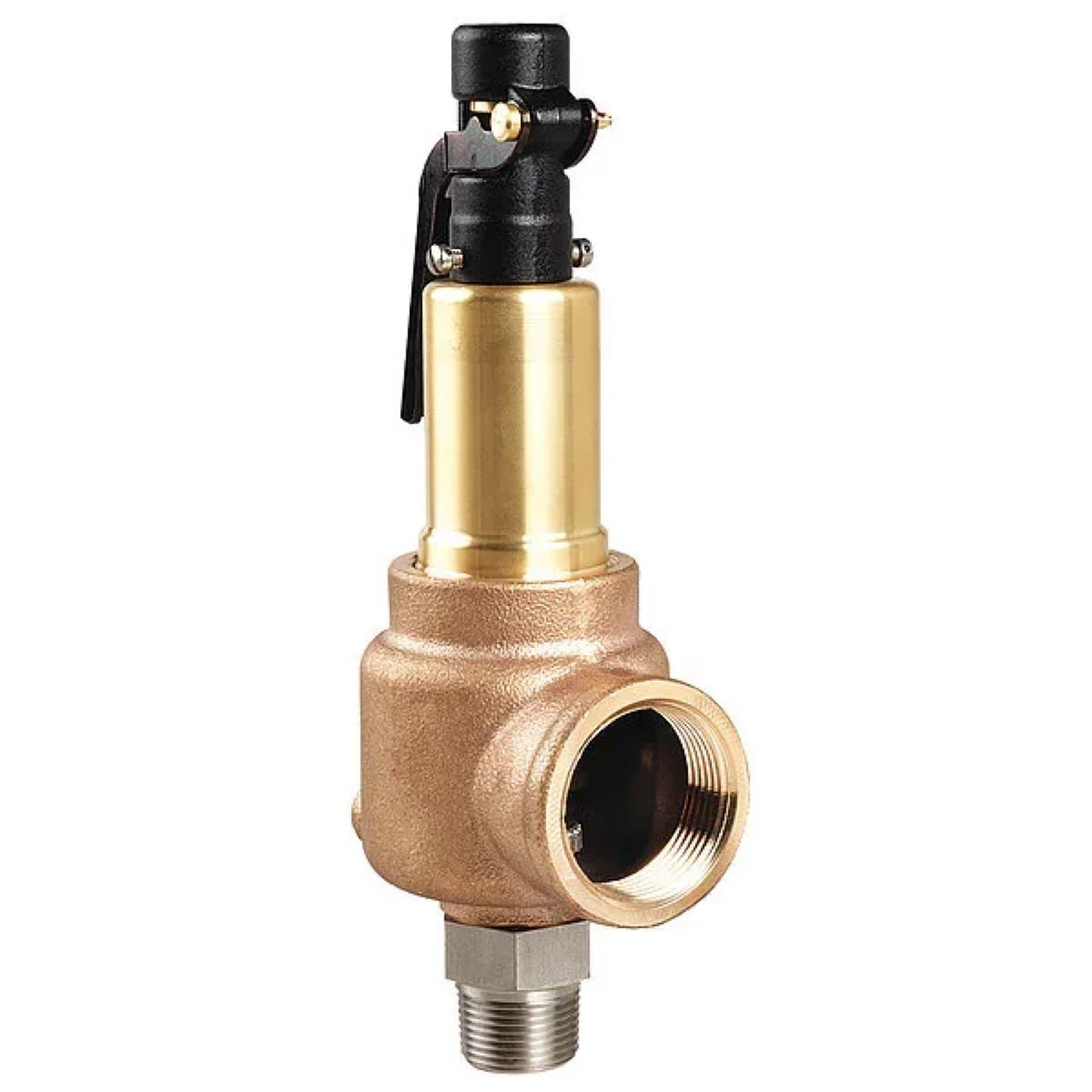
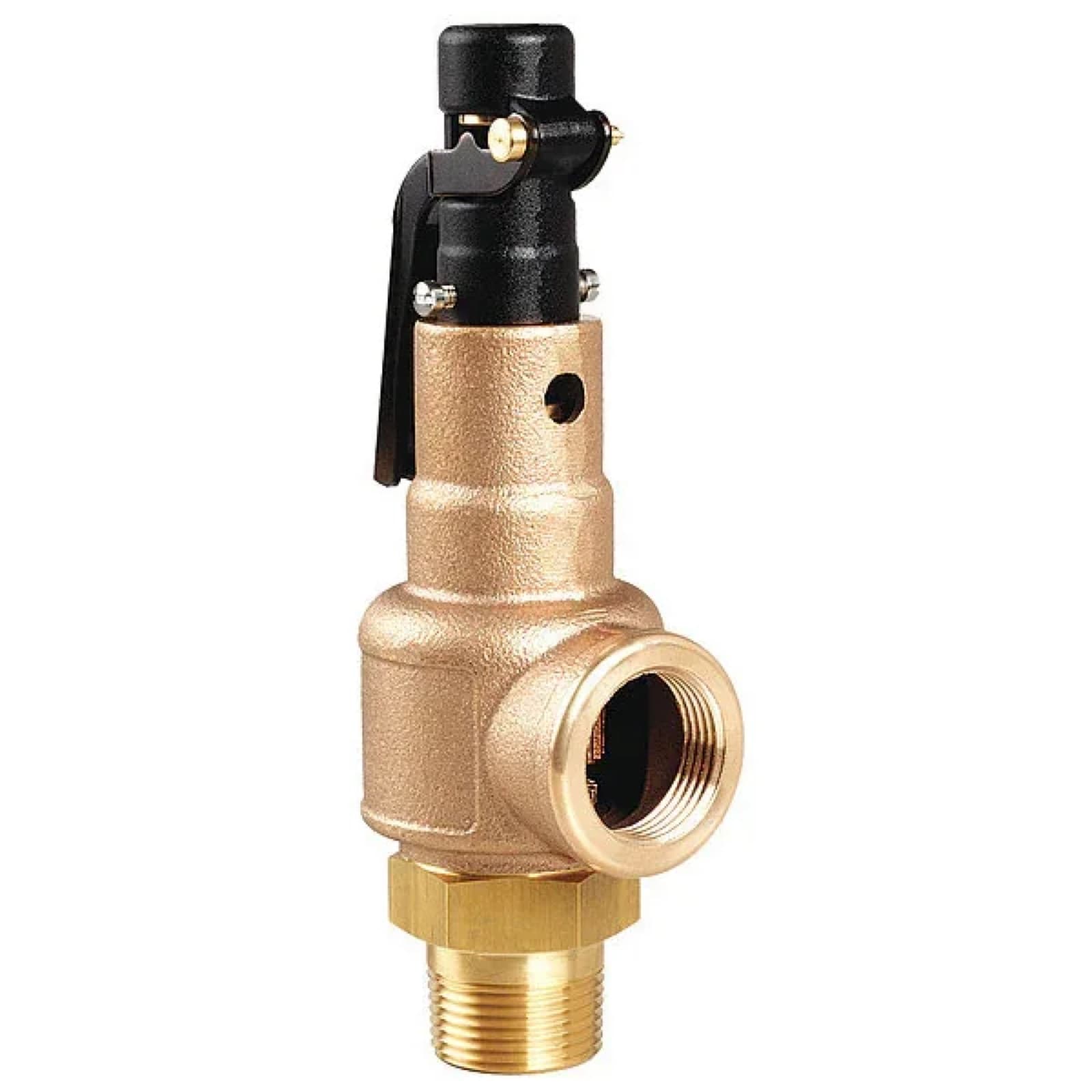
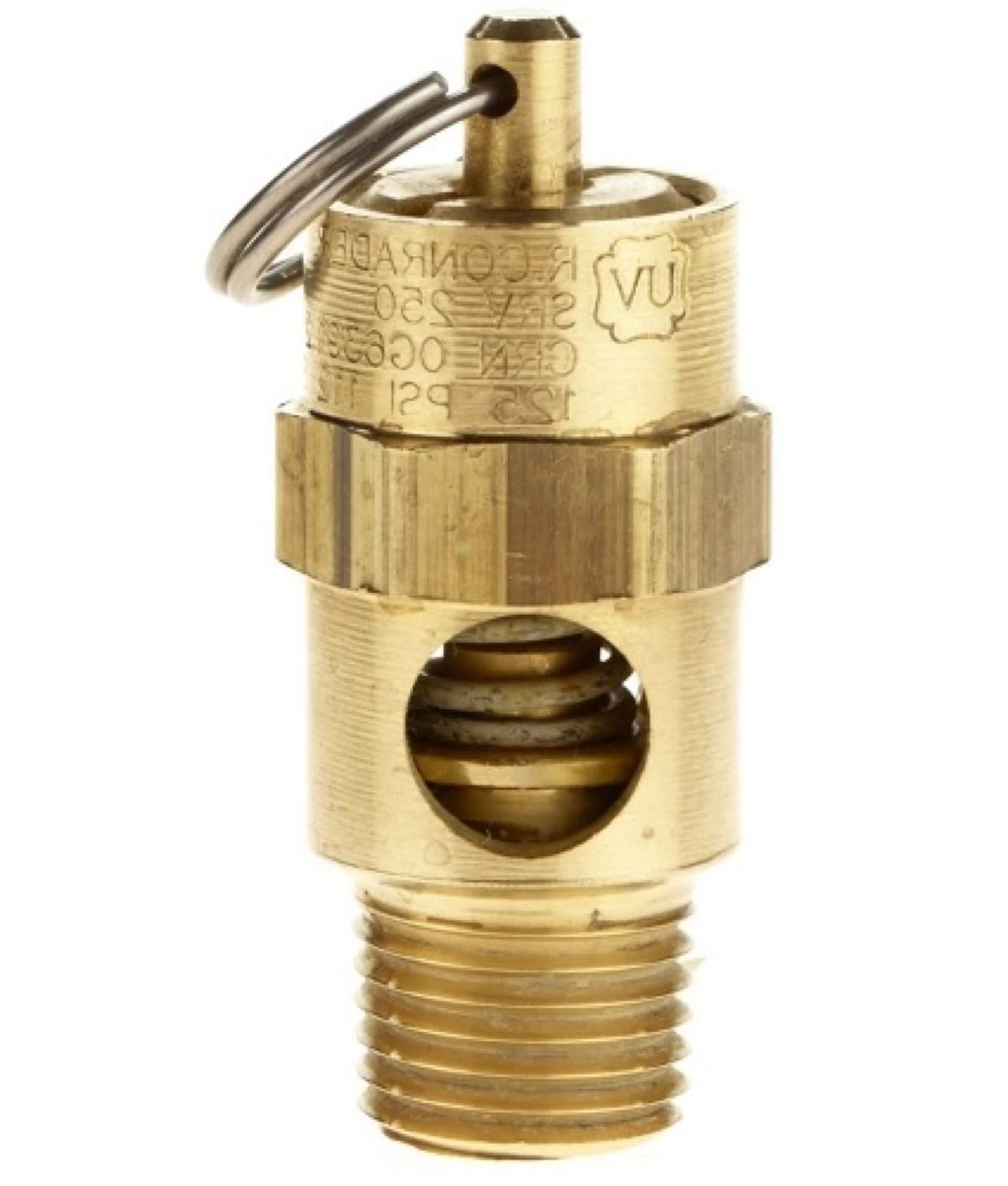
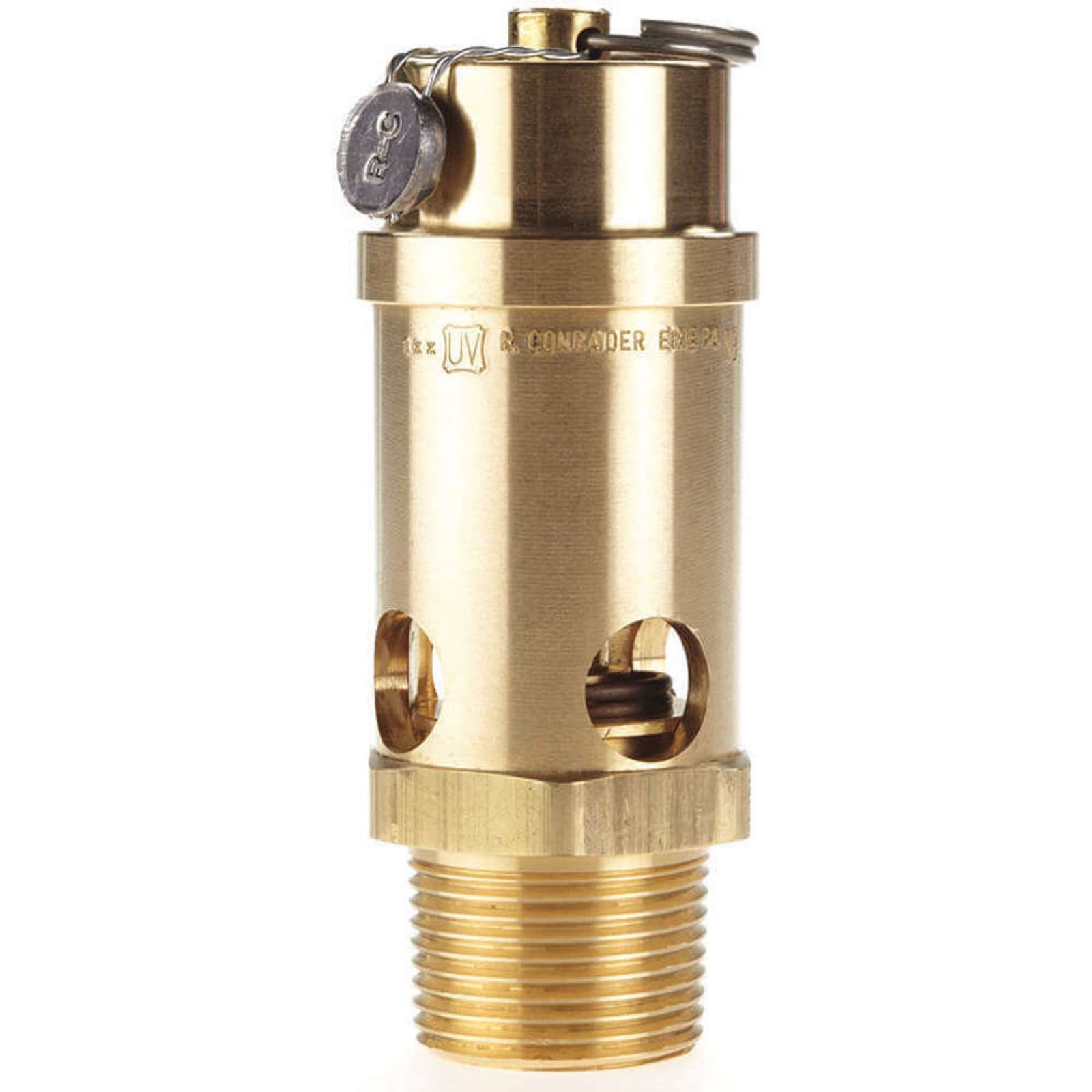
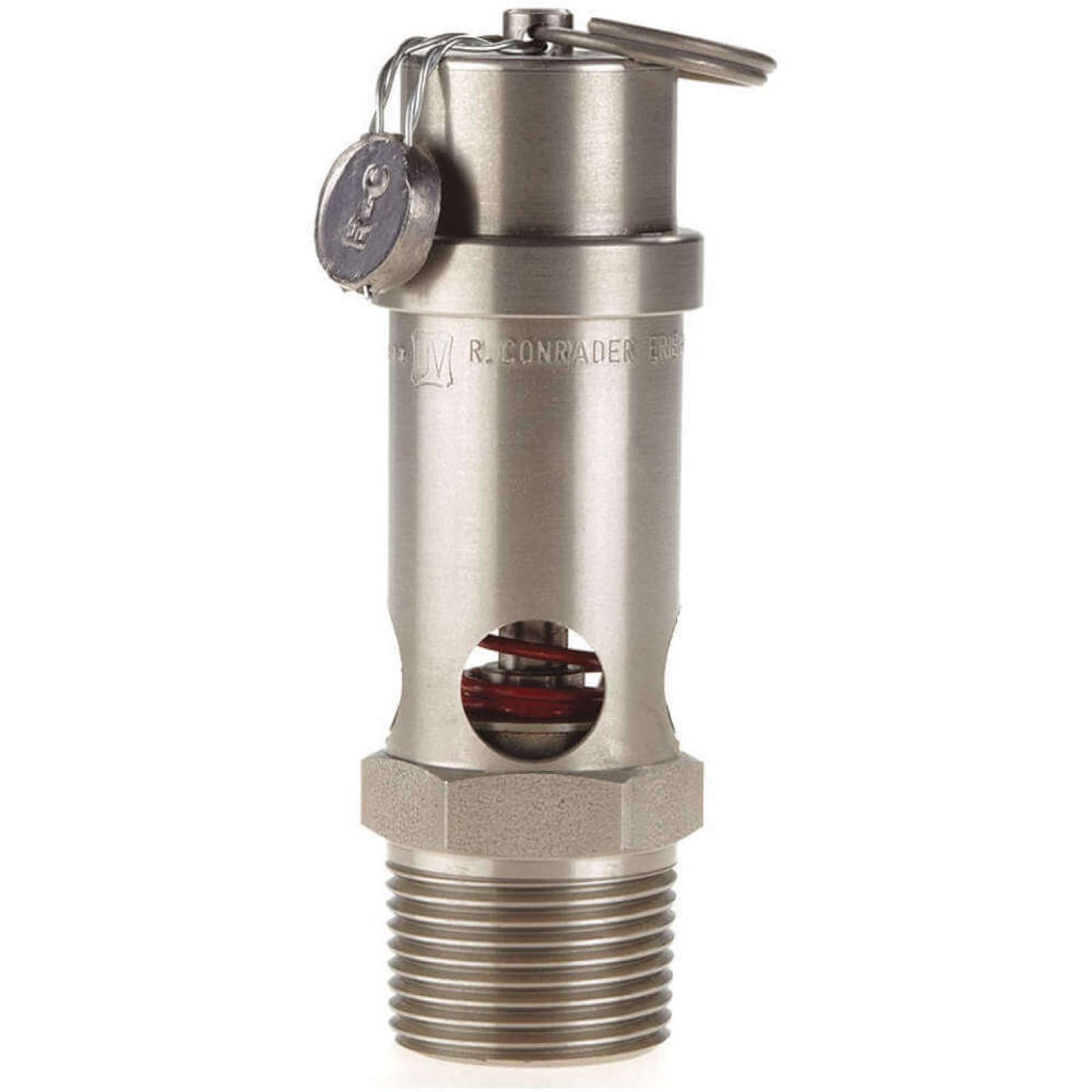
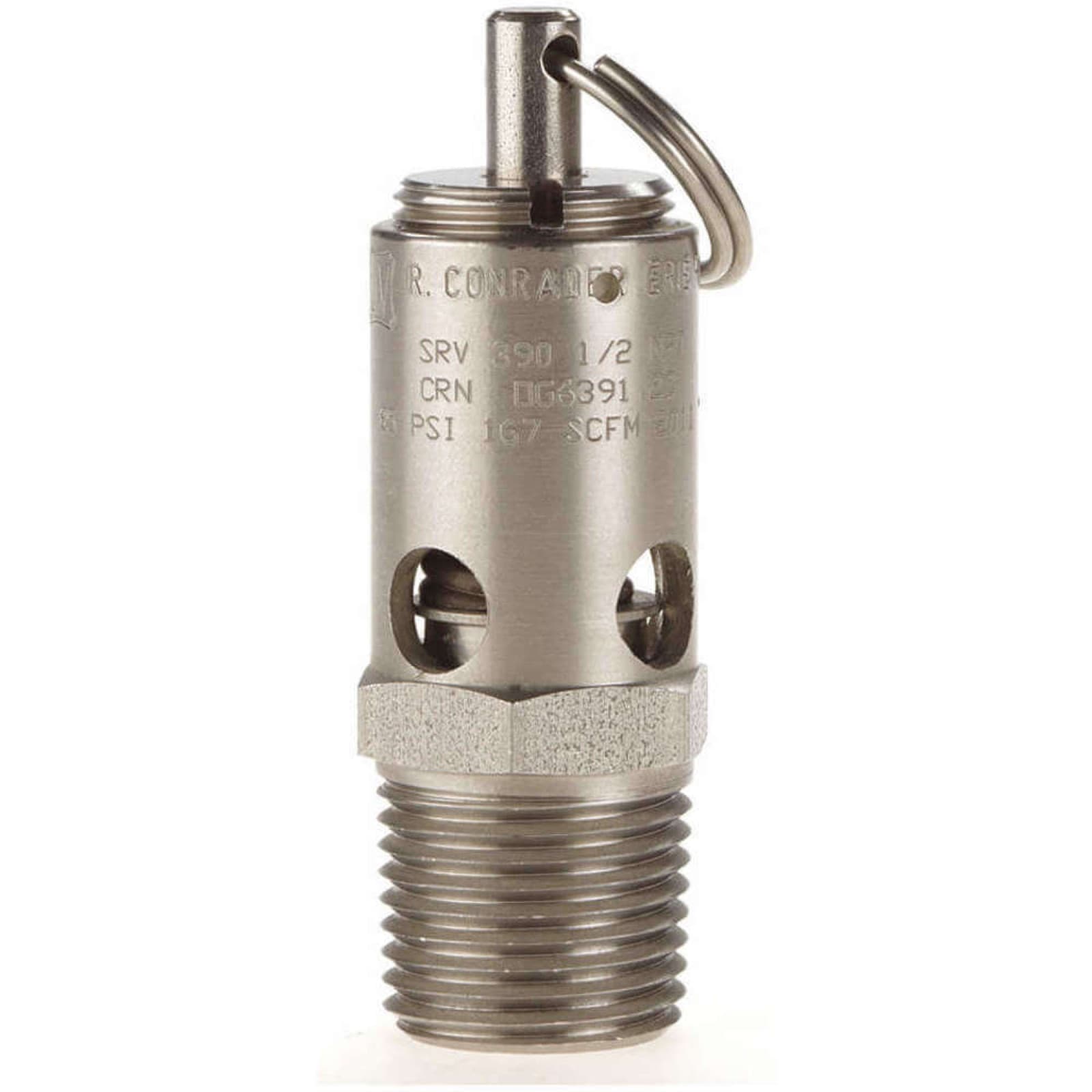
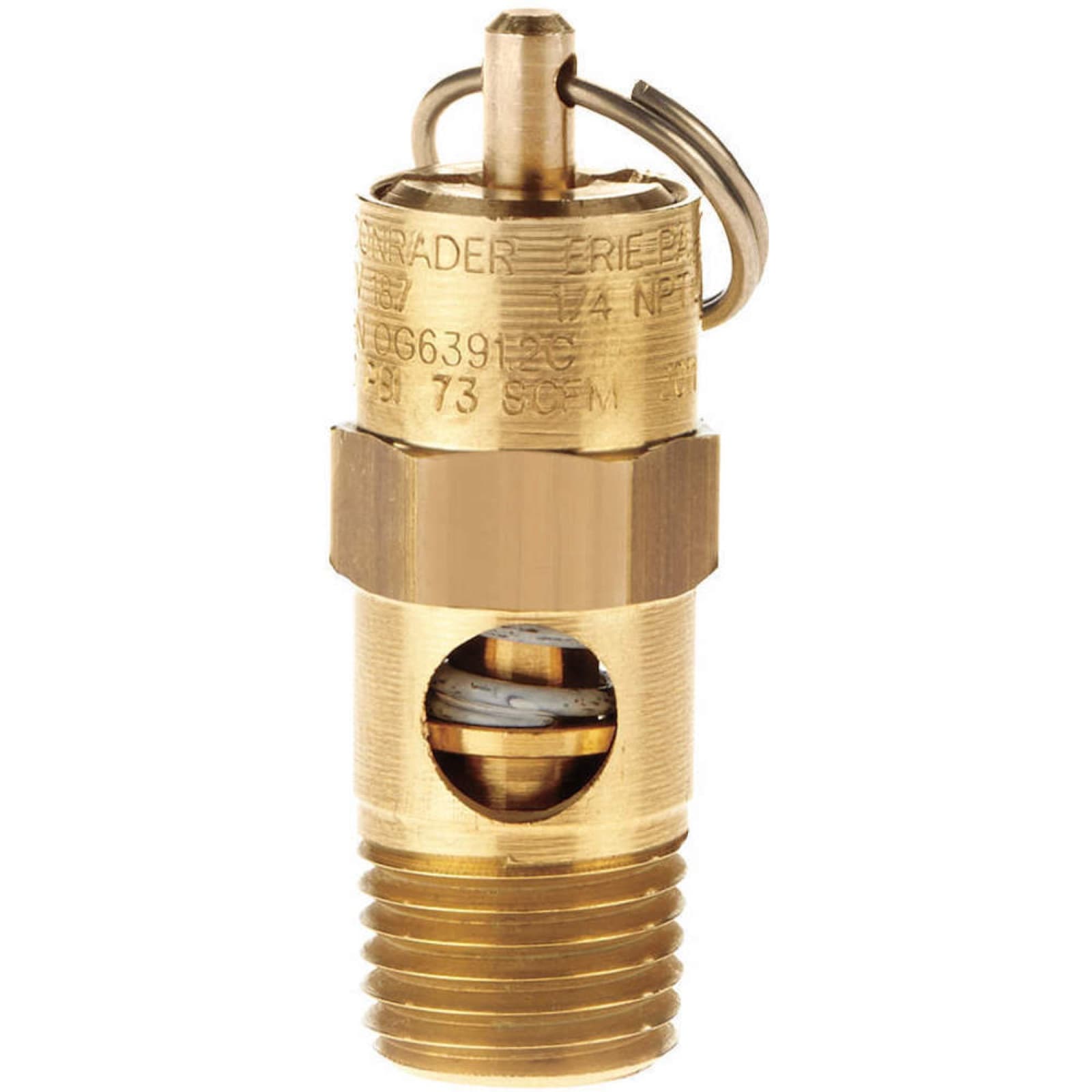
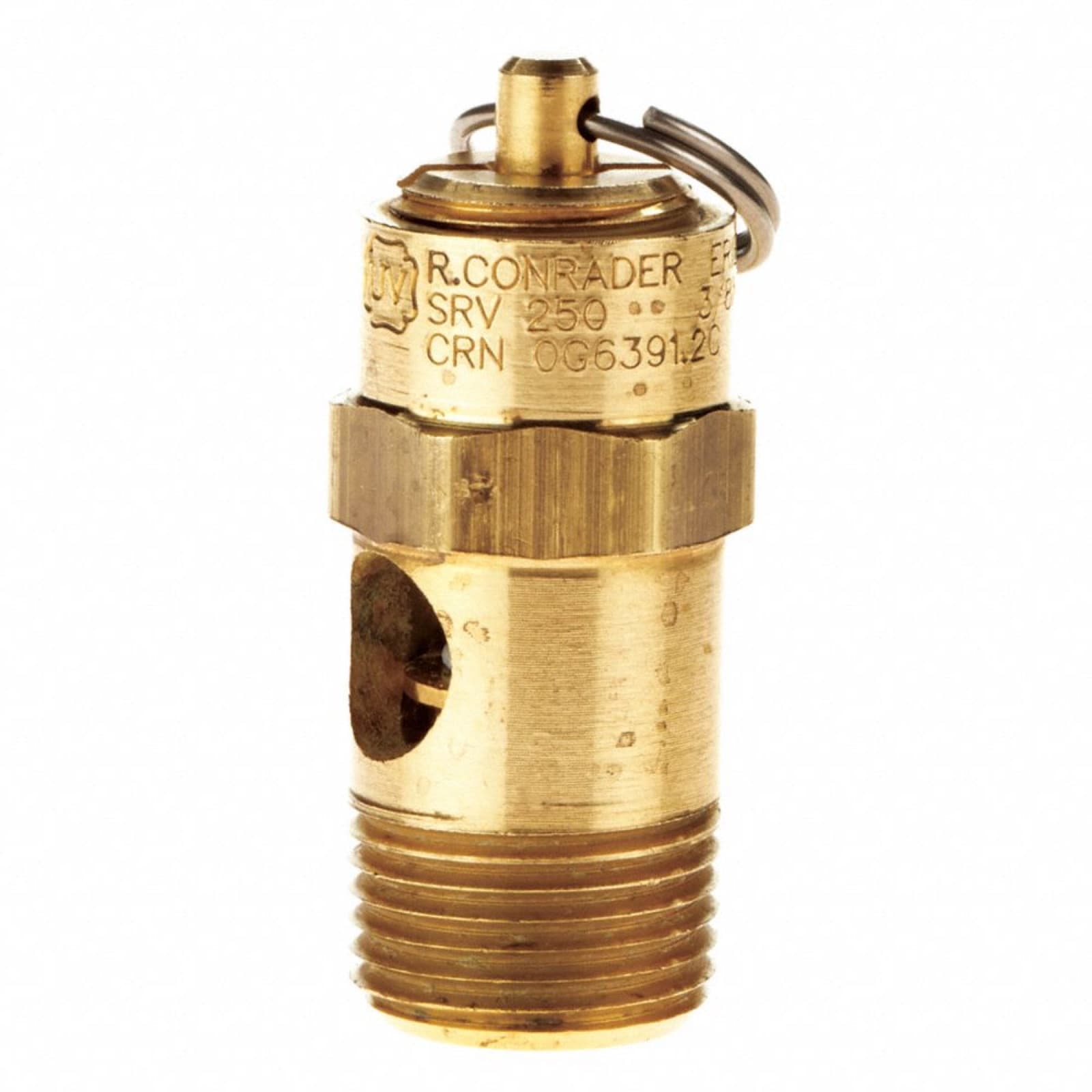
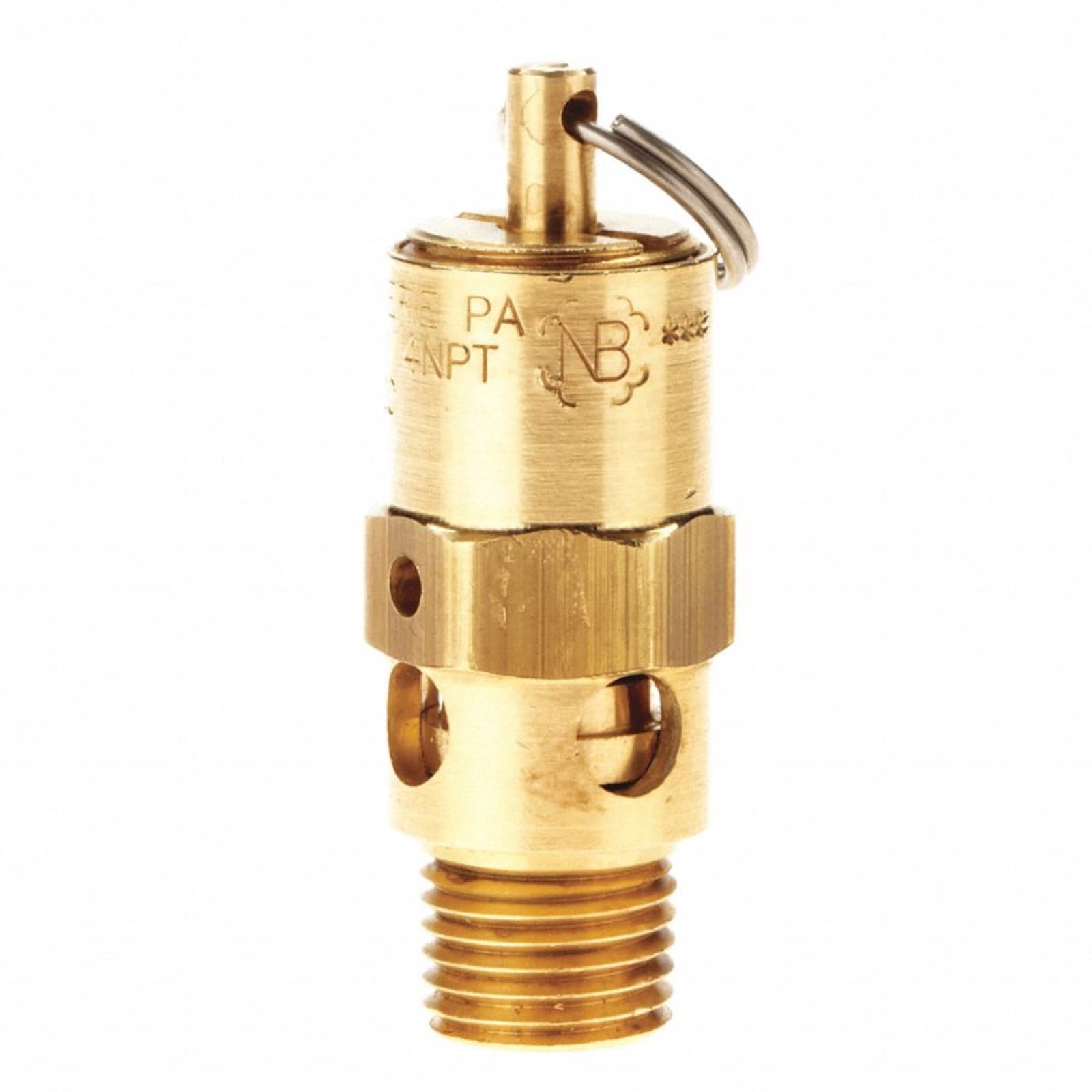
- 01What is the difference between a safety valve and a relief valve?
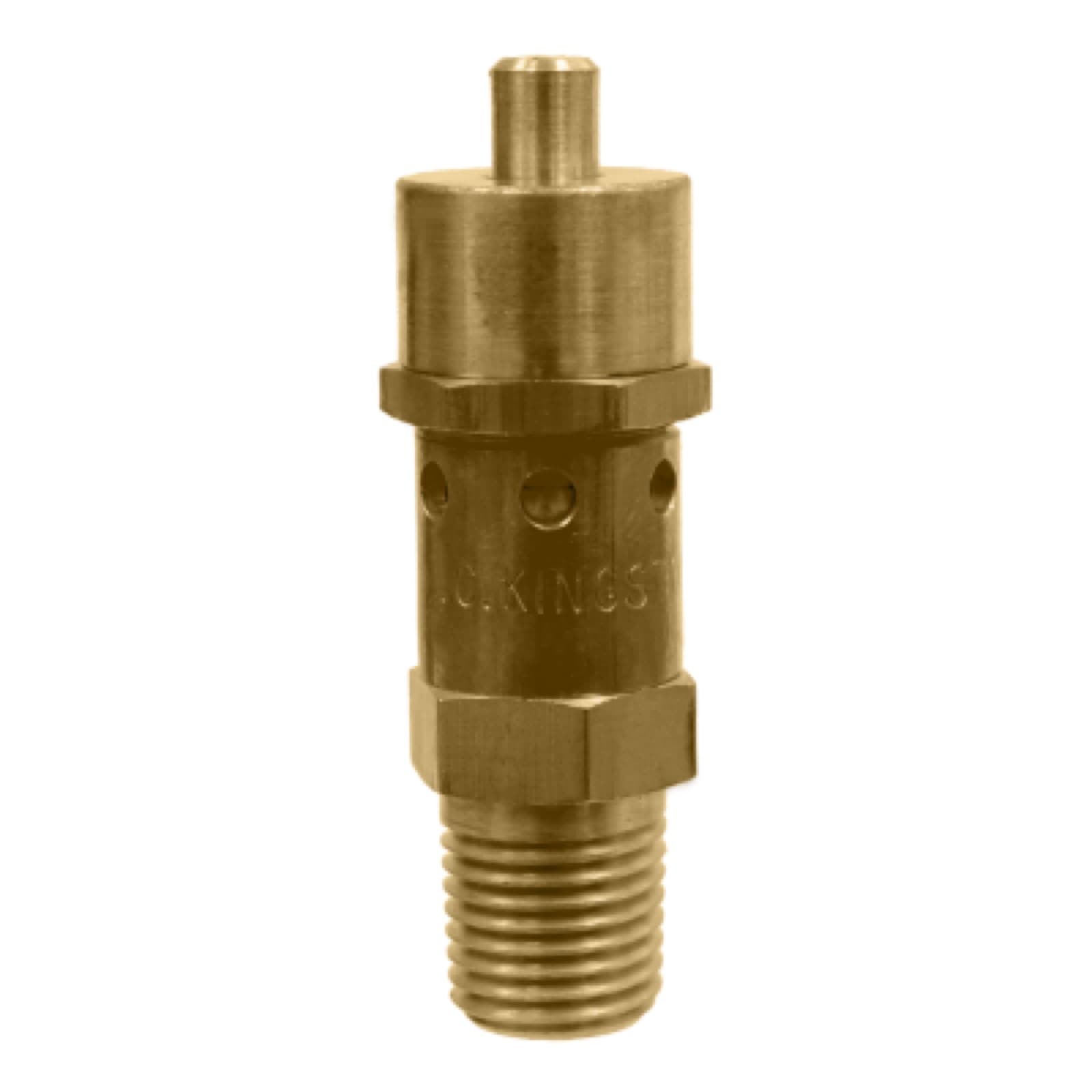
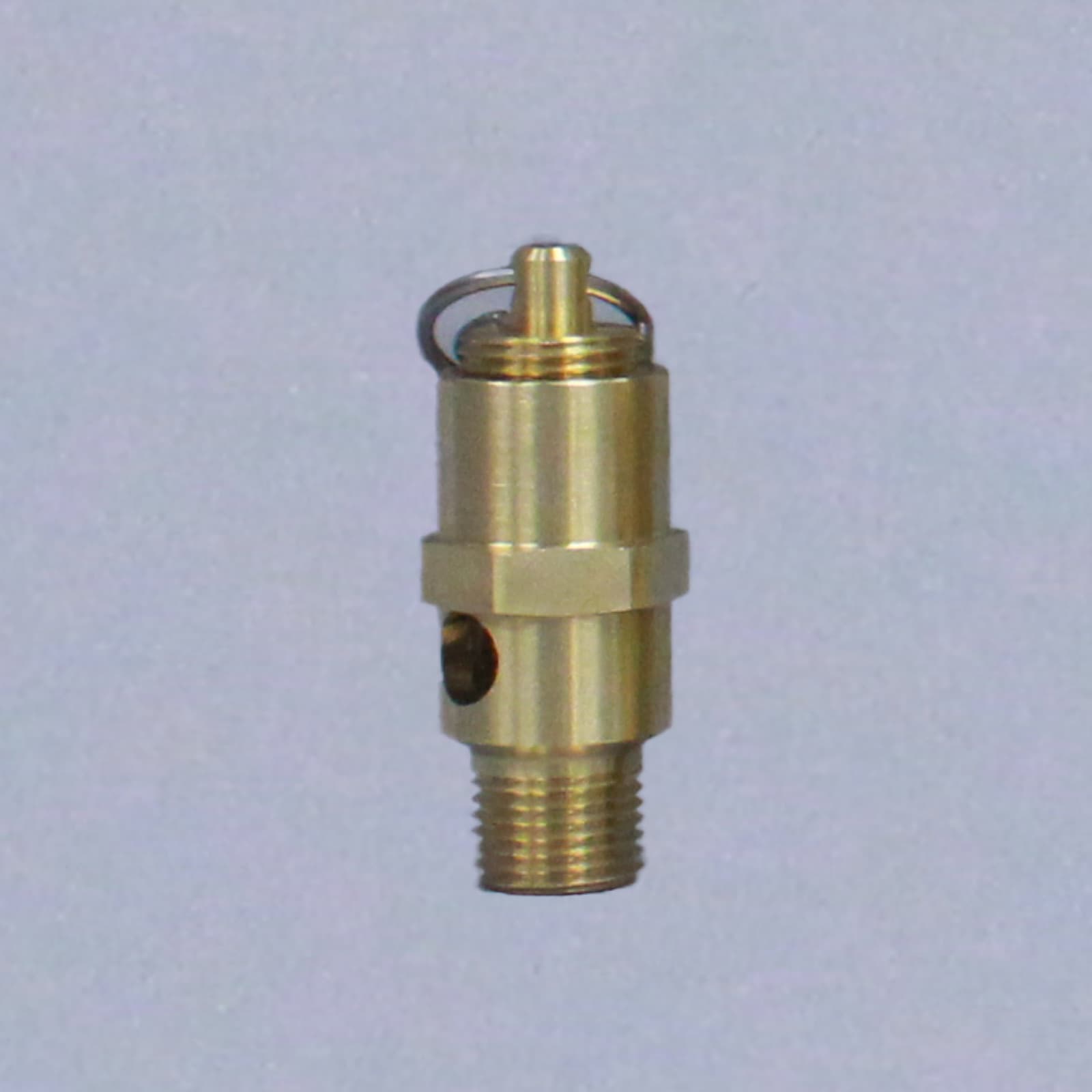
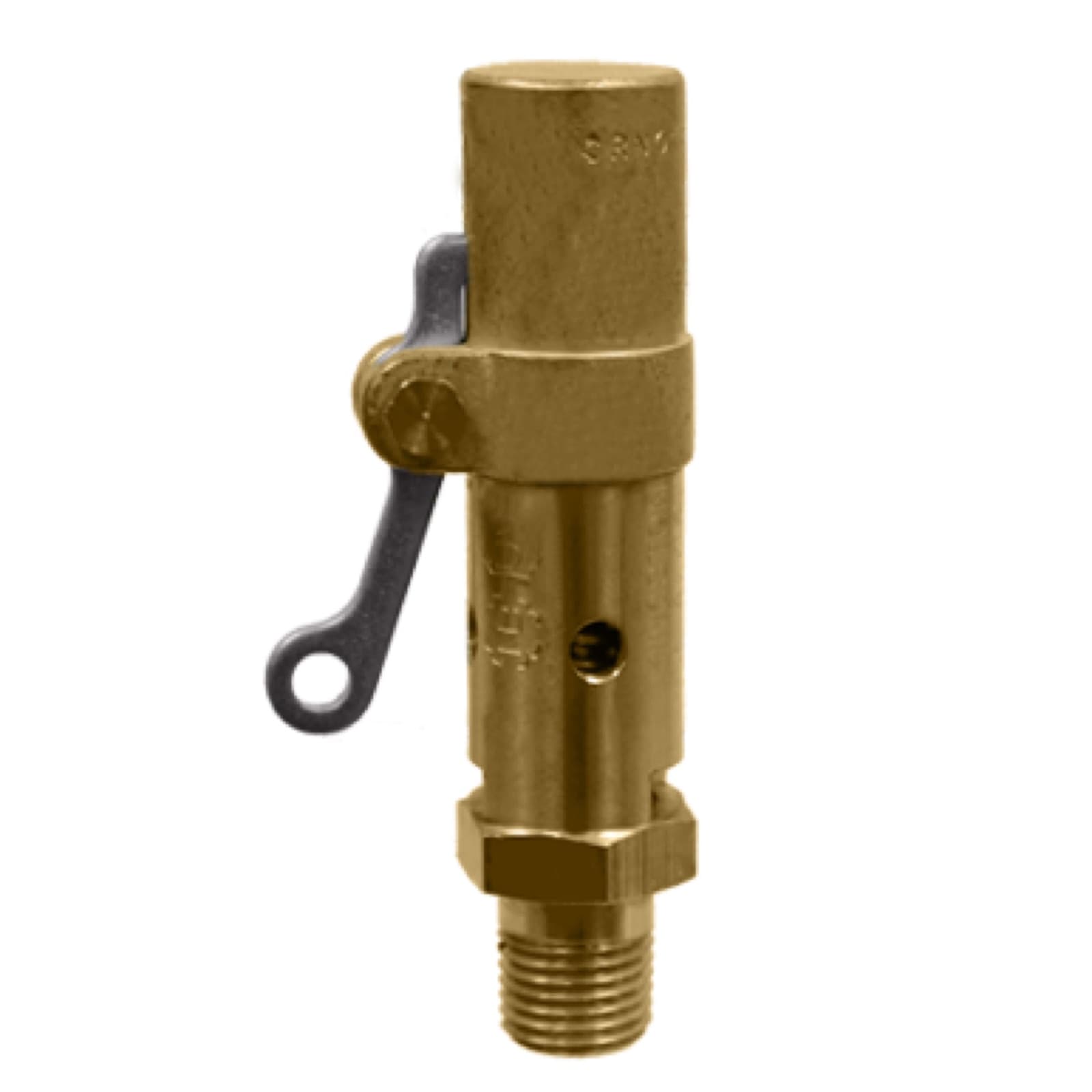
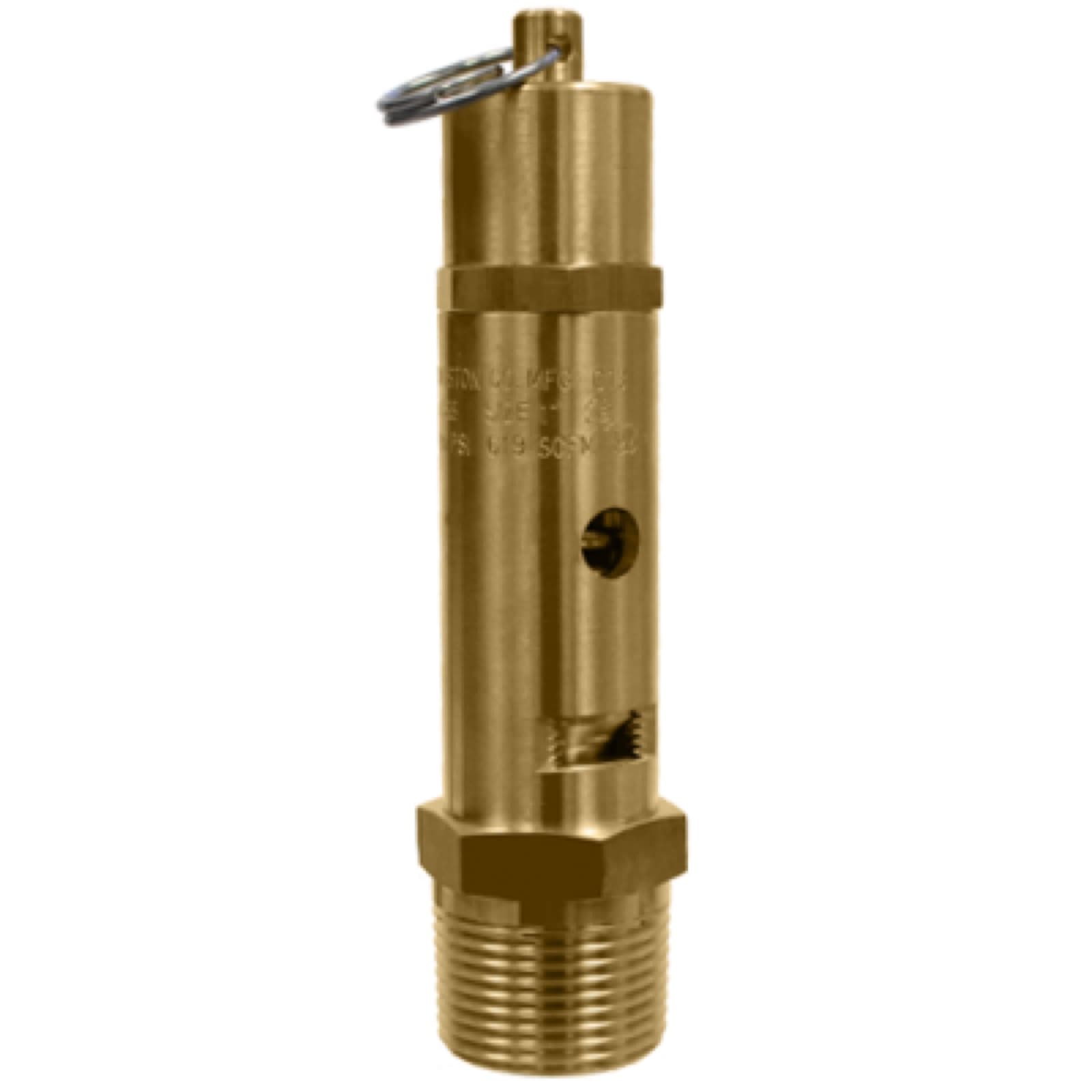
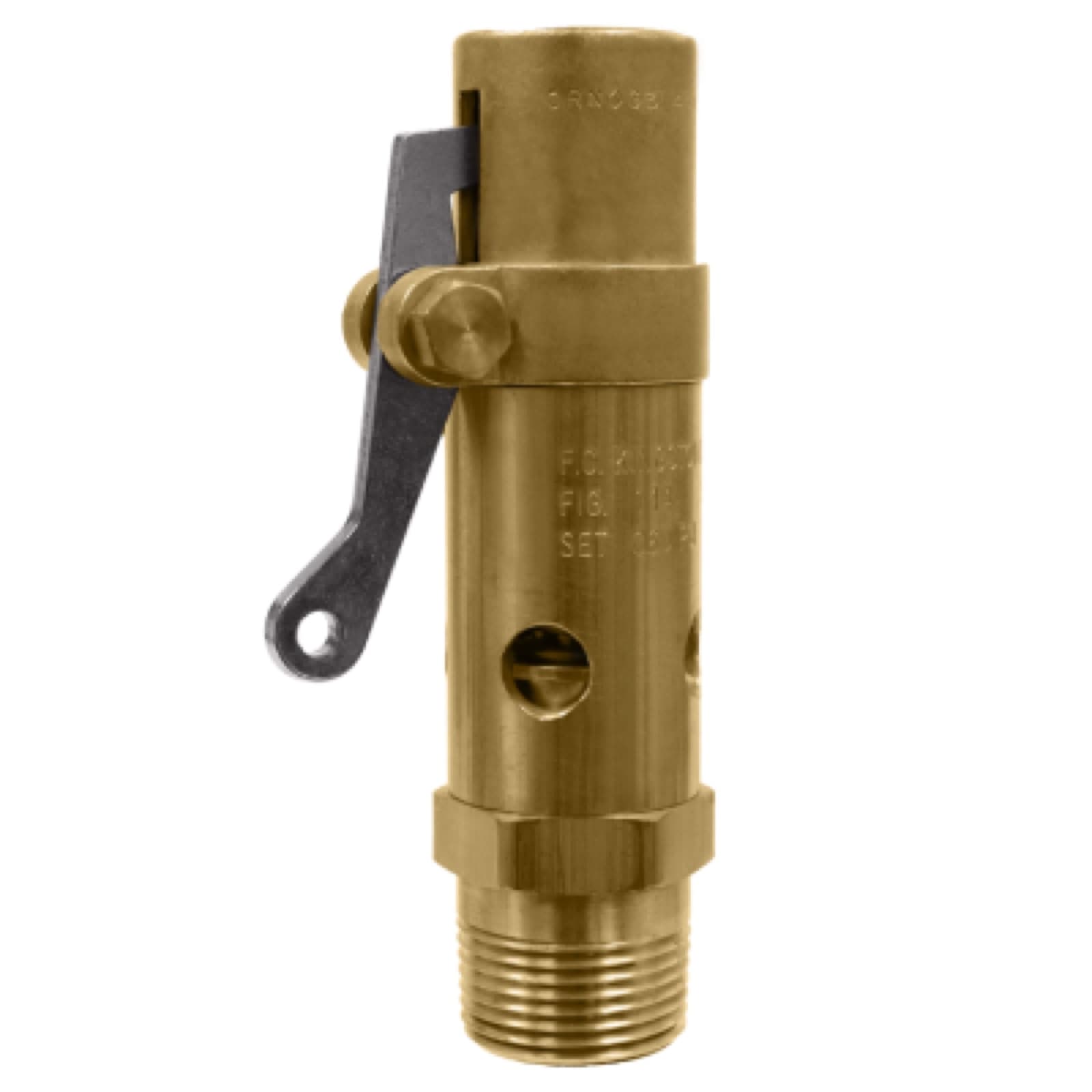
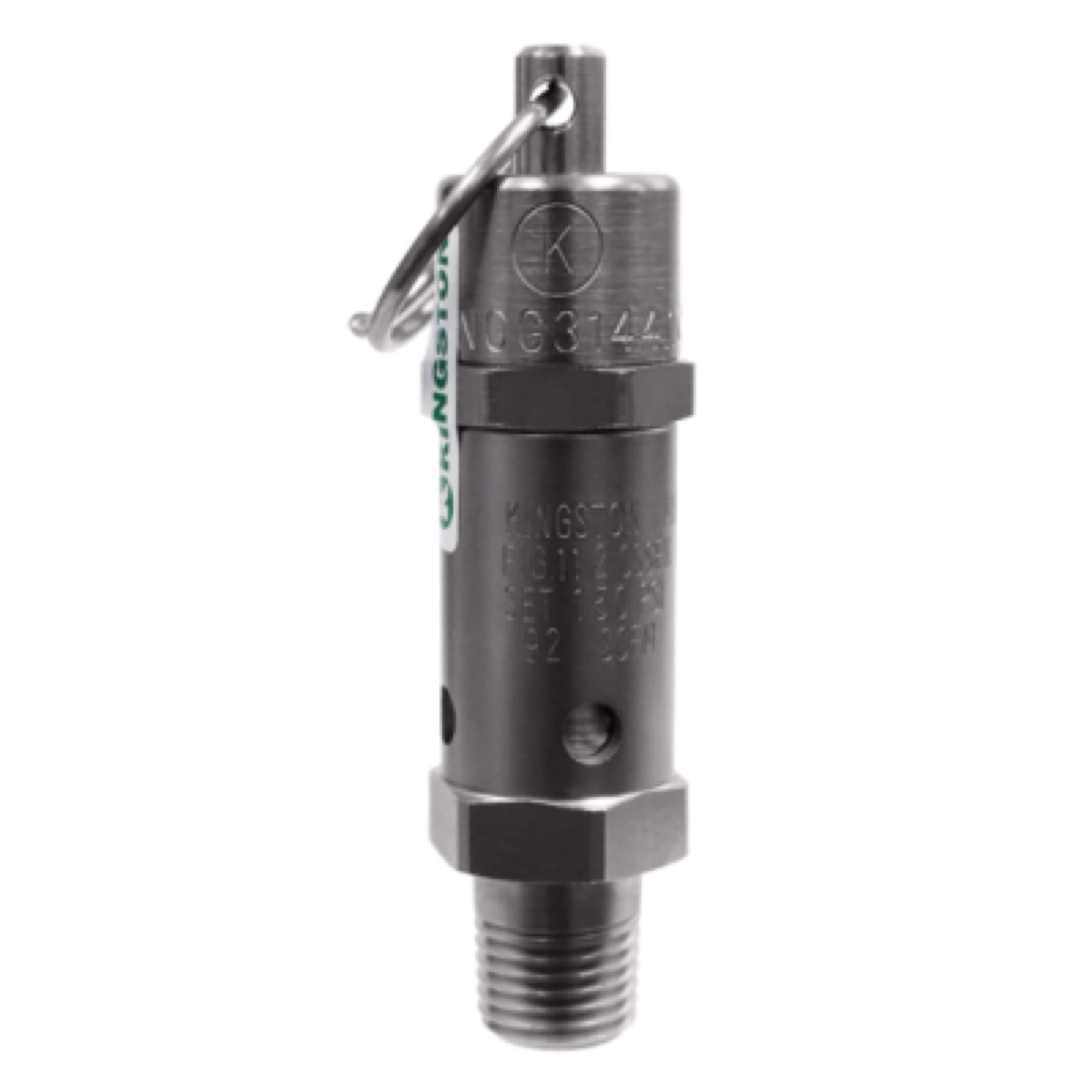
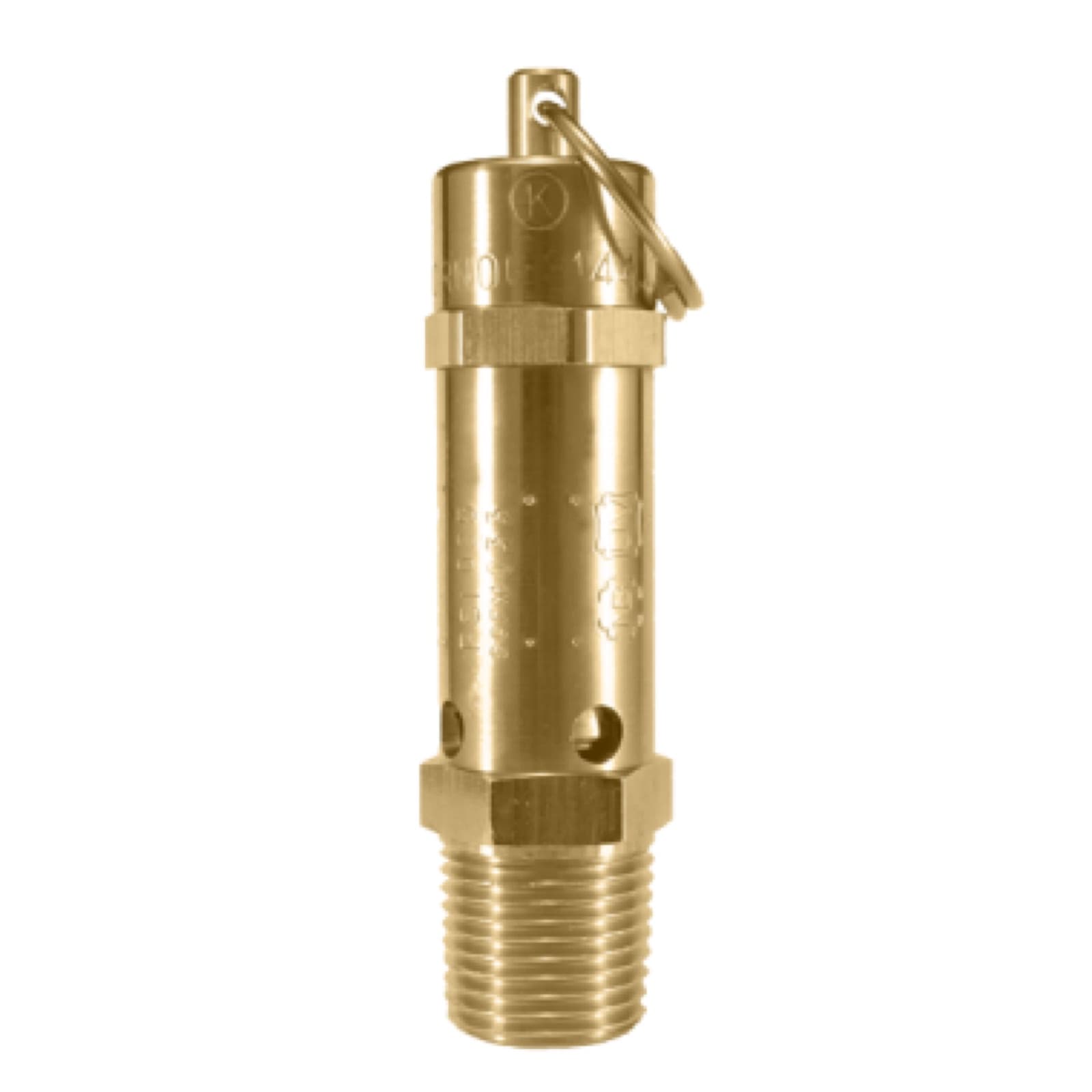
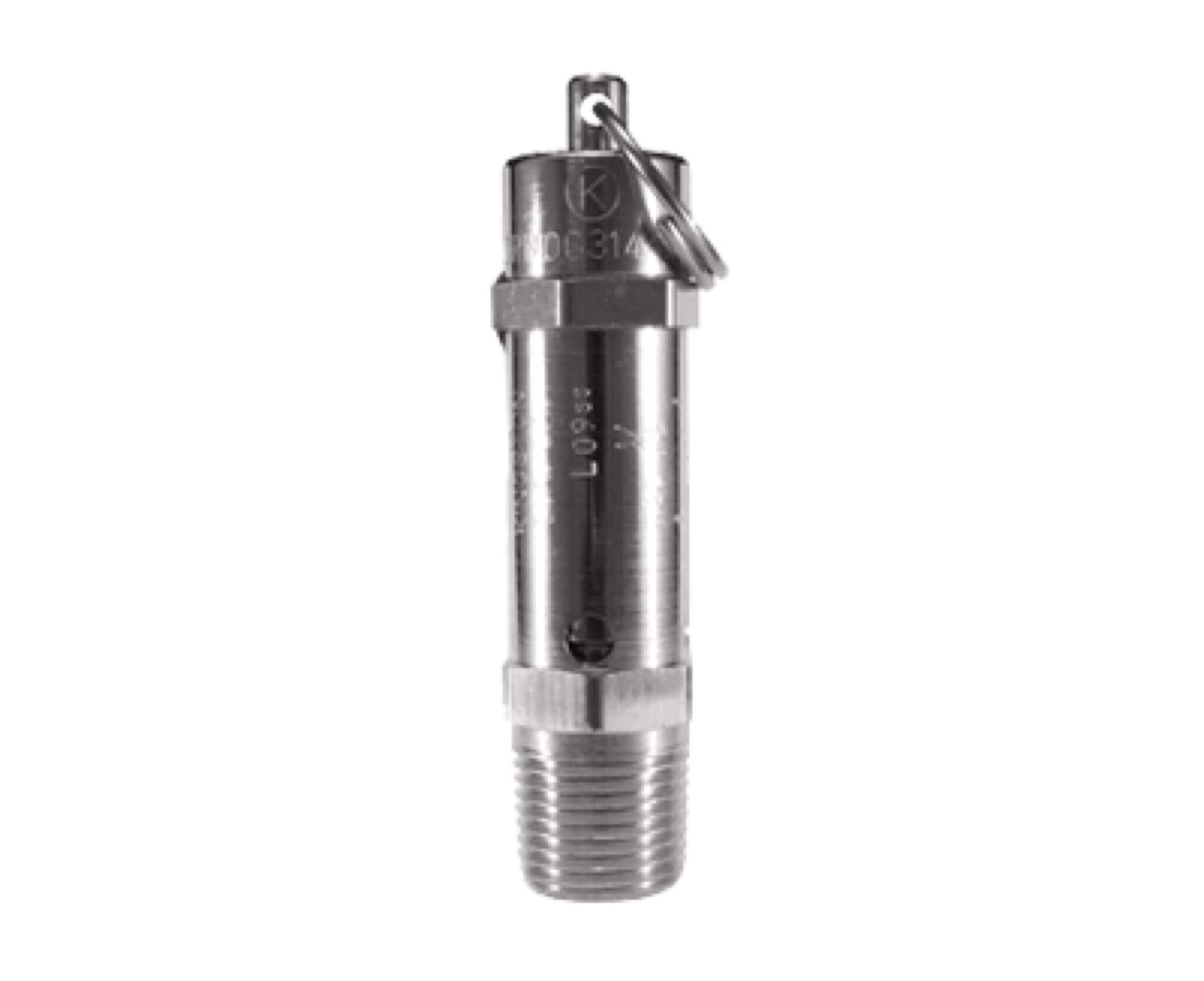
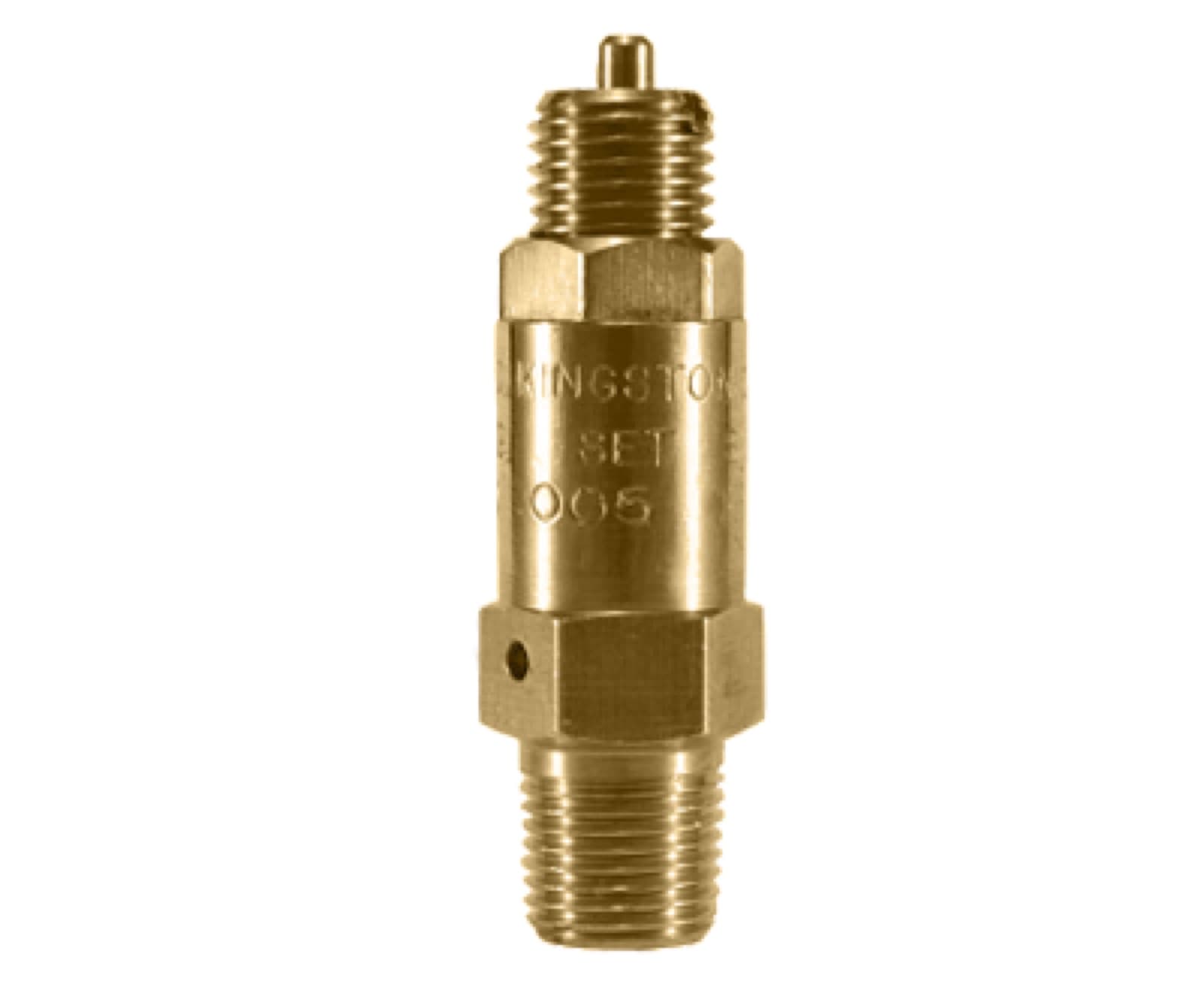
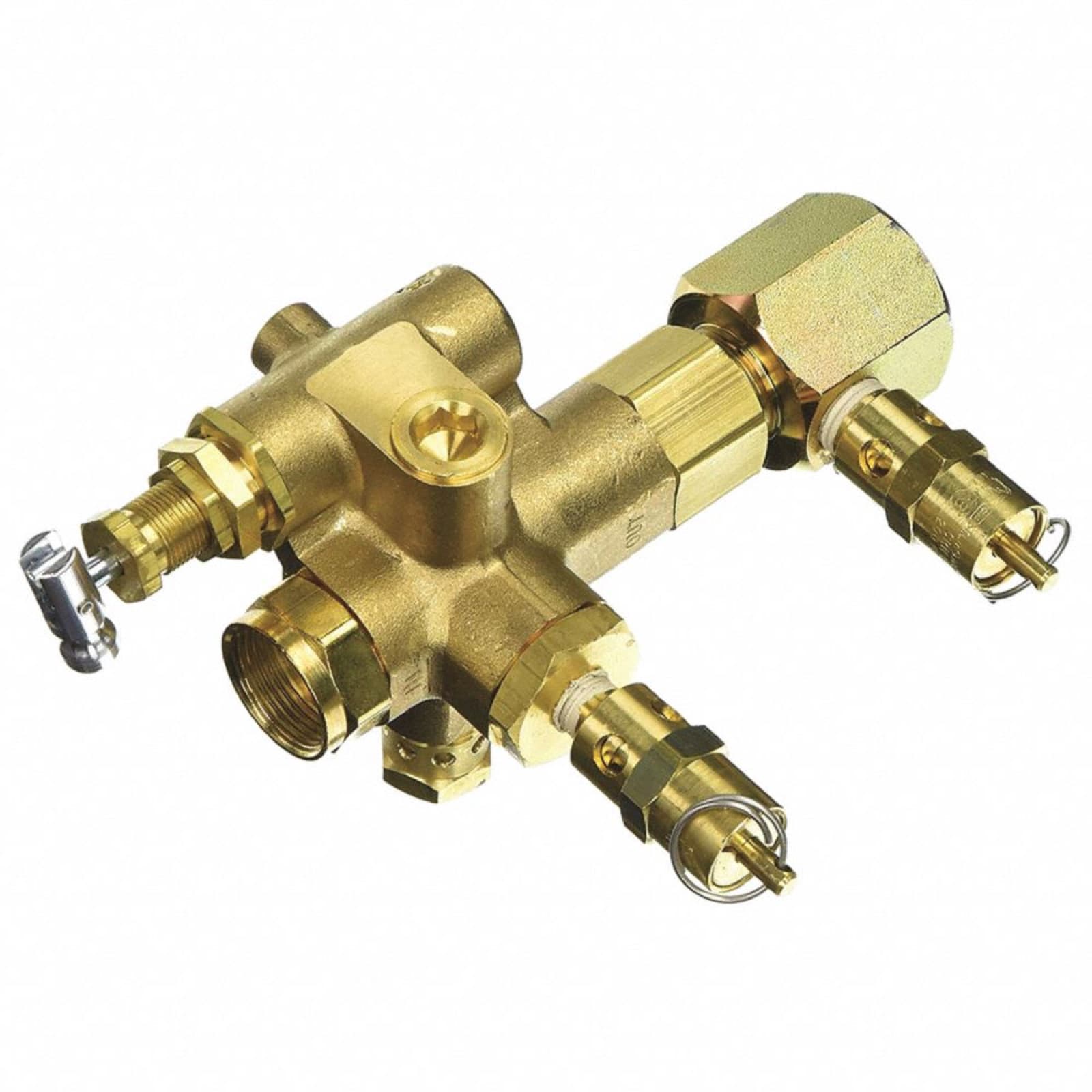
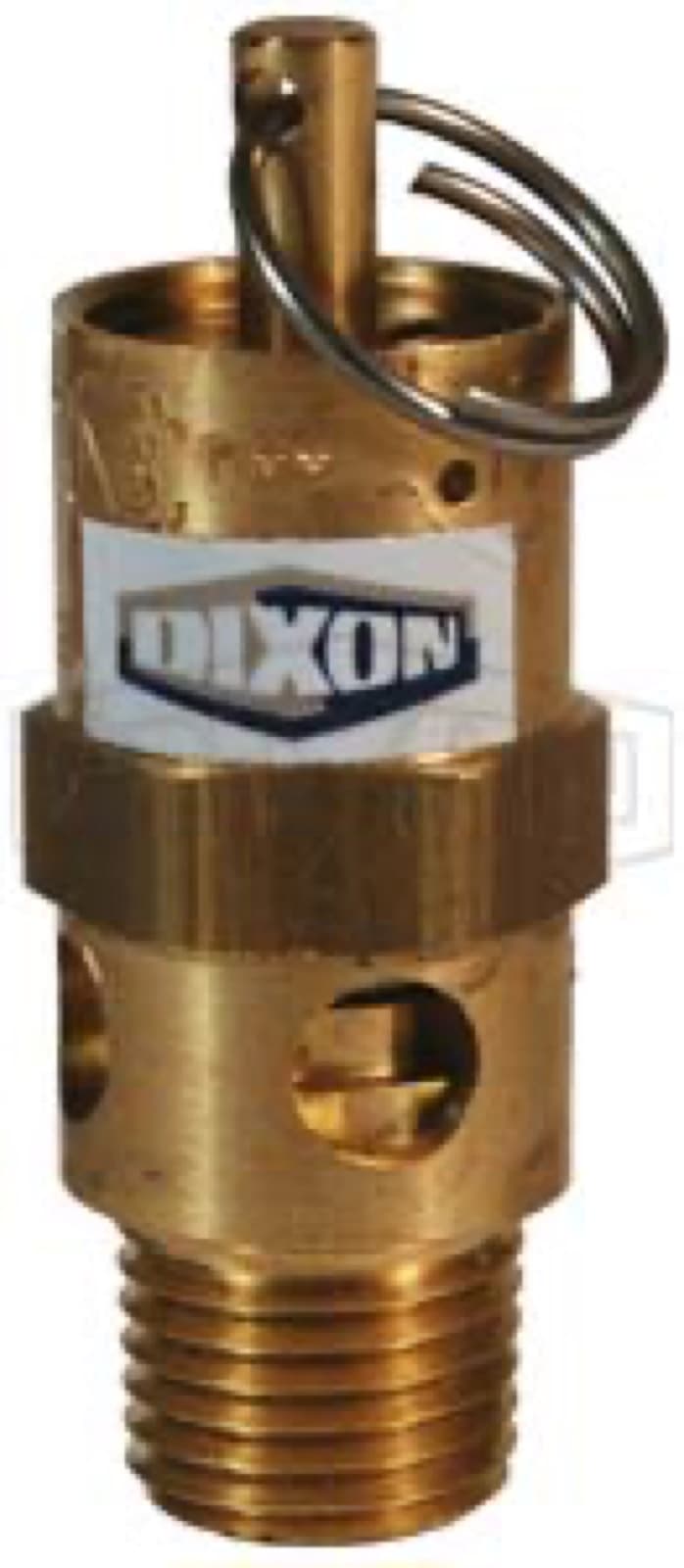
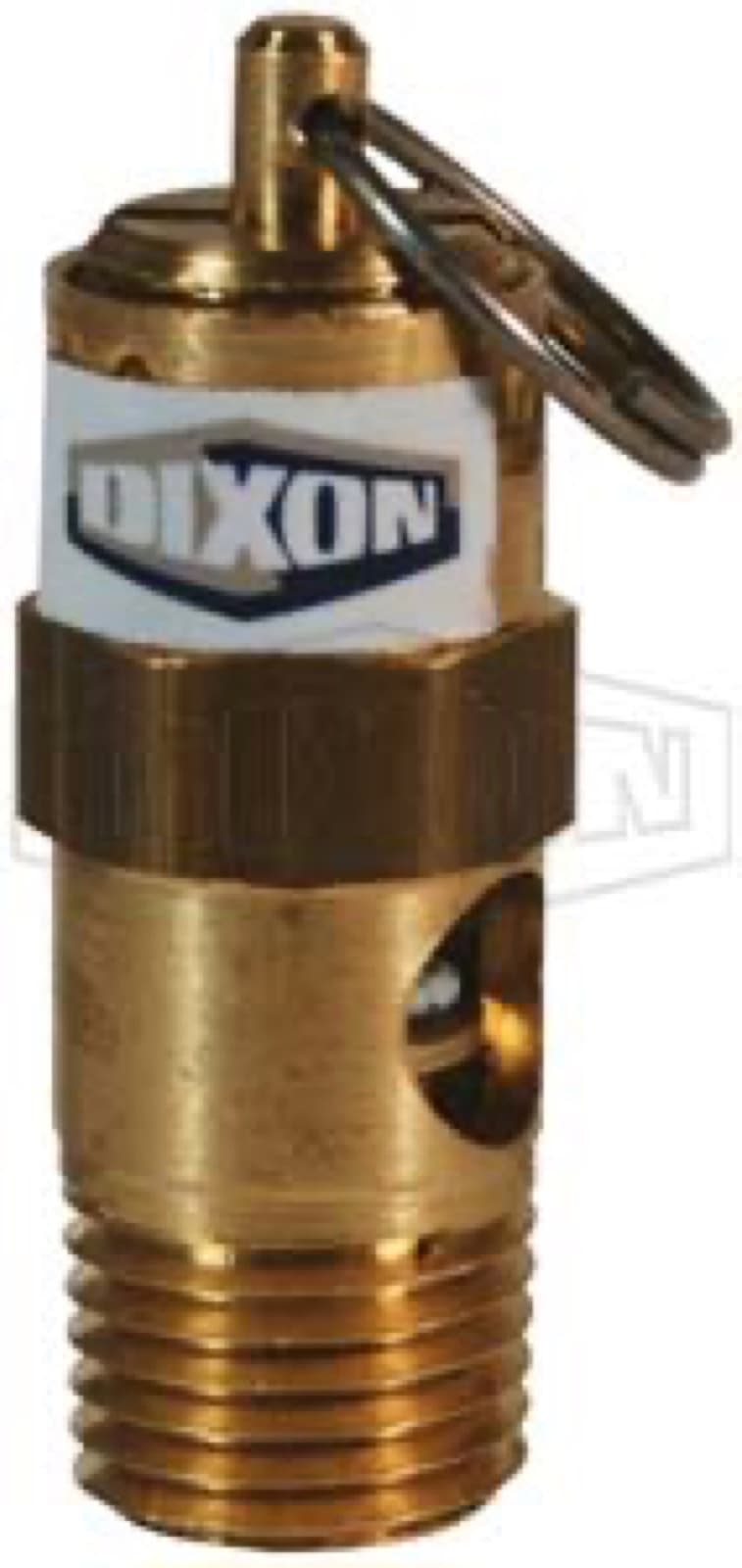
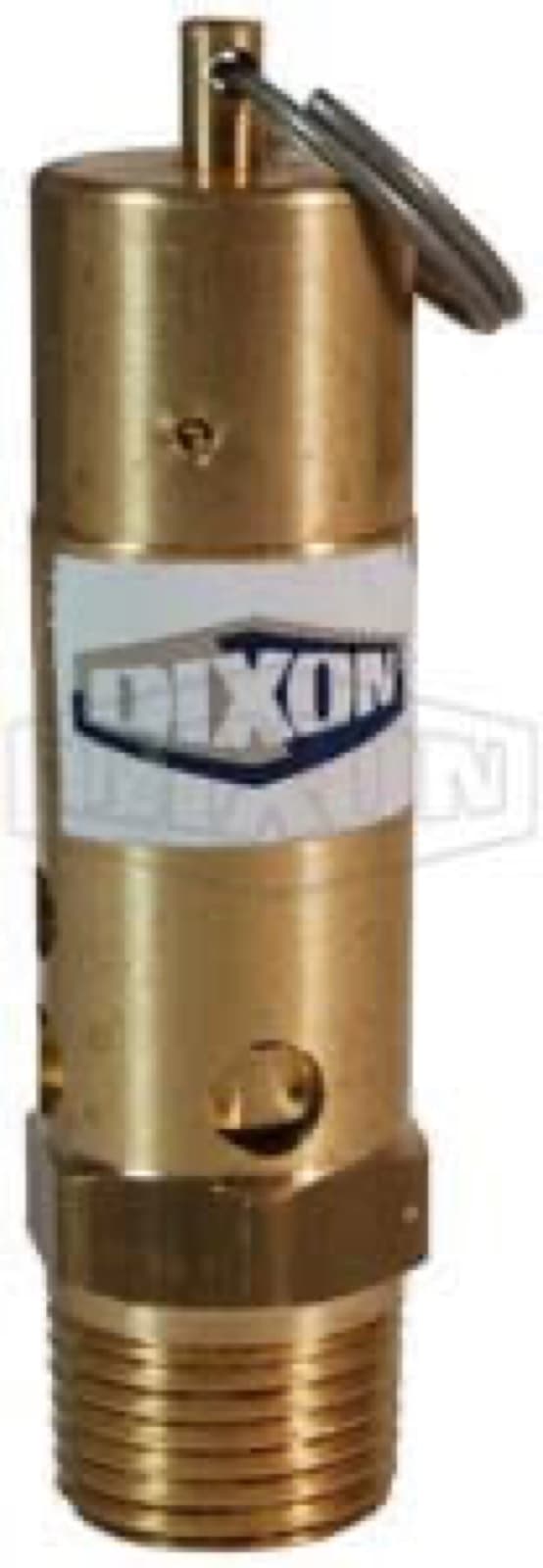
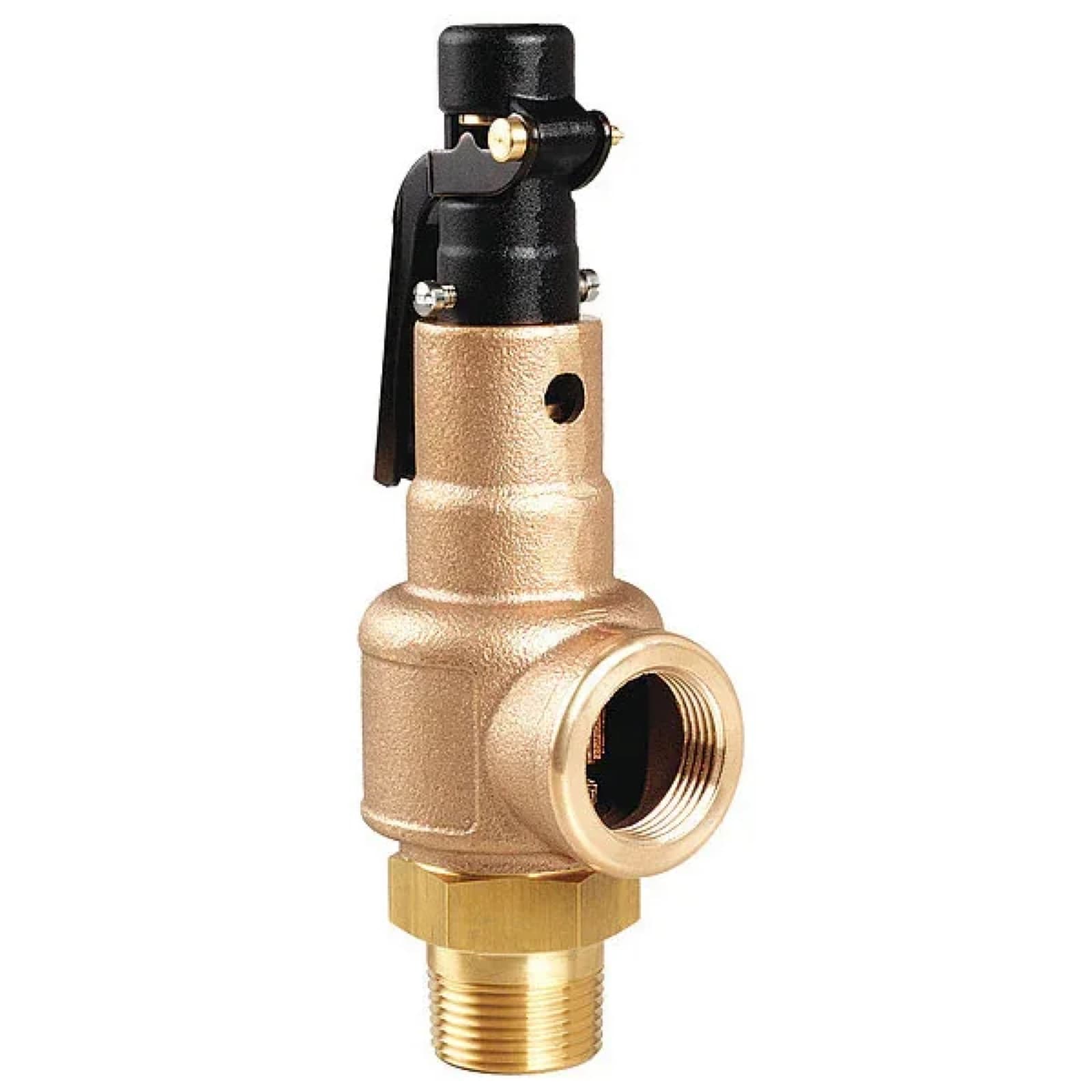
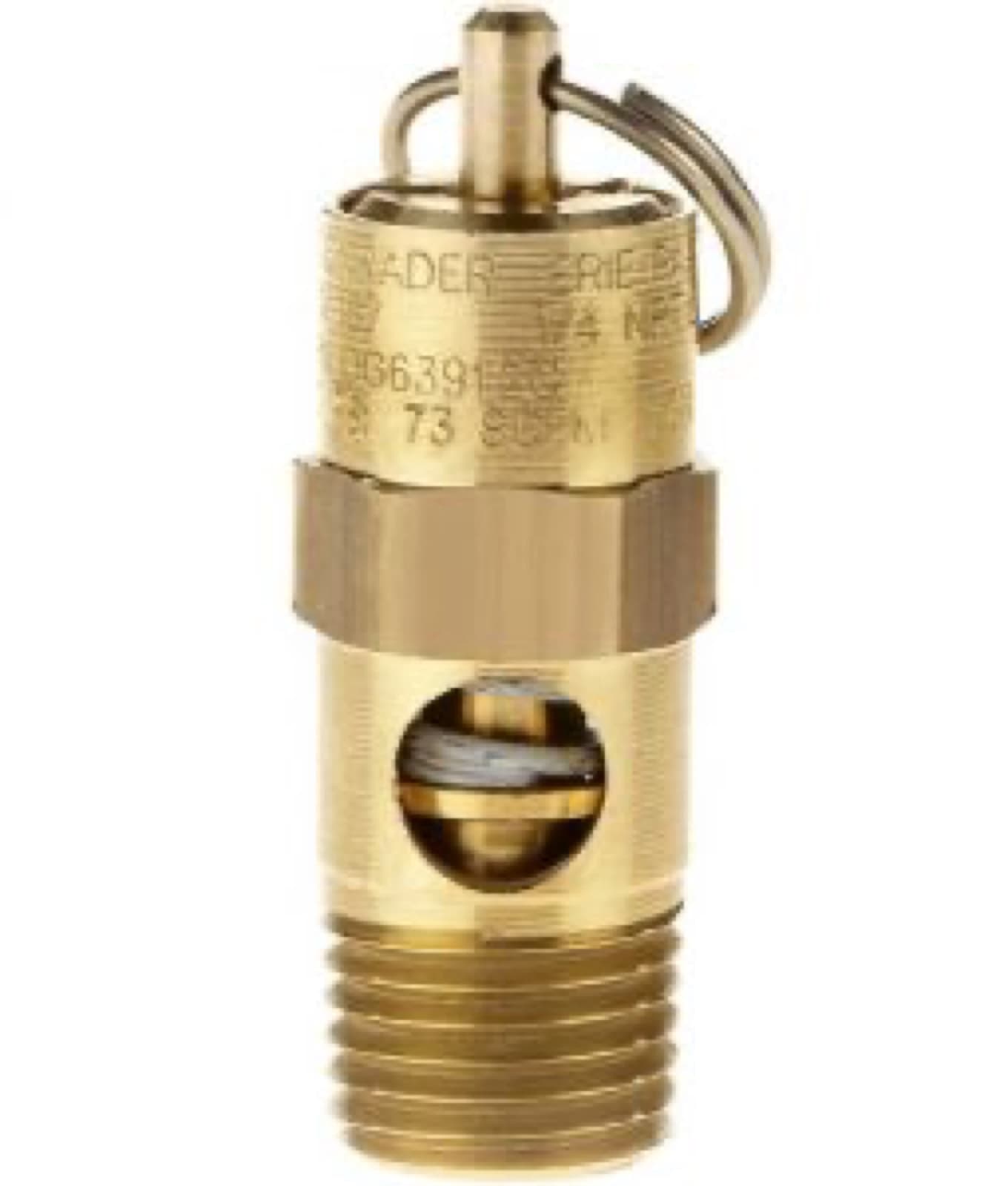
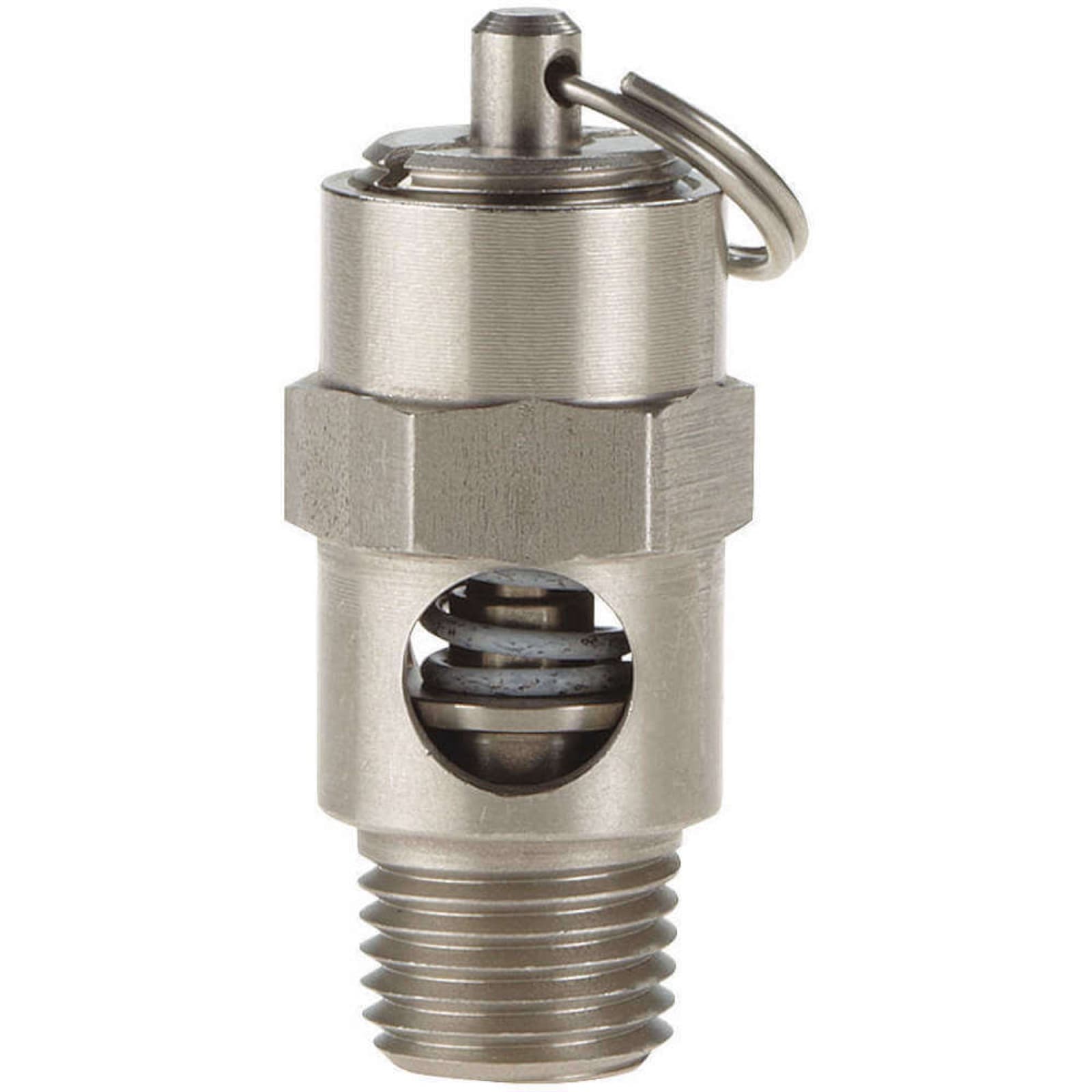
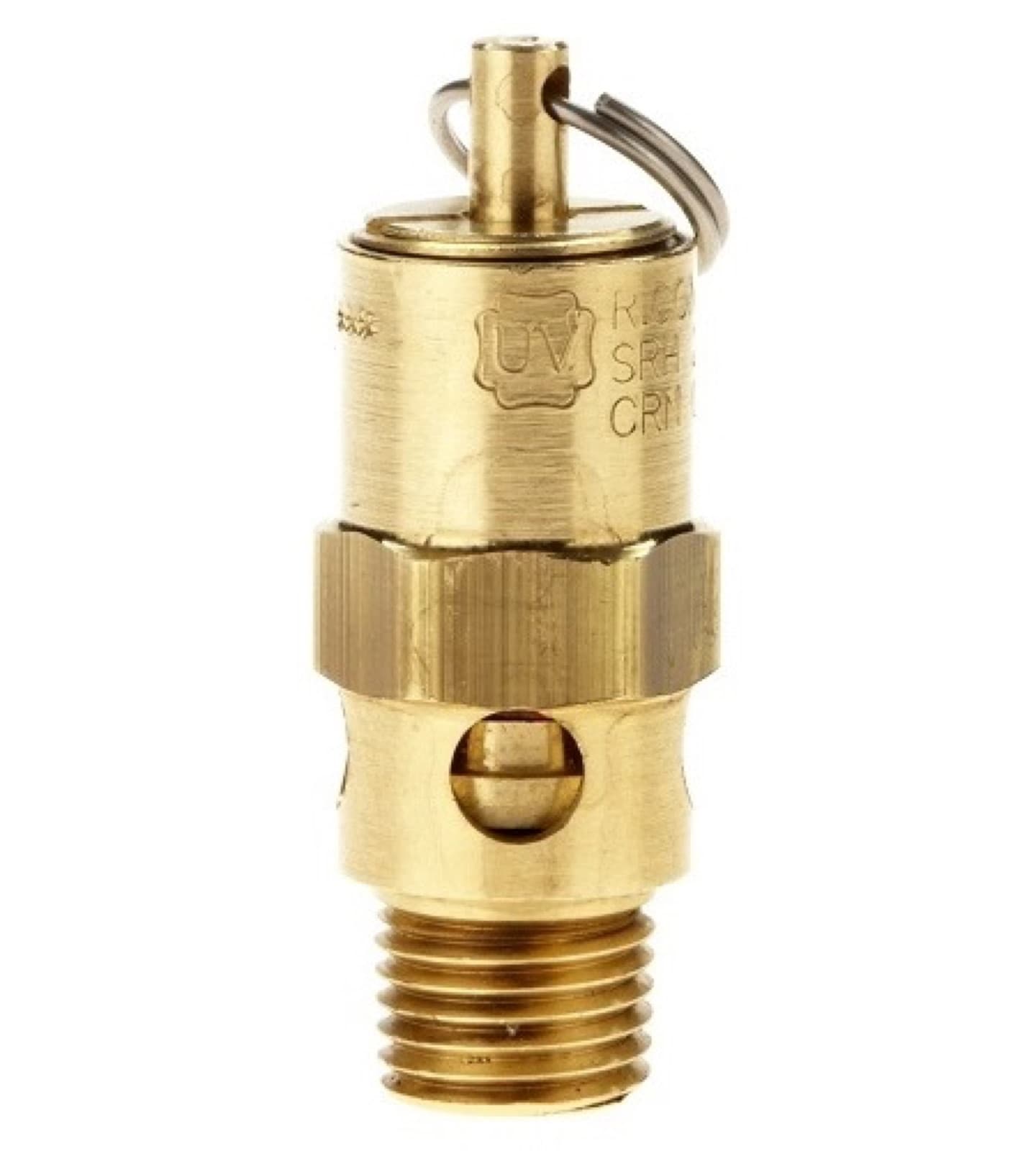
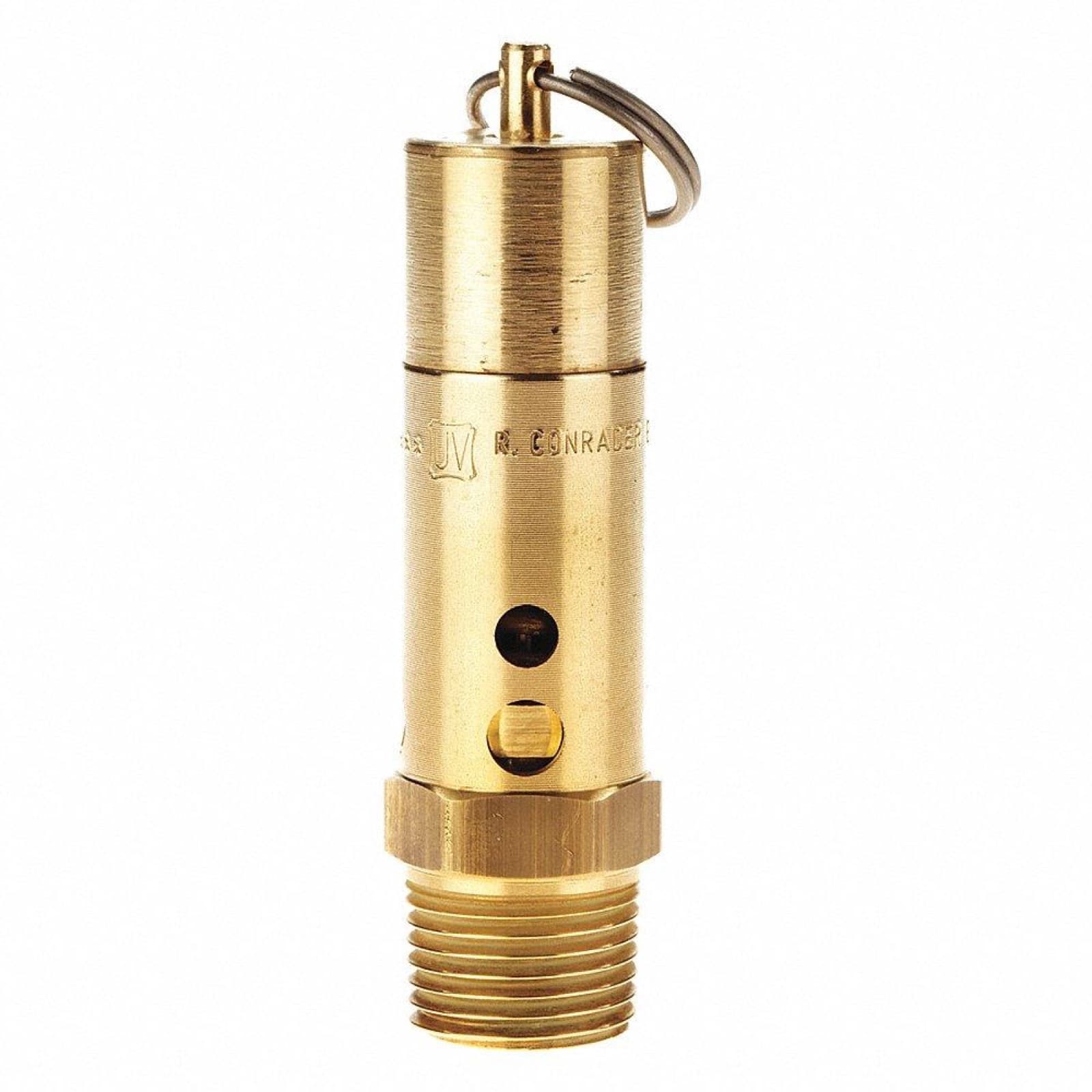
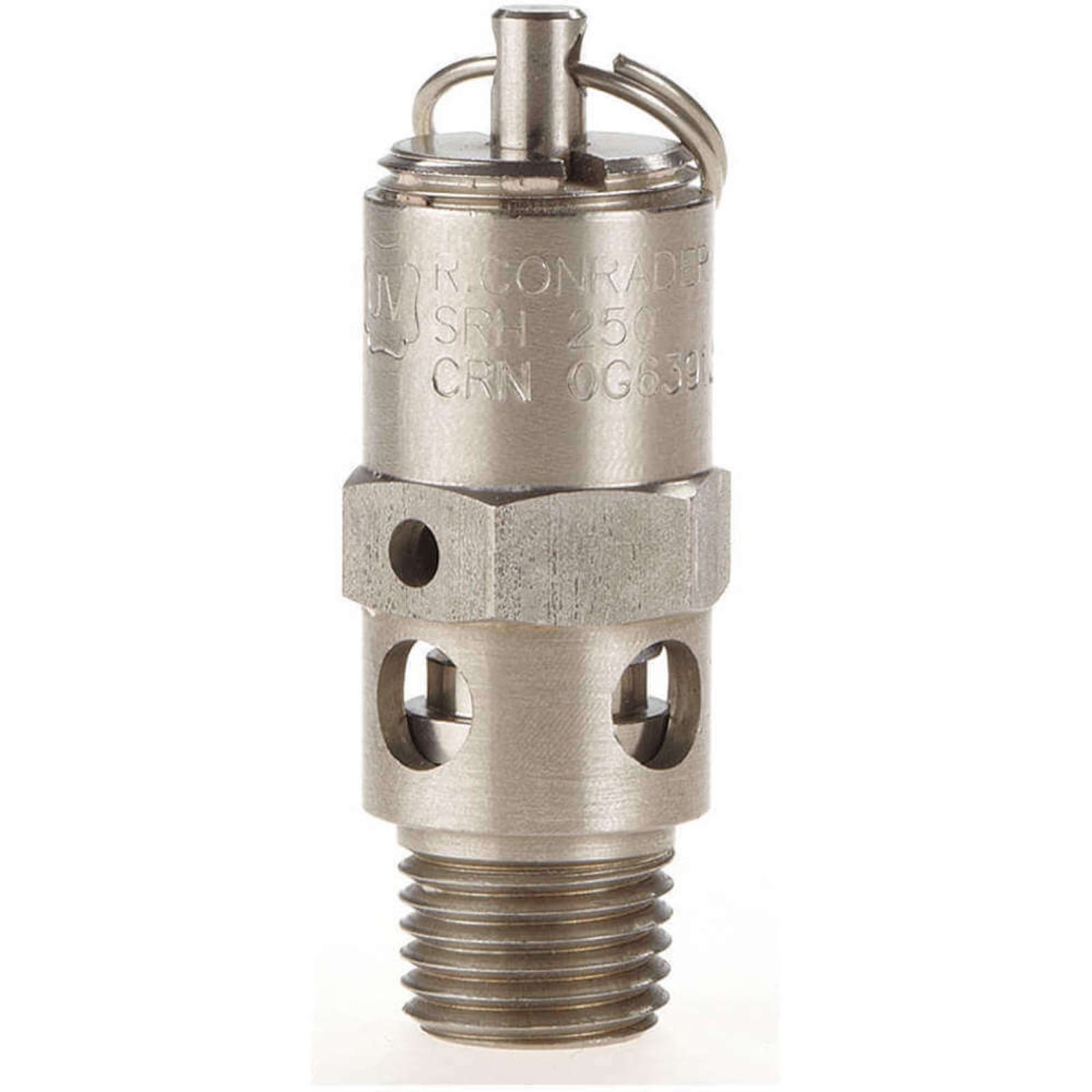
- A safety valve opens with a pop to full lift at its set pressure and discharges its full rated capacity, which makes it the protection device for an air receiver or compressor. A relief valve opens gradually in proportion to the overpressure and is used to limit pressure in a line or circuit. A receiver needs a safety valve rated for it; a relief valve is not a substitute.
- 02What does the UV mark on a safety valve mean?
- It shows the valve is certified under the ASME Boiler and Pressure Vessel Code for pressure vessel service: formerly under Section VIII, and since the 2021 edition under Section XIII, which now holds the rules for pressure relief devices. A valve marked NB has its relieving capacity certified by the National Board. A receiver built to ASME Section VIII needs a code-certified relief device; a valve sold as non-code is for equipment that does not require one.
- 03How should an air safety valve be checked?
- Many air safety valves have a ring or lever for a manual check. Follow the maker's instructions on how often to lift it and at what system pressure. A valve that leaks, sticks or does not reseat cleanly is replaced, not adjusted: the set pressure is fixed by the maker, and a safety valve that has been tampered with can no longer be relied on.
- 04What makes a valve suitable for lockout?
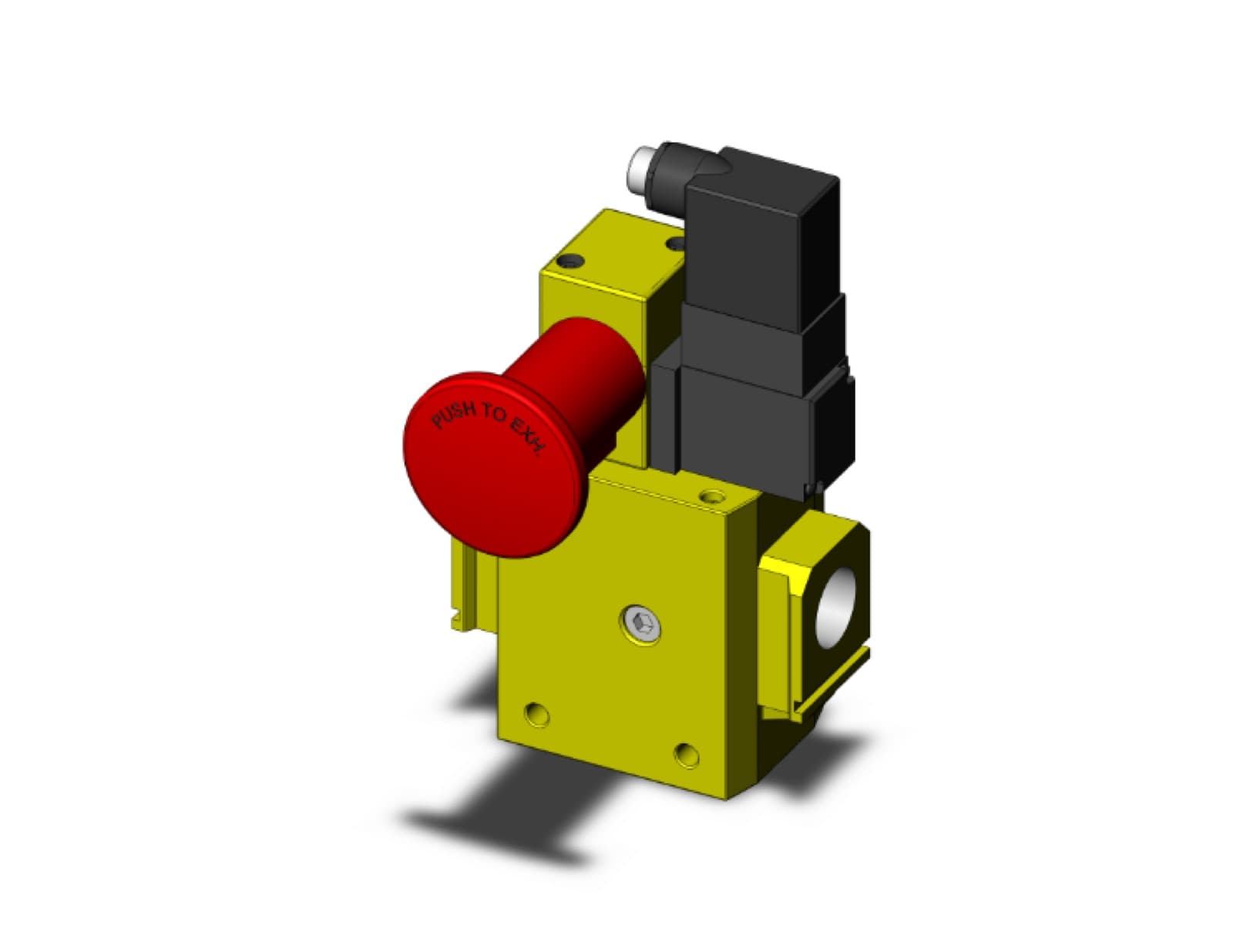
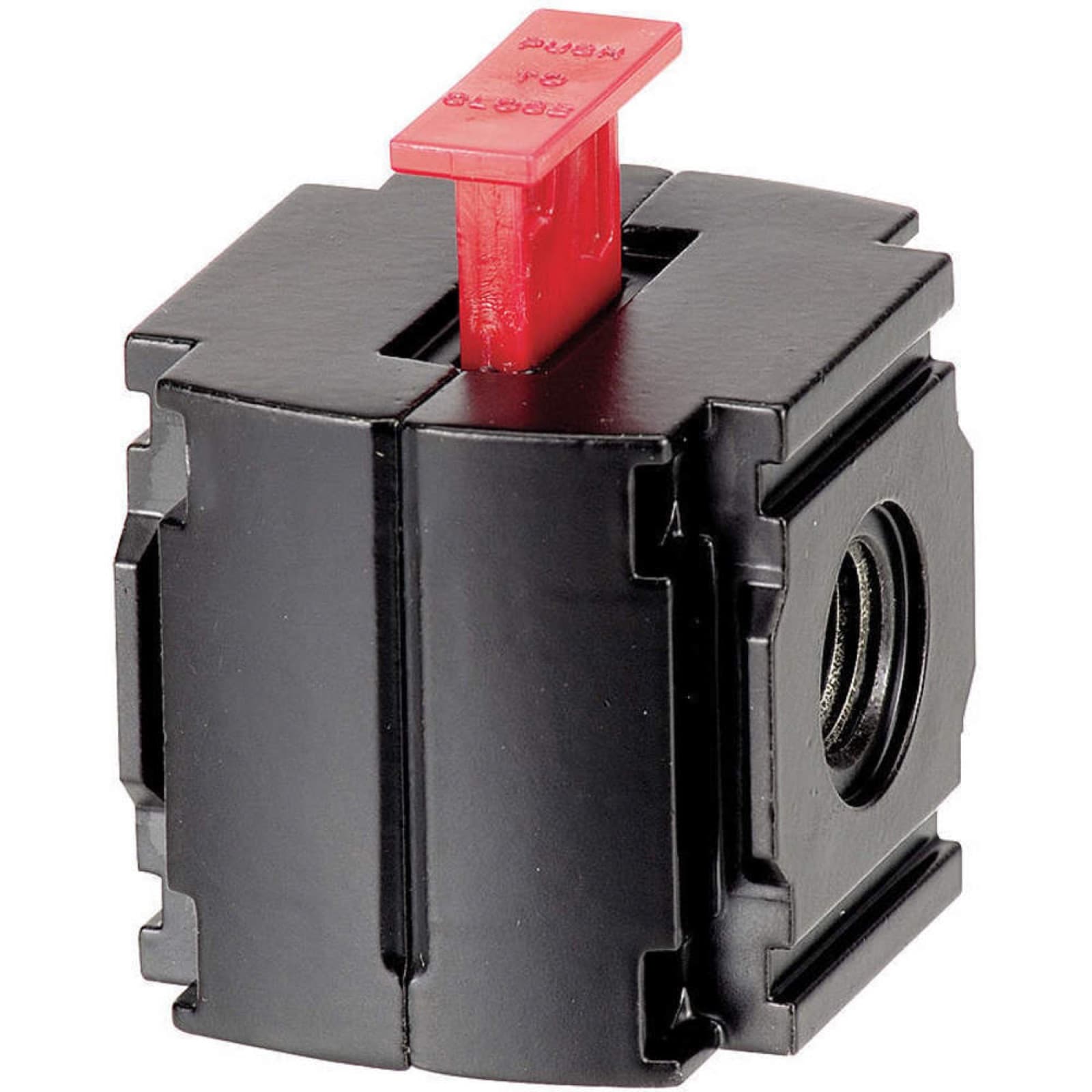
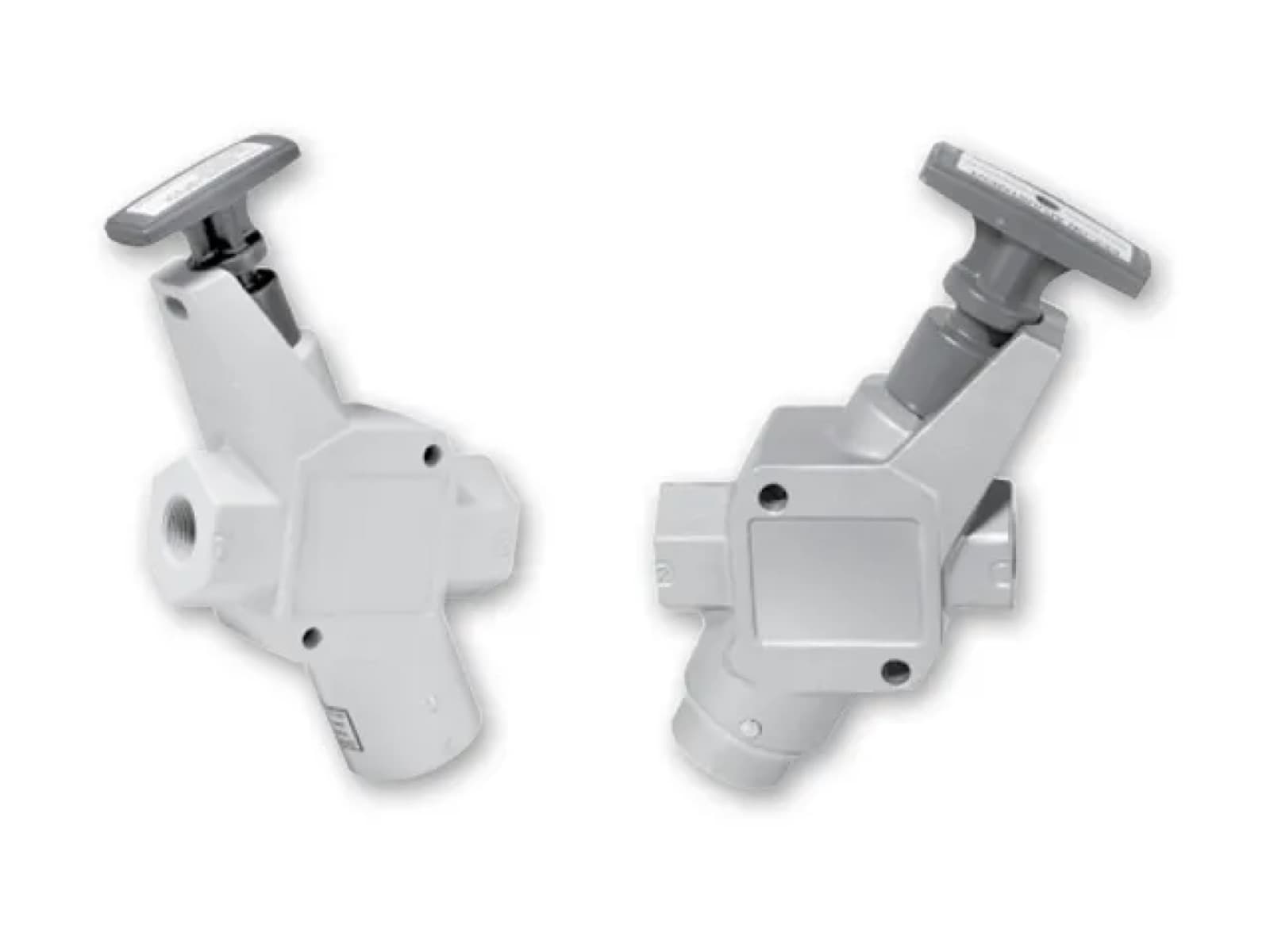
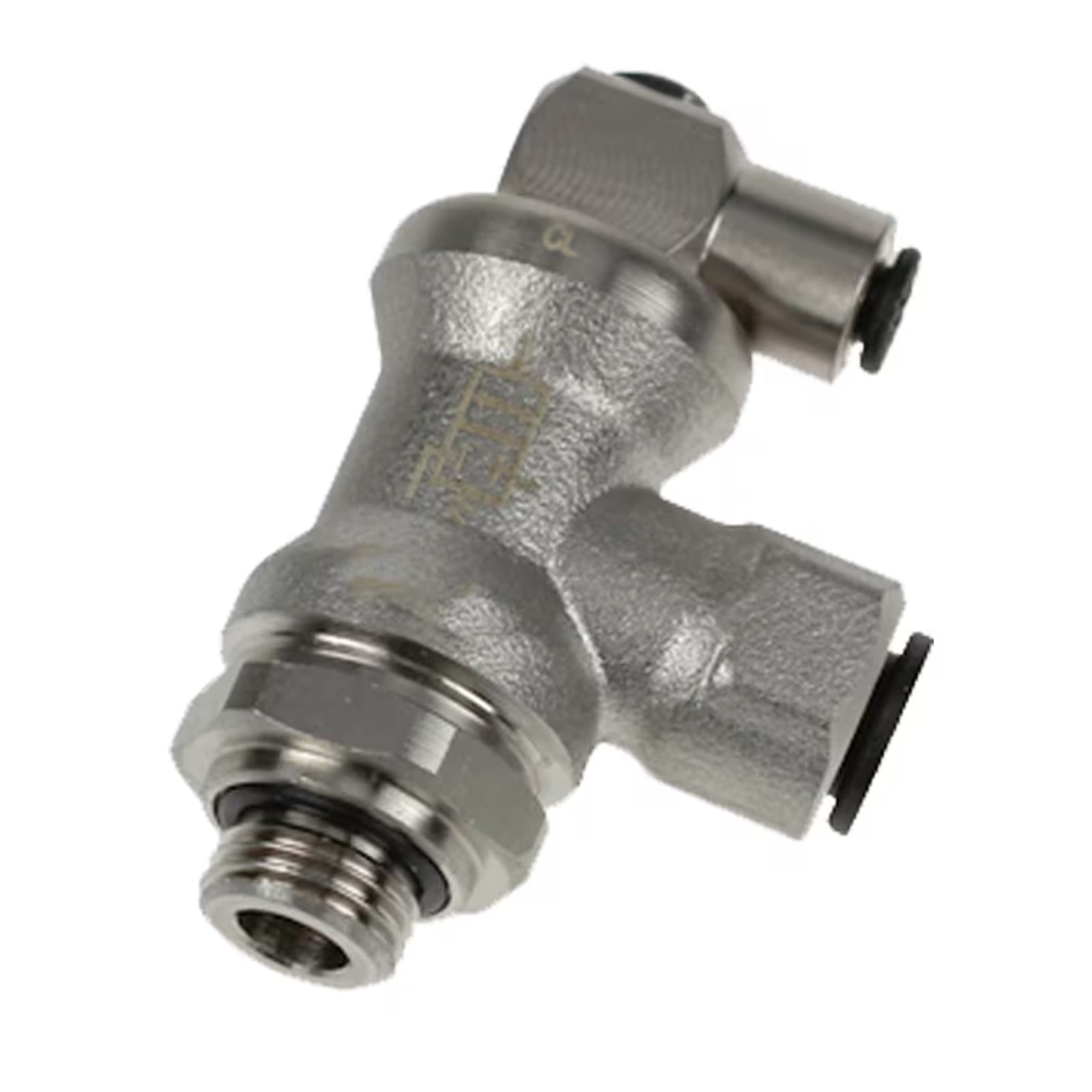
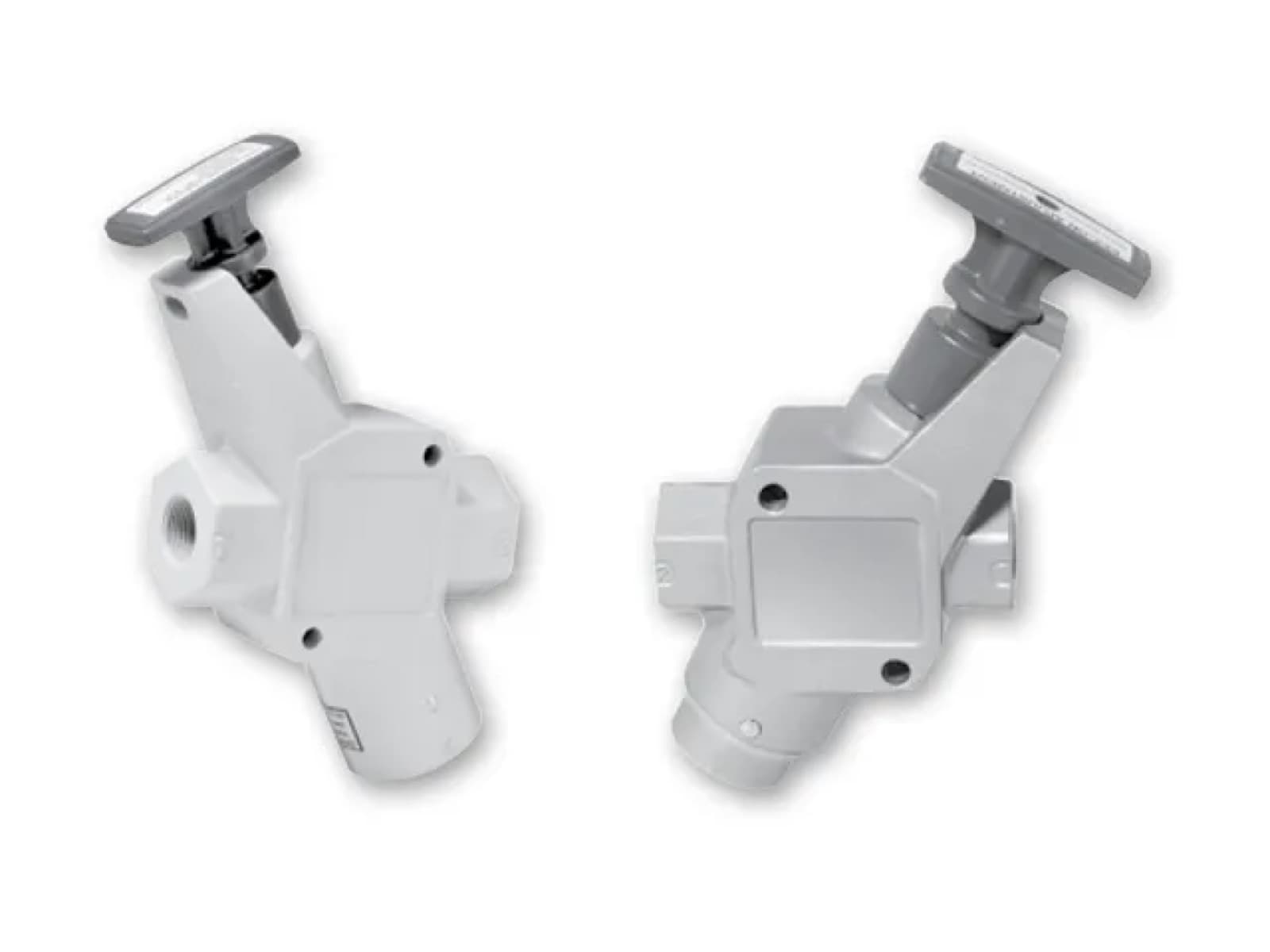
- Under OSHA 29 CFR 1910.147 it must physically isolate the energy, accept a lock, and let the stored energy be relieved. For compressed air that means a valve that shuts off the supply, exhausts the air downstream so the machine is at zero pressure, and can be padlocked closed. The Parker FC601 and FC608, Legris and ARO lockout valves and the SMC AVL soft-start lockout valves on this shelf are built for that job.
- 05What is a soft-start valve?
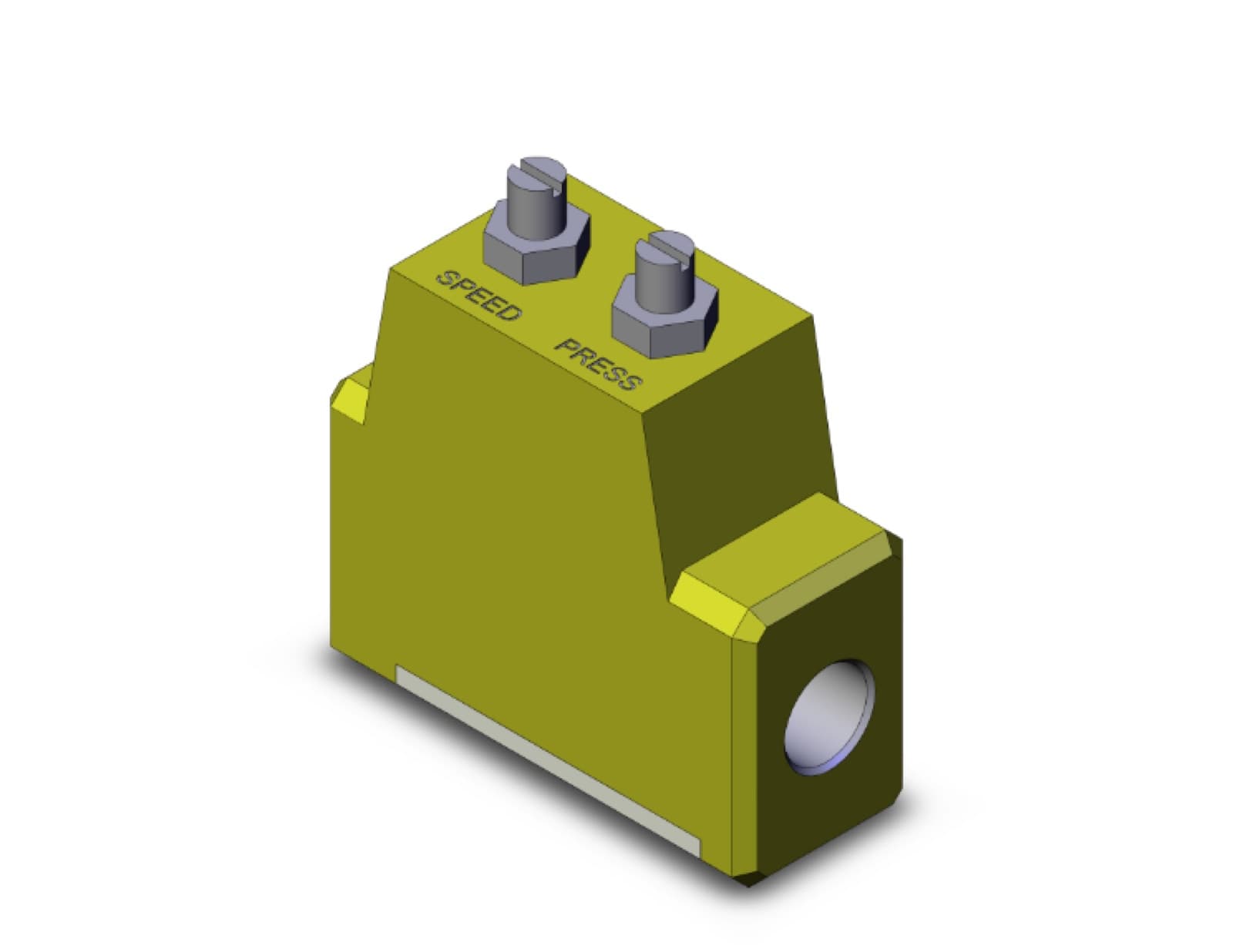
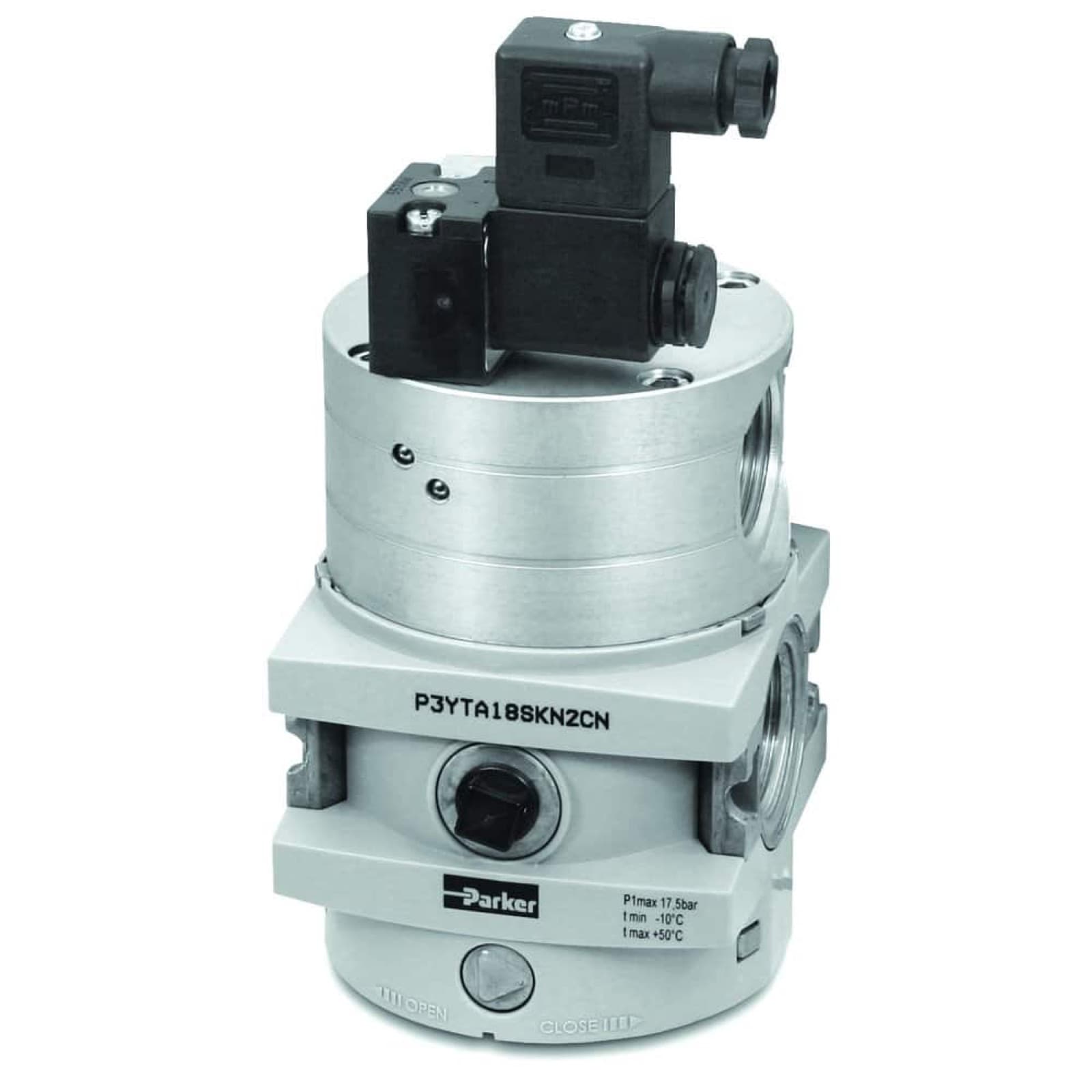
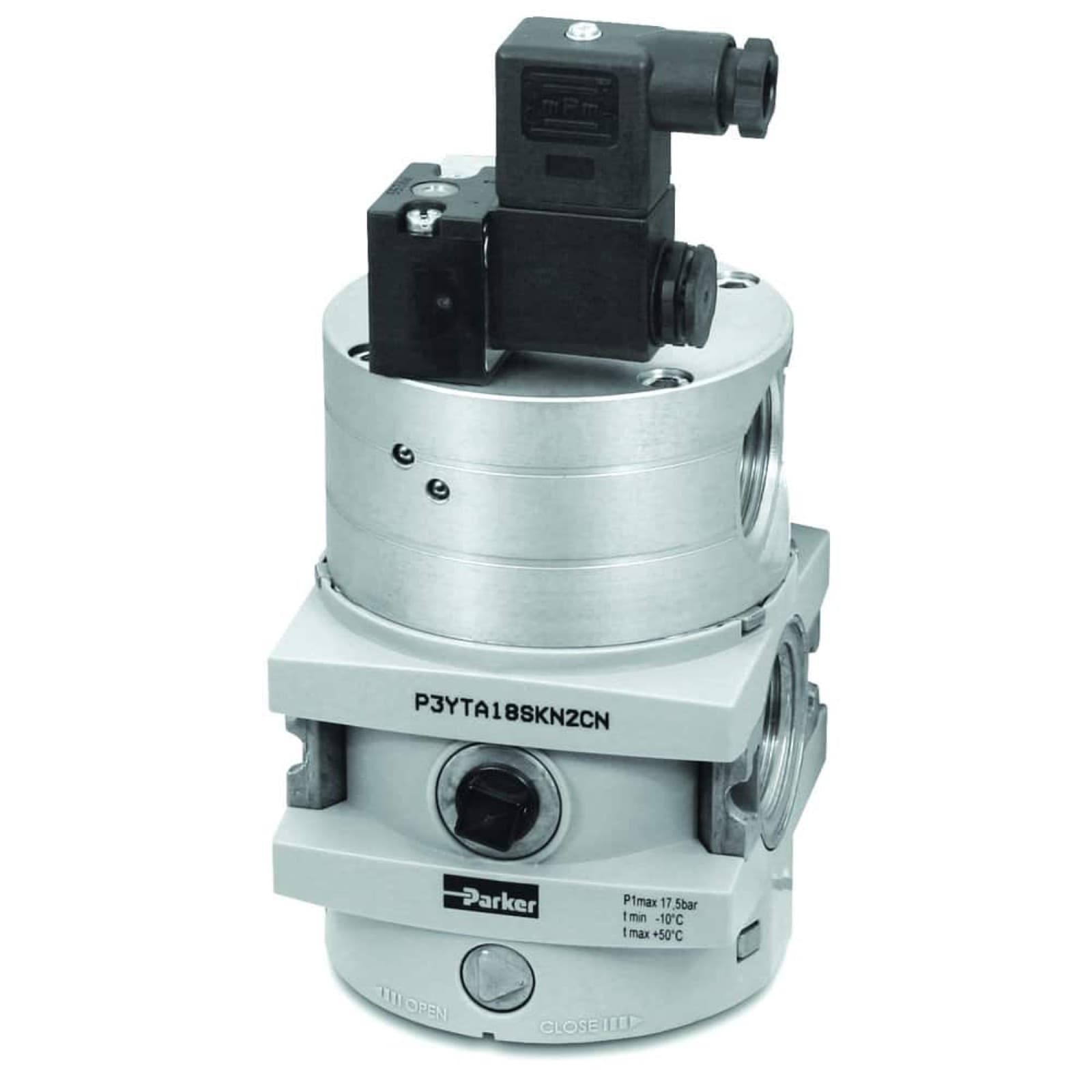
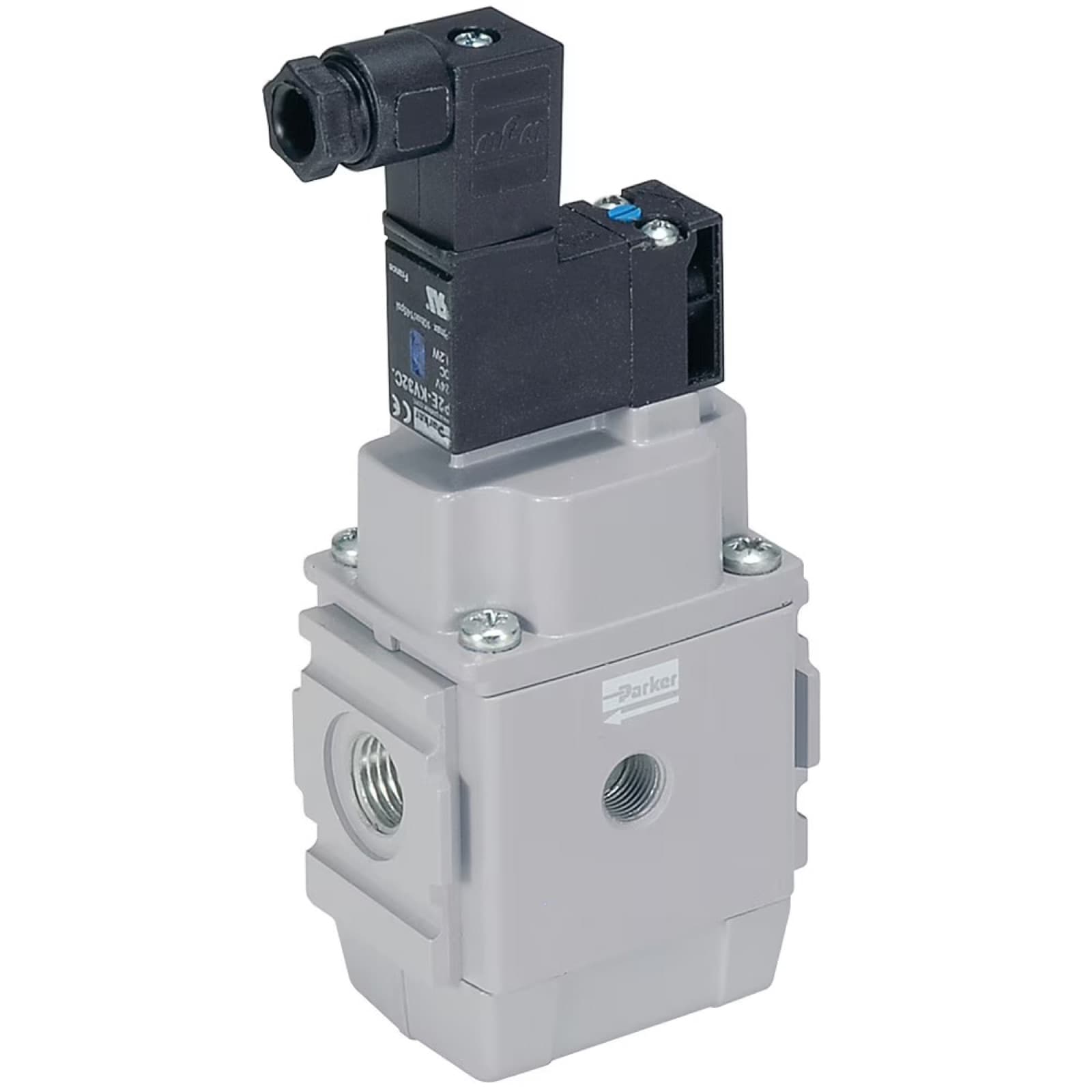
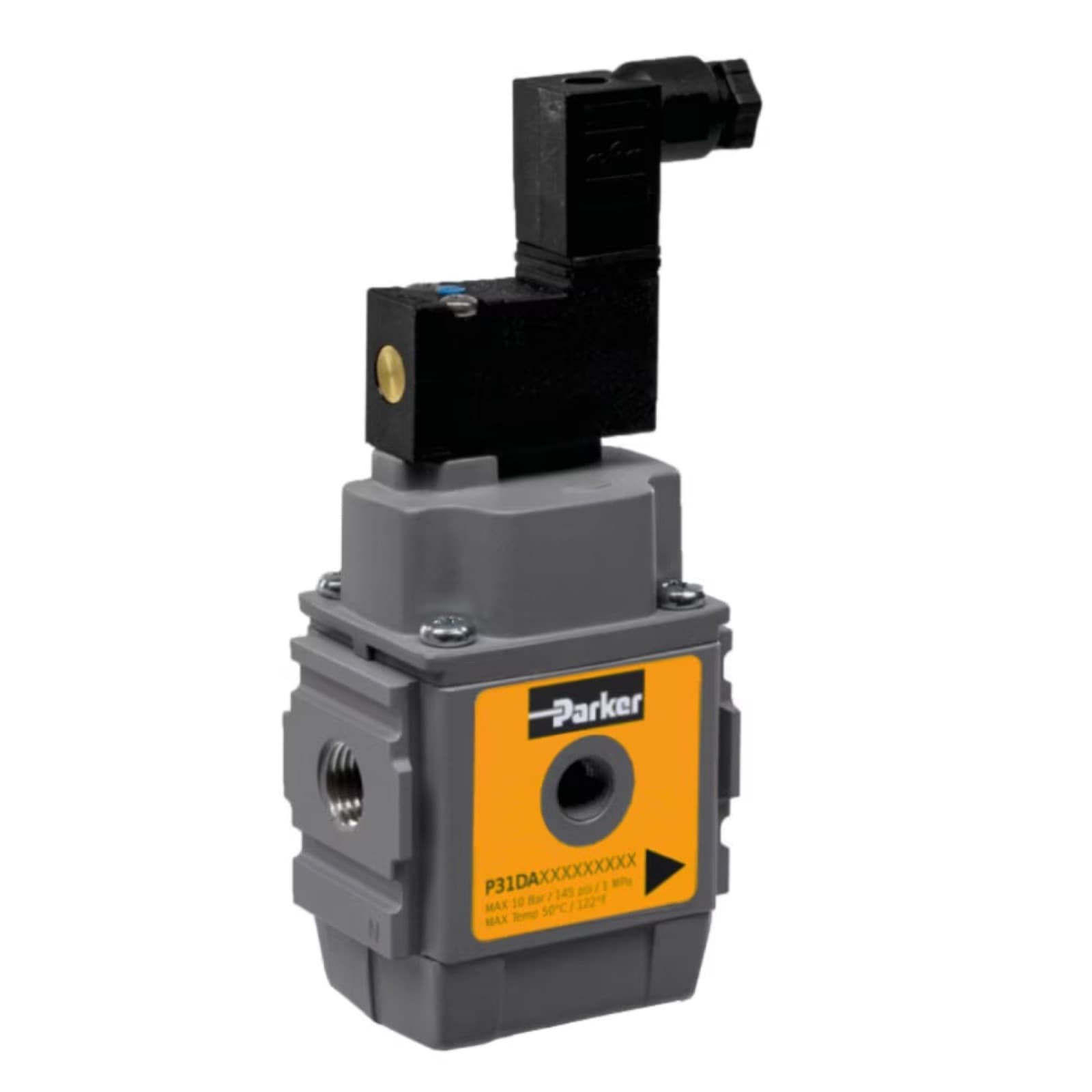
- A soft-start or slow-start valve lets air into a machine slowly when the supply is first turned on, then opens fully once downstream pressure reaches a set level. Without one, cylinders that were vented can move suddenly at full speed when air returns. It is fitted after the FRL, at the inlet to the machine.
- 06What is a dump valve?
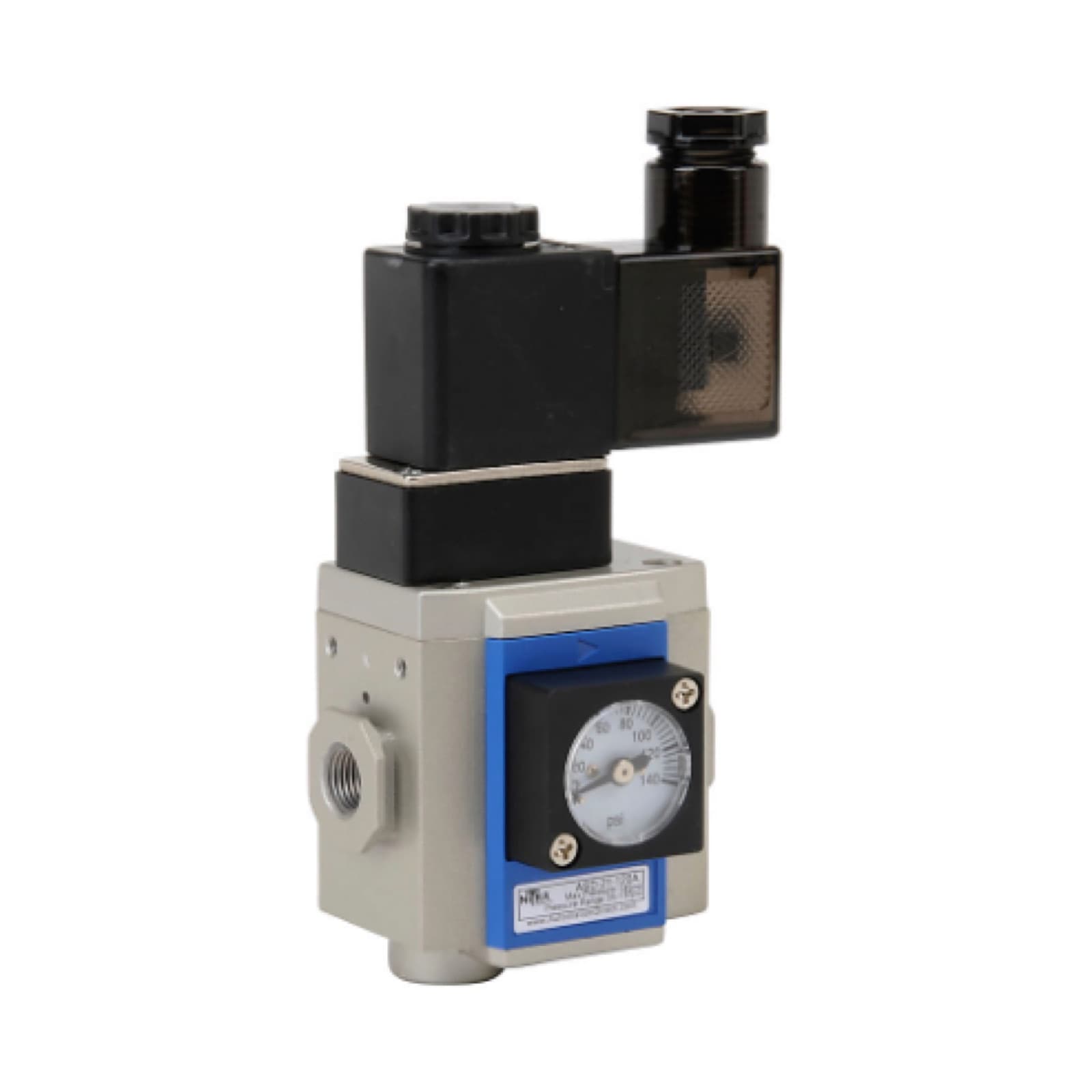
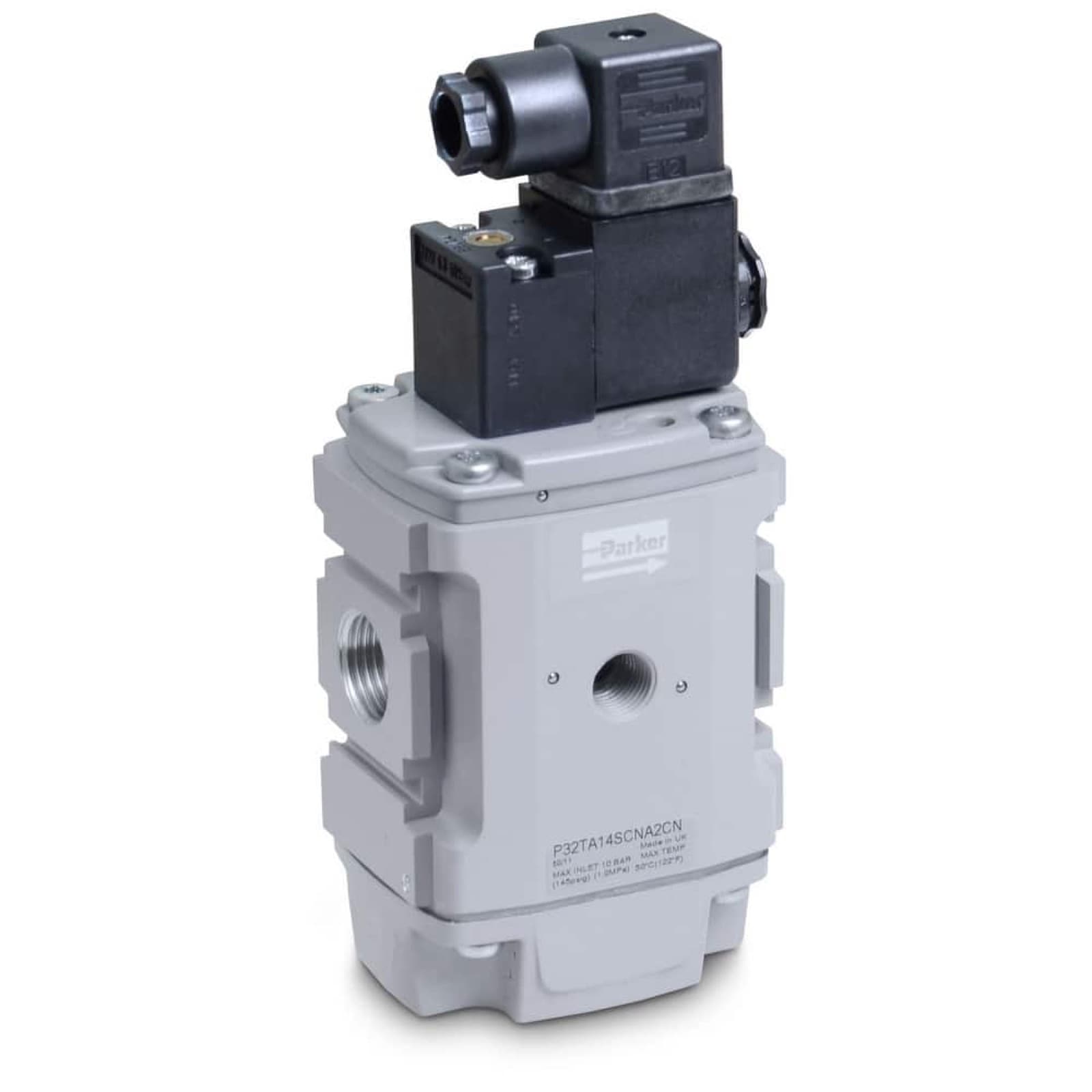
- A dump valve exhausts a machine's air quickly when its control signal is removed, for example on an emergency stop, so that actuators lose their power. Parker's Global Modular range on this shelf offers dump valves, soft-start valves and combined soft-start/dump valves, and Nitra offers soft-start/dump valves. Make sure the exhaust capacity suits the volume to be vented.