
Parker LV Series Inline Valves, Push/Pull Handle, 3-Way 2-Position
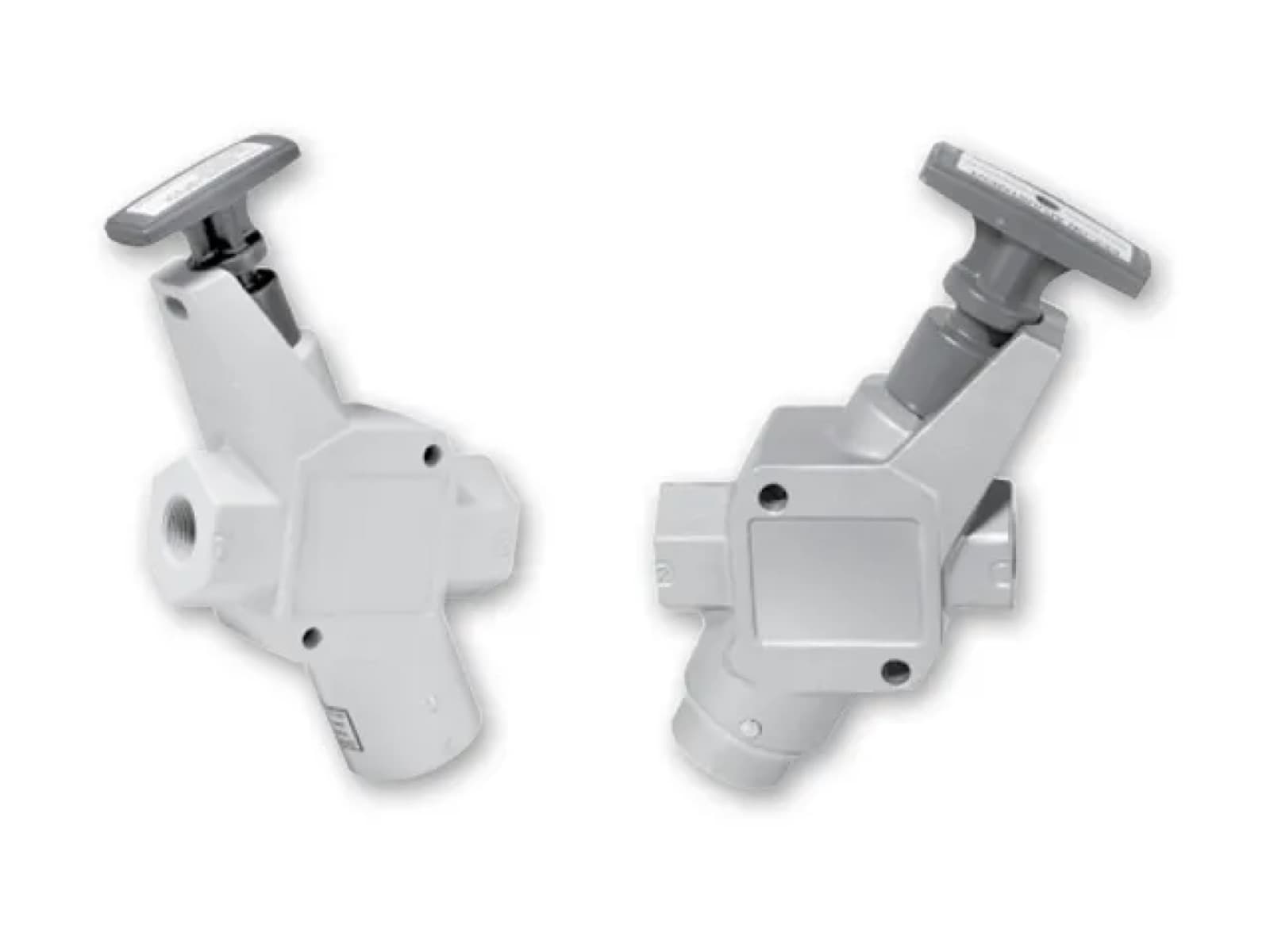
Parker LV Series Inline Valves, Push/Pull Handle, 3-Way 2-Position: 6 part numbers.
Product description
Parker LV Series Inline Valves, Push/Pull Handle, 3-Way 2-Position: 6 part numbers.
Specification
- Type: Inline Valve
- Part numbers: 6
Sizes and part numbers
The Sizes & Part Numbers tab lists every Parker part number in this range with its ratings. Ratings vary by size — check the row for the part you order.
Matching the valve
Check the valve function (2/2, 3/2, 5/2 or 5/3), port size, actuation and, for solenoid valves, the coil voltage and connector against the circuit. Quote the maker part number and we will confirm the coil and manifold options before supply.
How to order
Quote the Parker part number. Price and lead time are confirmed with the quotation.
Shipping & lead time
Sizes & part numbers
6 sizes- Parker Hannifin part no.LV3N6B
- Description
- Inline Valve, Push/Pull Handle, 3 Way, 2 Position
- Action
- Push, Pull Handle
- Parker Hannifin part no.LV4N6B
- Description
- Inline Valve, Push/Pull Handle, 3 Way, 2 Position
- Action
- Push, Pull Handle
- Parker Hannifin part no.LV6NAB
- Description
- Inline Valve, Push/Pull Handle, 3 Way, 2 Position
- Action
- Push, Pull Handle
- Parker Hannifin part no.LV6N6B
- Description
- Inline Valve, Push/Pull Handle, 3 Way, 2 Position
- Action
- Push, Pull Handle
- Parker Hannifin part no.LVANAB
- Description
- Inline Valve, Push/Pull Handle, 3 Way, 2 Position
- Action
- Push, Pull Handle
- Parker Hannifin part no.LV8NAB
- Description
- Inline Valve, Push/Pull Handle, 3 Way, 2 Position
- Action
- Push, Pull Handle
Description — What this part number is, as the manufacturer lists it. Action — Single- or double-acting, as published. Ask us for the dimension drawing if you need it stamped.
What is the Parker LV series push/pull inline valve used for?▾
What do Parker LV series push/pull inline valve part numbers such as LV4N6B mean?▾
What sizes does the Parker LV series push/pull inline valve come in?▾
How do I choose the right Parker LV series push/pull inline valve?▾
What pressure and temperature rating does the Parker LV series push/pull inline valve have?▾
What is the Parker LV series push/pull inline valve made of?▾
Does the Parker LV series push/pull inline valve come with certificates?▾
What connects to the Parker LV series push/pull inline valve?▾
How do you install the Parker LV series push/pull inline valve?▾
How does the Parker LV series push/pull inline valve differ from its sibling listings?▾
Where is the Parker LV series push/pull inline valve made and which HS code applies?▾
Do you stock the Parker LV series push/pull inline valve in Dubai?▾
Shipped worldwide from our Dubai warehouse. Transit, routes and documentation for 136 destinations
From the blog
Written about this range
Pneumatics & compressed air
Air safety valves, soft-start, dump and lockout valves: protecting the receiver and the person servicing the machine
Two kinds of safety in a compressed air system: a pop safety valve that stops a receiver or line exceeding its pressure, and the soft-start, dump and lockout valves that let a machine be pressurised gently and emptied completely before anyone works on it. Safety vs relief valves, what an ASME UV stamp means, installation rules from the code, and what OSHA 1910.147 asks of residual air.
13 min read
Pneumatics & compressed air
Manual and air-pilot valves: hand-lever, foot-pedal, push-button, roller and pilot valves explained
How hand-lever, foot-pedal, push-button, cam and roller, and air-piloted valves work, detented vs spring-return action, how they build pneumatic logic without electricity — and why a two-hand control is a safety function under ISO 13851, not a pair of buttons.
11 min read
Pneumatics & compressed air
FRL units explained: filter, regulator and lubricator — order, grades, drains, bowls and sizing
An FRL is the last thing compressed air passes through before it reaches a valve or cylinder. What each element does and why the order is filter, regulator, lubricator; particulate vs coalescing grades in microns; manual, semi-automatic and automatic drains; relieving regulators; when to lubricate; polycarbonate vs metal bowls; and sizing by flow, not port size.
17 min read
Engineers viewing this also looked at
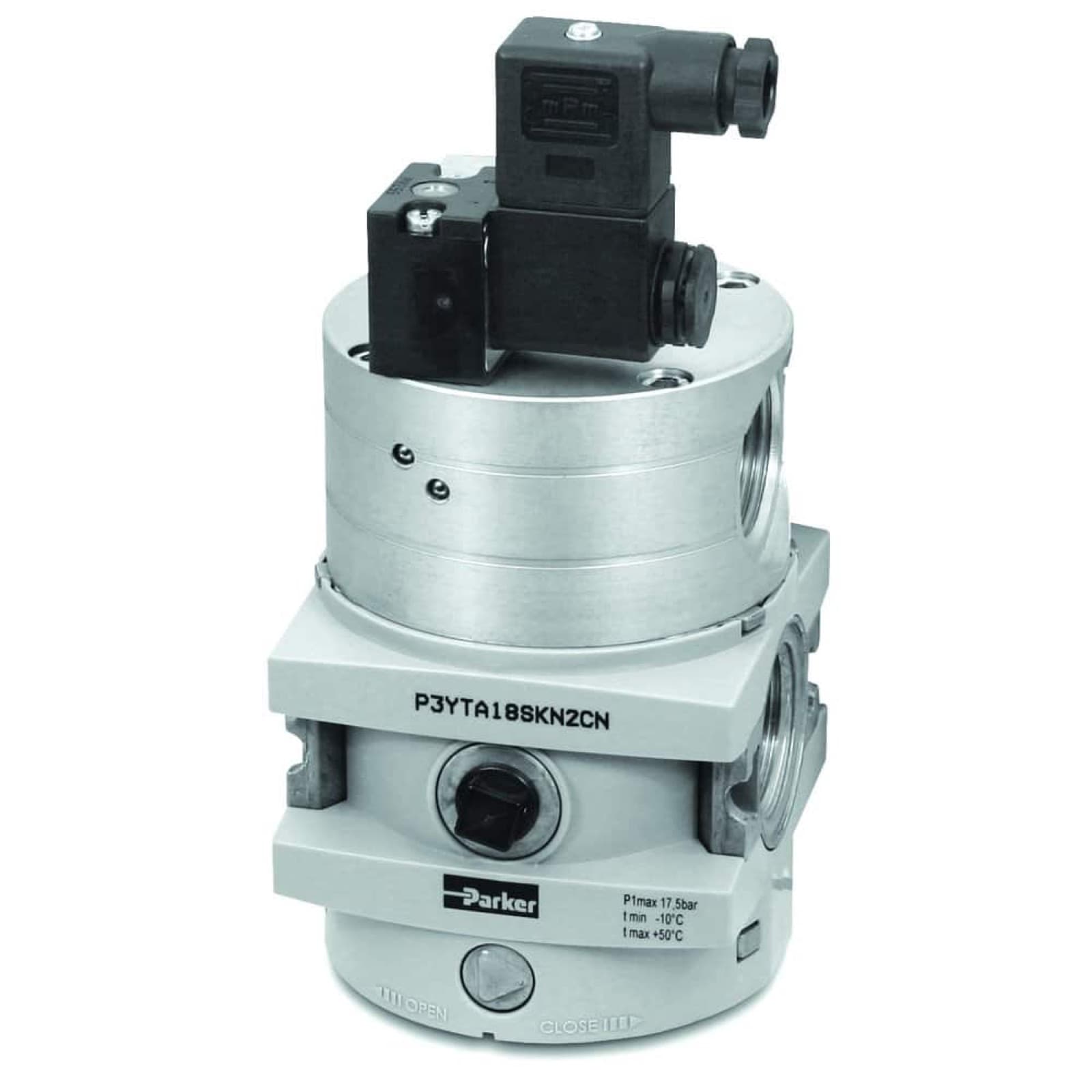
Parker P3YS Series Global Soft Start Valves, High Flow
Parker Hannifin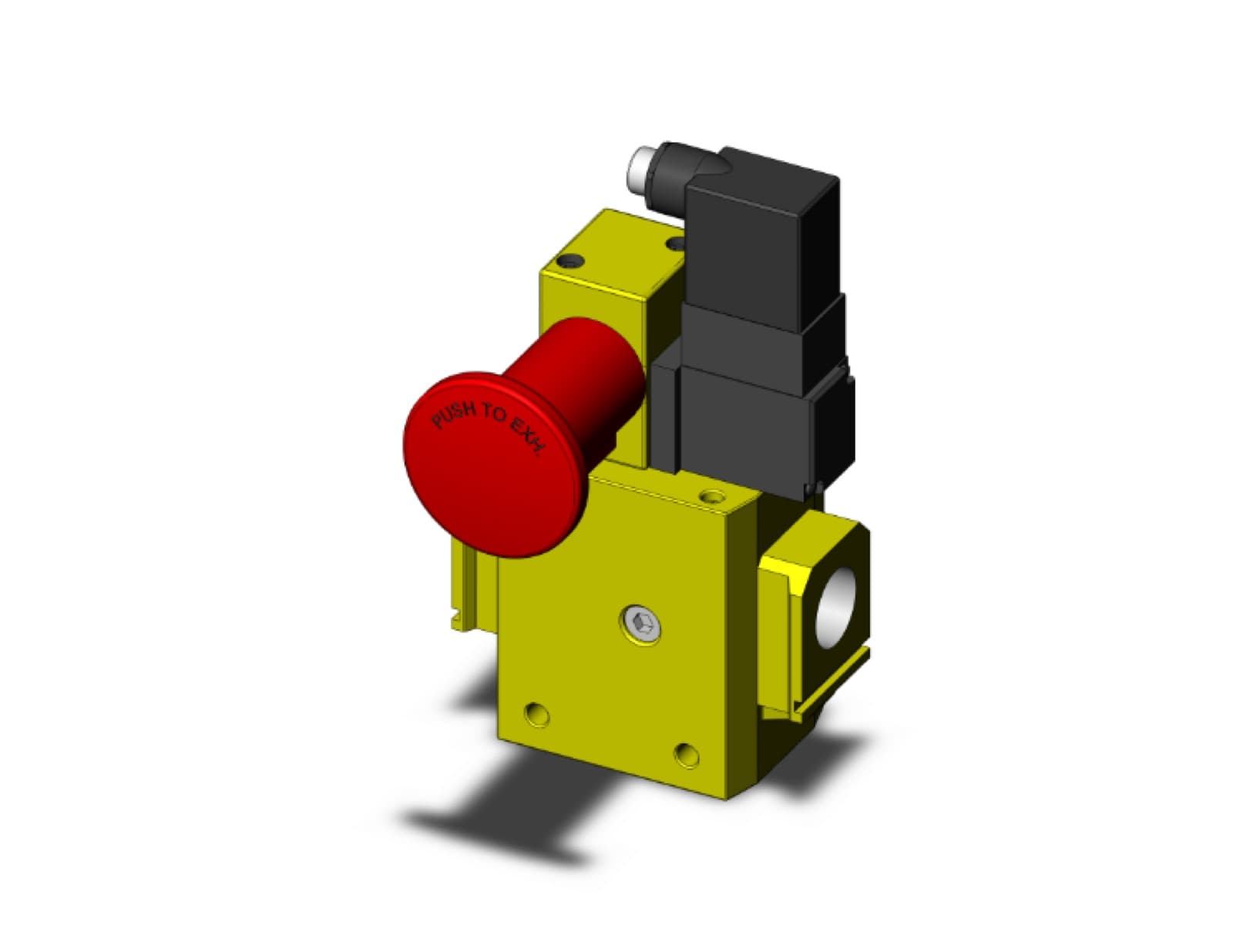
SMC AVL Series Soft Start Lock Out Valve
SMC
SMC KE Series Relief Valve
SMC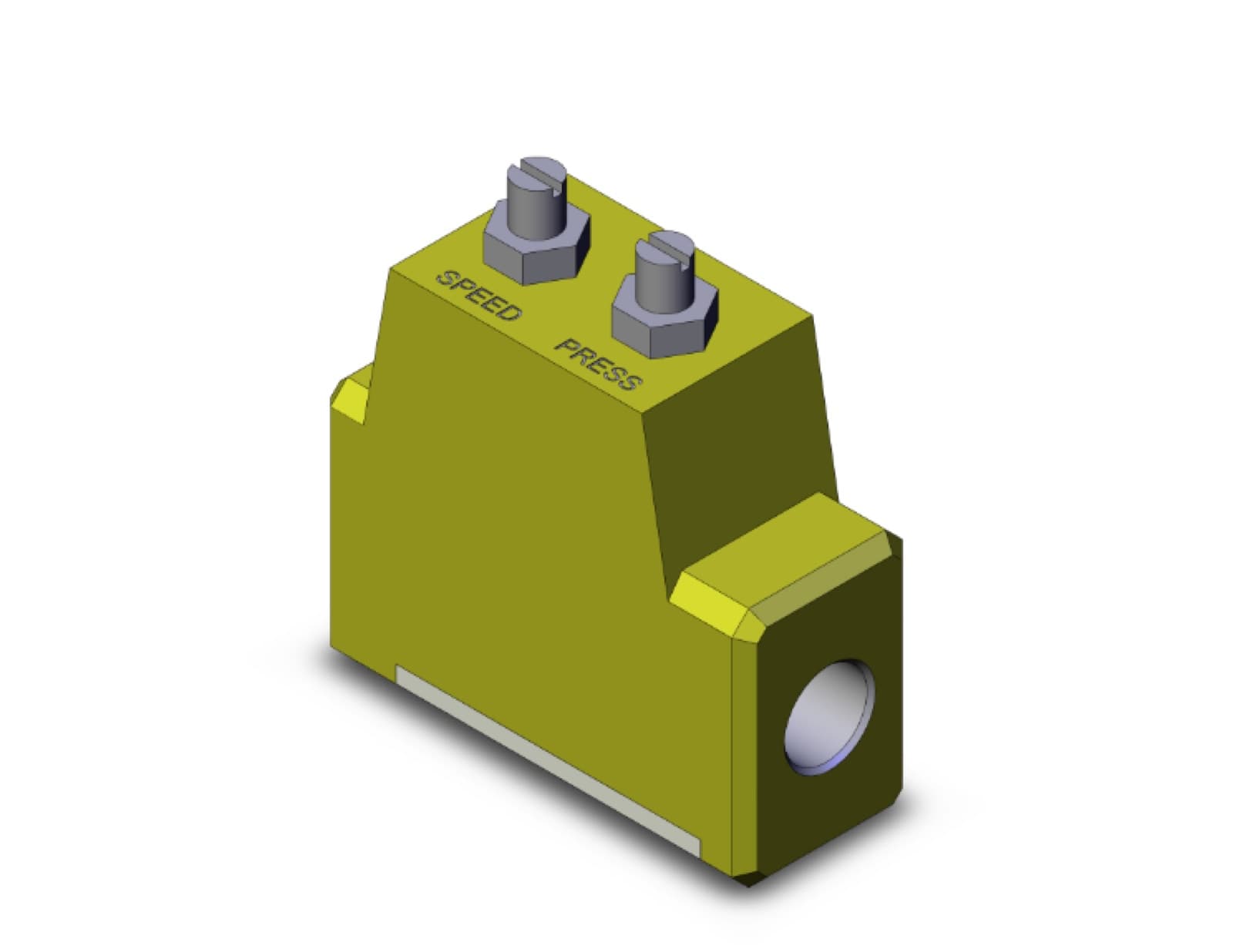
SMC Slow Start Valve
SMC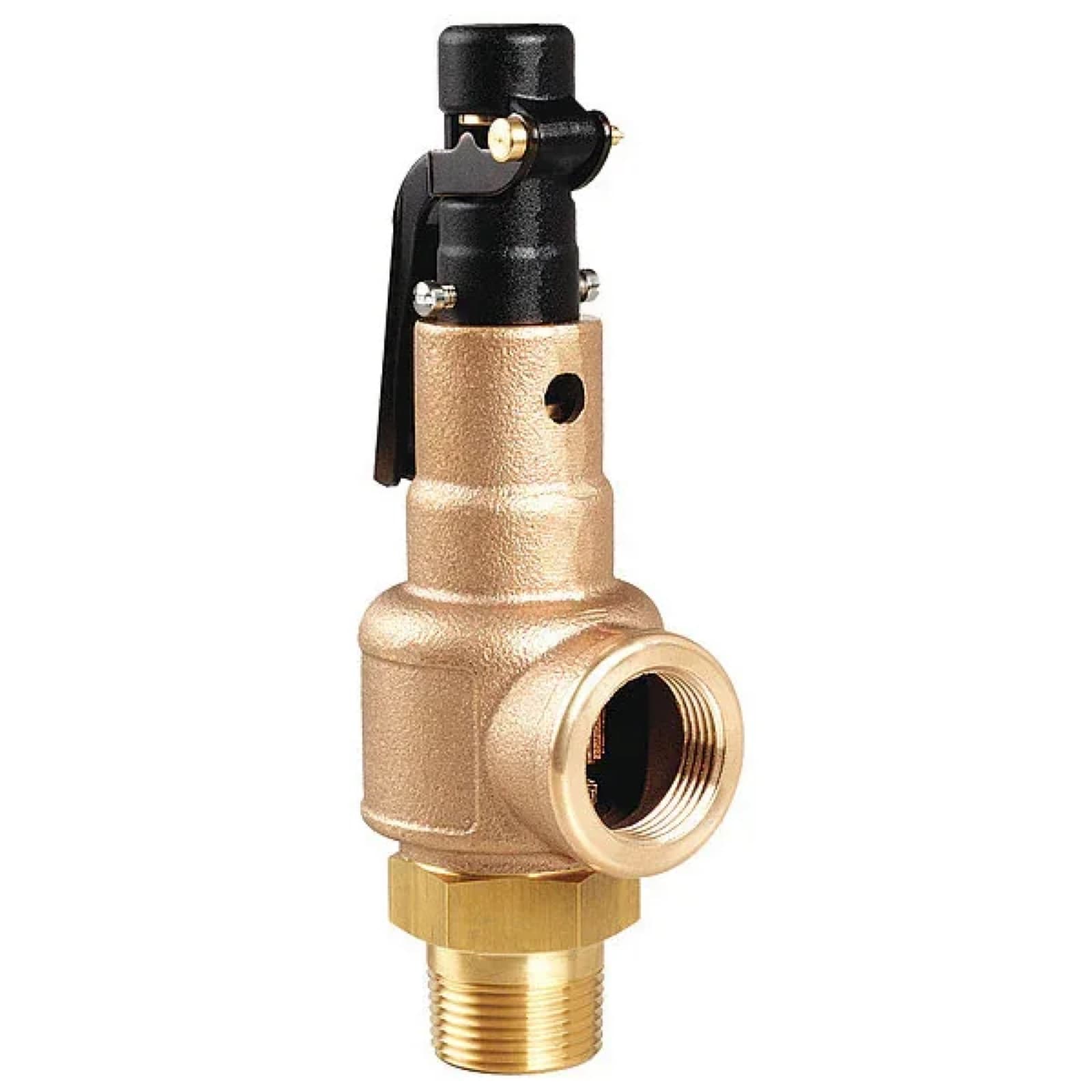
Aquatrol 560 Series Safety Valves
Aquatrol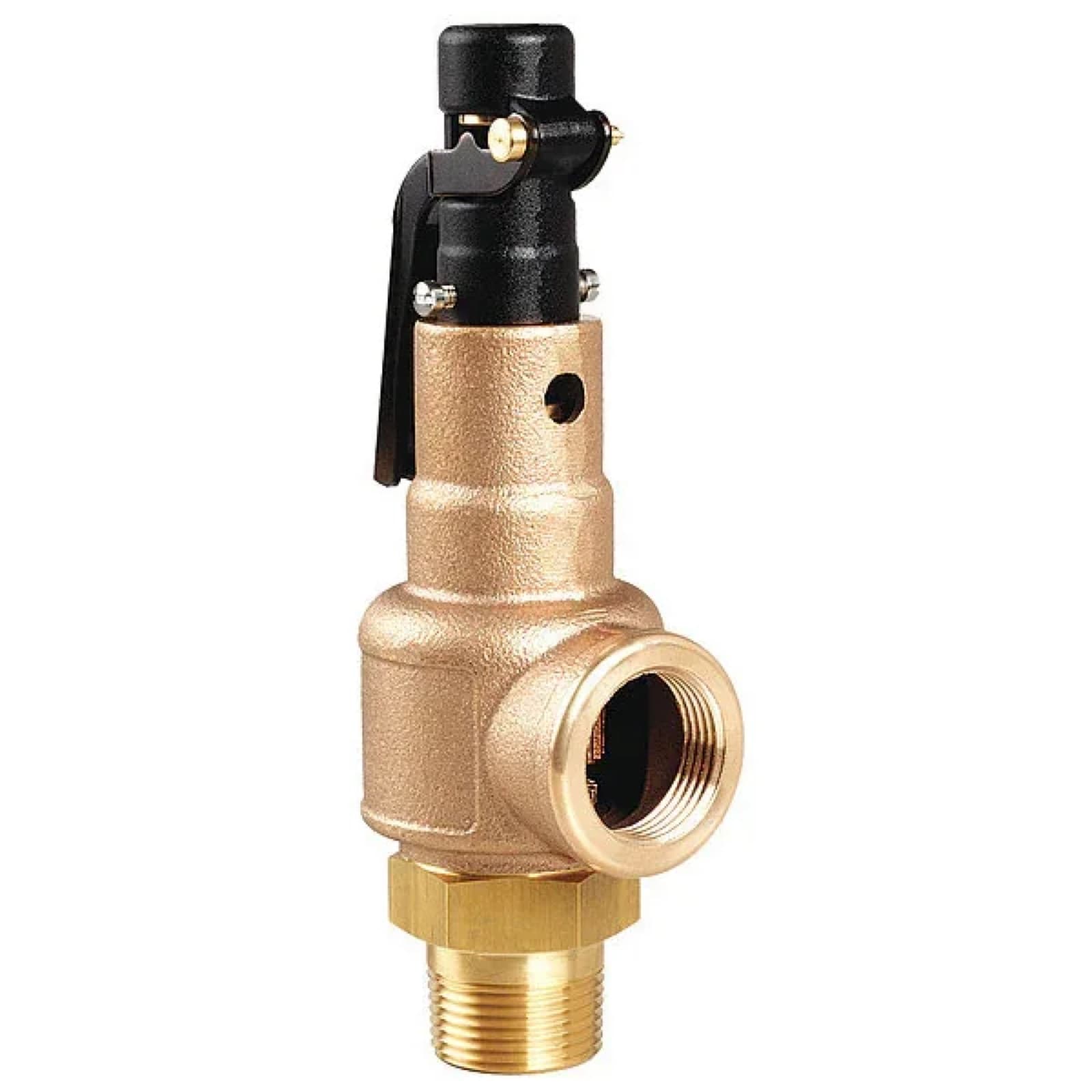
Aquatrol 570 Series Safety Valves
Aquatrol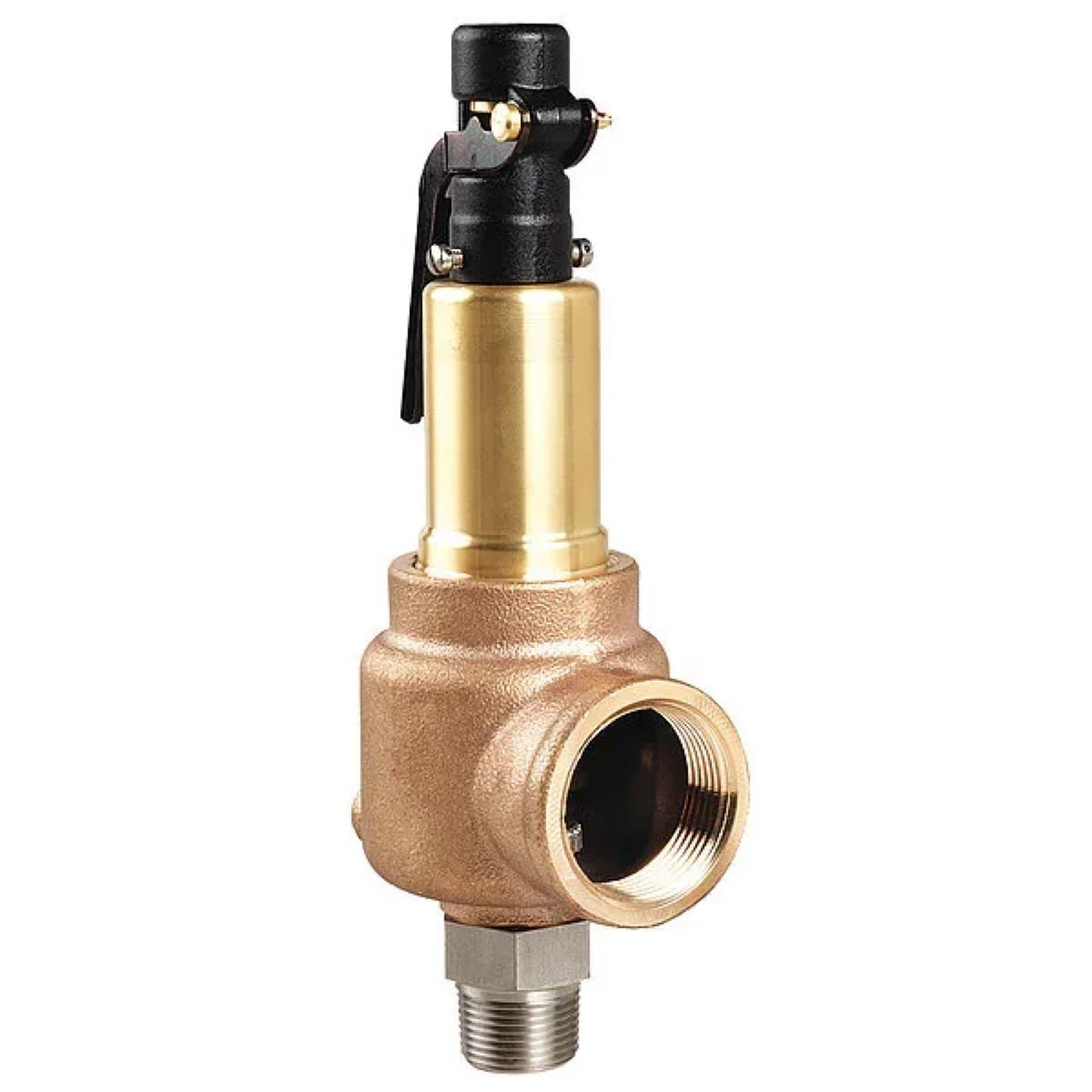
Aquatrol 741 Series Safety Valves
Aquatrol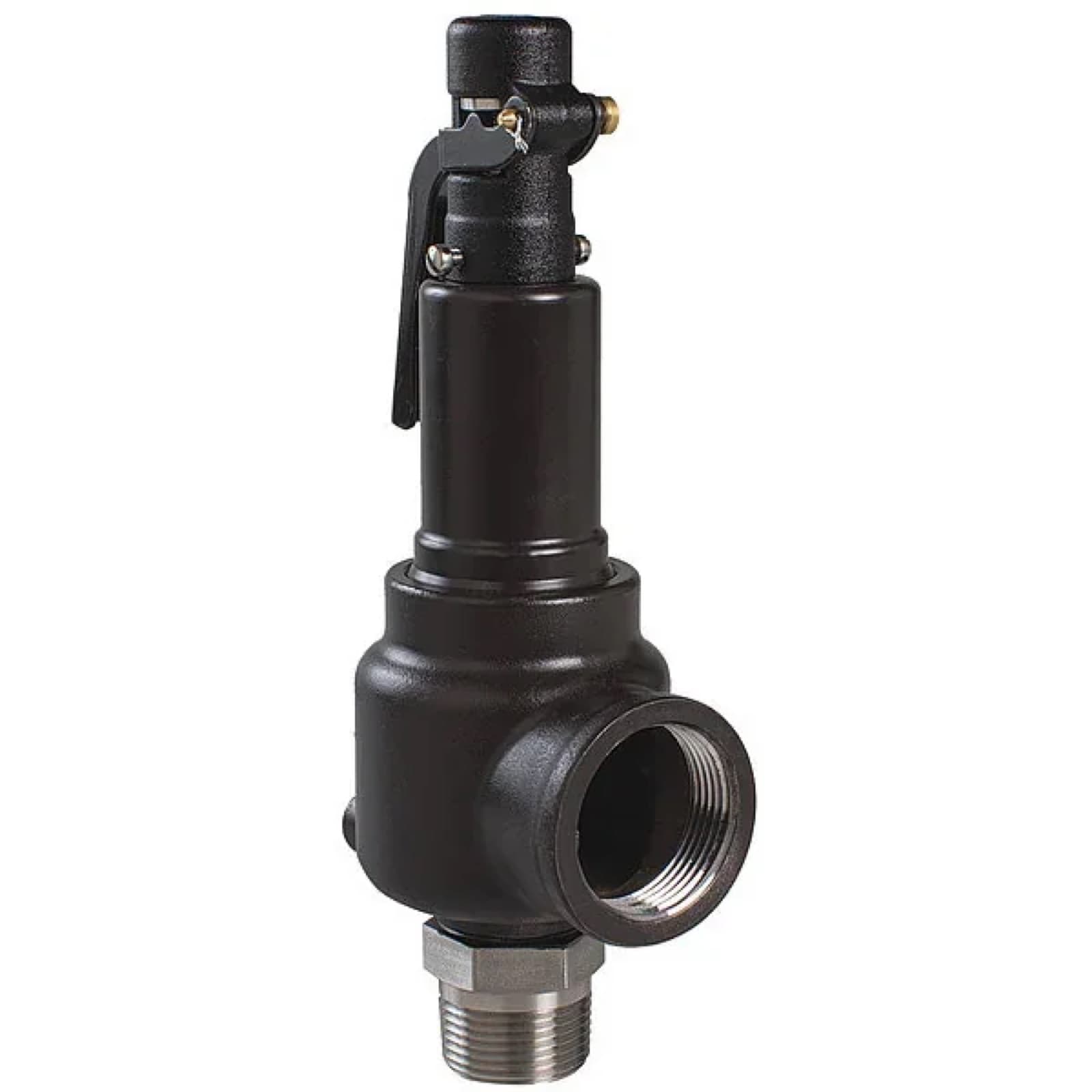
Aquatrol 742 Series Safety Valves
Aquatrol