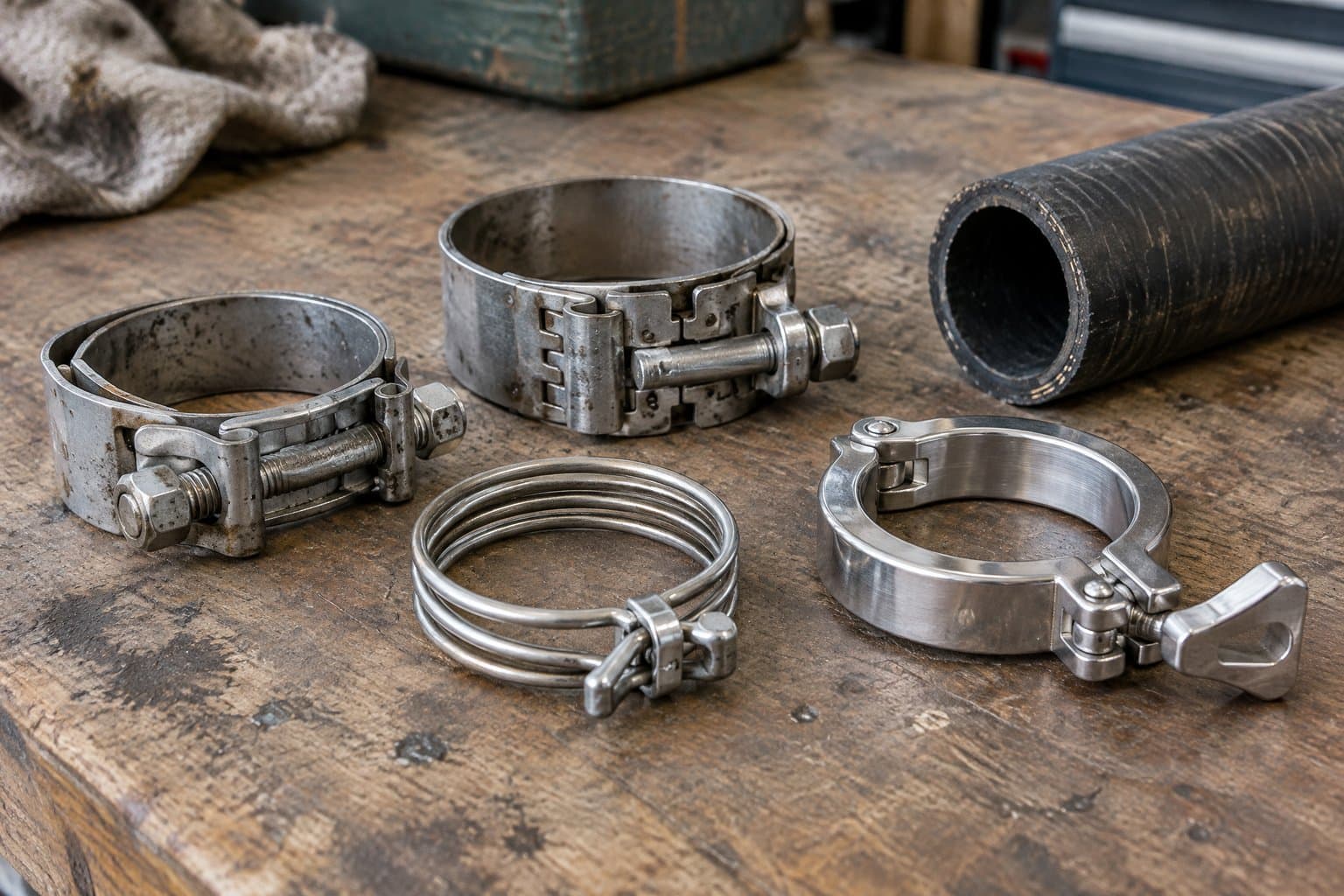
Look along the clamps shelf and one thing is missing: the worm-drive band that holds half the hoses in the world onto their nipples. That is deliberate. A band squeezes a hose along one thin line, it loosens as the rubber relaxes, and its rating is whatever it happens to be that day. Every clamp we stock exists because a specific hose and duty needed something better — and choosing between them is mostly a matter of reading the hose.
/01What a clamp has to do.
A serrated tail holds a hose only as well as the hose is pressed onto it. The clamp provides that pressure, and the way it applies it decides the joint: evenly around the full circumference and along a good length of the tail, the serrations grip; on one narrow line, they cut. A good clamp also stays tight as the hose wall creeps and the temperature cycles, which is where a band fails first.
| Clamp | Use it for | Listed sizes / materials |
|---|---|---|
| Safety clamp, EN 14420-3 / DIN 2817Highlighted | Chemical, oil and steam transfer on EN 14420-5 fittings | Forged aluminium, forged brass, 316 |
| EN 14423 clamp | European steam hose couplings | Brass or 316 |
| Interlocking clamp | Suction and delivery hose on nipples and shanks | Carbon steel, malleable iron |
| Single / double bolt clamp | General transfer hose; super version for heavier duty | Carbon steel, malleable iron or 304 by type; hollow or solid |
| Spiral clamp | Hose with an external helix | 1-1/2" – 12", carbon steel |
| Sanitary clamps (single pin, double pin, bolted, 3-segment) | Food, dairy and pharmaceutical tri-clamp joints | 3/4" – 12", 304 / 316 / 316L |
| Grooved clamp | Grooved-end pipe joints | 2" – 10", forged carbon steel, NBR gasket |
/02Safety clamps and steam clamps.
The forged safety clamp to EN 14420-3 — long known as DIN 2817 — is the clamp of chemical and oil transfer. It bolts around the hose in two halves and grips both the hose cover and a collar machined on the fitting, so it locks the fitting into the hose instead of relying on friction alone. It works with EN 14420-5 GA and GI fittings and is pointless on a plain barb. The EN 14423 clamp is its steam counterpart, for the European steam hose coupling system.
/03Interlocking, bolted and spiral clamps.
For suction and delivery hose on KC nipples, cam-lock shanks and Bauer or Storz tails, the workhorses are the interlocking clamp and the single or double bolt clamp. Both close around the hose with bolts rather than a screw band, both apply pressure across a wide face, and both can be re-tightened after the first pressurisation, when the hose takes its set. A spiral clamp follows the external helix on a suction hose, so it bears on the rubber between the coils instead of riding up on the wire.
/04Sanitary, drag hose and frac clamps.
Food, dairy and pharmaceutical lines join on sanitary (tri-clamp) ferrules, and our heavy-duty sanitary clamps — single pin with a wing nut, double pin, double-pressure bolted and three-segment — run in 304, 316 and 316L from 3/4" to 12". Drag hose for slurry and manure has its own set: an aluminium drag hose clamp, a sleeve and a coupling ring clamp from 4" to 10". And the frac-water couplings on our KC shelf use a three-segment aluminium clamp from 8" to 16".
/05When to crimp instead.
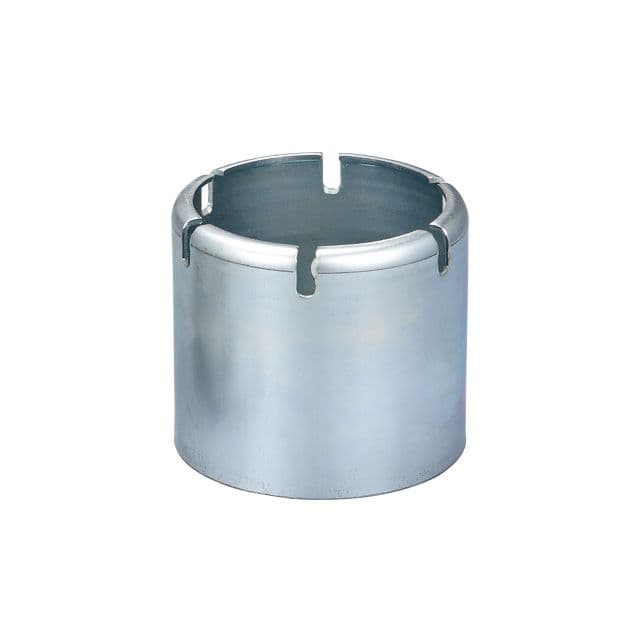
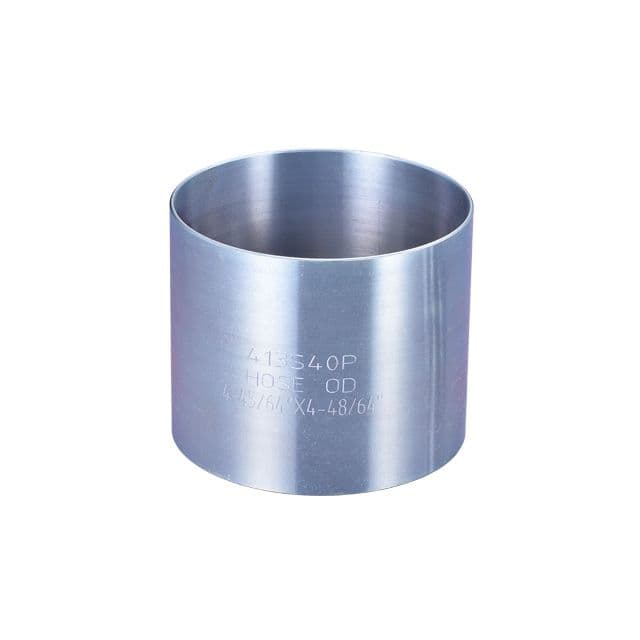
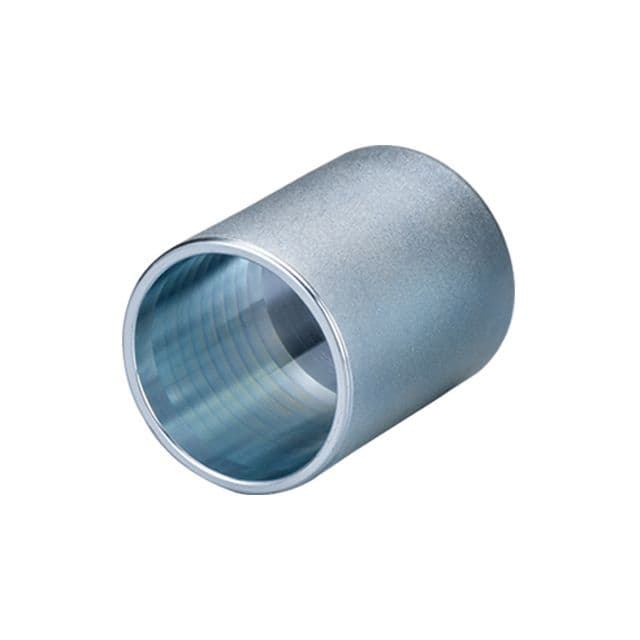
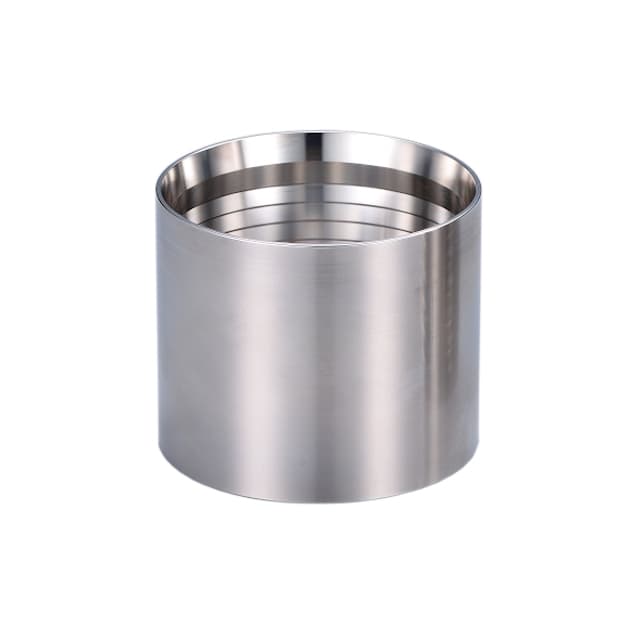
Every clamp leaves the joint dependent on someone fitting and re-tightening it. A crimped ferrule or sleeve removes that variable: it is swaged once, to a diameter, and it stays there. Our ferrules and sleeves for KC and cam-lock shanks, our heavy-duty ferrule rated 300 psi and our sanitary-style crimp ferrules all do that job, and CrimpTEK cam and groove halves are machined to be crimped directly. On any line where a separated hose would hurt someone or spill something, crimping is the better answer.
Frequently asked questions
- Can I use a worm-drive hose clip on a suction hose?
- Only on light, low-pressure duty. For suction and delivery hose use an interlocking or bolted clamp sized to the hose OD, or a crimped ferrule.
- What is a DIN 2817 safety clamp?
- A forged two-piece bolted clamp that grips both the hose and a collar on the fitting. The design is standardised as EN 14420-3 and is used with EN 14420-5 fittings.
- How do I size a hose clamp?
- By the outside diameter of the hose, measured over the cover. Our sleeves for KC and cam-lock shanks are listed with the bore range they fit for each hose size.
- Should I re-tighten a bolted clamp?
- Yes — after the first pressurisation or heat cycle, when the hose wall settles, and at each inspection after that.
Clamps for industrial hose
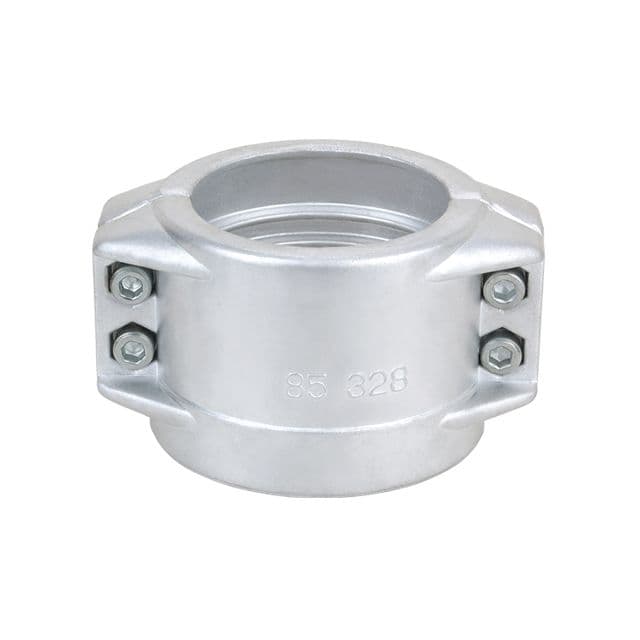 IH-CLP-SAFETY-14420-3EN 14420-3 / DIN 2817 Safety ClampSunpool
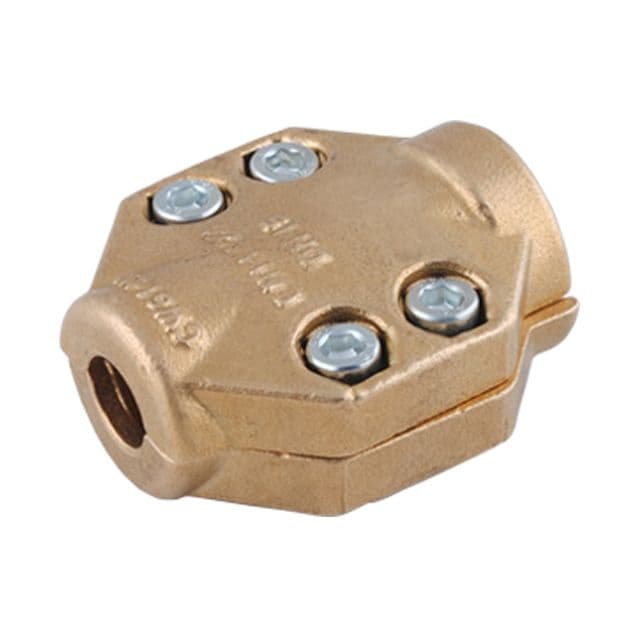 IH-CLP-EN-14423EN 14423 ClampSunpool
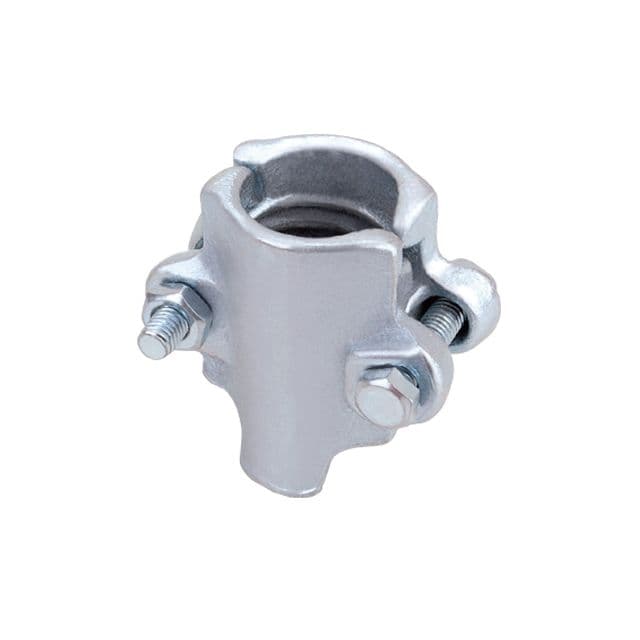 IH-CLP-INTERLOCKINGInterlocking ClampSunpool
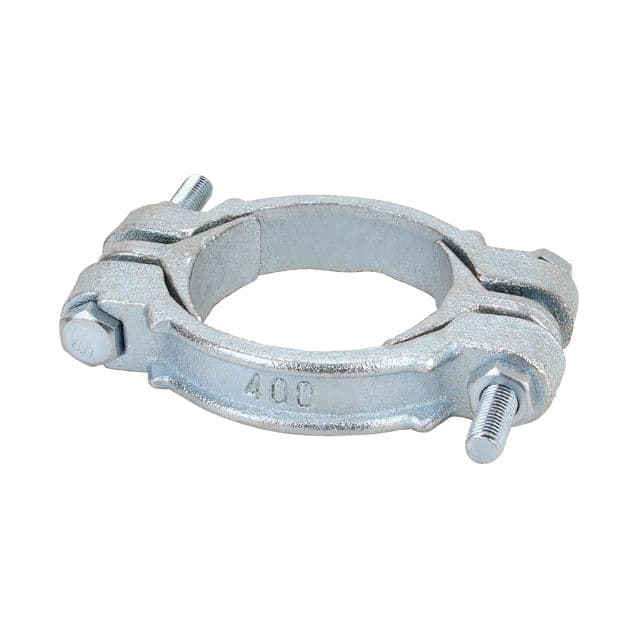 IH-CLP-DOUBLE-BOLTDouble Bolt ClampSunpool
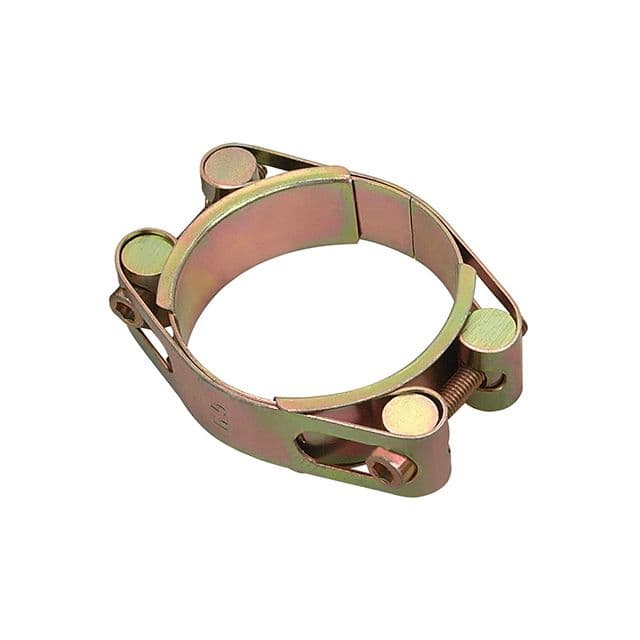 IH-CLP-DOUBLE-BOLT-SUPERDouble Bolt Super ClampSunpool
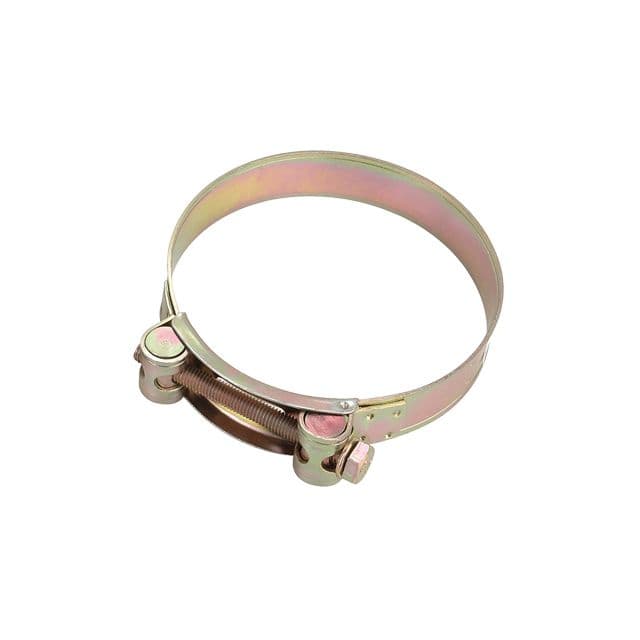 IH-CLP-SINGLE-BOLTSingle Bolt ClampSunpool
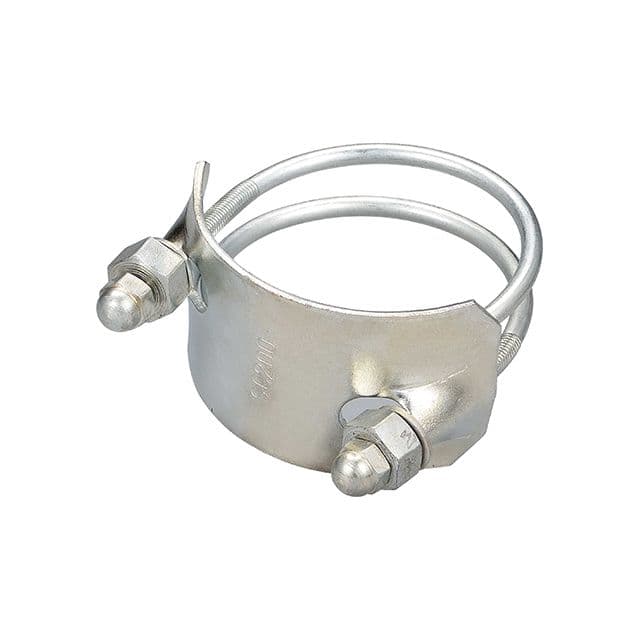 IH-CLP-SPIRALSpiral ClampSunpool
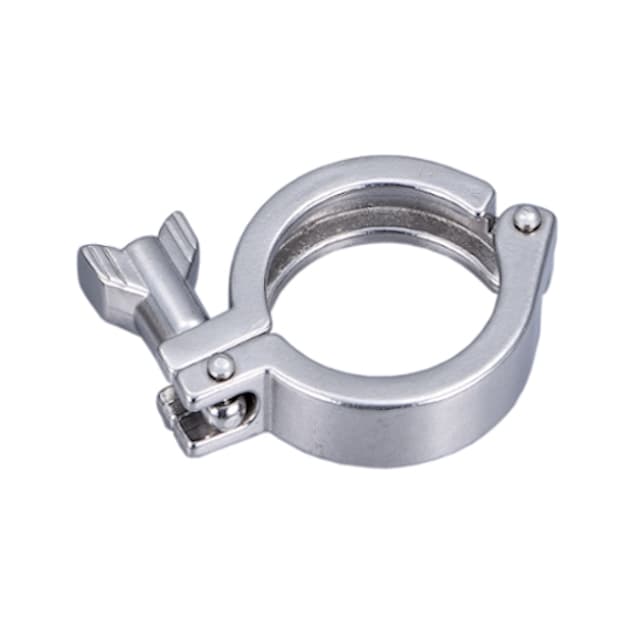 IH-CLP-SAN-SINGLE-PINHeavy Duty Single Pin Sanitary Clamp × Serrated Wing NutSunpool