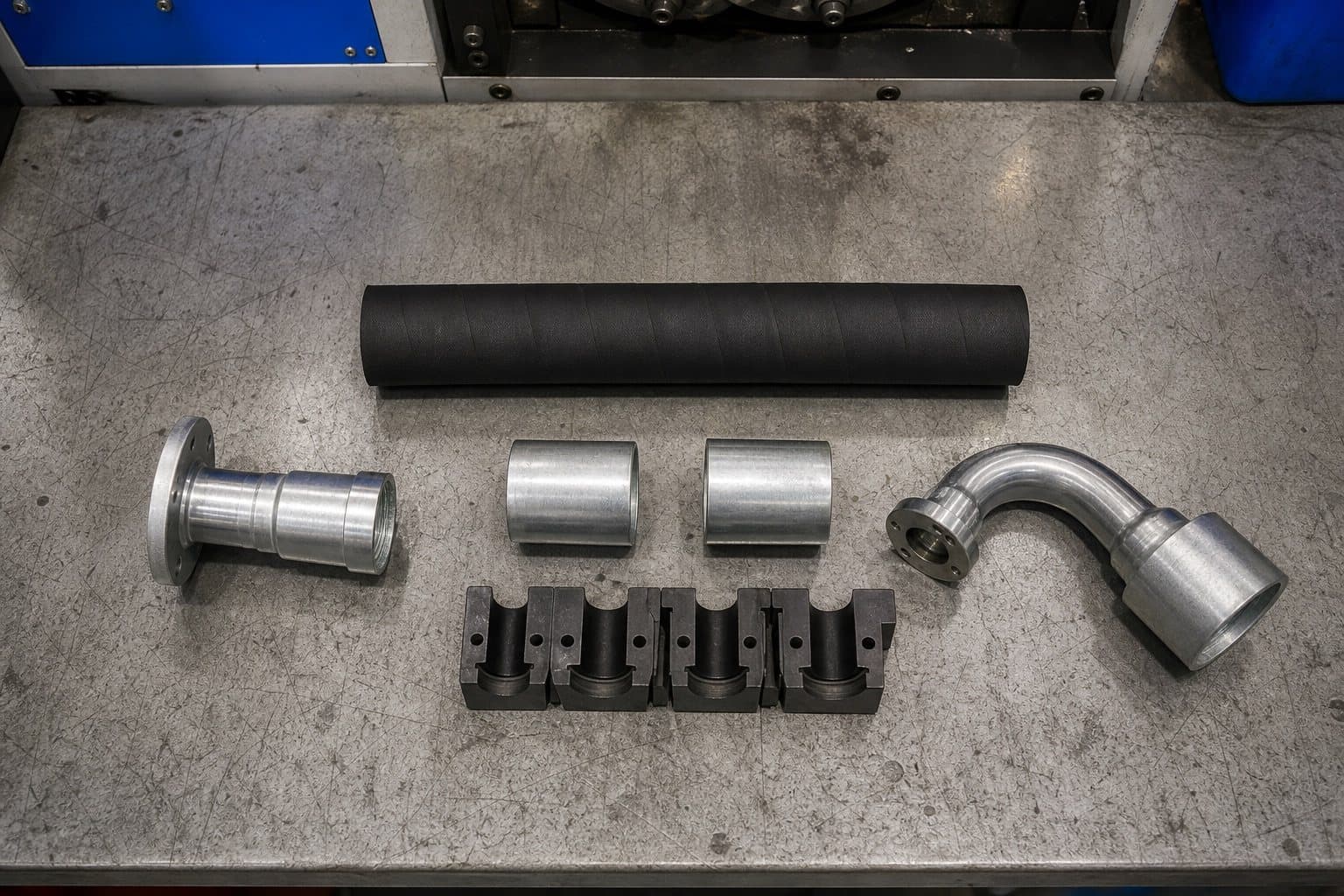
A hose assembly is a manufactured item, not a length of something cut to size, and its cost is dominated by things that are invisible in the finished part. Understanding which ones lets you argue with a quote productively instead of just comparing totals.
/01What moves the number.
| Factor | Effect | Worth economising on? |
|---|---|---|
| Construction — braid, compact or spiralHighlighted | Large. Spiral carries far more steel | No — it is set by pressure at bore |
| Bore | Large. Everything scales with it | No — set by the circuit |
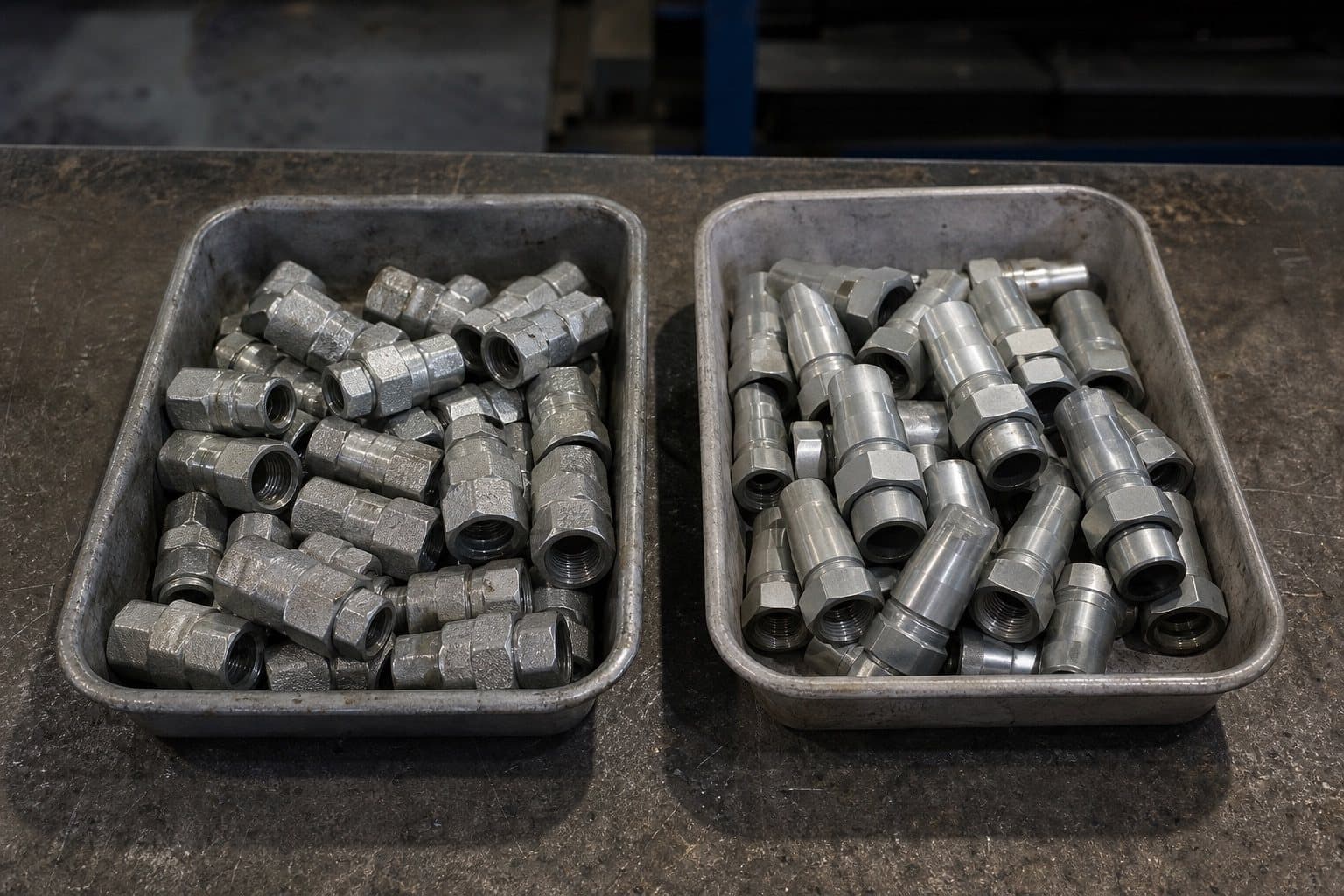
| Number and type of fittings | Large on short assemblies | Sometimes — an elbow may replace two fittings |
| Fitting material | Stainless is a multiple of carbon steel | Only where the environment allows it |
| Length | Modest — hose is the cheap part | Rarely worth it |
| Certification and testingHighlighted | Modest | Not on lifting or access equipment |
| Quantity | Batching spreads setup | Yes — the honest saving |
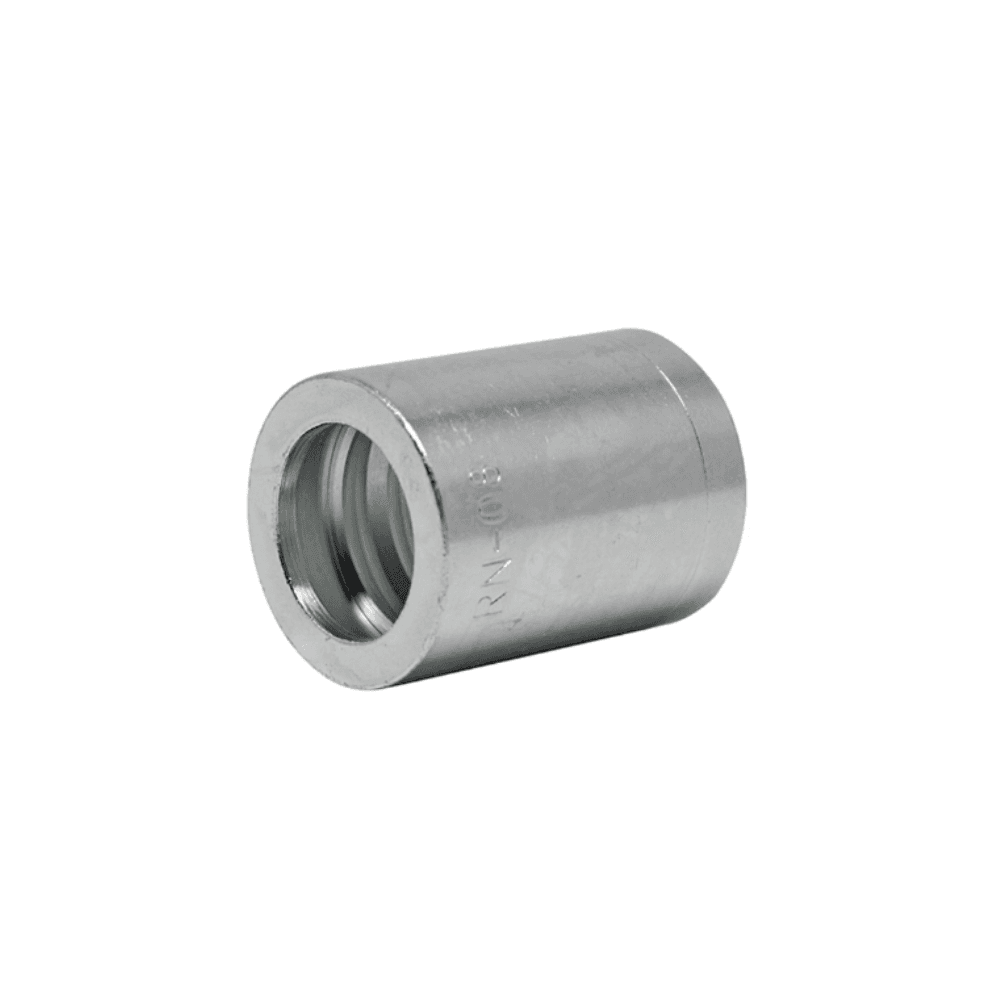
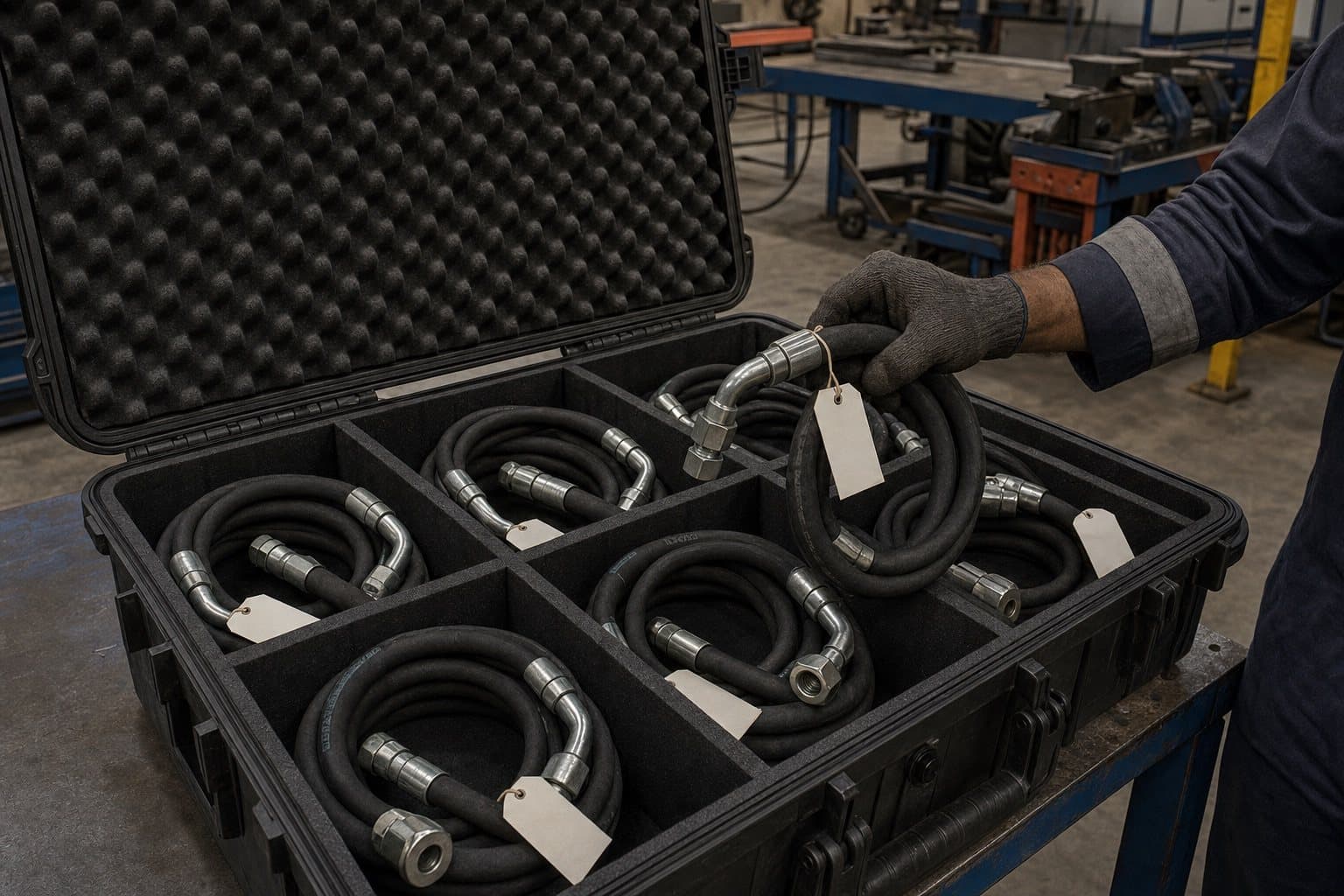
The row people find surprising is length. On a short assembly the hose itself can be a minor component — two fittings, two ferrules, a crimp setup and a test, with a few hundred millimetres of rubber between them. Asking for a shorter hose to save money usually saves very little.
/02Where saving is real.
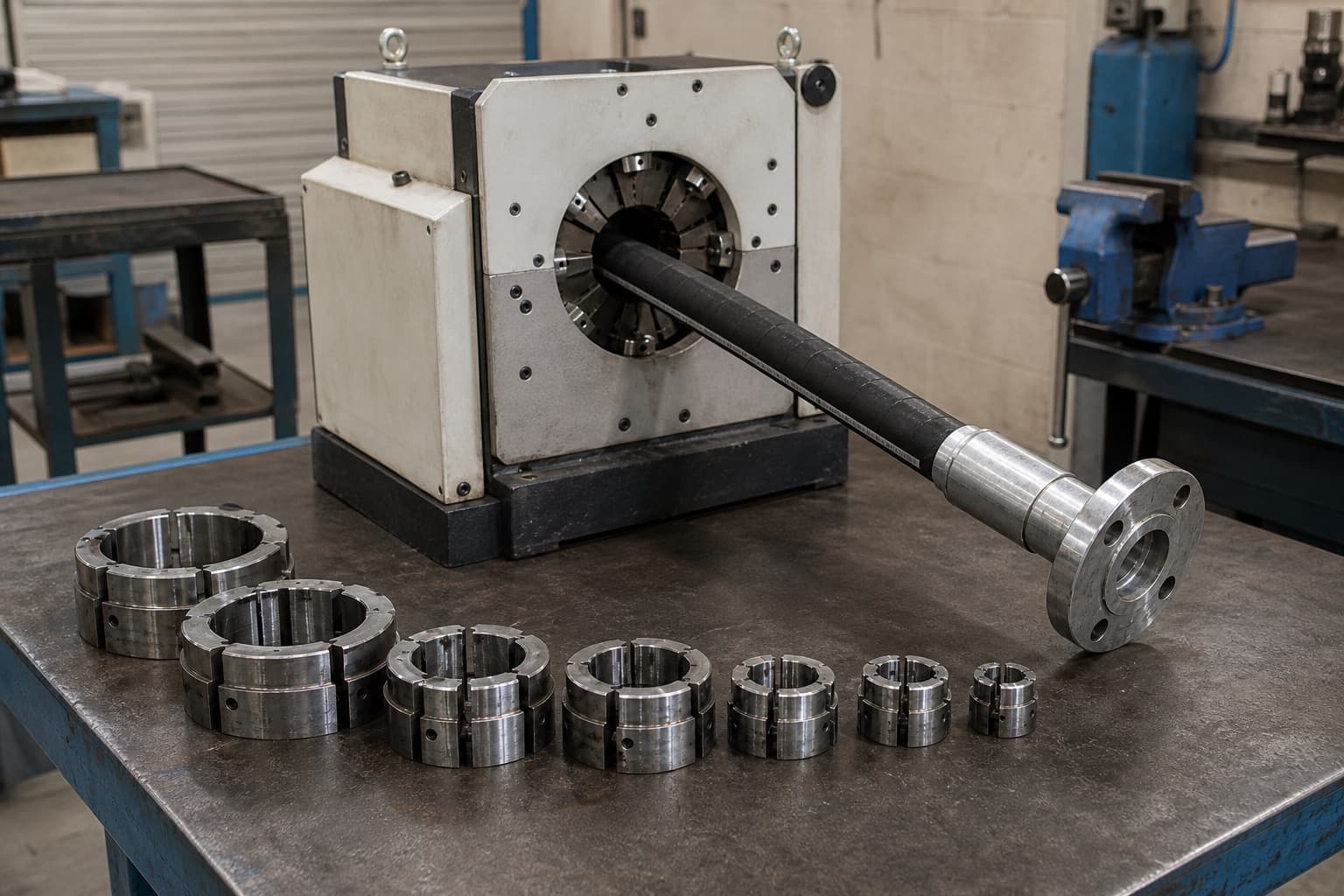
Four that work
All of these reduce cost without reducing what the assembly can do.
IfYou need several assemblies
Order them together.
Setup, dies and test time spread across the batch. The most reliable saving available.
IfThe routing forces an expensive fitting arrangement
Ask whether an elbow replaces two parts.
Turning the line at the fitting is often cheaper than adapting to it.
IfYou hold spares for a fleet
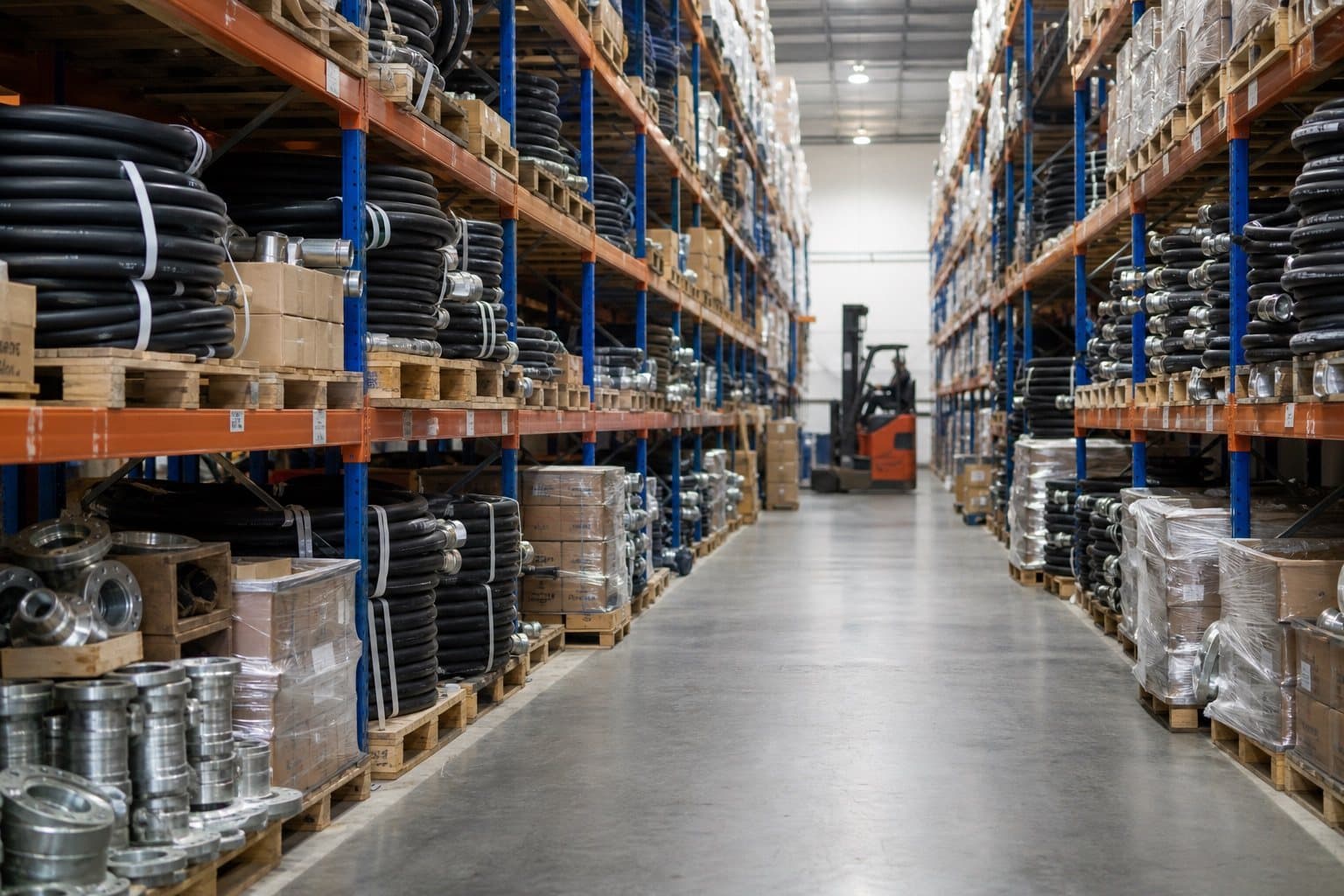
Consider bulk hose plus fittings rather than finished assemblies.
Ages better on the shelf and covers more part numbers per unit of stock.
IfThe specification was inherited rather than checked
Have it reviewed.
Over-specification is a real cost too. Spiral where braid suffices is money spent on steel you do not need.
/03Why we do not publish prices.
There is no price list on this page and none anywhere else on this site, for a straightforward reason: a published figure goes stale and a stale figure is worse than none. Steel moves, freight moves, and an assembly price depends on a combination of construction, fittings and quantity that a list cannot represent honestly.
What we can do is quote quickly against a specification, and explain which factor is driving the number if it is higher than you expected. That conversation is usually more useful than a list would have been.
Common questions
- Is a longer hose much more expensive?
- Usually not, on a short assembly — the fittings and the build dominate. On long runs at large bore the hose does become the main cost, and then length matters.
- Can I supply my own fittings?
- Ask us first. The crimp specification is per hose-and-ferrule combination, so we need to be able to state the correct crimp diameter for what is being assembled. Where we can, we will.
- Why is a stainless assembly so much more?
- The material, and the machining. It is the right answer in coastal and offshore duty where carbon steel seizes, and over-specified in a dry workshop.
- Do you discount for volume?
- Batching genuinely reduces the cost of a build, so tell us the quantity up front rather than ordering singly and asking afterwards.