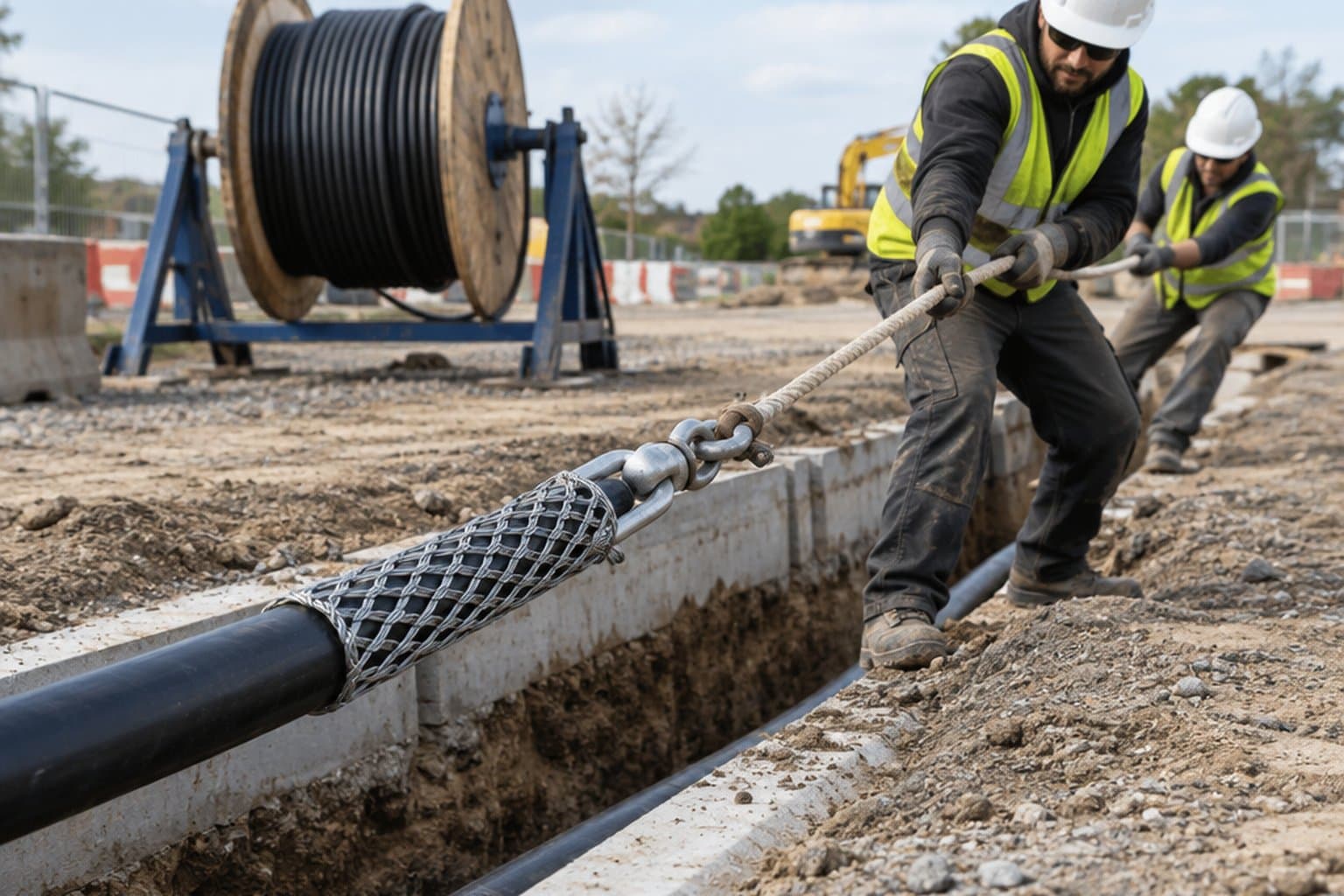
MEP and electrical contractors pull kilometres of cable on a typical Gulf project: feeders through ducts, cables along trenches, risers up shafts. At the front of every pull is a cable sock — a woven steel mesh that tightens on the cable as it is pulled. It is simple and cheap, and it is also the one part of the pull that touches the cable directly. Choose and fit it badly and the pull stops, the sheath tears, or the cable is overstressed without anyone noticing.
/01Types of cable sock.
| Type | Used for |
|---|---|
| Single eyeHighlighted | Pulling a single cable end through a duct or along a trench |
| Double eye | Pulling from either end, or joining two pulls |
| Side pull (split / lace-up) | Gripping a cable mid-length where the end is not free |
| High-voltage | Large-diameter HV cables |
Our single-eye, double-eye and side-pull cable socks cover cable diameters from 6–10 mm to 120–150 mm, and the high-voltage sock from 25–70 mm to 500–630 mm. Makers also offer single- and double-weave meshes — double weave is stronger — and offset-eye designs for pulling round bends.
/02Fitting the sock.
- Push the sock fully onto the cable, compressing the mesh so it covers the full grip length.
- Stretch it tight from the eye so the mesh closes down on the sheath.
- Secure the tail with tape or bands near the end of the mesh — grip makers recommend bands so the sock cannot release.
- Fit a swivel between the eye and the pulling rope so rope twist is not transferred into the cable.
- Attach only at the eye, with a shackle or link rated for the pull, and never modify the grip.
/03The cable’s limits govern.
A cable sock can be far stronger than the cable it grips. What limits the pull is the cable: its maximum pulling tension, its minimum bending radius, and the sidewall pressure it can take round bends. Cable makers publish methods for each — a maximum tension through a pulling eye based on conductor material and size, a lower limit when pulling with a grip on the sheath, and sidewall limits at bends — and those figures govern. Grip makers, for their part, recommend a working safety factor of about 5 on a pulling grip’s strength. Use a dynamometer on long or difficult pulls and stop if tension approaches the cable maker’s limit.
Common questions
- What is a cable sock?
- A woven steel mesh grip that tightens on a cable as it is pulled, used to pull cable through ducts and along trenches.
- Do I need a swivel with a cable sock?
- Yes. A swivel between the sock and pulling rope stops rope twist being passed into the cable.
- How do I stop a cable sock slipping off?
- Use the right size, push it fully on, stretch it tight and secure the tail with tape or bands.
- How much can I pull with a cable sock?
- As much as the cable maker’s pulling limits allow — not the sock’s strength. Grip makers also recommend keeping to about one-fifth of the grip’s breaking strength.
- Can a cable sock be used for lifting?
- No. It is a pulling grip, not a lifting sling.
Cable socks and pulling hardware
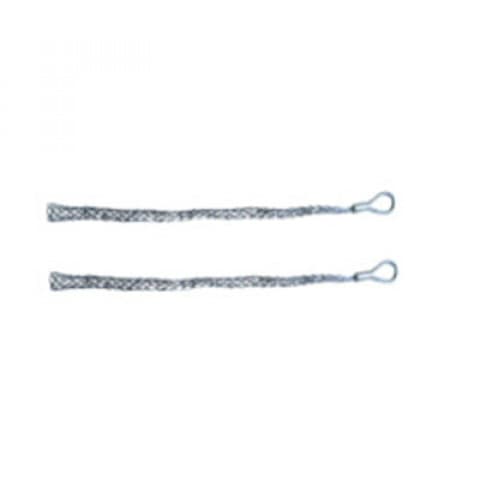 IH-LR-CS-SESingle-Eye Cable Sock (Cable Pulling Grip)
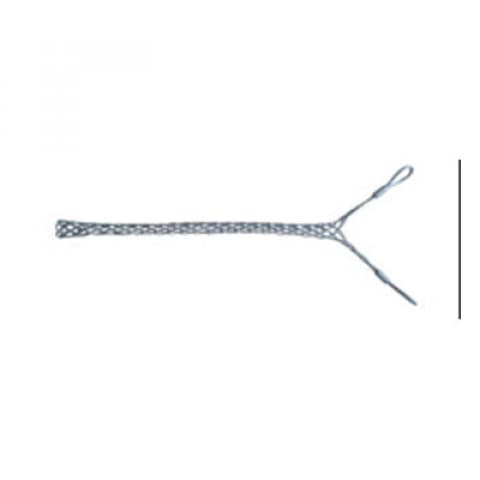 IH-LR-CS-DEDouble-Eye Cable Sock (Cable Pulling Grip)
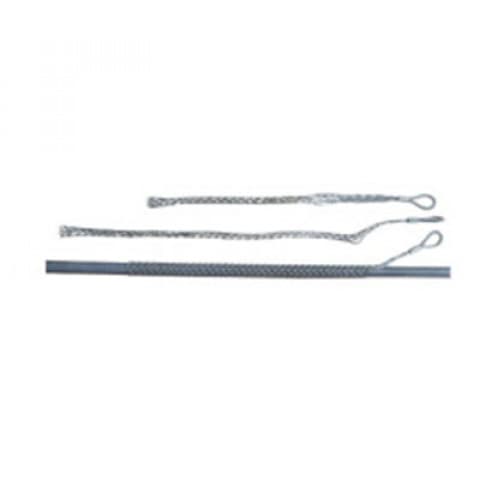 IH-LR-CS-SPSide-Pull Cable Sock (Cable Pulling Grip)
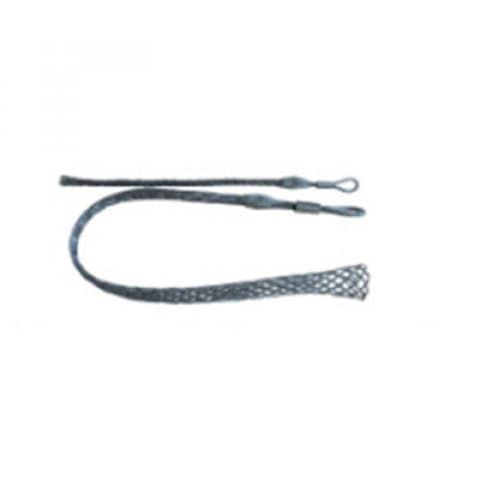 IH-LR-CS-HVHigh-Voltage Cable Sock (Cable Pulling Grip)
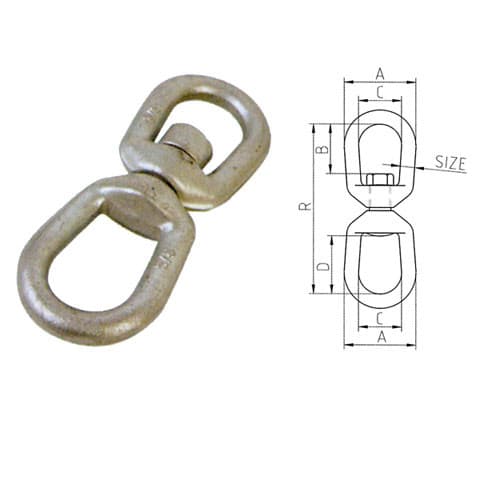 IH-LR-RL-G401Chain Swivel — G-401 Pattern, Hot-Dip Galvanized, 850–45,200 lbs WLL
- IH-LR-HO-WRPWire Rope Puller — Steel, 0.8–3.2 t WLL