
Category
Hoses & Fittings
Hydraulic hose fittings connect a hose to the pump, valve, cylinder or adapter it serves, and the right one is set by two things: the hose construction it is crimped onto and the thread and seat of the port it meets. Indus supplies hydraulic hose, crimp fittings, ferrules and adapters from Dubai in BSP, JIC 37°, ORFS, NPT, JIS, metric 24° cone (DIN 2353 / ISO 8434-1) and SAE J518 flange forms, in carbon steel and SS316L, and makes up and pressure-tests assemblies to order.
Start from the hose, then the two ends
A hose assembly is three decisions. The hose comes first: its construction standard sets the pressure it carries and the ferrule it takes. Then each end: the thread family and seat of the port it meets, which is a question of identification rather than preference. Adapters cover the case where the two disagree.
This shelf is grouped the same way — hose by construction, fittings by thread family, adapters by the pair of forms they join. Replacing a failed assembly? Send the layline printing and a photo of each end, and we will name all three parts.
Built to the standards on the layline and the port
Wire-braid hose is built to EN 853 (1SN, 2SN), compact braid to EN 857 (1SC, 2SC), spiral hose to EN 856 (4SP, 4SH, R12, R13), and SAE J517 covers the 100R series. The ends follow their connection standards: 24° cone ISO 8434-1 (formerly DIN 2353), 37° flare SAE J514 / ISO 8434-2, O-ring face seal SAE J1453 / ISO 8434-3, BSP threads ISO 228-1 and four-bolt flanges SAE J518. An assembly is rated to its lowest-rated component — the hose or either end.
Size range
Every size above is a part number you can quote from. Open any listing for its full table.
Delivery
Hoses & Fittings across the Gulf
Ex-stock from Dubai, delivered within 3 working days in the UAE.
Hose and fittings are the bulk of what leaves this warehouse, and they travel well: a crated batch of assemblies with its crimp records, or a box of adapters on an airway bill. Buyers outside the UAE usually order to a measured list rather than to a part number, because a hose is defined by its ends, its length and its route rather than by a code. Send those and we will quote against them.
Beyond the Gulf
- West & Central Africa
- Nigeria, Gabon, Republic of the Congo
- Southern Africa
- South Africa, Zimbabwe, Namibia
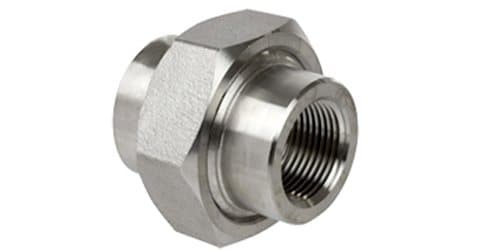
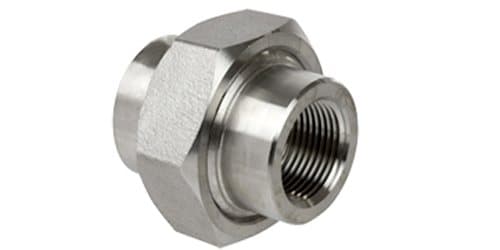
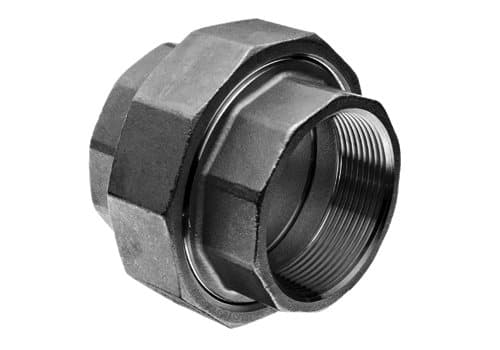
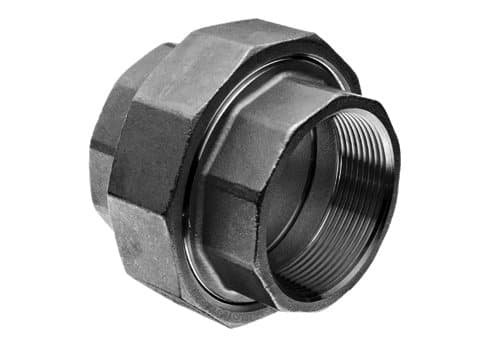
304 Stainless Steel 3000# Forged Threaded Union
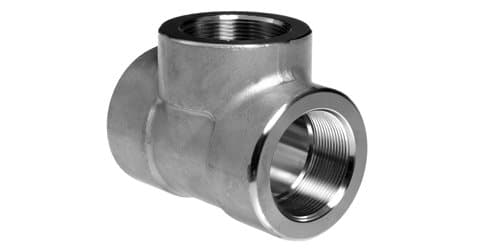
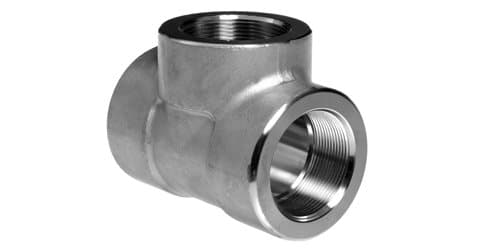

316 Stainless Steel 3000# Forged Threaded 90° Street Elbow

304 Stainless Steel 3000# Forged Threaded 90° Street Elbow
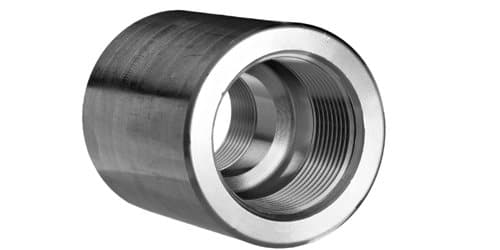
316 Stainless Steel 3000# Forged Threaded Reducing Coupling
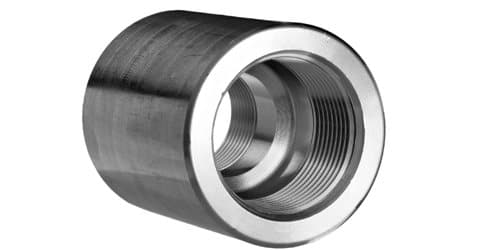
304 Stainless Steel 3000# Forged Threaded Reducing Coupling
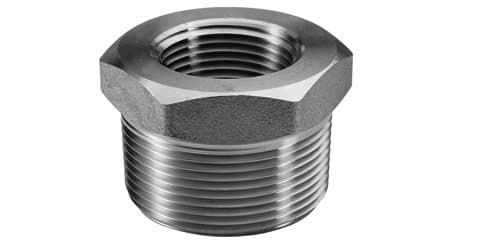
316 Stainless Steel 3000# Forged Threaded Hex Reducing Bushing
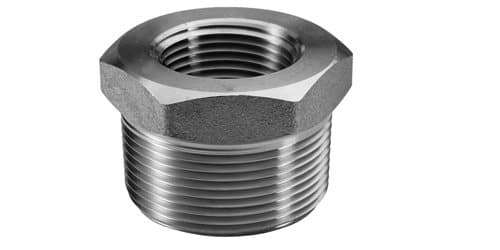
304 Stainless Steel 3000# Forged Threaded Hex Reducing Bushing
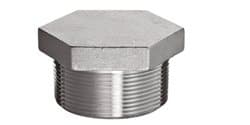
316 Stainless Steel 3000# Forged Threaded Hex Head Plug
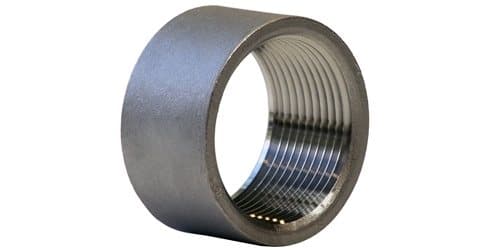
316 Stainless Steel 3000# Forged Threaded Half Coupling
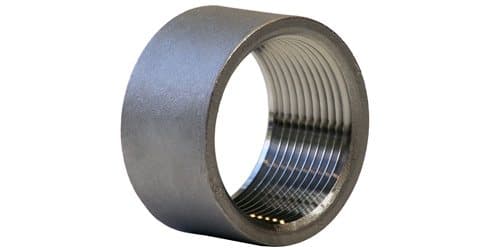
304 Stainless Steel 3000# Forged Threaded Half Coupling
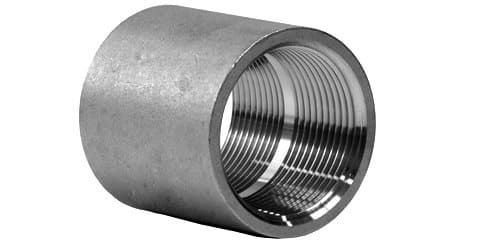
316 Stainless Steel 3000# Forged Threaded Full Coupling
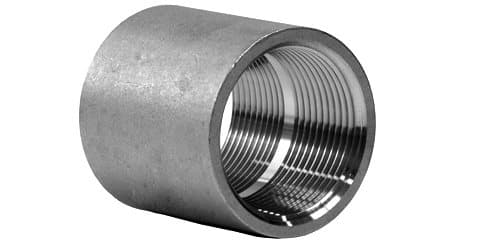
304 Stainless Steel 3000# Forged Threaded Full Coupling
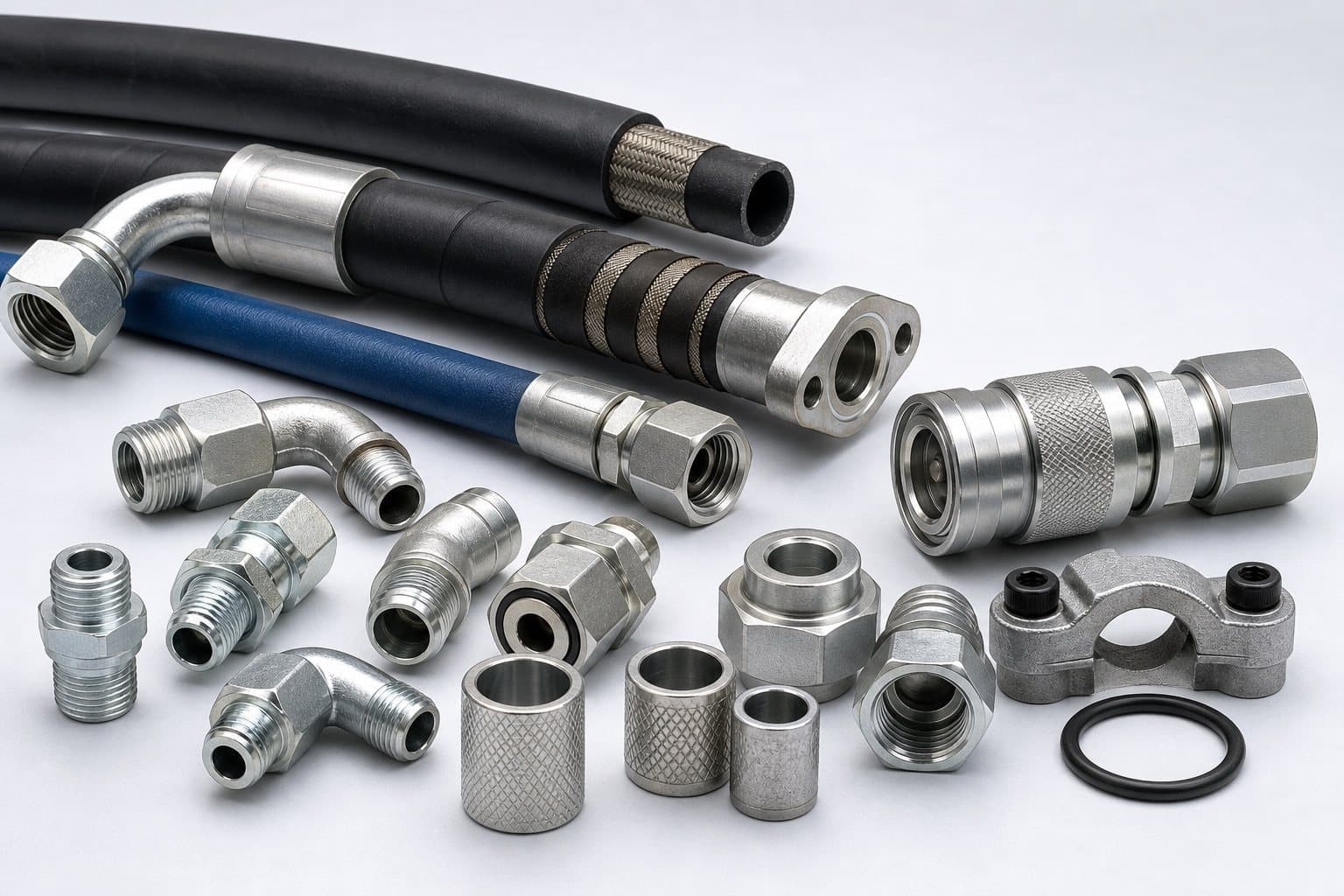 Category image · Hoses & Fittings
316 Stainless Steel 3000# Forged Threaded Cap
Category image · Hoses & Fittings304 Stainless Steel 3000# Forged Threaded Cap
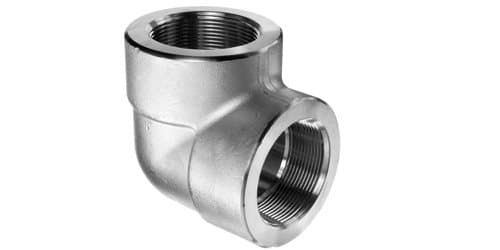
316 Stainless Steel 3000# Forged Threaded 90° Elbow
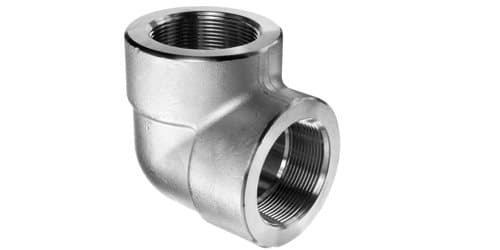
304 Stainless Steel 3000# Forged Threaded 90° Elbow
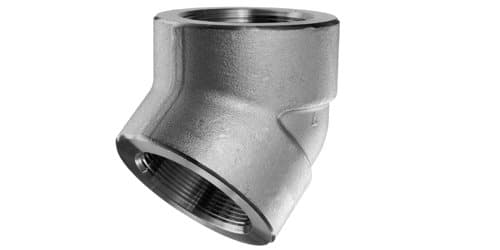
316 Stainless Steel 3000# Forged Threaded 45° Elbow
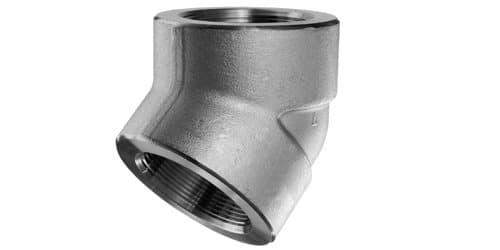
304 Stainless Steel 3000# Forged Threaded 45° Elbow
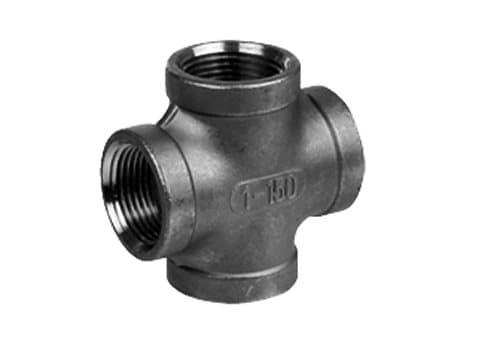
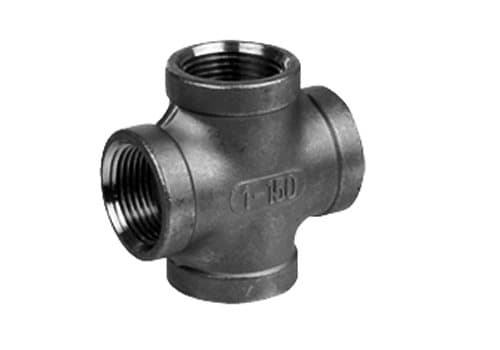
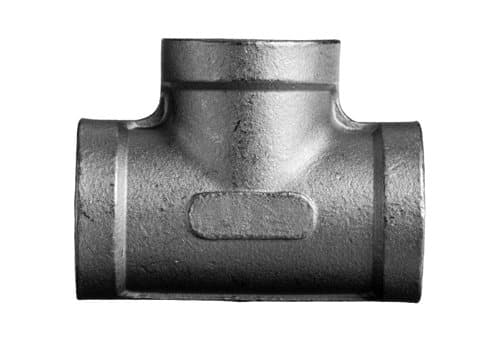
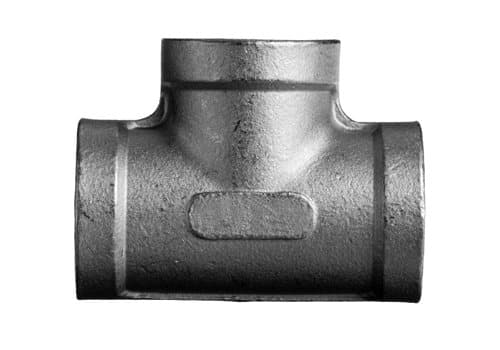
304 Stainless Steel 150# Cast Threaded Tee
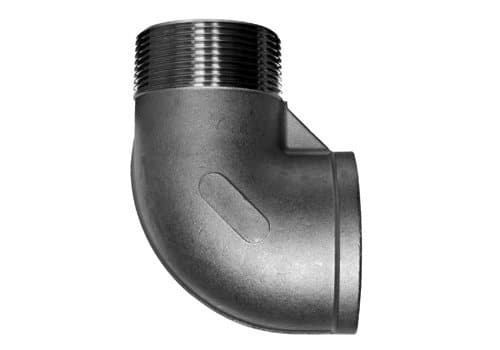
316 Stainless Steel 150# Cast Threaded 90° Street Elbow
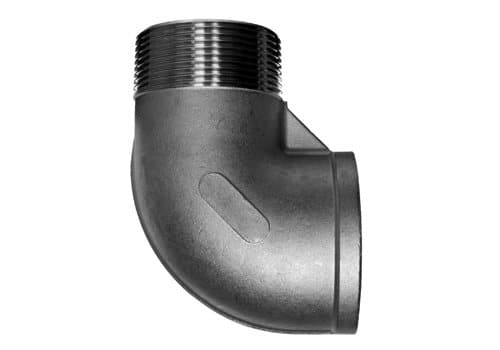
304 Stainless Steel 150# Cast Threaded 90° Street Elbow
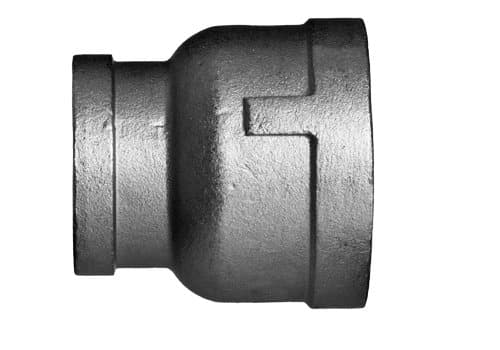
316 Stainless Steel 150# Cast Threaded Reducing Coupling

304 Stainless Steel 150# Cast Threaded Reducing Coupling
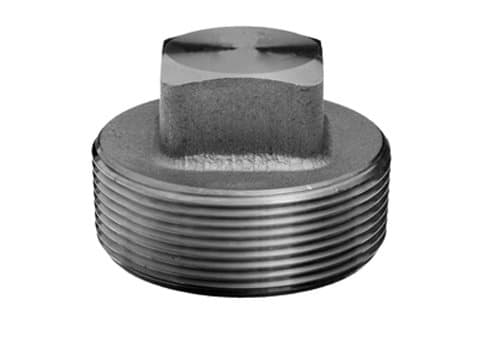
316 Stainless Steel 150# Cast Threaded Square Head Plug
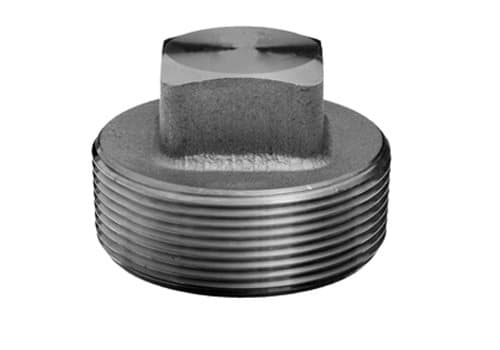
304 Stainless Steel 150# Cast Threaded Square Head Plug
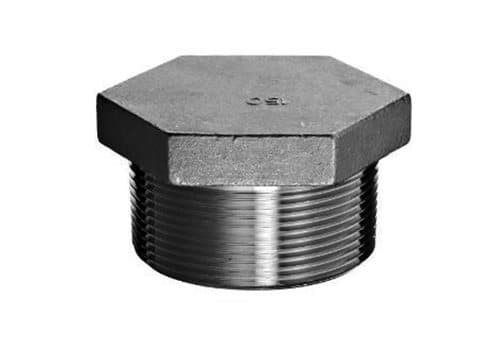
316 Stainless Steel 150# Cast Threaded Hex Head Plug
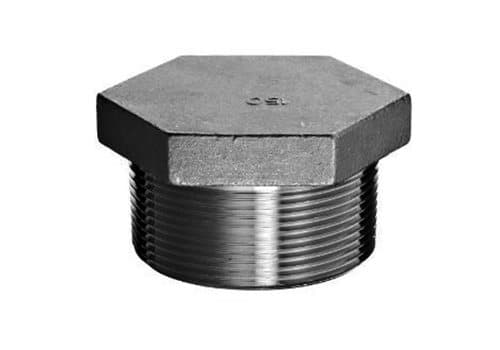
304 Stainless Steel 150# Cast Threaded Hex Head Plug
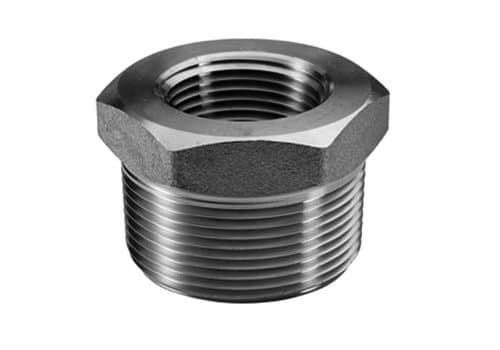
316 Stainless Steel 150# Cast Threaded Hex Reducing Bushing
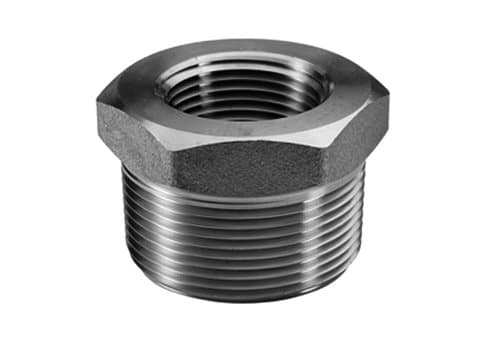
304 Stainless Steel 150# Cast Threaded Hex Reducing Bushing

316 Stainless Steel 150# Cast Threaded Half Coupling

304 Stainless Steel 150# Cast Threaded Half Coupling
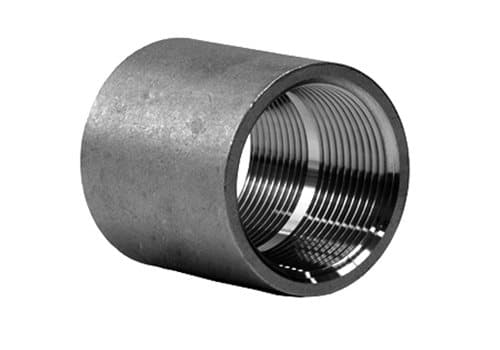
316 Stainless Steel 150# Cast Threaded Full Coupling

304 Stainless Steel 150# Cast Threaded Full Coupling
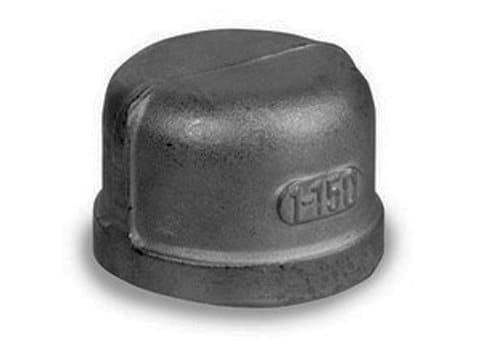
316 Stainless Steel 150# Cast Threaded Cap
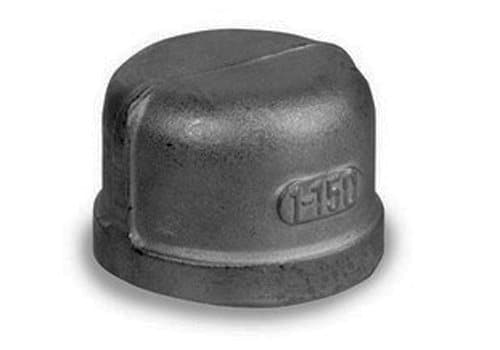
304 Stainless Steel 150# Cast Threaded Cap
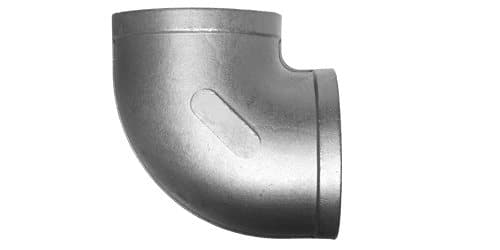
316 Stainless Steel 150# Cast Threaded 90° Elbow
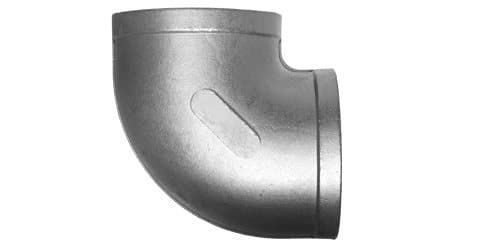
304 Stainless Steel 150# Cast Threaded 90° Elbow
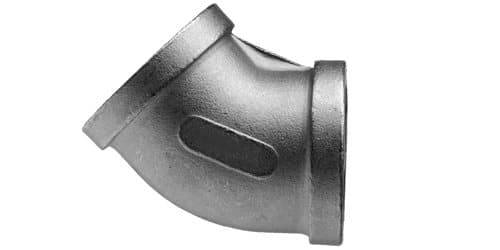
316 Stainless Steel 150# Cast Threaded 45° Elbow
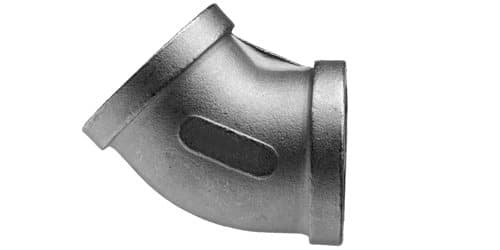
304 Stainless Steel 150# Cast Threaded 45° Elbow

Brass NPTF 45° Street Elbow
Questions we get asked
About this range
- 01Can you make up an assembly to match one that failed?
- Yes. Send the layline printing from the hose, a photo of each end square-on and one straight down the bore, and the length between the sealing faces. From that we identify the hose, both fittings and the ferrule, and make the assembly up to the same specification.
- 02Do you supply hose and fittings separately for crimping on site?
- Yes — bulk hose, crimp fittings and ferrules are listed separately. Order the fitting and ferrule for the exact hose construction you are crimping: a ferrule made for one construction will not hold correctly on another.
- 03What decides an assembly’s pressure rating?
- Its lowest-rated component. The hose has a working pressure from its construction standard, and each fitting and adapter has its own. A tapered NPT end, for example, can sit well below the rating of the hose it is crimped onto.
- 04Do you ship outside the UAE?
- Yes — from Dubai across the GCC and to export markets further afield. Each export market has its own page on this site setting out the lane and the documents involved.
- 05Braided or spiral hydraulic hose — which do I need?
- Wire-braid hose (EN 853 1SN and 2SN, or compact EN 857 1SC and 2SC) suits low to medium pressure and routes with tighter bends. Spiral hose (EN 856 4SP and 4SH, or SAE 100R12, R13 and R15) wraps four or six layers of wire and is made for high pressure and for circuits that pulse hard, such as excavator and press hydraulics. Pick by the working pressure at the bore you need and the impulse duty, then use fittings and ferrules made for that construction — braided and spiral hose do not take the same ones.
- 06What does the printing on a hydraulic hose tell me?
- The layline names the manufacturer and hose series, the standard it is built to (for example EN 853 2SN or SAE 100R2AT), the bore as a dash size or DN, the maximum working pressure and a date or batch code. It is the fastest way to identify a hose for replacement: a photo of the layline usually tells us the hose, and therefore the fitting and ferrule, without cutting the assembly open.
- 07Do you supply stainless steel hydraulic fittings?
- Yes. The SS316L range covers BSP, metric, JIC 37°, ORFS, NPT/NPSM and SAE fittings, standpipes, banjos and hydrowashing couplings, for offshore, marine, food and chemical service where carbon steel would corrode. Stainless and carbon-steel parts of the same thread form will connect, but pair stainless with stainless where corrosion is the reason for choosing it.
- 08Can you match a Parker, Gates or Manuli part number?
- Usually, yes. Send the part number, or the fitting and the hose it goes on, and we identify the thread, seat, angle and hose series and offer the matching fitting from our range. A match is to the connection standard and the hose construction; it is not the other maker's own part, so for crimped ends we pair the fitting and ferrule with the hose we are supplying.
From the blog
Written about this range
Fittings by industry
Port and terminal fittings: salt air on equipment that never stops
Container handling runs around the clock in the most corrosive air on the continent. That combination decides the material, and it decides when you are allowed to change anything.
3 min read
Fittings by industry
Fixed plant fittings: standardise, because you finally can
A factory is the one environment where the thread population is a choice rather than an inheritance. Most plants never make that choice, and pay for it every week.
3 min read
Maintenance & reliability
Contamination during a field hose change: what gets in while the line is open
The pump that fails three weeks after a hose change did not fail by coincidence. Everything that ruins it entered during the twenty minutes the port was open.
4 min read