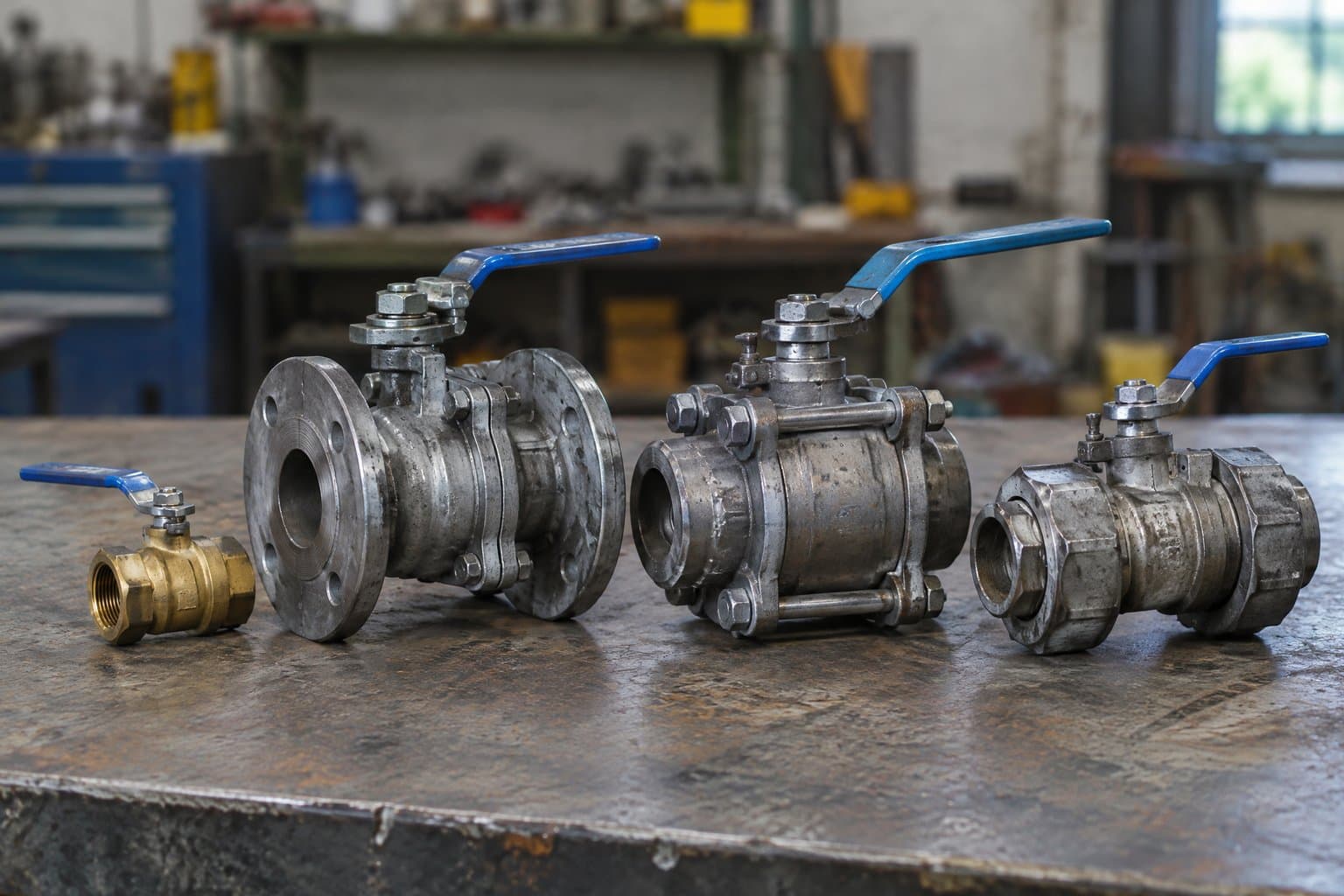
Everything upstream of a choke is at well pressure; everything downstream is at whatever the choke allows. That single restriction sets the flow rate during a well test, a cleanup or a flowback, and it takes the full pressure drop across a gap the size of a pencil. The choice between a fixed and an adjustable opening, and the material of the trim, follow from that.
/01Fixed bean or variable opening.
| Property | Positive choke | Adjustable choke |
|---|---|---|
| OpeningHighlighted | Fixed bean, replaced to change size | Stem and seat, adjusted while flowing |
| Sizes listed | 2", up to a 3/4" bean | 2" up to a 3/4" bean; 3" up to a 2" bean |
| Ends and ratings | 1502 at 15,000 psi standard and 10,000 psi sour; 602 at 6,000 psi sour | 1502, 602 and 206 unions; 3-1/8" API 6A 5M flanged |
| Trim | Tungsten-carbide bean and seat, Inconel 625 stem | Tungsten-carbide bean and seat; Inconel 625 or 17-4PH stem |
| Best at | Steady, repeatable rate | Changing conditions, cleanup, bringing a well on |
/02Bean sizes in 64ths.
Choke openings are named in sixty-fourths of an inch, so a well "on a 32" is flowing through a 32/64", or 1/2", bean. The convention makes small changes easy to state — moving from a 24/64 to a 28/64 bean is a modest increase in area that a fraction would describe awkwardly. Remember that flow follows the area of the opening, which rises with the square of the diameter: doubling the bean size roughly quadruples the opening.
| Bean (inches) | Bean (64ths) |
|---|---|
| 1/16" | 4/64 |
| 1/4" | 16/64 |
| 1/2" | 32/64 |
| 3/4"Highlighted | 48/64 |
| 1" | 64/64 |
| 1-1/2" | 96/64 |
/03Carbide trim and erosion.
Fluid leaving a choke bean is moving very fast, and any sand or proppant in it cuts steel quickly. That is why every choke on our listings has a tungsten-carbide bean and seat, with an Inconel 625 or 17-4PH stem, and why beans are treated as consumables. A bean that has eroded oversize lets more flow through than its stamped size says, which shows up as a rate that creeps upward at a constant setting. Check and replace beans on a schedule, and carry spares in the sizes the programme calls for.
/04Choke manifolds.
A choke manifold mounts chokes with the valves and fittings around them so that flow can be routed, choked and isolated. Our single-stage manifolds come with 1502 union ends at 15,000 psi standard and 10,000 psi sour, with 602 ends at 6,000 psi sour, and with API 6BX flanges at 10,000 psi, beans from 1/16" up to 1" or 1-1/2". The dual-stage manifolds put a positive choke and an adjustable choke in series, each taking part of the pressure drop, with beans from 1/16" to 1-1/2" per stage — less erosion at each and finer control at the second.
/05Ordering.
Give the choke type, size, end connections (union figure or flange), pressure and service, and the bean sizes you need, plus any instrument tap — two of our 15,000 psi chokes carry 9/16" Autoclave connections, and gauges on taps like these are isolated with needle, gauge or double block and bleed instrumentation valves. Union-ended chokes take the rating of their figure, explained in hammer union figure numbers, and choke manifolds are part of the layout described in flow iron explained.
Frequently asked questions
- What does a 32/64 choke mean?
- A choke bean with a 32/64" — half-inch — opening. Choke sizes are quoted in sixty-fourths of an inch.
- Why are choke beans tungsten carbide?
- Flow through a choke is fast and often carries sand, which erodes steel quickly. Tungsten carbide resists that wear far longer.
- What is a dual-stage choke manifold?
- A manifold with two chokes in series — on our listings a positive choke then an adjustable choke — so each takes part of the pressure drop.
- What pressure are your 1502 chokes rated for?
- 15,000 psi for standard service and 10,000 psi for sour service.
Chokes
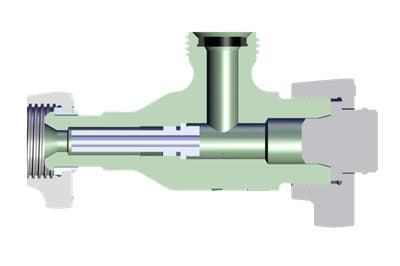 IH-OFV-CHOKE-POS-FC140-2-1502FM-15K-STD-SPMPositive Choke, FC-140 Trim, 2 in × 1502 F×M, 3/4 in Max Bean, 15,000 psi, Standard, 9/16 in Autoclave, No CapSPM Oil & Gas
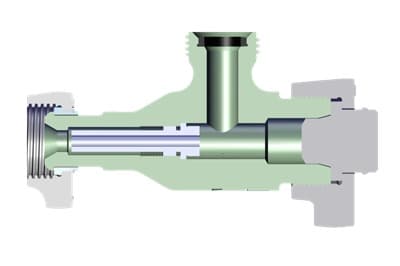 IH-OFV-CHOKE-POS-FC140-2-1502FM-10K-SOUR-SPMPositive Choke, FC-140 Trim, 2 in × 1502 F×M, 3/4 in Max Bean, 10,000 psi, Sour Service, No CapSPM Oil & Gas
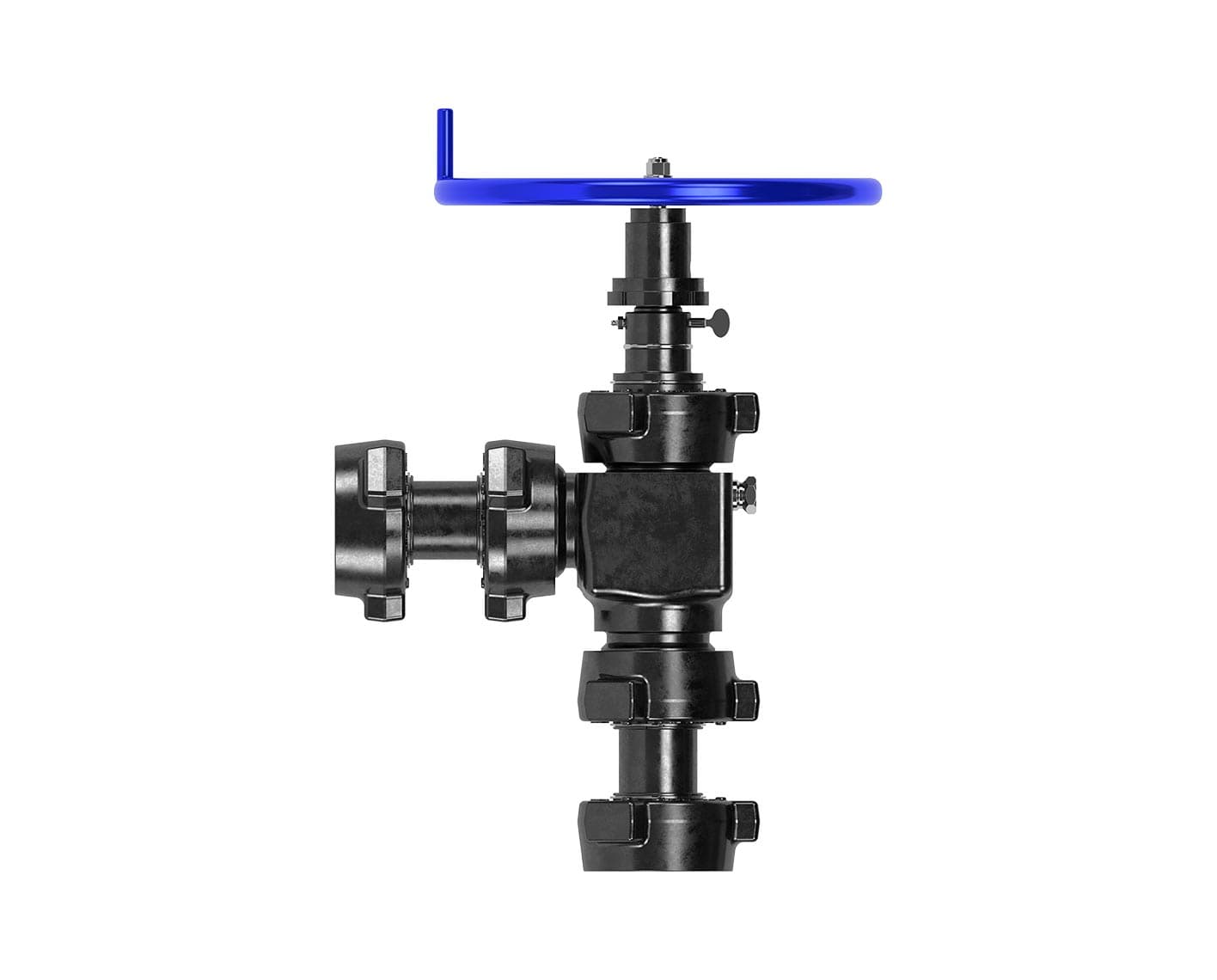 IH-OFV-CHOKE-ADJ-N60-5X7-2-1502FM-15K-STD-CAMERONAdjustable Manual Choke, N-60 5x7 Trim, 2 in × 1502 F×M, 3/4 in Max Bean, 15,000 psi, Standard, w/ Autoclave TapCameron
 IH-OFV-CHOKE-ADJ-H2-3-1502FM-15K-STD-FMCAdjustable Manual Choke, H2 Trim, 3 in × 1502 F×M, 3 in Nom / 2 in Max Bean, 15,000 psi, StandardFMC Technologies
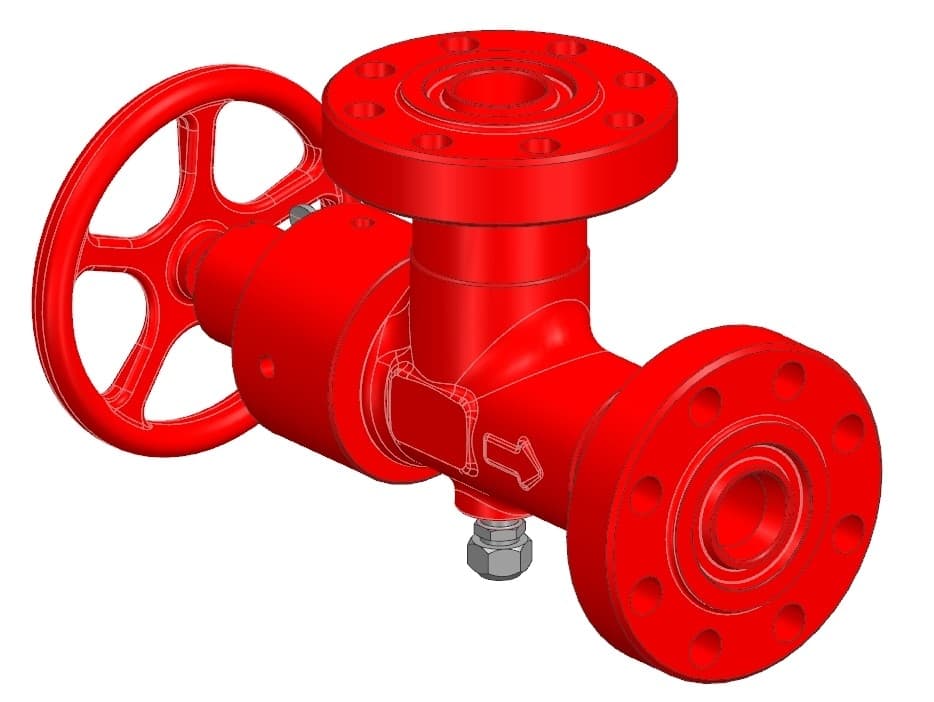 IH-OFV-CHOKE-ADJ-H2-3-1502FM-10K-SOUR-FMCAdjustable Manual Choke, H2 Trim, 3 in × 1502 F×M, 3 in Nom / 2 in Max Bean, 10,000 psi, Sour ServiceFMC Technologies
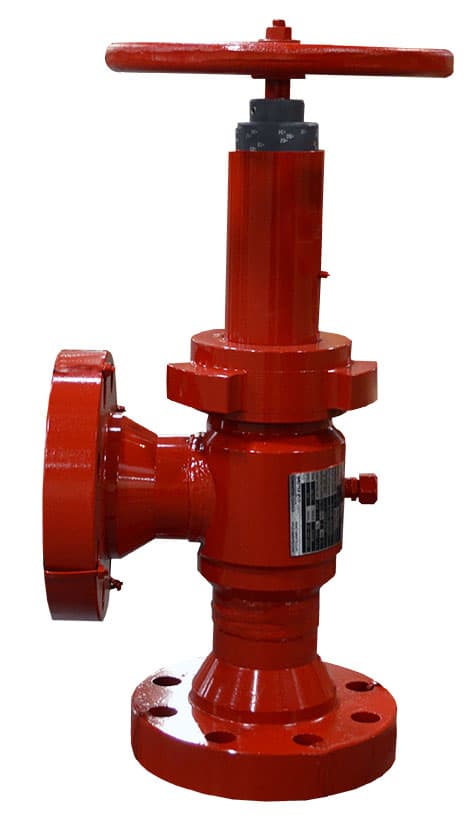 IH-OFV-CHOKE-ADJ-H2-318-5M-FLG-5K-SOUR-STREAMFLOAdjustable Manual Choke, H2 Trim, 3-1/8 in × 5M Flanged BW, 3 in Nom / 2 in Max Bean, 5,000 psi, Sour ServiceStream-Flo Industries
Choke manifolds
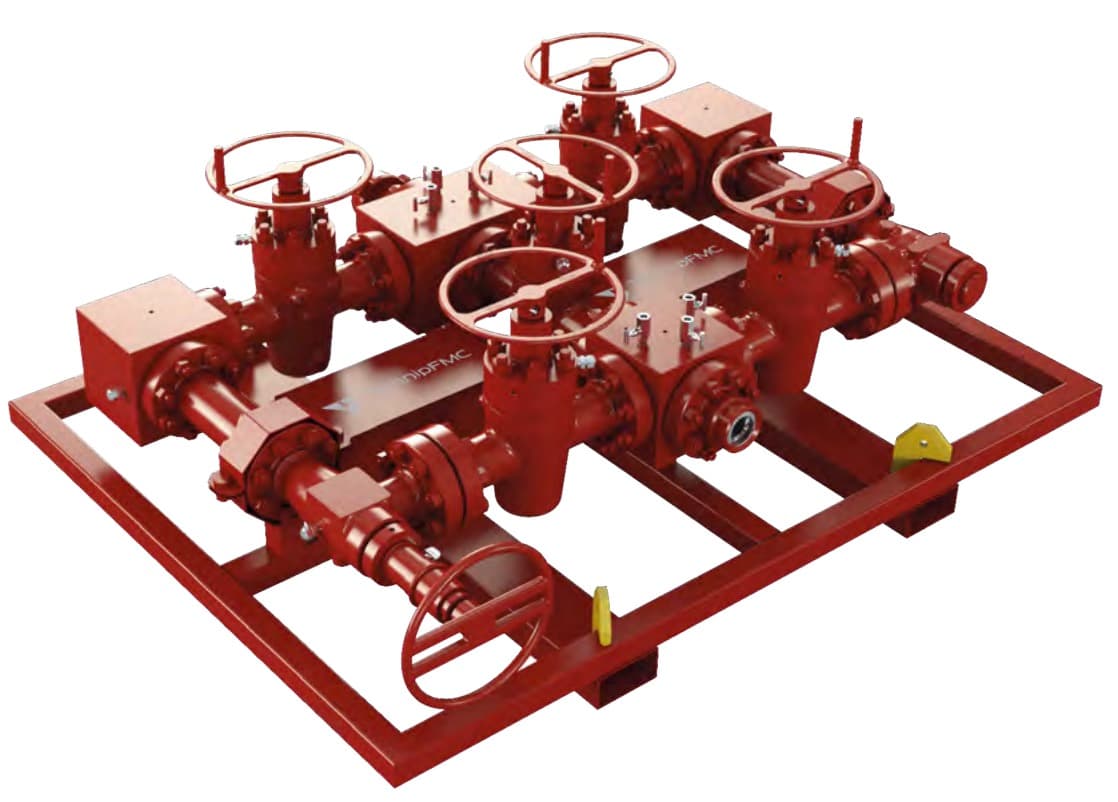 IH-FI-MN-CK-D-1502-15K-STD-FMCChoke Manifold, Dual-Stage 1502, 15,000 psi, Standard ServiceFMC Technologies
 IH-FI-MN-CK-S-1502-15K-STD-CAMERONChoke Manifold, Single-Stage 1502, 15,000 psi, Standard ServiceCameron
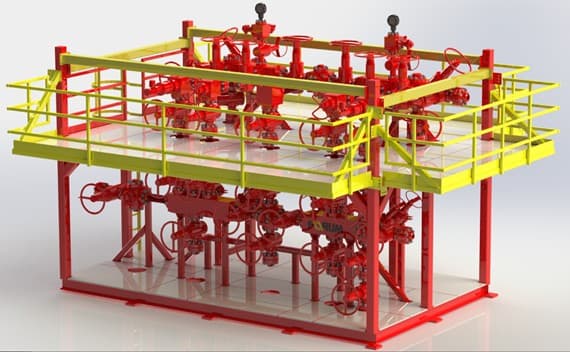 IH-FI-MN-CK-D-1502-10K-SOUR-FORUMChoke Manifold, Dual-Stage 1502, 10,000 psi, Sour ServiceForum Energy Technologies
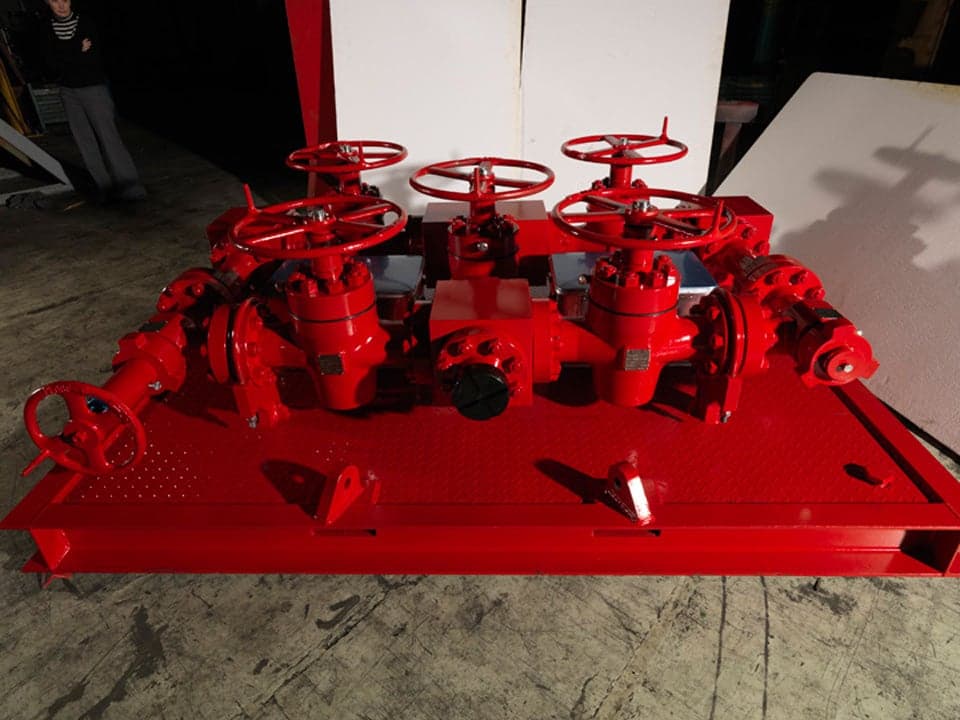 IH-FI-MN-CK-API10K-FLG-NOVChoke Manifold, API 6BX 10K Flanged, Standard ServiceNational Oilwell Varco