A mud pump piston looks simple: a steel hub carrying a rubber that seals against the liner. Ordering one is less simple, because the same liner size can take more than one hub series, and the rod end can be tapered or straight. This guide covers how a piston is built, how Oteco’s double-acting and single-acting ranges are organised, and how to read the part numbers. Pump makers named here are trademarks of their owners; Oteco parts are replacement parts made to fit, and Indus Hydraulics is not affiliated with those makers.
/01What is in a piston assembly.
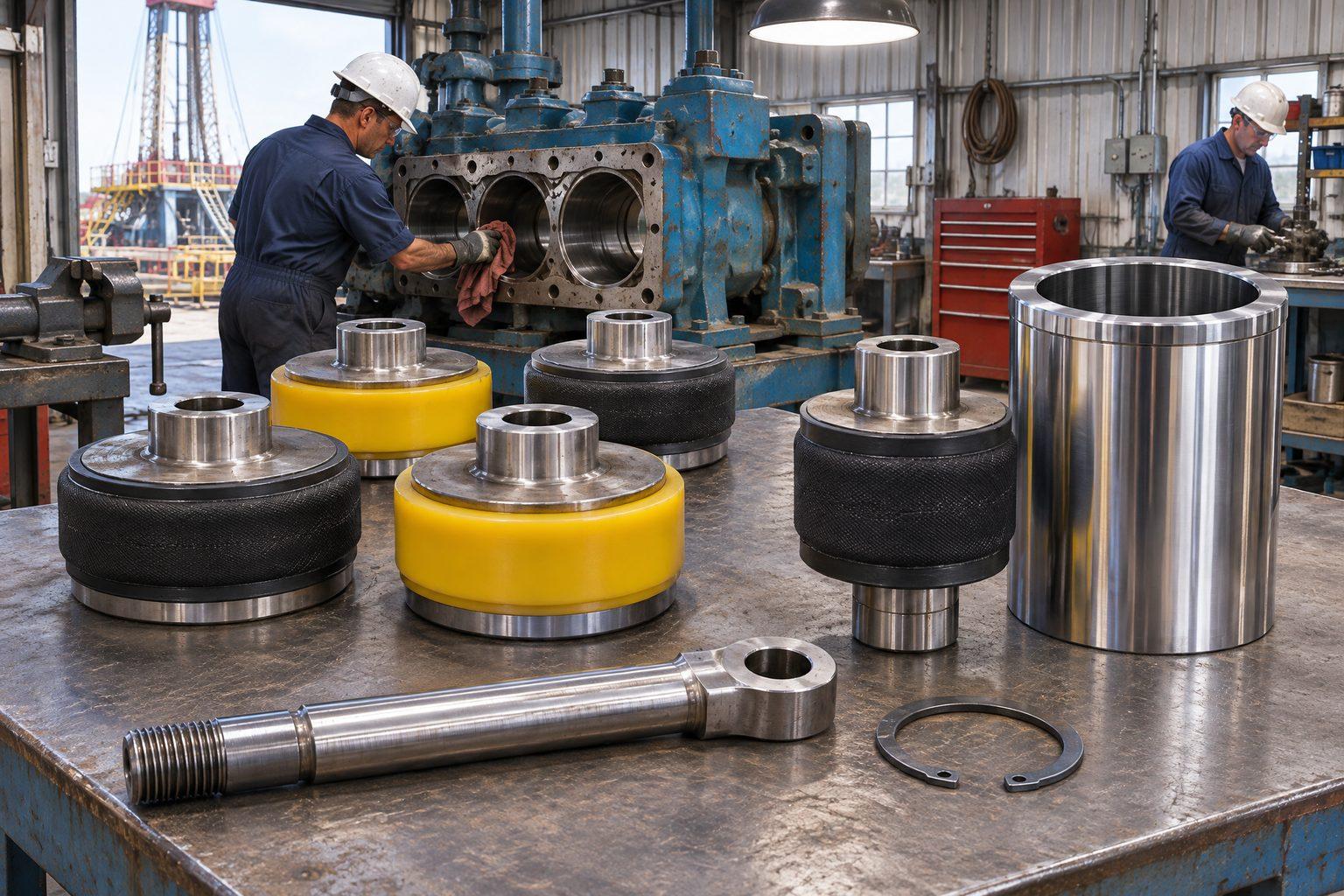
A piston assembly is a steel hub, a rubber, a retainer plate that holds the rubber on the hub, and a snap ring that locks the plate. Oteco lists each part separately: hubs, retainer plates, snap rings and a bore insert on one page, and rubbers and replacement kits on another. The rubber is the wearing part; the hub carries it and connects to the piston rod.
A double-acting piston works on both strokes, which is how a duplex pump moves fluid, and it is bored with a taper to match the rod end. A single-acting piston works on one stroke, which is the triplex arrangement, and it is bored straight. Oteco’s double-acting listing is for duplex pumps and its single-acting listing for triplex pumps.
/02Premium rubber or bonded urethane.
Oteco makes two piston constructions. Premium pistons use rubbers with a multi-ply, fabric-reinforced backing. Oteco describes them as giving positive, wear-resistant seals with high tensile strength and resistance to chemicals, hydrocarbons and abrasion, and states that they are fully interchangeable with other API-design pistons.
Bonded urethane pistons replace the fabric-backed rubber with a harder, denser polyurethane bonded to the hub. Oteco says they resist abrasive fluids, chemicals and oil-based muds of varying aniline point, and give long life in triplex pumps that have ample liner cooling water. That last condition matters: a urethane piston is not a cure for a pump that runs short of cooling water. In our listing the bonded urethane pistons are single-acting only, in series B for 4-1/2 in to 6 in liners and series L for 6-1/2 in to 9 in.
/03Series, liner size and rod fit.
The series letter is the hub size. Each series has a snap ring and a retainer plate bore, and the liner sizes overlap between series, so confirm the series from the pump rather than guessing it from the liner. The first three columns below are Oteco’s own series table; the last two are what our double-acting and single-acting listings carry.
| Series | Snap ring and plate bore | Liners in Oteco table | Double-acting rod bores listed | Single-acting straight bores listed |
|---|---|---|---|---|
| A | SR20, 2 in | 2-3/4 in to 5 in | API 1, 2, 3 and GD1 taper, 3 in to 5 in liners | 1 in and 1-5/8 in, 2-3/4 in to 3-1/4 in liners |
| K | SR24, 2-1/2 in | 3-1/2 in to 4-1/2 in | API 3 and 4 taper, 3-1/2 in to 4-1/2 in liners | 1 in and 1-1/2 in or 1-5/8 in, 3-1/2 in to 4-1/2 in liners |
| B | SR30, 3 in | 4-1/2 in to 7-3/4 in | API 3, 4 and 5 taper, 4-1/2 in to 7-3/4 in liners | 1 in and 1-1/2 in or 1-5/8 in, 4-1/2 in to 6 in liners |
| L | SR36, 3-3/4 in | 5 in to 9 in | API 6 taper, 5 in to 8 in liners | 1 in and 1-1/2 in or 1-5/8 in, 6-1/4 in to 9 in liners |
/04Reading an Oteco piston part number.
Take IH-OTC-640045. In our listing it is a premium piston assembly, double acting, series B, API 3 taper, for a 4-1/2 in liner. The Oteco size code in the underlying part code is the liner diameter in inches plus eighths, so I44 is 4 in and 4 eighths, which is 4-1/2 in. The series letter follows, then digits for the taper or bore.
Be clear about what is published and what is not. Oteco’s fluid-end sheet gives the series table above; it does not give a piston part-number table. The liner sizes and hub codes in our rows are decoded from the Oteco part codes, which is why we check each one against your pump and rod before it ships. Send the pump make and model, the liner size, the rod end detail and, if you have it, the Oteco number off the old hub.
/05Replace the piston or just the rubber.
The rubber wears against the liner; the hub should outlast several rubbers. Oteco lists rubber replacement kits for single- and double-acting pistons, and individual rubbers, so a worn rubber on a sound hub can be replaced without buying a whole assembly. Inspect the hub, the retainer plate and the snap ring groove when you pull the piston. A damaged hub or a plate that no longer seats the rubber squarely is a reason to replace the assembly. Oteco publishes no service life or change-out interval for pistons, and we do not invent one: follow your pump maker’s manual and your own wear records.
Pistons are one half of the fluid end. The other half is the valves and seats; see mud pump valves, seats and dampener diaphragms. The rest of the Oteco range, from gate valves to wipers, is in the Oteco drilling equipment guide, and our drilling fluid equipment overview shows where the mud pump sits in the circuit.
Common questions
- Does the liner size tell me which series I need?
- Not by itself. Oteco’s liner ranges overlap: a 4-1/2 in liner appears in series A, K and B, and a 5 in liner in series A, B and L. Confirm the series from the pump model and the hub on the old piston.
- Can I use a single-acting piston in a duplex pump?
- Our listings separate them by pump type and rod fit: double-acting pistons for duplex pumps with a tapered bore, single-acting pistons for triplex pumps with a straight bore. Send the pump model and we confirm which applies.
- When is a bonded urethane piston worth considering?
- Oteco says bonded urethane resists abrasive fluids, chemicals and oil-based muds, and gives long life in triplex pumps with ample liner cooling water. It is listed for single-acting pistons in series B and L.
- Are Oteco pistons interchangeable with other makes?
- Oteco states that its premium pistons are fully interchangeable with other API-design pistons. For any particular pump we confirm the series, liner and rod fit before quoting.
Oteco mud pump piston parts
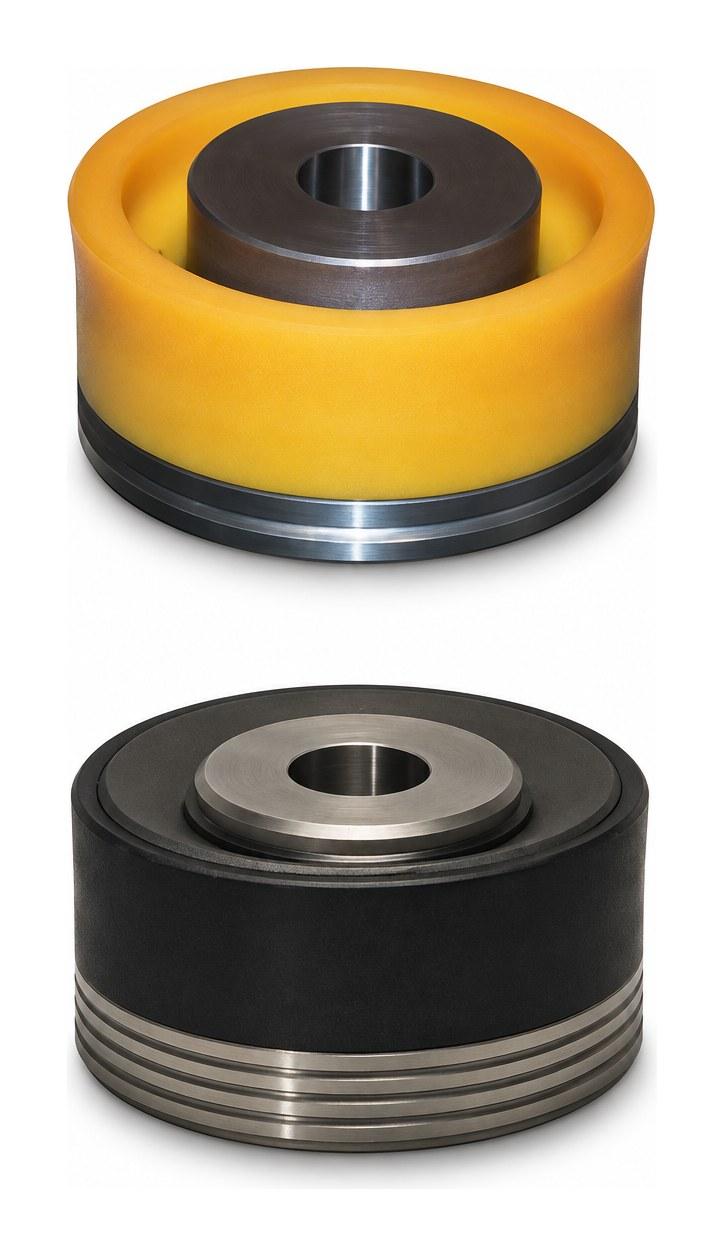 IH-OTC-PST-DAOteco Double-Acting Mud Pump PistonsOteco
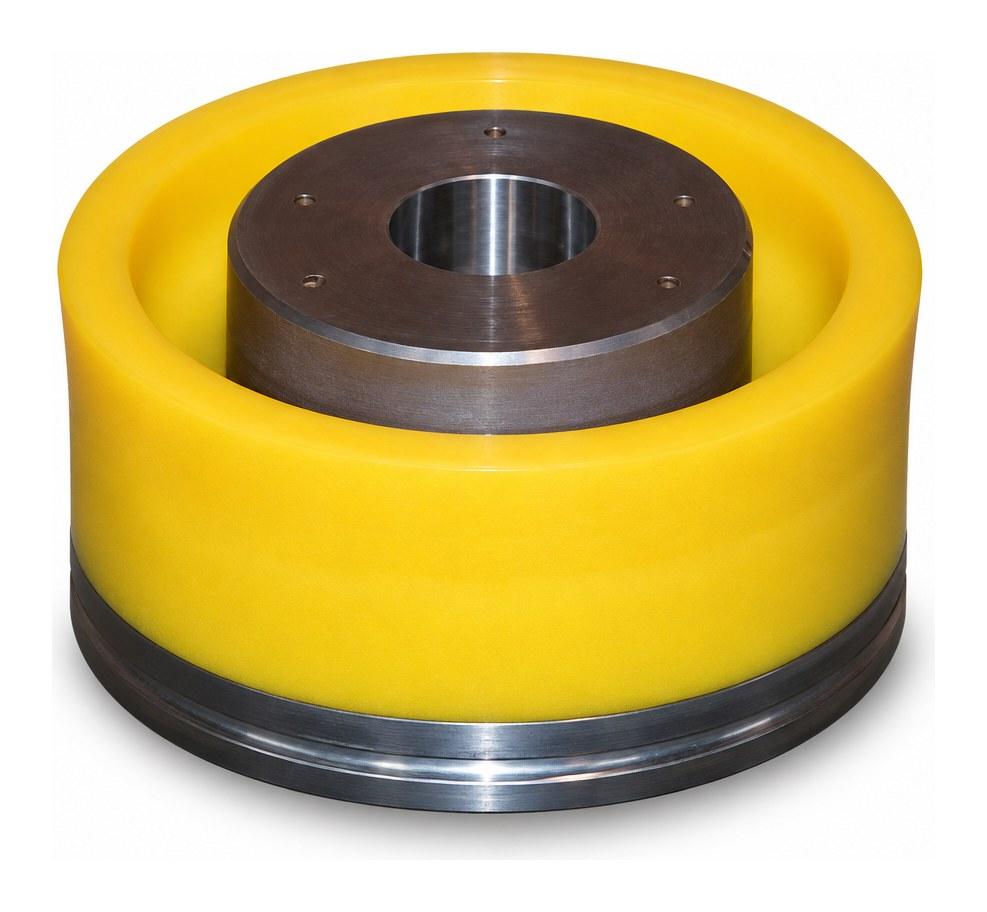 IH-OTC-PST-SAOteco Single-Acting Mud Pump Pistons — Premium & Bonded UrethaneOteco
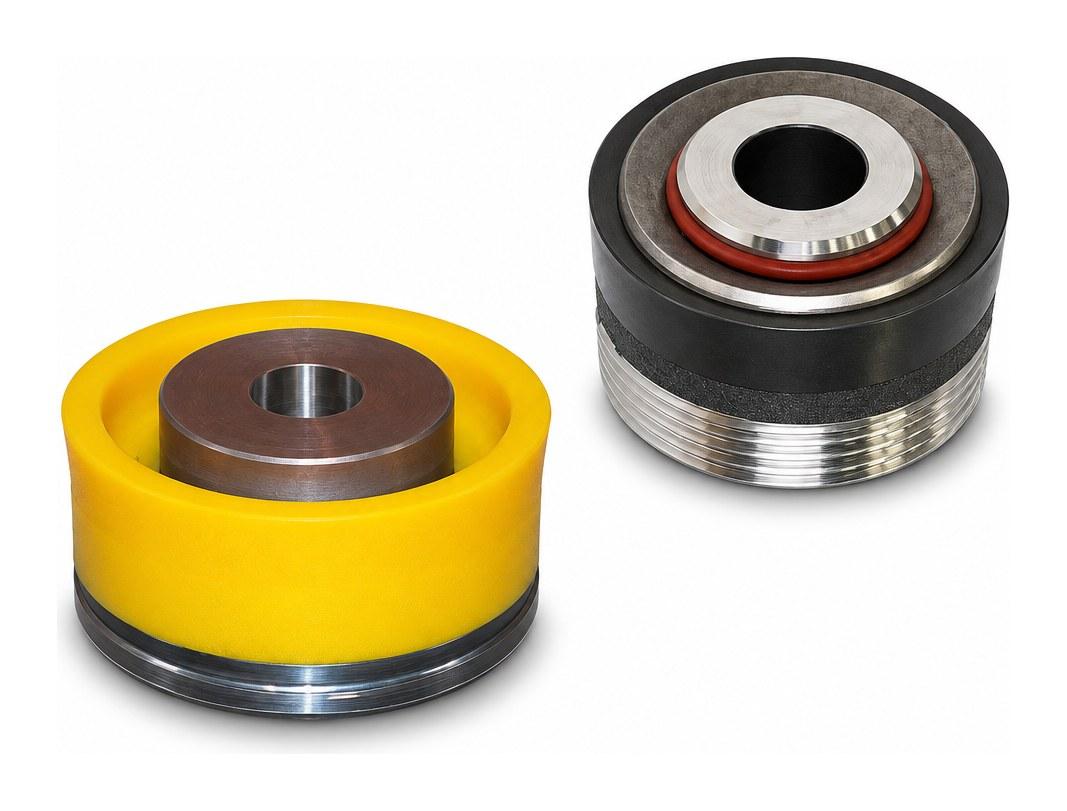 IH-OTC-PST-RUBBERSOteco Mud Pump Piston Rubbers & Replacement KitsOteco
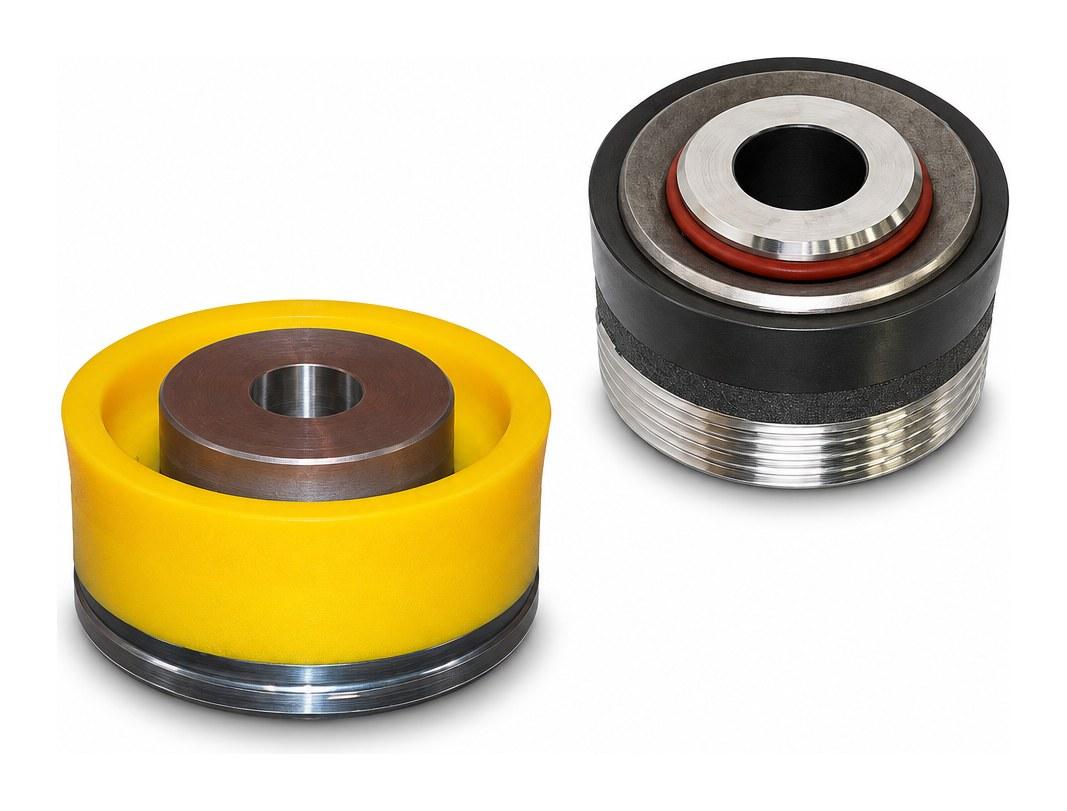 IH-OTC-PST-PARTSOteco Mud Pump Piston Hubs, Retainer Plates & Snap RingsOteco
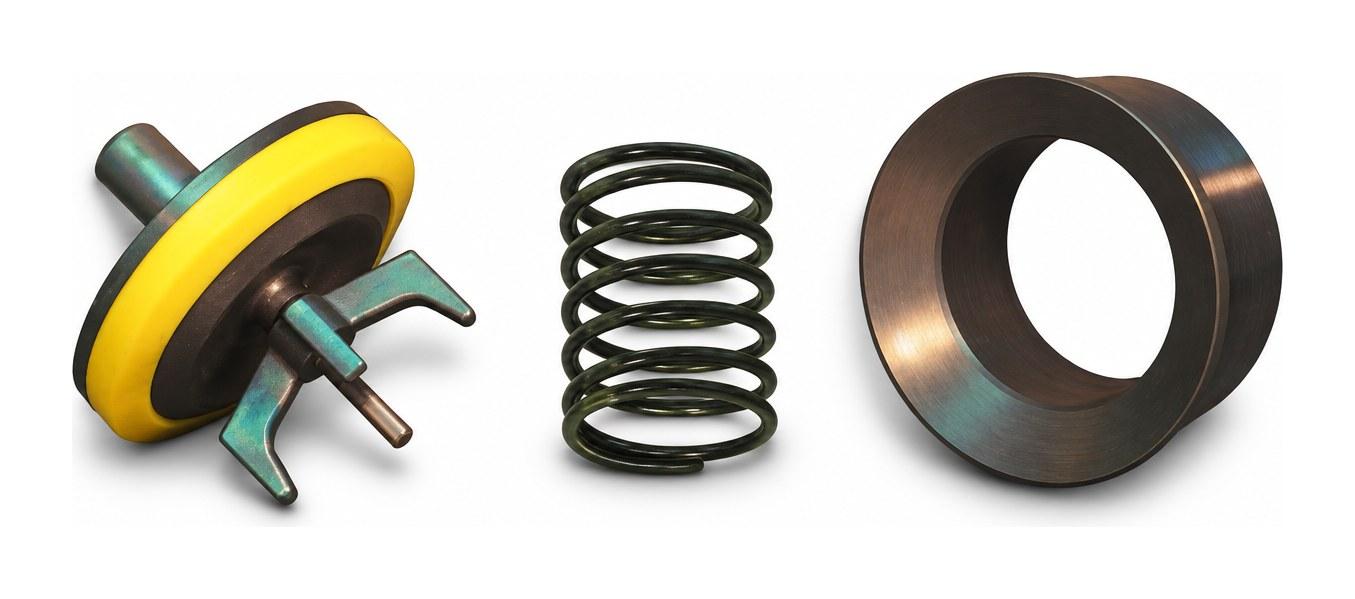 IH-OTC-VALVES-SEATSOteco Mud Pump Valves & Seats — Wing-Guided, Full-Open, API 6 & 7Oteco