
Wire Rope Puller — Aluminium, 800 kg WLL
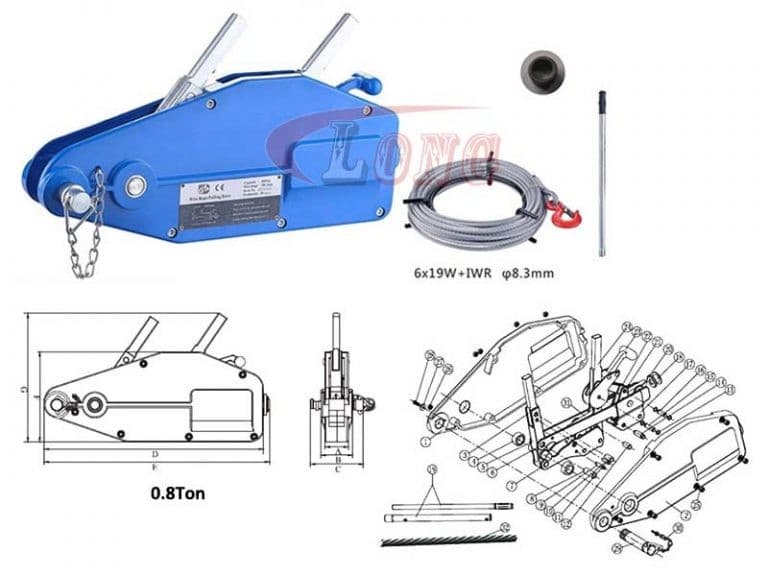
Wire Rope Puller, in 1 size, 8.3mm, WLL 800 kg. Indus part numbers, manufacturer's test certificate.
Key features
- Product type: Wire Rope Puller
- Size range: 8.3mm
- Working load limit: 800 kg
- Size range
- 8.3mm
- Working load limit
- 800 kg
Product description
Manual chain hoists for lifting and positioning loads by hand.
Sizes and ratings
1 size, 8.3mm. Working load limit 800 kg. Every size has its own Indus part number in the table below, with the loads in the unit the manufacturer rates them in.
The lettered dimensions in the table refer to the dimension drawing shown with this product.
Manufacturer's data
- Rated with a 5:1 design factor between working load limit and minimum breaking load.
Choosing a size
Choose on rated capacity, the lift you need and the headroom you have. Standard lift is supplied; longer lifts are made to order.
Ordering
Quote the Indus part number from the size table, or send the size and rating you need. Each consignment ships with the manufacturer's test certificate; say on the RFQ if your site needs anything more.
Identification
| Parameter | Value |
|---|---|
| Product type | Wire Rope Puller |
| Sizes | 1 |
Dimensions
| Parameter | Value |
|---|---|
| Size range | 8.3mm |
Performance
| Parameter | Value |
|---|---|
| Working load limit | 800 kg |
Compliance
| Parameter | Value |
|---|---|
| Certification | Manufacturer's test certificate |
Shipping & lead time
Sizes & part numbers
1 size- Indus part no.IH-LR-HO-WRPA-8P3MM
- Size
- 8.3mm
- Rope size
- 8.3mm
- WLL (kg)
- 800
- A (mm)
- 44
- B (mm)
- 60
- C (mm)
- 101
- D (mm)
- 420
- E (mm)
- 430
- F (mm)
- 172
- G (mm)
- 240
- Weight (kg)
- 6.4
Size — Nominal size as the manufacturer states it. Rope size — Rope diameter the sheave is made for. WLL — Working load limit — the most the part may carry in service, as the manufacturer rates it. A — Dimension A on the manufacturer dimension drawing. B — Dimension B on the manufacturer dimension drawing. C — Dimension C on the manufacturer dimension drawing. D — Dimension D on the manufacturer dimension drawing. E — Dimension E on the manufacturer dimension drawing. F — Dimension F on the manufacturer dimension drawing. G — Dimension G on the manufacturer dimension drawing. Weight — Weight as the manufacturer publishes it. Ask us for the dimension drawing if you need it stamped.
WLL is the most the part may carry in service. Proof and breaking loads are test figures — never lift to them. Each load is shown in the unit the manufacturer rates the part in, and a size ships with the manufacturer’s test certificate.
What is Wire Rope Puller, Aluminium used for?▾
What size does Wire Rope Puller, Aluminium come in?▾
How do I choose the right size of Wire Rope Puller, Aluminium?▾
What is the rated load of Wire Rope Puller, Aluminium?▾
What material and finish is Wire Rope Puller, Aluminium supplied in?▾
What standard and certificate apply to Wire Rope Puller, Aluminium?▾
What does Wire Rope Puller, Aluminium connect to or work with?▾
How should Wire Rope Puller, Aluminium be inspected and looked after?▾
Where is Wire Rope Puller, Aluminium typically used?▾
How does Wire Rope Puller, Aluminium differ from Wire Rope Puller — Steel?▾
How are Wire Rope Puller, Aluminium shipped, and can they be exported from Dubai?▾
Is the Wire Rope Puller — Aluminium available from Indus Hydraulics in Dubai, and what is the lead time?▾
Shipped worldwide from our Dubai warehouse. Transit, routes and documentation for 136 destinations
From the blog
Written about this range
Lifting & rigging
Chain block vs lever hoist vs electric hoist: which to use for the lift
A chain block lifts straight up and down, from overhead. A lever hoist pulls, lifts and tensions in any direction, as long as the pull runs straight hook to hook. An electric hoist does the work for you, all day, rated by duty class. Here is how they compare and which one fits the job.
5 min read
Lifting & rigging
Rigging for plant shutdowns and turnarounds: lifting points, chain blocks and certified kit
A shutdown compresses months of maintenance into weeks, and much of it is lifting: pump motors out, exchanger bundles pulled, valves swapped, in congested units with no room for a crane. The rigging that makes it possible — lifting points, chain blocks, lever hoists, beam clamps and trolleys — how to plan and certify it before the unit comes down, and how to keep the register straight when hundreds of items come and go.
3 min read
Lifting & rigging
Vertical and horizontal plate lifting clamps: pairs, jaw range and when to use each
A vertical clamp grips one plate edge-up; horizontal clamps work in pairs to lift plates flat. How each type grips, why the jaw range and the rating basis matter, and where a beam clamp fits in.
5 min read
Engineers viewing this also looked at
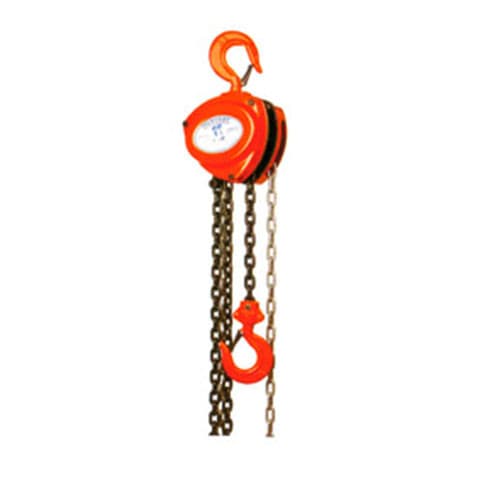
Manual Chain Block — Type A, 0.5–20 t WLL
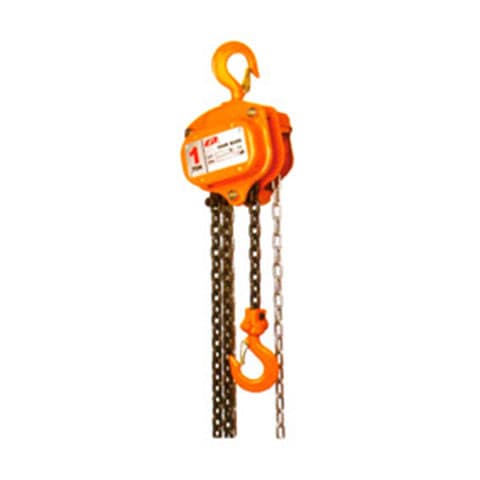
Manual Chain Block — Type B, 0.5–20 t WLL
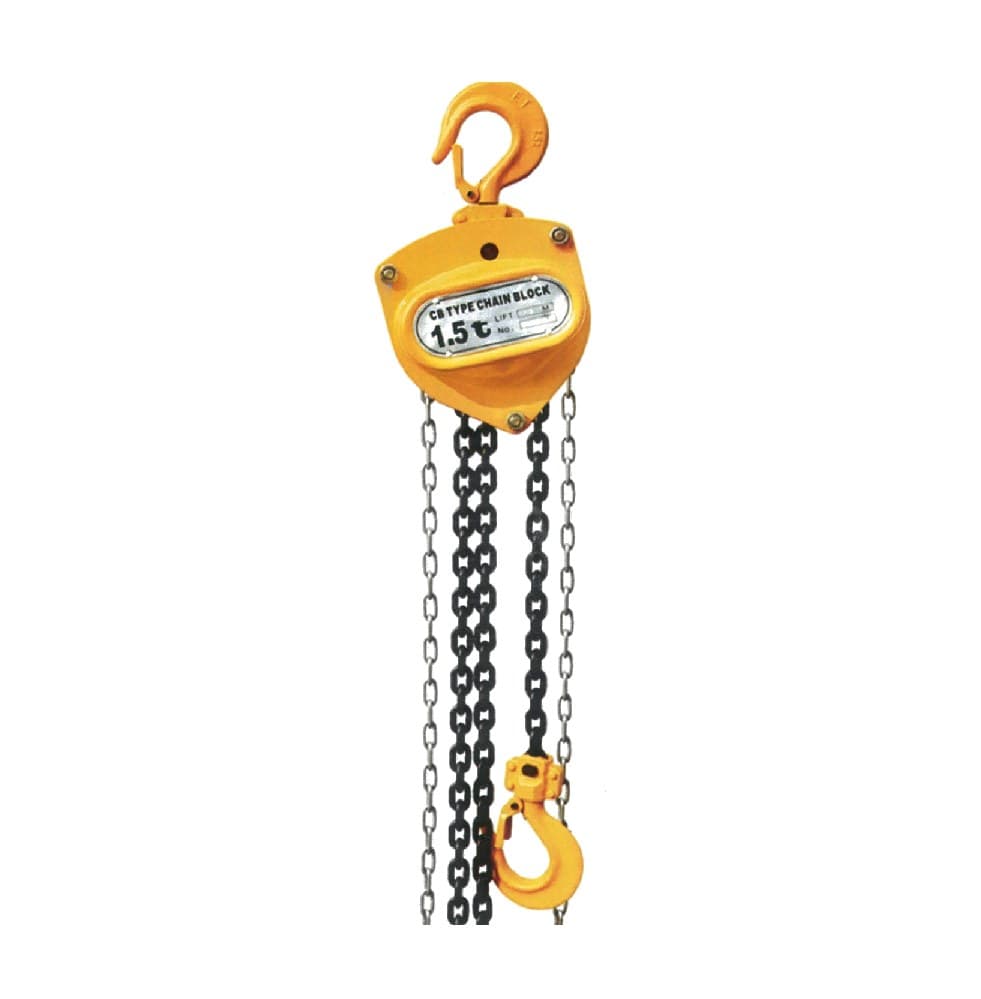
Manual Chain Block — Type CB, 1–10 t WLL
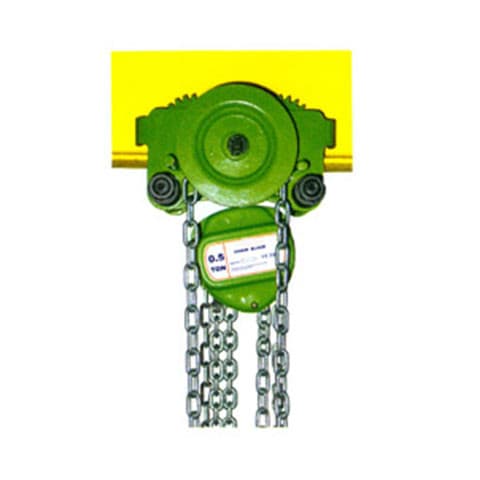
Close Headroom Trolley Chain Hoist — 0.5–5 t WLL
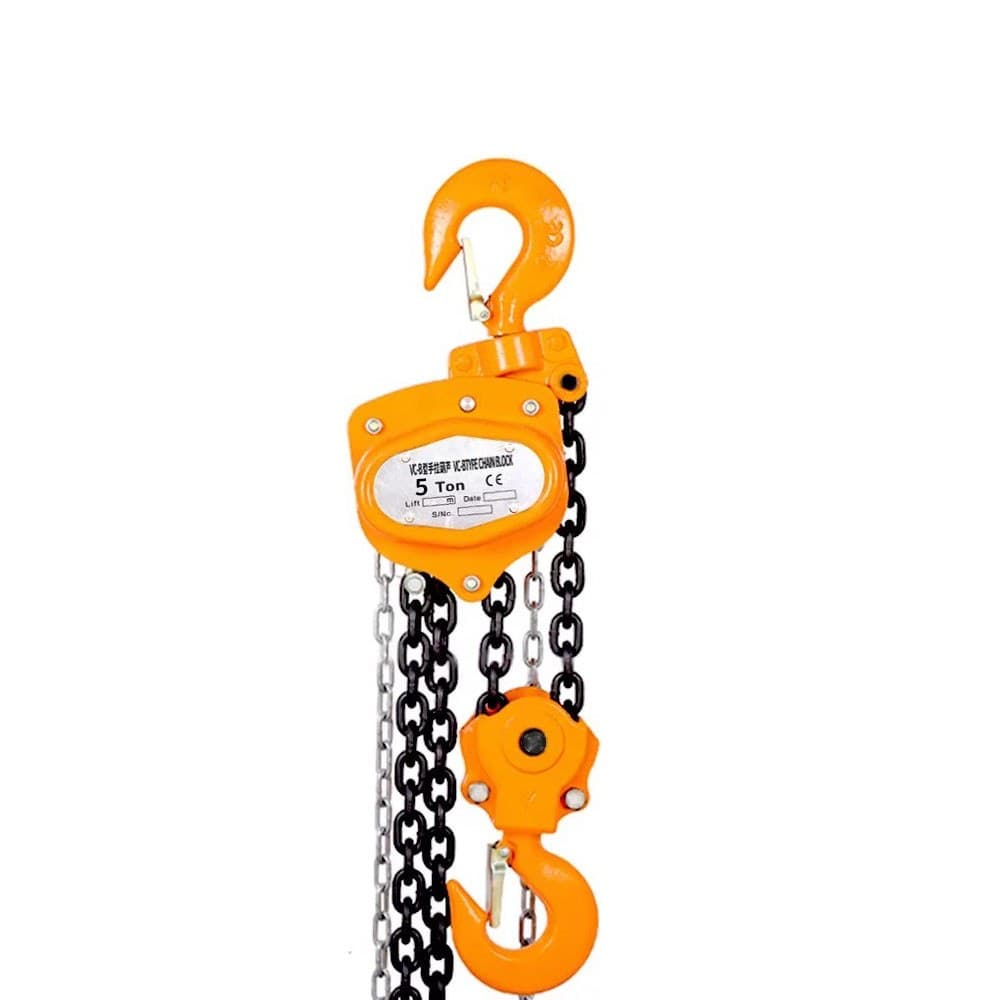
Manual Chain Block — Type D, 0.5–30 t WLL
Manual Chain Block — Type E, 0.5–20 t WLL
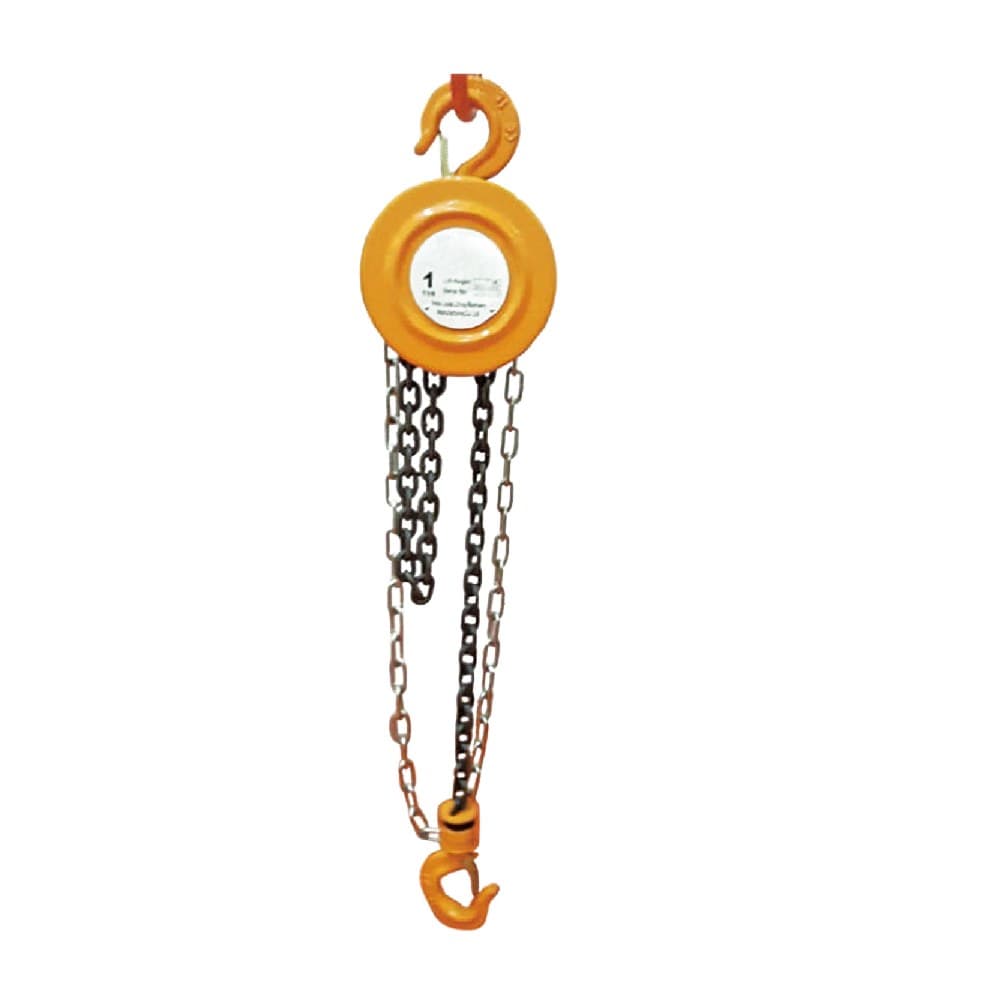
Manual Chain Block — Type HSZ, 0.5–10 t WLL
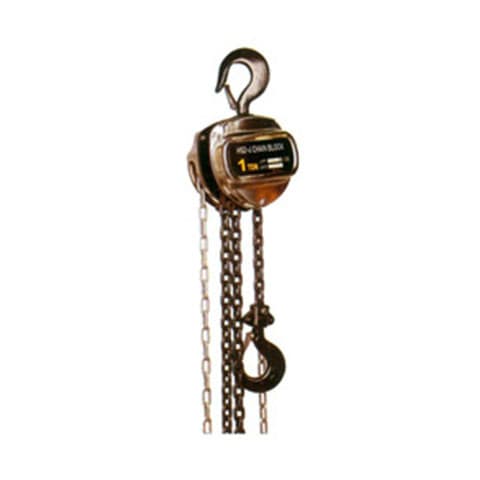
Manual Chain Block — Type J, 0.5–20 t WLL