
Aeroquip Crimp Hose Fittings
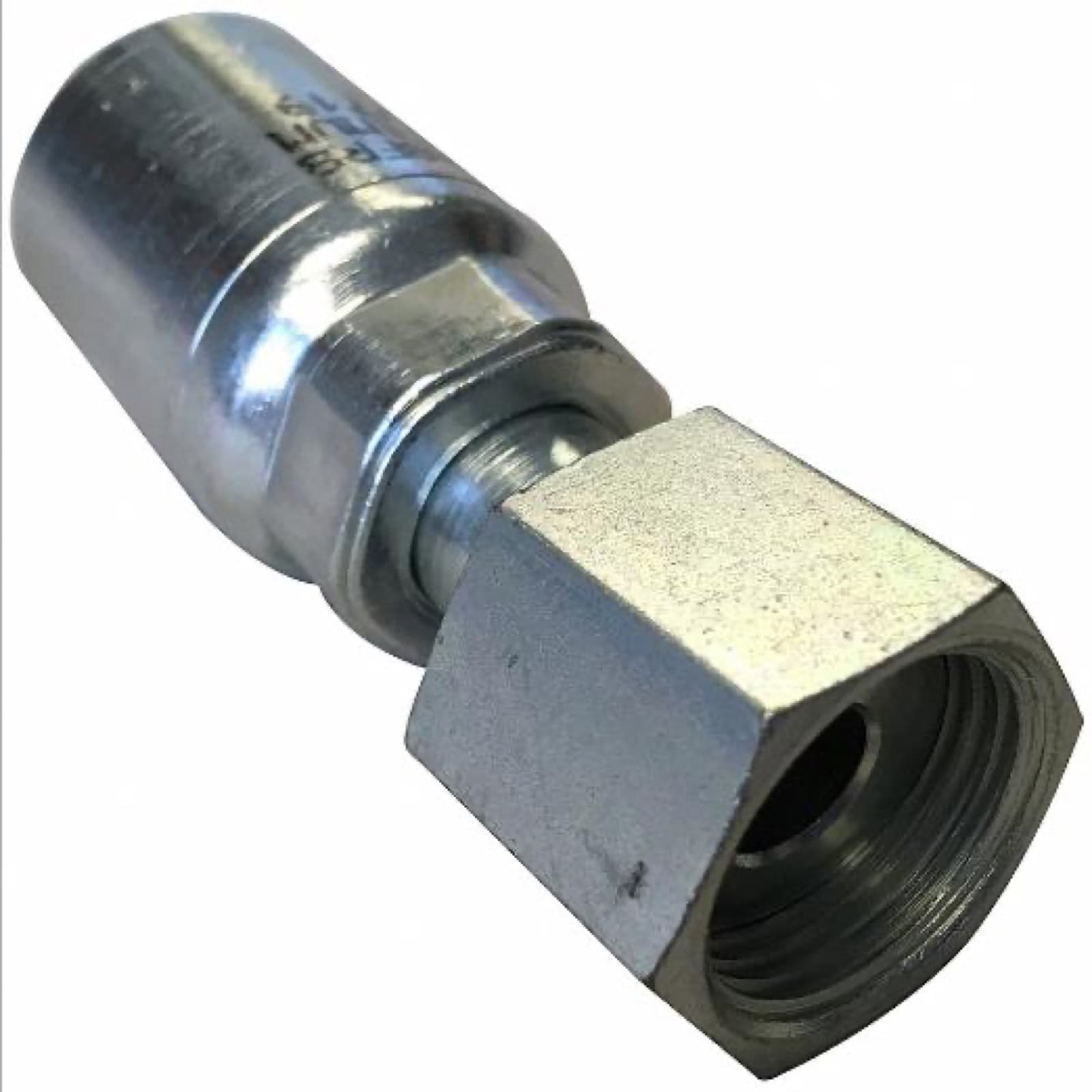
Aeroquip Crimp Hose Fittings in carbon steel, 9/16" to 13/16": 3 part numbers.
Product description
Aeroquip Crimp Hose Fittings in carbon steel, 9/16" to 13/16": 3 part numbers.
Specification
- Type: Hydraulic Hose Fitting
- Material: Carbon Steel
- Size range: 9/16" to 13/16"
- Pressure stated by the maker: 3,000 psi (207 bar)
- Thread Type: ORS
- Fitting Shape: Straight
- Part numbers: 3
Sizes and part numbers
The Sizes & Part Numbers tab lists every Aeroquip part number in this range with its connections. Ratings vary by size — check the row for the part you order.
Hose and fitting match
A crimp fitting is rated only on the hose series it is designed for. Quote the hose type and size with the fitting part number so the fitting, ferrule and crimp specification can be checked against the hose before supply.
How to order
Quote the Aeroquip part number. Price and lead time are confirmed with the quotation.
Specifications
| Parameter | Value |
|---|---|
| Fitting Movement | Swivel |
| Fitting Shape | Straight |
| For Use With Hose Series | 3TR18CT Series, 3TR7 Series, 3TR7N Series, 3TR8 Series, 3TR8N Series |
| Hose Fitting A Gender | Female |
| Hose Fitting B Gender | Female |
| Thread Type | ORS |
Shipping & lead time
Sizes & part numbers
3 sizes- Eaton Aeroquip part no.4TA8FR8
- Description
- Crimp Hose Fitting, Carbon Steel, Female x Female, Swivel
- End 1
- 13/16" Ors (female)
- End 2
- 1/2" Crimp (female)
- Working pressure (bar)
- 207
- Eaton Aeroquip part no.4TA4FR4
- Description
- Crimp Hose Fitting, Carbon Steel, Straight, -4 For Hose Dash Size, Female x Female
- End 1
- 9/16" Ors (female)
- End 2
- 1/4" Crimp (female)
- Working pressure (bar)
- 207
- Eaton Aeroquip part no.4TA6FR6
- Description
- Crimp Hose Fitting, Carbon Steel, Female x Female, Swivel
- End 1
- 11/16" Ors (female)
- End 2
- 3/8" Crimp (female)
- Working pressure (bar)
- 207
Description — What this part number is, as the manufacturer lists it. End 1 — Thread or flange nominal size at this end, exactly as the manufacturer prints it. End 2 — Thread or flange nominal size at this end, exactly as the manufacturer prints it. Ask us for the dimension drawing if you need it stamped.
Working pressure is the manufacturer’s published rating for the fitting itself. An assembly is limited by its lowest-rated component, so check it against the hose, the tube and the port you are mating to.
What is the Aeroquip Crimp Hose Fittings and what hose does it fit?▾
How do I read the part numbers on the Aeroquip Crimp Hose Fittings, such as 4TA8FR8?▾
What sizes and part numbers are listed for the Aeroquip Crimp Hose Fittings?▾
What working pressure does the Aeroquip Crimp Hose Fittings have?▾
What is the Aeroquip Crimp Hose Fittings made of?▾
What documents or standards should I ask for with the Aeroquip Crimp Hose Fittings?▾
What do I connect the Aeroquip Crimp Hose Fittings to?▾
How is the Aeroquip Crimp Hose Fittings installed on a hose?▾
Where is the Aeroquip Crimp Hose Fittings used?▾
When would I choose the Aeroquip Crimp Hose Fittings over the Aeroquip 1A Series Female ORS Swivels?▾
Where is the Aeroquip Crimp Hose Fittings made and how does it ship from Dubai?▾
Do you stock the Aeroquip Crimp Hose Fittings in Dubai?▾
Shipped worldwide from our Dubai warehouse. Transit, routes and documentation for 136 destinations
From the blog
Written about this range
Specification & standards
Where JIC is the wrong choice
JIC is the default on most of this continent and it deserves to be. It is also the wrong answer in four specific situations, and every one of them is a situation where people keep specifying it anyway.
4 min read
Failure analysis
Reading a weeping joint: where the oil comes from tells you why
A weep is evidence before it is a fault. Where the oil appears — at the seat, down the thread, under the nut — narrows the cause to one of four things.
3 min read
Failure analysis
Using sealant on hydraulic threads: which joints want it, and which are ruined by it
Tape on a tapered thread is correct. Tape on a cone, a flat face or an O-ring boss is how a good joint is made to leak — and how debris gets into the system.
3 min read
Engineers viewing this also looked at
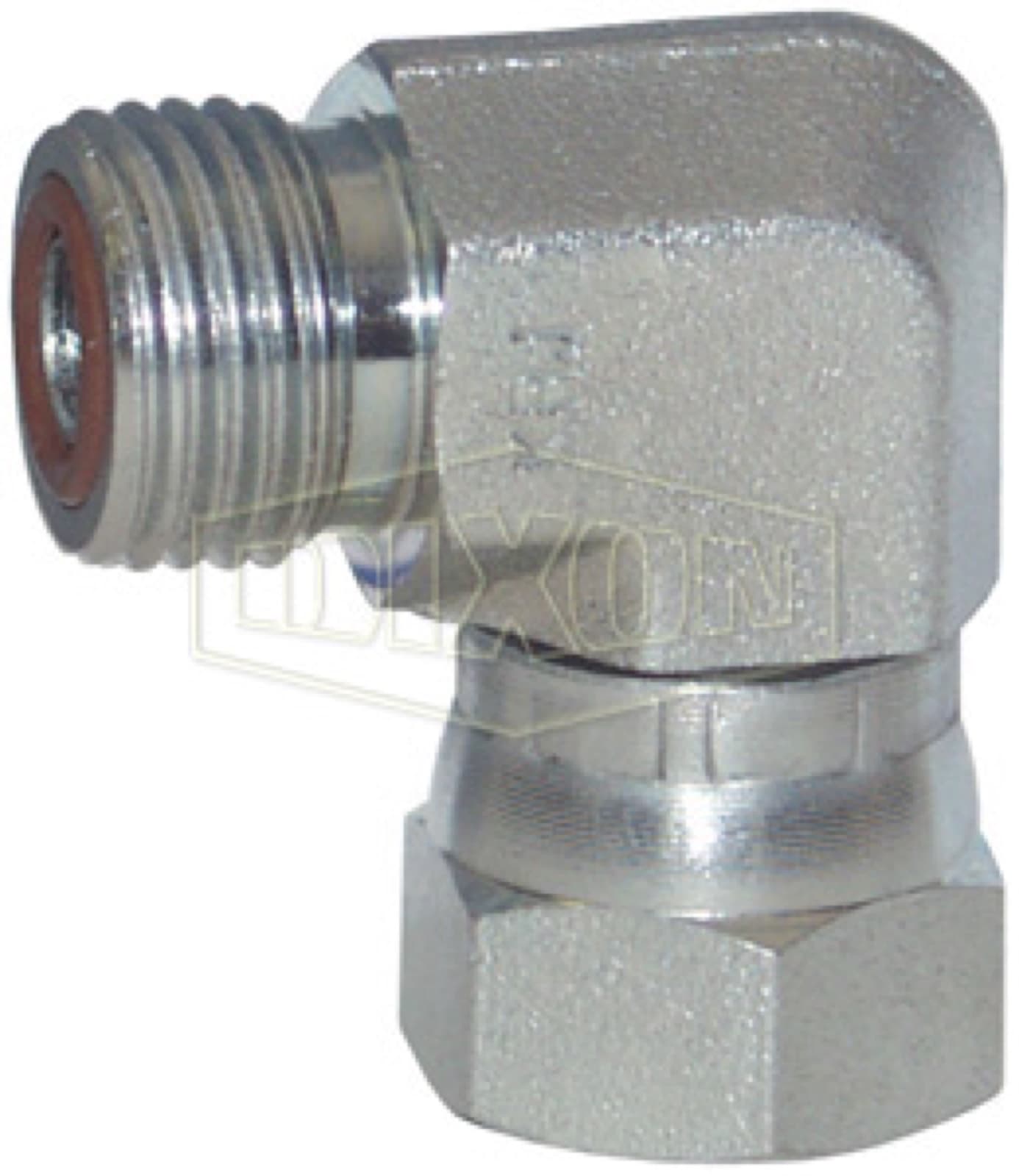
Dixon Flat Face Male x Female Swivel Nut 90 Degree Elbows
Dixon Valve & Coupling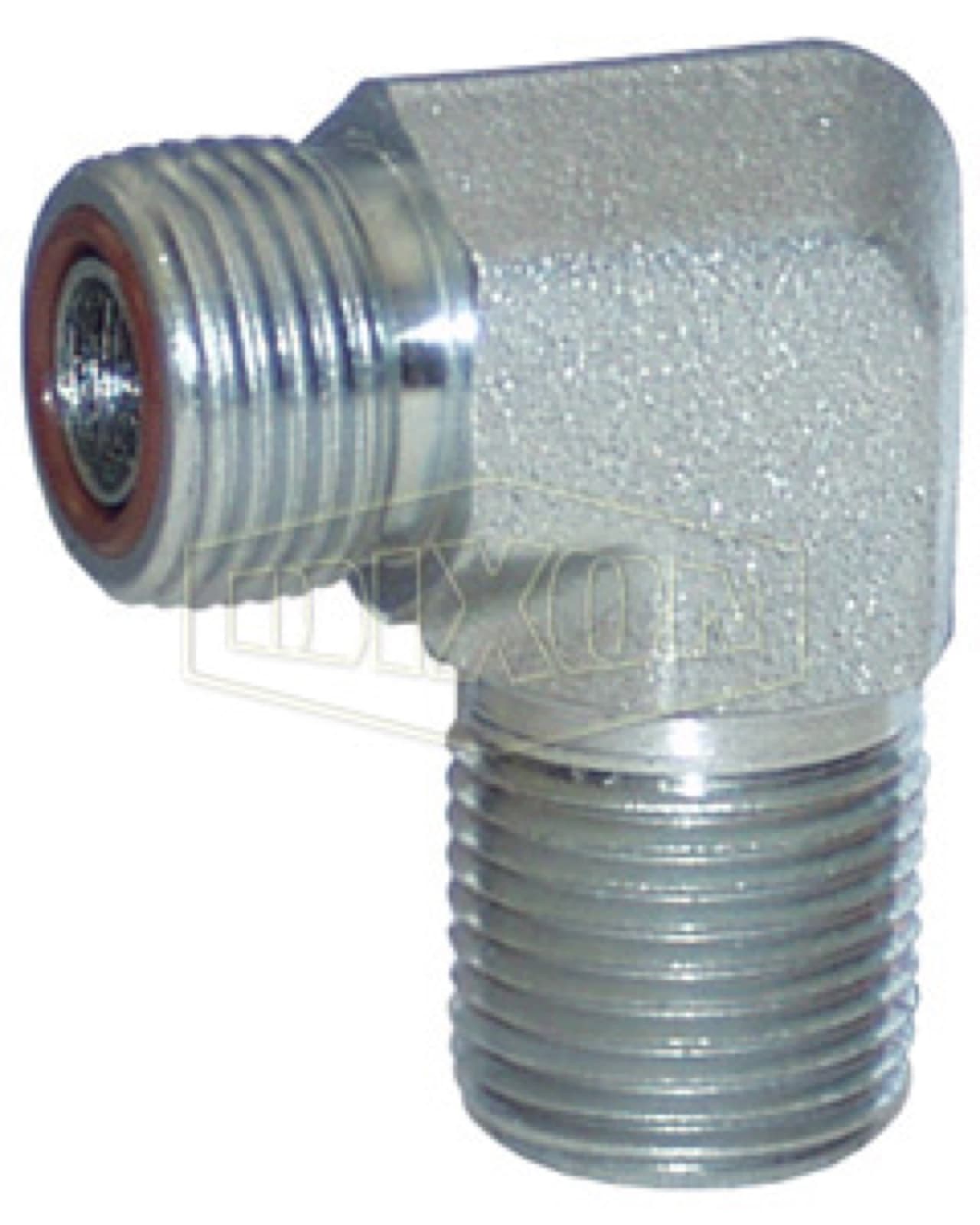
Dixon Flat Face Male x Male NPTF 90 Degree Elbows
Dixon Valve & Coupling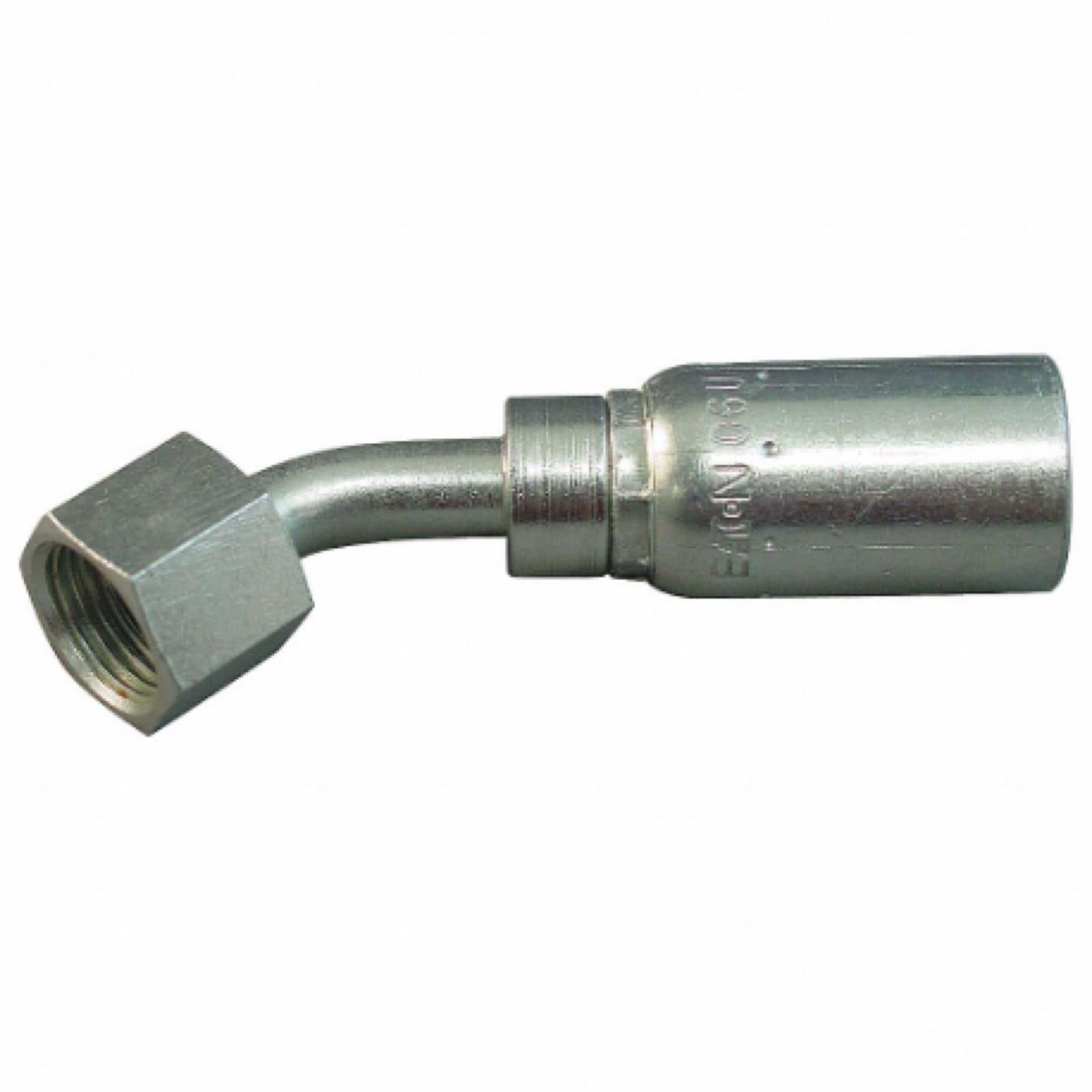
Kurt Crimp Hydraulic Hose Fittings with ORS Connection
Kurt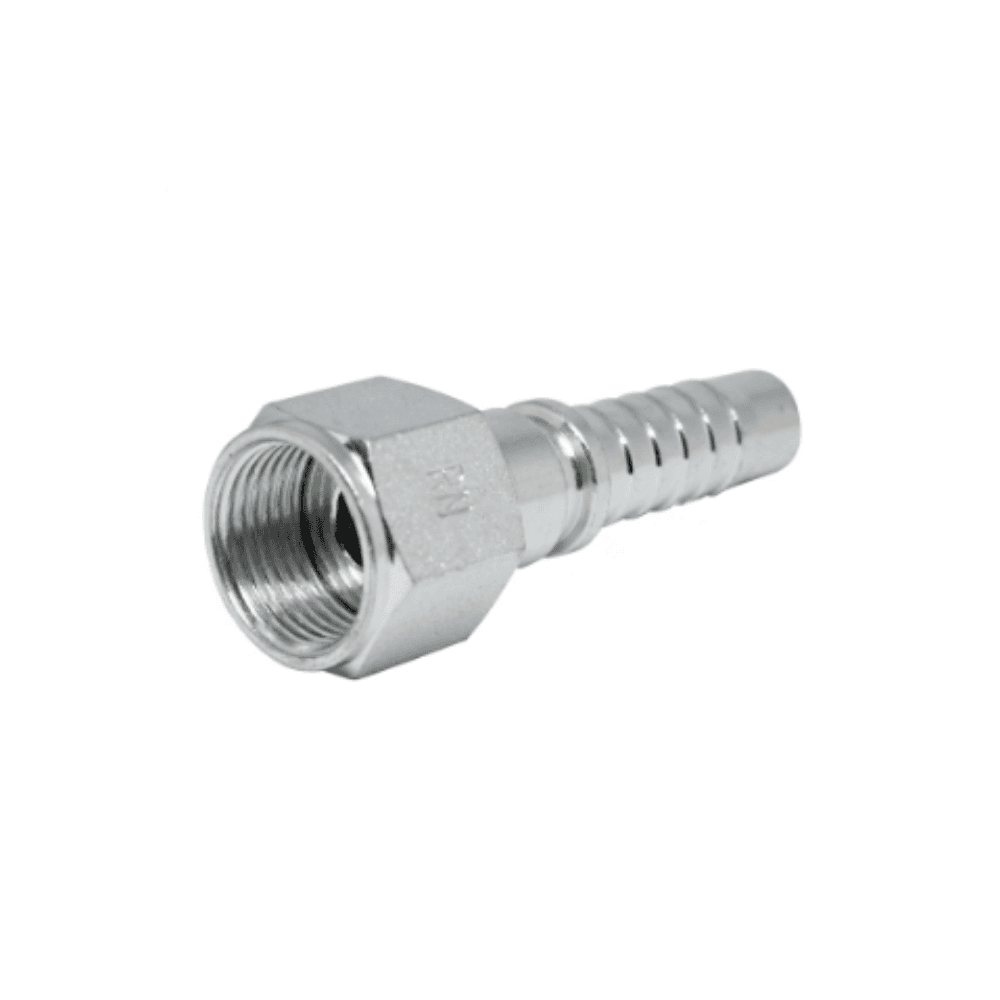
ORFS Female Hose Fitting
Indus Hydraulics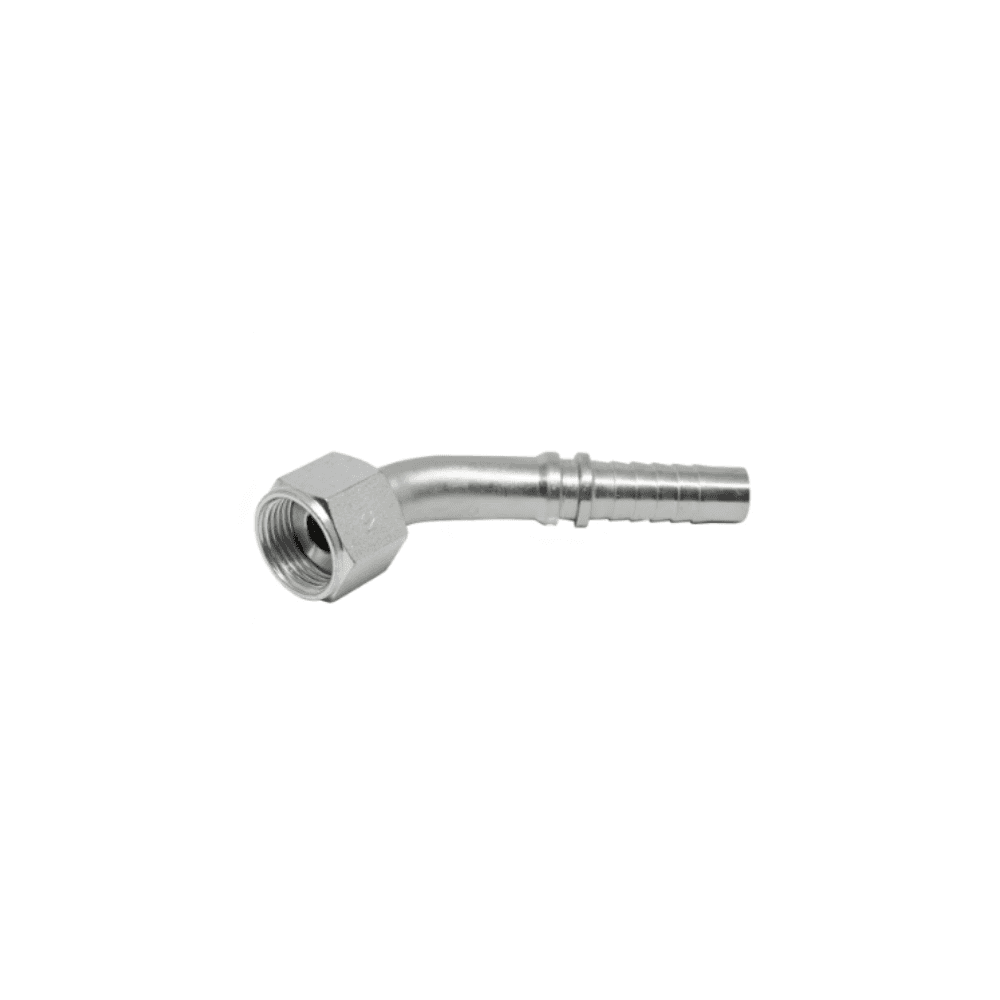
45° ORFS Female Hose Fitting
Indus Hydraulics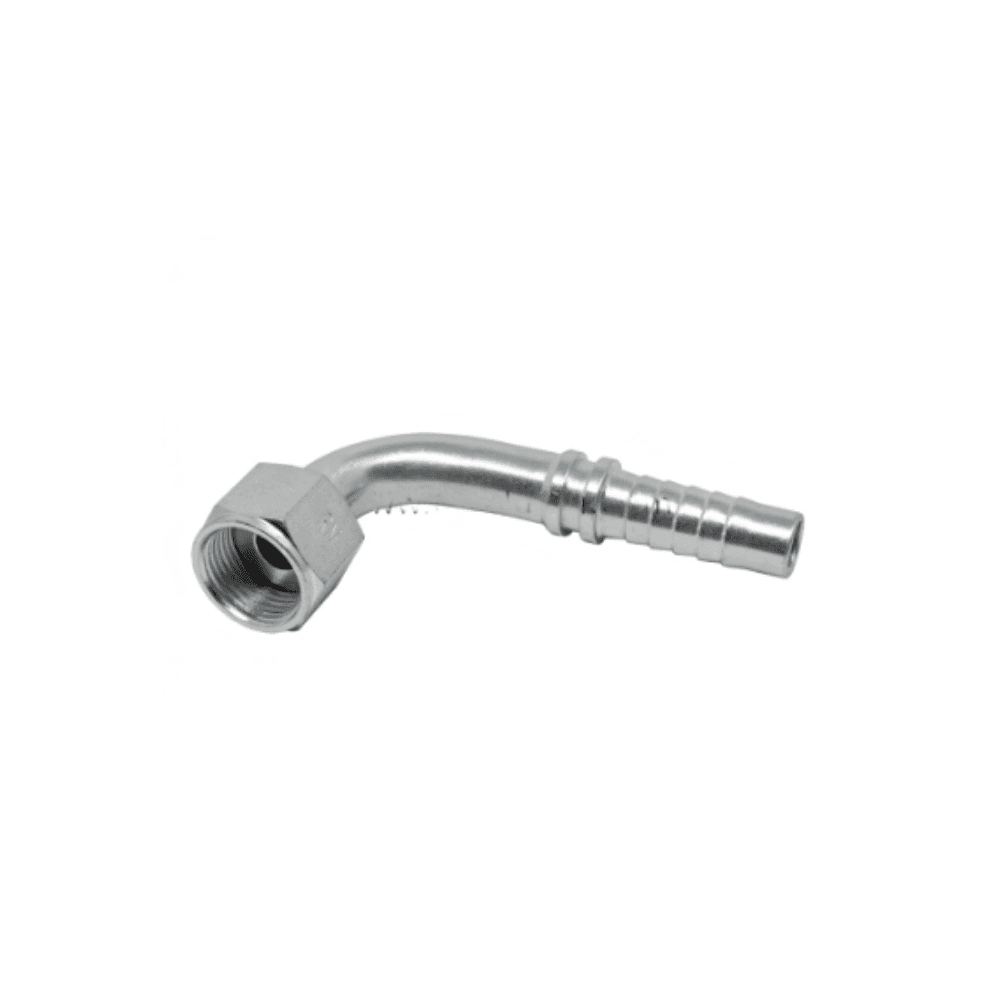
90° ORFS Female Hose Fitting
Indus Hydraulics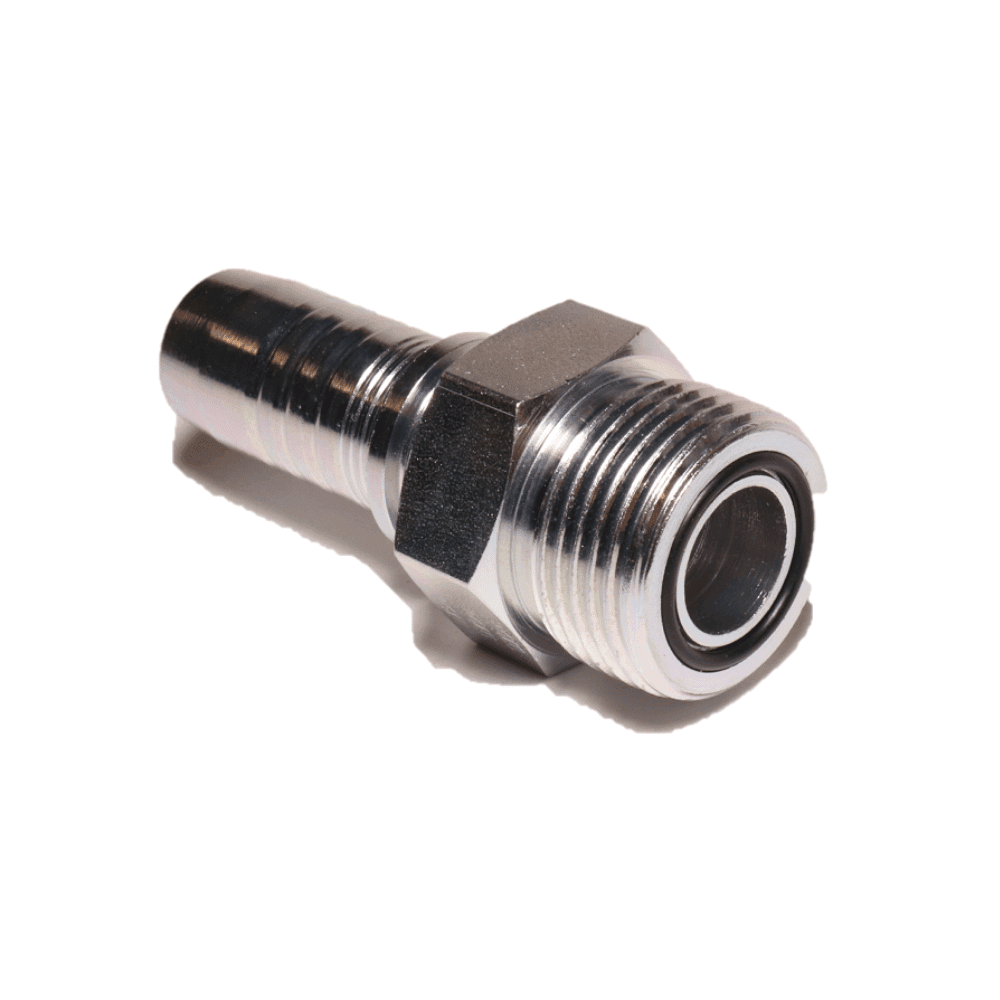
ORFS Male Hose Fitting
Indus Hydraulics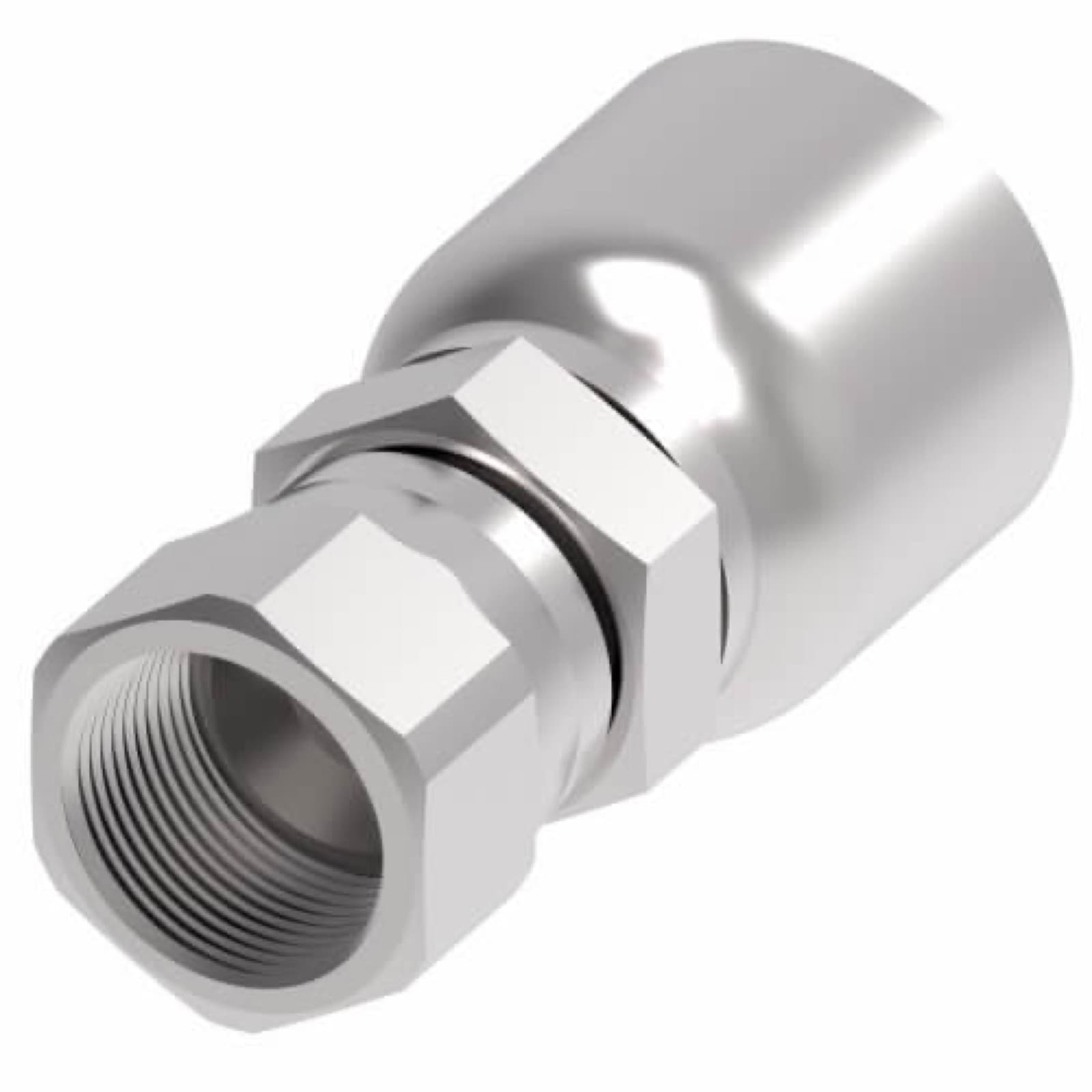
Weatherhead E Series Crimp Hose Fittings
Weatherhead