
Category
Hydraulic Fittings
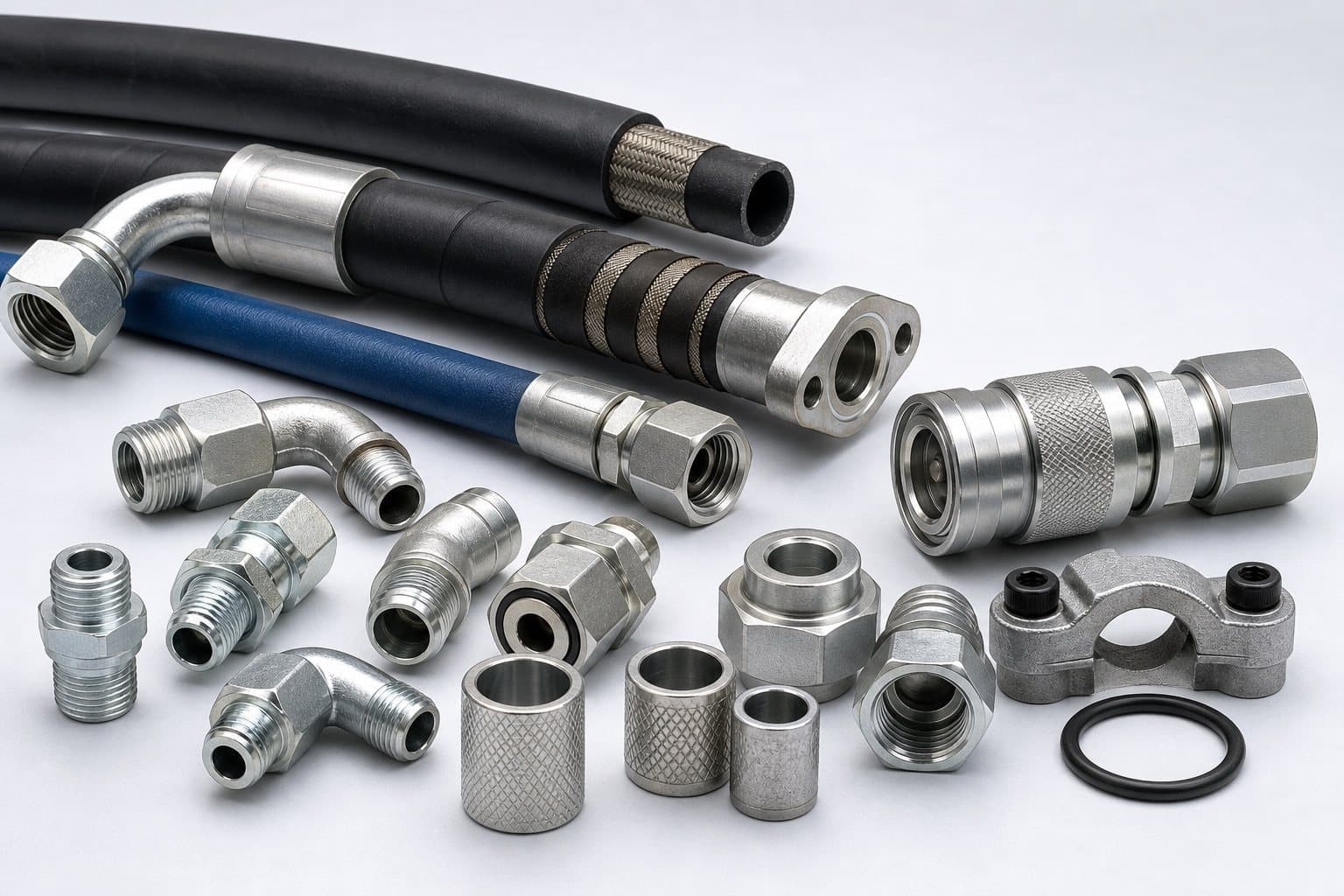
Hydraulic hose fittings are the end connections crimped or swaged onto a hydraulic hose so that it can be joined to a port, adapter or tube. This shelf carries Indus Hydraulics hose ends from Dubai for braided (1SN, 2SN) and spiral (4SP, R12) hose: BSP 60° cone and flat seat, DIN light and heavy 24° cone, JIC 37°, ORFS, NPT, SAE 45° flare, SAE Code 61 and Code 62 flange heads, Komatsu, Toyota and JIS forms, banjos, and pressure-washer ends, straight and in 45° and 90° elbows.
A fitting belongs to the hose as much as to the port
A crimp fitting has two halves: the end that meets the port, identified by thread family and seat, and the tail that goes into the hose, which must match the hose construction. Braided hose (1SN, 2SN, R16, R17) takes one fitting body, spiral hose (4SP, R12) a heavier one, and the ferrule has to suit the hose as well.
Choose the end by identifying the port — thread, size and seat — and the tail by the layline on the hose. Elbows and drop lengths come last, from the routing.
What the ends are made to
Hose fittings are covered by ISO 12151, a multi-part standard with a part for each connection type. The port ends follow their connection standards — 37° flare SAE J514, O-ring face seal SAE J1453, 24° cone ISO 8434-1, BSP ISO 228-1 and four-bolt flange SAE J518 (Code 61 and Code 62) — and the hoses they suit are built to EN 853 and EN 856.
Size range
Every size above is a part number you can quote from. Open any listing for its full table.
Delivery
Hydraulic Fittings across the Gulf
Ex-stock from Dubai, delivered within 3 working days in the UAE.
Hose and fittings are the bulk of what leaves this warehouse, and they travel well: a crated batch of assemblies with its crimp records, or a box of adapters on an airway bill. Buyers outside the UAE usually order to a measured list rather than to a part number, because a hose is defined by its ends, its length and its route rather than by a code. Send those and we will quote against them.
Beyond the Gulf
- North Africa
- Egypt, Tunisia, Mauritania
- West & Central Africa
- Nigeria, DR Congo, Equatorial Guinea

Parker 1C656 Female Metric S (Ball Nose) Crimp Fitting, Swivel, Straight (56 Series)


Parker 11143 Male Ferulok Flareless Crimp Fitting, Rigid, Straight (43 Series)
 Category image · Hoses & Fittings
Parker 1ZM77 Male Metric (24° Cone) Crimp Fitting, Rigid, Straight (77 Series)

Parker 1C643 Female Metric S (Ball Nose) Crimp Fitting, Swivel, Straight (43 Series)

Parker 10L43 Male SAE O-Ring Boss (ORB) Crimp Fitting, Swivel, 90° Elbow (43 Series)

Enerpac 43-Series Ultra-High-Pressure Fittings & Tubing
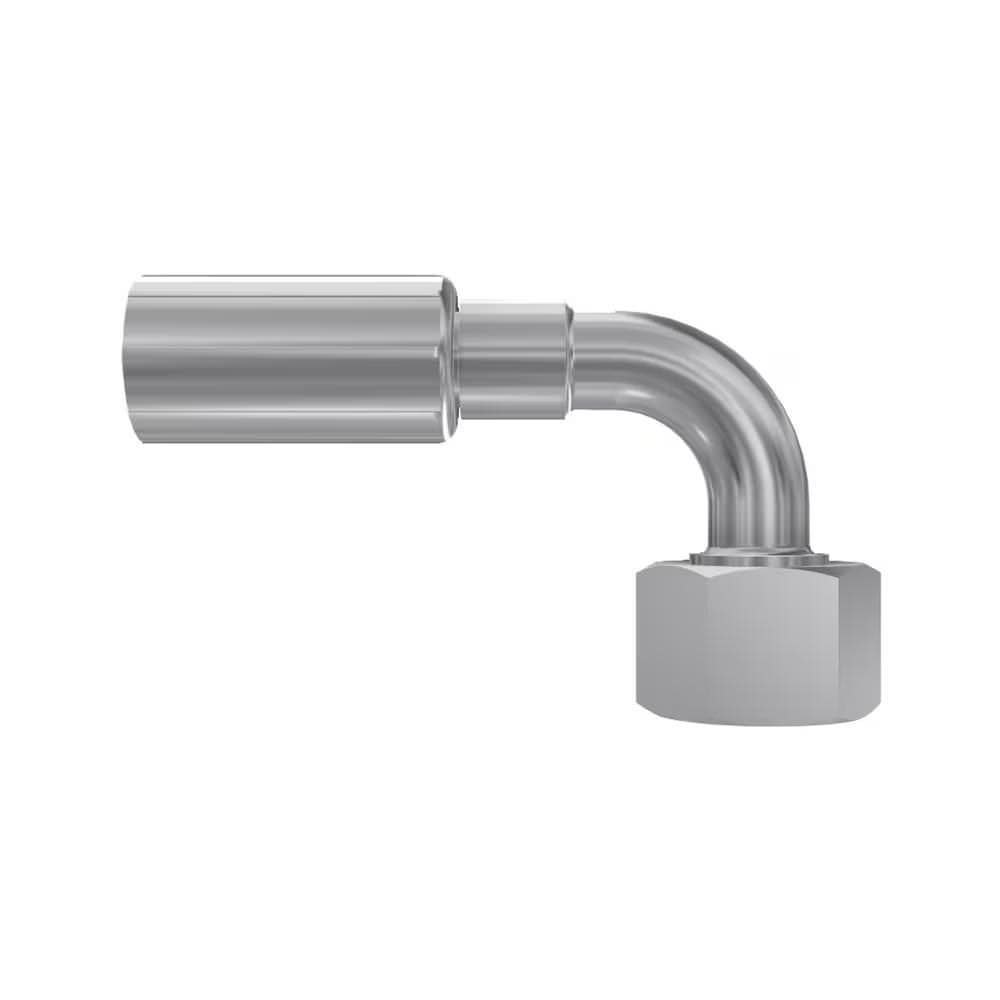
Parker 1C556 Female Metric L Crimp Fitting, Swivel, 90° Elbow (56 Series)
Parker 1XF77 Caterpillar® Flange Head Crimp Fitting, 45° Elbow (77 Series)

Parker 1C456 Female Metric L (Ball Nose) Crimp Fitting, Swivel, 45° Elbow (56 Series)

Parker 10G43 Male SAE O-Ring Boss (ORB) Crimp Fitting, Swivel, Straight (43 Series)

Parker 1C443 Female Metric L (Ball Nose) Crimp Fitting, Swivel, 45° Elbow (43 Series)
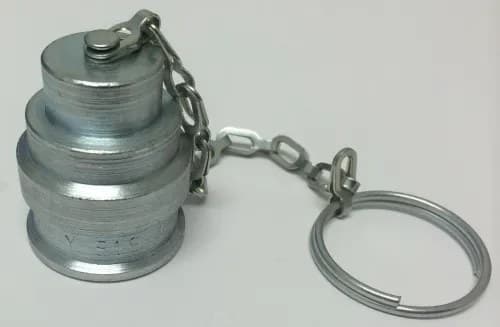
Safeway Aluminium & Moulded Dust Caps and Plugs
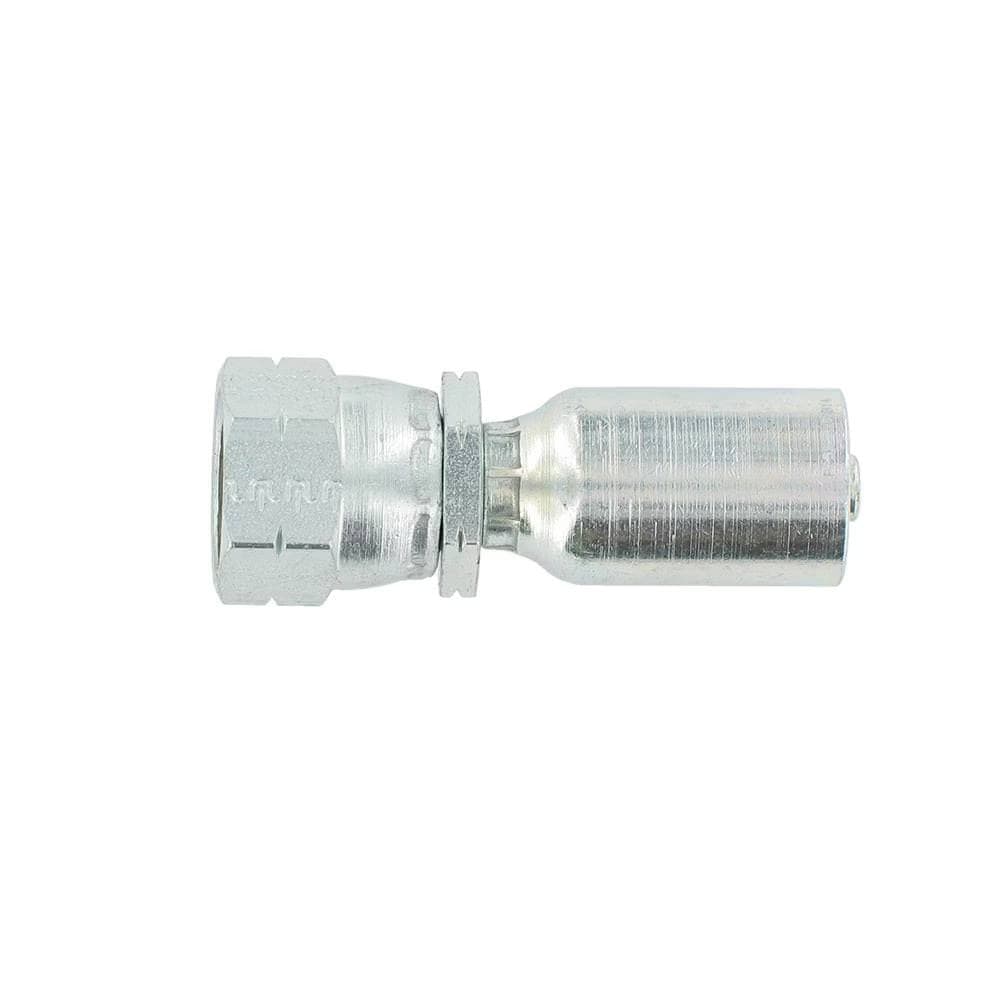
Parker 10856 Female SAE 45° Crimp Fitting, Swivel, Straight (56 Series)
Parker 10826 Female SAE 45° Crimp Fitting, Swivel, Straight (26 Series)
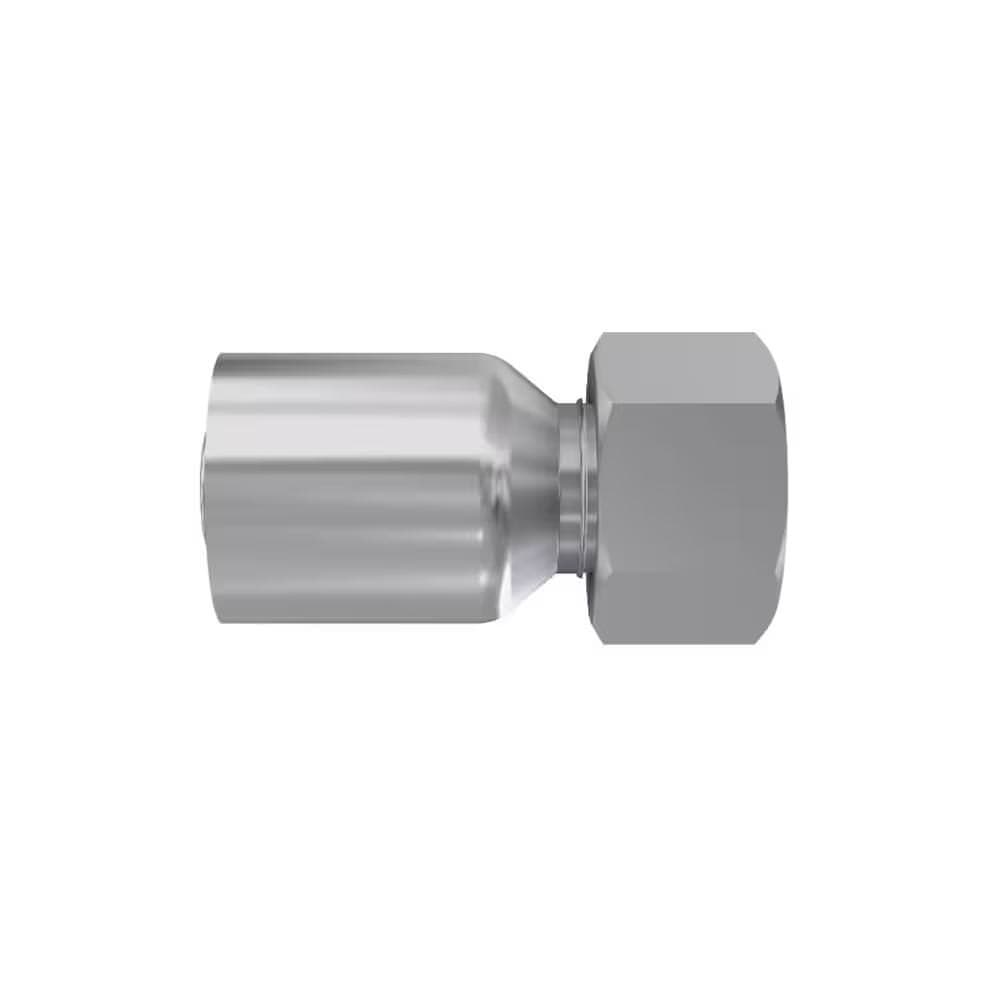
Parker 1C356 Female Metric L (Ball Nose) Crimp Fitting, Swivel, Straight (56 Series)
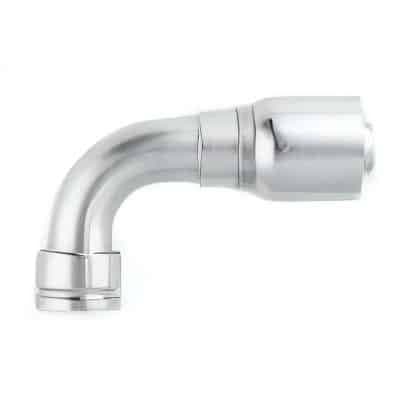
Parker 1X977 Full Flange, SAE Code 61 or Code 62 Crimp Fitting, 90° Elbow (77 Series)
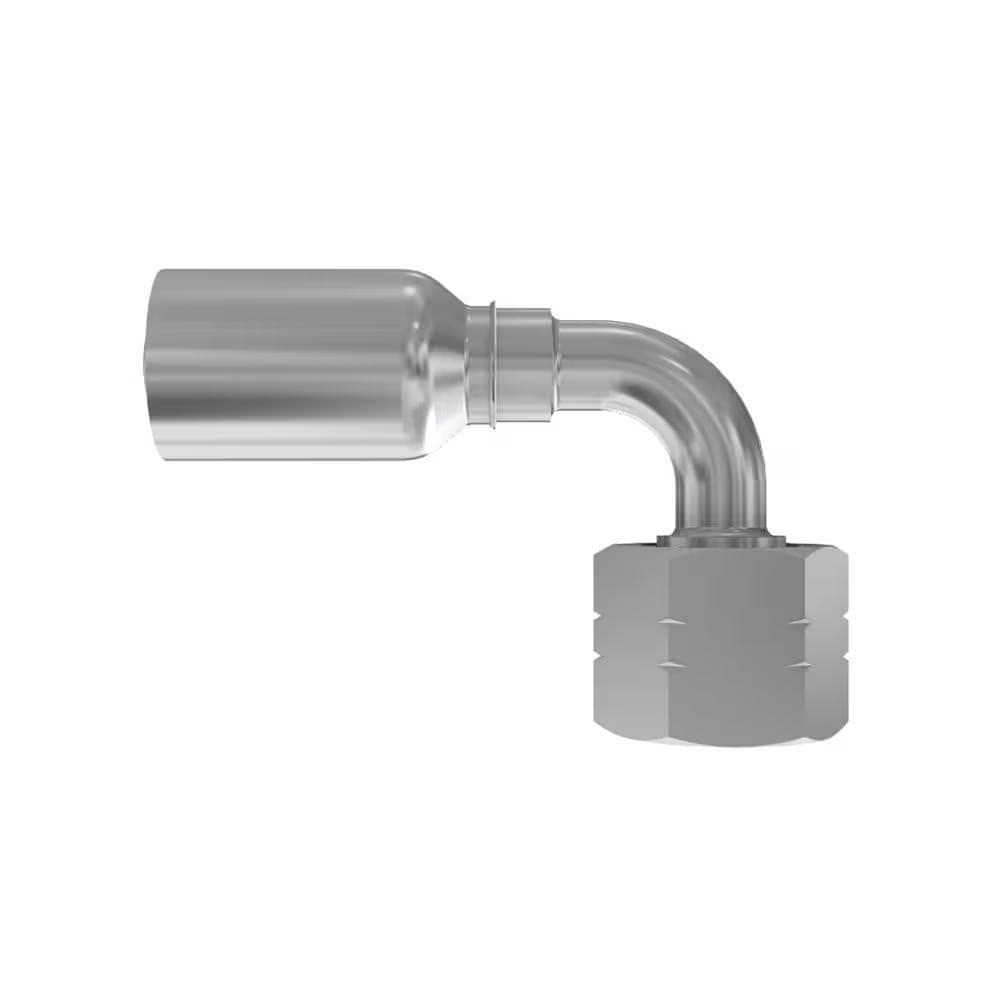
Parker 1B256 Female BSP Parallel Pipe (60° Cone) Crimp Fitting, Swivel, 90° Elbow (56 Series)

Parker 10756 Female NPSM Pipe (60° Cone) Crimp Fitting, Swivel, Straight (56 Series)
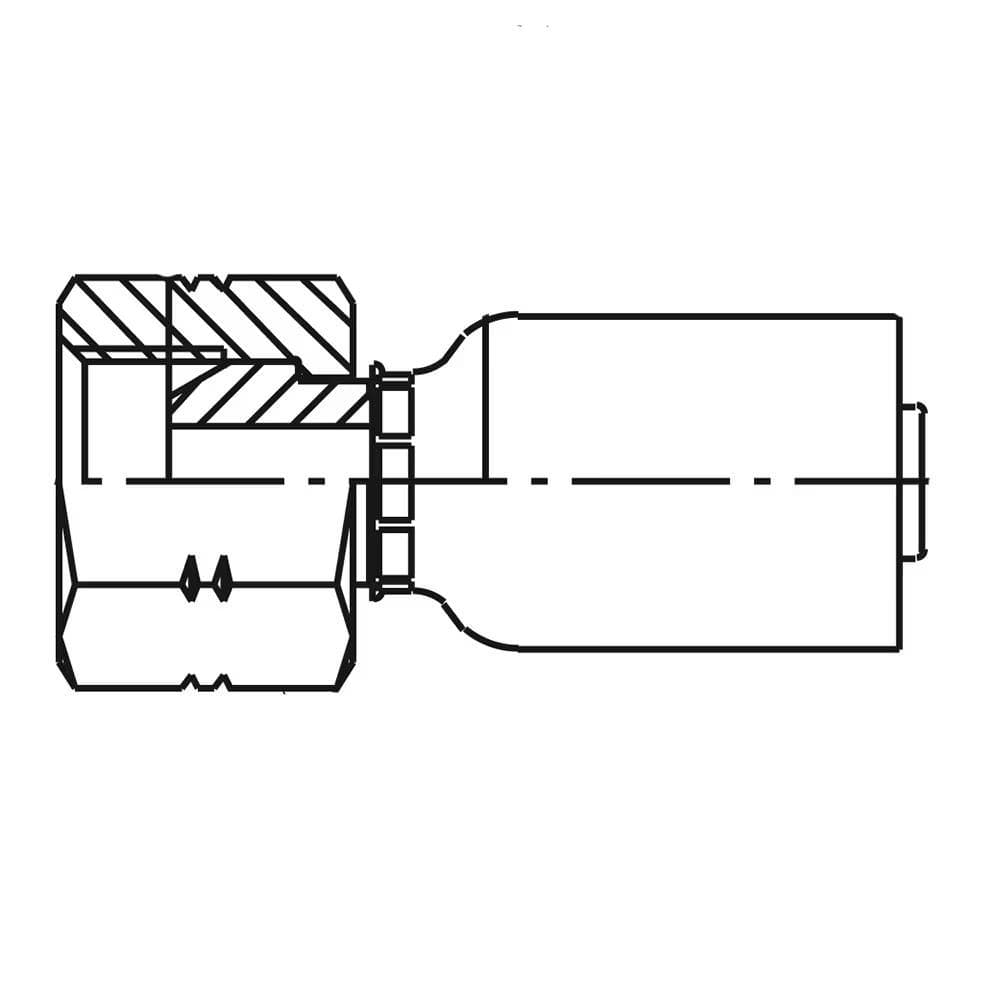
Parker 19256 Female BSP Parallel Pipe (60° Cone) Crimp Fitting, Swivel, Straight (56 Series)
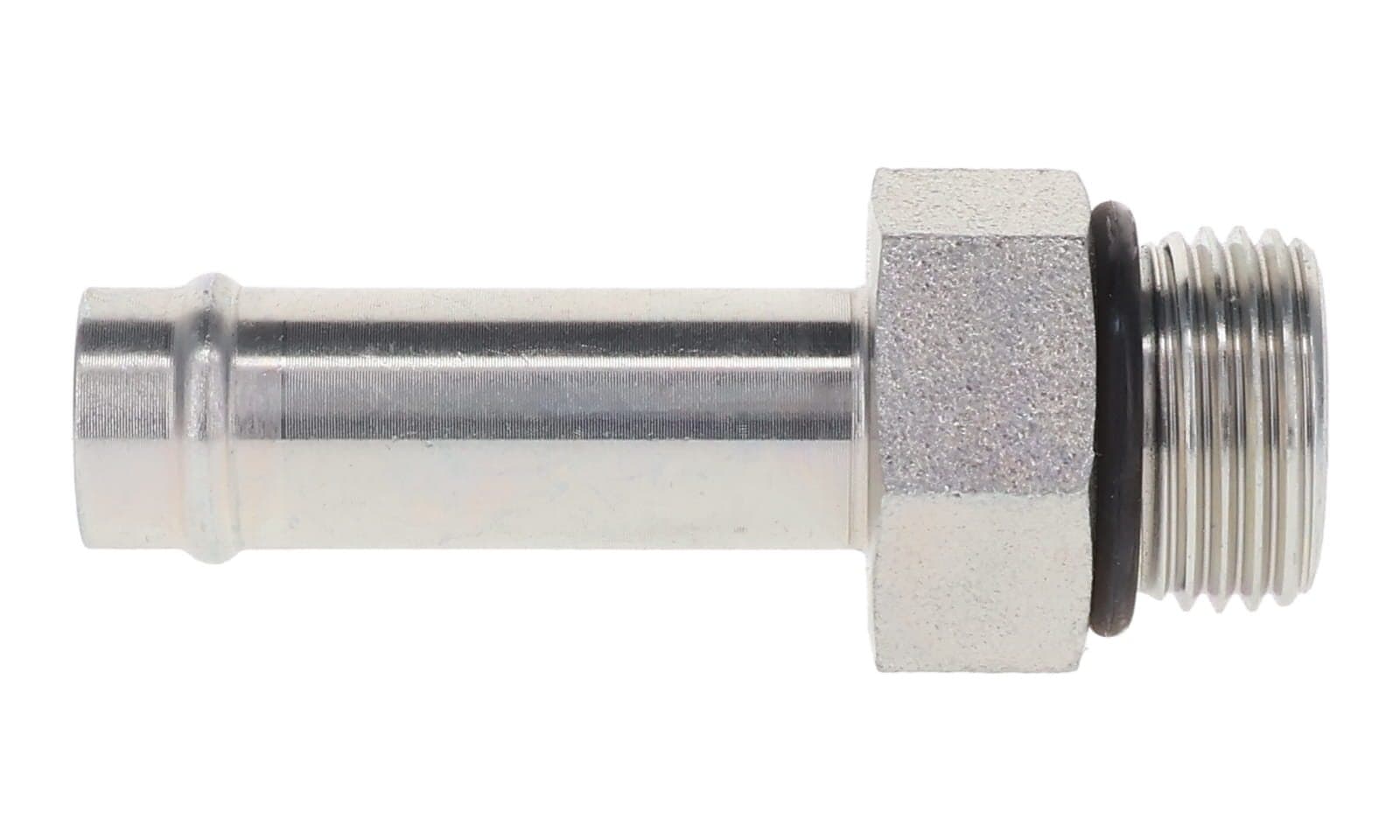
Steel Beaded Hose Barb × ORB Male Adapter
Category image · Hoses & FittingsSteel Beaded Hose Barb × ORB Male 90° Elbow
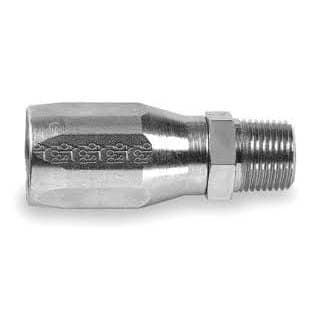
R5 Textile-Cover Hose End × NPTF Male

R5 Textile-Cover Hose End × Inverted Flare Male Swivel 90°
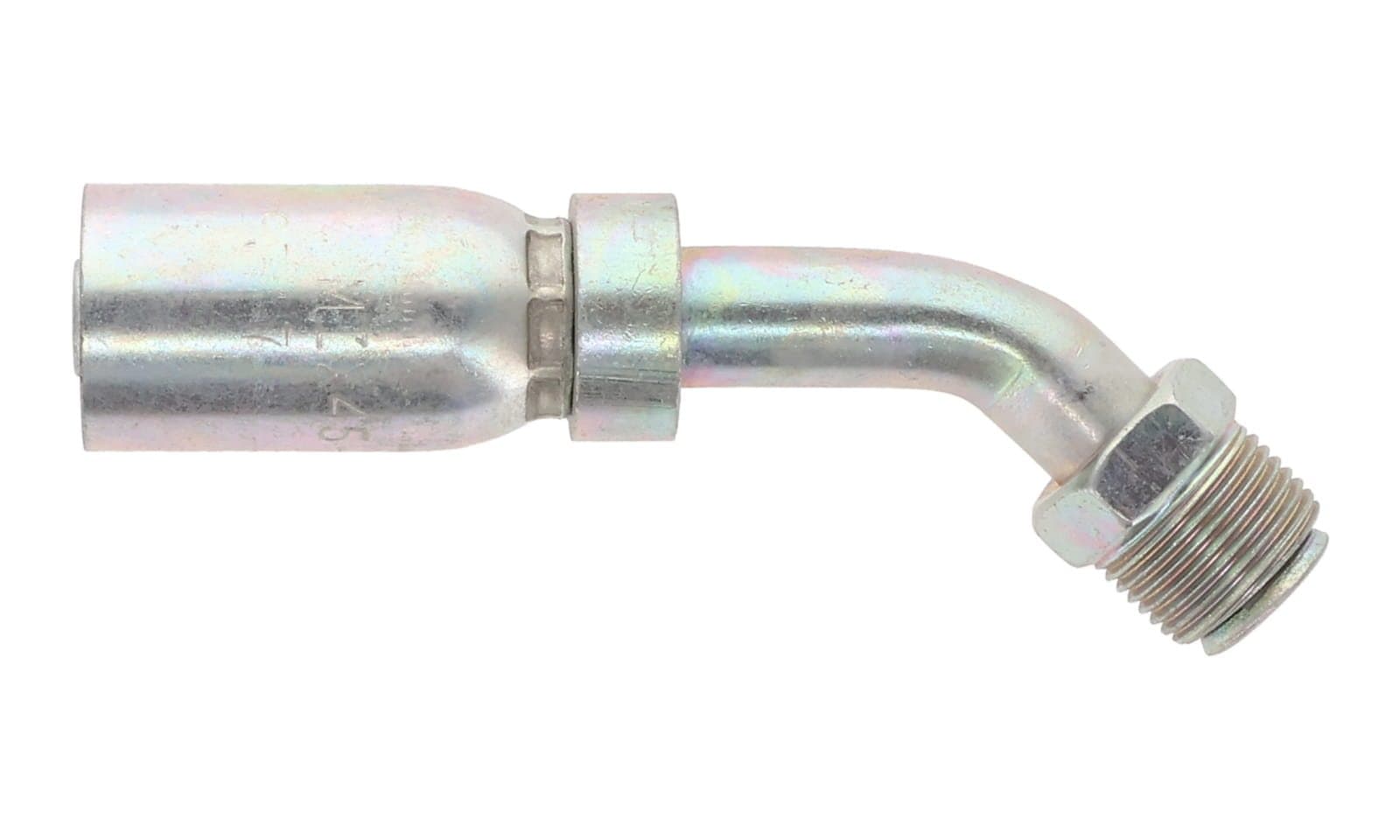
R5 Textile-Cover Hose End × Inverted Flare Male Swivel 45°
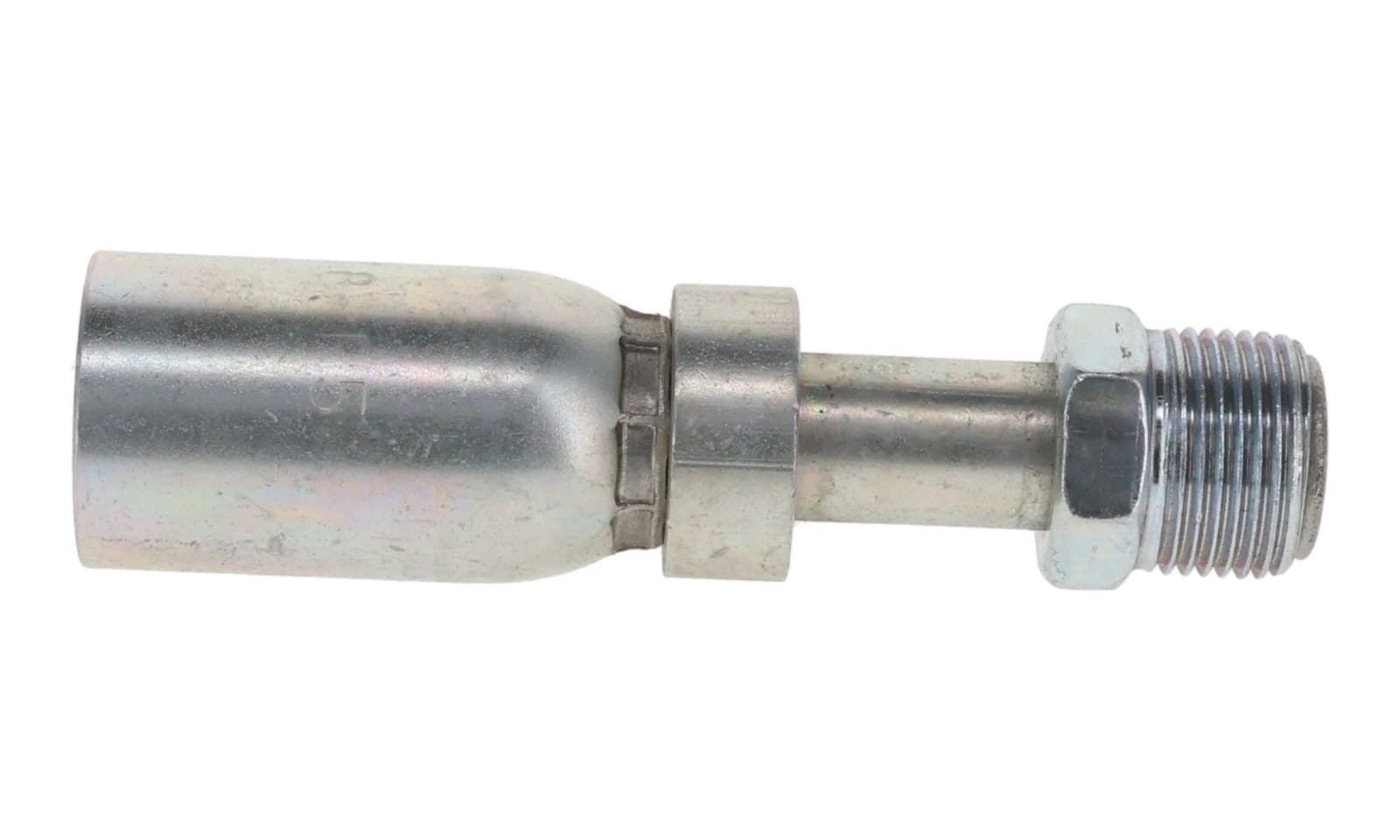
R5 Textile-Cover Hose End × Inverted Flare Male Swivel
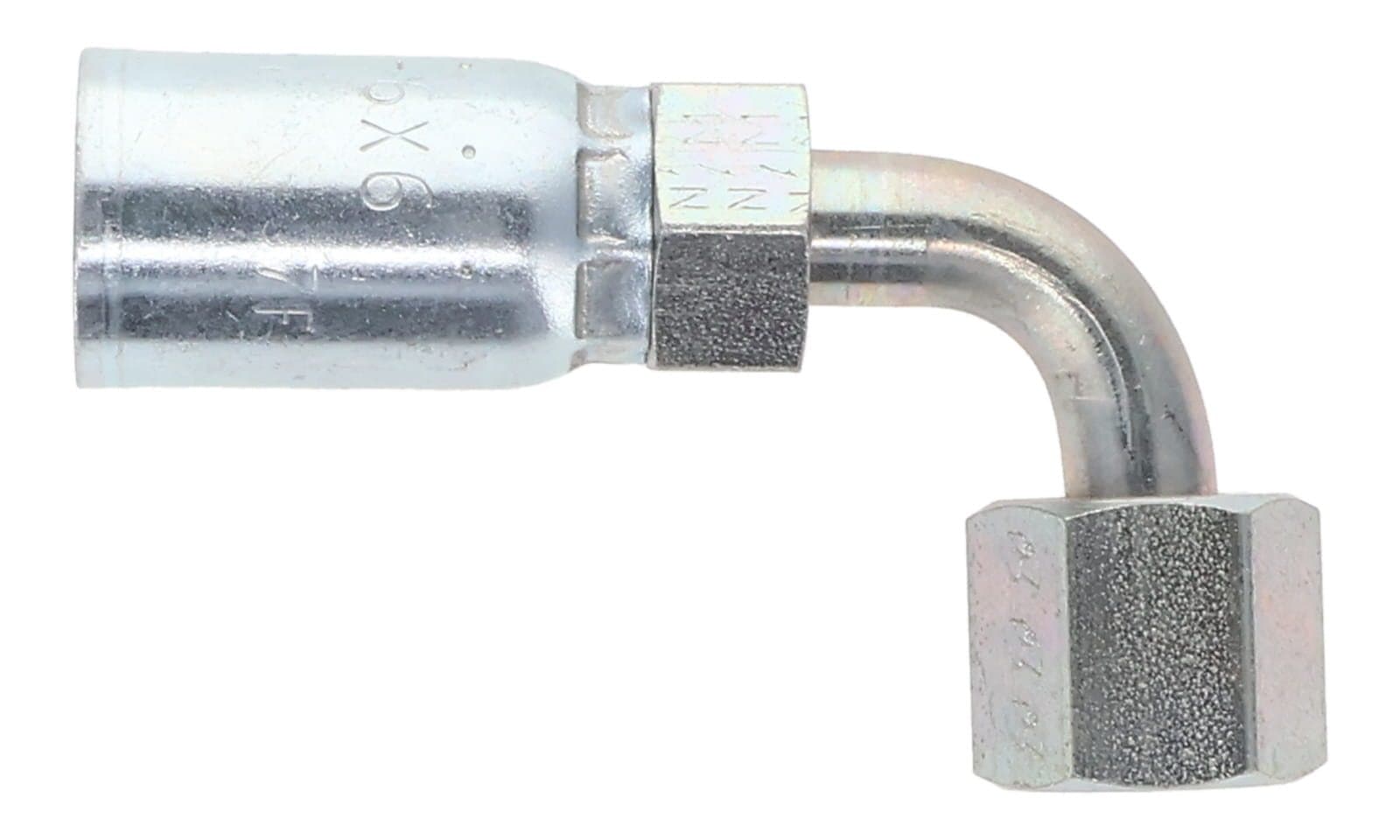
R5 Textile-Cover Hose End × JIC 37° Female Swivel 90°

R5 Textile-Cover Hose End × JIC 37° Female Swivel 45°
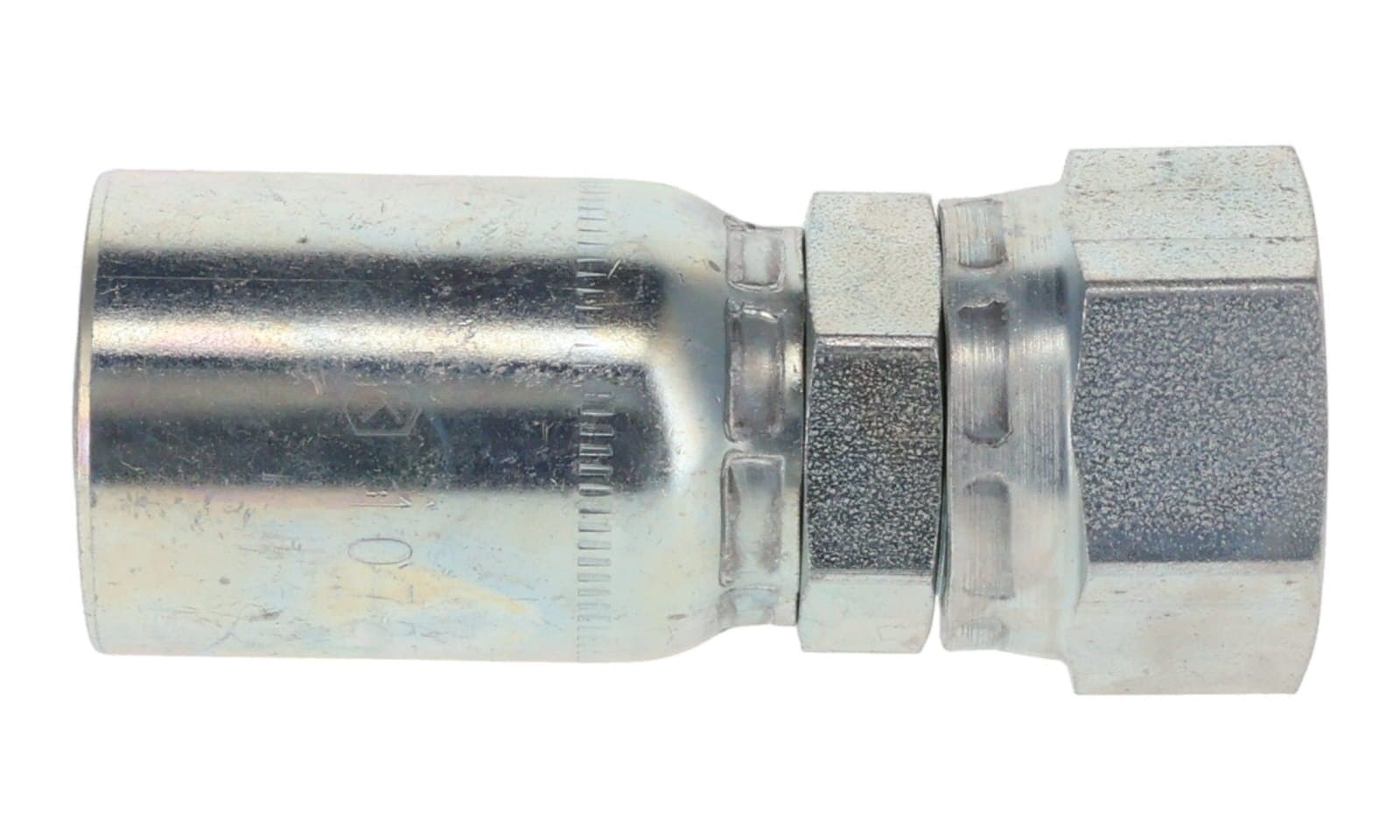
R5 Textile-Cover Hose End × JIC 37° Female Swivel
Category image · Hoses & FittingsR14 PTFE Hose End × NPTF Male, Steel

R14 PTFE Hose End × JIC 37° Female Swivel 90°, Steel

R14 PTFE Hose End × JIC 37° Female Swivel 45°, Steel

R14 PTFE Hose End × JIC 37° Female Swivel, Steel

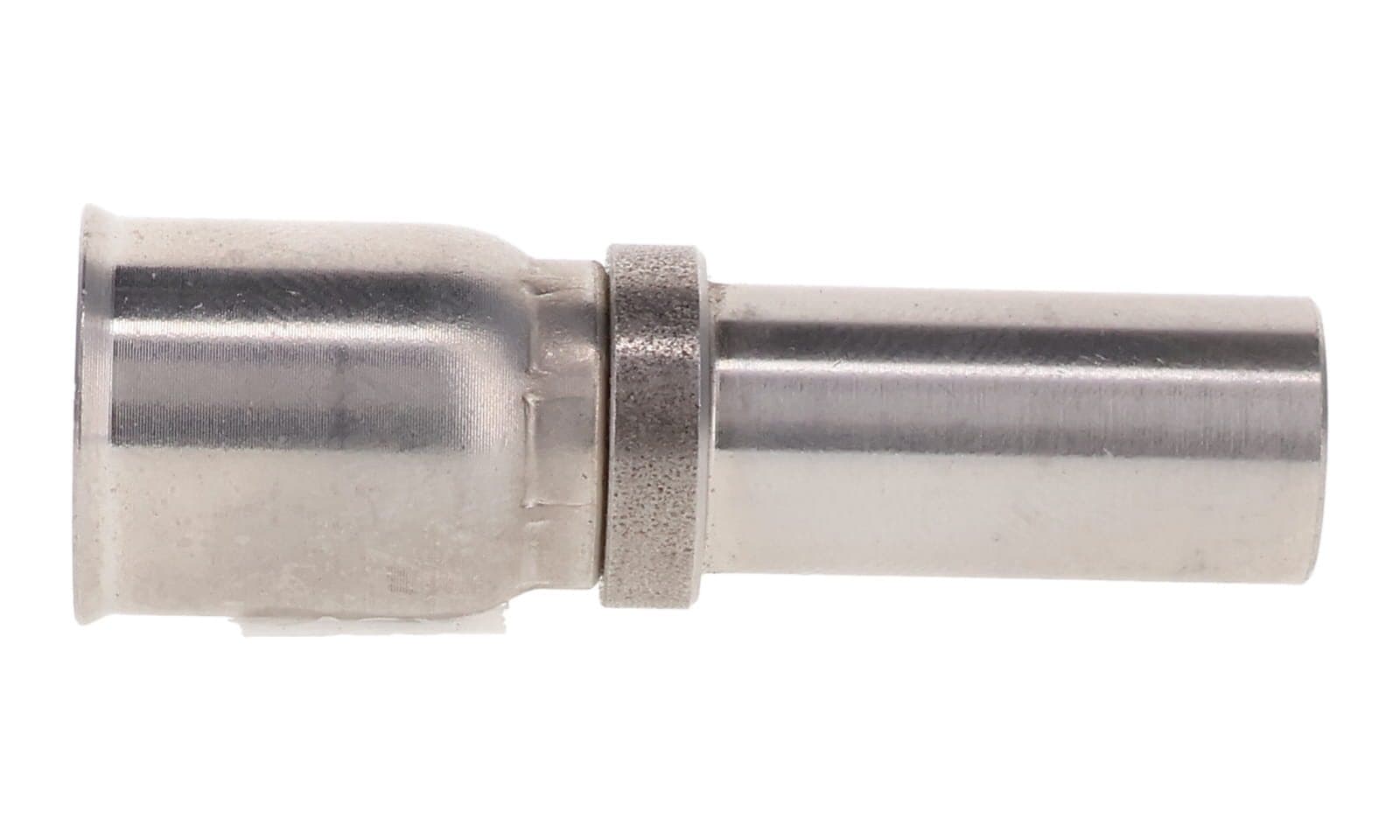
Stainless Steel R14 PTFE Hose End × Tube Stub
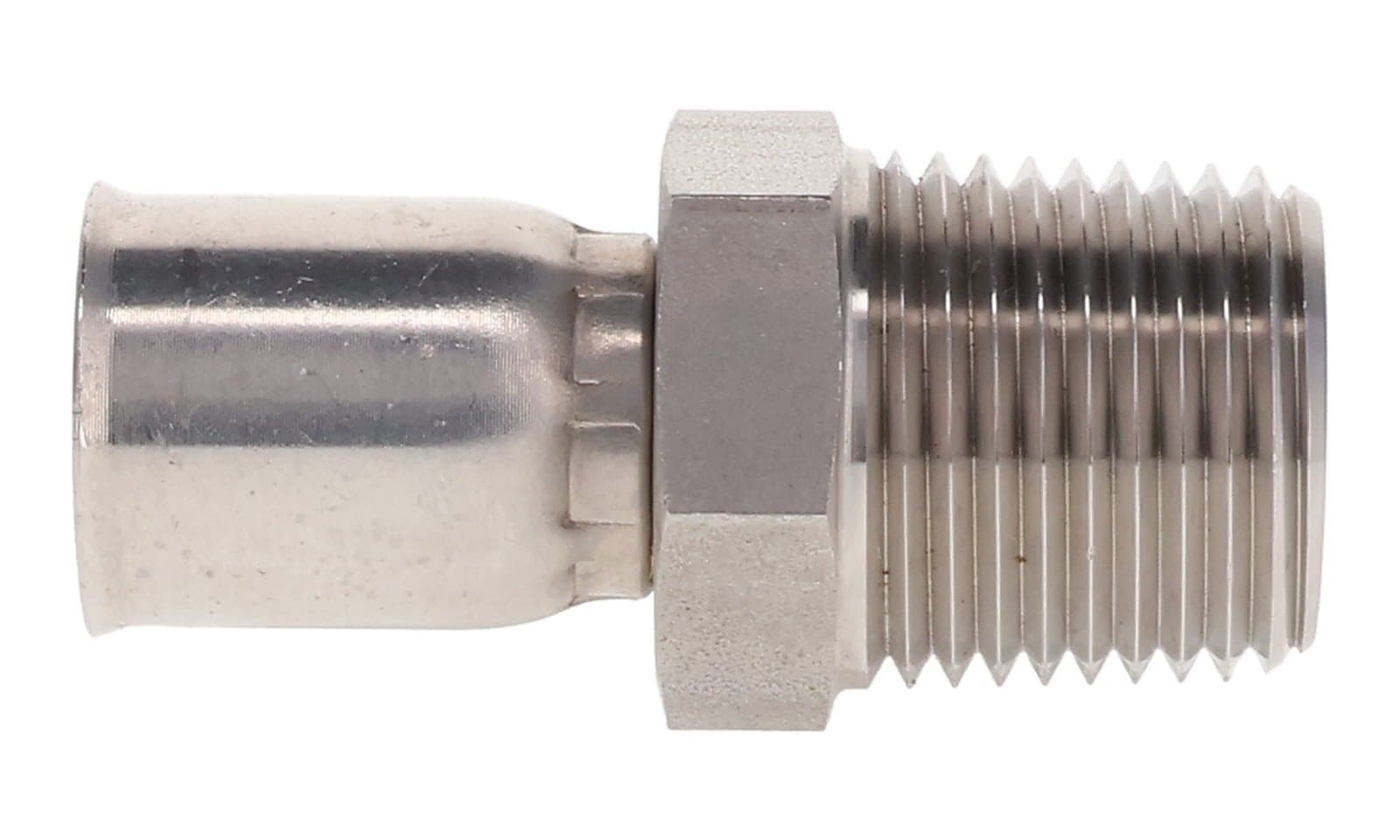
Stainless Steel R14 PTFE Hose End × NPT Male
Category image · Hoses & FittingsStainless Steel R14 PTFE Hose End × JIC 37° Male
Category image · Hoses & FittingsStainless Steel R14 PTFE Hose End × ORFS Male

Stainless Steel R14 PTFE Hose End × DIN 24° Male, Heavy Series
Category image · Hoses & FittingsStainless Steel R14 PTFE Hose End × DIN 24° Male, Light Series

Stainless Steel R14 PTFE Hose End × NPT Female Swivel

Stainless Steel R14 PTFE Hose End × JIC 37° Female Swivel 90°

Stainless Steel R14 PTFE Hose End × JIC 37° Female Swivel 45°
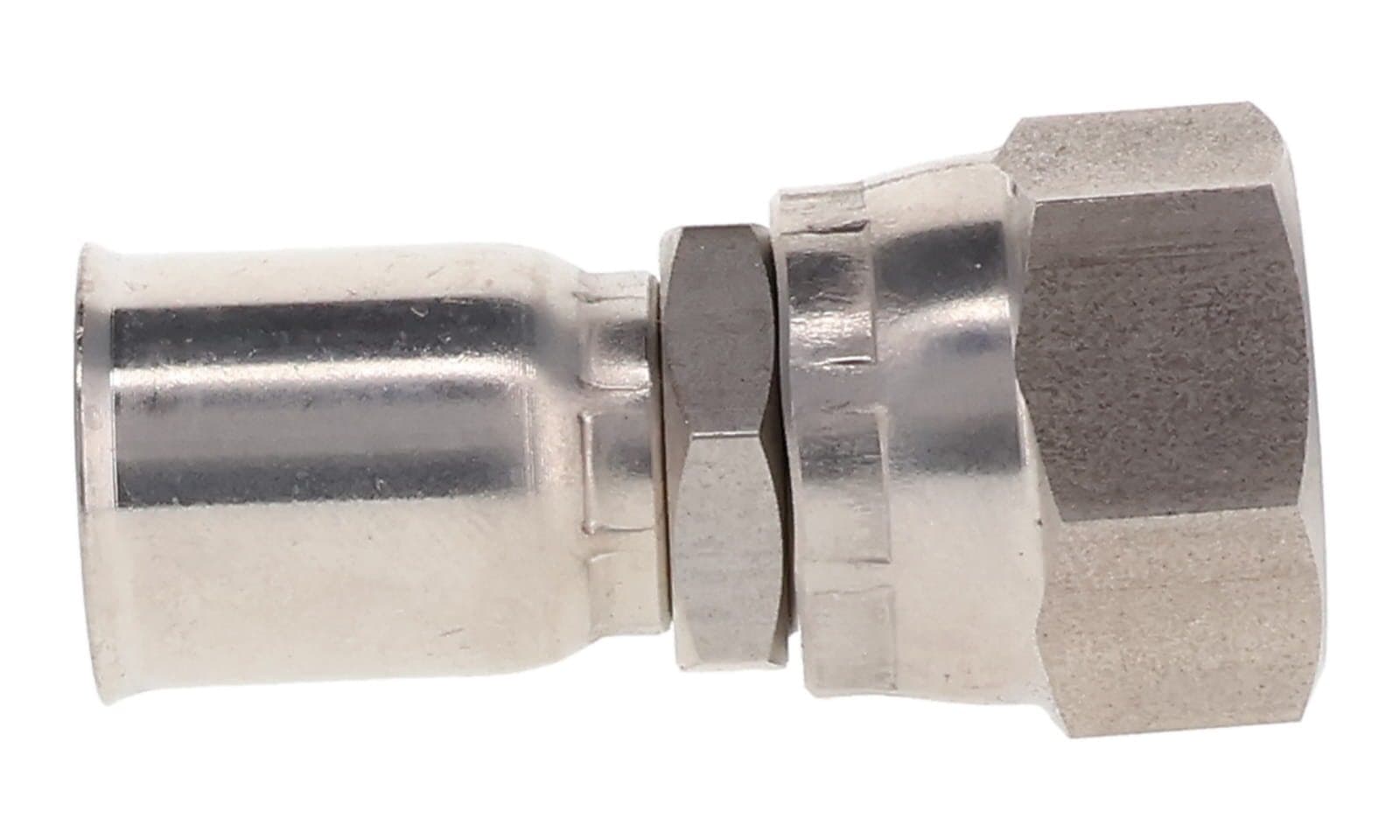
Stainless Steel R14 PTFE Hose End × JIC 37° Female Swivel

Stainless Steel R14 PTFE Hose End × ORFS Female Swivel 90°

Stainless Steel R14 PTFE Hose End × ORFS Female Swivel

Stainless Steel R14 PTFE Hose End × DIN 24° Female Swivel, Heavy Series
Stainless Steel R14 PTFE Hose End × DIN 24° Female Swivel, Light Series
Questions we get asked
About this range
- 01What is the difference between braided-hose and spiral-hose fittings?
- The tail. Spiral hose has four or six wire layers and a thicker wall, so its fittings use a heavier body and usually a skived ferrule that grips the wire directly. The port end can be identical; the hose end is not interchangeable.
- 02Skive or no-skive?
- Whichever the hose and fitting series are designed for. Skive ferrules need the outer cover — and sometimes the inner tube — removed so the ferrule grips the wire; no-skive ferrules crimp over the cover. Use the ferrule specified for the construction; the two are designed together.
- 03How do I measure a hose fitting thread?
- Measure across the crests of a male thread (or inside a female), measure the pitch — threads per inch, or millimetres between crests — and look at the seat: a 37° flare, a 24° or 60° cone, or a flat face with an O-ring. Diameter, pitch and seat together identify the family. Send them with a photo and we will confirm.
- 04Should I choose a swivel or a rigid hose fitting?
- Use a swivel female wherever you can: its nut turns independently, so the joint is made up without twisting the hose. A rigid male end can only be screwed in by turning the whole assembly, so it is normally fitted first, or mated to a swivel female at the other side. A hose installed with twist in it loses a large part of its life, because the wire reinforcement is loaded unevenly. If both ends must be rigid, add a swivel adapter at one port.
- 05How do I measure the length of a hose assembly for a replacement?
- Measure overall length from the end of one fitting to the end of the other: to the sealing face on straight ends, and to the centreline of the sealing face on elbows. Do not measure the hose alone, because the fittings add a different length for each style. Lay the old assembly straight to measure it, and tell us the length, the two fittings, the hose bore and construction, and the elbow orientation if there are two elbows.
- 06What is elbow orientation on a hose assembly with two elbows?
- It is the angle between the two elbows, measured looking along the hose from one end, and it must be specified or the assembly will arrive twisted to fit. Hold the assembly with the far elbow pointing straight away from you and read the angle, clockwise, to the near elbow: 0° means both point the same way. Fitting a wrongly oriented assembly by twisting the hose shortens its life. Send the angle, or a photo of the old assembly laid flat, with your enquiry.
From the blog
Written about this range
Assembly, crimping & certification
How tight is tight: make-up torque and turns from finger tight
Nobody carries a torque wrench up a boom. The method that works without one is a published one, it is specific to each connector family, and it is the reason two fitters get different results on the same joint.
6 min read
Thread & fitting identification
Hydraulic fittings and adapters: the complete guide to thread families, seats and seals
BSP, JIC, ORFS, NPT, NPSM, SAE flare, O-ring boss, metric 24° cone, Japanese 30° and SAE flanges: how each family seals, how to tell them apart, and which standard each one is made to.
6 min read
Assembly, crimping & certification
Measuring a hose for replacement: overall length is not cut length
Measure the hose, hand over the number, and the assembly comes back too long. The figure a workshop needs is the distance between sealing faces — and the difference between that and what most people measure is the whole problem.
5 min read