- 01What are the advantages of an air motor over an electric motor?
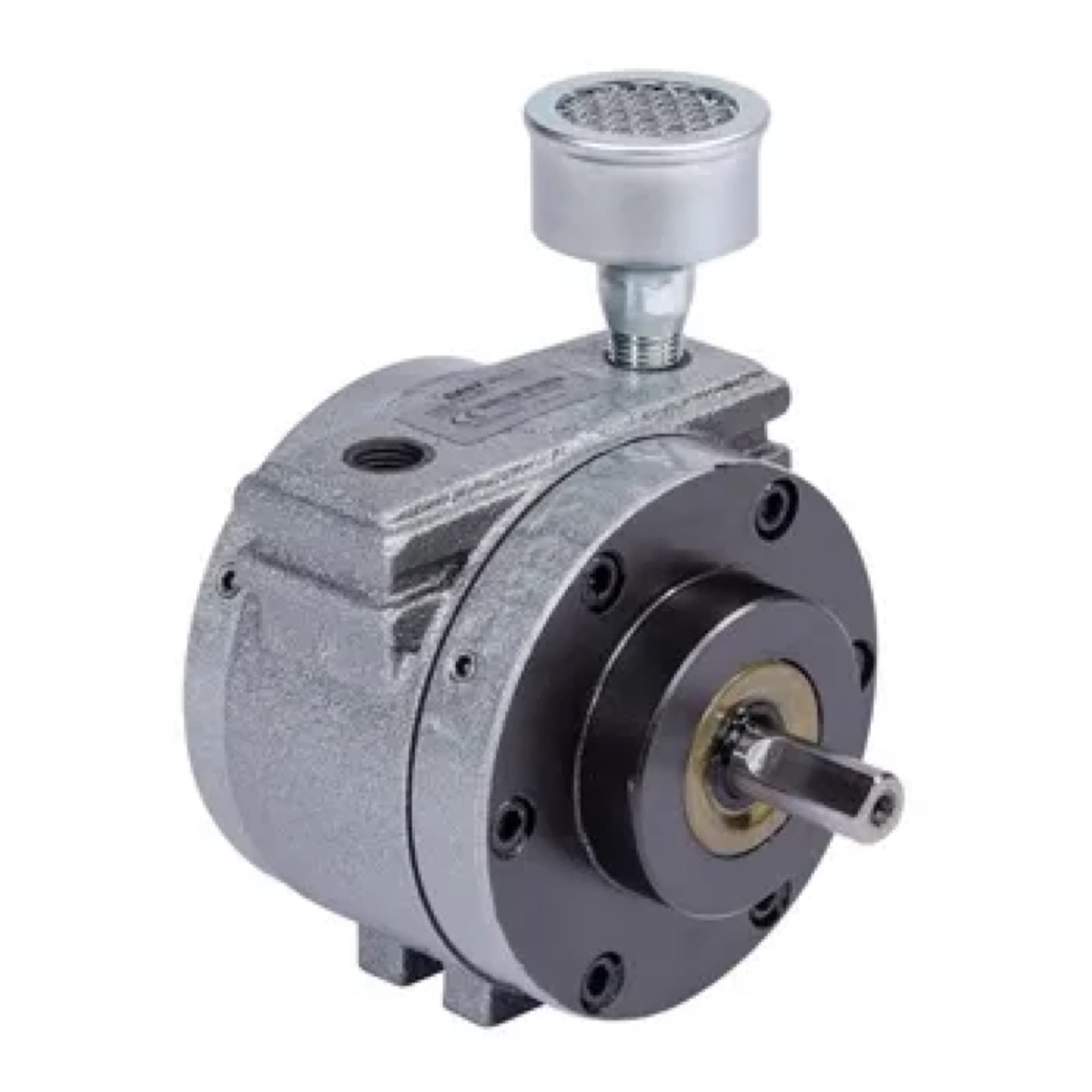
- An air motor has no electrical parts at the motor, so it suits wet and dirty places. Its speed can be varied simply by throttling the air, many can be reversed with a valve, and a vane motor can be loaded to a standstill and restart when the load eases. It is light and small for its power. The trade-off is energy: compressed air costs more per kilowatt delivered than electricity.
- 02How do I control the speed of an air motor?
- By controlling the air. A flow control valve on the supply sets the speed; a pressure regulator lowers both speed and the torque available. Gast states that its vane motors' speed can be adjusted by regulating air pressure or flow. For a load that varies, throttling the flow holds speed better than lowering pressure.
- 03How do I reverse an air motor?
- On a reversible motor, feed air to one port to turn one way and to the other port to reverse, with the unused port acting as the exhaust. A 4-way (5/2 or 5/3) directional valve does this; a 5/3 valve with a centre position also lets the motor stop. A motor built for one direction only cannot be reversed this way, so check the model.
- 04Do air motors need lubrication?
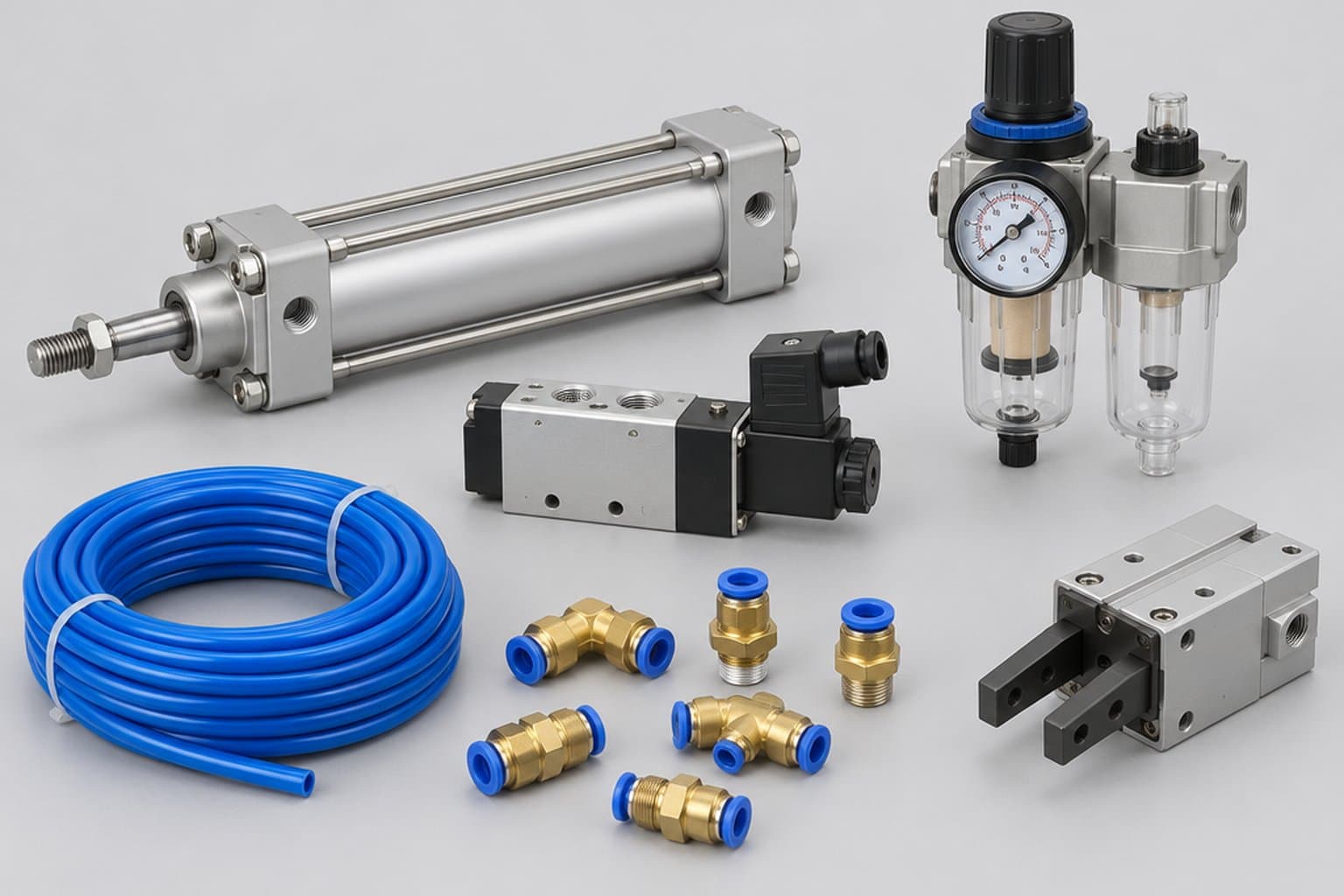
- Most vane air motors do: the vanes slide in the rotor slots and need an oil mist in the air. Fit a filter, regulator and lubricator ahead of the motor, as Gast recommends for its motors, and use the oil the maker specifies. Some motors are built to run without lubrication; follow the maker's instruction for the model you have.
- 05Why is my air motor losing power?
- Most often the air: pressure at the motor inlet is low because the hose, fittings or valve are too small, or the filter is blocked. Other causes are worn or stuck vanes, wet or dirty air, a lubricator that has run dry, or a clogged exhaust silencer that raises back pressure. Measure the pressure at the motor inlet while it runs before taking the motor apart.
- 06What is the difference between a planetary gear and a spur gear air motor?
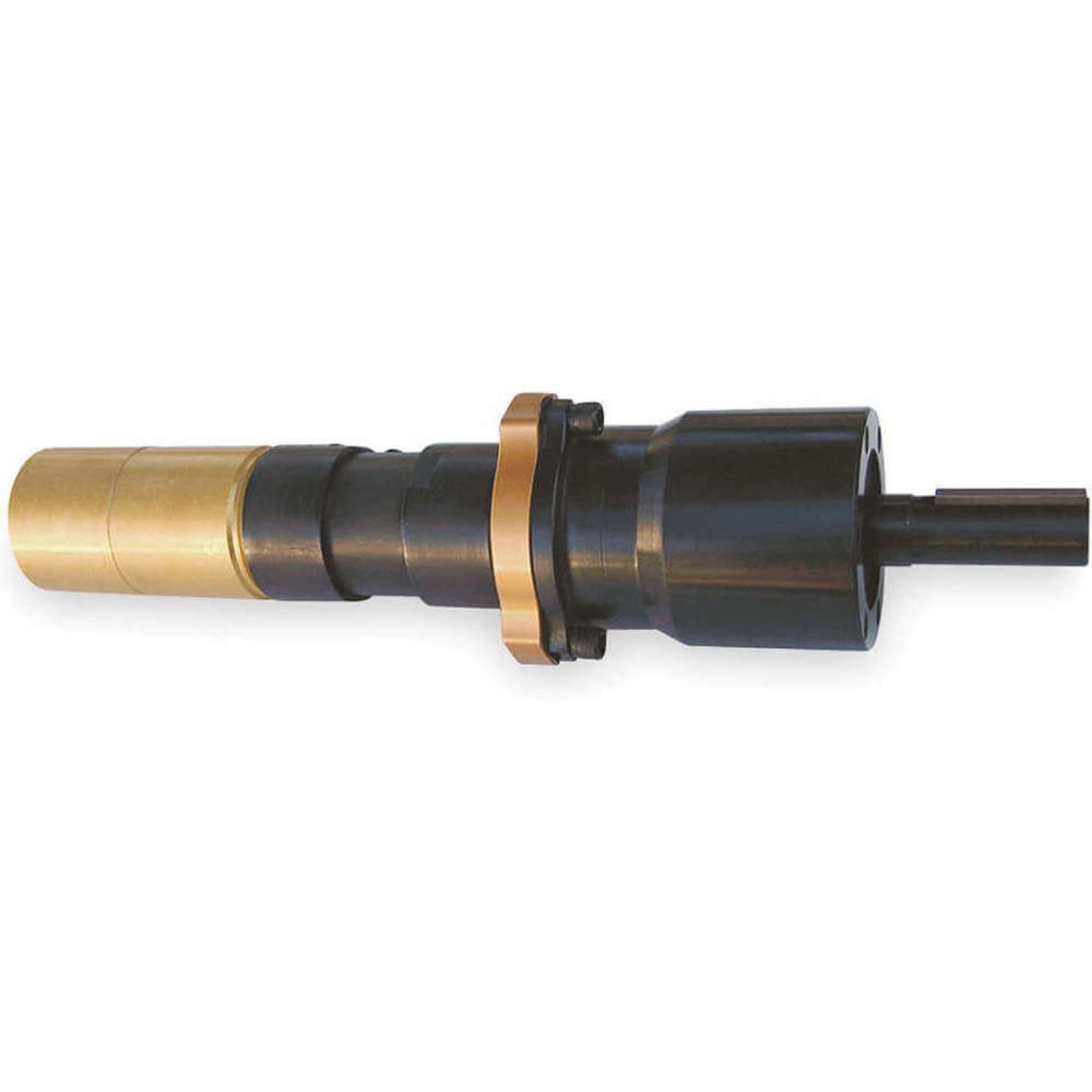
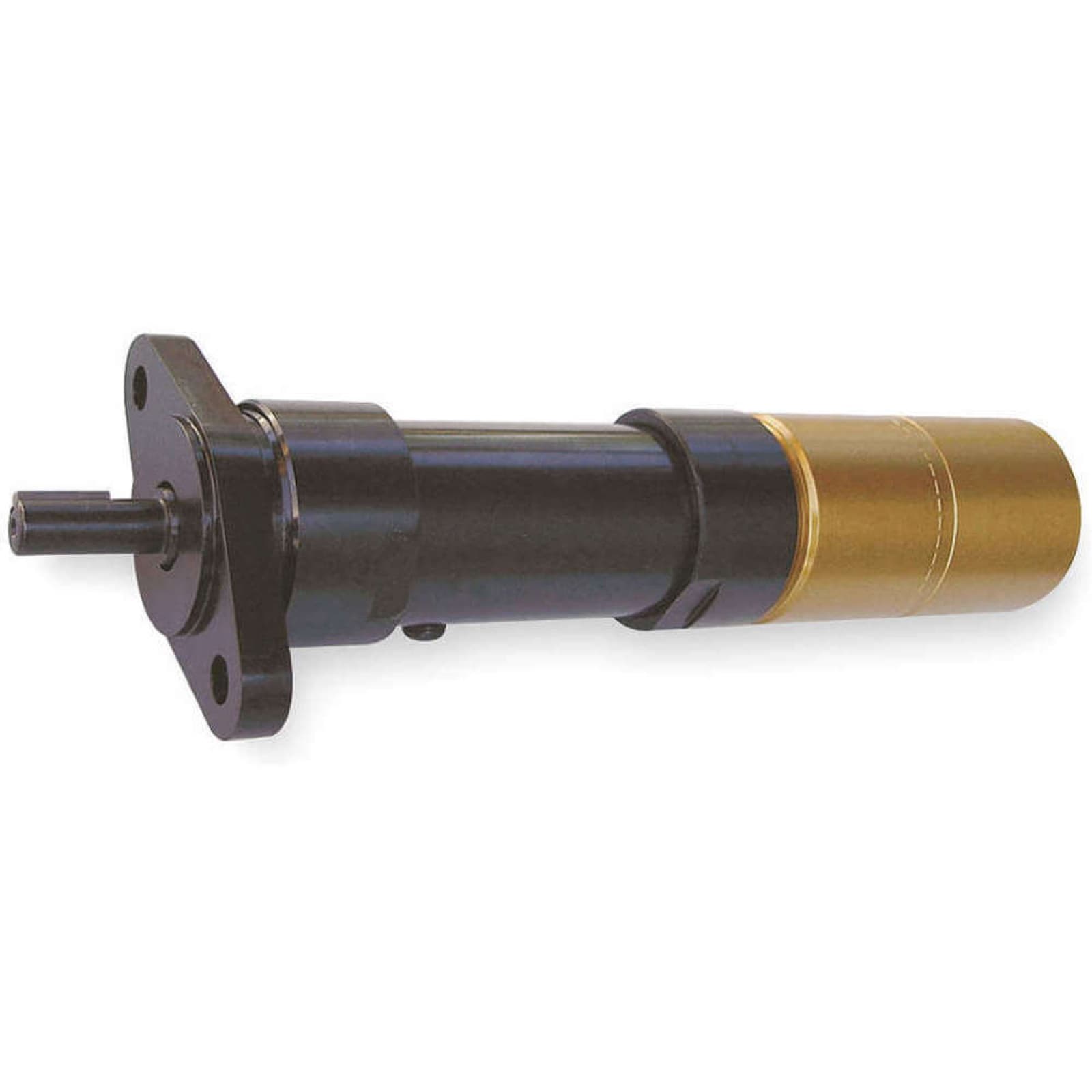
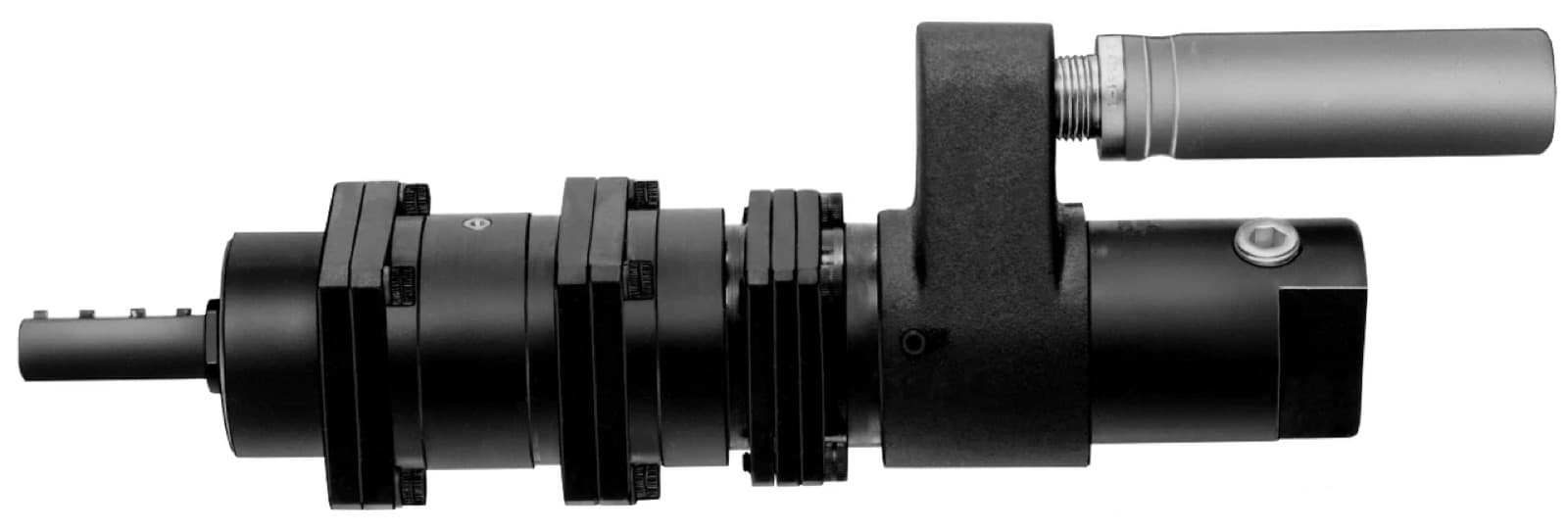
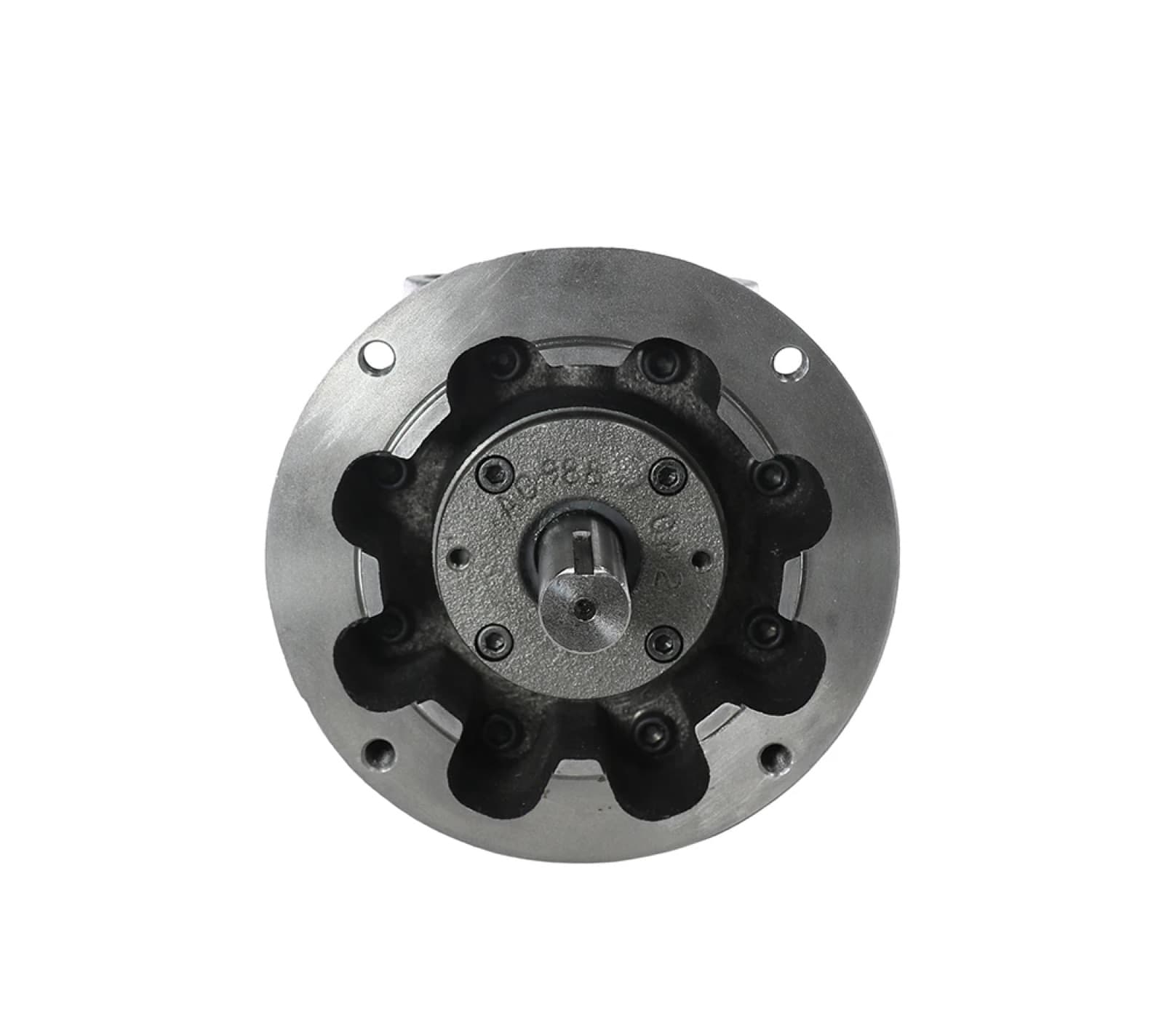
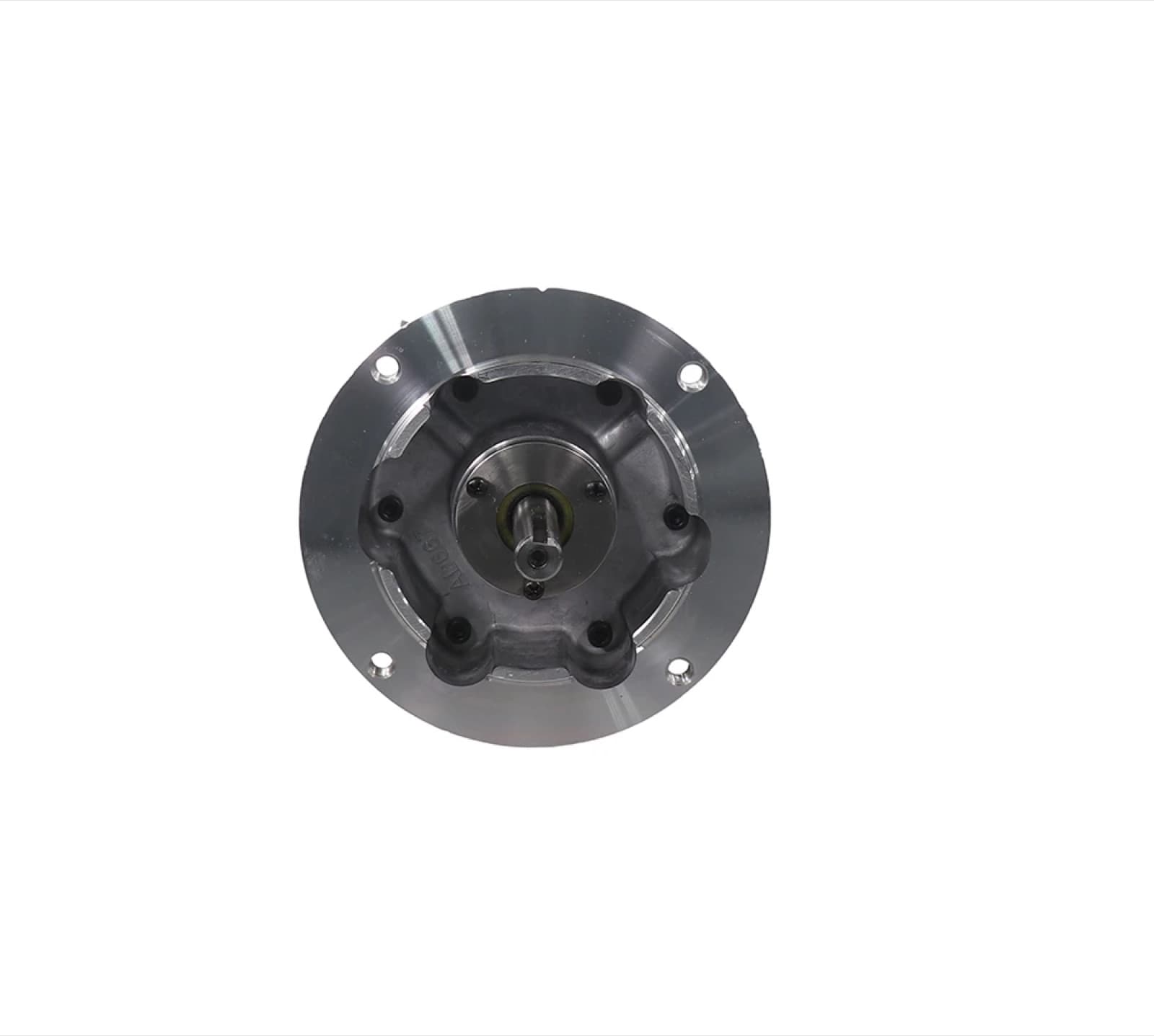
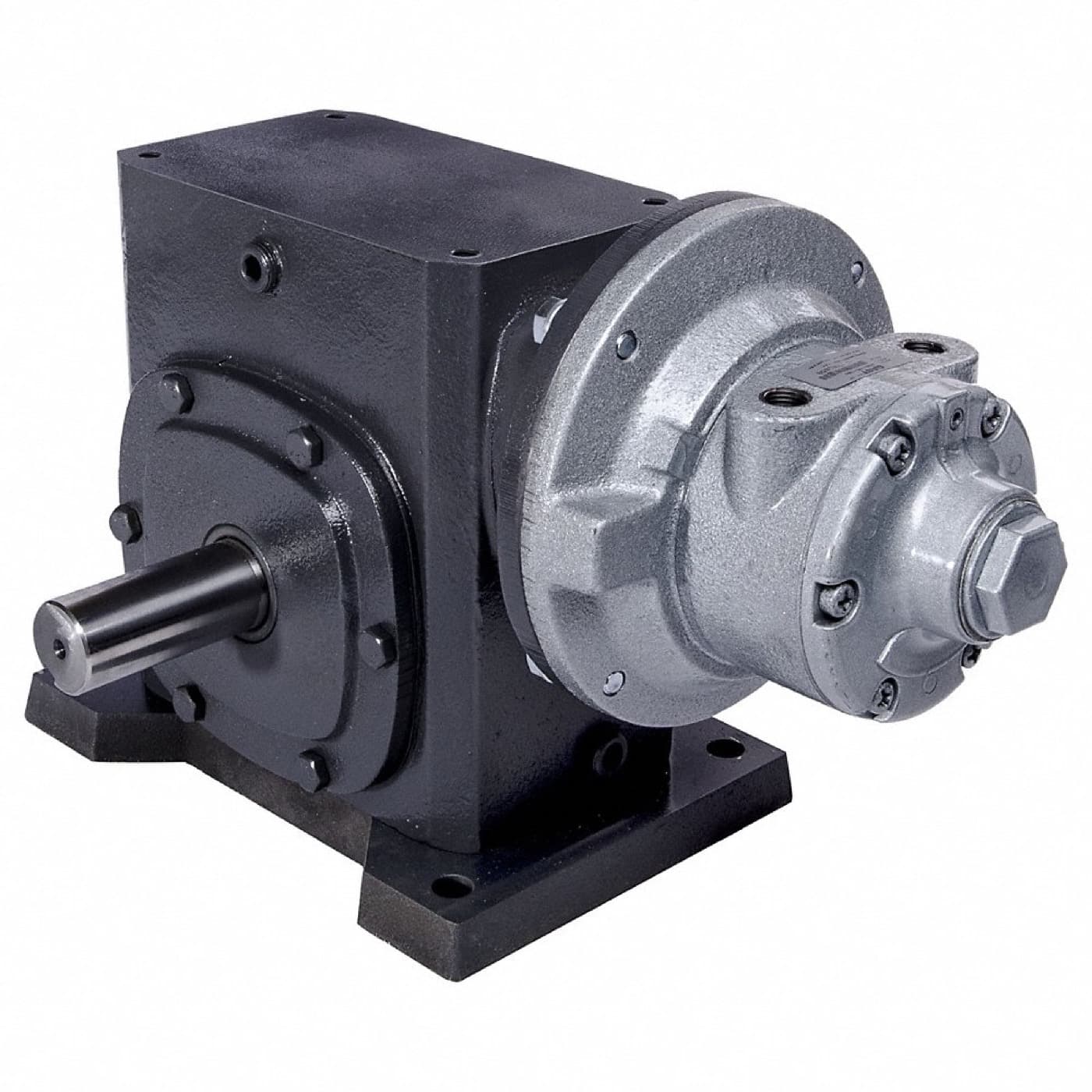
- Both reduce speed and raise torque at the output. A planetary gear motor has its output shaft in line with the motor, which keeps it compact and suits high reductions; Ingersoll Rand's M002, M004, M007, 0, 2200 and 3800 Series here are in-line planetary motors. A spur gear motor has an offset output shaft; Ingersoll Rand's 92 Series is one.