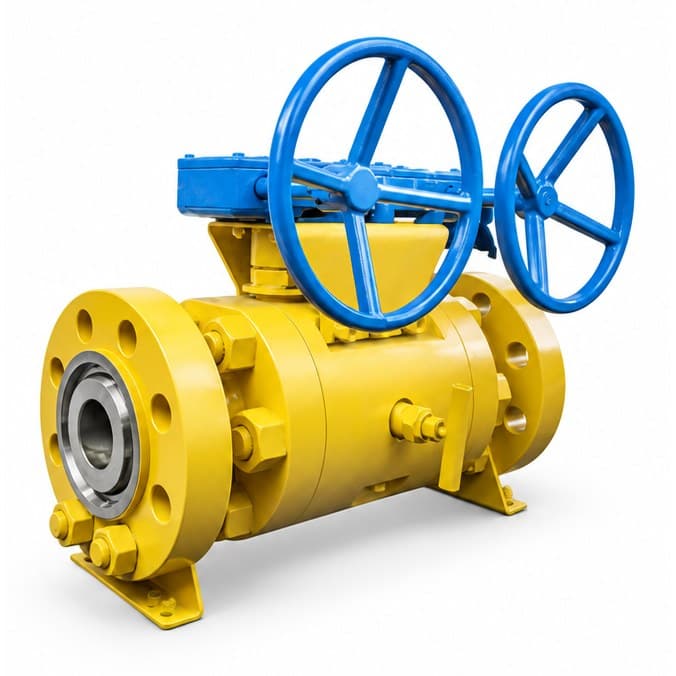
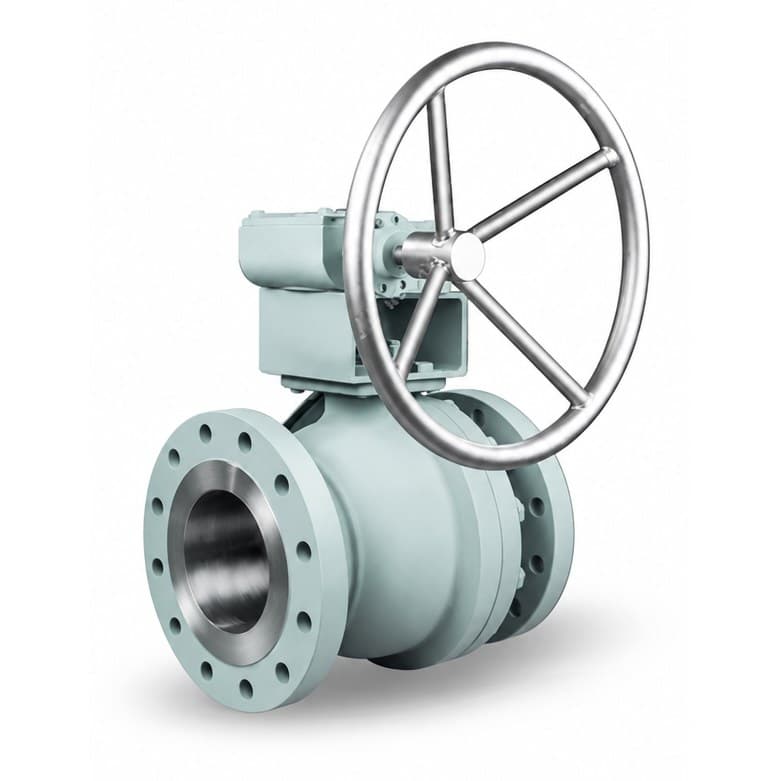
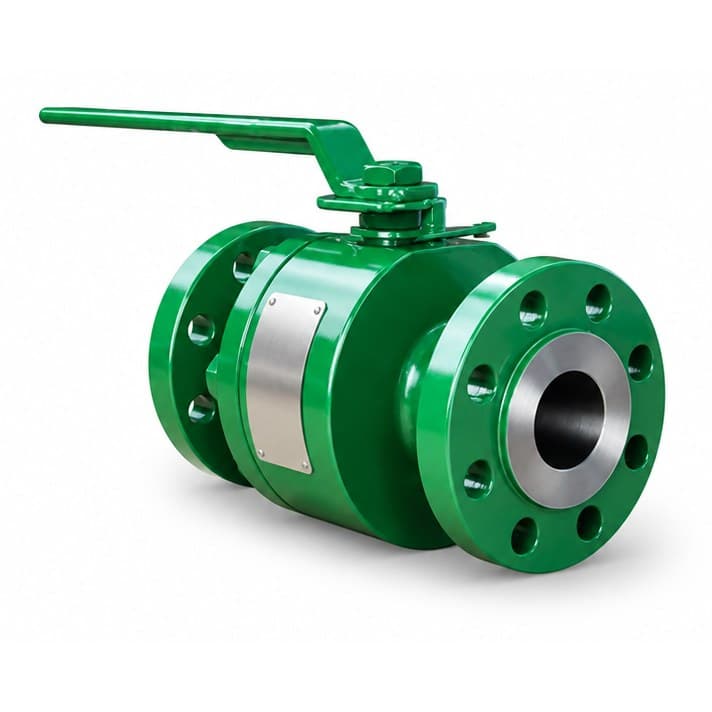
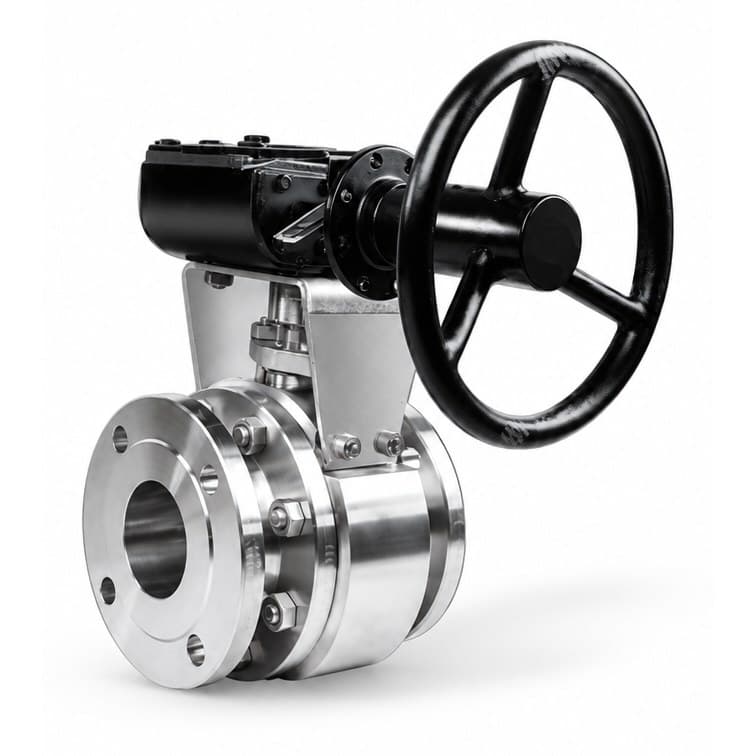
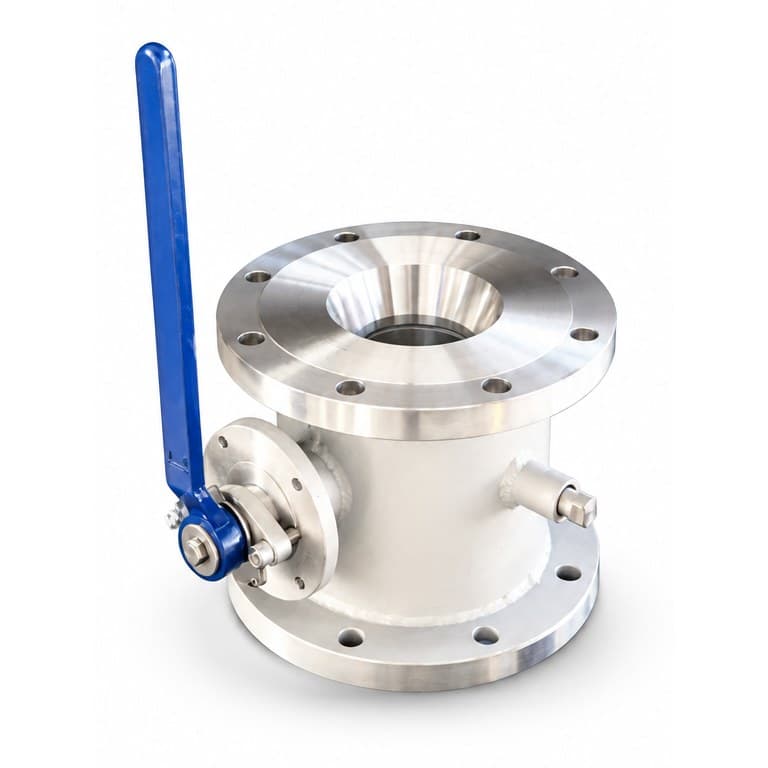
Three-Way Ball Valve, L and T Port
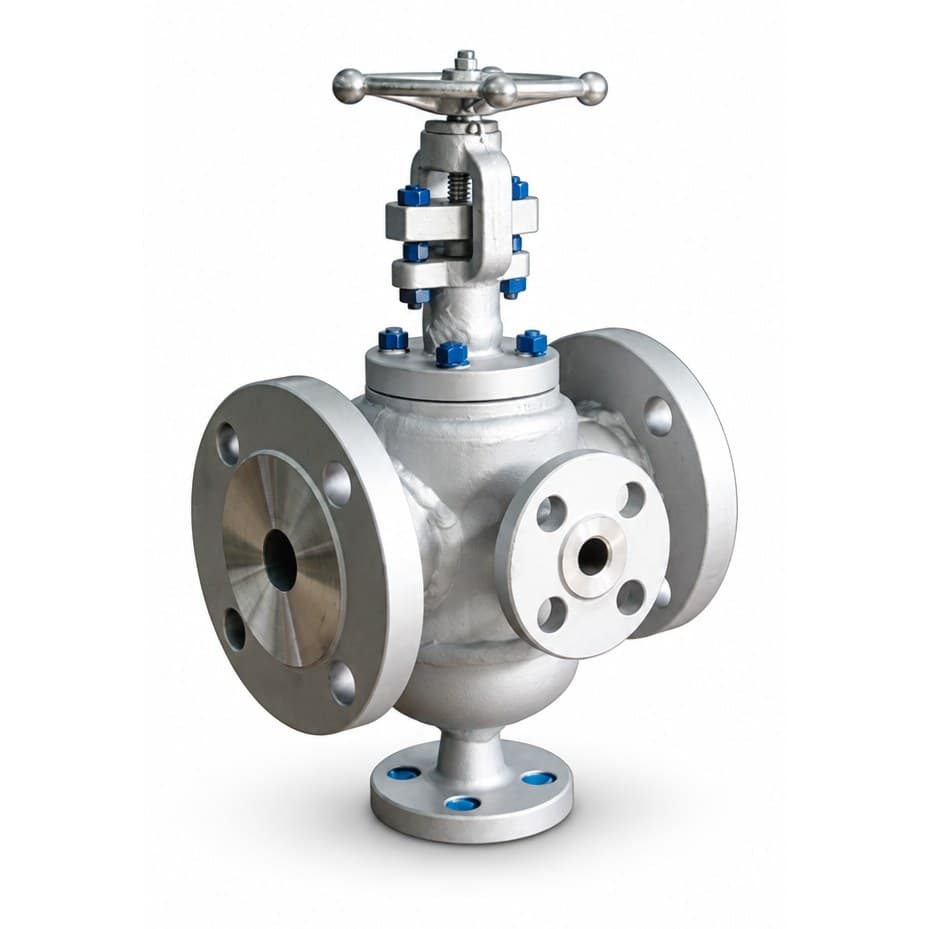
Three-way ball valves with L-port or T-port balls for diverting and mixing: NPS 1/2" to 4", Class 150 and 300, -46 °C to 200 °C, flanged ends.
Key features
- Valve type: Three-way ball valve, L or T port
- Construction: Three flanged ports, floating ball
- Design standard: ASME B16.34
- Size range: NPS 1/2" to 4" (DN15 to DN100)
- Pressure class: ASME Class 150 and 300
- Body material: Carbon steel, stainless steel, alloy steel, duplex
- End connections: Flanged
- Operation: Lever, gear operator, pneumatic, electric or hydraulic actuator
- Valve type
- Three-way ball valve, L or T port
- Design standard
- ASME B16.34
- Pressure class
- ASME Class 150 and 300
- End connections
- Flanged
- Operation
- Lever, gear operator, pneumatic, electric or hydraulic actuator
Product description
One valve that diverts flow between two outlets or brings two inlets together. An L-port ball connects the bottom port to either side; a T-port ball can connect all three ports or any two. It replaces two valves and a tee.
In a floating ball valve the ball is held between two seats and line pressure pushes it onto the downstream seat to seal. A quarter turn opens or closes it, and the straight bore gives a low pressure drop when open.
Construction
- L-port (diverting) or T-port (diverting and mixing) ball
- Flanged ends on all three ports
- Soft seats
- Lever, gear operator or actuator
Sizes and ratings
Published range: NPS 1/2" to 4" (DN15 to DN100), ASME Class 150 and 300, in carbon steel, stainless steel, alloy steel, duplex. End connections: Flanged. Operation: lever, gear operator, pneumatic, electric or hydraulic actuator.
The full dimension and weight table for each class is issued with the quotation, together with the general arrangement drawing for the end connection and operator you choose.
Testing and documents
Hydrostatic shell and seat tests to API 6D, with the material certificates and the pressure-test record supplied with the valve. Third-party inspection and extra tests are added when the order specifies them.
Supply
Three-way ball valves are supplied from Dubai to projects, plants and maintenance teams across the GCC, the wider Middle East and Africa. Most are built to the order specification, so delivery depends on size, class, material and operator; standard carbon-steel sizes move fastest. We review the data sheet before quoting and flag anything that needs clarifying, such as a missing pipe schedule or an operator torque that has not been sized.
Related valves
Other floating ball valves in the range, for comparison when the duty is not settled yet: Cast Floating Ball Valve, Soft Seated, ISO 17292, Metal Seated Floating Ball Valve, Forged Side Entry Floating Ball Valve, Soft Seated, Floating Double Block and Bleed Compact Ball Valve.
Identification
| Parameter | Value |
|---|---|
| Valve type | Three-way ball valve, L or T port |
| Construction | Three flanged ports, floating ball |
Standards
| Parameter | Value |
|---|---|
| Design standard | ASME B16.34 |
| Pressure testing | Hydrostatic shell and seat tests to API 6D |
Range
| Parameter | Value |
|---|---|
| Size range | NPS 1/2" to 4" (DN15 to DN100) |
| Pressure class | ASME Class 150 and 300 |
| Temperature range | -46 °C to 200 °C |
Materials
| Parameter | Value |
|---|---|
| Body material | Carbon steel, stainless steel, alloy steel, duplex |
Construction
| Parameter | Value |
|---|---|
| End connections | Flanged |
| Operation | Lever, gear operator, pneumatic, electric or hydraulic actuator |
Application
| Parameter | Value |
|---|---|
| Typical service | Diverting, mixing and bypass duty |
Supply
| Parameter | Value |
|---|---|
| Supply | Built to order and supplied from Dubai with material certificates and the pressure-test record |
Shipping & lead time
What is the three-way ball valve with L and T port used for?▾
What sizes and classes does the three-way L and T port ball valve come in?▾
L port or T port: which three-way ball valve do I need?▾
What pressure and temperature range does the three-way ball valve cover?▾
What materials is the three-way ball valve made from?▾
Which standards and tests apply to the three-way L and T port ball valve?▾
What operators and connections does the three-way ball valve take?▾
How should the three-way ball valve be installed and operated?▾
Where is the three-way ball valve with L or T port used?▾
How does the three-way ball valve differ from the cast floating ball valve?▾
Where are Three-Way Ball Valve, L and T Port shipped from, and which documents come with the order?▾
Can I get Three-Way Ball Valve, L and T Port supplied from Dubai, and how fast?▾
Shipped worldwide from our Dubai warehouse. Transit, routes and documentation for 136 destinations
From the blog