
Hay Fork Pulley — 1–2 t WLL
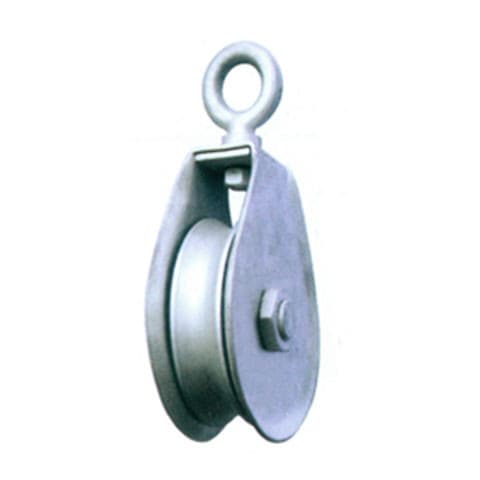
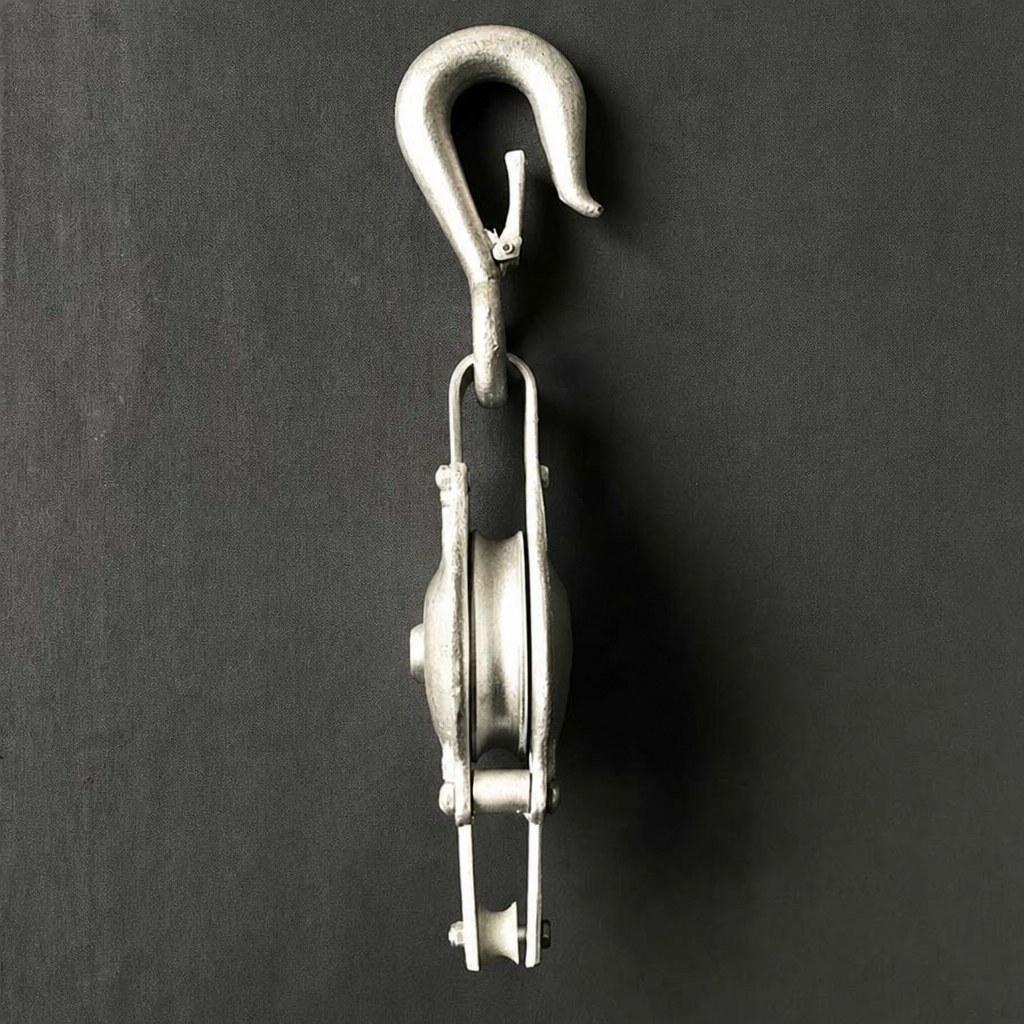
Hay Fork Pulley, in 4 sizes, 4″ to 6″, WLL 1 to 2 t. Indus part numbers, manufacturer's test certificate.
Key features
- Product type: Hay Fork Pulley
- Size range: 4″ to 6″
- Working load limit: 1 to 2 t
- Size range
- 4″ to 6″
- Working load limit
- 1 to 2 t
Product description
Snatch blocks and pulley blocks change the direction of a rope or multiply a line pull.
Sizes and ratings
4 sizes, 4″ to 6″. Working load limit 1 to 2 t. Every size has its own Indus part number in the table below, with the loads in the unit the manufacturer rates them in.
Choosing a size
Rate the block for the load it actually sees: with the rope turned through 180° it carries about twice the line pull. Match the sheave to the rope diameter.
Ordering
Quote the Indus part number from the size table, or send the size and working load you need. Each consignment ships with the manufacturer's test certificate; say on the RFQ if your site needs anything more.
Identification
| Parameter | Value |
|---|---|
| Product type | Hay Fork Pulley |
| Sizes | 4 |
Dimensions
| Parameter | Value |
|---|---|
| Size range | 4″ to 6″ |
Performance
| Parameter | Value |
|---|---|
| Working load limit | 1 to 2 t |
Compliance
| Parameter | Value |
|---|---|
| Certification | Manufacturer's test certificate |
Shipping & lead time
Sizes & part numbers
4 sizes- Indus part no.IH-LR-BP-HAY-400-R125
- Size
- 4″
- Rope size
- 1-1/4″
- WLL (t)
- 1
- Weight (kg)
- 2.46
- Indus part no.IH-LR-BP-HAY-400-R050
- Size
- 4″
- Rope size
- 1/2″
- WLL (t)
- 1
- Weight (kg)
- 2.36
- Indus part no.IH-LR-BP-HAY-600-R150
- Size
- 6″
- Rope size
- 1-1/2″
- WLL (t)
- 2
- Weight (kg)
- 5.95
- Indus part no.IH-LR-BP-HAY-600-R062
- Size
- 6″
- Rope size
- 5/8″
- WLL (t)
- 2
- Weight (kg)
- 6.25
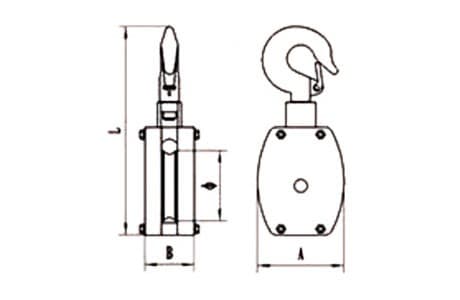
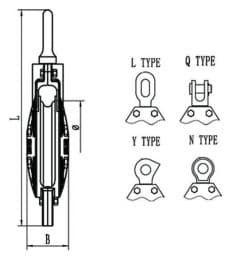
Size — Nominal size as the manufacturer states it. Rope size — Rope diameter the sheave is made for. WLL — Working load limit — the most the part may carry in service, as the manufacturer rates it. Weight — Weight as the manufacturer publishes it. Ask us for the dimension drawing if you need it stamped.
WLL is the most the part may carry in service. Proof and breaking loads are test figures — never lift to them. Each load is shown in the unit the manufacturer rates the part in, and a size ships with the manufacturer’s test certificate.
What is the Hay Fork Pulley used for?▾
What sizes does the Hay Fork Pulley come in?▾
How do I size the Hay Fork Pulley for a job?▾
What is the working load limit of the Hay Fork Pulley?▾
What part number do I quote for the Hay Fork Pulley?▾
When should I choose the Hay Fork Pulley instead of the Black Pulley Block?▾
What is the Hay Fork Pulley made of?▾
What standard and certificate come with the Hay Fork Pulley?▾
What can the Hay Fork Pulley be connected to?▾
How should the Hay Fork Pulley be inspected and used?▾
Where is the Hay Fork Pulley typically used?▾
Can I buy the Hay Fork Pulley from Indus ex-stock?▾
Shipped worldwide from our Dubai warehouse. Transit, routes and documentation for 136 destinations
From the blog
Written about this range
Lifting & rigging
Snatch block vs pulley block: what the block really carries, and how to size the sheave
A snatch block opens at the side so a rope can be dropped in without threading the end through. That is its whole difference from a pulley block — but either one can carry nearly twice the line pull, depending on the angle. Here is how to work out the block load, size the sheave and count the parts of line.
8 min read
Lifting & rigging
Crosby pattern numbers decoded: G-209, G-2130, S-320 and what the letters mean
G-209, S-209, G-2130, A-342 — Crosby’s catalogue numbers have become the trade’s shorthand for rigging shapes. The letter tells you the finish or material; the number tells you the shape. Here is the key, a table of the common numbers, and why a part made to a Crosby pattern is not a Crosby part.
4 min read
Engineers viewing this also looked at
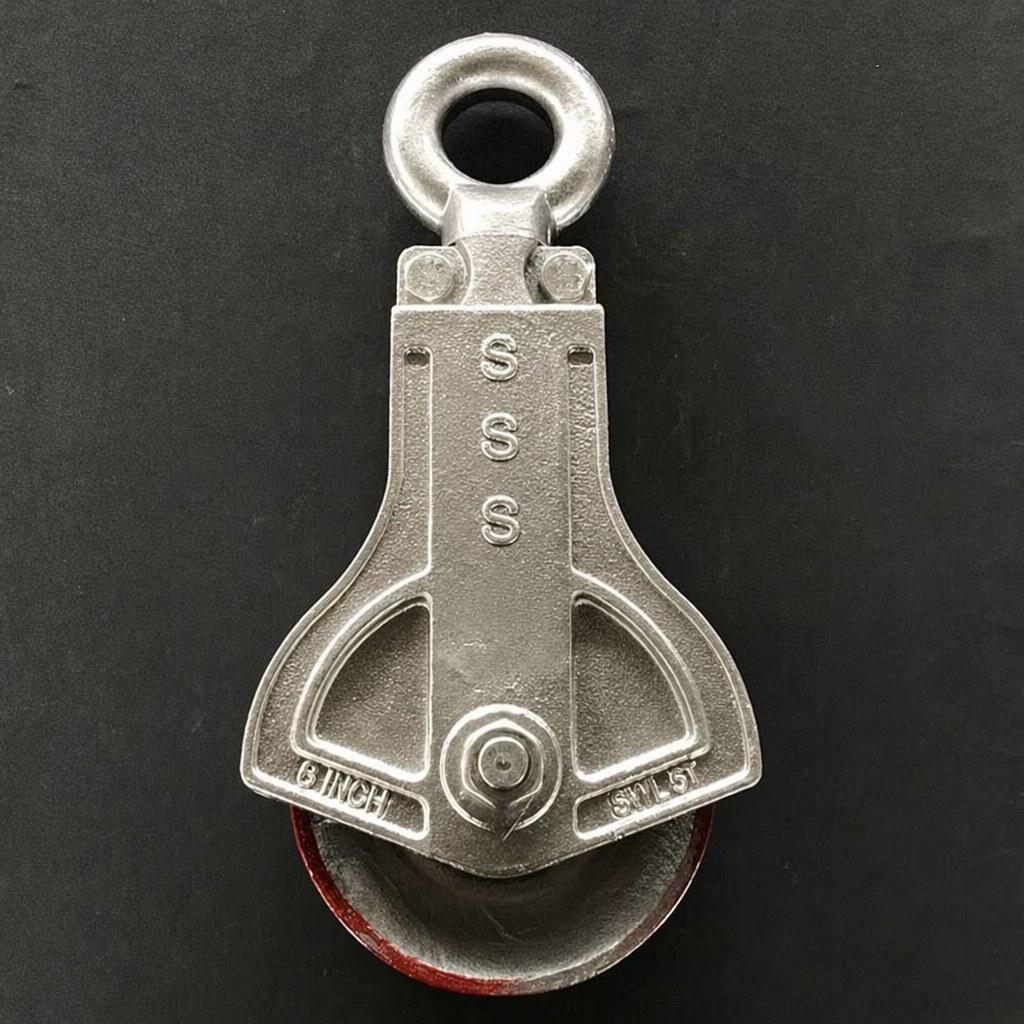
Hot Dipped Galvanized Try Net Block — 5–10 t WLL
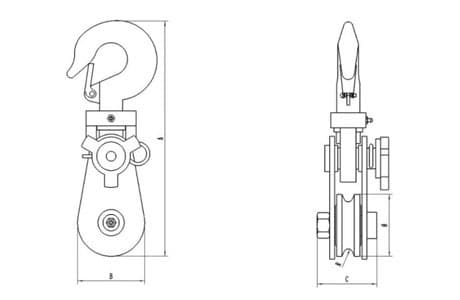
Heavy Duty Snatch Block — European Type, 2–15 t WLL
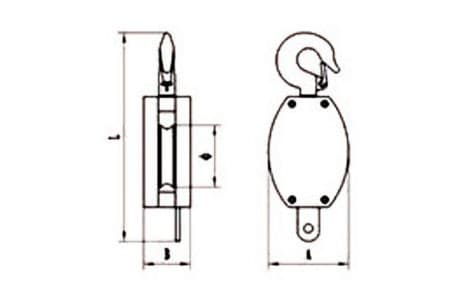
JIS Wooden Pulley — 500–8,000 lbs WLL
JIS Wooden Ship Block — 0.18–2.5 t WLL
Korean Type Pulley Block — 1–15 t WLL
Malleable Iron Shell Block — 1,100–16,000 lbs WLL
Marine Snatch Block — 2–32 t WLL
Marine Snatch Block Single Sheave — 2–20 t WLL