
8-Strand Braided Rope
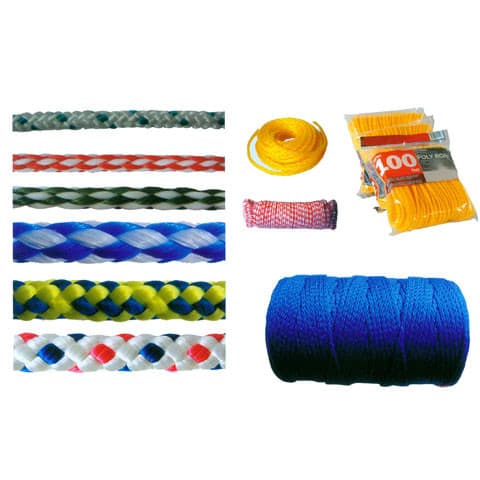
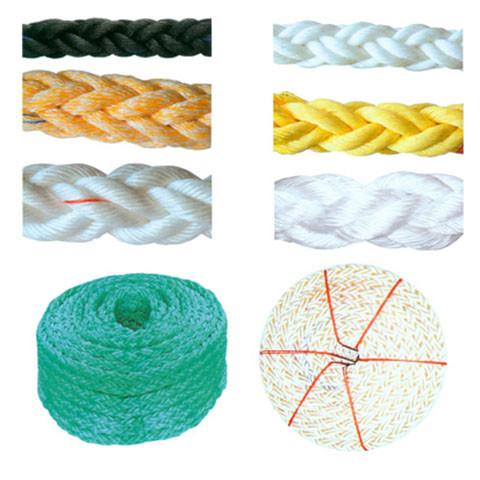
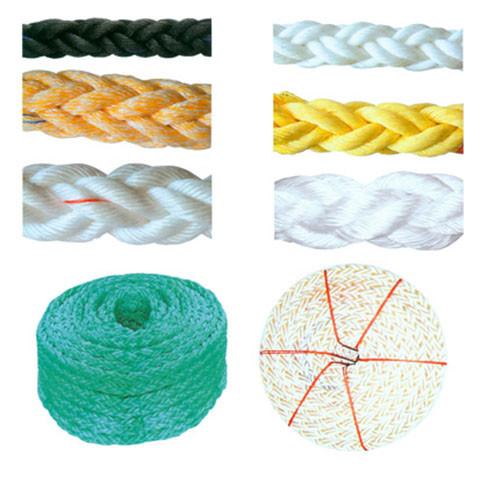
8-strand braided rope from 3 to 20 mm, in polyethylene, polypropylene, polyester, nylon or cotton: a flexible braid that does not unlay under load and resists kinking. Colour and packing to order.
Key features
- Product type: 8-strand braided rope
- Size range: 3–20 mm
- Working load limit: Load rating on request
- Size range
- 3–20 mm
- Material
- Polyethylene, polypropylene, polyester, nylon or cotton
Product description
An 8-strand braided rope in diameters from 3 to 20 mm, braided from polyethylene, polypropylene, polyester, nylon or cotton. Eight strands plaited together give a flexible rope that keeps its shape and does not unlay under load.
At these diameters it is a general-purpose cord and light line for lashing and tying, and for handling work where a twisted rope would kink. Choose the fibre for the job.
Specification
- Material: Polyethylene, polypropylene, polyester, nylon or cotton
- Size: 3–20 mm
- Construction: 8-strand braid
- Packing: coil, hank, bundle, reel
- Colour: to order
Construction
A braided rope resists kinking because it does not unlay under load the way a laid rope does. Eight strands make a coarser braid than sixteen, with fewer, thicker strands on the surface.
The fibre
- Polypropylene: specific gravity about 0.91 (floats), melts at about 165 °C.
- Polyethylene: specific gravity about 0.95 (floats), melts at about 135 °C.
- Polyester: specific gravity about 1.38 (sinks), melts at about 260 °C.
- Nylon (polyamide): specific gravity about 1.14 (sinks), melts at about 250 °C.
Polypropylene floats and is economical; polyethylene is similar and resists abrasion; nylon stretches and absorbs shock; polyester stretches least and holds up best in sunlight.
Load rating
No load rating is published for this range. The maker gives a size range but no breaking loads. Tell us the diameter and the duty and we will confirm the breaking load with the quotation, with a test certificate if you need one. Do not use it to lift until you have that rating in writing.
Ordering
Send the fibre, diameter, construction, colour and length you need, with any standard the rope must meet, and we will confirm the specification and lead time on the quotation.
See the fibre rope and twine range for ropes with published breaking loads.
Identification
| Parameter | Value |
|---|---|
| Product type | 8-strand braided rope |
Dimensions
| Parameter | Value |
|---|---|
| Size range | 3–20 mm |
Construction
| Parameter | Value |
|---|---|
| Material | Polyethylene, polypropylene, polyester, nylon or cotton |
| Construction | 8-strand braid |
| Buoyancy | Polypropylene and polyethylene float; nylon and polyester sink |
Performance
| Parameter | Value |
|---|---|
| Working load limit | Load rating on request |
| Minimum breaking load | Not published — confirmed on quotation |
Commercial
| Parameter | Value |
|---|---|
| Packing | Coil, hank, bundle, reel |
| Colour | To order |
Shipping & lead time
What is the 8-Strand Braided Rope and what is it used for?▾
What is the Indus part number for the 8-Strand Braided Rope?▾
What sizes does the 8-Strand Braided Rope come in?▾
How is the 8-Strand Braided Rope constructed?▾
What load rating does the 8-Strand Braided Rope have?▾
What is the 8-Strand Braided Rope made from and does it float?▾
Does the 8-Strand Braided Rope come with a certificate or standard?▾
How should the 8-Strand Braided Rope be used safely?▾
Where is the 8-Strand Braided Rope used?▾
How does the 8-Strand Braided Rope differ from the 16-Strand Braided Rope?▾
Do you stock the 8-Strand Braided Rope in Dubai?▾
What do I send to order the 8-Strand Braided Rope?▾
Shipped worldwide from our Dubai warehouse. Transit, routes and documentation for 136 destinations
From the blog
Written about this range
Lifting & rigging
Fibre rope materials compared: polypropylene, polyethylene, polyester, nylon and HMPE
At the same diameter, an HMPE rope on our listings breaks at about four times the load of a polyolefin or nylon rope. How the five fibre rope materials differ in strength, stretch, buoyancy and weathering, and how to read an ISO or MEG4 breaking load.
5 min read
Lifting & rigging
Types of mooring bollards: ship double bollards, cross bollards, dock bollards and cleats
A bollard on a ship's deck and a bollard on a quay do the same job under different rules. The bollard types we list — double, cross, T-head, stag horn, bitts and cleats — how they are rated, and what to check before fitting one.
6 min read
Lifting & rigging
Steel erection rigging equipment: slings, shackles, clamps and tag lines for steelwork
Erecting structural steel means hundreds of lifts of awkward, heavy, edge-sharp members, often at height and in wind. The rigging kit a steel erection crew needs — chain slings, shackles, beam and plate clamps, lifting points, tag lines — how to choose each, and the rules that apply to multiple lifts, clamps and tag lines.
4 min read
Engineers viewing this also looked at
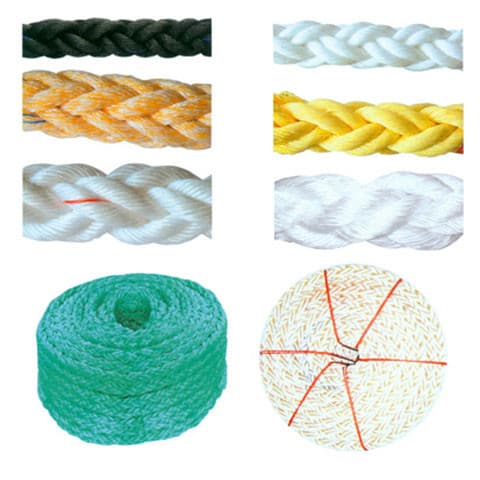
8-Strand Mooring Hawser
- Combination Rope with Steel Core — 36–54 mm
Combination Rope with Steel Core — 36–54 mm
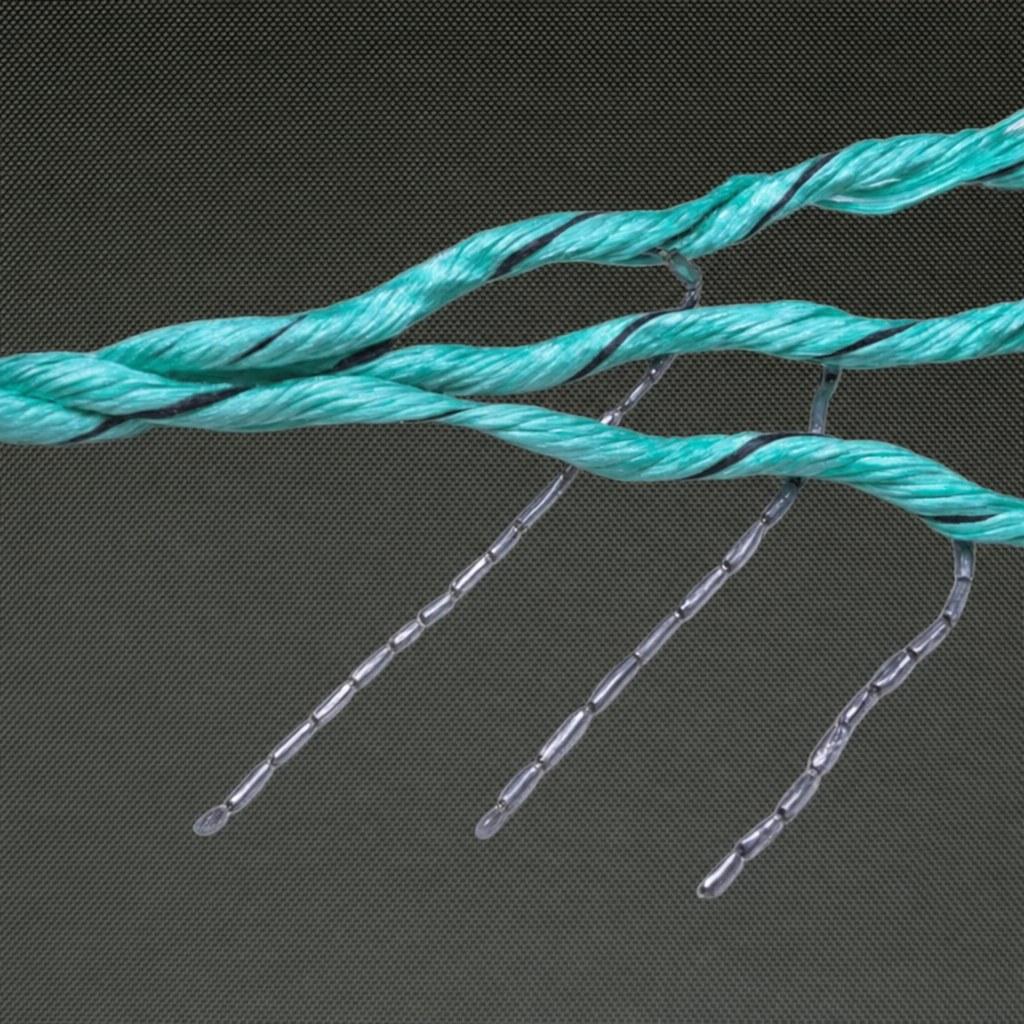
Combination Rope with Lead or Chain Core
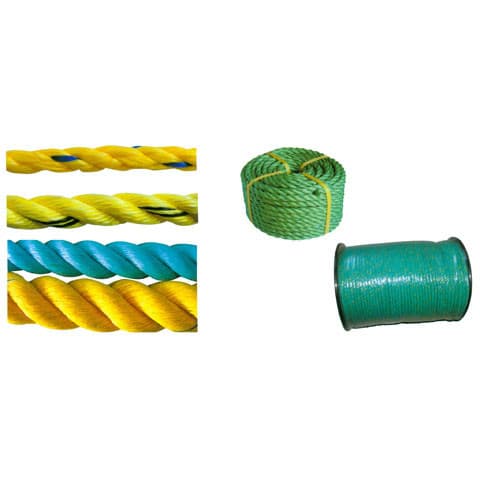
Polypropylene Danline Rope
- Double Braided Rope — PP, Nylon, PE, UHMWPE
Double Braided Rope — PP, Nylon, PE, UHMWPE
HMPE (UHMWPE) Rope
Nylon (Polyamide) Rope, High Tenacity
Nylon Twine