
Parker PTC Metal 66PTC Female Connectors
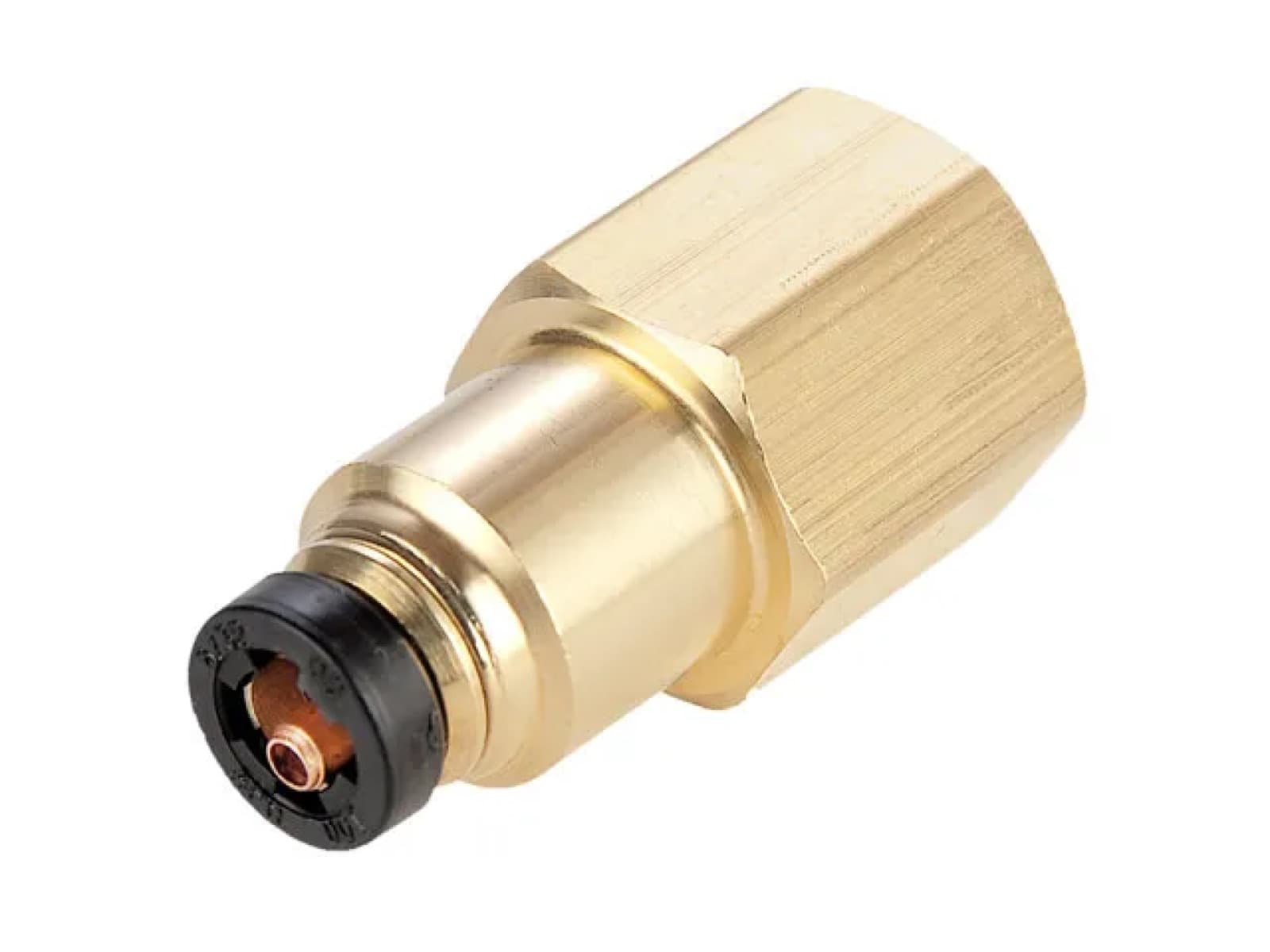
Parker PTC Metal 66PTC Female Connectors in brass: 3 part numbers.
Product description
Parker PTC Metal 66PTC Female Connectors in brass: 3 part numbers.
Specification
- Material: Brass
- Part numbers: 3
Sizes and part numbers
The Sizes & Part Numbers tab lists every Parker part number in this range with its connections. Ratings vary by size — check the row for the part you order.
Hose and fitting match
A crimp fitting is rated only on the hose series it is designed for. Quote the hose type and size with the fitting part number so the fitting, ferrule and crimp specification can be checked against the hose before supply.
How to order
Quote the Parker part number. Price and lead time are confirmed with the quotation.
Specifications
| Parameter | Value |
|---|---|
| Application | Heavy Duty Truck, Trailer, Mobile |
| Configuration Sub Type | Female Connector |
| Configuration Type | Tube To Female |
| Series | PTC METAL Series |
| Specific Application | Air Brakes, Air Tanks, Air Ride, Sliders, Tire Inflation, Primary And Secondary, Air Lines, Cab Controls |
| System Of Measurement | Imperial |
| Thread 1 Type | NPT |
Shipping & lead time
Sizes & part numbers
3 sizes- Parker Hannifin part no.66ptc-5/32-2
- Description
- FEMALE CONNECTOR
- Parker Hannifin part no.66PTC-5/32-4
- Description
- Pneumatic Fitting
- Parker Hannifin part no.66PTC-3-2
- Description
- Pneumatic Fitting
Description — What this part number is, as the manufacturer lists it. Ask us for the dimension drawing if you need it stamped.
What are the Parker PTC Metal 66PTC Female Connectors used for?▾
How do I read part numbers such as 66PTC-5/32-4 on the Parker PTC Metal 66PTC Female Connectors?▾
What sizes do the Parker PTC Metal 66PTC Female Connectors come in?▾
What pressure are the Parker PTC Metal 66PTC Female Connectors rated for?▾
What are the Parker PTC Metal 66PTC Female Connectors made of?▾
Which standards apply to the Parker PTC Metal 66PTC Female Connectors?▾
What tube and thread do the Parker PTC Metal 66PTC Female Connectors connect to?▾
How do I install the Parker PTC Metal 66PTC Female Connectors?▾
Where are the Parker PTC Metal 66PTC Female Connectors used?▾
How do the Parker PTC Metal 66PTC Female Connectors differ from the Parker Prestomatic 172PMTNS Male Branch Tees?▾
Where are the Parker PTC Metal 66PTC Female Connectors made and how do they ship from Dubai?▾
Do you stock the Parker PTC Metal 66PTC Female Connectors in Dubai?▾
Shipped worldwide from our Dubai warehouse. Transit, routes and documentation for 136 destinations
From the blog
Written about this range
Pneumatics & compressed air
Push-to-connect fittings and exhaust silencers: how they grip, seal, release and slow a cylinder
A push-in fitting grips the tube with a toothed collet and seals on its outside diameter with an O-ring — so the tube cut, the tube size and the thread end decide whether it holds. How push-in fittings work, fitting and releasing tube, pressure and temperature limits by maker, NPT vs BSPT vs BSPP, and how sintered bronze, plastic and speed-control mufflers affect exhaust back-pressure and cylinder speed.
12 min read
Buying fittings & adapters
Push-to-connect air fittings: how they grip and seal, ratings, tube, and the mistakes that make them leak
A push-to-connect fitting does two jobs with two parts: stainless teeth grip the tube, an O-ring seals it. Push the tube only past the teeth and it holds — and leaks. Straight, elbow, tee, Y, bulkhead and banjo fittings for plastic air tube: how they work, ratings (ours 0–150 psi, vacuum to −29.5 inHg, 32–140 °F), the tube they need, ISO 14743, and why they never belong on hydraulic or air-brake lines.
4 min read
Pneumatics & compressed air
Pneumatic tubing materials: nylon, polyurethane, polyolefin and fluoropolymer compared
Nylon holds pressure, polyurethane bends, polyolefin stays clean and fluoropolymer takes heat and chemicals — and every one of them loses pressure rating as it warms. How the four families compare on SMC’s own data, how far ratings fall with temperature, minimum bend radius, why inch and metric tube are not interchangeable, and when to specify flame-resistant, antistatic or clean-room tubing.
12 min read
Engineers viewing this also looked at
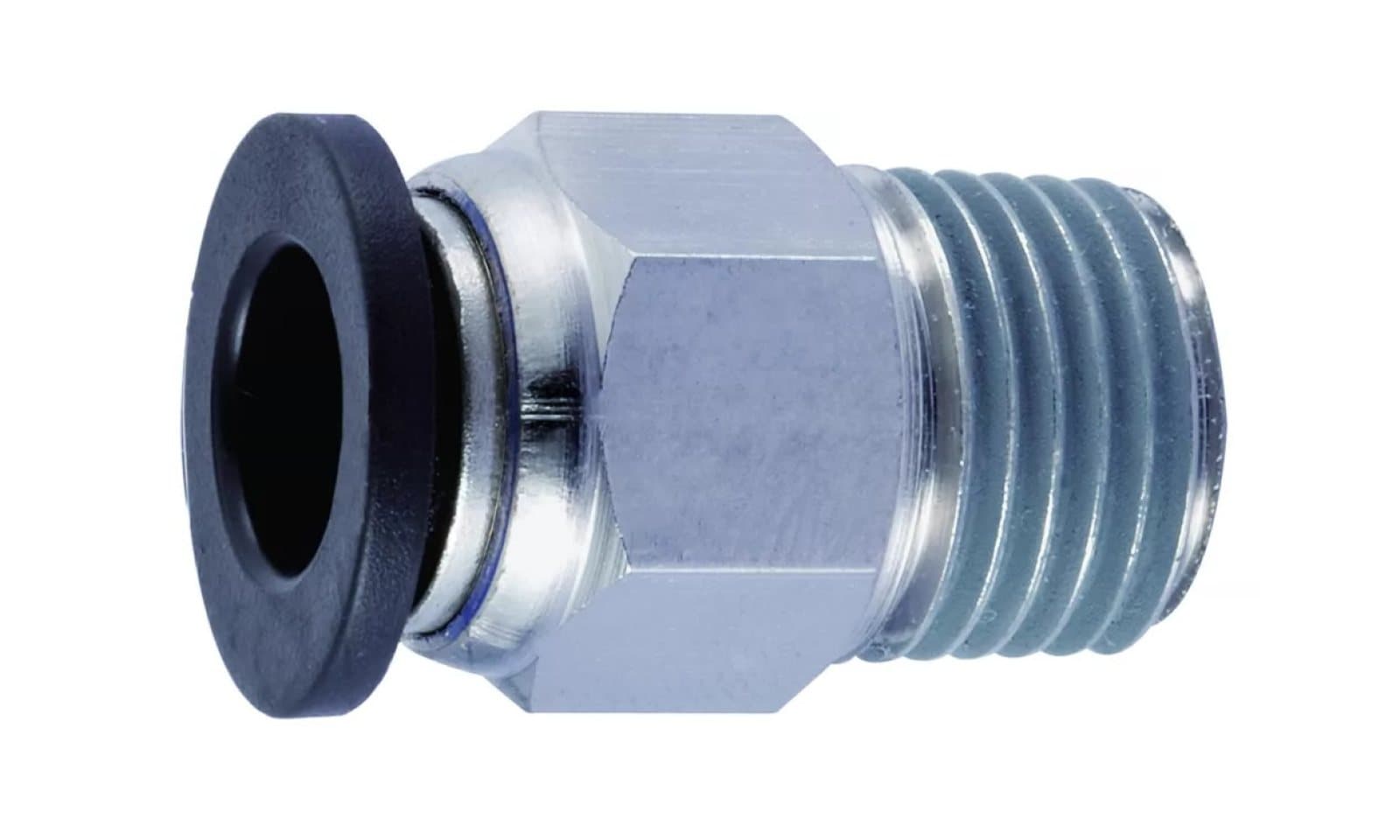
Push-to-Connect Male Connector, Tube × NPT
Indus Hydraulics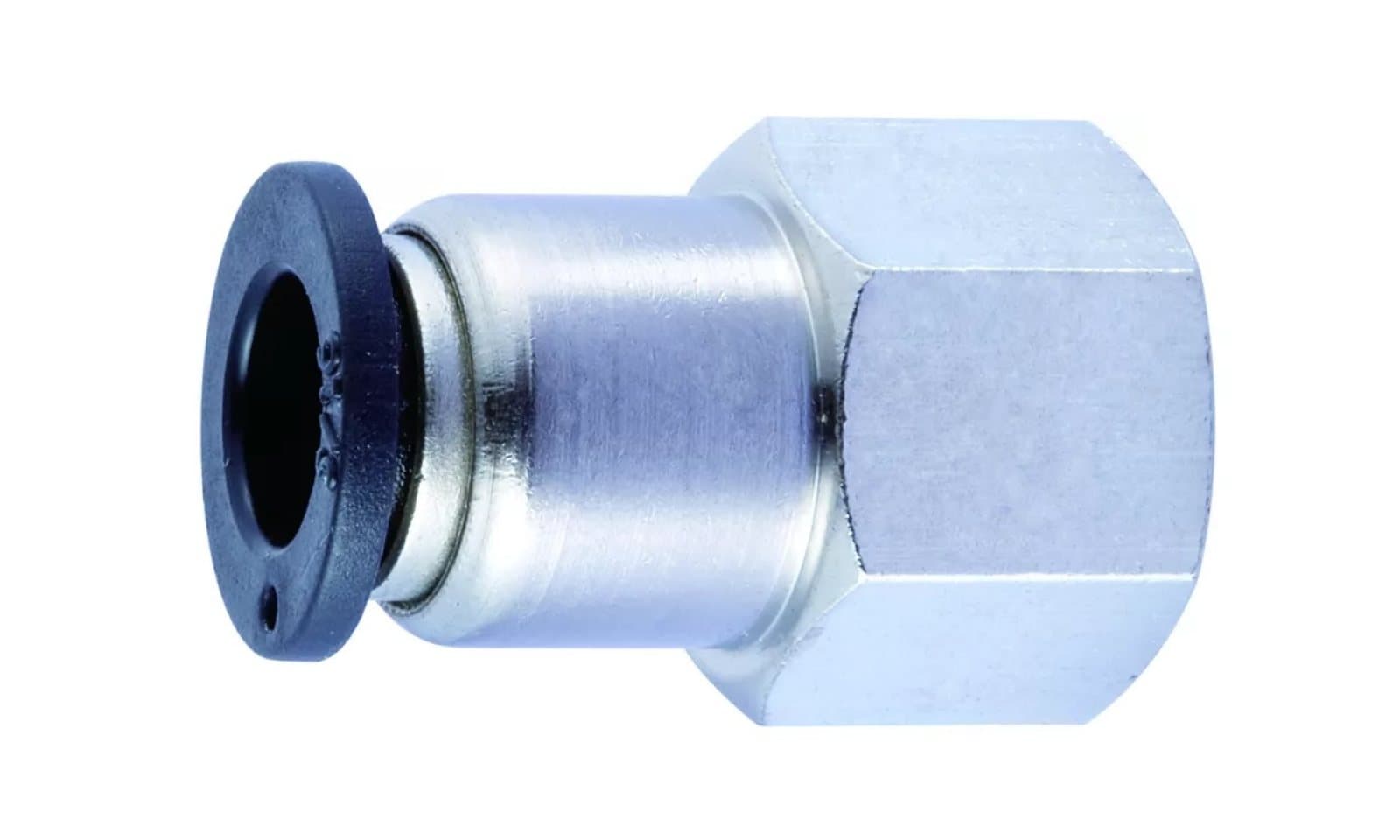
Push-to-Connect Female Connector, Tube × NPT
Indus Hydraulics
Push-to-Connect Reducing Union
Indus Hydraulics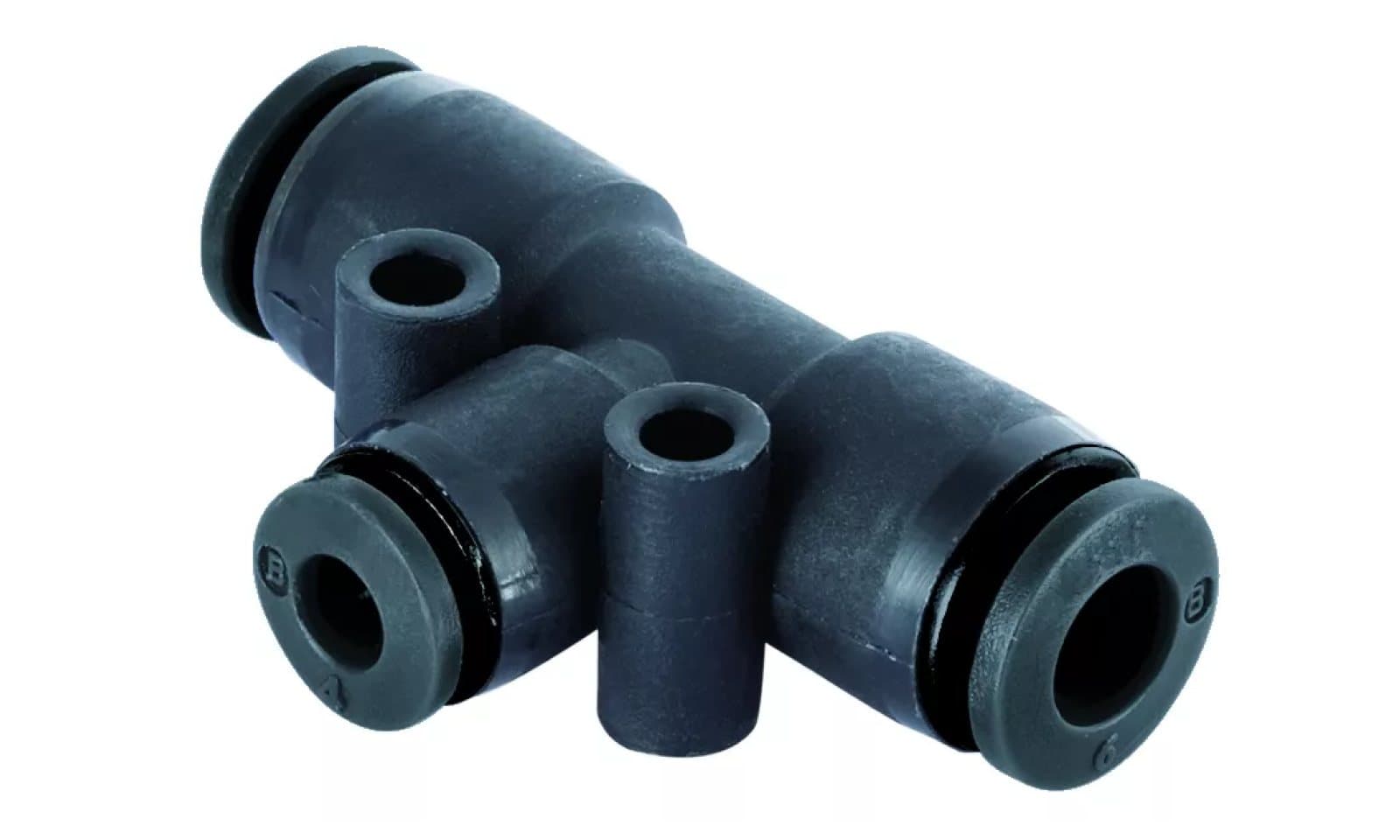
Push-to-Connect Reducing Union Tee
Indus Hydraulics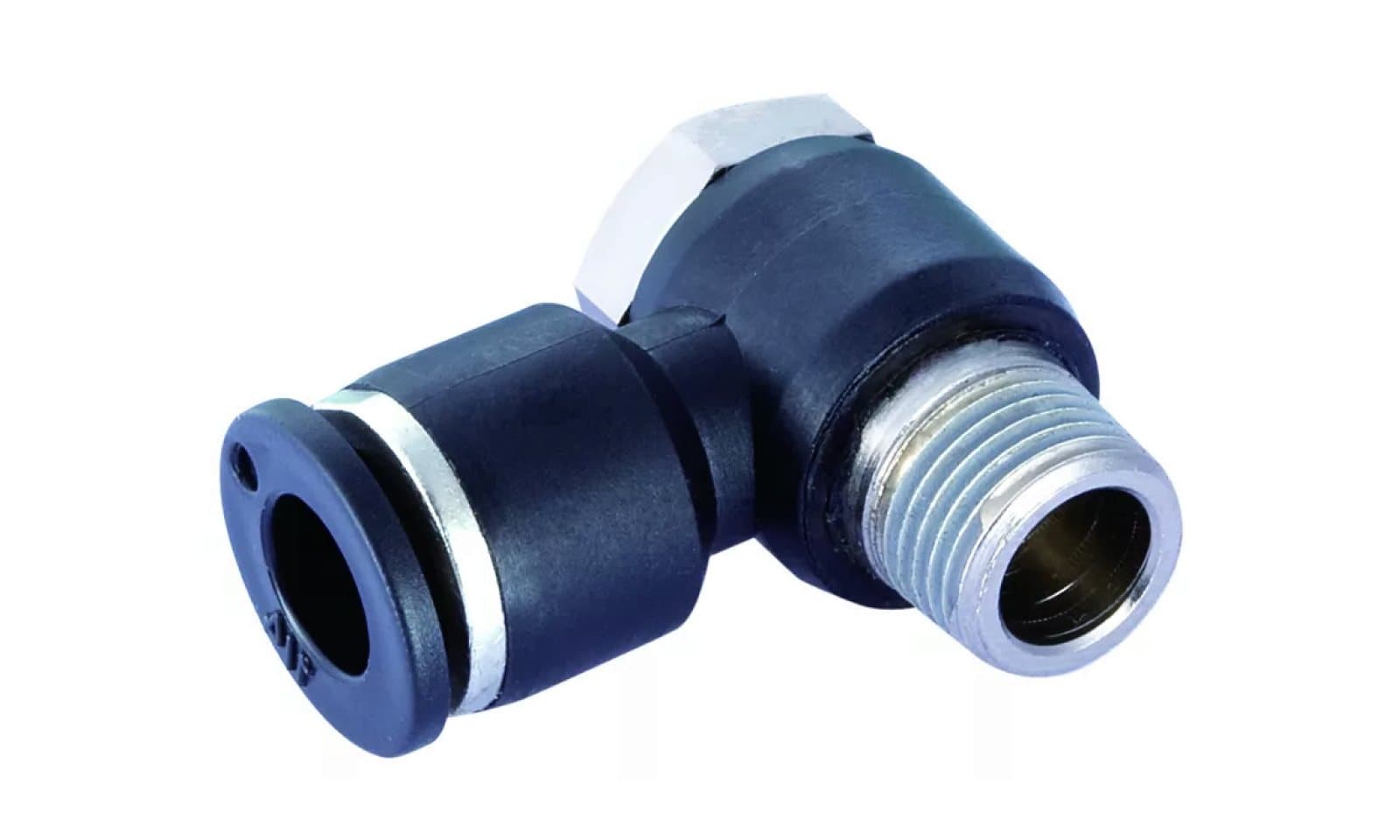
Push-to-Connect Banjo Elbow, Tube × NPT Male
Indus Hydraulics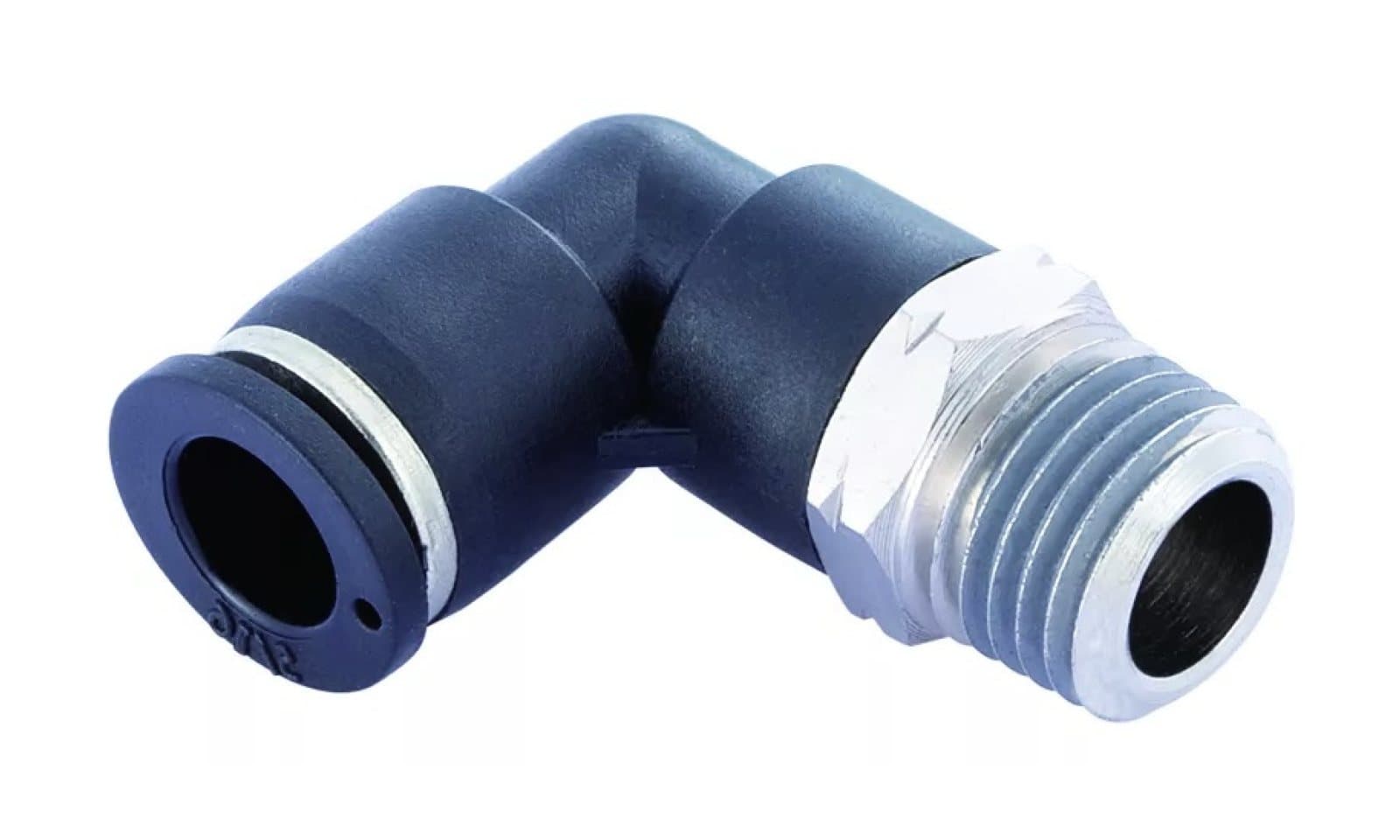
Push-to-Connect Male Elbow, Tube × NPT
Indus Hydraulics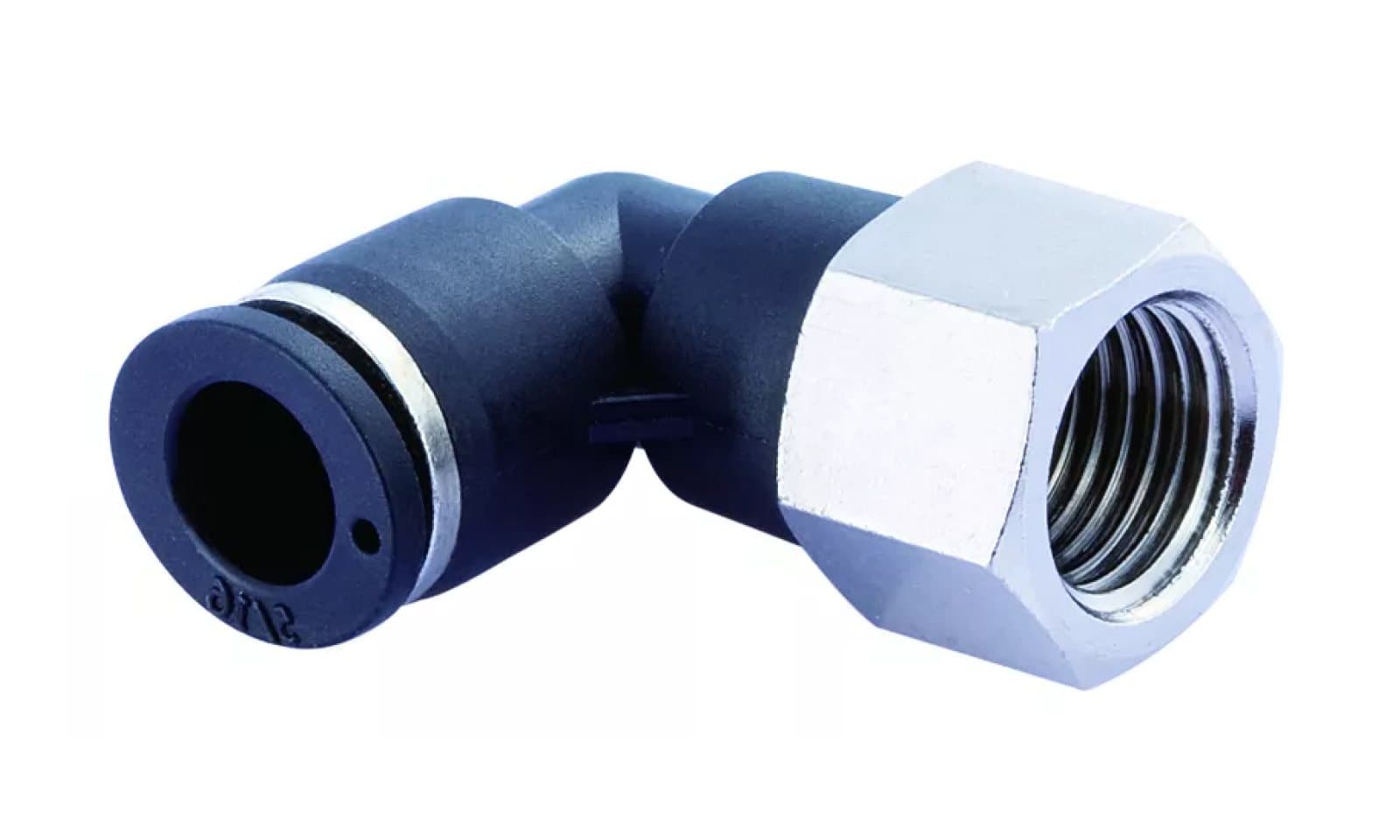
Push-to-Connect Female Elbow, Tube × NPT
Indus Hydraulics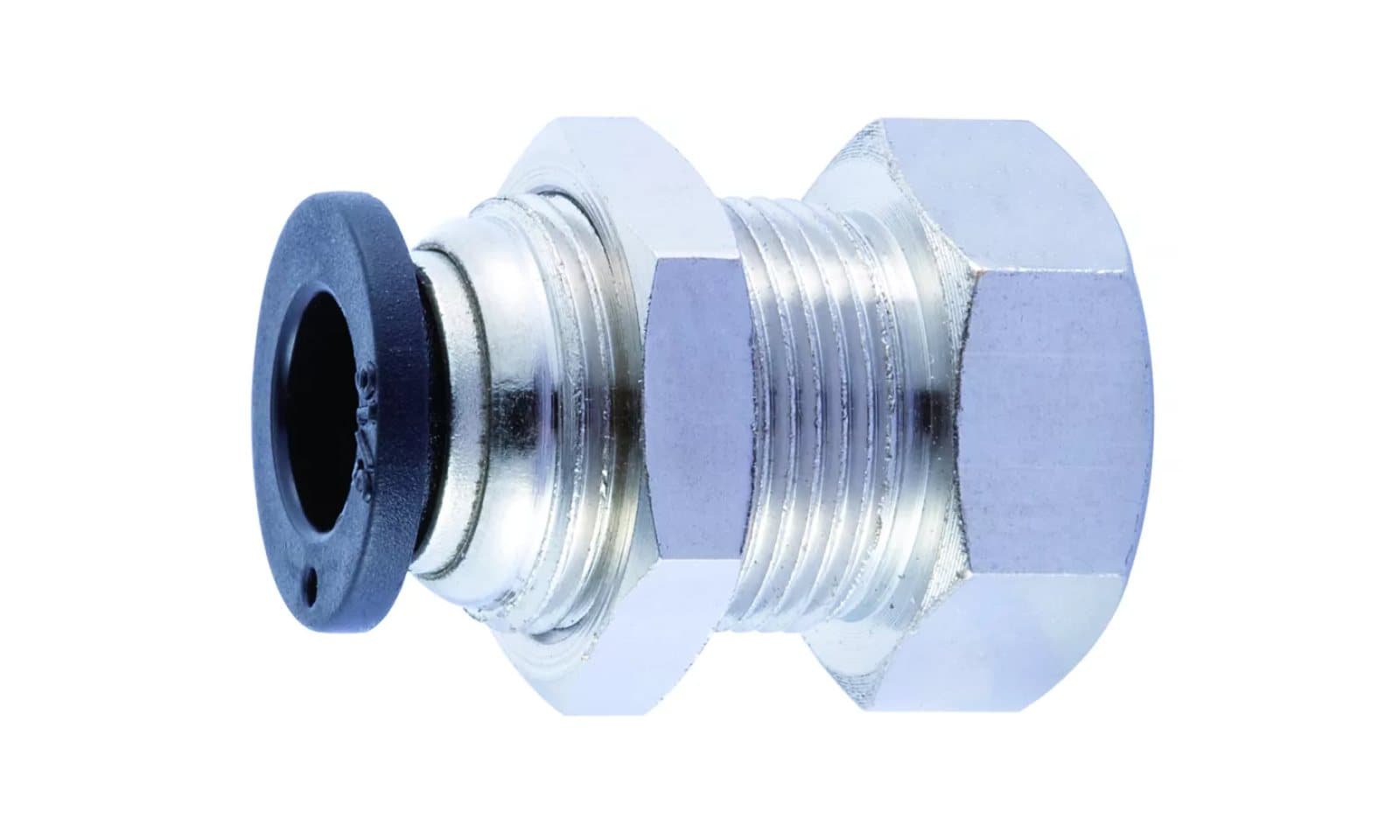
Push-to-Connect Bulkhead Female Connector, Tube × NPT
Indus Hydraulics