
Leaching Wellhead for Salt-Cavern Gas Storage, API 6A
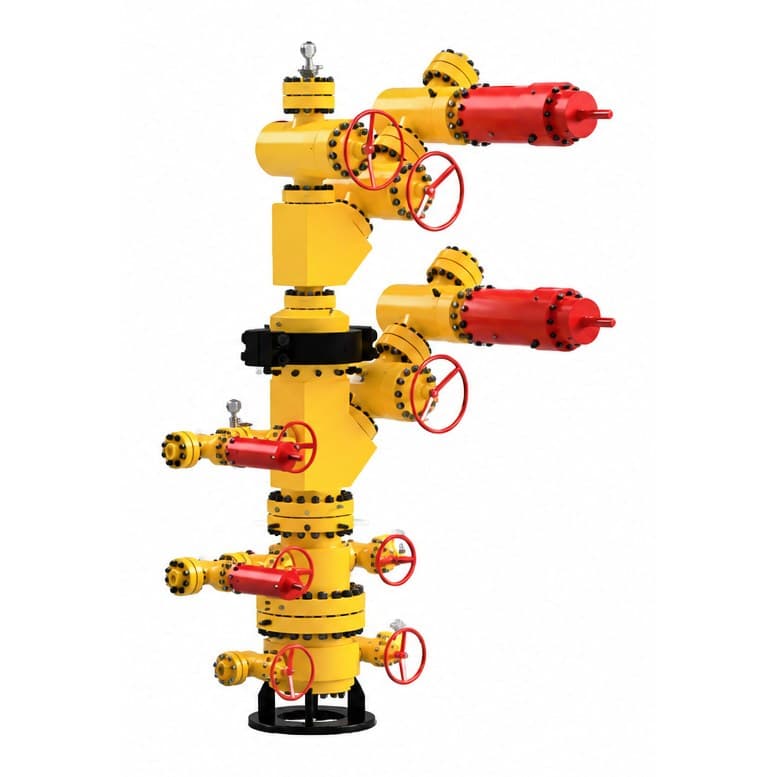
Leaching wellheads for building salt-cavern gas storage: gas injection, production and brine drainage in one assembly, 2,000 to 20,000 psi, with flow and pressure monitoring.
Key features
- Valve type: Wellhead equipment, leaching
- Construction: Concentric injection/production and brine-drain strings
- Design standard: API 6A
- Size range: Configured to the cavern well
- Pressure class: 2,000 to 20,000 psi working pressure
- Body material: API 6A material classes AA to HH (DD to HH for sour service)
- End connections: API 6A flanged or studded
- Operation: Manual and actuated valves
- Valve type
- Wellhead equipment, leaching
- Design standard
- API 6A
- Pressure class
- 2,000 to 20,000 psi working pressure
- End connections
- API 6A flanged or studded
- Operation
- Manual and actuated valves
Product description
Used while a salt cavern is being built and first filled. A brine-drain string runs inside the injection-production string, and the wellhead handles gas injection, brine removal and later production without changing the equipment, which cuts tubing runs and shortens the debrining cycle.
The wellhead is the pressure-containing structure at the top of the well. It hangs and seals each casing and tubing string, gives access to the annuli between them, and carries the christmas tree that controls production. Every part is built to API 6A for its working pressure, temperature class and material class.
Construction
- Integrated gas injection, production and brine drainage
- Switches between injection-debrining and injection-production without rig work
- Flow meters and high/low pressure sensors
- Corrosion-resistant materials for brine service
Sizes and ratings
Published range: Configured to the cavern well, 2,000 to 20,000 psi working pressure, in api 6a material classes aa to hh (dd to hh for sour service). End connections: API 6A flanged or studded. Operation: manual and actuated valves.
Each assembly is configured to the cavern well; the stack-up drawing comes with the quotation.
Testing and documents
Hydrostatic body and seat tests to API 6A at the PSL ordered, with gas tests at PSL 3G and 4, with the material certificates and the pressure-test record supplied with the equipment. Third-party inspection and extra tests are added when the order specifies them.
Supply
Leaching wellheads are supplied from Dubai to projects, plants and maintenance teams across the GCC, the wider Middle East and Africa. Most are built to the order specification, so delivery depends on size, class, material and operator; standard carbon-steel sizes move fastest. We review the data sheet before quoting and flag anything that needs clarifying, such as a missing pipe schedule or an operator torque that has not been sized.
Related valves
Other wellhead equipment in the range, for comparison when the duty is not settled yet: Geothermal Wellhead Assembly, Large Bore, API 6A, Electric Submersible Pump (ESP) Wellhead, API 6A, Wellhead and Christmas Tree Assembly, API 6A, 2,000 to 20,000 psi, Casing Head, API 6A, Threaded, Slip or Weld-On Bottom.
Materials
| Parameter | Value |
|---|---|
| Body material | API 6A material classes AA to HH (DD to HH for sour service) |
| Seat and trim | PSL 1 to 4; PR1 or PR2 |
Range
| Parameter | Value |
|---|---|
| Temperature range | API 6A temperature classes K to Y |
| Size range | Configured to the cavern well |
| Pressure class | 2,000 to 20,000 psi working pressure |
Identification
| Parameter | Value |
|---|---|
| Valve type | Wellhead equipment, leaching |
| Construction | Concentric injection/production and brine-drain strings |
Standards
| Parameter | Value |
|---|---|
| Design standard | API 6A |
| Pressure testing | Hydrostatic body and seat tests to API 6A at the PSL ordered, with gas tests at PSL 3G and 4 |
Construction
| Parameter | Value |
|---|---|
| End connections | API 6A flanged or studded |
| Operation | Manual and actuated valves |
Application
| Parameter | Value |
|---|---|
| Typical service | Salt-cavern leaching, debrining and gas storage |
Supply
| Parameter | Value |
|---|---|
| Supply | Built to order and supplied from Dubai with API 6A documentation and the test record |
Shipping & lead time
What is an API 6A salt-cavern leaching wellhead used for?▾
What do PSL 1 to 4 and PR1 or PR2 mean on an API 6A salt-cavern leaching wellhead?▾
What sizes and pressure ratings does the API 6A salt-cavern leaching wellhead come in?▾
What are the concentric strings on a leaching wellhead for?▾
How is the API 6A salt-cavern leaching wellhead tested?▾
Which material and temperature classes does the API 6A salt-cavern leaching wellhead offer?▾
Is the API 6A salt-cavern leaching wellhead to API specification, and what documents are supplied?▾
How is the API 6A salt-cavern leaching wellhead operated?▾
How does a leaching wellhead build a salt cavern?▾
Leaching wellhead or gas storage wellhead: which one do I need?▾
Can the API 6A salt-cavern leaching wellhead be supplied from Dubai with test records?▾
Do you stock the API 6A salt-cavern leaching wellhead in Dubai?▾
Shipped worldwide from our Dubai warehouse. Transit, routes and documentation for 136 destinations
From the blog
Written about this range
Oilfield & pressure control
Wellhead components explained: casing head to christmas tree, and the surface test tree
A wellhead is a stack of pressure-containing parts, each holding a string of pipe and sealing an annulus. What each component does from the casing head up, how the christmas tree is arranged, and where a surface test tree fits.
6 min read
Oilfield & pressure control
Reading an API 6A nameplate: pressure, material class, temperature class, PSL and PR
An API 6A valve or wellhead nameplate packs a specification into a line of codes: EE-1.5, P+U, PSL 3G, PR2. What each one means, how they show up on the valves we list, and what to send when replacing one.
7 min read
Engineers viewing this also looked at
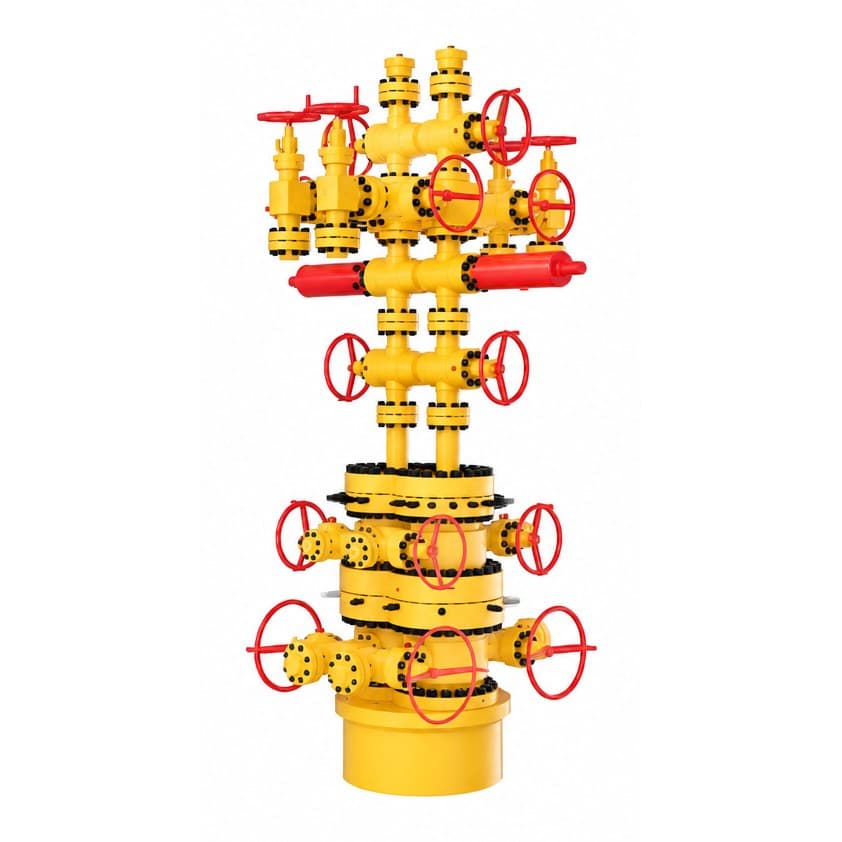
Single Barrel Double Well Wellhead and Christmas Tree
Indus Hydraulics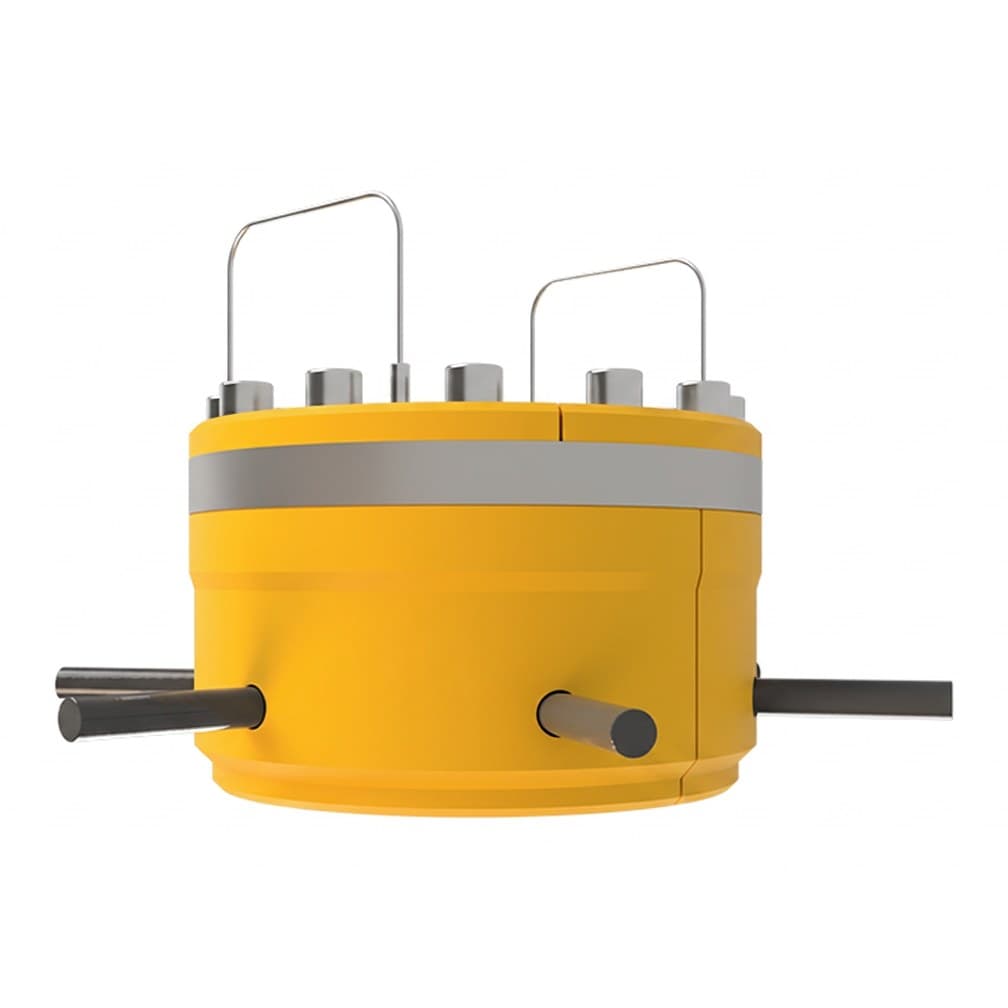
Slip Casing Hanger, Automatic or Manual, API 6A, 2,000 to 15,000 psi
Indus Hydraulics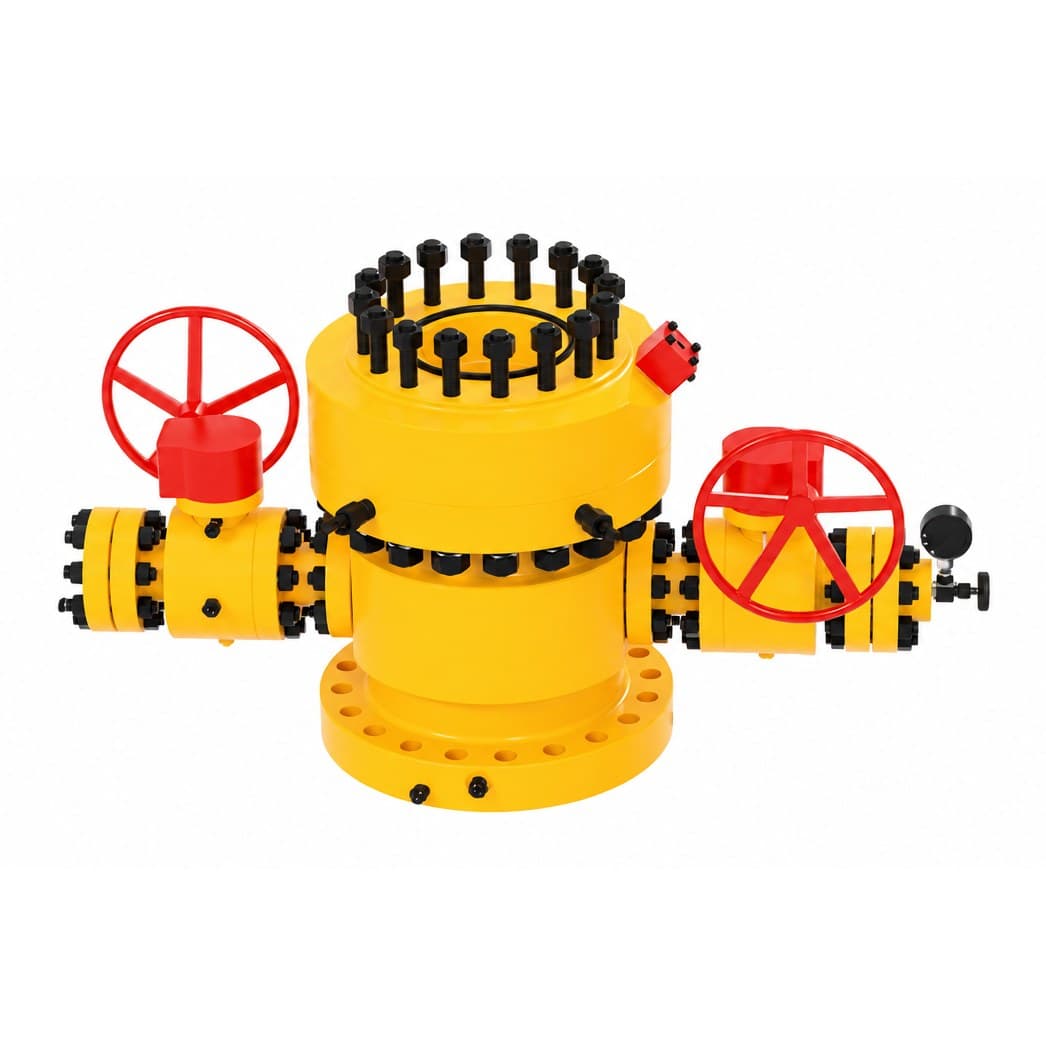
Tubing Head, API 6A, 2,000 to 15,000 psi
Indus Hydraulics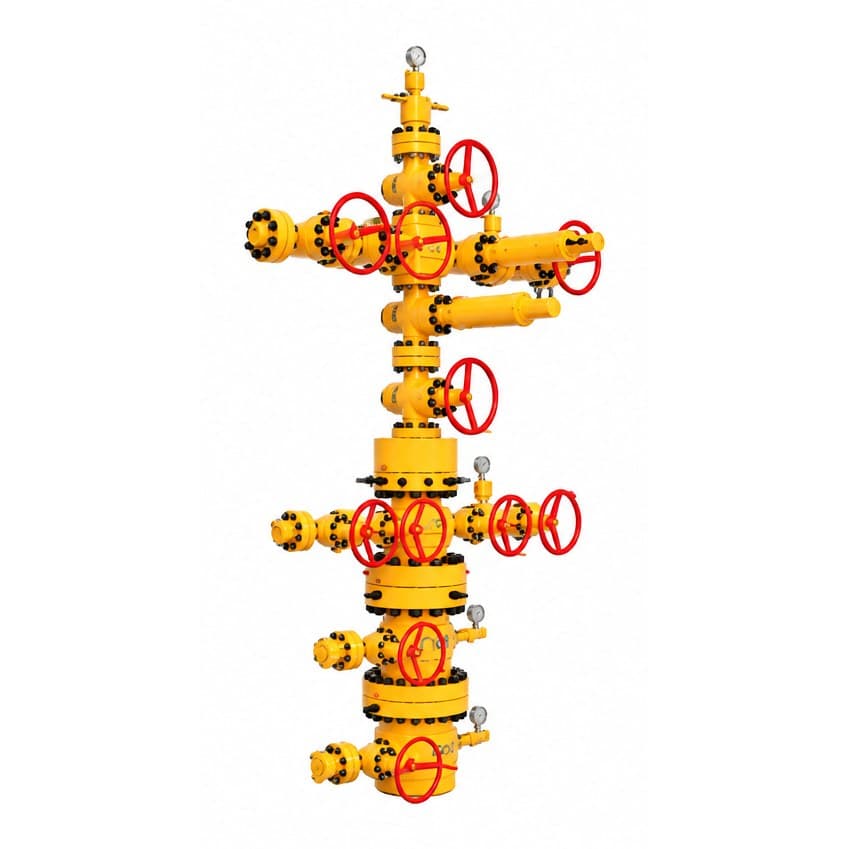
Wellhead and Christmas Tree Assembly, API 6A, 2,000 to 20,000 psi
Indus Hydraulics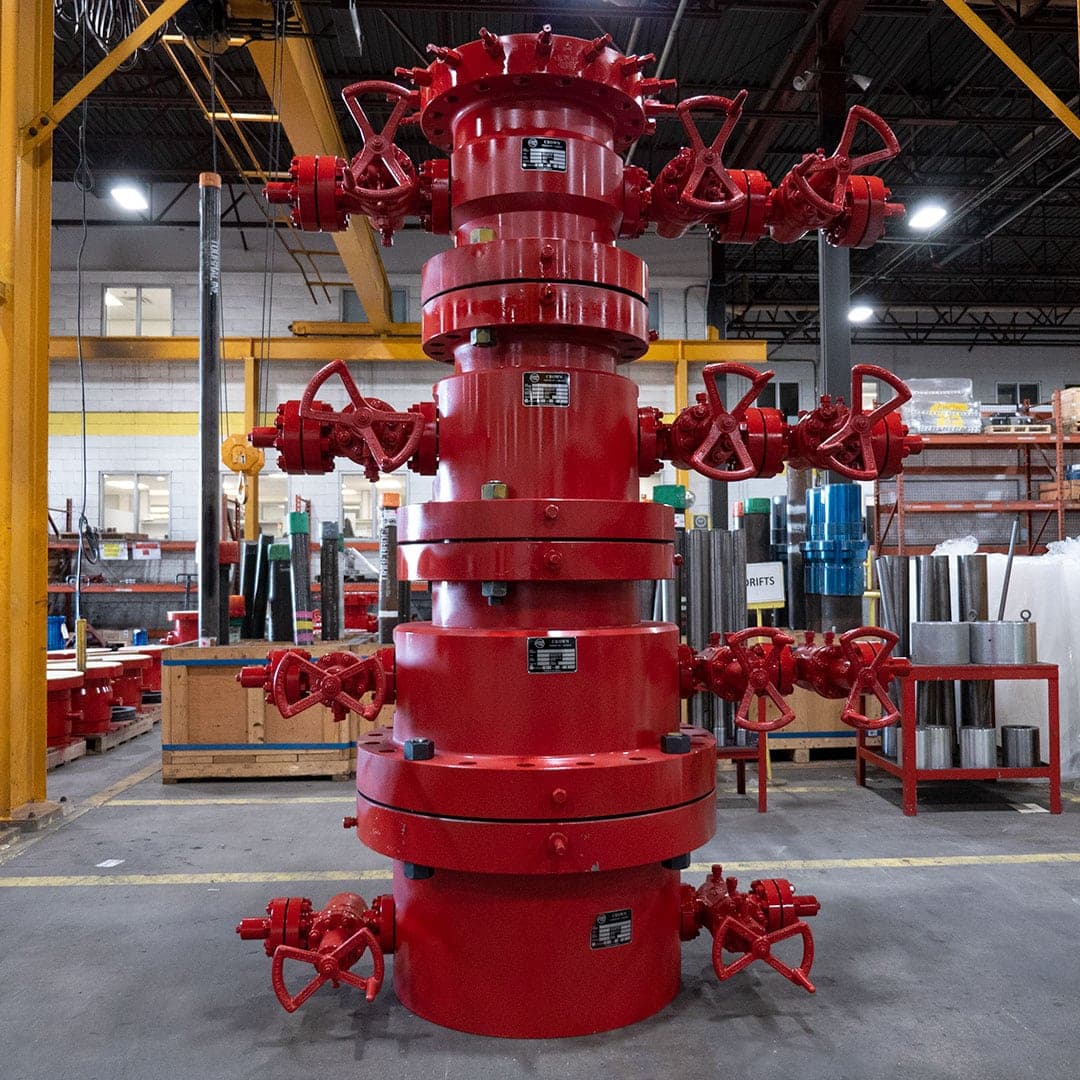
Casing Head, API 6B 3K (Multi-Bowl), Standard Service
Stream-Flo Industries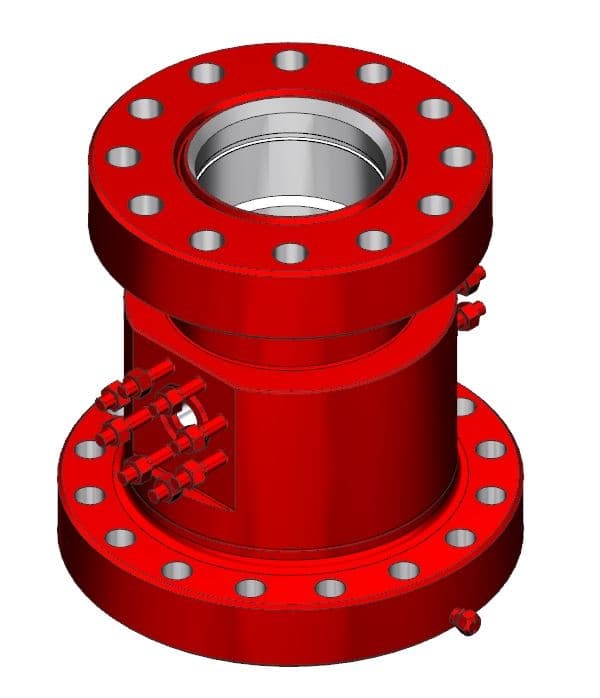
Casing Spool, API 6BX 10K, Standard Service
FMC Technologies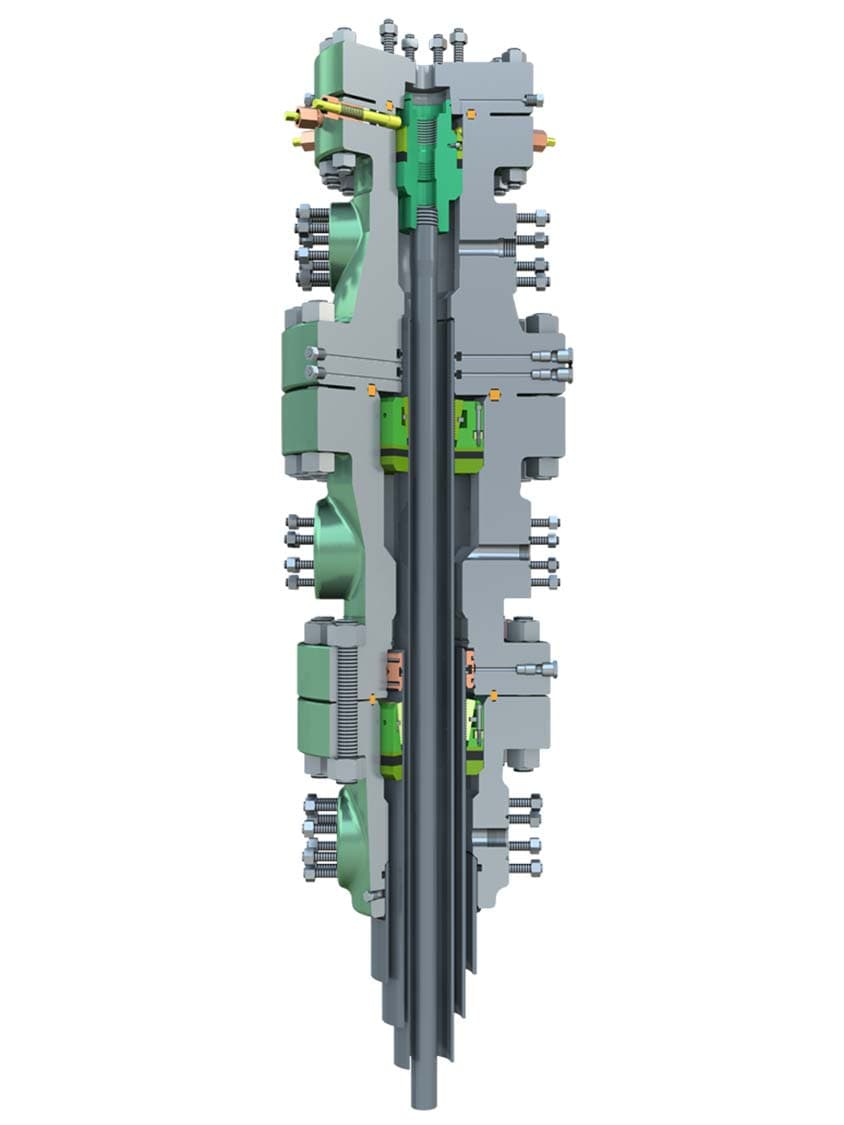
Casing Spool, API 6B 5K, Standard Service
Cameron
Mandrel Tubing Hanger, API 6A 10K, Standard Service
FMC Technologies