
Precast walls, beams, stairs and hollow-core planks arrive with lifting anchors cast in, and the temptation is to treat the anchors as the whole story. They are not. The clutch that engages the anchor, the sling legs, the master link and the crane hook form a system whose geometry decides how much each anchor actually carries. This guide covers the rigging above the anchor; our article on the precast concrete lifting clutch covers the clutch itself.
/01Follow the rigging diagram.
Each precast element should come with a design that shows its weight, the concrete strength required at lifting, the anchor type and positions, and how it is to be rigged — sling lengths, angles and any spreader beam. Regulator guidance in Australia, for example, expects rigging diagrams with sling lengths and spreader requirements on the shop drawings. Rig to the diagram, with the clutches, slings and links it specifies. If the site cannot rig it that way, go back to the designer before lifting.
/02Why four legs do not mean four shares.
A precast panel is rigid. Hang it on a four-leg sling and the tiniest difference in leg length or anchor position means two legs take most of the load while the other two go slack. The UK lifting association’s code of practice reflects this: its uniform-load method for three- and four-leg slings assumes only three legs bear the load; it notes that with a rigid load two legs are likely to carry the majority of the weight, and that in extreme cases the sling should be de-rated to two-thirds of its standard rating. Where the assumptions do not hold, it says to assume one leg carries all of the load. That is why precast designers often specify equalising arrangements — spreaders, compensating sheaves or two-point lifts — rather than a plain four-leg sling.
/03Clutches, slings and links.
- Clutches must match the anchor system and size; they and the anchors are permanently marked with capacity and maker.
- Chain slings — Grade 80 or 100, with the master link sized to the crane hook and the legs to the clutches; see master links explained.
- Shortening — clutches on the chain let riggers set equal leg lengths; never knot chain.
- Spreader or equaliser where the design calls for one; we do not stock spreader beams, but supply the slings, shackles and links that go with them.
- Tag lines on every panel to stop rotation in wind.
/04Anchors and safety factors.
Regulators set minimum factors of safety for the parts embedded in the concrete. Queensland’s guidance, for example, cites a minimum of 2.5 against failure of the anchor, concrete or reinforcement, and at least 5 for clutches; New Zealand guidance calls for anchors designed to at least 3, and 5 for repeated lifting, with the design load including suction, dynamic and rigging-angle effects. These are design matters for the precast engineer — the site’s job is to lift only when the concrete has reached the strength on the drawing and to rig as designed.
Common questions
- How many legs carry the load on a four-leg sling?
- For rigid loads such as precast, assume fewer than four: the UK lifting association’s method assumes three, and two may carry most of the weight.
- Can I lift a precast panel before the concrete reaches design strength?
- No. Lift only when the concrete has reached the strength shown on the drawing for lifting.
- Do lifting clutches need to match the anchors?
- Yes — the same system and size, both marked with capacity and maker.
- Who designs precast rigging?
- The precast designer or a competent lifting engineer, shown on the shop drawings or a rigging diagram.
- Do you supply spreader beams?
- Not in our standard range; we supply the chain slings, master links, shackles and clutches used with them.
For precast lifting
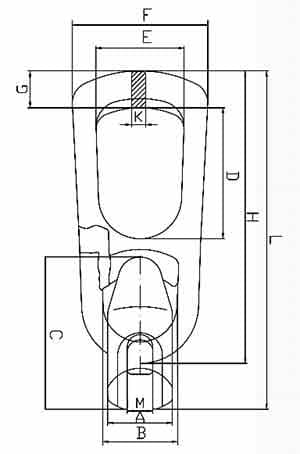 IH-LR-LP-PCLCPrecast Concrete Lifting Clutch
 IH-LR-CS-G80QOSGrade 80 Four-Leg Chain Sling with Sling Hooks — Type QOS
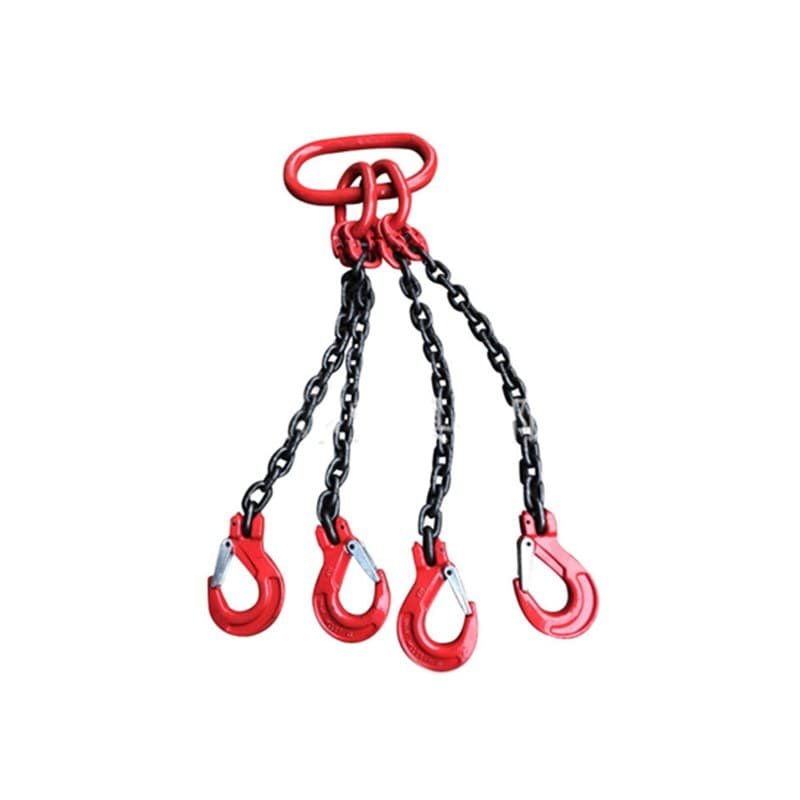 IH-LR-CS-G100QOSGrade 100 Four-Leg Chain Sling with Sling Hooks — Type QOS
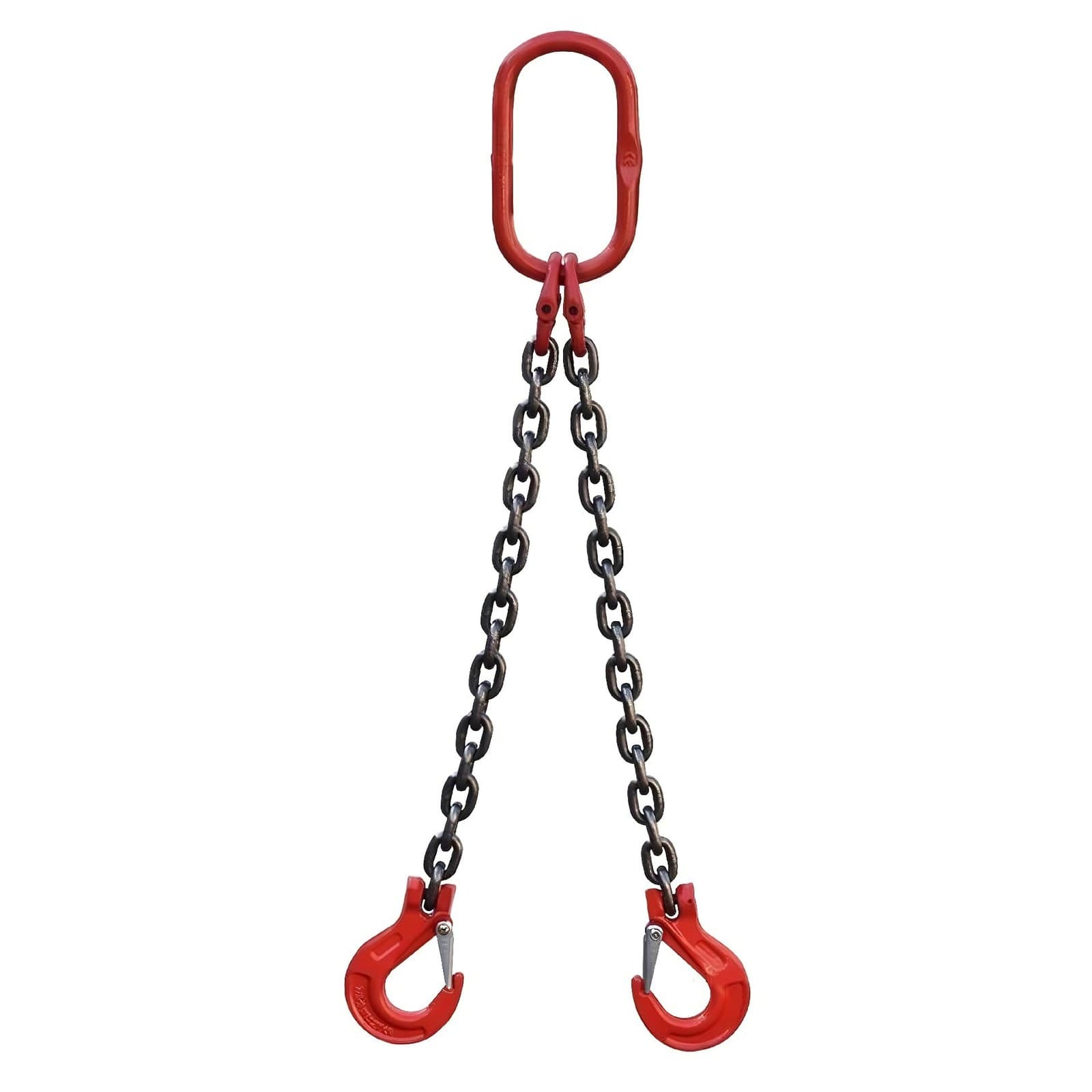 IH-LR-CS-G80DOSGrade 80 Two-Leg Chain Sling with Sling Hooks — Type DOS
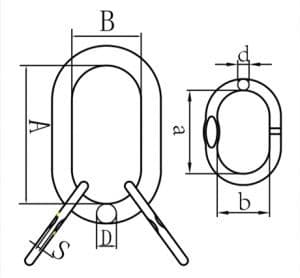 IH-LR-G8-MLAE16774Grade 80 Master Link Assembly — EN 1677-4
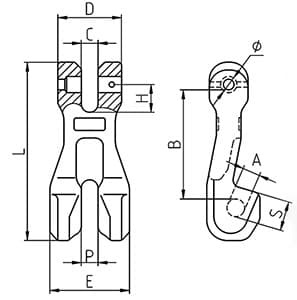 IH-LR-G8-CSCGrade 80 Clevis Shortening Clutch
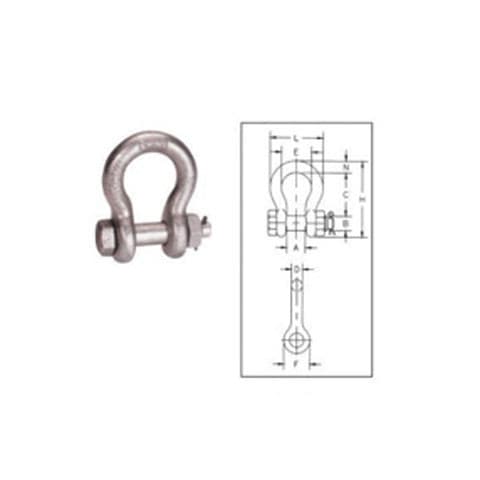 IH-LR-SH-G2130Bolt-Type Anchor Shackle — G-2130 Pattern