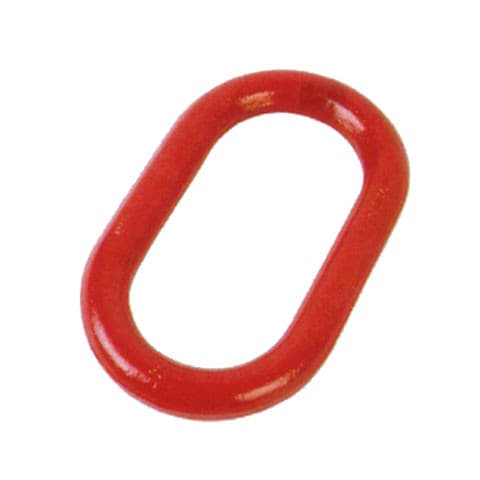
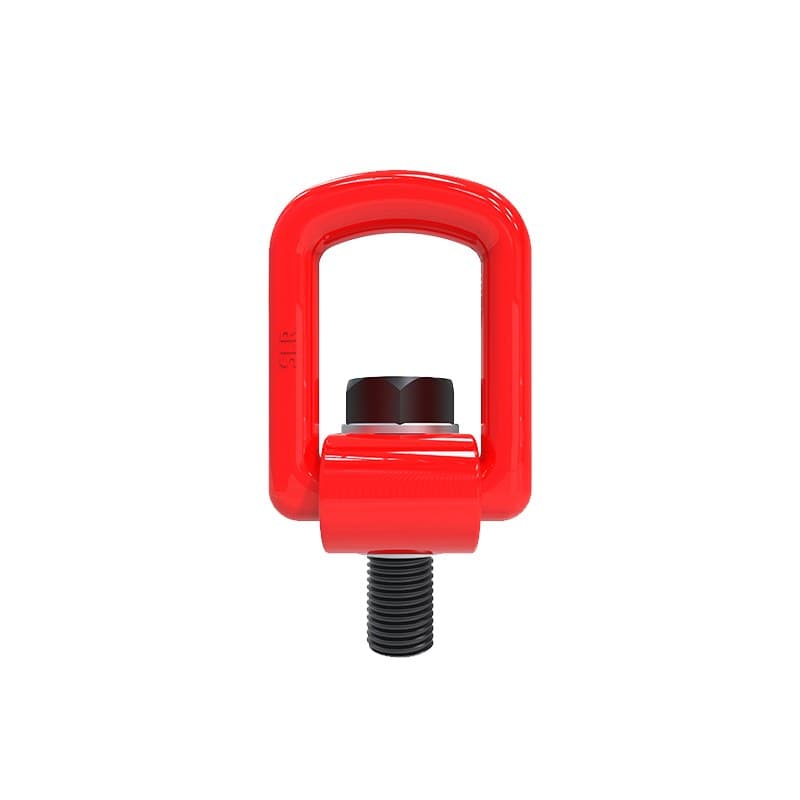
Specifications for Gulf oil and gas projects, and for anything designed by a US engineering house, often require rigging hardware to “comply with ASME B30.26”. It is a short phrase with a lot behind it. B30.26 is one volume of the ASME B30 safety standard for cranes and rigging, and it governs the detachable hardware that connects slings to loads and hooks. This guide explains what it does and does not cover. Where we describe its detail, we draw on published summaries of the standard; the paid text governs.
/01What it covers.
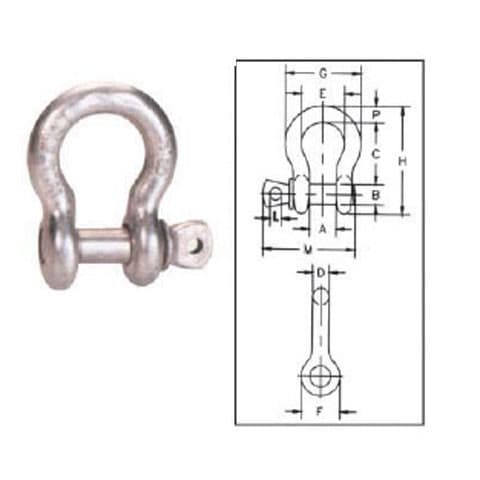
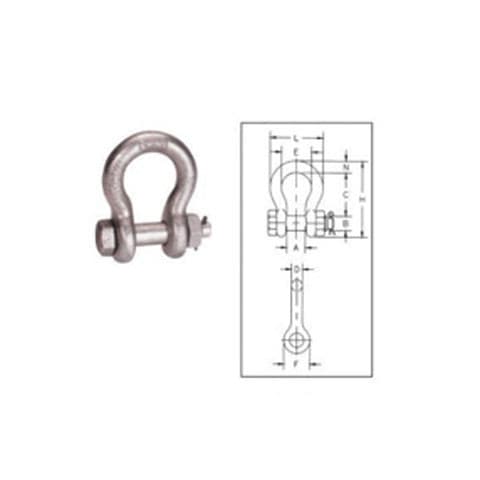
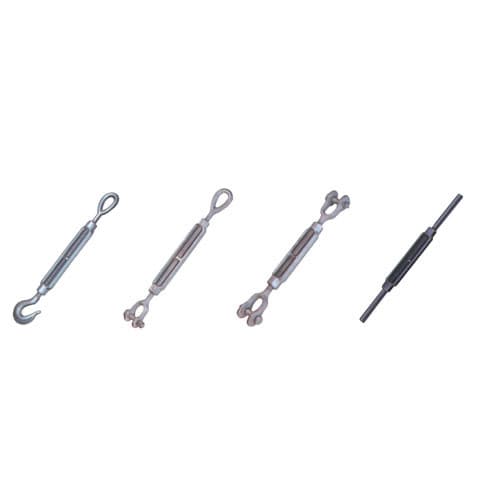
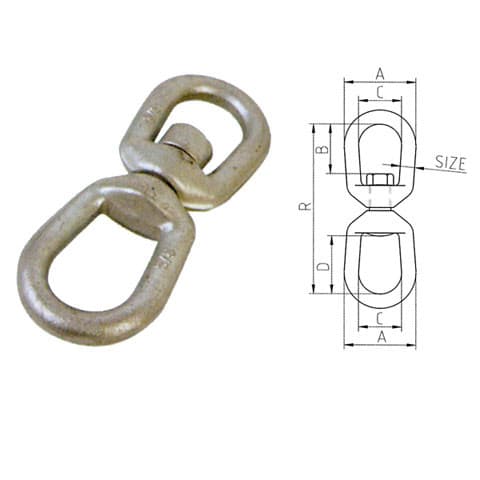
B30.26 covers the construction, installation, operation, inspection and maintenance of detachable rigging hardware used for load handling: shackles, links, rings, swivels, turnbuckles, eyebolts, swivel hoist rings, wire rope clips, wedge sockets, rigging blocks and load-indicating devices. Slings themselves are covered by a separate volume, B30.9, and hooks by B30.10. B30.26 does not set the dimensions or ratings of the hardware — those come from the maker and from product specifications such as US Federal Specification RR-C-271 for shackles.
/02Marking.
As summarised by industry, B30.26 requires a shackle body to be marked with the maker’s name or trademark, the rated load and the size, and the pin with the maker’s name or trademark plus its grade, material or rating; turnbuckles carry the maker’s name or trademark and size or rated load. The user must keep markings legible for the life of the hardware, because missing or illegible markings are themselves a removal criterion. See shackle markings explained.
/03Inspection.
| Level | Who and when |
|---|---|
| Initial | A designated person, before first use — new, altered, modified or repaired hardware |
| FrequentHighlighted | The user or a designated person, visually, each day or before use |
| Periodic | A designated person, at intervals not exceeding one year — monthly to quarterly in severe service |
Local rules sit on top: in Abu Dhabi, lifting accessories are thoroughly examined every 6 months by approved third parties, which is more frequent than B30.26’s yearly maximum. Follow whichever is stricter — see lifting equipment inspection in the UAE.
/04Removal criteria.
As summarised by industry, hardware comes out of service for:
- missing or illegible maker’s name, trademark or rated load;
- heat damage, weld spatter or arc strikes;
- excessive pitting or corrosion;
- bent, twisted, distorted, stretched, elongated, cracked or broken load-bearing parts;
- excessive nicks or gouges;
- 10% reduction of the original or catalogue dimension at any point;
- incomplete pin engagement or excessive thread damage;
- unauthorised welding or modification.
It returns to service only if a qualified person approves it. Our lifting gear rejection criteria covers slings and other items too.
/05Using it on Gulf projects.
When a specification calls for B30.26 compliance, buy hardware whose maker states compliance for that product, marked as the standard requires and supplied with a certificate; inspect it to B30.26 and to local rules, whichever is stricter; and keep it in the site register. For shackles, see the shackle buying guide and how to rig a shackle; for turnbuckles, how to choose and tension a turnbuckle.
Common questions
- What does ASME B30.26 cover?
- Detachable rigging hardware: shackles, links, rings, swivels, turnbuckles, eyebolts, hoist rings, wire rope clips, wedge sockets, rigging blocks and load-indicating devices.
- Does ASME B30.26 cover slings and hooks?
- No — slings are in ASME B30.9 and hooks in B30.10.
- How often must rigging hardware be inspected under B30.26?
- Visually each day or before use, and periodically at intervals not exceeding one year — more often in severe service. Local rules may be stricter.
- What is the 10% rule?
- Hardware with a 10% reduction of its original or catalogue dimension at any point should be removed from service, as B30.26 is commonly summarised.
- Which edition of ASME B30.26 is current?
- ASME lists a 2026 edition; many specifications still cite 2015. Use the edition your contract names.