
A tower crane is the heartbeat of a high-rise site, and its hook is never still for long: bundles of rebar, formwork tables, pallets of block, MEP modules, steel. The rigging that goes on that hook is a small kit, used by the same crew hundreds of times a week, in heat and wind, and it wears accordingly. Getting the kit right — and keeping it right — is what keeps the crane productive and the people under it safe. For setting up the whole loft, see the site mobilisation rigging kit.
/01The daily kit.
| Item | Used for |
|---|---|
| Round slings and webbing slings | Bundles, formwork, finished items; chokers on rebar |
| Two- and four-leg chain slingsHighlighted | Steel, stillages, heavy and hot loads |
| Anchor shackles | Connecting slings to lugs and stillages |
| Master links and hooks | Making up assemblies on the crane hook |
| Lifting stillages, cages and skips | Loose and small materials — never lift loose loads on slings |
| Tag lines | Controlling rotation in wind |
/02Daily checks.
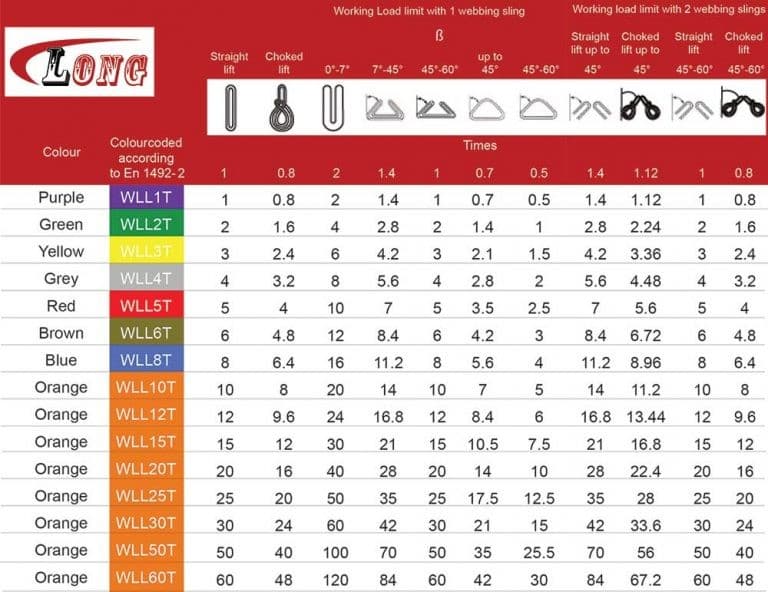
- Slings: cuts, abrasion, heat or chemical damage, damaged stitching, missing labels — see the sling colour code chart.
- Chain slings: stretched or bent links, damaged hooks and latches, missing tag.
- Shackles: pins fully engaged, no bending, markings legible — see shackle markings explained.
- Hooks: latch working, no opening of the throat.
- Anything doubtful goes to quarantine — see lifting gear rejection criteria.
/03Who may rig in the UAE.
In Dubai, municipal guidance requires lifting equipment to be certified at least every 12 months by an accredited third party, and operators, riggers and signallers to be certified too. In Abu Dhabi, the lifting code of practice requires thorough examination of lifting accessories every 6 months and equipment every 12 by approved third parties, with daily checks and site registers. See lifting equipment inspection in the UAE.
/04Wind and tag lines.
Tower cranes have in-service wind limits set by the maker; the crane’s anemometer and the operator’s judgment decide when to stop. As one example of a regulator’s default, British Columbia requires an anemometer readable at the controls and, without maker specifications, a 50 km/h limit — and a stop whenever wind makes the load unsafe. Large, light loads such as formwork panels catch the wind long before the crane’s limit. Tag lines help control them, but must never be wrapped round a hand: offshore regulators have recorded workers lifted off their feet by entangled tag lines.
Common questions
- How often must tower crane rigging be inspected in the UAE?
- Before use each day by the user, and periodically by an approved third party — every 6 months for lifting accessories in Abu Dhabi; Dubai guidance requires certification at least every 12 months.
- Do riggers need certification in Dubai?
- Yes. Dubai guidance requires operators, riggers and signallers to be certified by an accredited body.
- At what wind speed should a tower crane stop?
- At the limit the crane maker sets, or sooner if the load is unsafe. One regulator’s default without maker data is 50 km/h.
- Can I lift loose materials on slings?
- No. Use rated stillages, cages or skips for loose and small materials.
- How long do polyester slings last in the Gulf?
- It depends on use and storage. Heat and UV age them quickly; retire them on condition at inspection.
For tower crane crews
 IH-LR-SY-PRSEPolyester Round Sling — Endless
 IH-LR-SY-PFWSEEPolyester Flat Webbing Sling — Eye and Eye
 IH-LR-CS-G80QOSGrade 80 Four-Leg Chain Sling with Sling Hooks — Type QOS
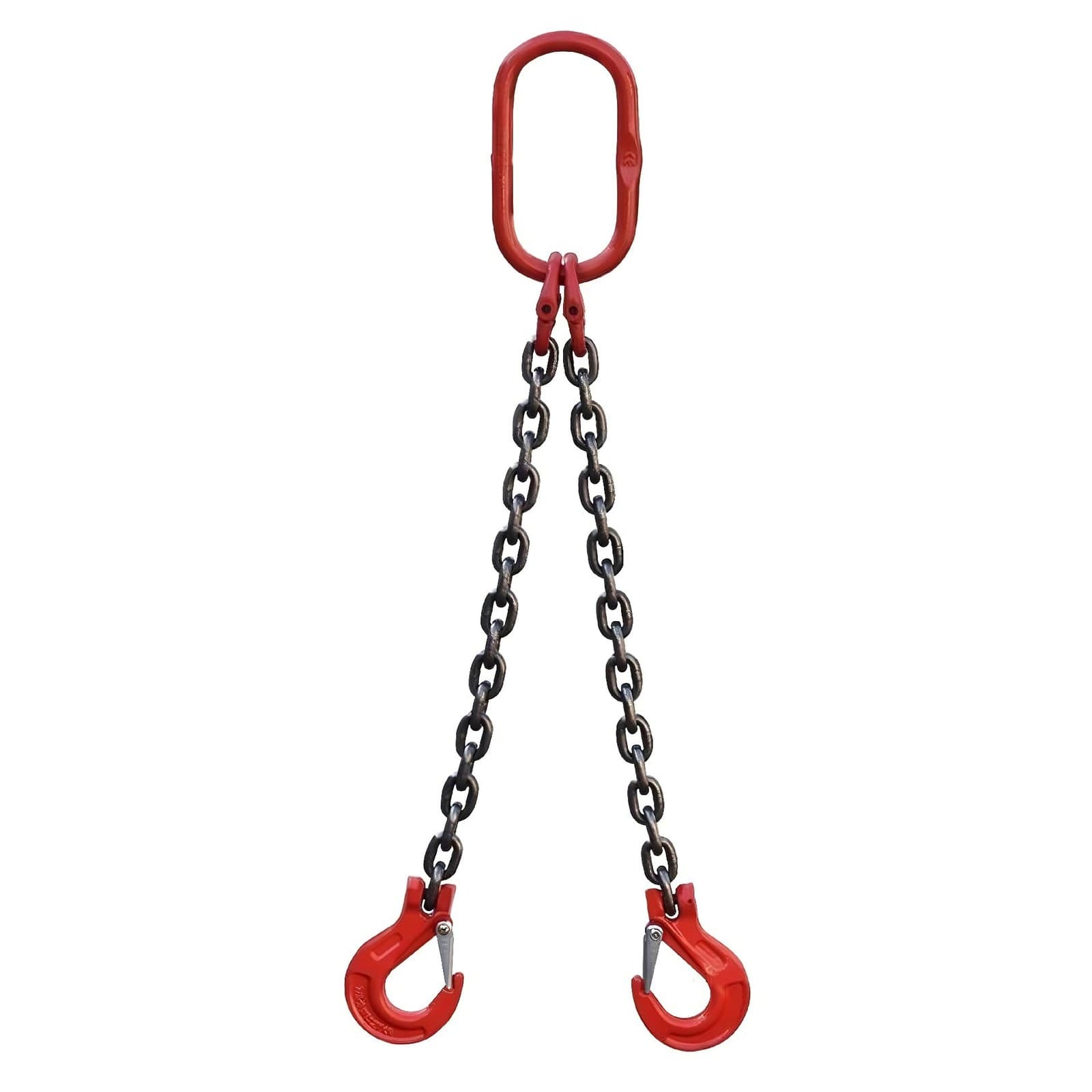 IH-LR-CS-G80DOSGrade 80 Two-Leg Chain Sling with Sling Hooks — Type DOS
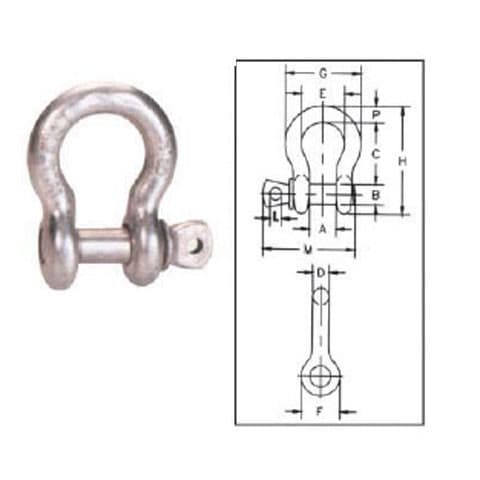 IH-LR-SH-G209Screw Pin Anchor Shackle — G-209 Pattern
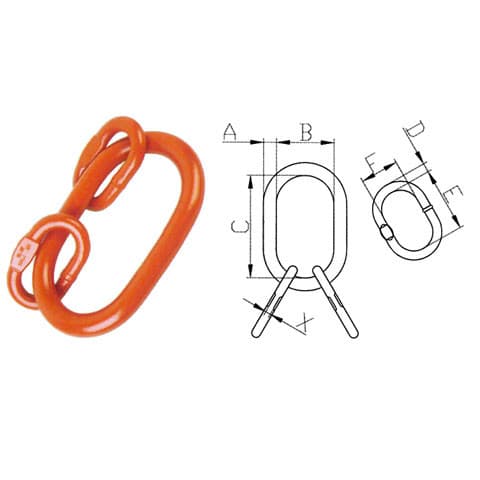 IH-LR-G8-MLAGrade 80 Master Link Assembly
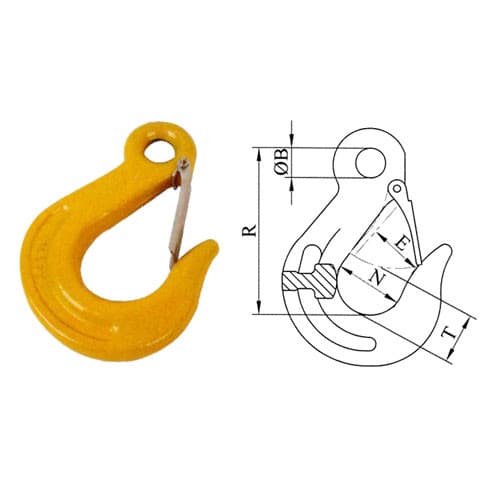 IH-LR-G8-ESHLGrade 80 Eye Sling Hook with Latch
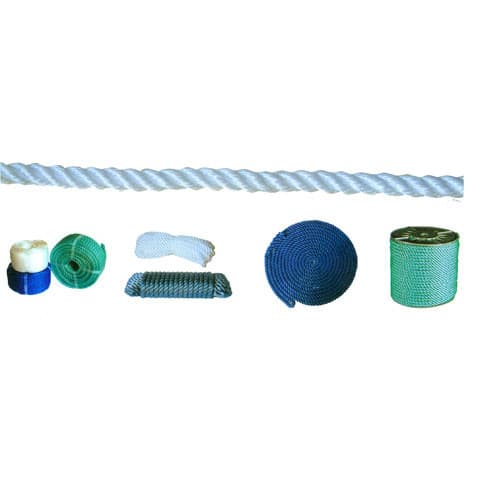 IH-LR-FR-PPMRPolypropylene Multifilament Rope