
Contractors moving rigging into Saudi Arabia — from the UAE, or from anywhere else — meet two layers of rules: the national technical regulation that governs what may be placed on the market and put into service, and the client’s own standards on site. This guide covers the first, from the English text of the SASO regulation, and points to the second. The Arabic text is the legally authentic version; read it, or have it read, before relying on any detail.
/01The regulation and what it covers.
SASO’s Technical Regulation for Machinery Safety – Part 3: Lifting Equipment (No. 01-05-21-182) was approved on 14 October 2021 and published in the Official Gazette on 17 December 2021, with transition periods for suppliers to comply. It covers lifting equipment and lifting accessories. Its definition of lifting fittings expressly includes slings and their parts, and its annex references the European standards for chain slings and Grade 8 chain (EN 818 series), webbing and round slings (EN 1492), chain components (EN 1677) and wire rope slings (EN 13414), adopted as SASO GSO standards.
/02Certificates.
| Stage | Requirement |
|---|---|
| Placing on the marketHighlighted | Supplier holds a SASO certificate of conformity (Type 1a scheme to ISO/IEC 17067) |
| Used equipment | Inspection certificate from a SASO-approved notified body |
| After installation, before service | Inspection certificate from a SASO-approved notified body |
| In service | Periodic examinations and inspections of equipment and fittings — interval not set in the regulation |
/03Marking and labels.
The regulation requires lifting fittings to be marked with their working load limit and, where needed for safe use, their material. Chains, ropes and webbing must carry the maker’s name and address, nominal size, construction, material, any special heat treatment, the test method and the WLL. Labels and instructions must be in Arabic. Rated items we supply ship marked with their WLL and with the manufacturer’s test certificate; tell us if a shipment to Saudi Arabia needs Arabic labelling or specific conformity documents, and we will confirm what can be provided. See shackle markings explained.
/04Client standards on site.
Major clients add their own requirements. Saudi Aramco, for example, has general instructions on lifting — including GI 7.025 on testing and certifying heavy equipment operators — and its contractors work to Aramco’s lifting and rigging procedures, which are not public. Their inspection intervals, colour codes and inspector qualifications are set by the client and the contract; get them from the client’s documents, not from general articles. The SASO regulation is the floor; the contract is usually stricter.
Common questions
- Does the SASO lifting regulation cover slings and shackles?
- Its definition of lifting fittings includes slings and their parts, and its annex references the EN standards for chain, chain slings, webbing and round slings, chain components and wire rope slings.
- How often must lifting equipment be inspected in Saudi Arabia?
- The SASO regulation requires periodic examinations but sets no interval. Client standards and site procedures set the interval.
- Do lifting accessories need Arabic labels in Saudi Arabia?
- The regulation requires labels and instructions in Arabic.
- Who inspects lifting equipment before use in Saudi Arabia?
- For used equipment and after installation, a SASO-approved notified body issues an inspection certificate before it goes into service.
- Can you ship certified rigging to Saudi Arabia?
- Yes, we ship from Dubai overland. Tell us the conformity and labelling documents your shipment needs and we will confirm what can be provided.
Certified rigging for Saudi projects
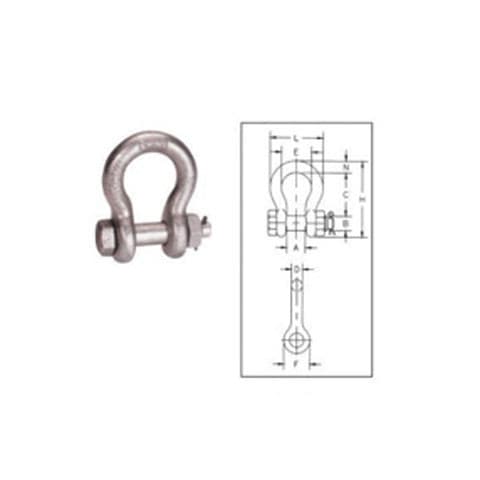 IH-LR-SH-G2130Bolt-Type Anchor Shackle — G-2130 Pattern
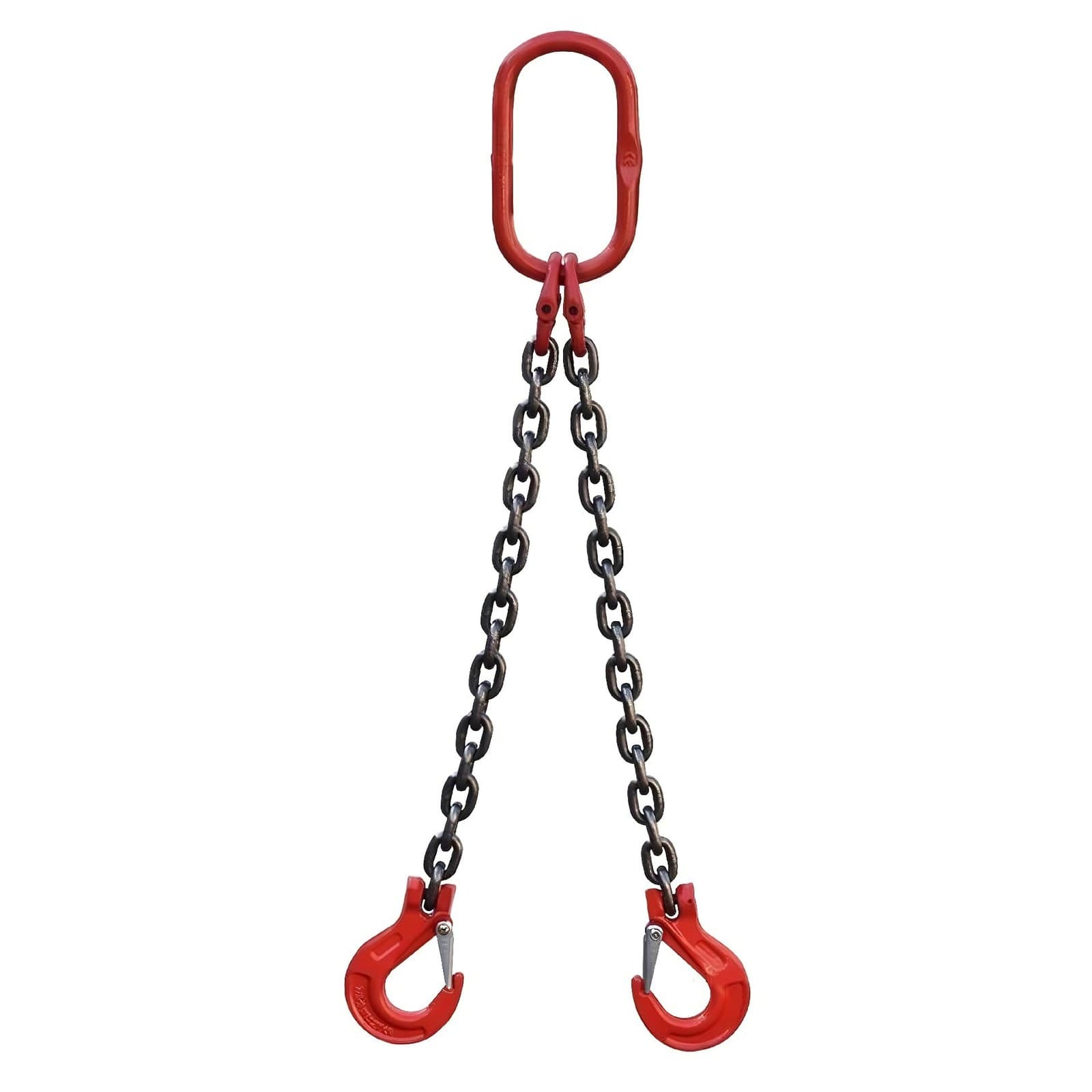 IH-LR-CS-G80DOSGrade 80 Two-Leg Chain Sling with Sling Hooks — Type DOS
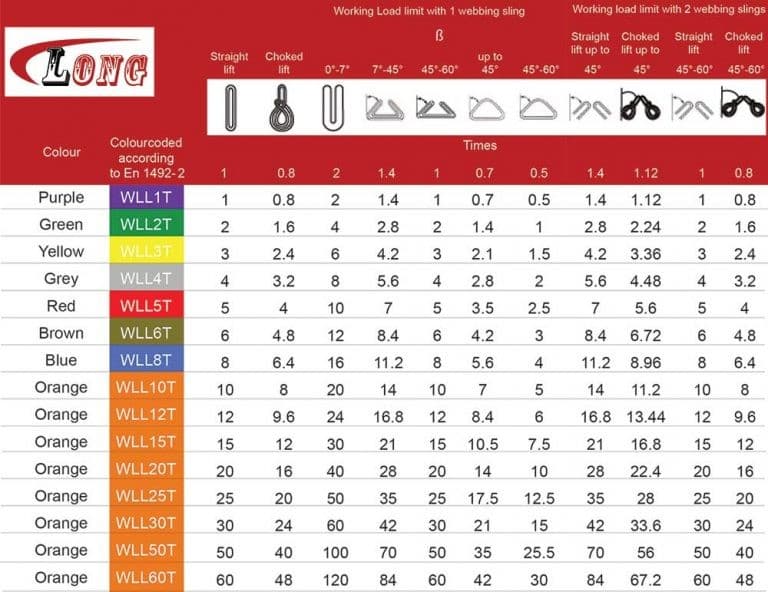 IH-LR-SY-PRSEPolyester Round Sling — Endless
 IH-LR-SY-PFWSEEPolyester Flat Webbing Sling — Eye and Eye
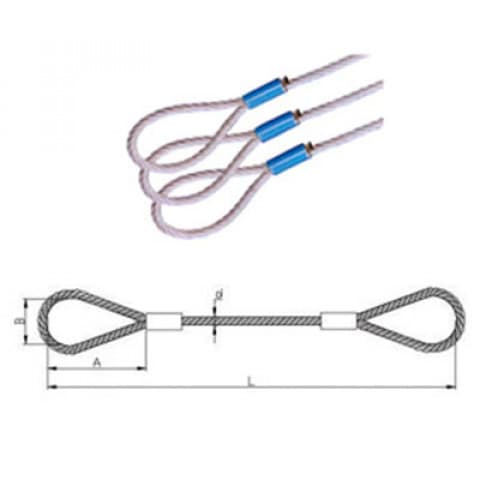 IH-LR-WS-SWGSwaged Soft Eye Wire Rope Sling (Ferrule Secured)
 IH-LR-G8-MLAE16774Grade 80 Master Link Assembly — EN 1677-4