
A contractor with crews in Abu Dhabi, Jubail and Ras Laffan works under three different sets of lifting rules, and a fourth set from each client. Some are detailed public codes; some are national product regulations; some are client standards that are not published at all. This guide sets out what we could verify from public sources in October 2026, country by country, and is clear about where we could not. It is a map, not legal advice — confirm with the authority and your client.
/01Country by country.
| Country | What is published | Where to look |
|---|---|---|
| UAE — Abu DhabiHighlighted | Lifting code of practice: accessories examined every 6 months, equipment every 12, by approved third parties; registers; SWL marking | Abu Dhabi occupational safety framework |
| UAE — Dubai | Municipal guidance: certification at least every 12 months by an accredited third party; certified operators, riggers, signallers | Dubai Municipality; accreditation rules |
| Saudi Arabia | SASO technical regulation: conformity certificate, notified-body inspection before use, periodic examination, Arabic labels | SASO; client standards |
| Qatar | QatarEnergy requirements for lifting service providers: LEEA-qualified inspectors, ISO 17020/17024 | QatarEnergy; project specifications |
| Oman | General OSH regulation; no lifting-specific clauses found | Ministry of Labour; client standards |
| Kuwait, Bahrain | No lifting-specific public rules found | Client and authority requirements |
/02UAE.
The UAE has the most detailed public rules in the region, set at emirate level. Our guide to lifting equipment inspection in the UAE covers Abu Dhabi’s and Dubai’s requirements in detail, and the lifting equipment register covers the records they expect.
/03Saudi Arabia.
Saudi Arabia regulates lifting equipment and accessories nationally through SASO’s technical regulation, in force since 2022: suppliers need a certificate of conformity; used and newly installed equipment needs a notified-body inspection certificate before use; periodic examination is required; marking and Arabic labels are specified. Client standards — Saudi Aramco’s most prominently — add site requirements. See lifting equipment rules in Saudi Arabia.
/04Qatar.
In Qatar’s energy sector, the clearest public requirements come from QatarEnergy. Its self-assessment for lifting equipment service providers asks whether every inspector holds a LEEA or equivalent qualification, whether the company is certified to ISO 17020 (inspection bodies) and ISO 17024 (certification of persons), and requires permanent inspection staff in Qatar. Certification bodies also cite a QatarEnergy standard for lifting equipment and operations (QP-PAI-STD-005), which is not public. Inspection intervals come from that standard, the project specification or the site’s procedures.
/05Oman, Kuwait and Bahrain.
Oman’s occupational safety regulation for establishments under the Labour Law (Ministerial Decision 286/2008, as amended) sets general duties, but we found no public lifting-specific clauses to cite; the major operators’ lifting standards, which govern most heavy lifting, are not public. For Kuwait and Bahrain we found no lifting-specific public rules. In all three, the client’s standards and the project specification govern — ask for them at tender.
/06The common baseline.
Where local rules are thin, Gulf sites and client standards commonly draw on two references. The UK’s LOLER regime requires thorough examination of lifting accessories at least every 6 months and other lifting equipment every 12 months (or to a competent person’s examination scheme), and after exceptional circumstances such as damage or long periods out of use. The US ASME B30 standards — B30.9 for slings, B30.10 for hooks, B30.26 for rigging hardware — set inspection levels and removal criteria. See ASME B30.26 explained.
Common questions
- Which GCC country has the strictest lifting inspection rules?
- Among published rules, Abu Dhabi’s code is the most detailed, with 6-monthly examination of lifting accessories by approved third parties. Client standards elsewhere can be as strict.
- Do Qatar lifting inspectors need LEEA qualifications?
- QatarEnergy asks lifting service providers whether every inspector holds a LEEA or equivalent qualification.
- Is LOLER used in the Gulf?
- It is a UK regulation, but its intervals and principles are widely used as a baseline in Gulf client standards and site procedures.
- Where do I find Oman or Kuwait lifting rules?
- We found no public lifting-specific rules; the client’s standards and project specification govern.
- Can you supply certified rigging across the GCC?
- Yes, from Dubai, with the manufacturer’s test certificate on rated items. Tell us the documents your client requires.
Certified rigging for GCC projects
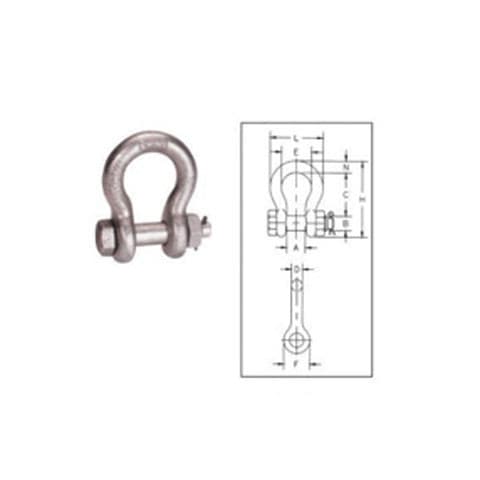 IH-LR-SH-G2130Bolt-Type Anchor Shackle — G-2130 Pattern
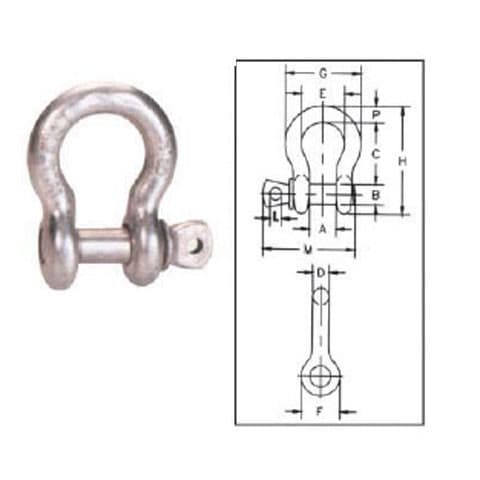 IH-LR-SH-G209Screw Pin Anchor Shackle — G-209 Pattern
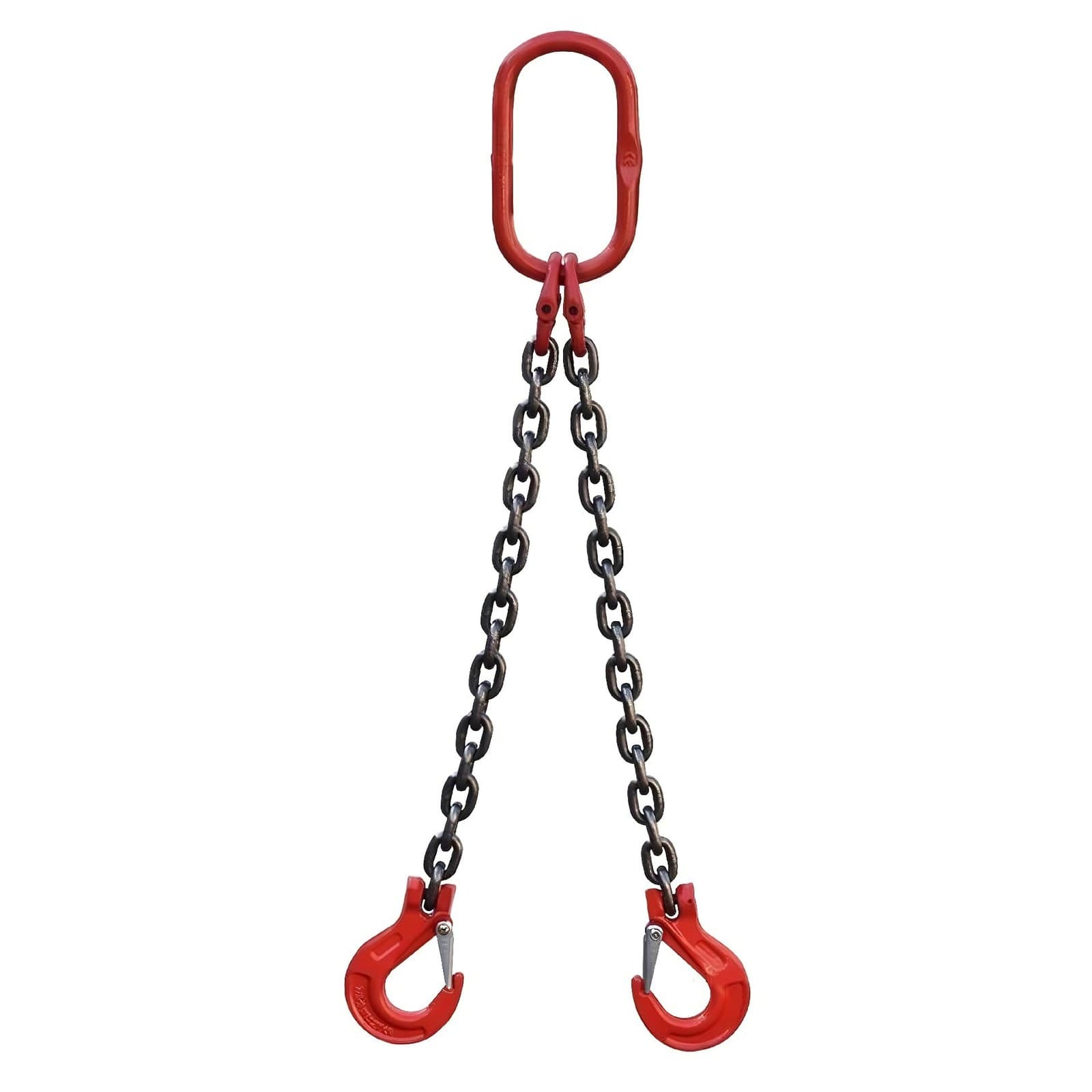 IH-LR-CS-G80DOSGrade 80 Two-Leg Chain Sling with Sling Hooks — Type DOS
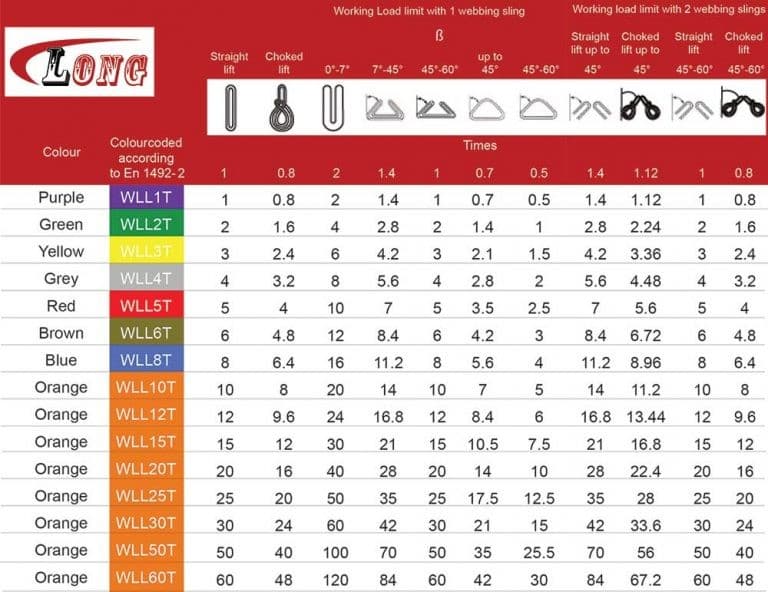 IH-LR-SY-PRSEPolyester Round Sling — Endless
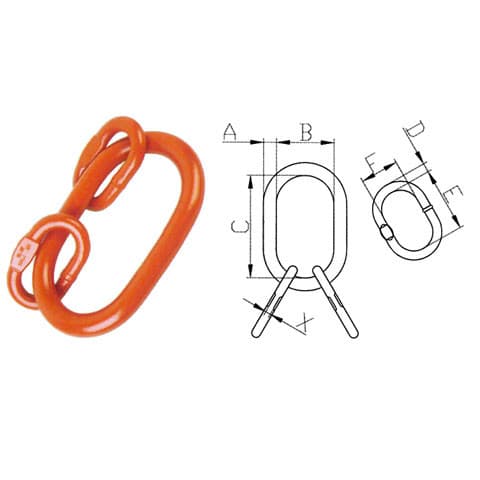 IH-LR-G8-MLAGrade 80 Master Link Assembly
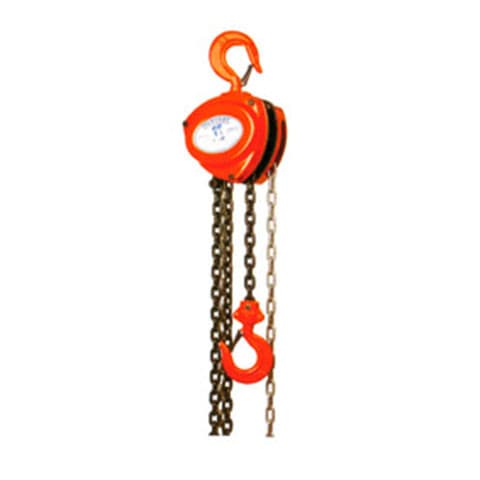 IH-LR-CB-AManual Chain Block — Type A