
A counterfeit shackle looks like the real thing from a metre away: same shape, similar finish, a WLL stamp on the bow. Up close, the story changes — no maker’s mark, stamps that do not match the size, a pin from somewhere else. The consequences of missing it can be severe, because a forged rating is a rating nobody tested. Industry alerts have recorded counterfeit shackles in West African, European and US markets, and warned that even suppliers in established markets can be sold fakes. This guide sets out how to catch them.
/01What has been found.
- A US national laboratory found a suspect counterfeit shackle carrying a forged country-of-origin stamp and forged size and capacity marks, with no maker’s mark — which the US rigging hardware standard requires. It was tagged and removed.
- An offshore industry safety flash reported counterfeit shackles in West African and European markets, warning that suppliers in Europe or the US could themselves have been sold fakes, so buyers should check where items were actually made.
- A spreader-beam maker warned that genuine components had been altered to fit imitation parts — mixed assemblies are a warning sign.
- Regulators have also circulated makers’ safety notices on defective shackles — a reminder that genuine products can be recalled too.
/02Red flags.
| Check | Red flag |
|---|---|
| Maker’s markHighlighted | Missing, misspelt, or a different style from the maker’s genuine marking |
| Rating and size stamps | Missing, crude, inconsistent with the item’s size, or obviously added later |
| Traceability code | None, or codes that do not match between body and pin |
| Components | Pins, nuts or parts that do not match the body; parts altered to fit |
| Certificate | Cannot be verified with its issuer, or does not match the type, size or batch received |
| Source | Supplier cannot say where items were made, or offers documents only after delivery |
/03A receiving check that catches most.
- Read every mark on body and pin, against the purchase order — see shackle markings explained.
- Match to the certificate: type, size, WLL and batch or traceability code.
- Verify the certificate with its issuer if anything looks wrong.
- Compare a suspect item with a known genuine one of the same pattern: dimensions, weight, finish, pin fit.
- Ask the supplier where the items were made and by whom.
- Quarantine anything that fails, and do not let it enter the lifting register.
/04Buying to avoid it.
Buy rated hardware with a stated pattern or standard, marked with maker, WLL and size, from suppliers who can show the certificate before dispatch and say where it was made. Treat prices far below the market with suspicion and ask why. Our rated items ship marked with their WLL and with the manufacturer’s test certificate under Indus part numbers; see the shackle buying guide and commercial grade vs lifting grade for the related question of genuine but lower-rated hardware.
Common questions
- Are counterfeit shackles common?
- They have been reported in several markets, including through established suppliers who were deceived. Every site should check markings and certificates on receipt.
- What markings should a genuine shackle have?
- The maker’s name or mark, its WLL and its size, usually with a traceability code that matches the pin and certificate.
- Can a certificate be faked?
- Yes. Verify it with its issuer if the item or the paperwork looks inconsistent.
- What should I do with a suspect shackle?
- Quarantine and tag it, keep it as evidence, check the batch, and report it to the supplier, the named maker and your safety team.
- Is a cheap shackle always counterfeit?
- No — commercial-grade shackles are genuine products with lower ratings. But a supposedly rated shackle far below market price deserves questions.
Marked, certified hardware
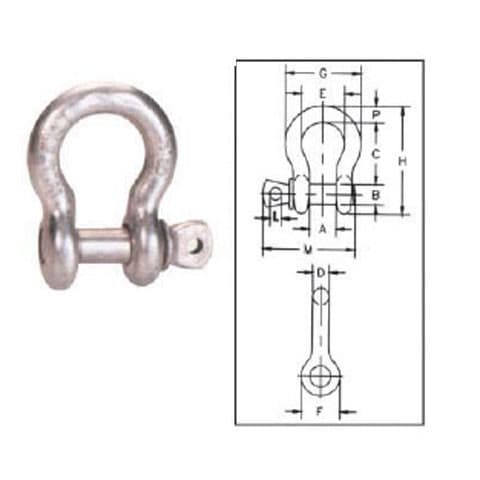 IH-LR-SH-G209Screw Pin Anchor Shackle — G-209 Pattern
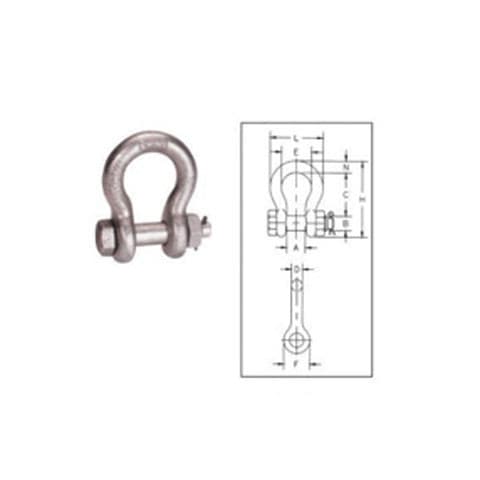 IH-LR-SH-G2130Bolt-Type Anchor Shackle — G-2130 Pattern
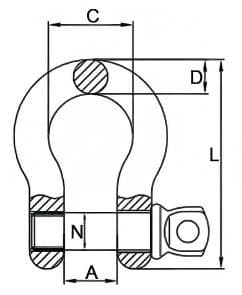 IH-LR-SH-8ASPASGrade 8 Alloy Screw Pin Anchor Shackle
 IH-LR-SH-SSA2741SPGrade S Shackle — AS 2741, Safety Pin
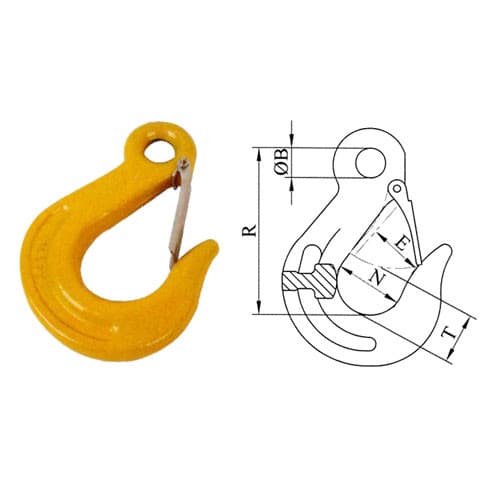 IH-LR-G8-ESHLGrade 80 Eye Sling Hook with Latch
 IH-LR-RL-WAMLWeldless Alloy Master Link