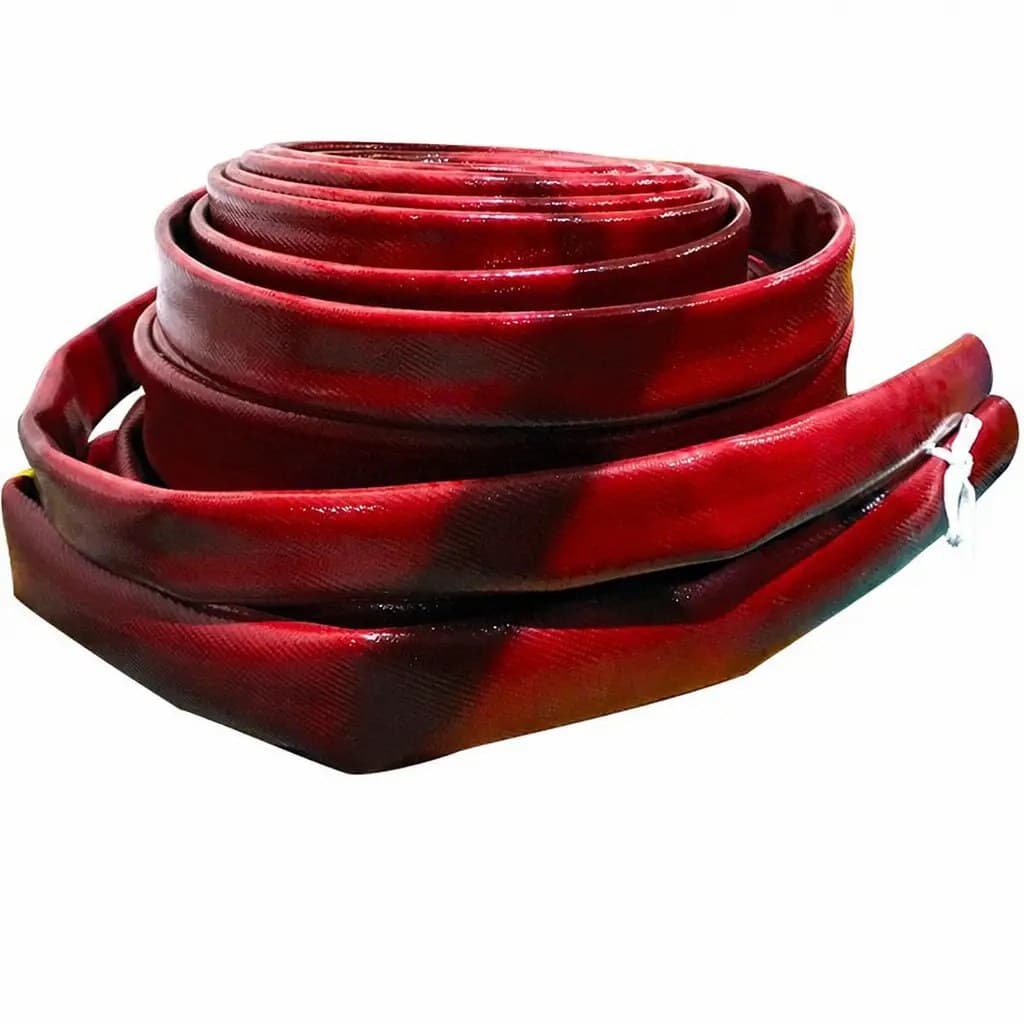
Antistatic TPU Lay Flat Oil and Fuel Transfer Hose
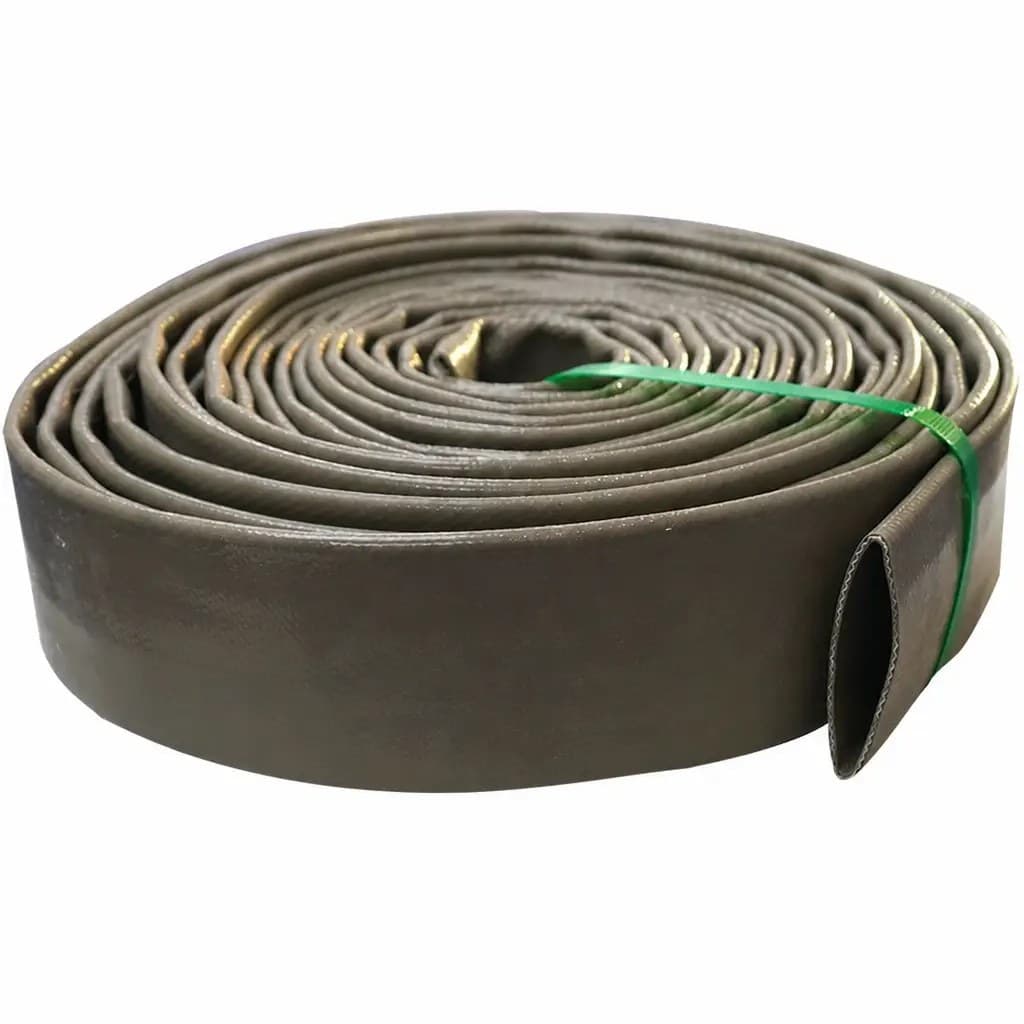
TPU lay flat hose for diesel, fuel and oil transfer, with a copper earthing wire woven into the jacket for static dissipation: 2" to 12". Supplied in long continuous lengths or as made-up assemblies with couplings fitted, from Indus Hydraulics in the UAE.
Key features
- Application Family: lay-flat fuel transfer
- Inner Diameter Range: 2" to 12"
- Max Working Pressure: Confirmed with quotation
- Operating Temperature: -50 °C to +80 °C (-60 °F to +176 °F)
- Application Family
- lay-flat fuel transfer
Product description
A lay flat transfer hose for diesel and other fuels and oils: refuelling drilling rigs and camps, temporary fuel lines between storage and equipment, and military and emergency fuel distribution. A copper wire woven into the jacket gives the hose electrical continuity so static charge from the flow can be earthed through the couplings.
Construction
- Tube and cover: oil-resistant TPU, extruded through the jacket in one pass
- Reinforcement: circular-woven polyester with copper earthing wire
- Temperature: -50 °C to +80 °C, flexible in cold weather
- Colour: dark green or light green
Properties
- Resists fuels, oils, chemicals, UV and ozone
- High abrasion resistance for dragging on site
- Lays flat on a reel and deploys quickly over long distances
- Lengths up to 400 m
Pressure and sizes
Bores from 2" to 12". A per-size pressure table is not published for this line; tell us the fuel, flow, bore and pump pressure and we will confirm the rating before quoting. Earth the hose through conductive couplings at both ends and check continuity before use.
Installation and care
- Unroll the hose fully and lay it out straight before pressurising; a hose pressurised on the reel or with twists can kink and burst.
- Run it along the shortest practical route, away from sharp edges and hot surfaces, and protect it with hose ramps where vehicles cross.
- Raise and lower pressure gradually. Closing a valve suddenly on a long line causes a surge that can exceed the working pressure.
- Stay within the working pressure of the size in use; burst pressure is a test figure, never an operating limit.
- After use, drain the hose, flush it if it carried slurry, fuel or concrete, and roll it flat from the far end to push out what is left.
- Store coils out of direct sunlight and away from sharp objects, and inspect the cover and coupling bands before each deployment.
How to order
Quote the Indus part number, or send the bore, the length you need, the fluid and the end connections. We supply bulk coils or made-up assemblies with couplings fitted and banded. Price and lead time are confirmed with the quotation.
Identification
| Parameter | Value |
|---|---|
| Application Family | lay-flat fuel transfer |
| Colour | Dark green or light green |
| Construction Type | Lay flat (collapses when empty) |
Dimensions
| Parameter | Value |
|---|---|
| Inner Diameter Range | 2" to 12" |
Performance
| Parameter | Value |
|---|---|
| Max Working Pressure | Confirmed with quotation |
| Operating Temperature | -50 °C to +80 °C (-60 °F to +176 °F) |
Construction
| Parameter | Value |
|---|---|
| Cover Material | TPU, oil and ozone resistant |
| Lining / Tube Material | TPU, oil resistant |
| Reinforcement | Circular-woven polyester jacket with copper earthing wire |
Shipping & lead time
Is the hose antistatic?▾
Which fuels can it carry?▾
What pressure is it rated for?▾
Can you supply it as a made-up assembly with couplings?▾
How do I choose the bore?▾
Shipped worldwide from our Dubai warehouse. Transit, routes and documentation for 126 destinations
From the blog
Written about this part
Industrial hose
Antistatic fuel transfer hose: earthing, bonding and lay flat for diesel lines
Diesel flowing through a hose generates static charge. If the hose or a coupling is electrically isolated, that charge can build until it sparks. How bonded (M) and conductive (Ω) hoses differ, how to earth a temporary fuel line, and where an antistatic lay flat hose fits at drilling camps, rigs and remote sites.
6 min read
Industrial hose
TPU vs NBR vs PVC lay flat hose: which cover material, for which job
Three materials make almost every lay flat hose sold today. TPU is the strongest and lasts longest when dragged; nitrile rubber shrugs off oil and is rated 10 bar in every size; PVC is light and cheap for clean, low-pressure water. Here is how they compare on pressure, abrasion, oil, temperature, weight and cost — and how to choose.
6 min read
Industrial hose
Lay flat hose: the complete guide to types, pressure, sizing and couplings
Lay flat hose rolls flat when empty, runs out in continuous lengths up to 400 m and carries anything from groundwater to diesel to concrete. This guide covers how it is built, the three cover materials, what its pressure rating really means, how to size a line, which couplings to use and the one job it must never do.
8 min read
Engineers viewing this also looked at
TPU Lay Flat Drinking Water Hose
TPU Lay Flat Slurry Drag Hose
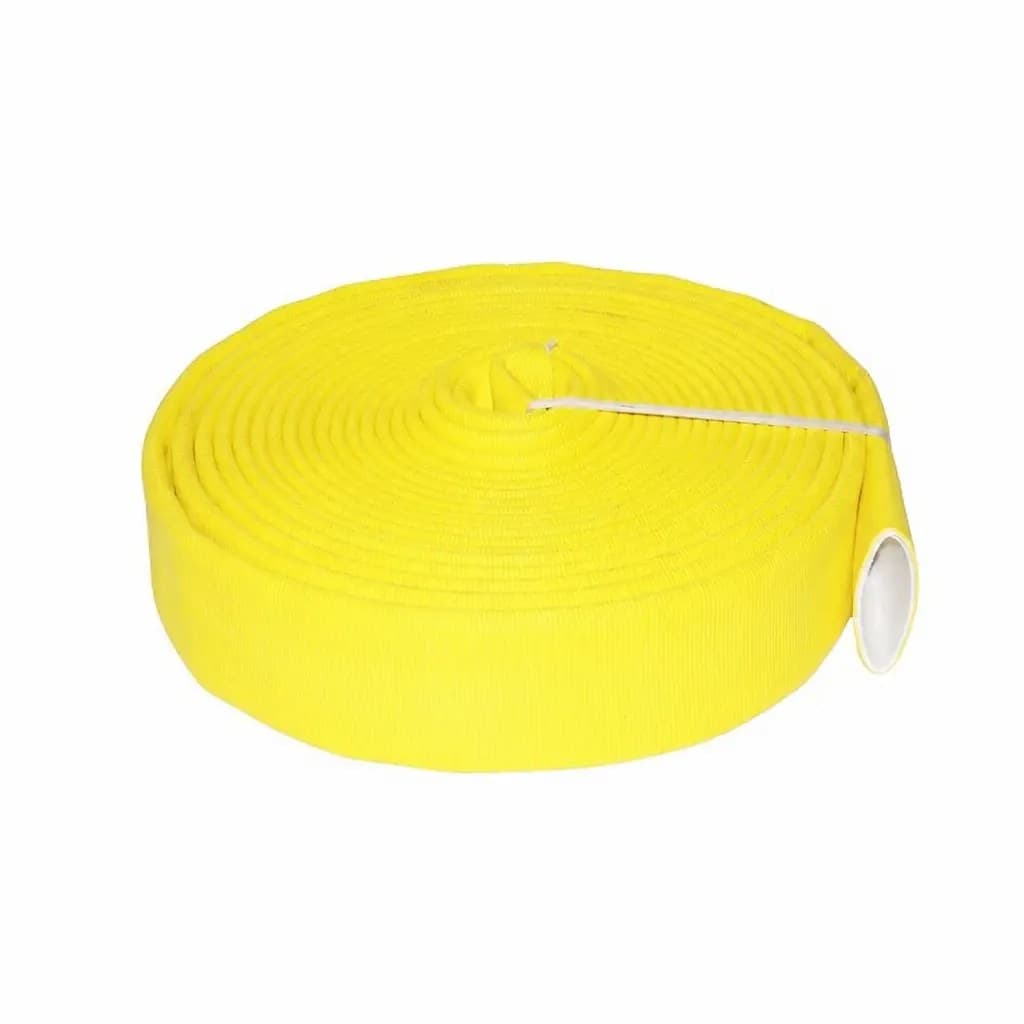
TPU Lay Flat Snowmaking Hose
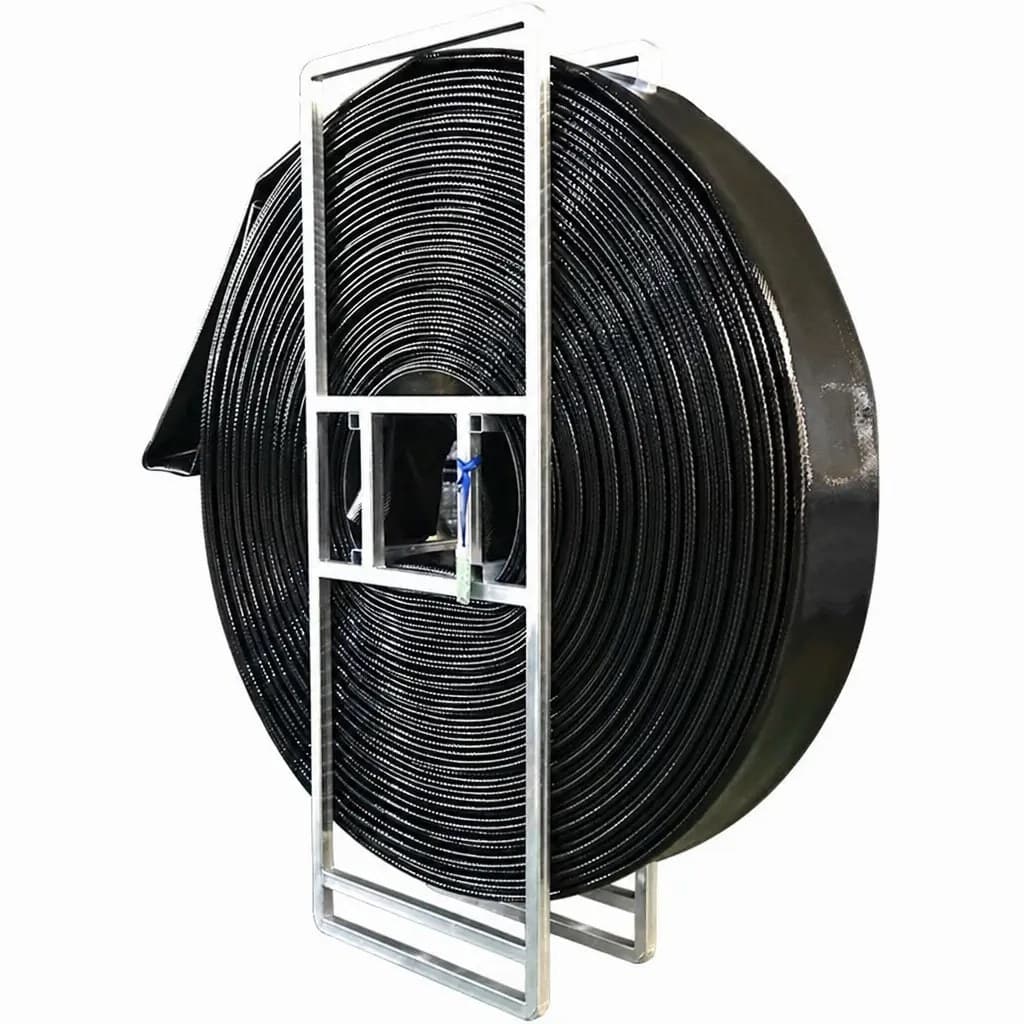
TPU Lay Flat Slurry Supply Hose
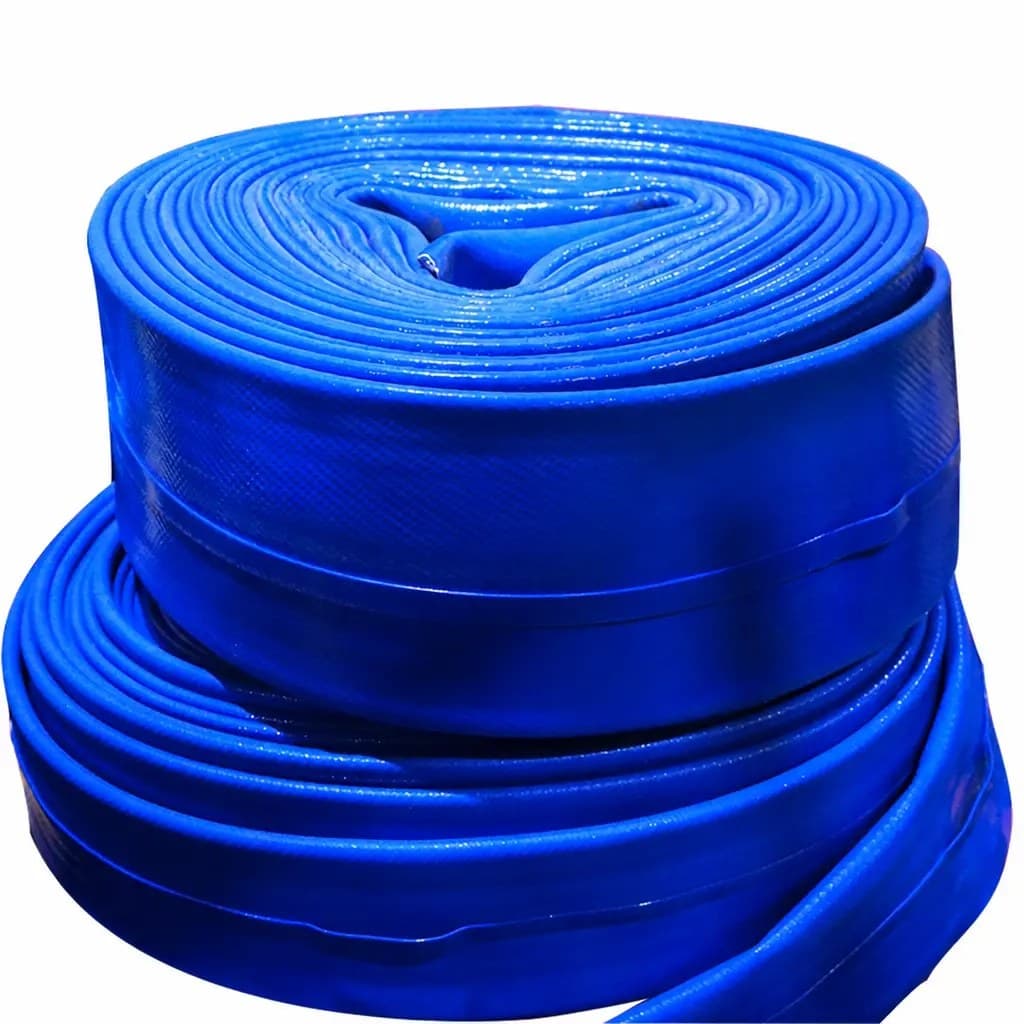
TPU Lay Flat Well Riser Hose

Heavy-Duty TPU Lay Flat Well Riser Hose

TPU Lay Flat Compressed Air Hose